






How to prepare and cut a sandwich panel
Sandwich panel installation
At a glance
Before switching on the saw, confirm the dimensions, support the panel and decide how to close the exposed edge. Choose tooling for both the facings and the core. Afterwards remove swarf and inspect the coating. Changing an opening can affect the whole wall. Draw up a cutting list and set out the façade joints. Ordering the right lengths from the factory reduces site work and waste. Check tolerances and the details at the plinth, eaves and reveals. Compare drawing dimensions with the actual frame before placing the order.
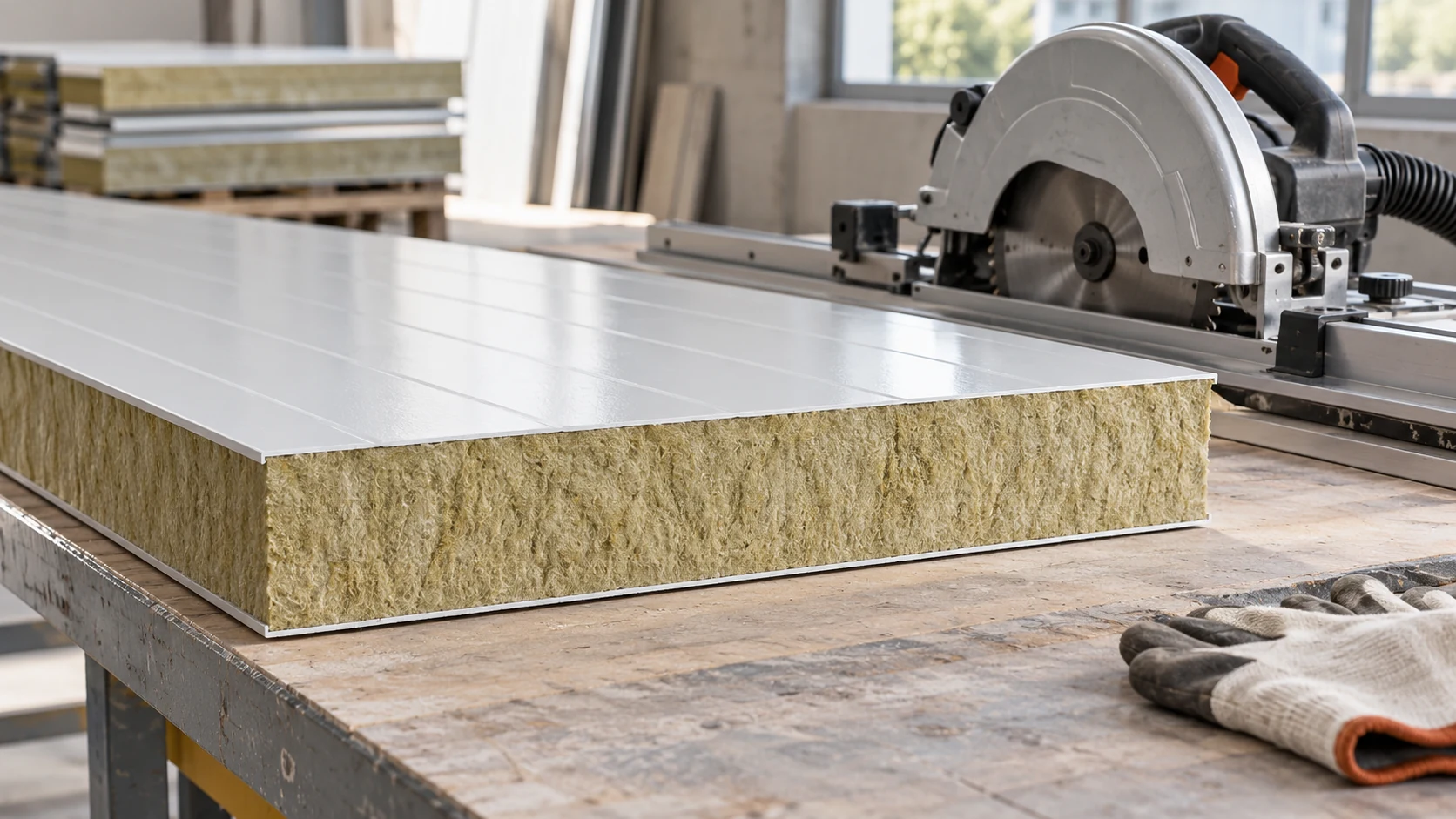
Reduce cutting when ordering
Agree service openings with the installers. A relocated duct may cross a joint or fixing zone. Before cutting to resolve a clash, check the remaining panel supports and the effect on fire performance and weather or air seals.
Prepare supports and working space
Lay the panel on a stable work station in accordance with system instructions. Support it against uncontrolled deflection and prevent the offcut from dropping. Protect the underside from dirt and scratches. A hard object left on the bench can damage the facing as the panel is moved.
Provide space for the offcut and access for the tool. Long or heavy panels may need handling equipment. Before turning a panel, prepare the space and supports. Select personal protection for sharp edges, dust and noise in accordance with the tool instructions.
Choose tooling for the full panel thickness
Use a tool intended for sandwich panels, such as a suitable panel saw or saw with the specified blade. Select it for the thickness, core and cut geometry. Consult both panel and tool instructions. A saw capable of cutting sheet metal may still be unsuitable for the composite panel.
Do not cut coated panels with an angle grinder. Heat and hot particles can damage the sheet’s protective layers, with corrosion appearing later. Cut flashings with appropriate tools, such as sheet metal shears, and avoid abrasive discs.
Mark out and secure the opening
Check the clear opening dimensions and space for framing. Mark supports and fasteners. An opening that crosses a joint or lies near a panel end requires particular assessment. A narrow remaining strip may behave differently from the full panel used in the design.
Support the offcut so the facing cannot peel away uncontrollably from the core. Follow the tool and system instructions for sequence and technique. For a fire-rated wall, approve the penetration protection detail before cutting the opening.
Use marking lines that can be removed without damaging the finish. Check the measurement again with the person responsible for the opening. Even a small error can prevent a watertight flashing detail. Once services are installed, it is harder to reach the cut and remove the waste.
Remove swarf before it damages the coating
Collect metal particles from both accessible faces and adjacent elements. Swarf left on a coating can rust and leave marks. Do not rub it into the finish. Use a non-scratching method approved for the material.
Inspect the edge, facings and core for burrs, local delamination or coating damage. Select edge protection compatible with the exposure and protective finish. An arbitrary paint or sealant may be incompatible with the panel materials.
Close the exposed edge
Finish the cut with the specified flashing, seals and framing where required. They must keep water out and preserve the wall’s intended performance. Do not leave mineral wool exposed on the assumption that the service will cover it. Complete the opening as a coordinated assembly.
Before closing up, photograph the detail and check it against the drawing. Establish whether it will remain accessible for inspection. Record the location and extent of any alteration to an existing wall so future workers can locate cuts, joints and reinforcements.
Questions and answers
Can the same tool cut mineral wool and PIR panels?
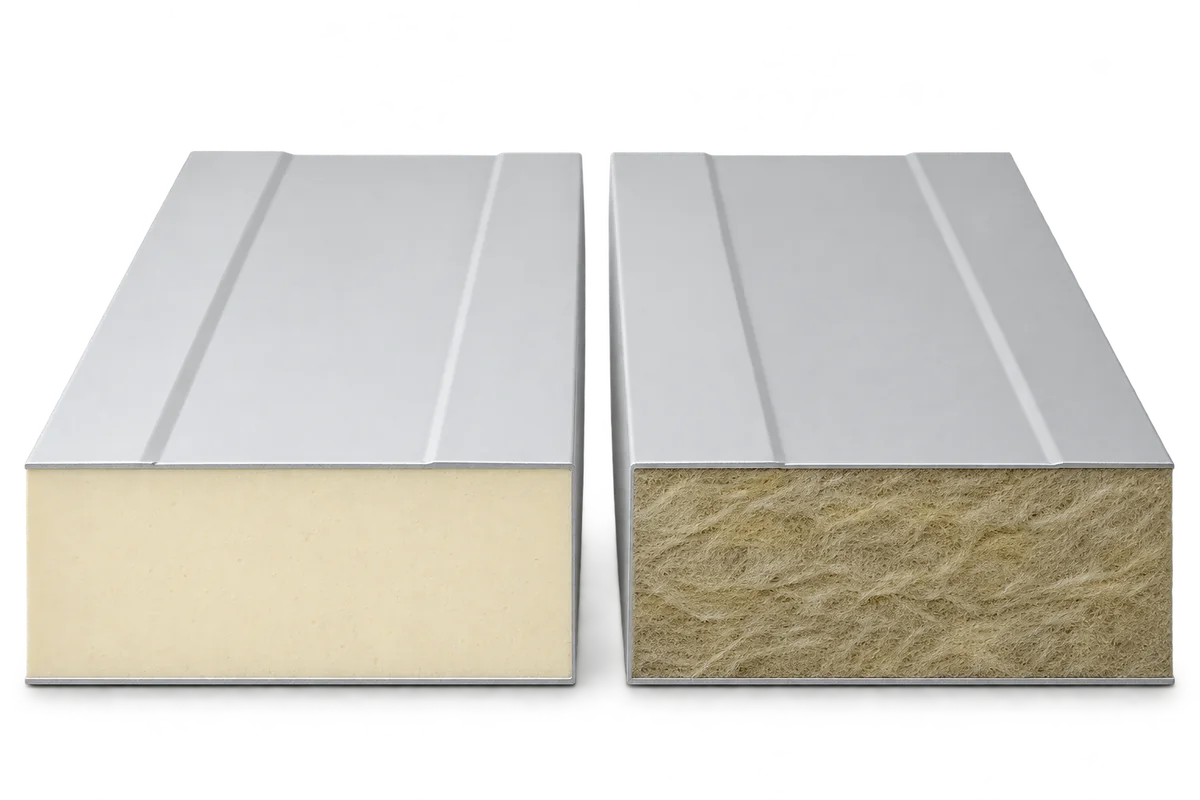
Only if the tool and accessories suit both materials and the panel thickness. Check both sets of instructions. Different cores may need different cutting techniques.
Is a cover strip enough to protect a cut edge?
A strip is part of the detail. Sealing, fire protection, edge treatment and support must meet the design and may require additional components.

Free quote
What to include in your enquiry
Tell us how you plan to use the material, the dimensions and the quantity you need. Include the thickness, grade or variant name, along with the delivery town or your preferred collection branch. For a specific product, add its name or a link to the product page. We will reply to the email address you provide to discuss availability and the terms of your order.

Read next
In Polish, “płyta obornicka” is a common name for a sandwich panel used to enclose a building. A typical panel has two…
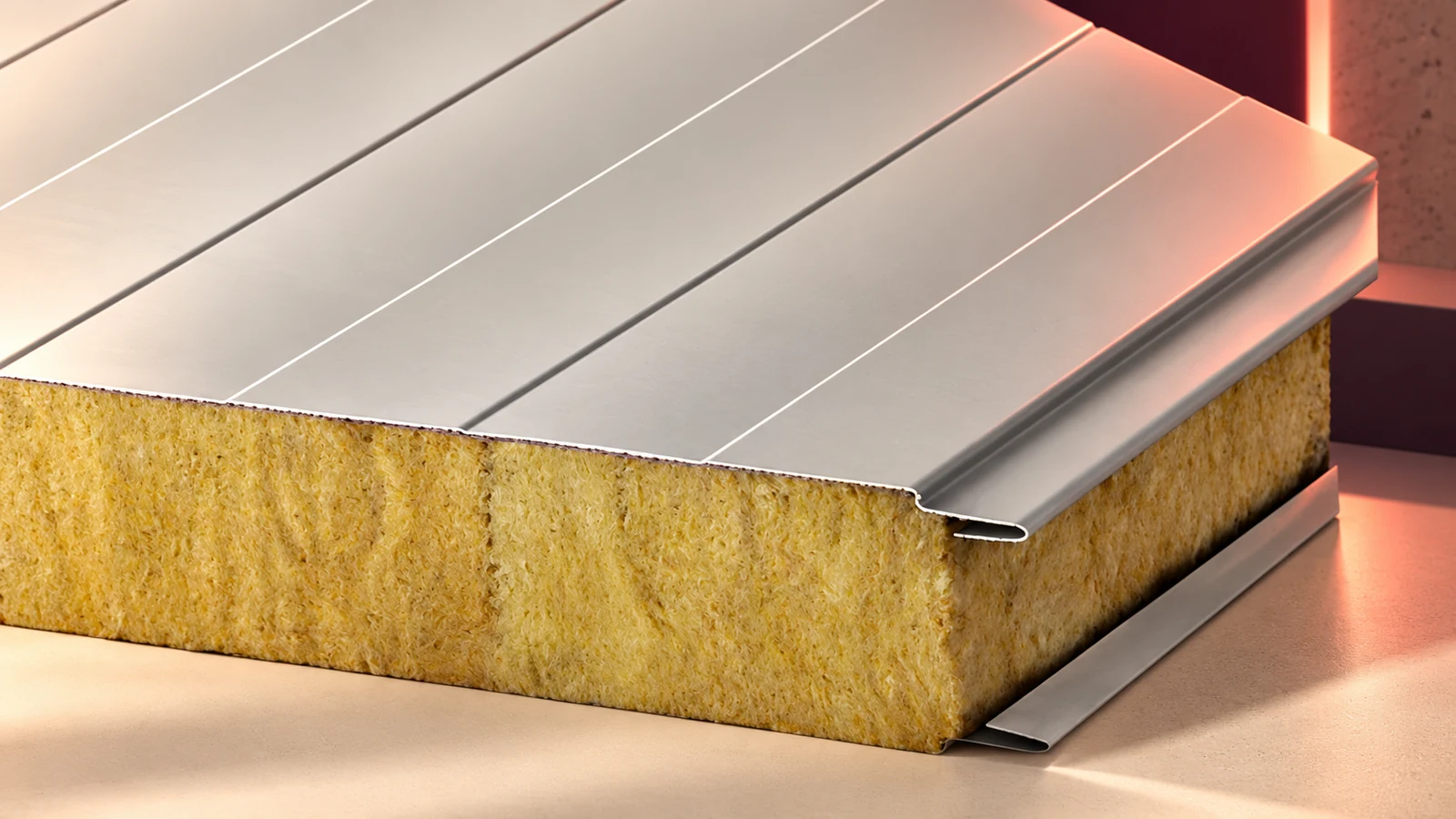
Mineral wool sandwich panels have metal facings bonded to an insulating core. They are used for walls and roofs. Each model needs…

A sandwich panel can form part of a house’s envelope. To choose one, establish how the house will carry loads and how…
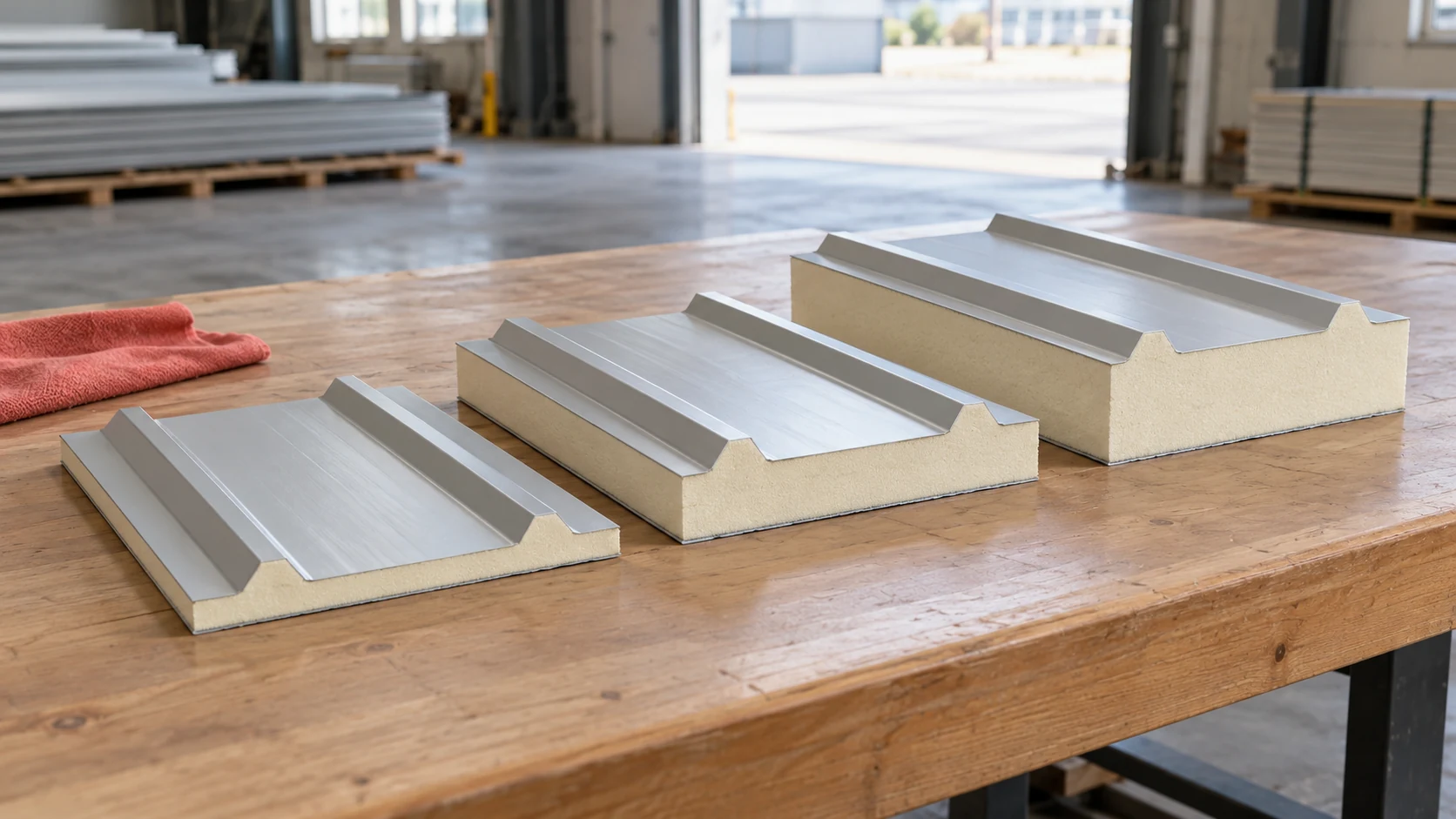
Choose roof panel thickness by comparing complete configurations against the building design. Start with indoor temperature, humidity and heating hours. A warehouse,…
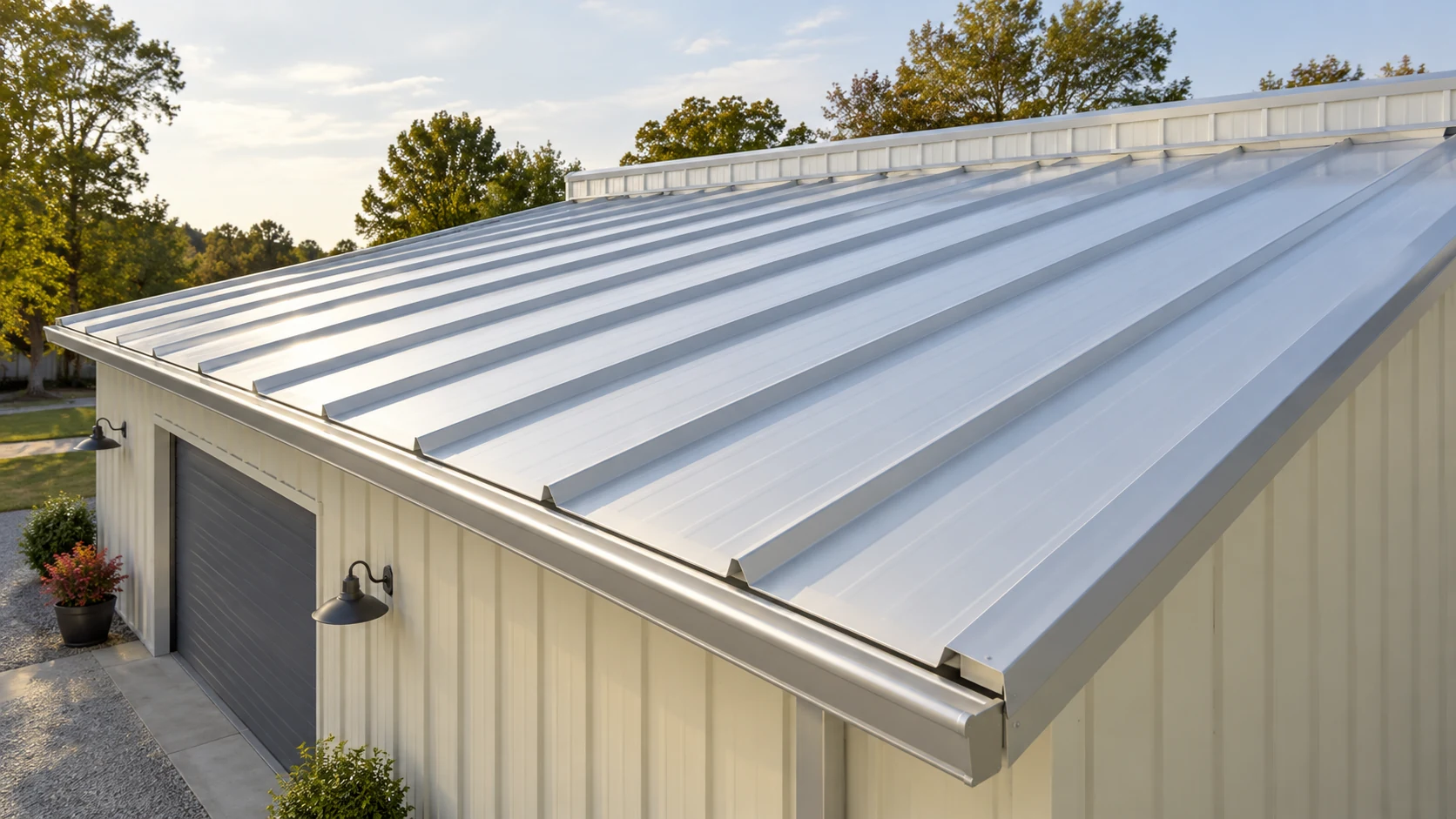
A roof that looks flat still needs a reliable drainage path. For a sandwich panel roof, check the minimum pitch for the…
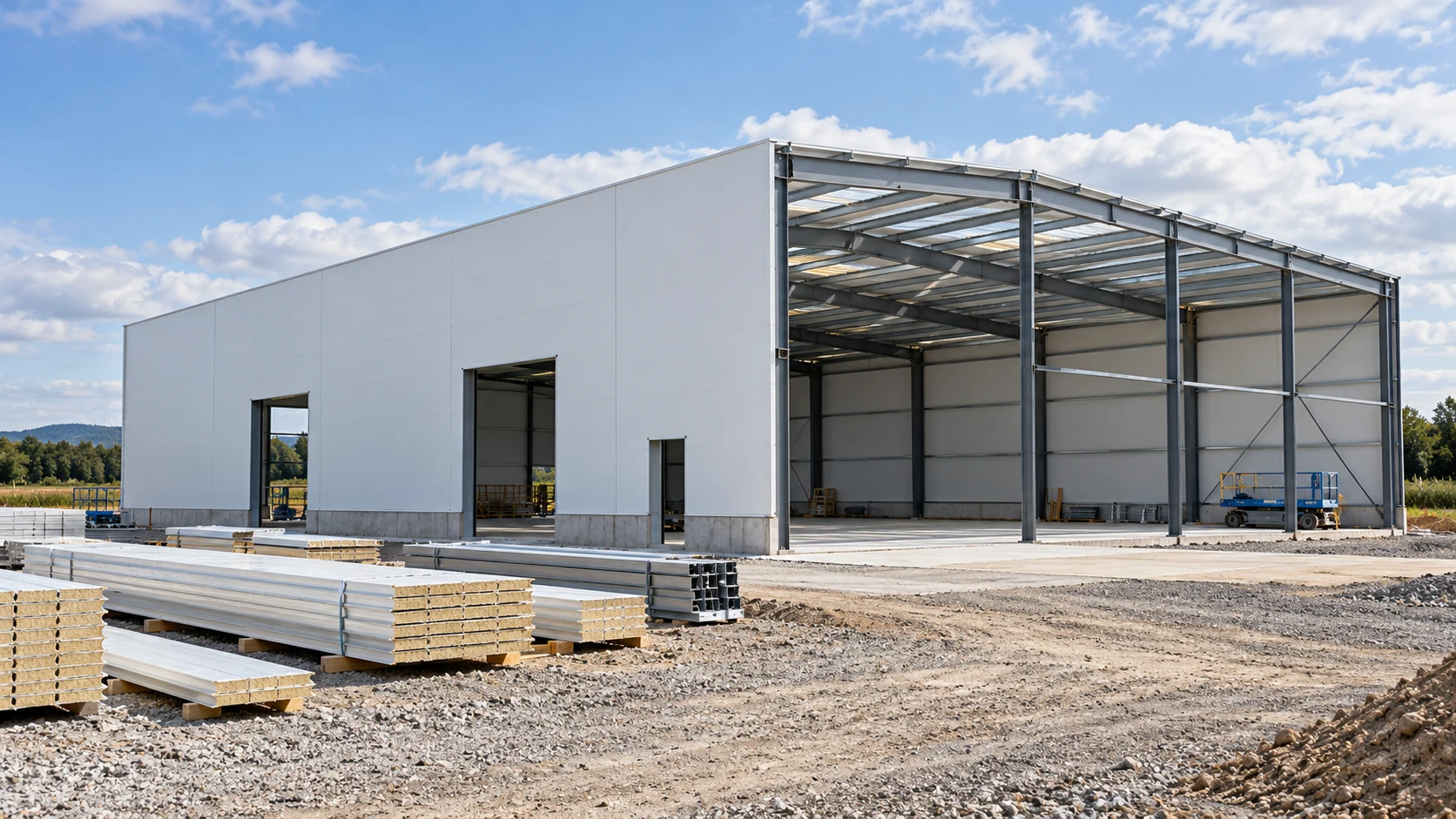
The total price of a building tells you little about when you will need the money. Budget separately for site preparation, the…

A rate per square metre may cover fixing the panels alone or much of the work on the building envelope. Before choosing…
The designations EI and REI describe how a wall or roof performs when exposed to fire. Each letter identifies a function and…
