






Planning a long picket fence: bay types and picket quantities
Metal pickets and fencing
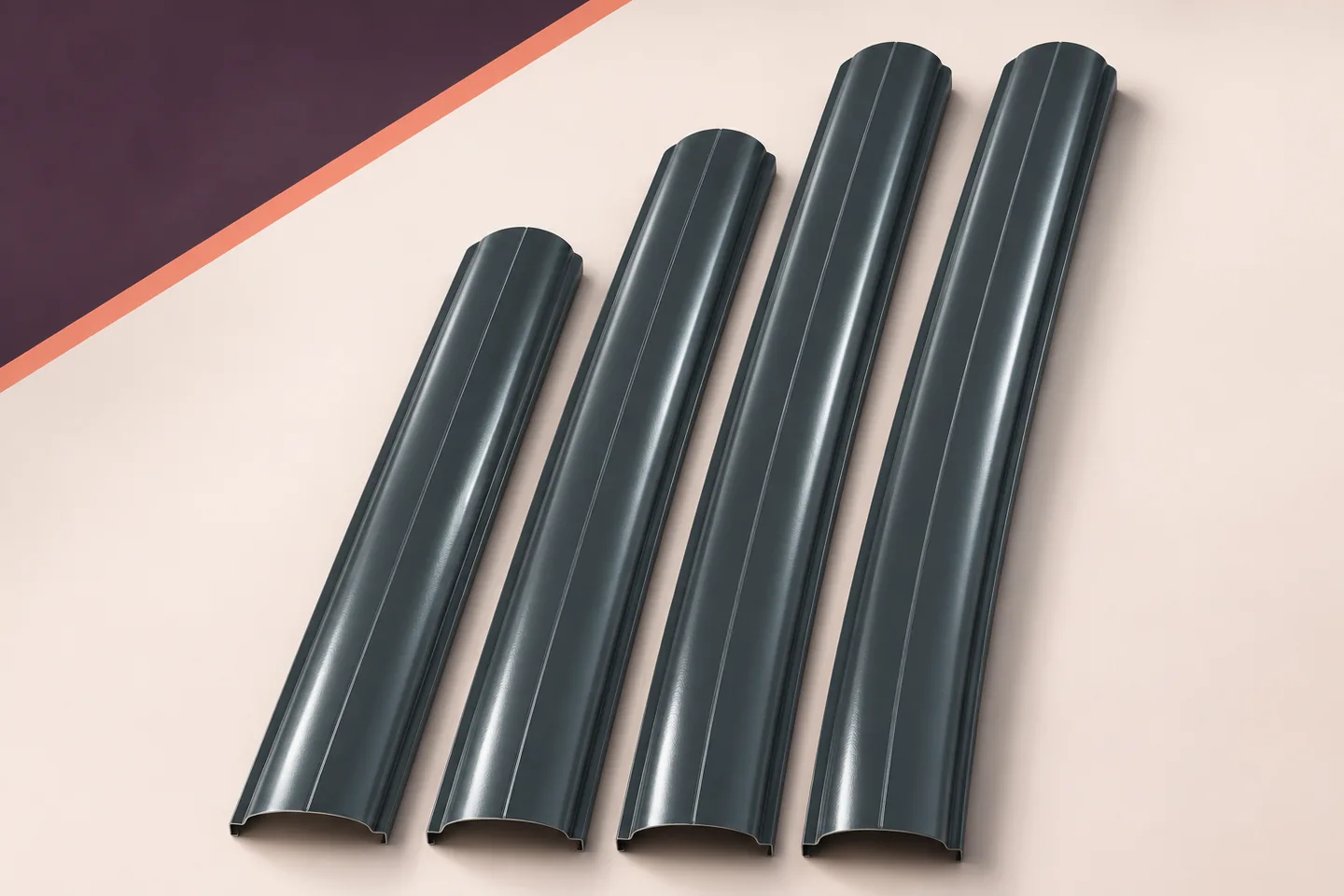
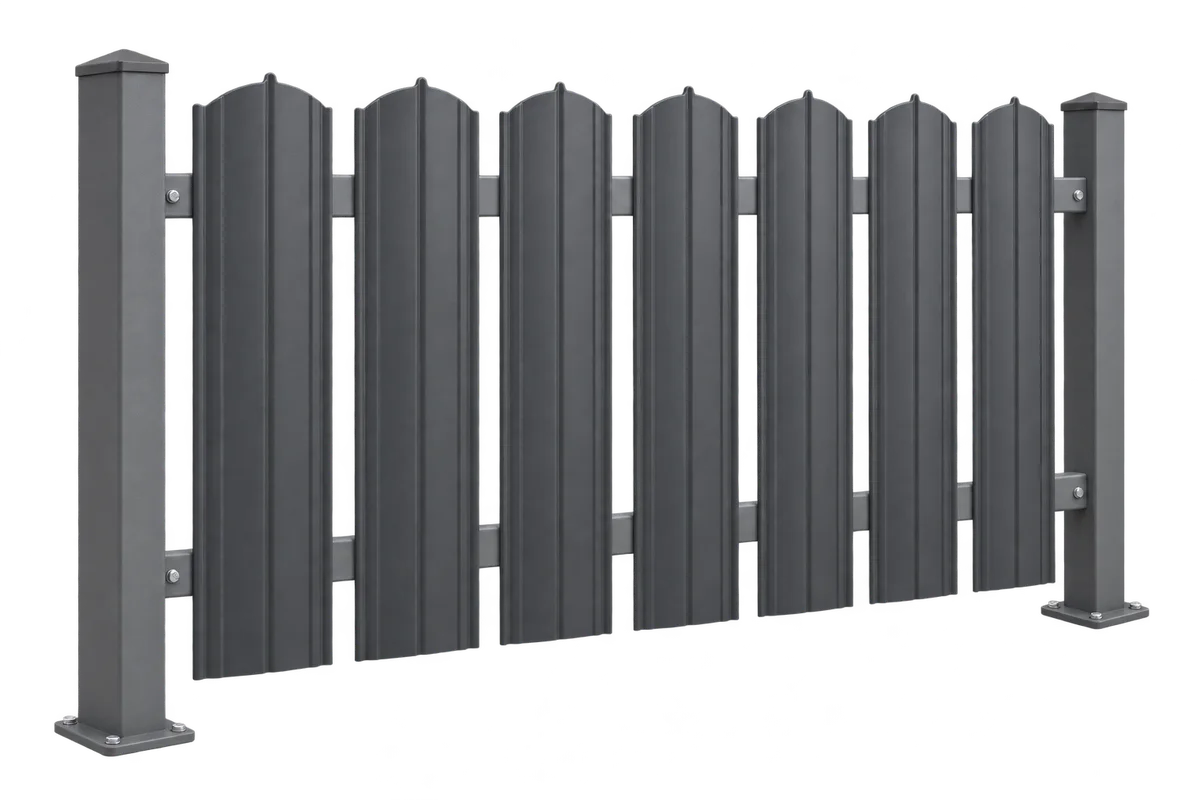
On a long fence, a small error in spacing, picket length or delivery labels can recur in every bay. Divide the perimeter of a business site into clearly identified sections. Metal pickets suit repeated layouts, provided the material schedule describes each one accurately. A good schedule helps with pricing and installation and makes later repairs possible without measuring the whole run again. Group sections that share a height, coating and picket arrangement. List corners, gates and changes in level separately. Each group can then have its own drawing of a typical bay and a short list of the dimensions that apply.
In this article
Group sections by their shared features
Check site measurements before standardising. Existing posts can have different spacings, in which case the schedule needs variants of the typical bay. Ordering every sheet metal picket to one dimension will leave discrepancies in the supporting frame unresolved. Compare the survey with the plan first.
Give each module a clear reference
Set a starting point and direction for the numbering. On a large site, different crews may understand “on the hall side” differently. Mark the sections on a plan and use the same references on the material schedule and inspection records.
Label the packs with the same references so each one can go straight to its installation area. This cuts down on moving and sorting material again. Where several lengths look similar, it also saves time and protects the finish from scuffing.
Give all crews access to the same marked-up plan. If delivery and inspection have separate numbering systems, provide a cross-reference. A module reference should always identify the same dimensions. This makes it easier to report a missing pack or mark where a correction is needed, particularly when crews work on several parts of the fence out of sequence.
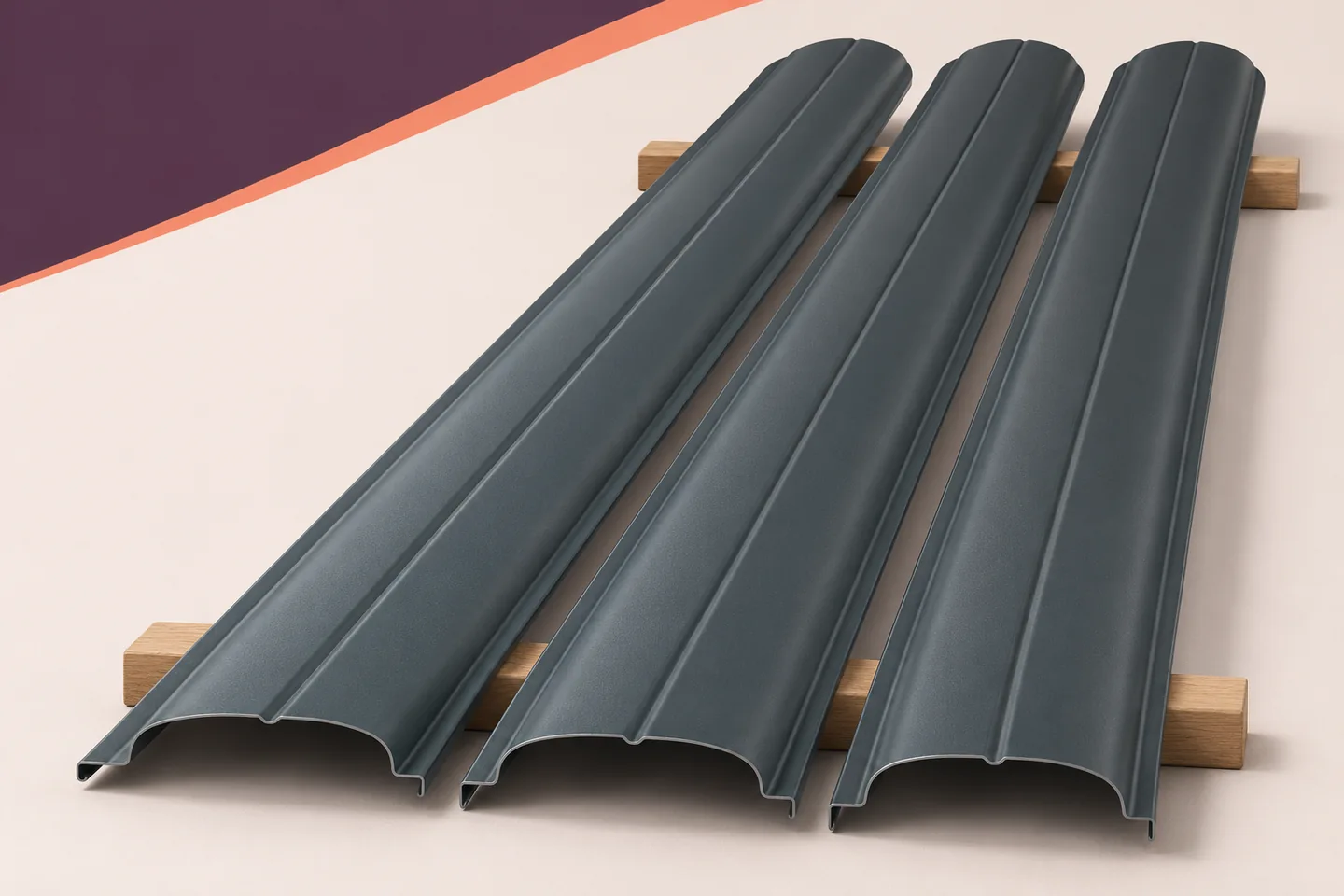
Calculate quantities using the finished picket width
Set out each bay using the actual width of the finished picket. The strip width before forming is a production dimension. The finished picket occupies a different width in the fence. Include the clear gaps between pickets and the margins at the posts. Dividing the full perimeter by a single picket width leaves out all of those allowances.
Calculate one arrangement for a repeated bay and use it wherever the measured dimensions match. Check each exception separately. For example, a short closing bay beside a gate is easy to miss in an overall quantity calculation.
Standardise lengths within the structural limits
Reducing the number of lengths can simplify fabrication and fitting. Increasing support spacing solely to achieve that can leave a bay unsuitable for its loads. Check that each proposed span is structurally appropriate before accepting the simpler schedule.
Made-to-length metal pickets can match the site dimensions. Check fabrication options before finalising the bay layout. Available lengths vary by profile, as do the permitted installation orientations.

Carry the spacing pattern through gates and corners
Vehicle gates, pedestrian gates and corners often fall outside the standard module. Set out their infill separately. Keep the visual rhythm where possible while allowing for frames, hardware and access for tools. An uneven end gap is especially noticeable at an entrance.
Draw an elevation of the full fence run. It shows where the height or picket count changes and lets everyone agree the appearance before fabrication. A typical bay drawing alone does not show how the fence meets gates, corners or other site features.
Plan delivery and installation in sequence
A long fence can be built in stages. Assign unloading and temporary storage areas for each delivery. Protect sheet metal pickets whenever they have to be moved. Each additional handling operation increases the risk of scuffing.
If one delivery covers several sections, check the contents against the schedule before splitting it up. Record the profiles, coatings and lengths. Label spares separately so the parts reserved for future repairs are still available if a quantity error occurs during the first stage.
Use a consistent inspection method
Use the first bay to agree the appearance and installation method. Once accepted, it gives the crew a reference for subsequent sections. Continue checking the fixings and surface condition throughout. Colour approval on the first bay covers only one part of the inspection.
Record completed sections and local changes as work progresses. On a long run, adjustments are easily lost if only the crew remembers them. A clear list supports final inspection and later maintenance and helps locate an individual picket or bay.
Keep bay drawings for future repairs
Retain the typical bay drawing after handover. Include the profile, lengths, clear gaps and fixing details so that a damaged section can be replaced without surveying the entire perimeter. A deliberately planned and documented pattern makes sheet metal pickets practical both during construction and throughout the years of use.

Free quote
What to include in your enquiry
Tell us how you plan to use the material, the dimensions and the quantity you need. Include the thickness, grade or variant name, along with the delivery town or your preferred collection branch. For a specific product, add its name or a link to the product page. We will reply to the email address you provide to discuss availability and the terms of your order.
Read next

On an open industrial site, a fence may have little shelter from the wind. The gaps between its pickets then become a…
Before choosing a metal picket fence, look through a sample panel from the pavement as well as from the garden. The view…
Start by marking the gate, driveway and individual fence bays on a plan. At the driveway, check the view of the street…
When a business installs its perimeter fence in phases, the dates, contractors and readiness of the supporting frame can change between deliveries.…
A fence beside a manoeuvring yard needs to leave room for vehicles, preserve sightlines and remain accessible for maintenance. Metal pickets can…
Steel pickets make it possible to vary the look and privacy of a fence without changing the height of every panel. The…

A business frontage should make it clear where visitors can enter on foot, where vehicles turn in and which areas are open…
Start by measuring the clear opening between the finished posts beside the gate. Measure the width of a finished picket and draw…
