






Would a metal picket fence suit your home?
Façades and fencing
Before choosing a metal picket fence, look through a sample panel from the pavement as well as from the garden. The view changes with the angle, and adjusting the gaps in just one bay may give a terrace enough privacy. Measure each bay between the posts and sketch the picket widths, intermediate gaps and clearances at the ends. Compare the finish on both faces. If you add a second, staggered row, include the extra material and have the rails, posts and foundations checked for the increased wind load.
What are the advantages of metal pickets?
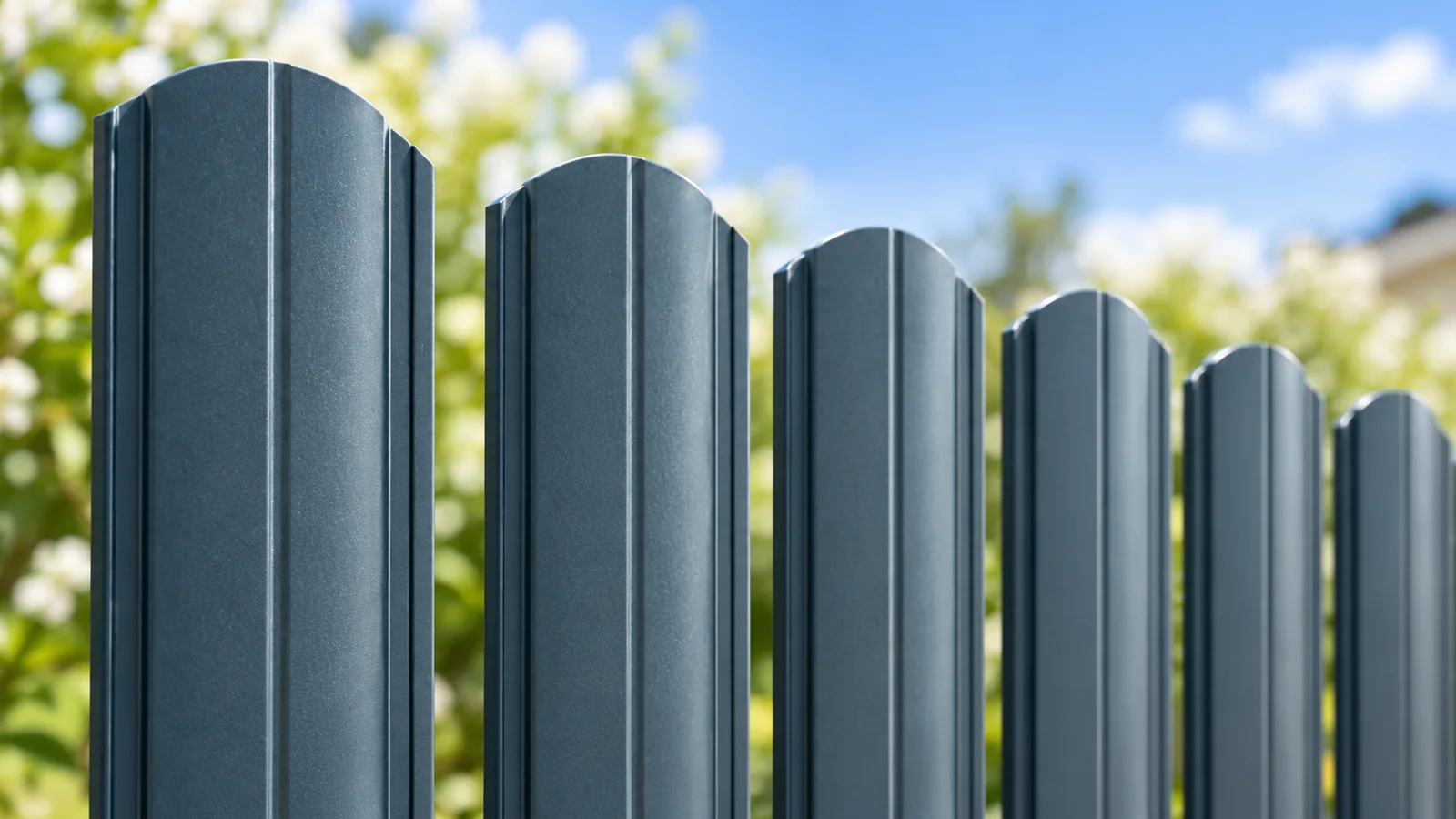
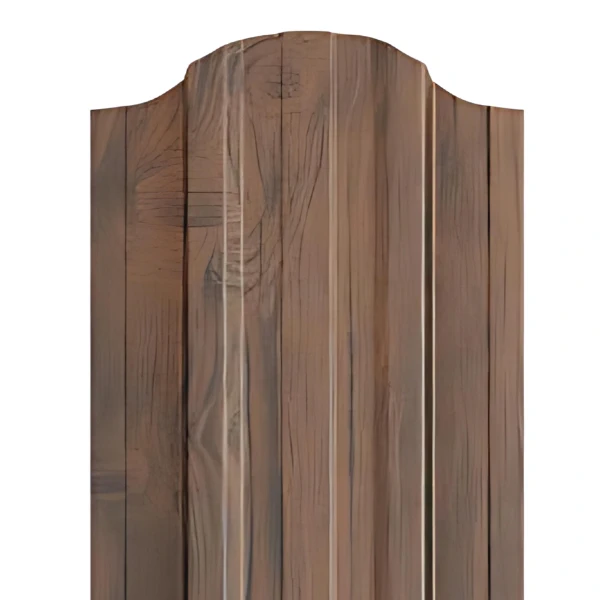
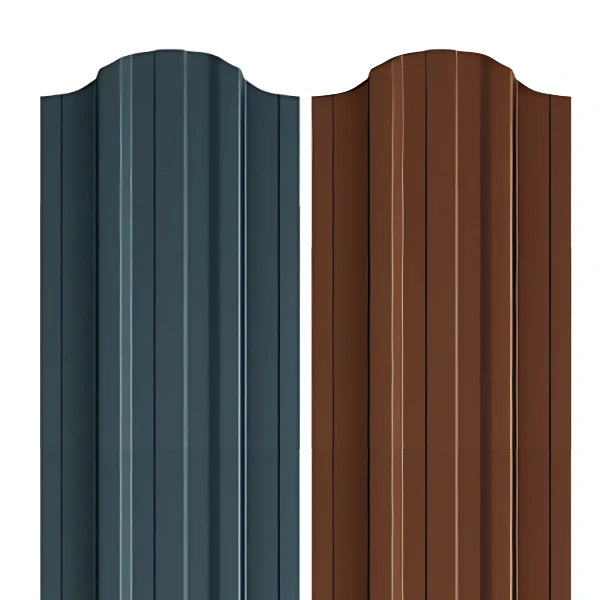
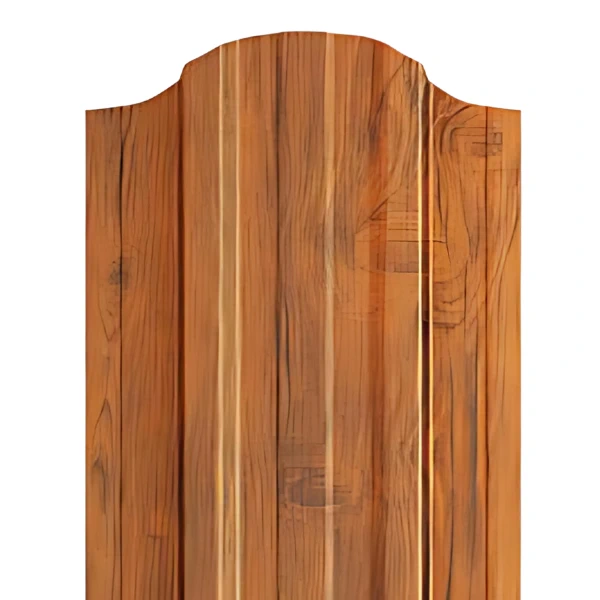
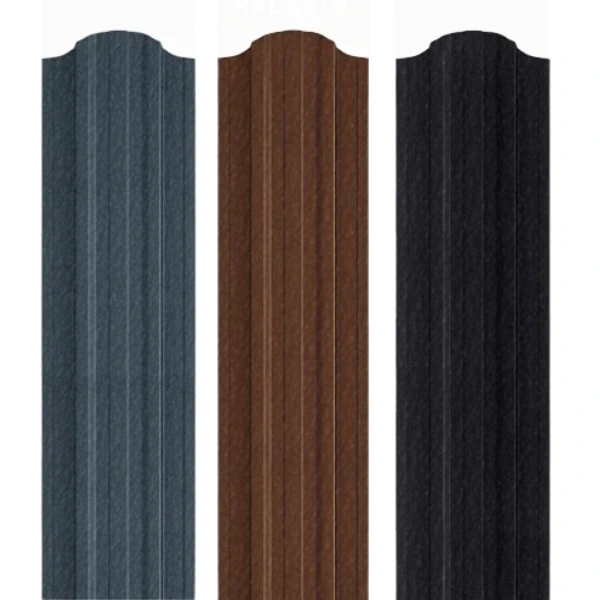
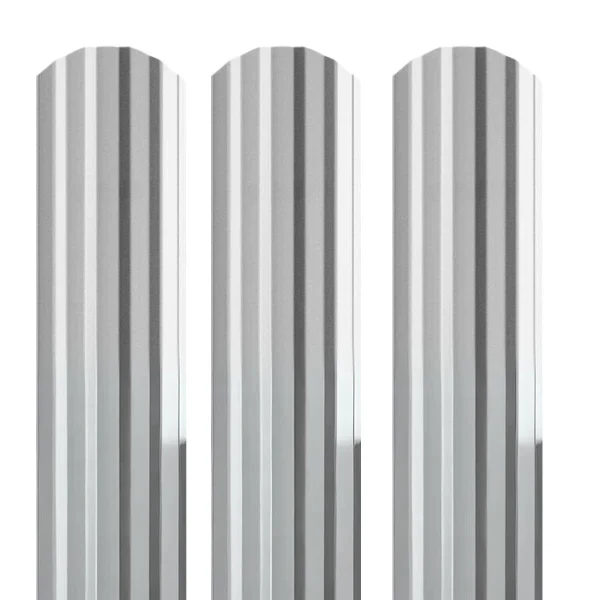
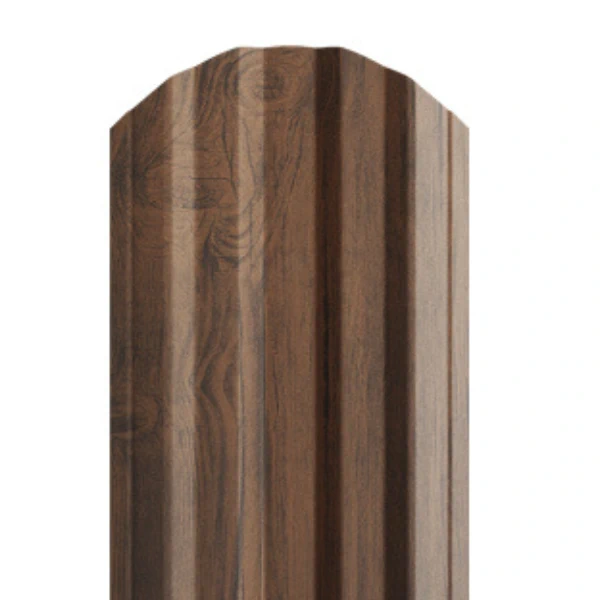
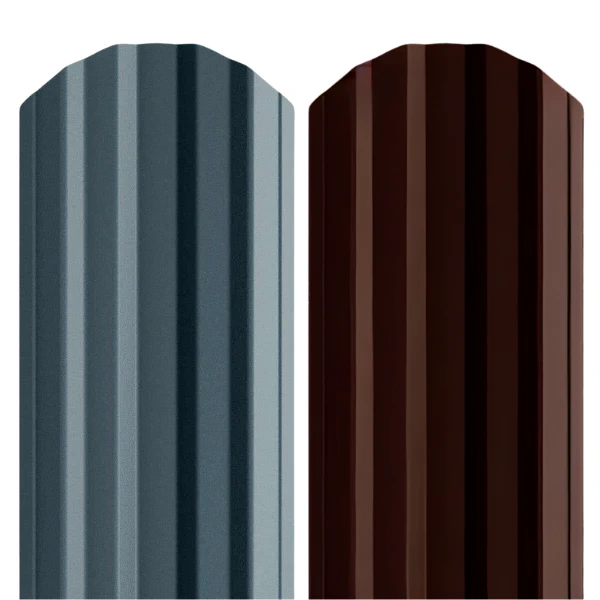
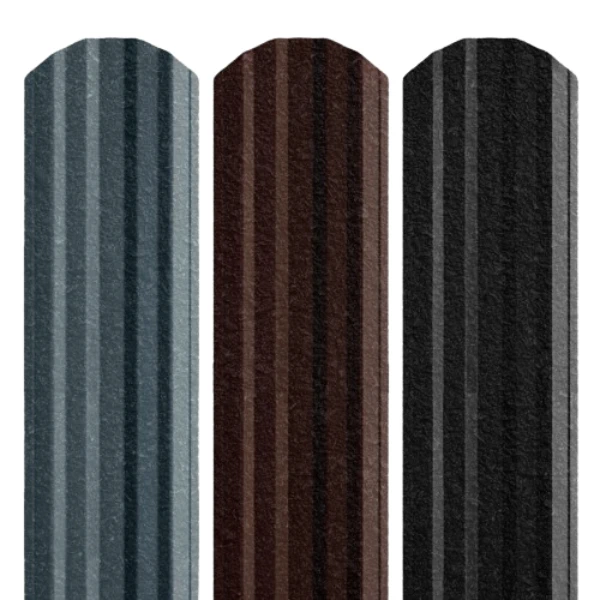
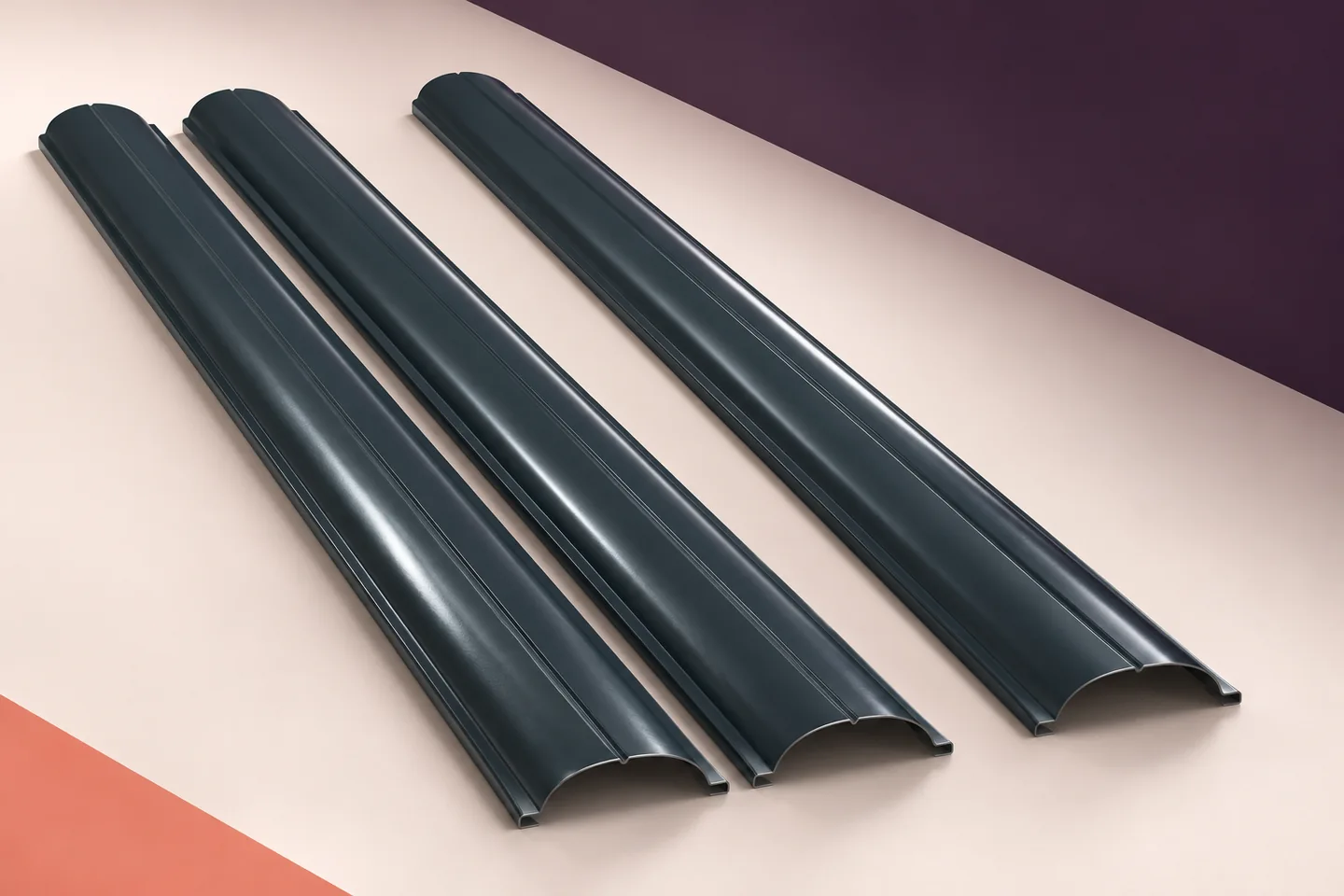
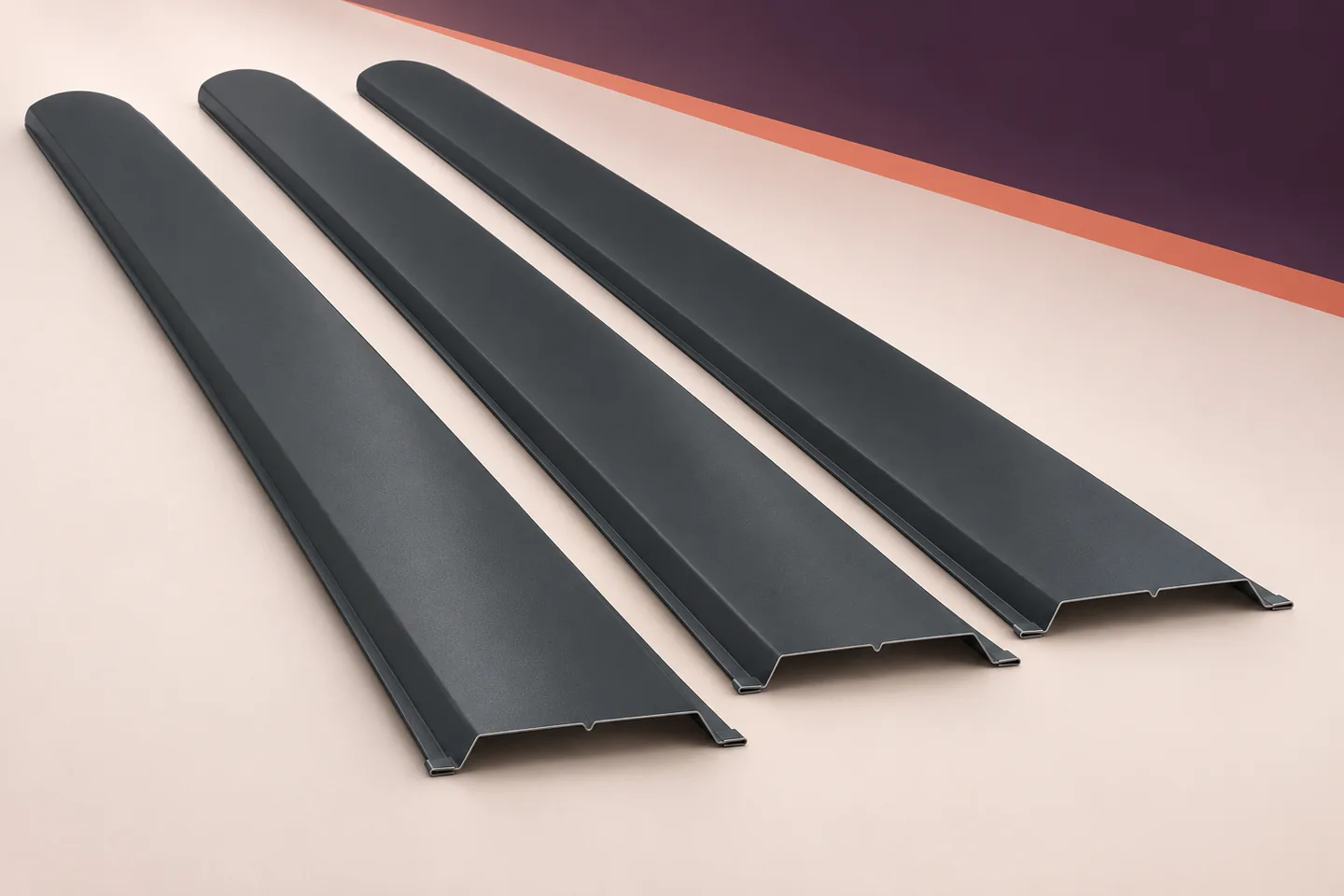
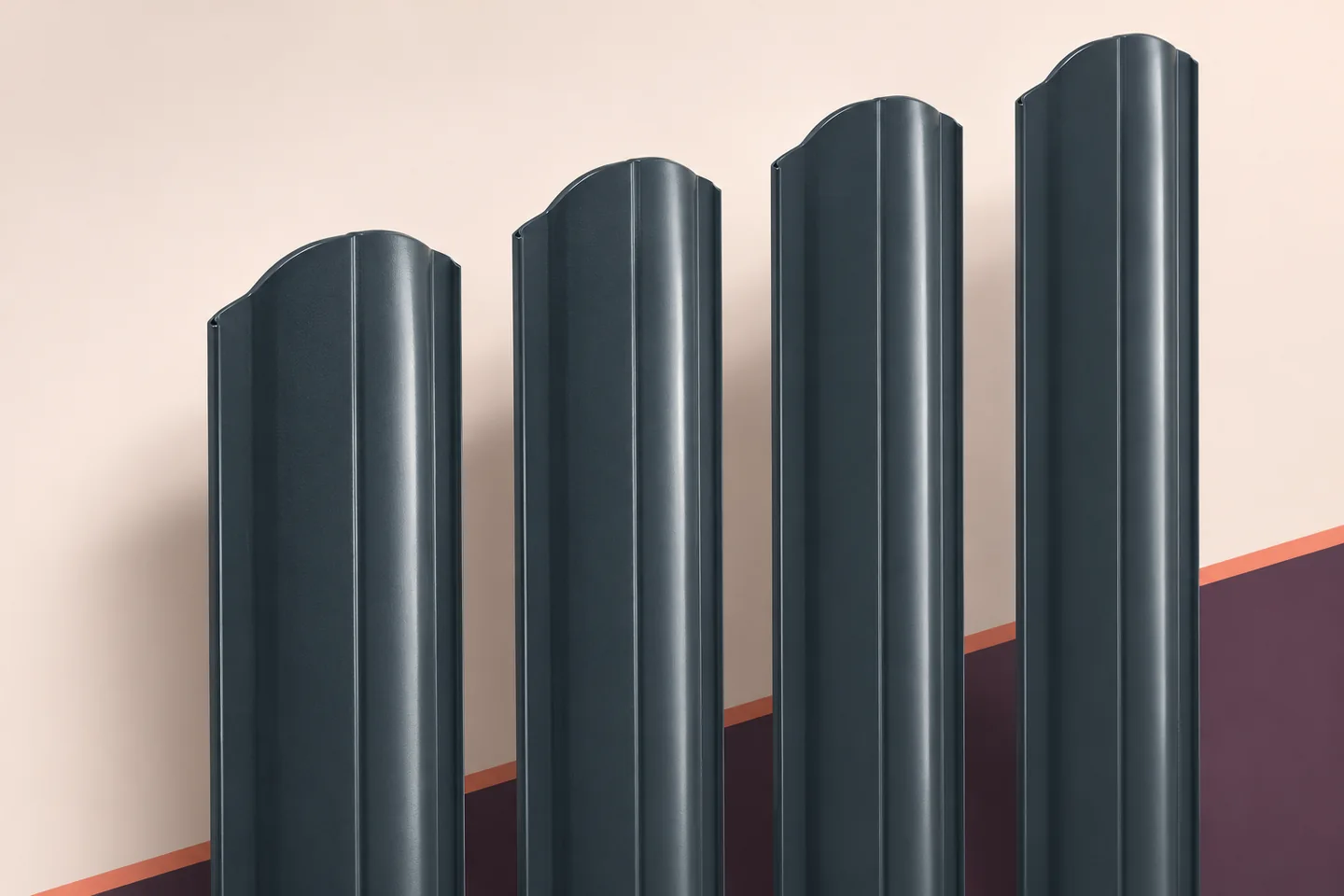
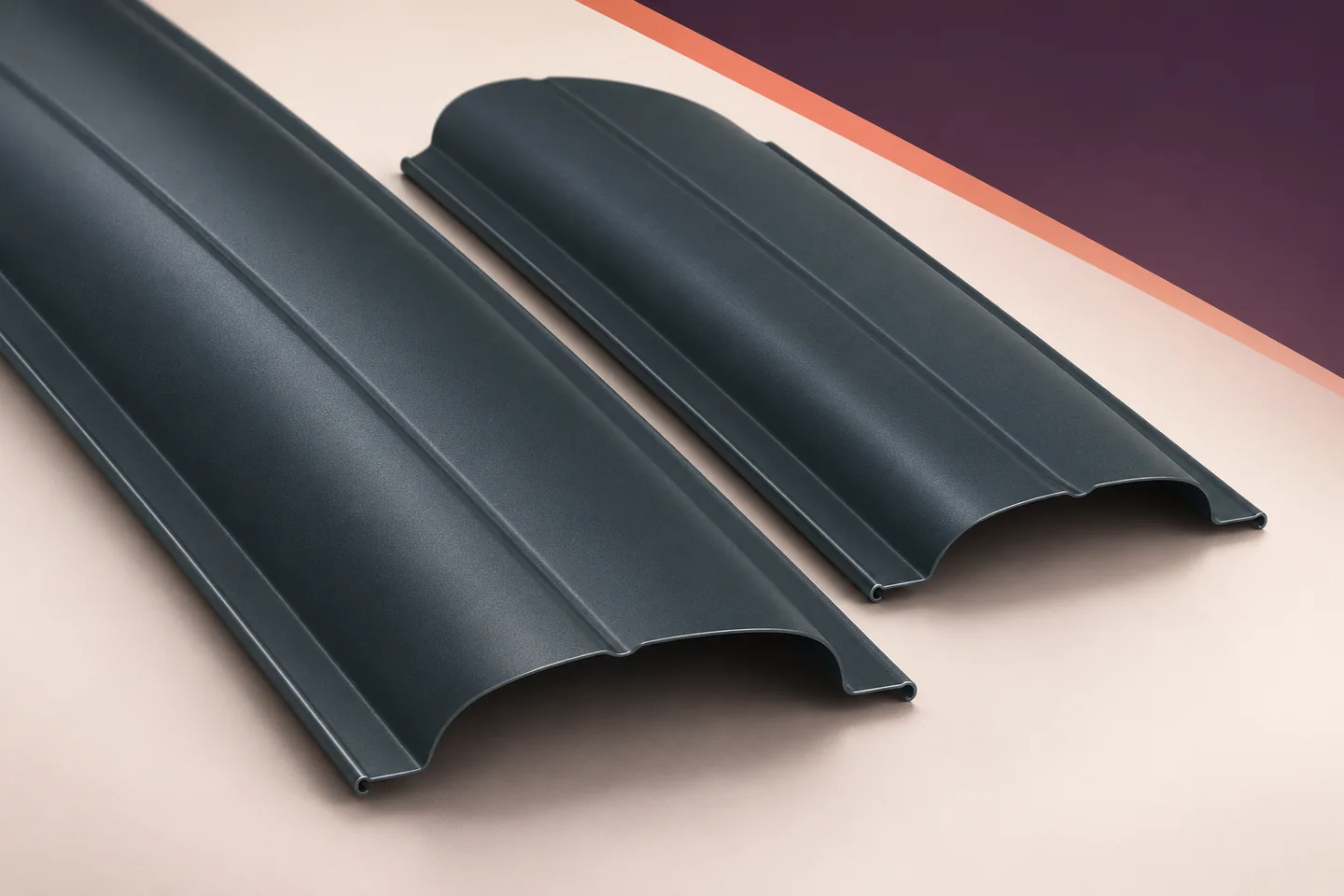
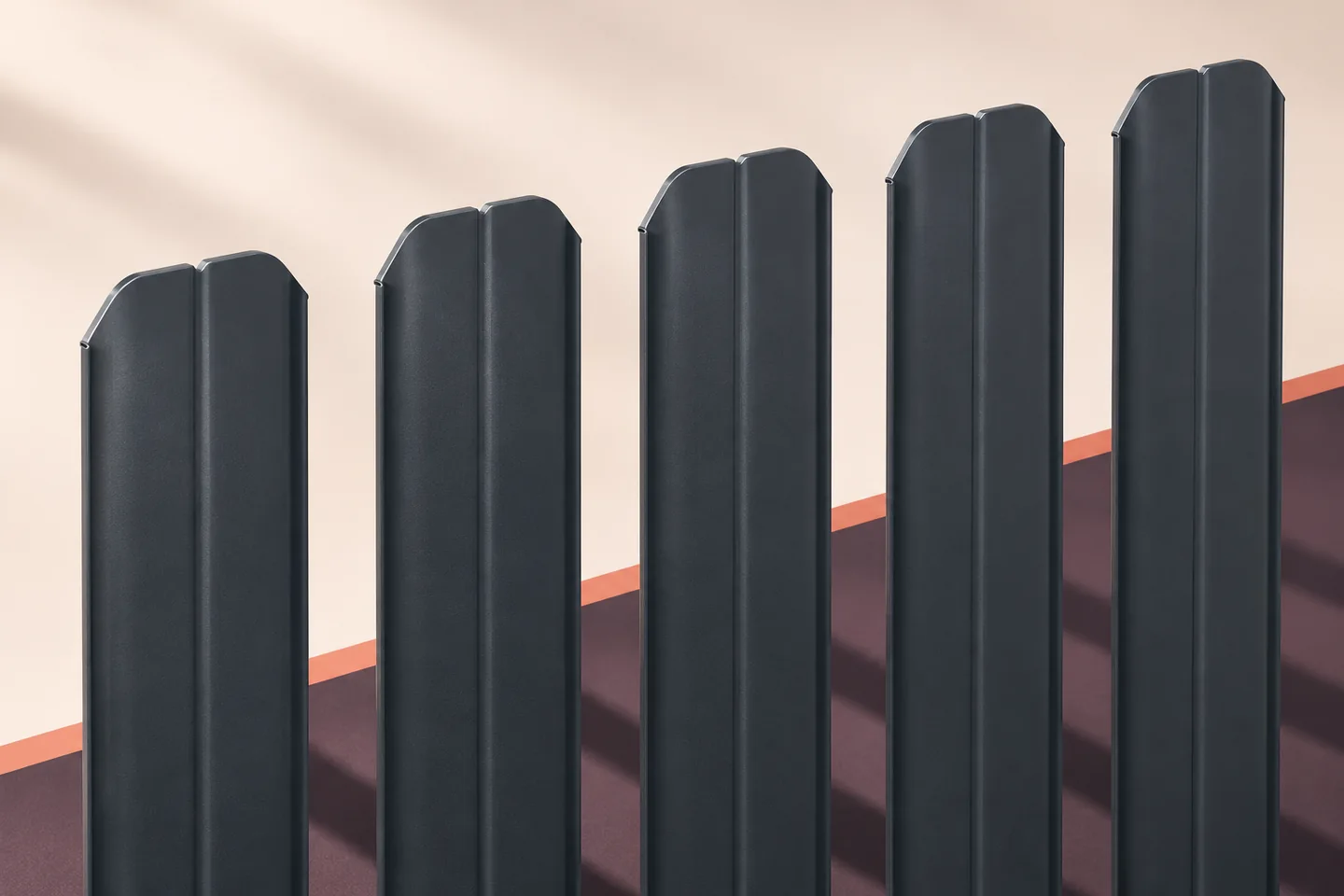
Profiled steel suits a succession of straight, regular fence bays. Pickets come in different widths, rib patterns and end shapes, with colours to complement the roof, window frames or façade. Unlike a continuous trapezoidal steel sheet, separate pickets can define the boundary without making it look like a solid wall.
A damaged picket can be replaced individually. After years of exposure, however, a new one may not exactly match the others. Keep the order details and finish reference. A few spare pickets from the original batch can make a later repair easier.
How much privacy will the fence provide?
Picket width and clear gaps determine how much you can see through the fence. Wide gaps open up the entrance and make it easier to see who is there; narrower gaps give the garden more screening. Staggering two rows on opposite faces of the rails reduces sightlines further, but uses more material and puts more load on the frame.
View a sample bay at an angle before buying. A fence that looks private head-on may be quite open from a pavement running along the boundary. Check sightlines from the terrace and windows too. You may only need closer spacing around one part of the garden instead of screening the whole property.
How do you work out the picket count?
Measure the clear width of every bay. Post spacing can vary slightly, so multiplying the entire fence length by an average picket count gives only a rough estimate. For an exact layout, allow for the width of each picket, the gaps between them and the two end clearances beside the posts.
For example, ten pickets 100 mm wide occupy 1,000 mm. Nine gaps of 30 mm add 270 mm, and two end clearances of 20 mm bring the required bay width to 1,310 mm. This illustrates the arithmetic, not a recommended dimension. For a wider bay, recalculate the number of pickets or choose a different uniform gap.
Label dimensions as picket width, clear gap or centre-to-centre spacing. They are not interchangeable: the centre spacing already includes a picket width. Mixing them up changes both the order quantity and the view through the fence. A dimensioned sketch of a complete bay avoids the ambiguity.
Why do posts and rails matter?
The metal pickets form the infill. Their fixings transfer loads to the rails, posts and foundations. A denser fence offers more resistance to wind. Raising the fence or closing the gaps may therefore call for a fresh structural check, even if each individual picket is light.
Do not copy rail spacing from a photograph. It depends on the length and stiffness of the pickets and the fixings used. Pay particular attention to vehicle and pedestrian gates, which move as they open, close and respond to gusts. Keep the infill clear of hinges and locks and preserve clearance over the driveway.
Which finish and fixings should you choose?
Decide whether both faces should have the same colour. A one-sided finish may look different from the garden. Inspect edges and tips as well, particularly beside a path where people pass close by. Choose picket height and end shape for the intended position.
Cut coated steel only by a method approved for the finish. Remove drill swarf before it rusts. Match screws to the rail material and outdoor exposure. Overtightening can distort a thin picket: a secure fixing should neither dent the profile nor damage the coating.
How do you keep the fence looking good?
After winter, check the base of the fence, the fixings and areas within reach of garden tools. Clean gently as recommended for the finish. Do not lean bags of wet soil or other moisture-trapping objects against the bays. Leave enough access around plants to inspect and wash the surface.
Metal pickets are worth considering if you want a consistent appearance and control over gap size. For a useful quotation, supply the dimensions of each bay, the intended layout and rail type. Compare complete prices including fixings and transport. A price per picket means little if widths, lengths or finishes on the two faces differ.

Free quote
What to include in your enquiry
Tell us how you plan to use the material, the dimensions and the quantity you need. Include the thickness, grade or variant name, along with the delivery town or your preferred collection branch. For a specific product, add its name or a link to the product page. We will reply to the email address you provide to discuss availability and the terms of your order.
Read next
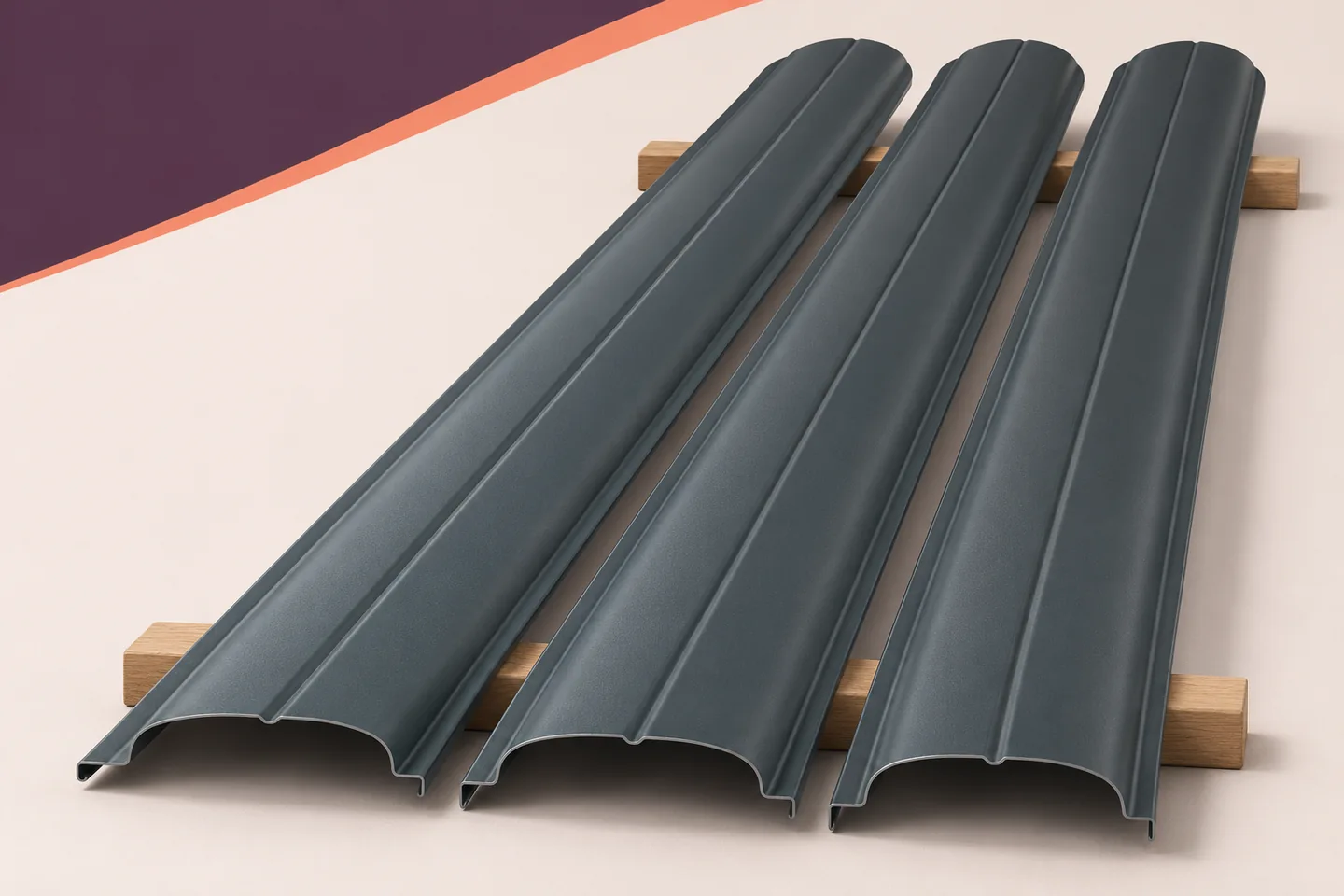
A fence beside a manoeuvring yard needs to leave room for vehicles, preserve sightlines and remain accessible for maintenance. Metal pickets can…
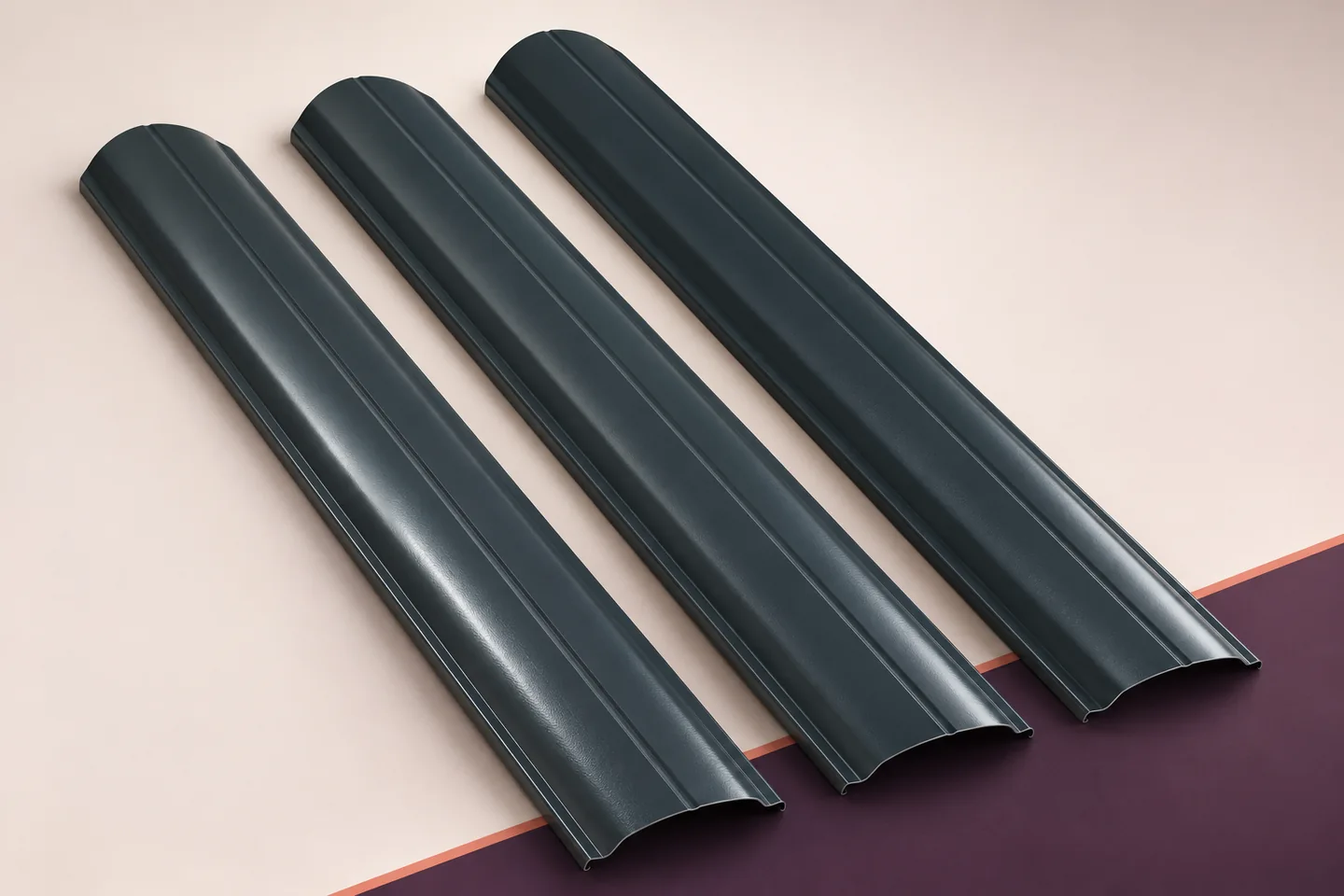
Vertical metal pickets give a large industrial frontage a regular pattern. Closely spaced uprights can contrast with a broad façade or echo…
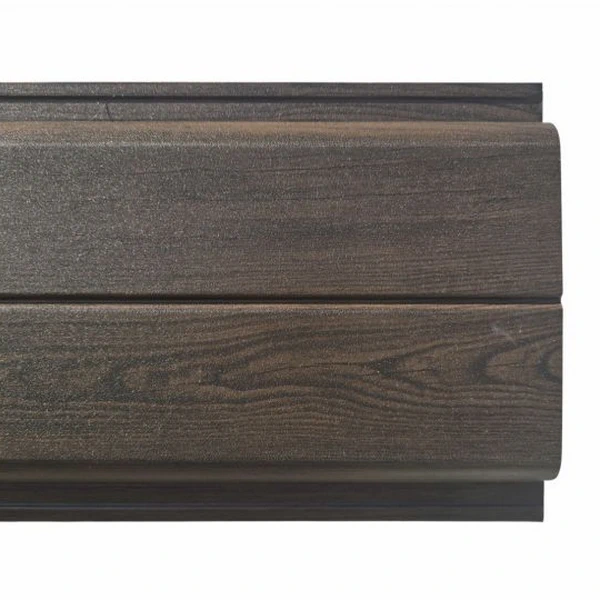
Horizontal fence slats can give the area around a warehouse, workshop or farm building a consistent appearance. Before choosing a profile, check…
A fence belongs on the site maintenance schedule alongside the buildings. Regular inspections help staff spot loose connections, coating damage and places…
A fence and a sandwich panel façade can share a colour scheme while performing different jobs. The panels form the building envelope.…
A business frontage should make it clear where visitors can enter on foot, where vehicles turn in and which areas are open…
A picket fence can end neatly beside an industrial building without relying on its cladding for support. Loads from the pickets pass…
When a business installs its perimeter fence in phases, the dates, contractors and readiness of the supporting frame can change between deliveries.…
