






Square or half-round gutters: choosing a system for your roof
Gutters and flashings
Mark the area draining to each outlet on the roof plan before choosing the gutter shape. Use the supplier’s sizing tables to match each run, outlet and downpipe to the expected runoff. Then compare how a square or half-round section looks at the eaves and how you will reach it for cleaning. A square gutter can be mounted in full view. If you want it concealed, design the enclosure, maintenance access and protection of the façade together. Compare complete systems on the same roof plan, including bends, brackets and the final discharge point.
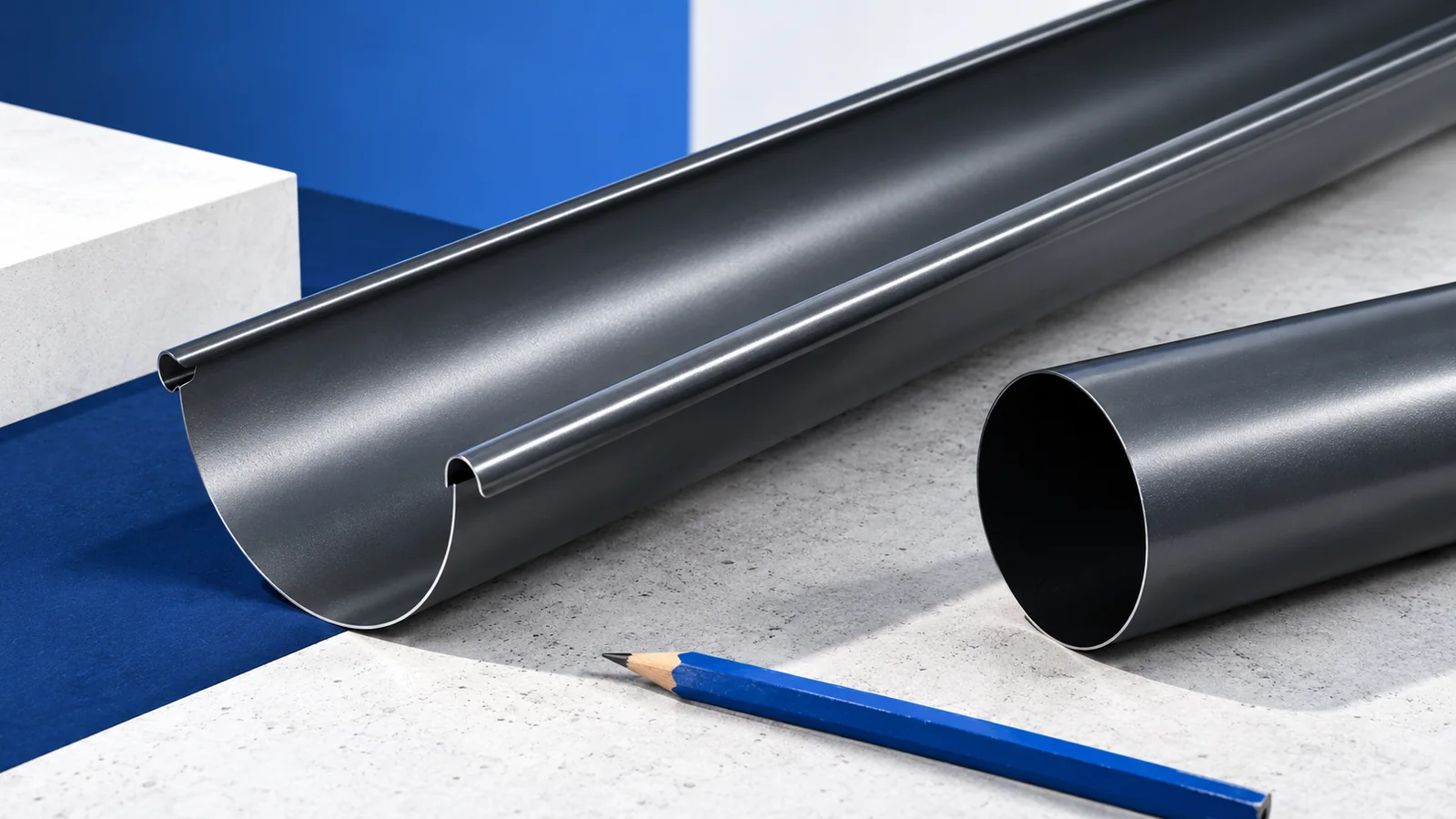
How does the gutter fit the architecture?
A square gutter gives the eaves a crisp outline. It can complement a plain façade, simple window frames and dark roofing. A half-round gutter has a softer outline and works with traditional roof forms as well. View the colour beside the soffit and downpipes as well as the roof covering.
Square describes the cross-section. Concealed describes how the drainage is installed. A square gutter can be fully exposed. Enclosing the gutter makes access for maintenance and protection against leakage particularly important. Develop this detail at the design stage if you want the gutter out of sight.
What determines drainage capacity?
Size the system for the roof area, its geometry and the design rainfall intensity. Run length, outlet position, pipe cross-sections and changes in direction all affect performance. Even a large gutter can overflow at a poorly positioned or undersized outlet. Check the path to the receiving drain or storage system.
External width alone is a poor basis for comparing systems. The available flow area and the way the gutter feeds the outlet can differ. Use sizing tables for the chosen product. A large roof may require several outlets, and a larger gutter still leaves a bottleneck if the downpipe is too narrow.
How does the material affect the choice?
Coated steel and plastic are two common choices. Their thermal movement and installation requirements differ. Check how each connector accommodates movement and how the components are fixed. Use compatible parts. A small difference in gasket shape between two similar-looking fittings may show up only in rain.
Protect steel coatings when cutting and fitting. With plastic, pay close attention to expansion allowances and joint clearances. Both materials need leaves removed and joints inspected. For dark gutters exposed to direct sun, check provision for thermal movement as part of the colour choice.
Which installation errors cause problems?
Typical faults include poor alignment with the eaves, incorrect bracket spacing and joints that cannot move. Position the gutter to catch runoff while allowing for snow sliding from the roof. Provide any required snow-retention measures separately and select brackets and supports for the system and roof conditions.
Follow the system instructions for fall, expansion joints and outlet positions. Exposed and concealed gutters can have different requirements. A connector clamped too tightly can restrict movement. At handover check for standing water and trace the flow through the downpipes and final connection. Inspect the pipe brackets as well.
Which shape is easier to keep clean?
Access and the surroundings generally matter more for cleaning than the cross-section. Leaves enter either gutter near trees. Guards can intercept coarse debris while fine sediment still collects. Check the outlets, bends and gullies, where blockages can form.
For a gutter screened by a fascia, establish how to remove the cover. Provide safe access for inspection and cleaning. From ground level, note where overflow occurs during rain, then arrange a closer inspection from a safe working position when conditions allow. Keep off a wet roof during a downpour.
How do you compare the cost of complete systems?
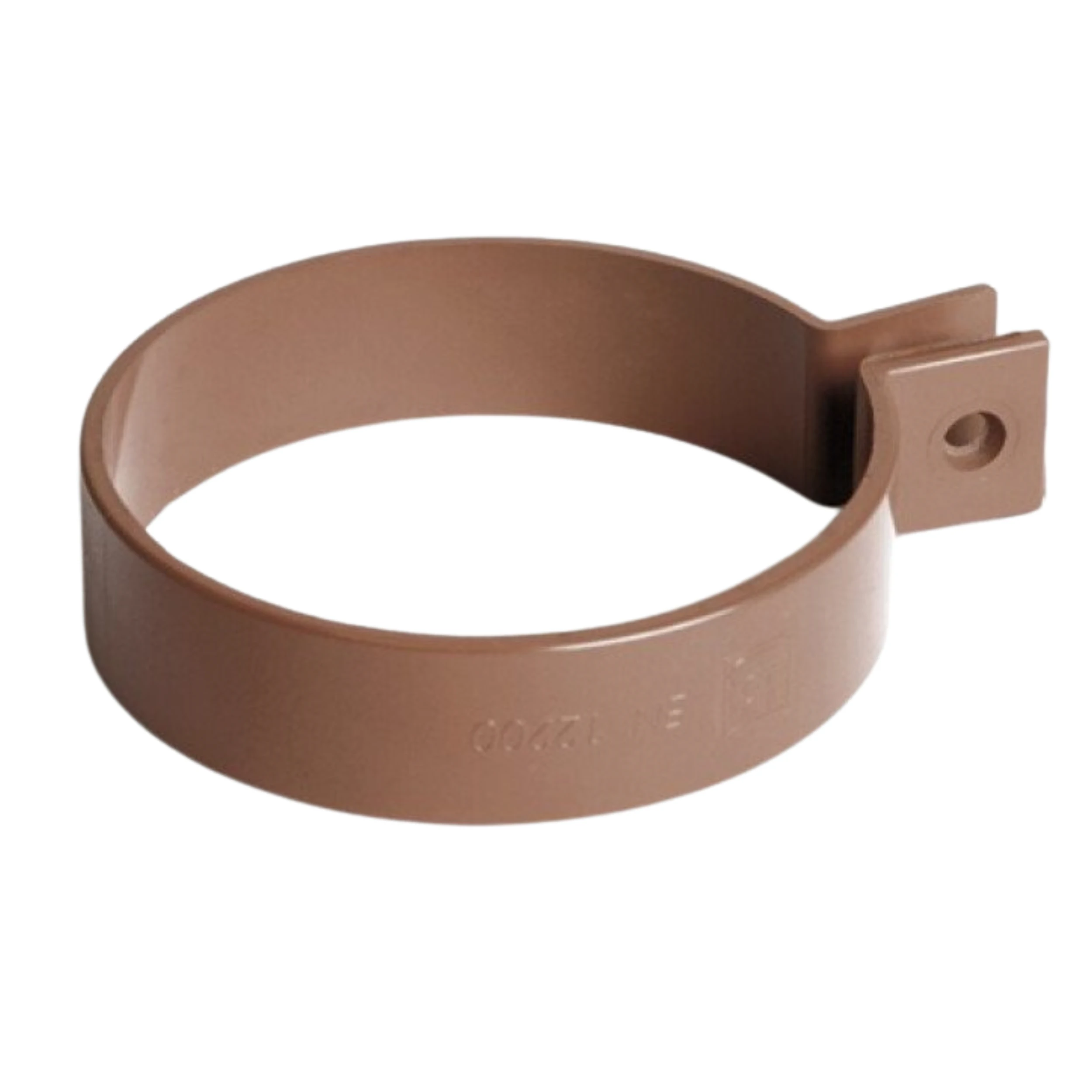
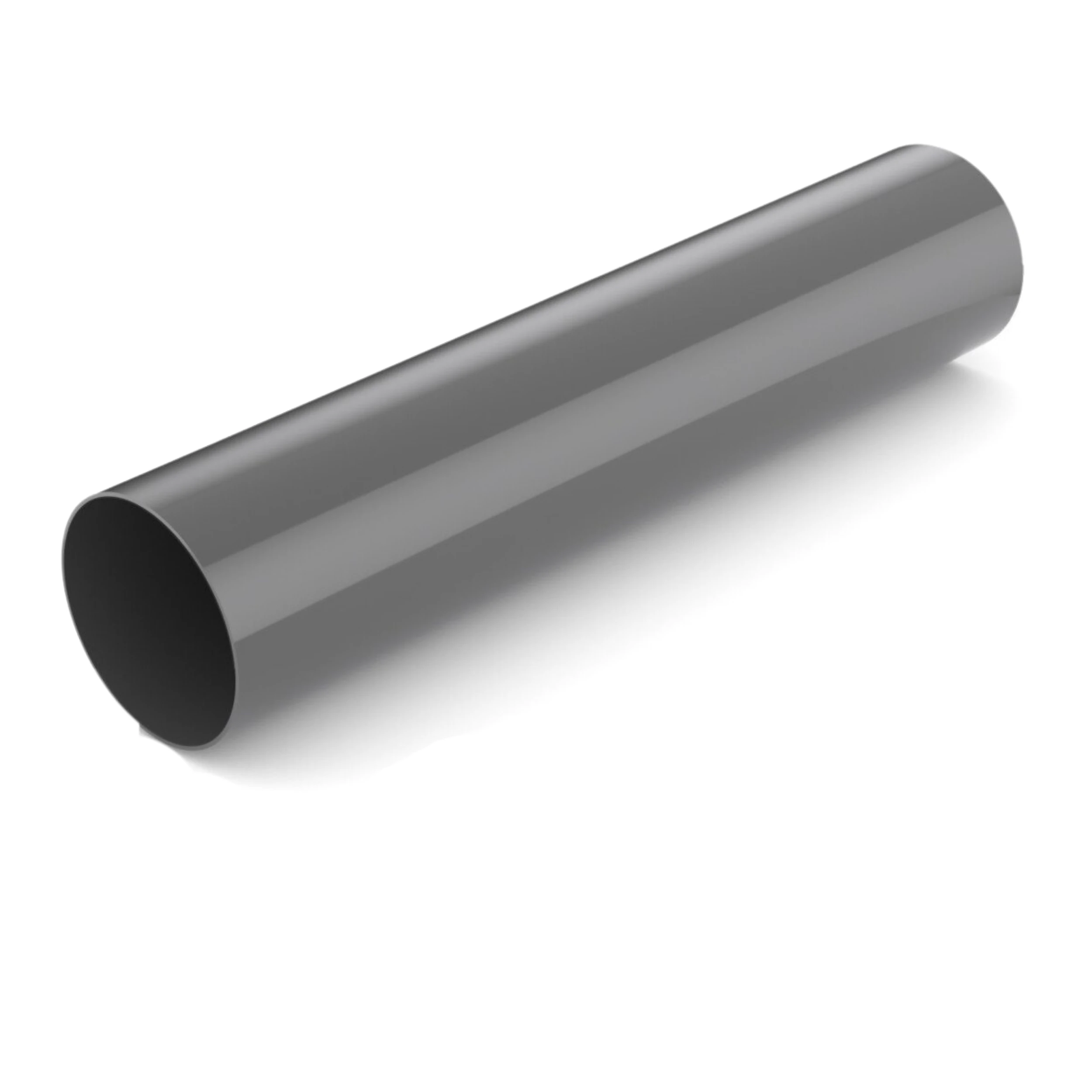
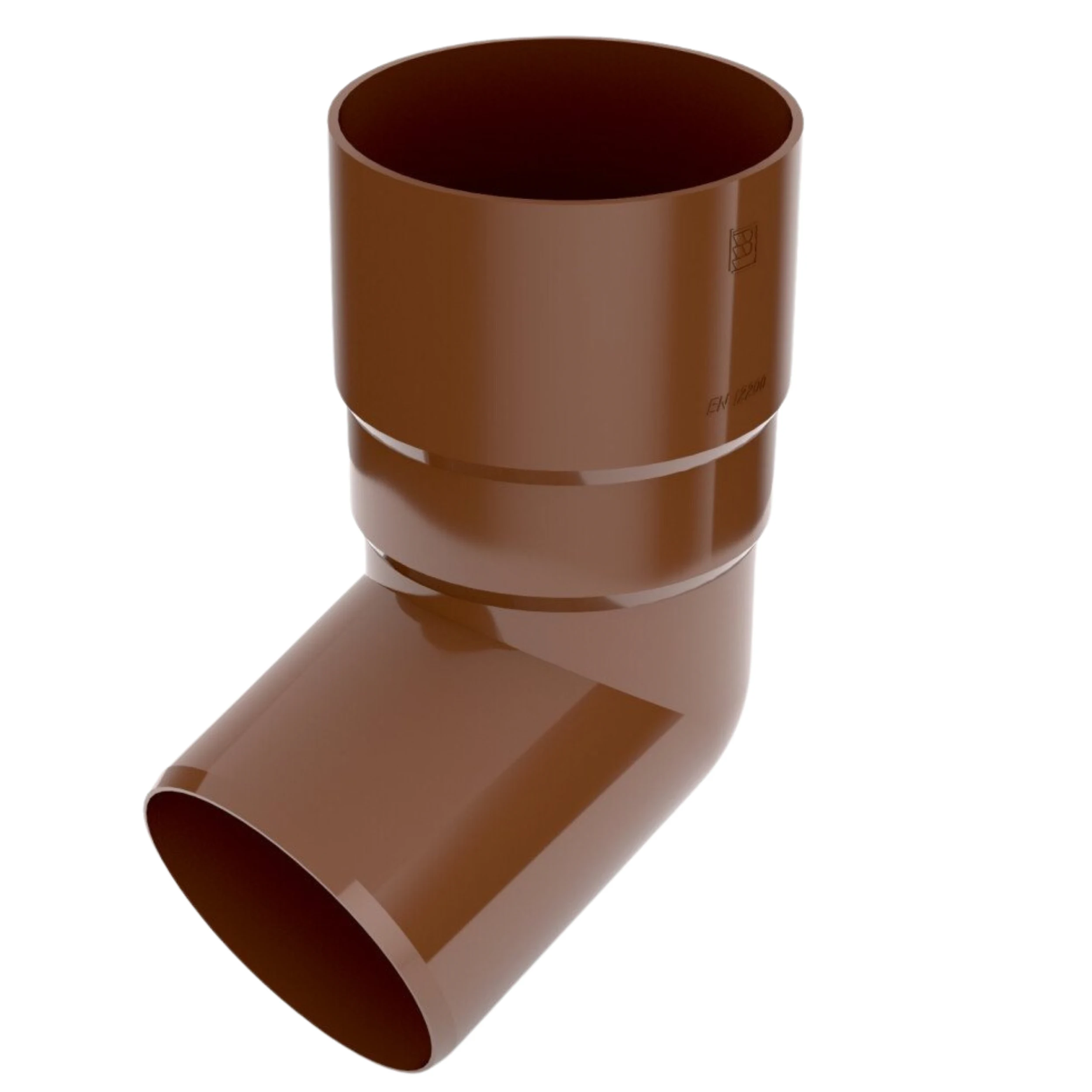
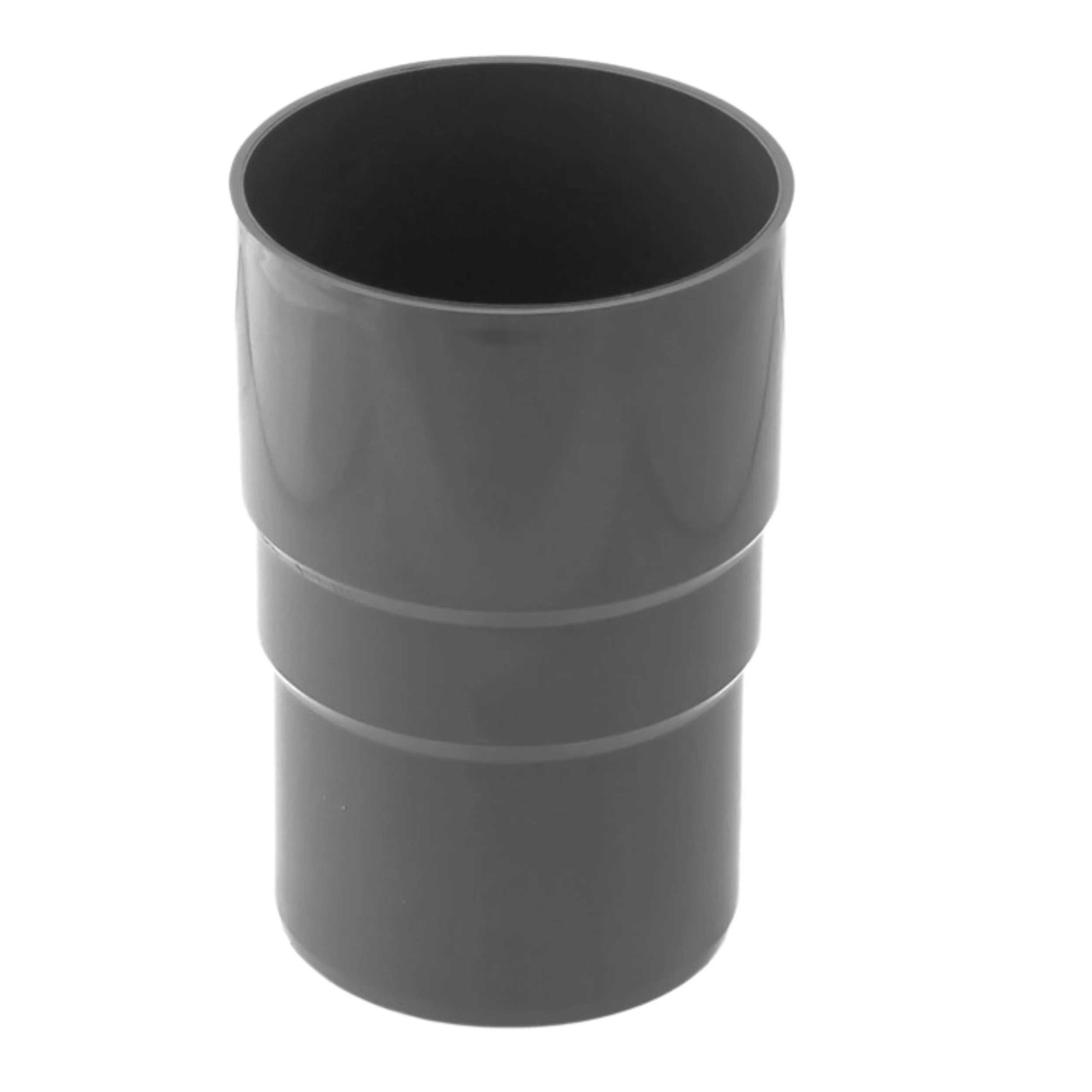
Count gutters, downpipes, outlets, corners, stop ends, brackets, clips and connectors. Concealed systems also need enclosure components and protection where they adjoin the façade. Price the whole set, check availability and replacement costs, and keep the parts schedule.
Send the supplier a roof plan with eaves lengths, suggested downpipe positions and the intended destination for rainwater. Obtain a system sized for that roof, then compare appearance and price. Either cross-section should be part of a continuous route that takes runoff to the intended discharge point.

Free quote
What to include in your enquiry
Tell us how you plan to use the material, the dimensions and the quantity you need. Include the thickness, grade or variant name, along with the delivery town or your preferred collection branch. For a specific product, add its name or a link to the product page. We will reply to the email address you provide to discuss availability and the terms of your order.

Read next
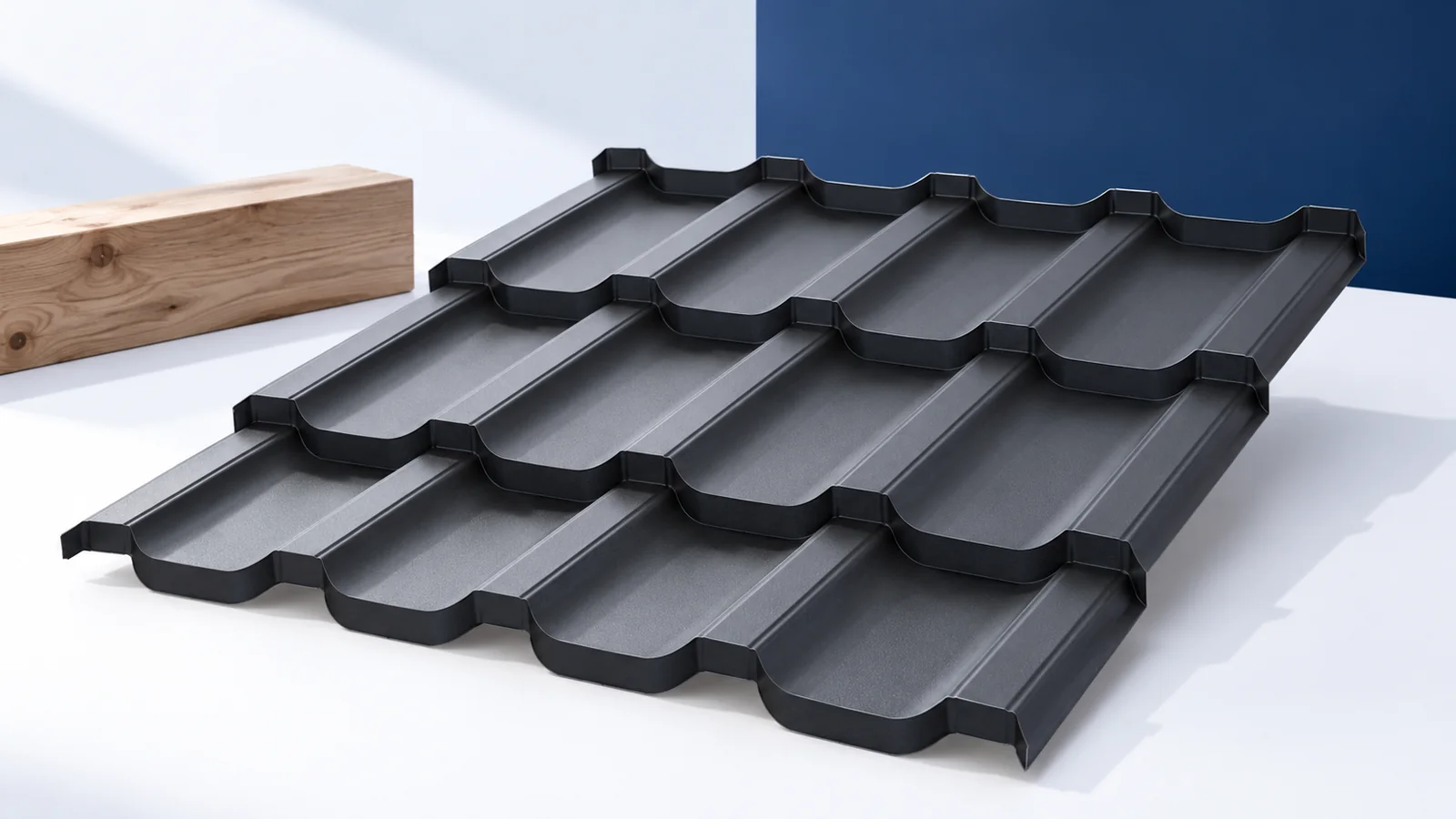
Take a sample of the profiled roof sheet outside and view it at the planned pitch beside the façade finish, window frame…
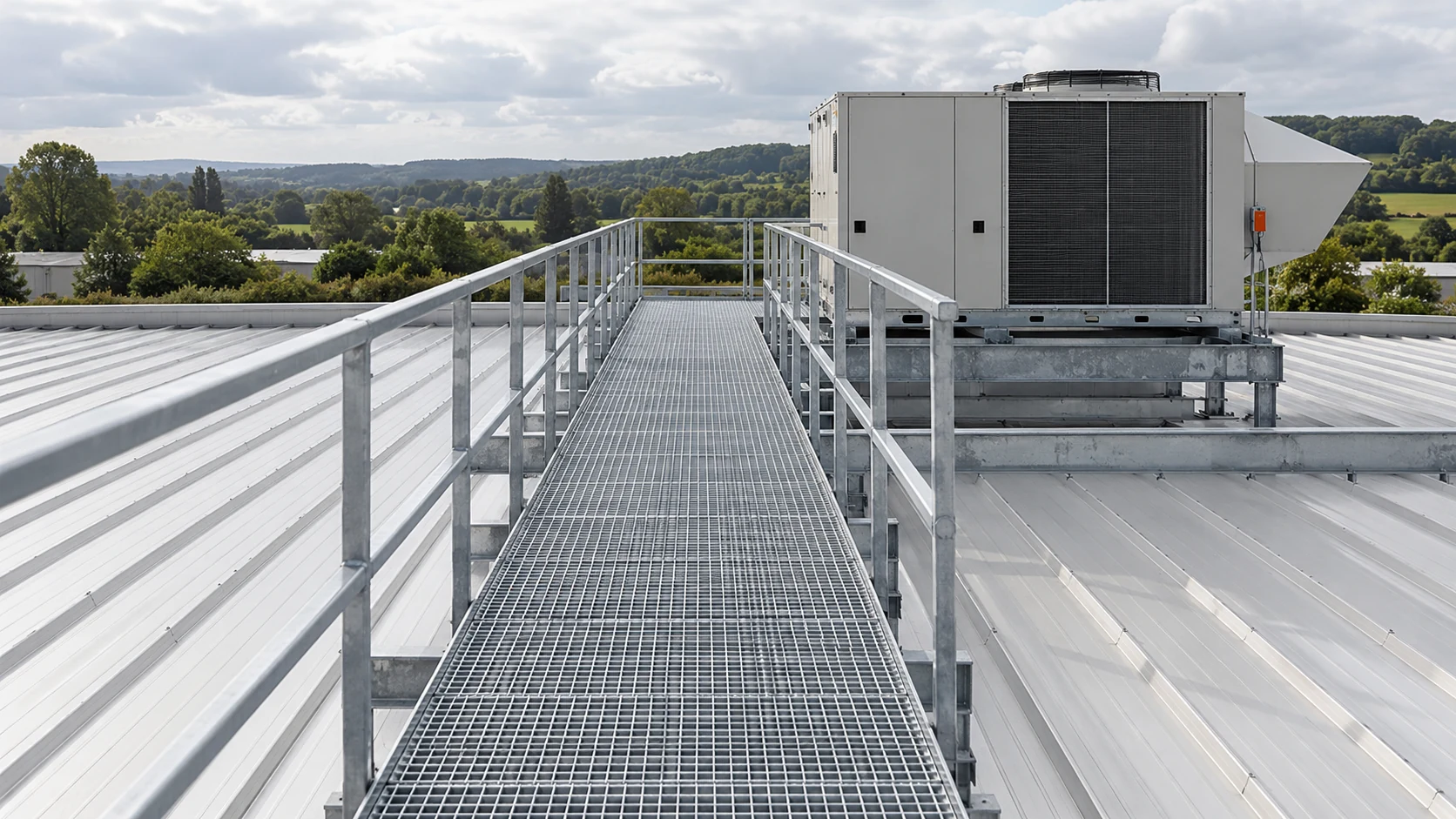
Plan roof access around the maintenance task, the equipment involved and how often people need to reach it. An occasional gutter inspection…
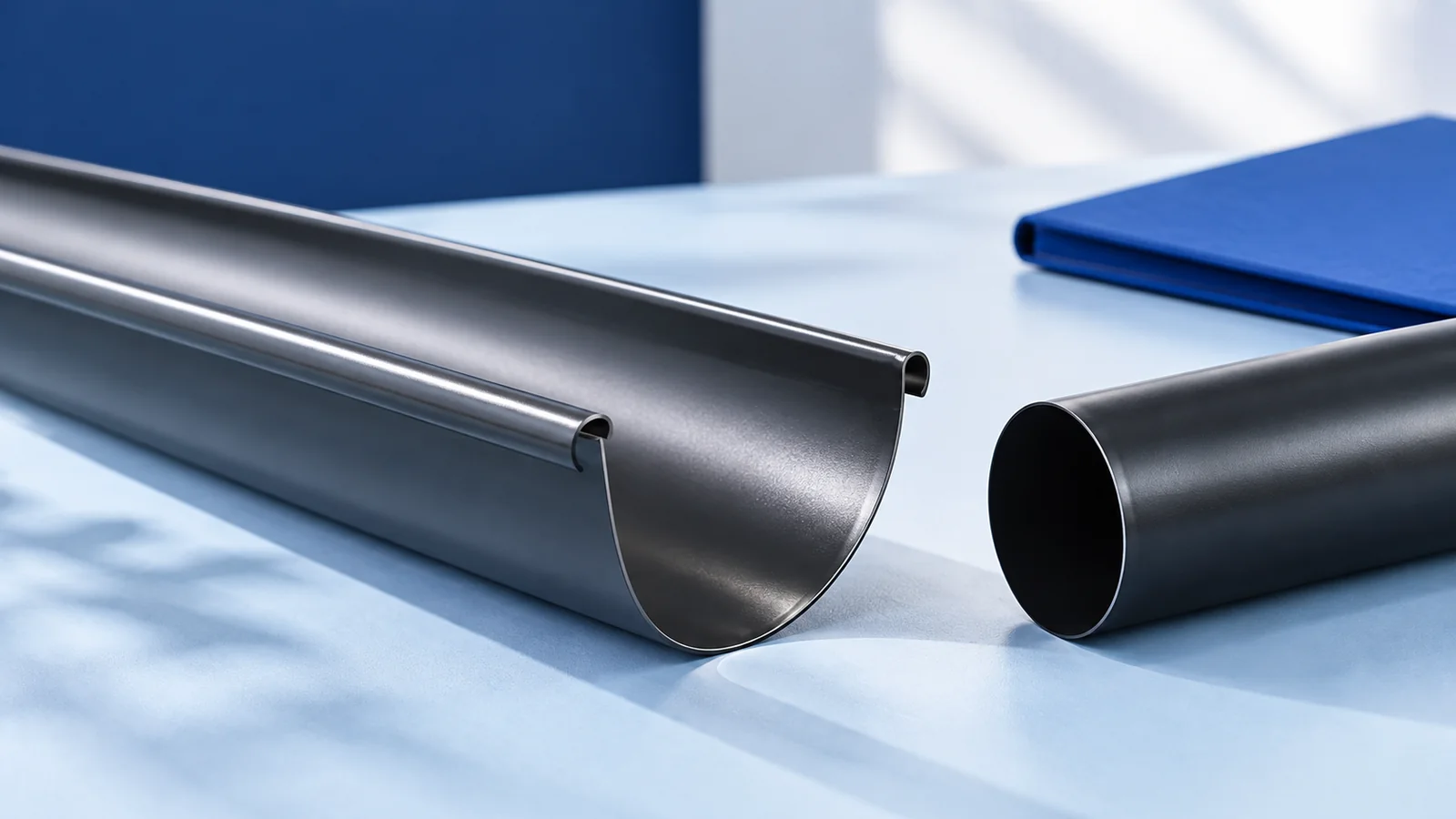
A concealed gutter keeps the drainage out of sight along the eaves. Before choosing one, look at the cross-section: where will rainwater…
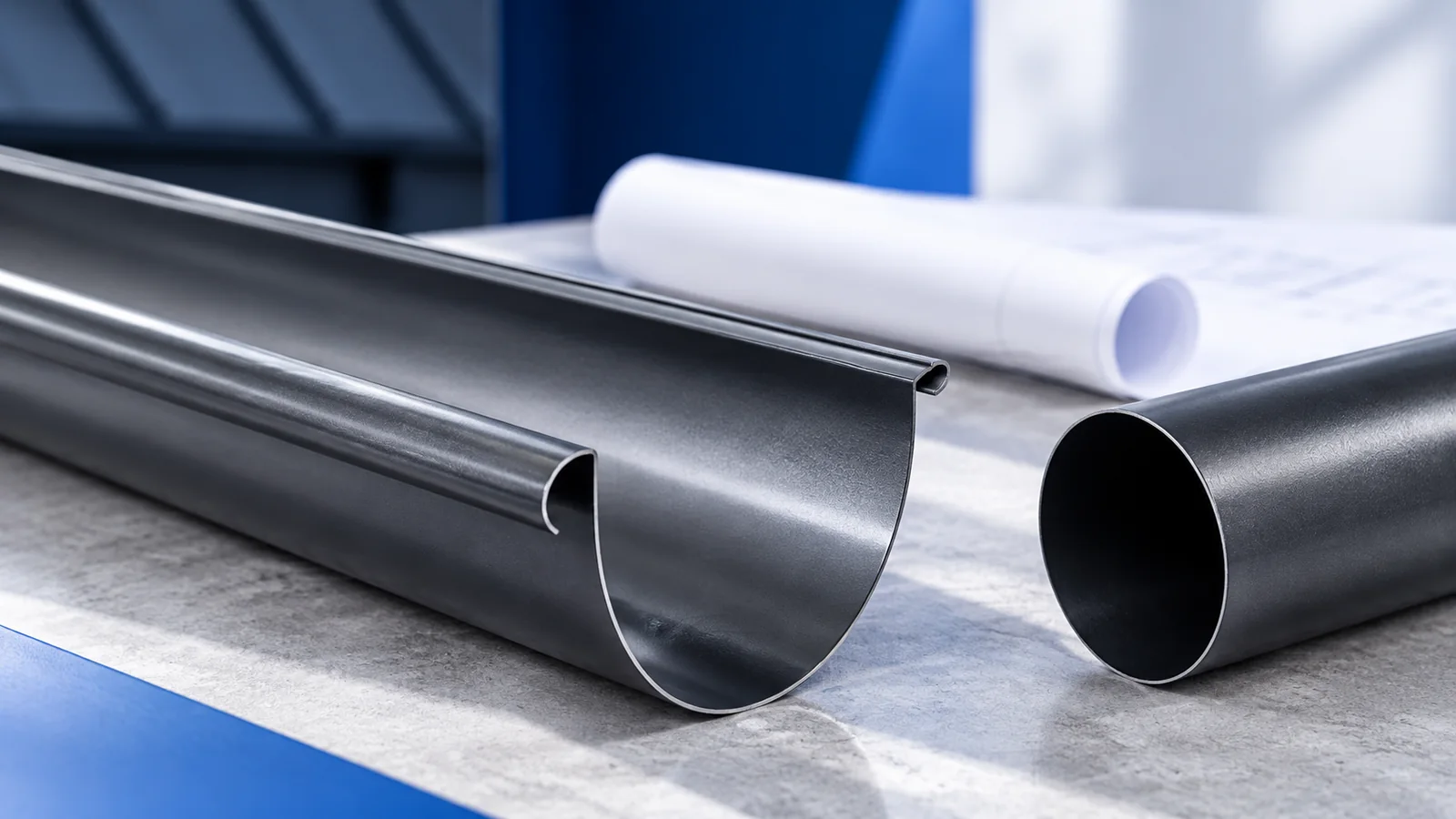
Square gutters emphasise the straight edge of a metal roof. Their outline tells you little about how much rainwater they can carry.…
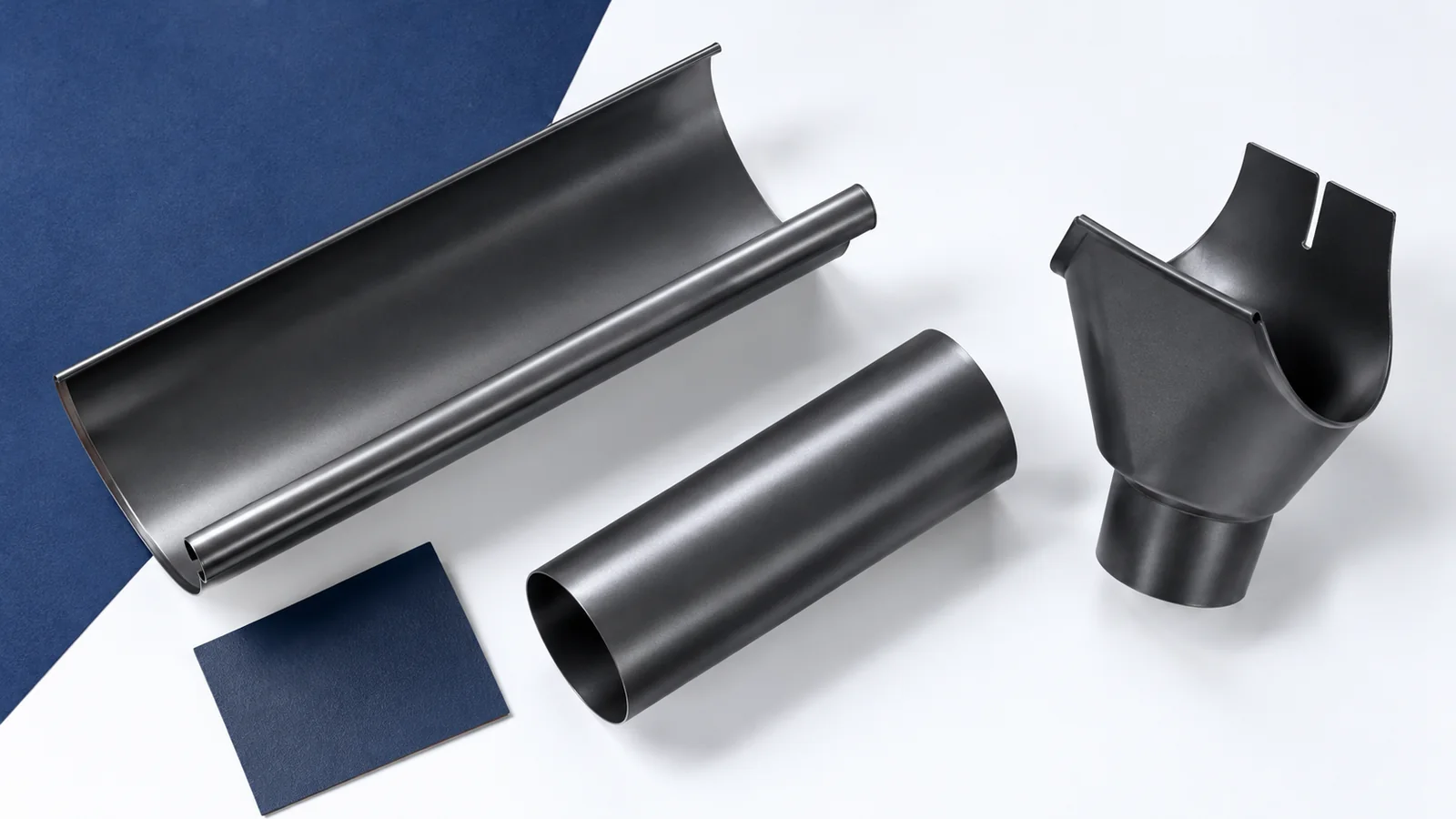
Place the downpipe gully where the downpipe meets the drainage line, and set its cover to the finished ground level. Check more…
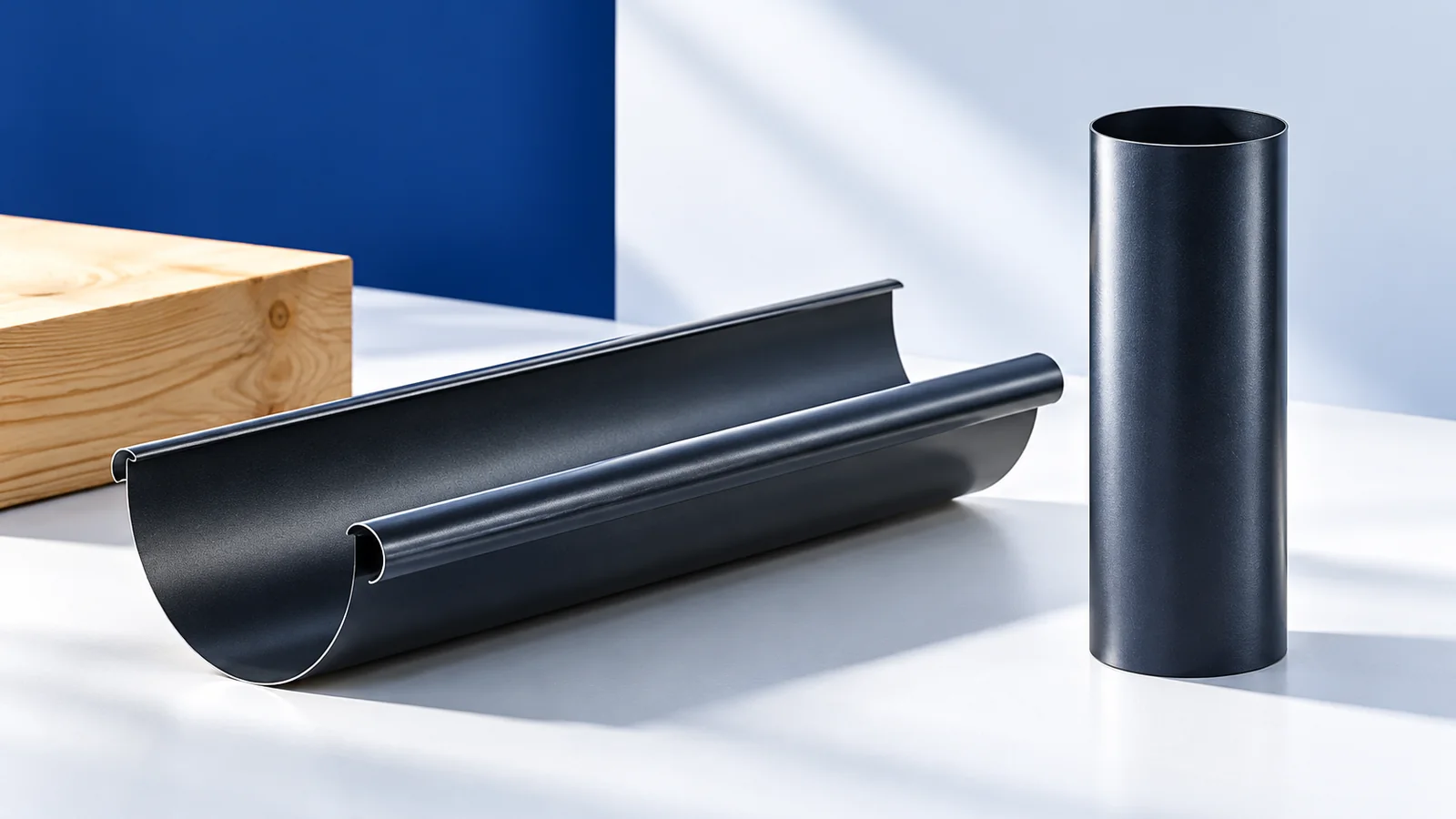
To select gutters for a metal roof, mark the area draining to each outlet on a roof plan. A valley may concentrate…
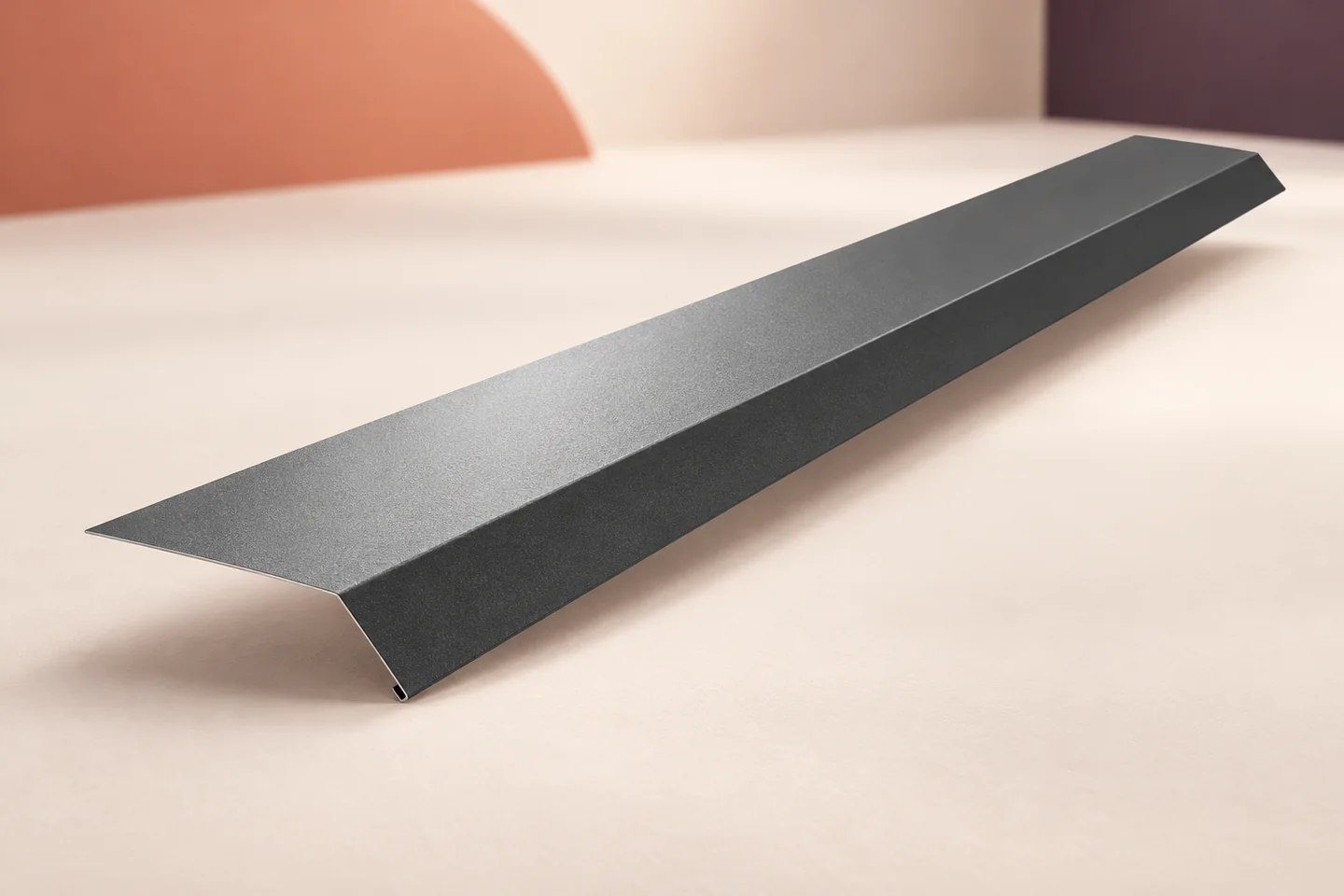
At the eaves, rainwater must pass from the profiled outer facing of the roof panel into the gutter without running behind the…
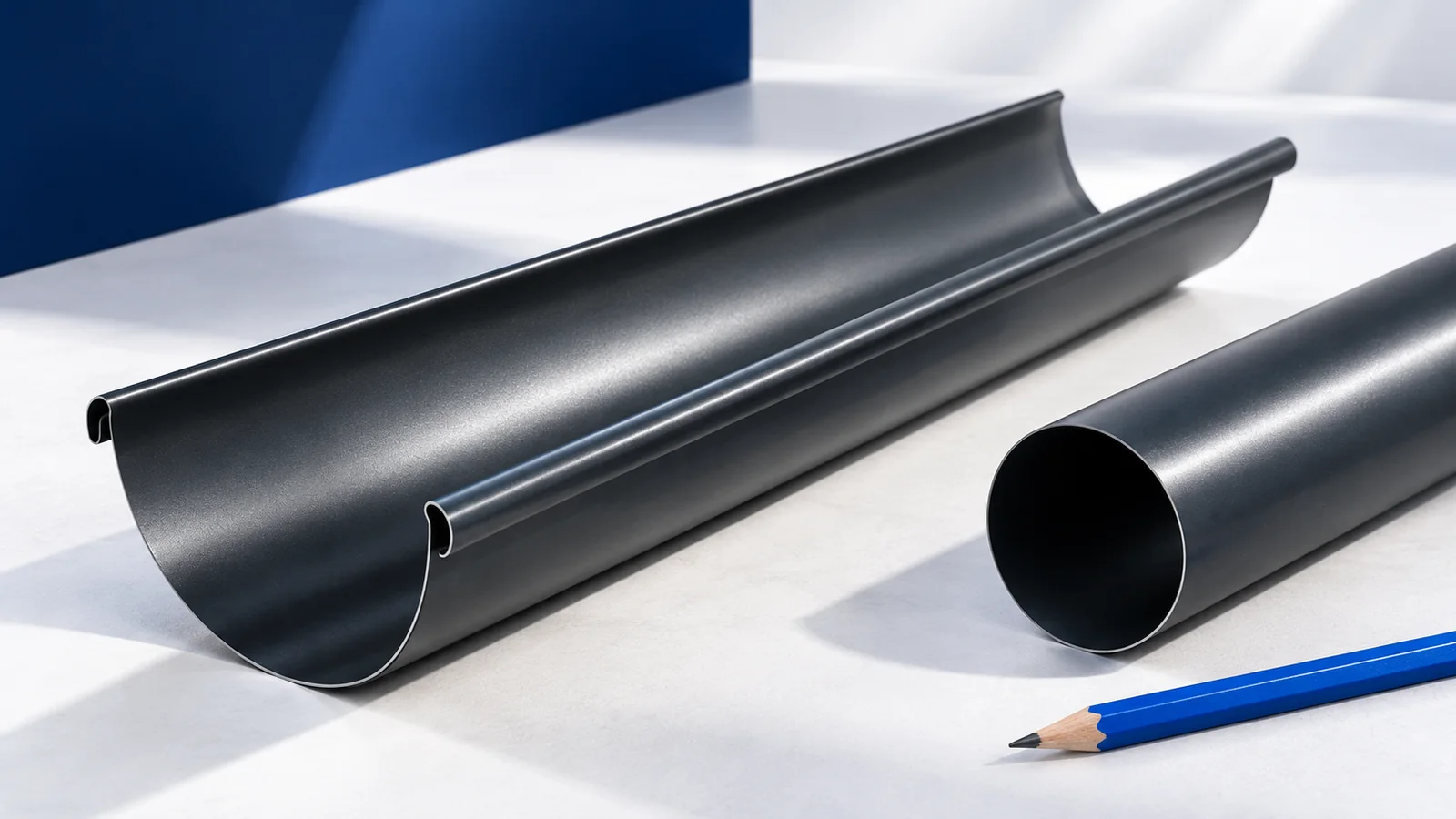
Size the drainage before comparing steel with PVC. Mark the roof area feeding each gutter, the valleys that concentrate runoff and the…
