How much of a solar roof’s output can a business use during the day?
Roofing and energy
A business that operates during daylight hours may be able to use much of the electricity from a solar roof as it is generated. To estimate that share, compare generation with actual demand throughout the day, including weekends and seasonal changes in activity. An integrated roof combines power generation with the building’s planned roof covering. Meter readings can help determine how much of the slope to devote to active panels. Electricity generated and used on site at the same time counts as self-consumption. The closer demand tracks generation, the less electricity the business needs to buy from the grid during those hours.
In this guide
What does self-consumption mean for a business?
The business still buys power when the roof is not generating enough electricity. Other parts of the bill depend on the supply contract and how electricity use is charged.
Distinguish the power a device draws at a particular moment from the energy it uses over time. A large machine running briefly produces a different demand profile from a smaller unit running all day. Annual consumption conceals this difference. Use meter readings at the finest time intervals available for the roof assessment.
What data do you need to size the system?
Gather demand data for working days, weekends and different seasons. Mark shutdowns and busy periods. Separate consumption figures can help if the business runs several processes. Existing measurements may be sufficient to start with. Record which figures come from a meter and which are estimates.
Add anticipated changes to the historical data. A new machine, longer working hours or a team moving to another site may alter demand. Model current operations first, then add a case with increased consumption. The difference shows how much extra generation the business could use if the expansion goes ahead.
How do weekends affect the figures?
The roof can generate electricity while the business is closed. If little equipment runs on Saturday and Sunday, a greater share of production will be surplus. Holiday closures and seasonal shutdowns have a similar effect. Value the surplus according to how it will be used or paid for under the applicable arrangements. Its value may differ from the retail price of purchased electricity.
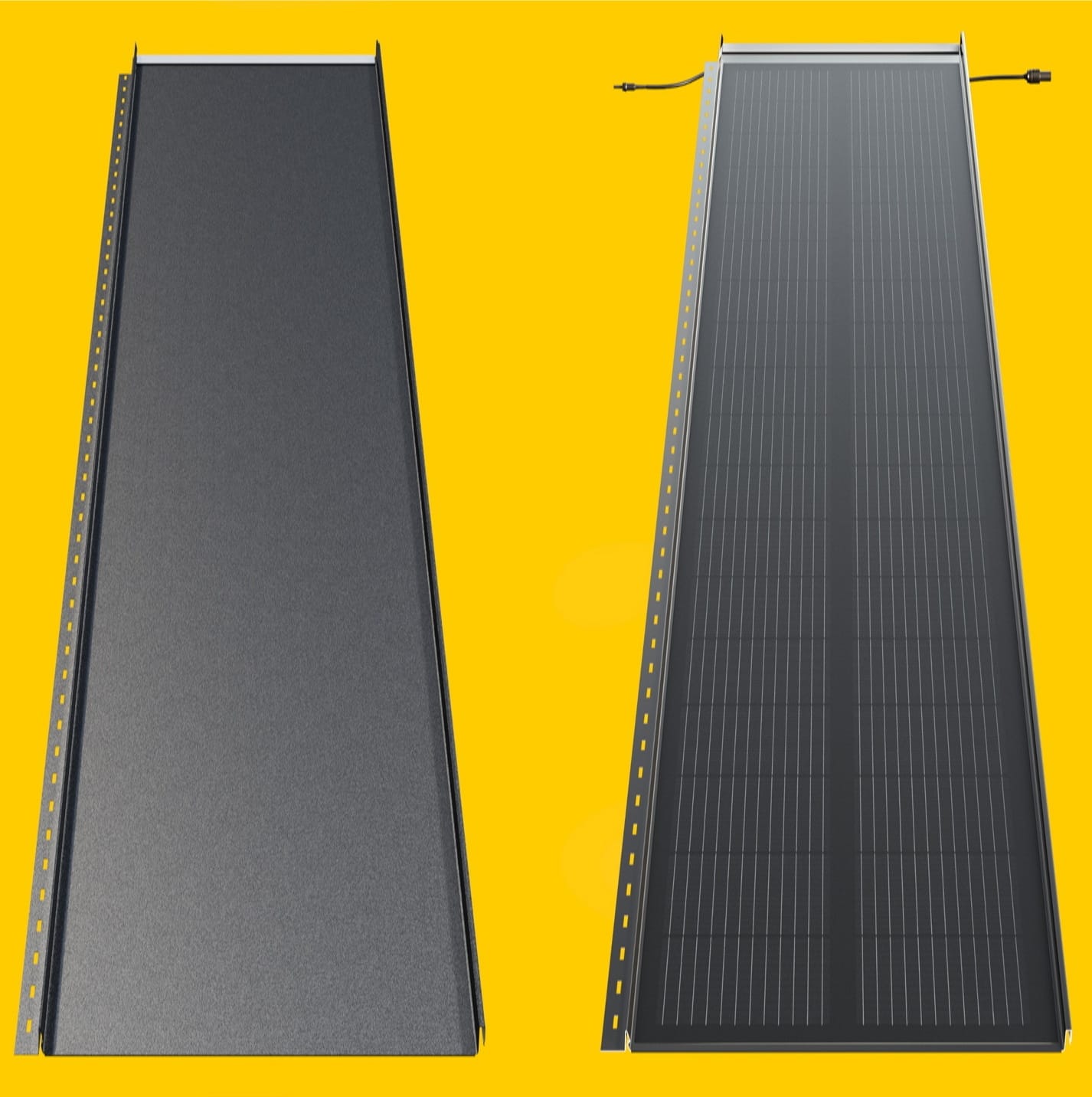
Weekend surplus is one factor in sizing the system. A smaller active area may suit the building, or there may be scope to change when equipment runs. An integrated covering can combine electricity-generating panels with matching passive sections, leaving some of the roof available for those sections.
Which activities can move to a different time of day?
Some activities allow flexibility, such as charging certain vehicles or heating water. Controls can schedule them to coincide with solar generation, provided the process stays safe and meets operational deadlines. Check that the saving justifies the scheduling effort and that service quality is maintained.
Other equipment has to run when the business needs it. Model its actual schedule. Distinguish continuous demand, loads that can be shifted and loads critical to operations. This identifies where controls could help and where the roof design needs to accommodate an existing work pattern.
Will battery storage always pay off?
A battery can move some solar energy into later hours. It comes with a purchase cost, energy losses and operating limits. Both its power rating and capacity need to suit the site. A battery with sufficient stored energy may still be unable to meet a short, high-power demand. Backup supply during an outage also depends on the system configuration.
Compare the roof alone with the same roof plus storage, using the same demand and generation data. This isolates the battery’s contribution. Changing the controls on one appliance may be a better first step than buying a battery before its required capacity is known.
How does the energy assessment inform the choice of roof covering?
For a new building or a roof replacement, building-integrated photovoltaics (BIPV) allow the roof and the electricity supply to be designed together. A steel panel with integrated cells can serve as the covering in an active area. Check the system’s suitability for the roof pitch and supporting structure even when the demand profile looks favourable.
The proposal should show expected generation, electricity used on site, surplus and the full installed cost. Recalculate with a lower yield or reduced business activity. This shows how the roof affects costs under different conditions and how much of the annual output the business could actually use.
Solar roofing manufacturers and brands include ML System, Autarq, LUMA Solar, Nelskamp, Wienerberger Wevolt, MDM NT (MyRoof), SolRoof, SunRoof, Electrotile and EDILIANS.

Free quote
What to include in your enquiry
Tell us how you plan to use the material, the dimensions and the quantity you need. Include the thickness, grade or variant name, along with the delivery town or your preferred collection branch. For a specific product, add its name or a link to the product page. We will reply to the email address you provide to discuss availability and the terms of your order.
Read next
A showroom needs daylight for its displays, an entrance customers can find and equipment staff can reach. A building-integrated photovoltaic roof can…
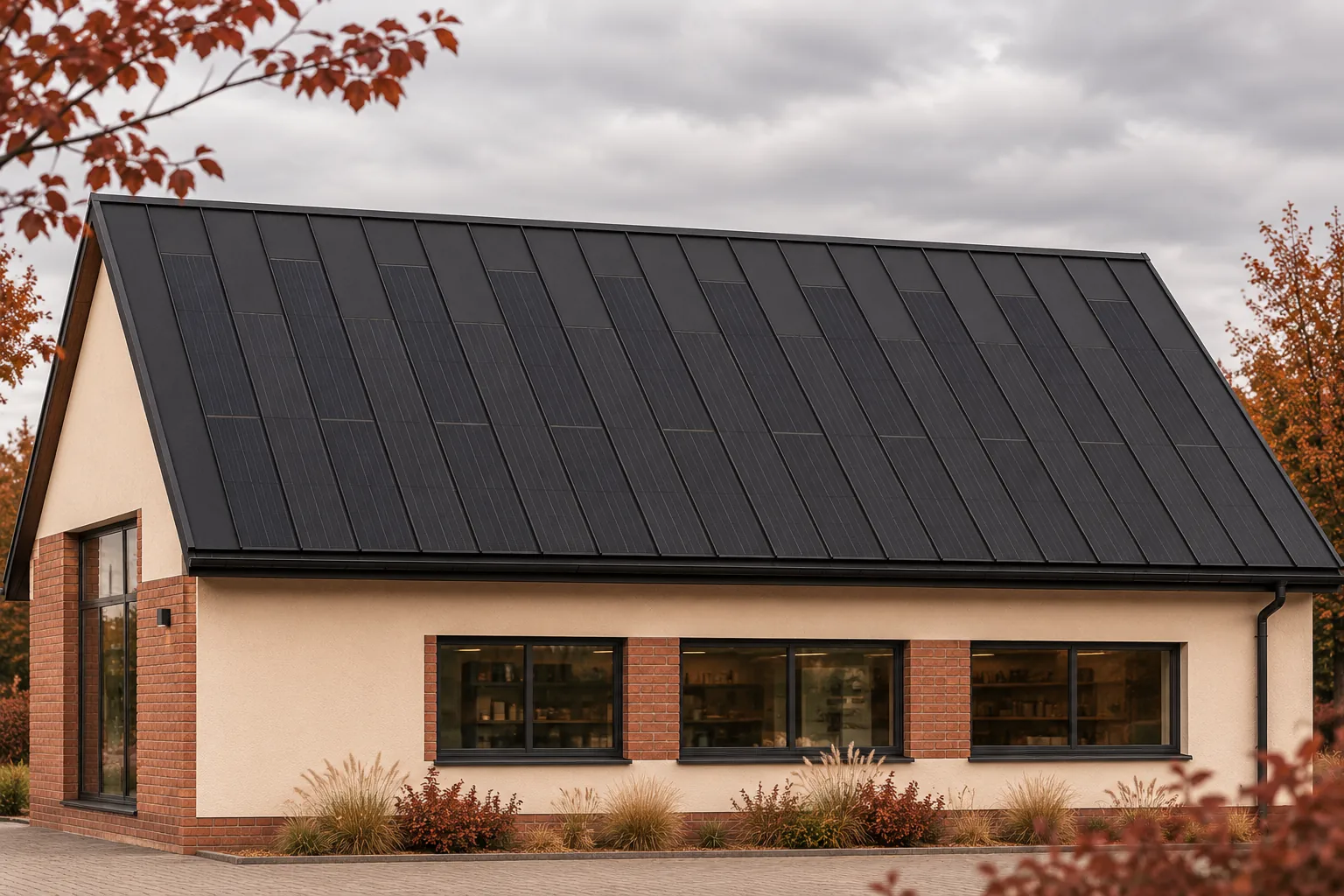
Replacing a roof covering with an integrated photovoltaic roof can disrupt a business. How much depends on the building, the work involved…
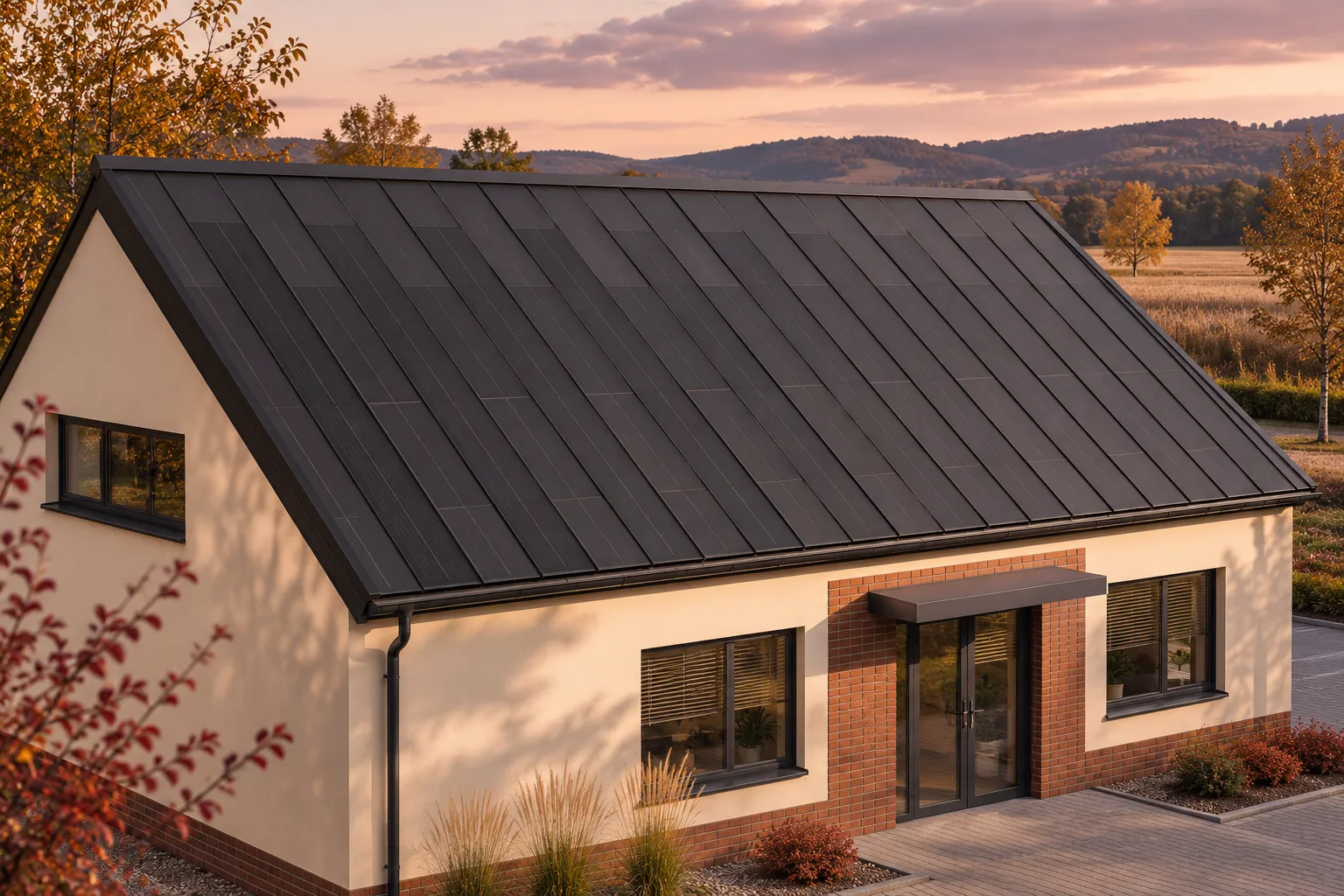
For a business, a roof repair costs more than parts and labour if it also stops deliveries or production. An integrated photovoltaic…
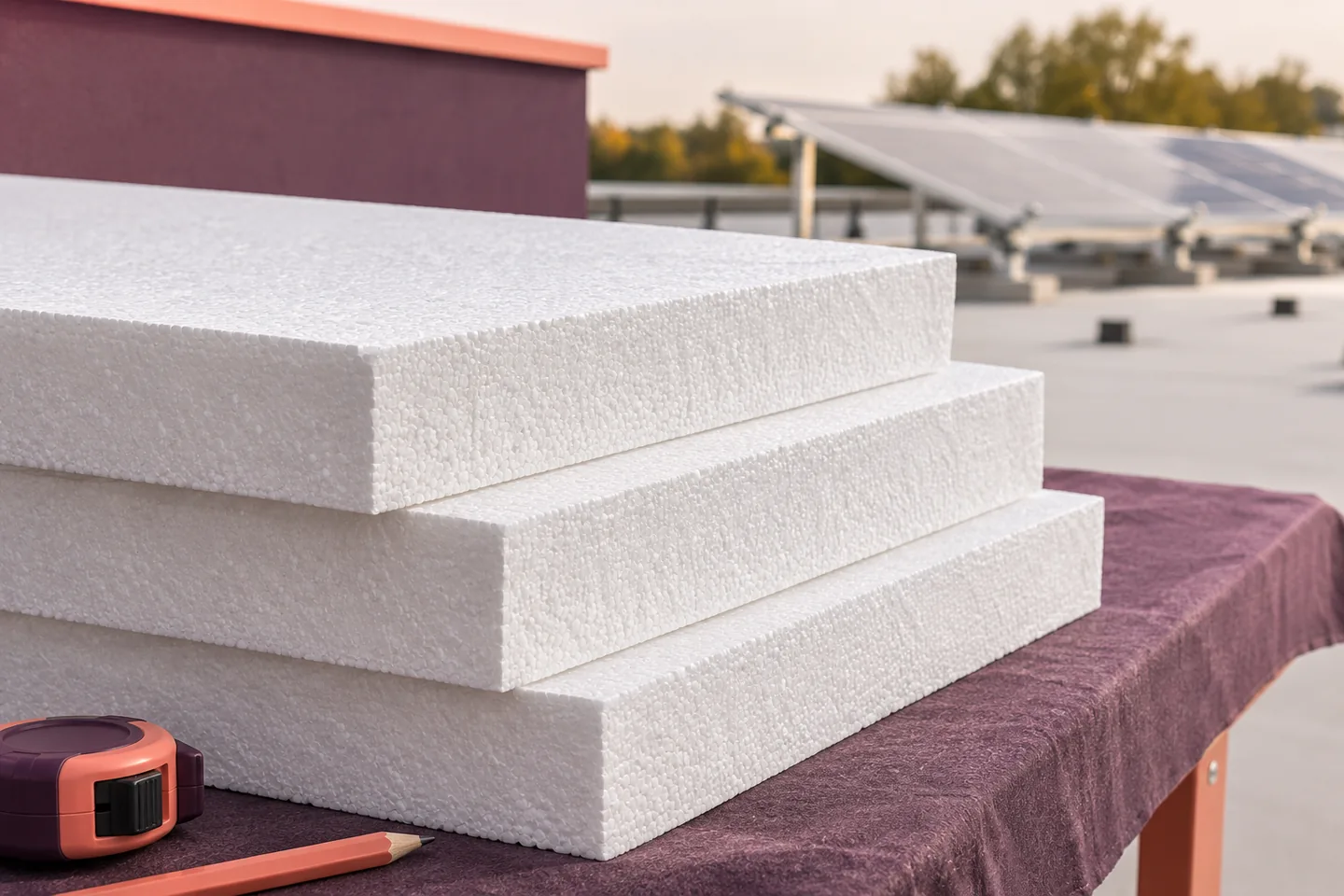
Before fitting solar panels to an existing EPS-insulated roof, identify what will carry each mounting foot. Record the roof structure, insulation grade…
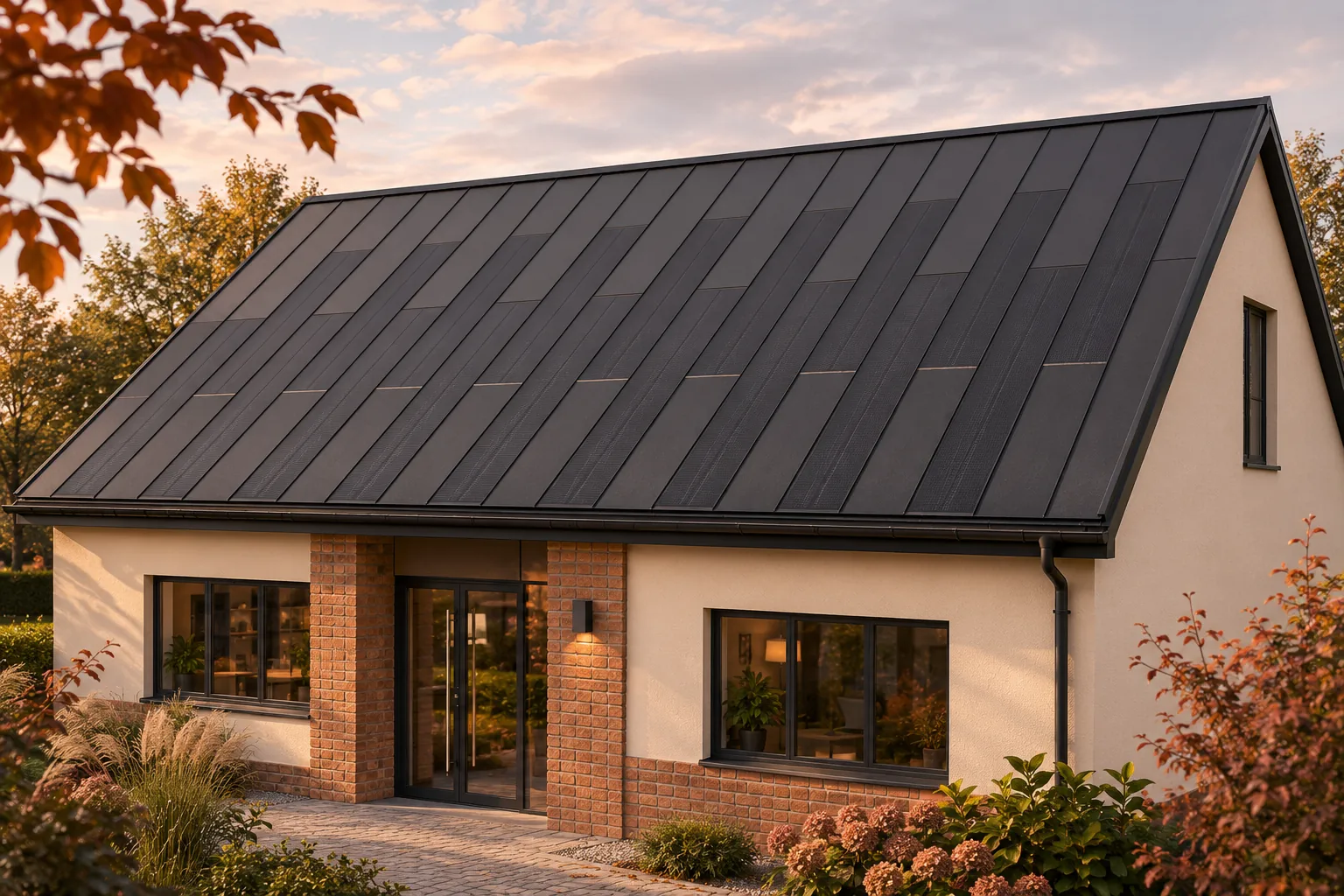
A business planning to renew its roof covering can compare building-integrated photovoltaics (BIPV) with a new covering that carries conventional solar modules.…
One quotation may cover a finished solar roof with all electrical work, while another covers modules and only part of the installation.…
An insulated sandwich panel and an integrated photovoltaic roofing panel are not interchangeable. They perform different tasks, require different supports and insulation…
A building-integrated photovoltaic roof provides both a weatherproof covering and electricity. To assess the extra investment in generation, establish which roof the…