After PIR insulation: review how the heating is controlled
PIR insulation
PIR insulation can reduce heat loss through the treated building element, but it does not set the heating controls for you. After work is finished, review whether schedules, room zones and control arrangements still match how the home is used. This does not mean changing boiler or heat-pump service parameters yourself. The guide helps gather information for an installer, identify the functions of existing controls and organise post-renovation observations. It separates user settings from work requiring professional assessment. No single flow temperature, heating curve or savings percentage suits every building. Appropriate control depends on the heat source, emitters, completed retrofit and occupants’ needs.
In this guide
Record what changed in the building
Completion of insulation work is a useful point to discuss heating operation. That discussion needs the actual retrofit scope and occupancy pattern, not simply “the house is insulated”.
Tell the installer which areas were insulated, which windows changed and whether room use differs. Separate completed work from planned work. Settings for today’s house need not suit a future phase. Work records help avoid decisions based on assumptions.
Identify the control functions
If replacing the heat source, ask for selection based on the renovated building. The old unit’s rating does not establish the updated requirement. Do not choose a boiler or heat pump solely from past fuel use. Assessment must suit the building and how heat is delivered.
Distinguish time schedules, room temperature targets and heating-circuit parameters. They concern different aspects of operation even when displayed on similar screens. Use the manual to establish which settings belong to the user. Do not copy values from a video of another device or system type.
Compare schedules with occupancy
Establish which room or zone each controller represents. A relocated sensor, covered valve or changed room use can complicate interpretation. Report these circumstances rather than immediately attributing them to insulation failure. Device locations and interactions should follow the system’s requirements.
Compare programmed heating times with actual occupancy. An old schedule may reflect different working hours or loft use. Where the manual permits schedule changes, retain the previous programme and note the new one. Consider people who stay at home, not only the routine of whoever operates the controller.
Separate user adjustment from servicing
Do not introduce a deep temperature setback simply because PIR was installed. Response depends on the building and heating type, and comfort can take time to recover. A routine suitable for one system may not suit another. Seek advice on operating mode where the manual does not explain the change’s effect.
Changes to heating curves, flow rates or equipment parameters may require installer assessment. Do not open equipment or alter safeguards in an attempt to save energy. Keep space heating separate from domestic hot-water preparation. Safety and hygiene settings are not substitutes for adjusting room comfort.
Observe results without changing everything at once
If one part of the house stays cool while another overheats, describe both locations. Increasing a common setpoint may not resolve uneven operation. A professional review should consider the distribution system and alterations. Do not assume that buying another controller will necessarily solve it.
For an agreed user adjustment, note the date, weather, occupancy and observed effect. Avoid changing many functions simultaneously, which makes the cause harder to identify. There is no single observation period for every system; agree it using the instructions and the commissioning person’s advice.
Keep the agreed settings after commissioning
Retain the necessary air exchange after insulation. Switching ventilation off is not a way to improve heating-control results. Where the systems interact or renovation altered airtightness, include that information in the review. The objective is a properly functioning home, not the lowest reading achieved at the expense of other needs.
Ask for a clear record of the agreed operation: permitted user adjustments, schedule meanings and situations requiring service. Keep the correct equipment manual. A later renovation or occupancy change can then start from documented settings instead of reconstructing them from memory.

Free quote
What to include in your enquiry
Tell us how you plan to use the material, the dimensions and the quantity you need. Include the thickness, grade or variant name, along with the delivery town or your preferred collection branch. For a specific product, add its name or a link to the product page. We will reply to the email address you provide to discuss availability and the terms of your order.
Read next
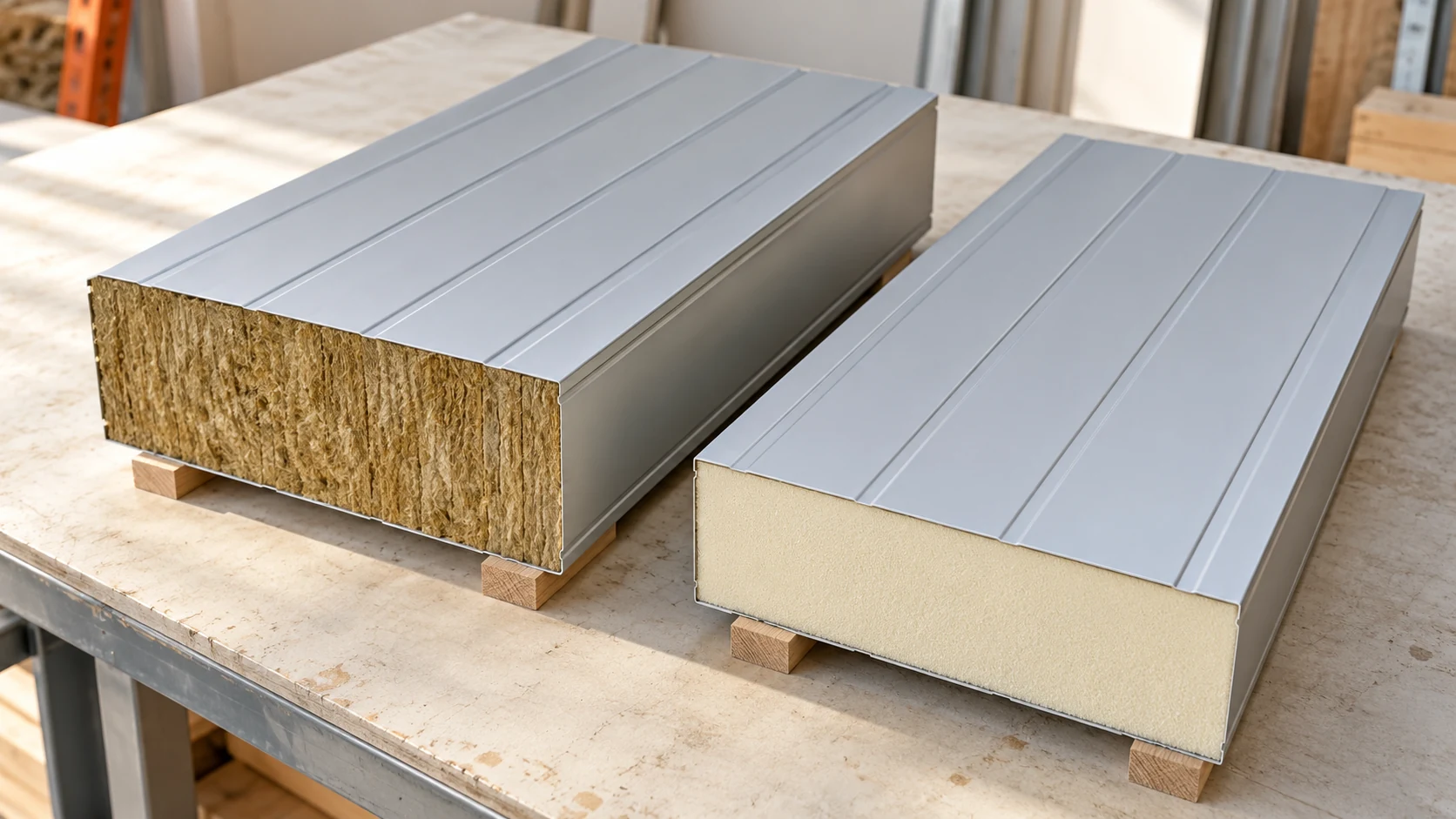
Choose the core for the job the wall or roof must do. Mineral wool and PIR offer different combinations of insulation, weight…
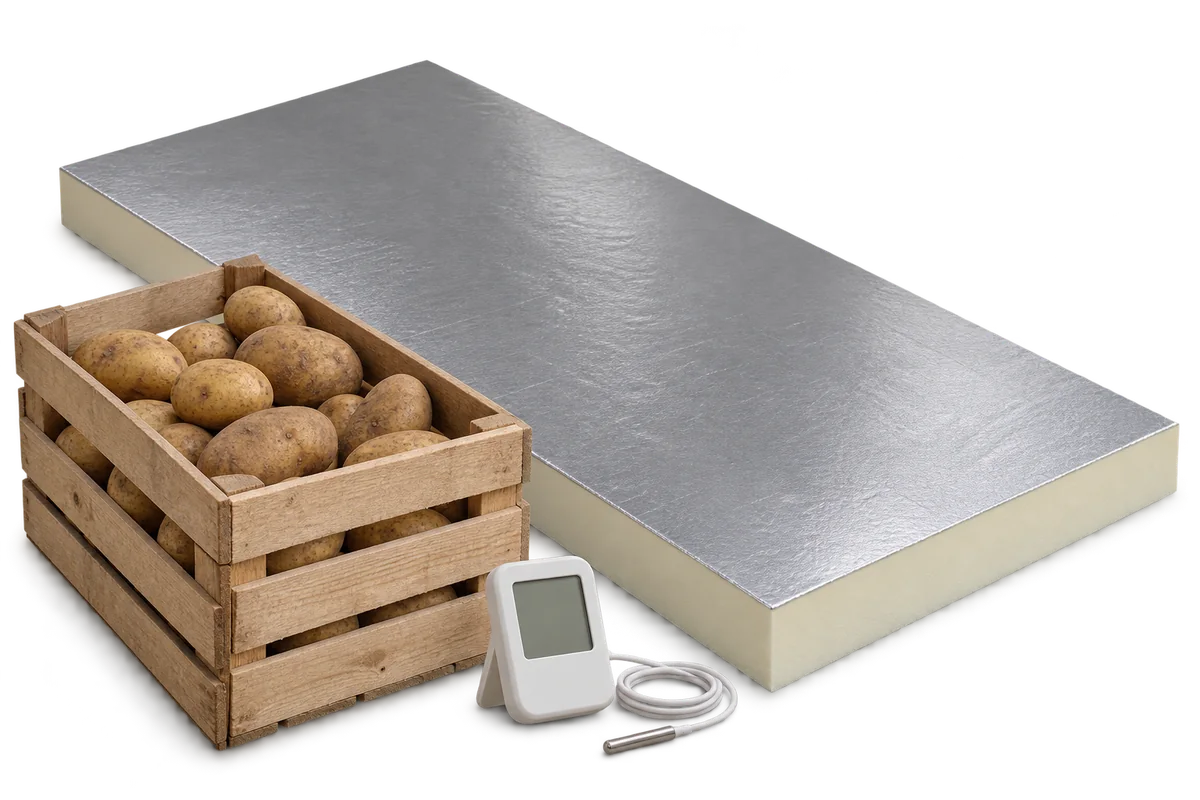
The withdrawal of a sprout suppressant formerly used in potato stores changed storage practices. Residues in older buildings need separate assessment even…
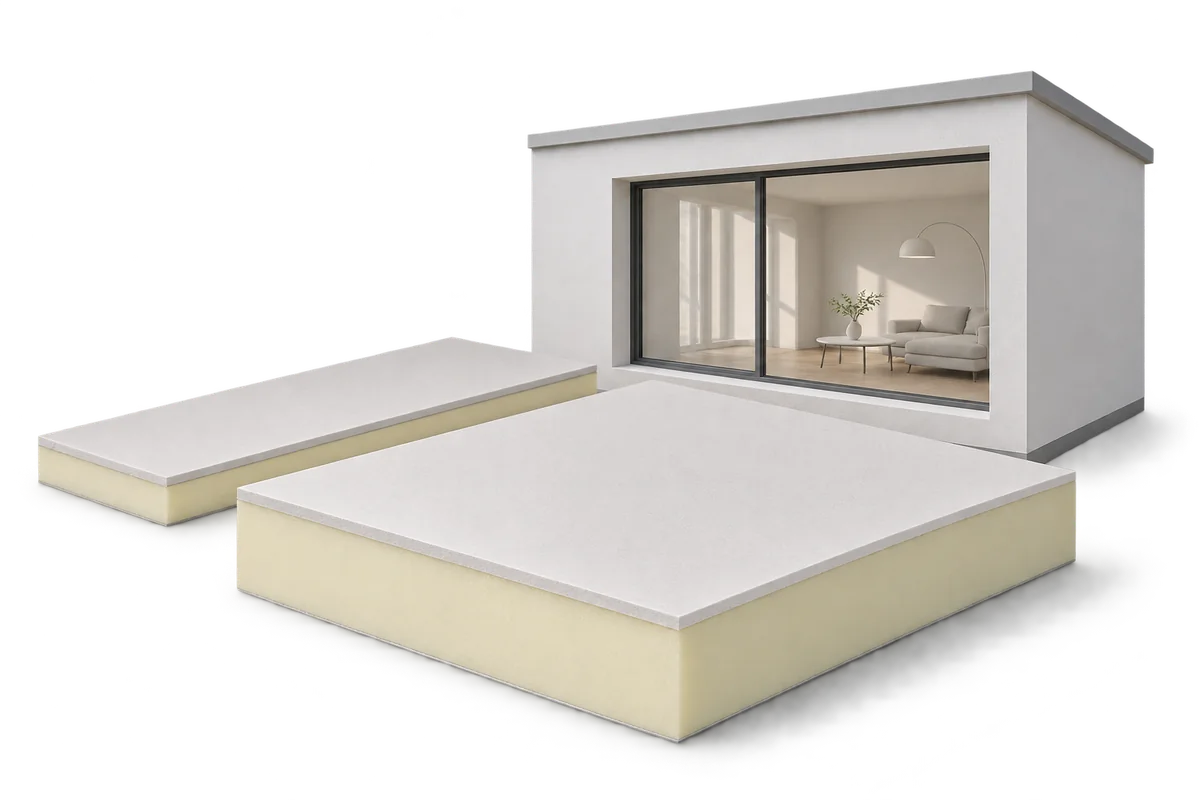
Every centimetre counts when insulating from the inside, particularly in a hallway or under a sloping roof. PIR boards can reduce the…
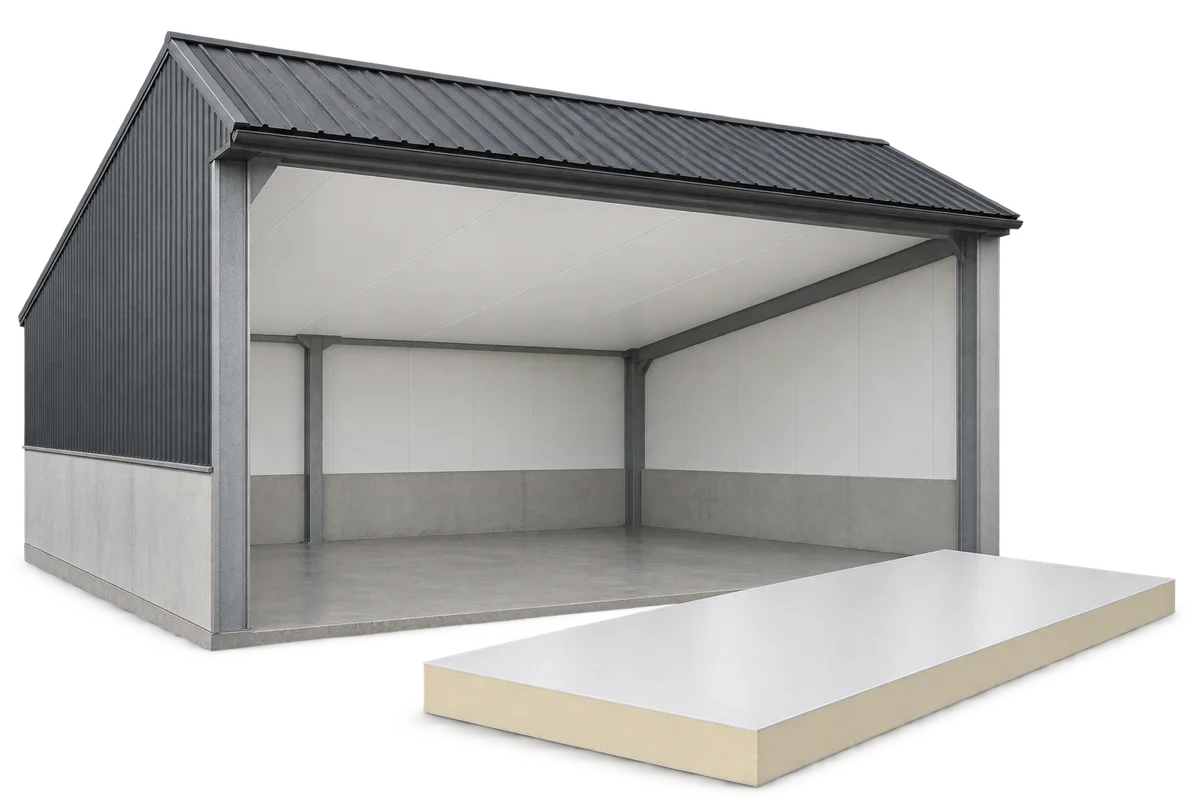
An internal ceiling can separate a heated or climate-controlled room from the roof void. In a cattle shed or warehouse, its appearance…
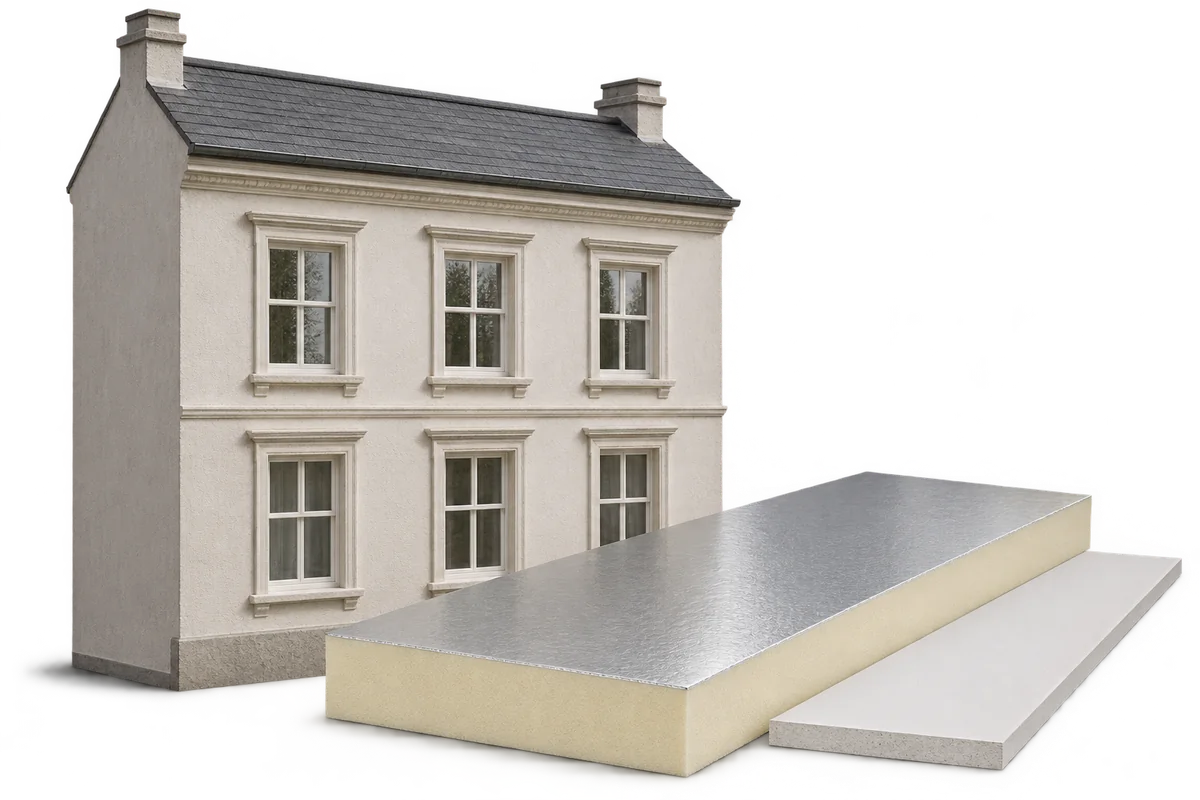
Before choosing insulation or finishes for a historic building, establish which features give it its character, what condition it is in and…
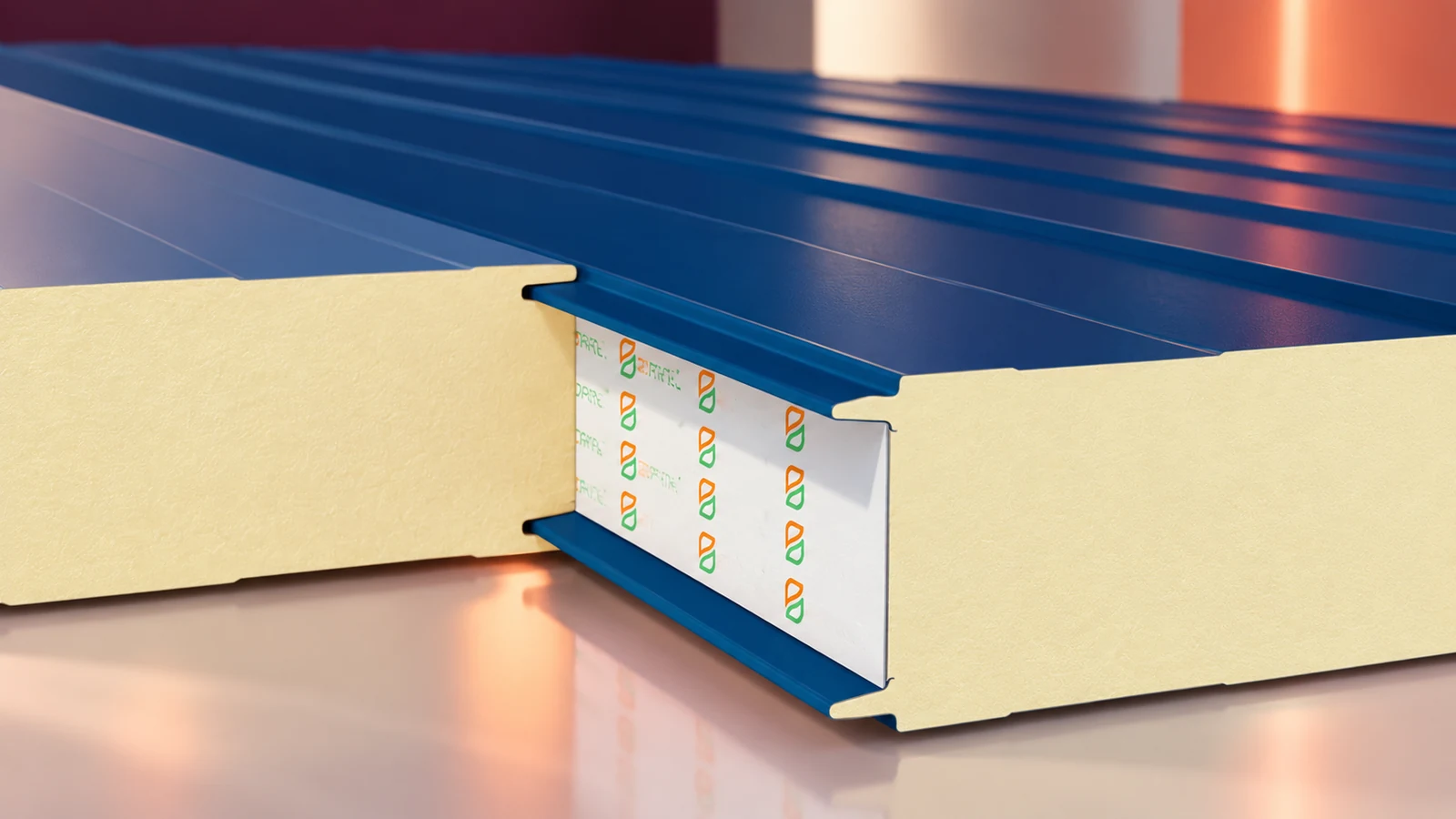
PIR sandwich panels are factory-bonded elements with an insulating core and metal facings. They are made for walls, roofs and specialist enclosures…
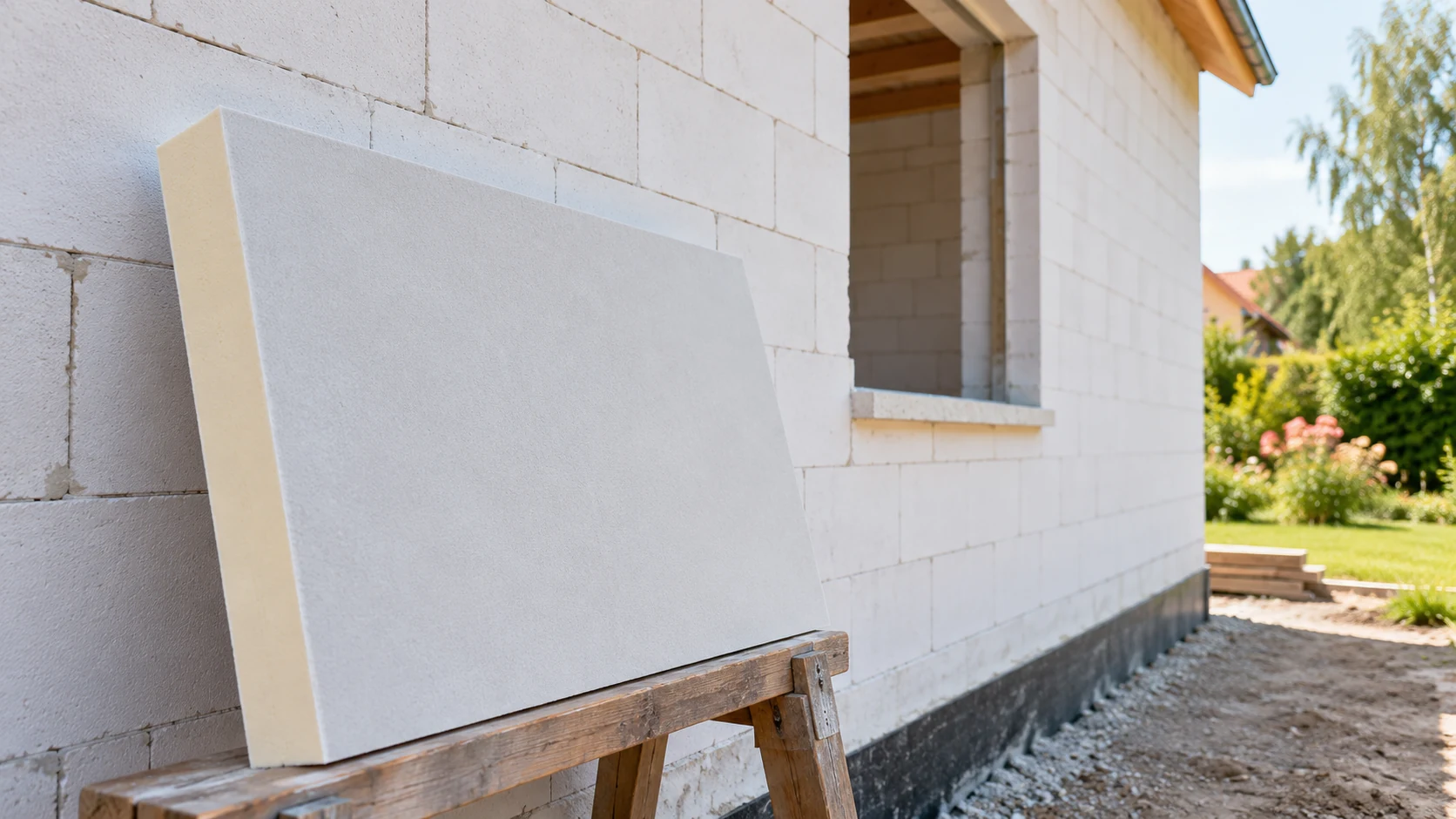
Aerated concrete masonry and PIR can make a well-insulated wall when the board, render system and fixings are selected together. Aluminium-faced PIR…
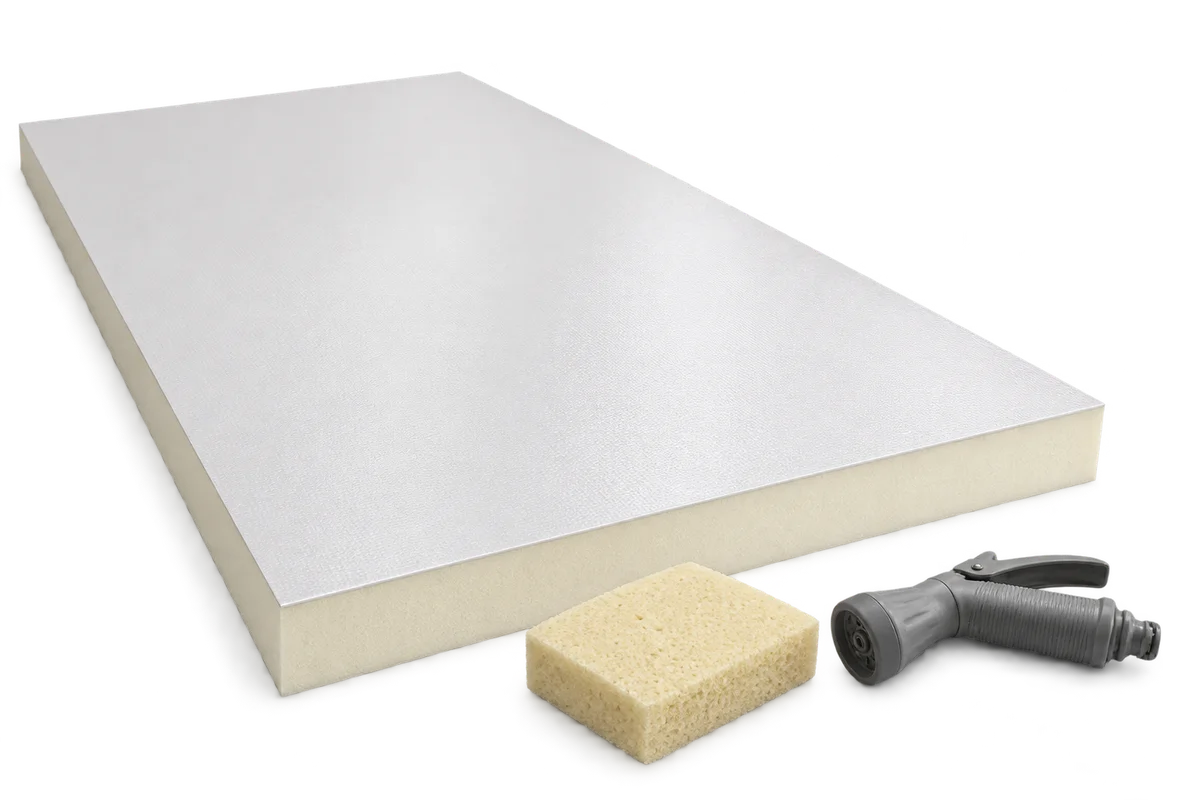
From the floor, a chip in a pale barn ceiling can look like a small stain. Before washing, mark the spots where…