






What matters besides thickness when choosing a sandwich panel?
Choosing sandwich panels
At a glance
Two panels of equal thickness may have different cores, facings, joints and intended uses. Start with the building requirements: thermal performance, loads, fire, moisture and operating conditions. Establish whether the panel forms a wall, roof, internal partition or cold-room enclosure. Record temperatures on both sides, humidity and the heating schedule. A workshop heated for a few hours differs from a room kept at a constant temperature. Allow for planned changes of use. Only then select the thickness and compare the cost of complete solutions.
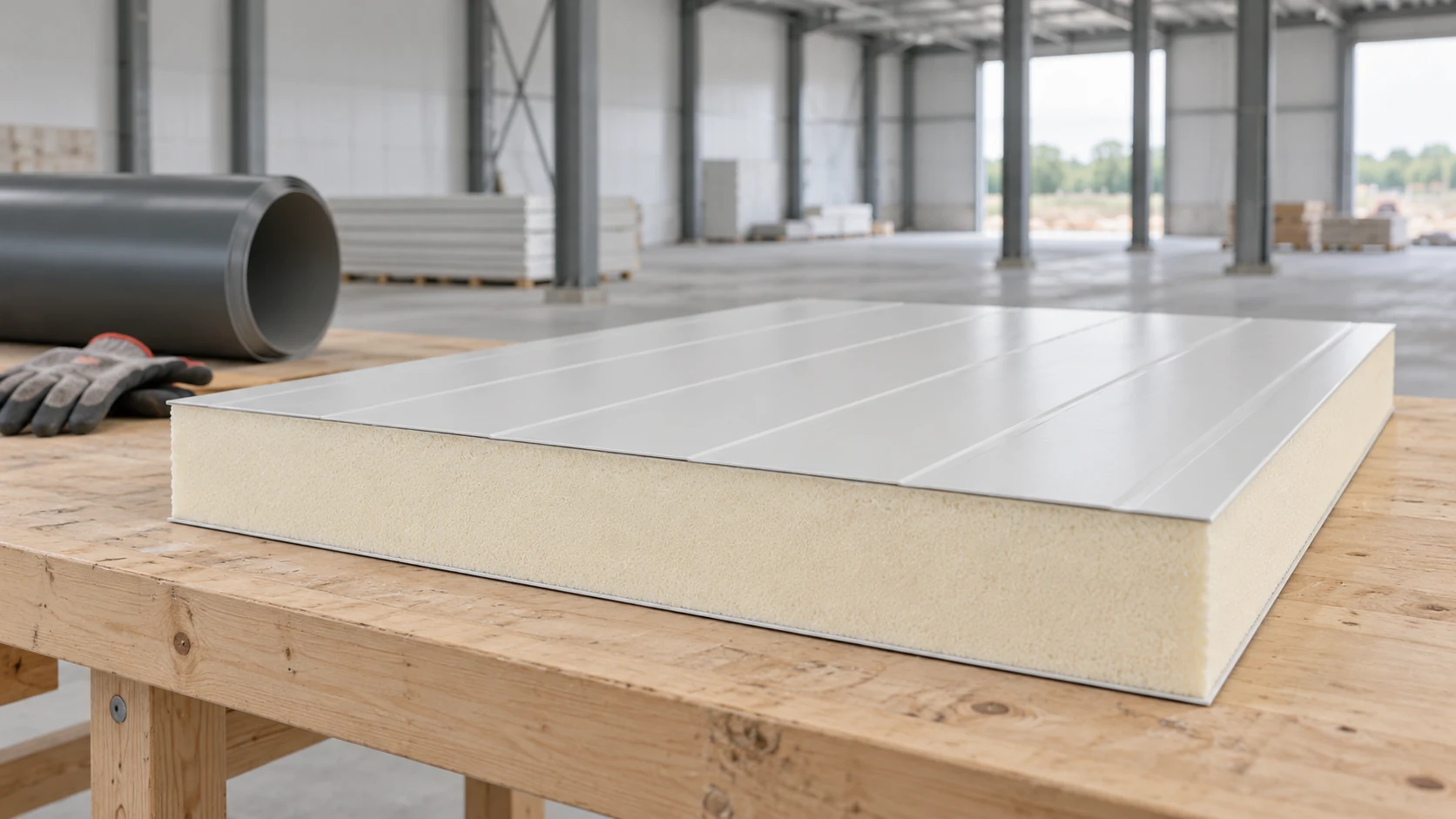
Describe the use and exposure
Include internal and external exposure, cleaning methods and substances in contact with the facings. A coating suitable for dry storage may not suit a wash-down area. Check the intended environment in the product documents; a thicker core cannot make up for an unsuitable facing or joint.
Check the U-value for the complete panel
Use the declared U-value for the precise thickness and configuration. Core conductivity describes the insulating material, not the finished panel. Joint geometry and the method used to determine the declared value matter; check which corrections are included.
The project and applicable building requirements determine the target U-value. Include doors, windows, plinths and thermal bridges in the building assessment. A good field-of-wall value cannot compensate for a gap at a flashing. Distinguish the product rating from the performance of the installed envelope.
Narrow panels can have more joints per square metre than wider modules. Check cover width when reading the data and do not combine values from different catalogue entries.
Check capacity on the actual supports
Load tables must match the core, facing thicknesses, span, bearing widths and number of spans. Roofs are checked for snow and wind, walls for loads including wind pressure and suction. Colour can affect the thermal exposure of the facing.
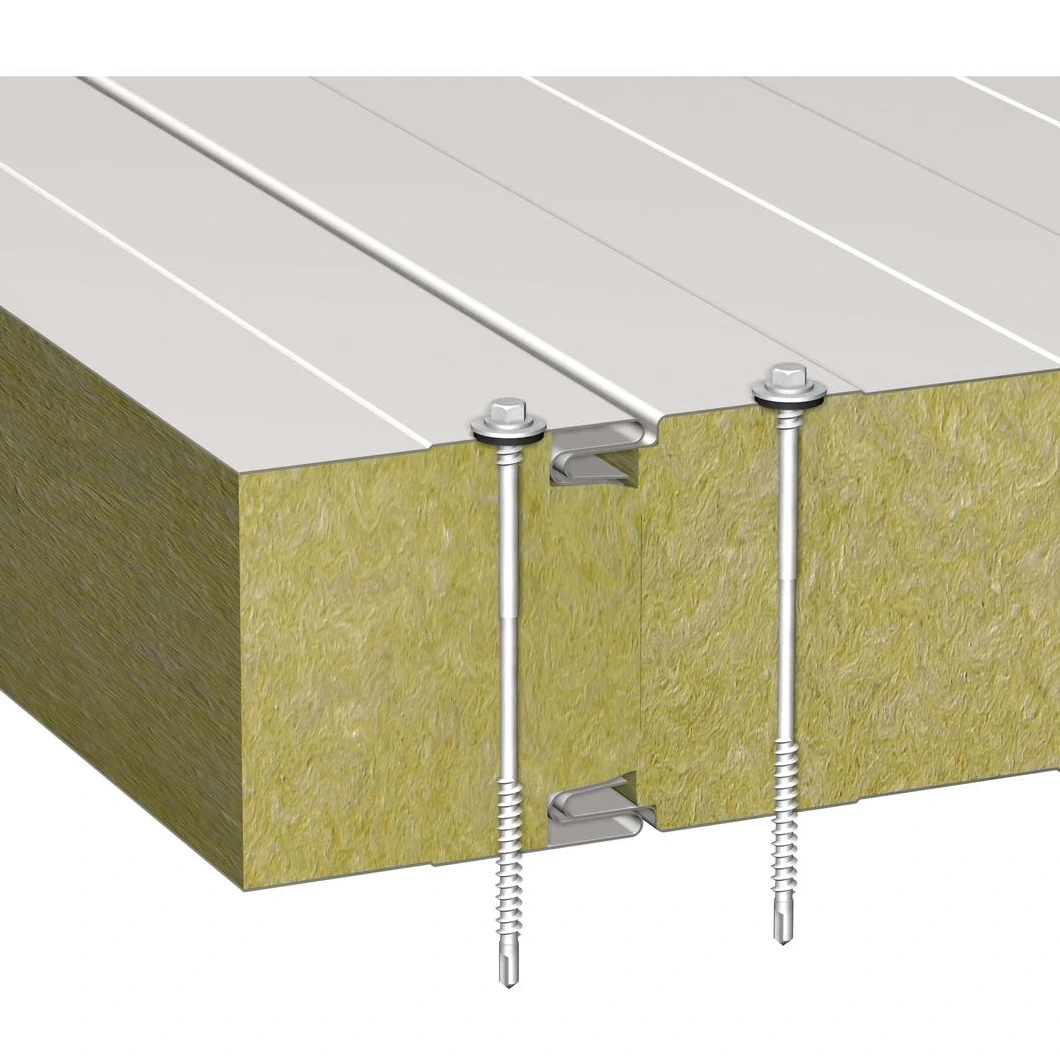
Do not set support spacing from the panel length available in stock. A long roof panel may span several purlins. Check fasteners, edge zones and any equipment loads separately. Increasing core thickness does not verify the connection to the frame.
Distinguish the different fire requirements
Reaction to fire describes the classified behaviour of a product. Fire resistance applies to a complete assembly in a defined configuration. Roofing may also require an external fire performance assessment. Calling a panel “fireproof” does not identify any of these properties.
Read the classification scope: orientation, span, joints, seals, fixings and thickness. A substitution can fall outside it. PN-EN 14509 identifies product information for self-supporting metal-faced panels; citing it does not provide a fire strategy for the building.
Assess condensation and airtightness
In heated spaces, assess internal surface temperatures, especially at joints and steelwork. Vapour may travel in a different direction in a cold room. Detail seals for the actual use rather than relying on a generic installation drawing.
The simplified analysis under PN-EN ISO 13788 does not describe moist air moving through gaps. The air-control layer must be continuous. Mark seals at panel joints, the plinth, openings and service penetrations. Specify the connections to inspect before they are concealed.
Record the selection in the order specification
List the panel use, core, thickness, facings, coatings, colour, lengths and joint type. Add the required performance and documents supporting it, together with accessories, delivery terms and unloading arrangements. This gives competing suppliers a common specification.
Agree how to approve substitutes. A different sheet or gasket may require a new check even at the same thickness. Match delivery labels to the design; colour and pack counts will not reveal every difference affecting capacity or fire performance.
Questions and answers
Does conformity with a product standard make a panel suitable for every building?
No. The standard describes the product and the declaration of its properties. Suitability depends on the project’s loads, connections, use and requirements.
Does a thicker panel always have better fire resistance?
Do not assume so. Check the classification for the complete configuration, including core, facings, joints, span and installation direction.

Free quote
What to include in your enquiry
Tell us how you plan to use the material, the dimensions and the quantity you need. Include the thickness, grade or variant name, along with the delivery town or your preferred collection branch. For a specific product, add its name or a link to the product page. We will reply to the email address you provide to discuss availability and the terms of your order.

Read next
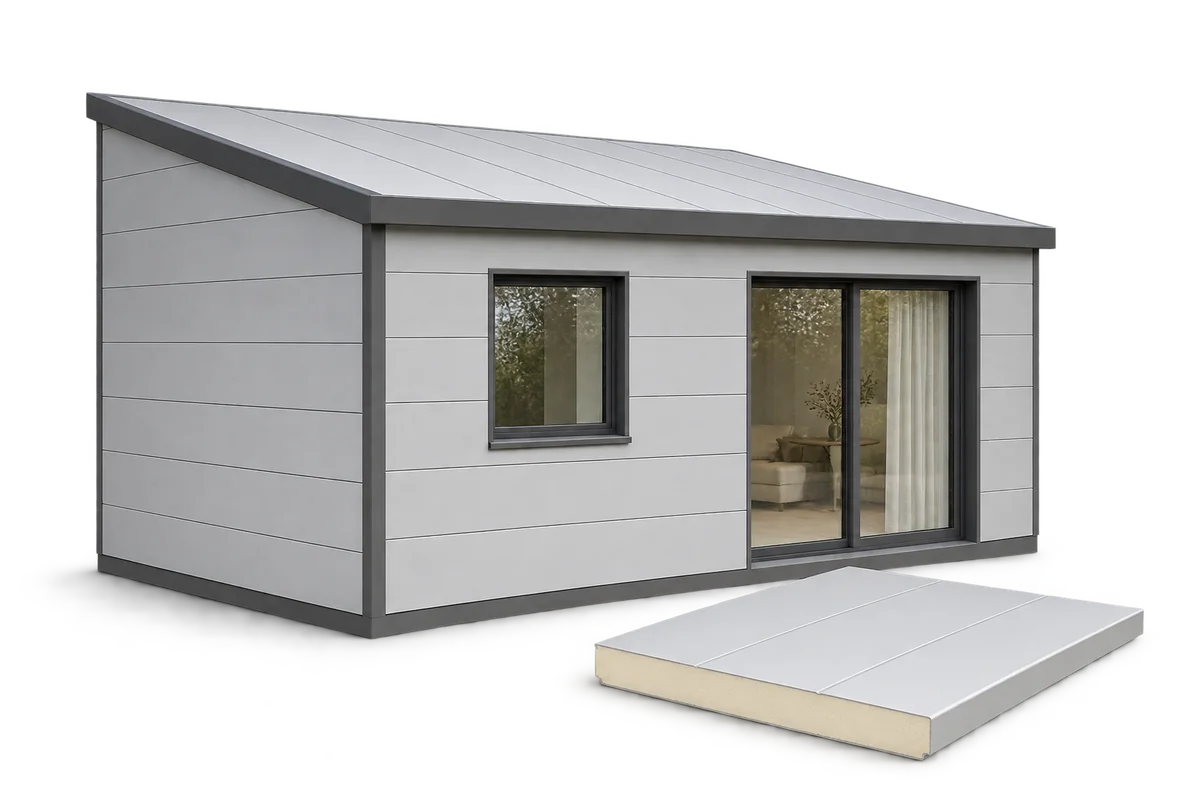
Sandwich panels can form the walls and roof of a home, but the panels alone do not make a complete building system.…
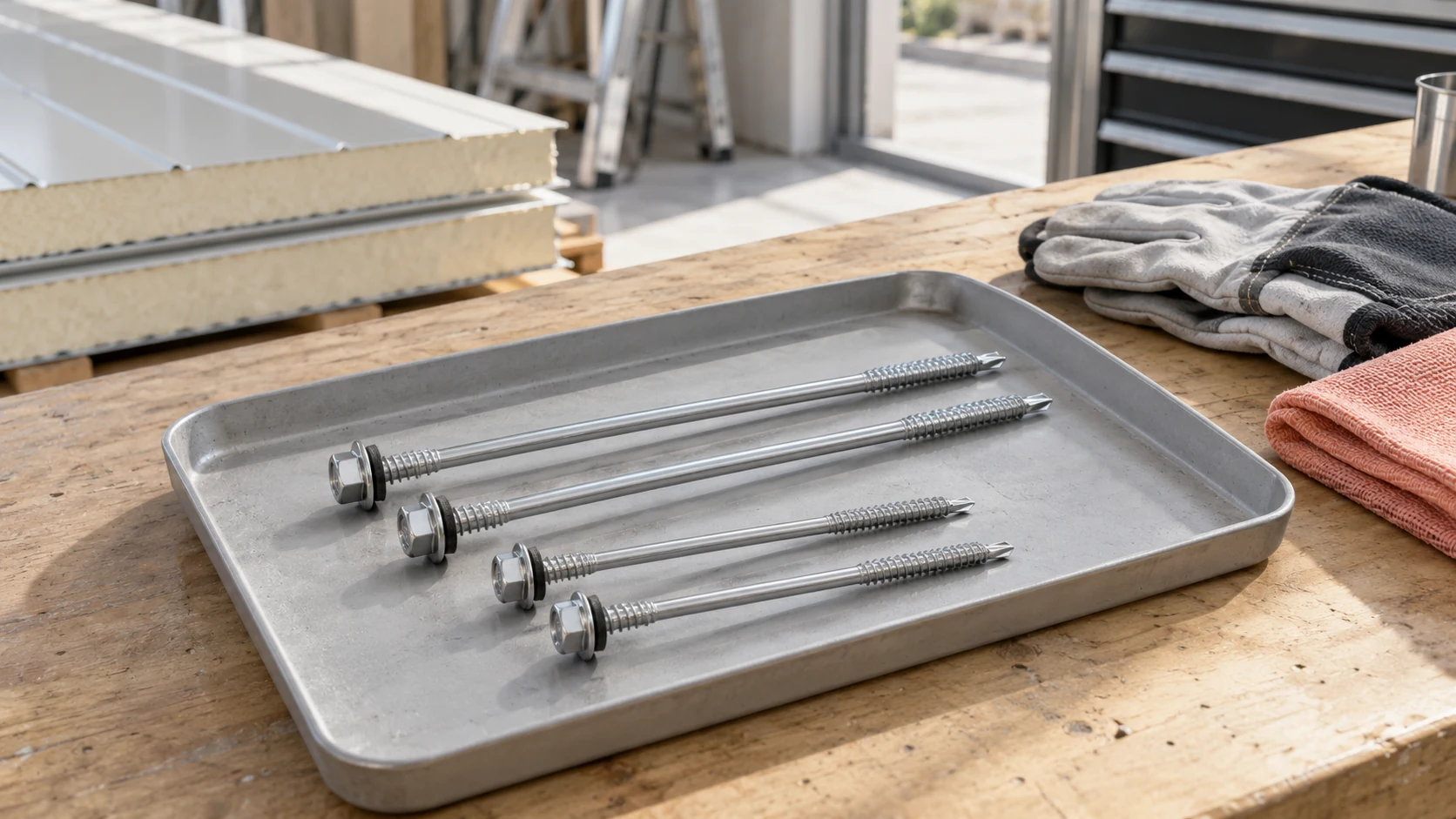
To work out how many screws to buy, start with the fixing layout for the building. It shows the panel joints, supports…
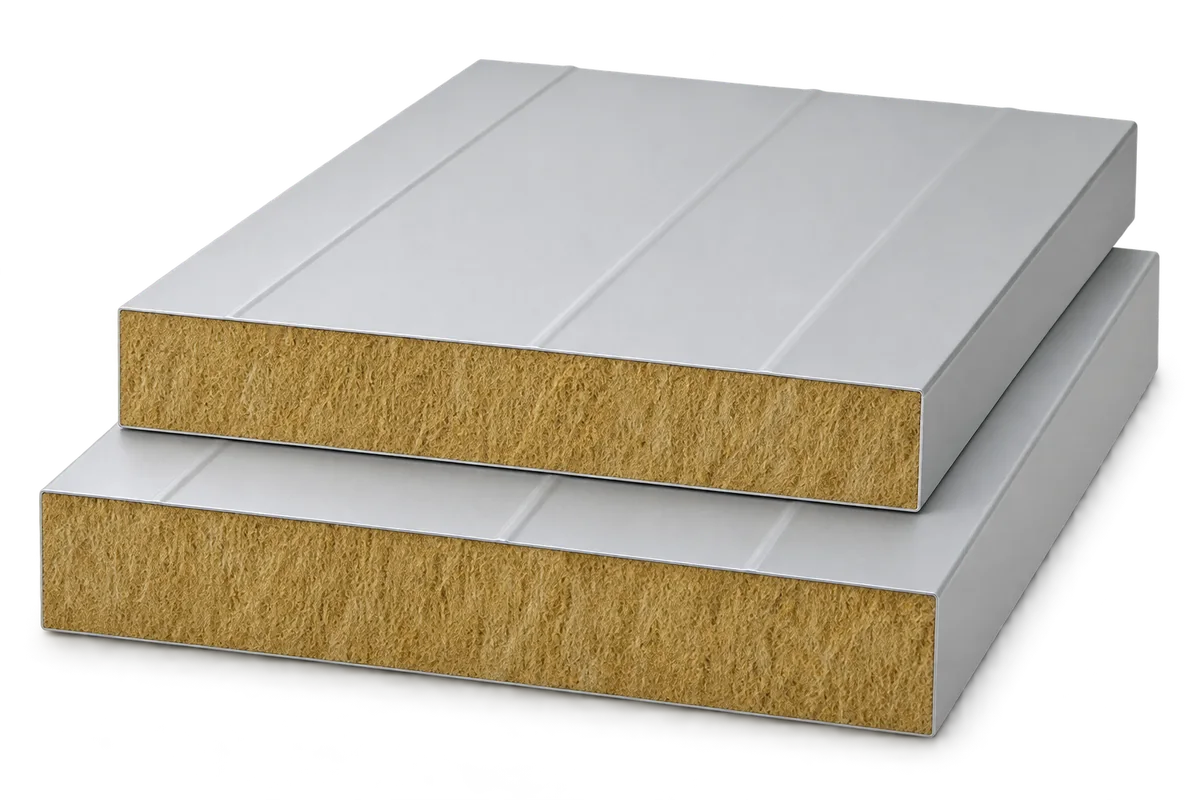
Fire safety depends on choosing a panel with documented performance and installing it in the assembly covered by that documentation. The core…
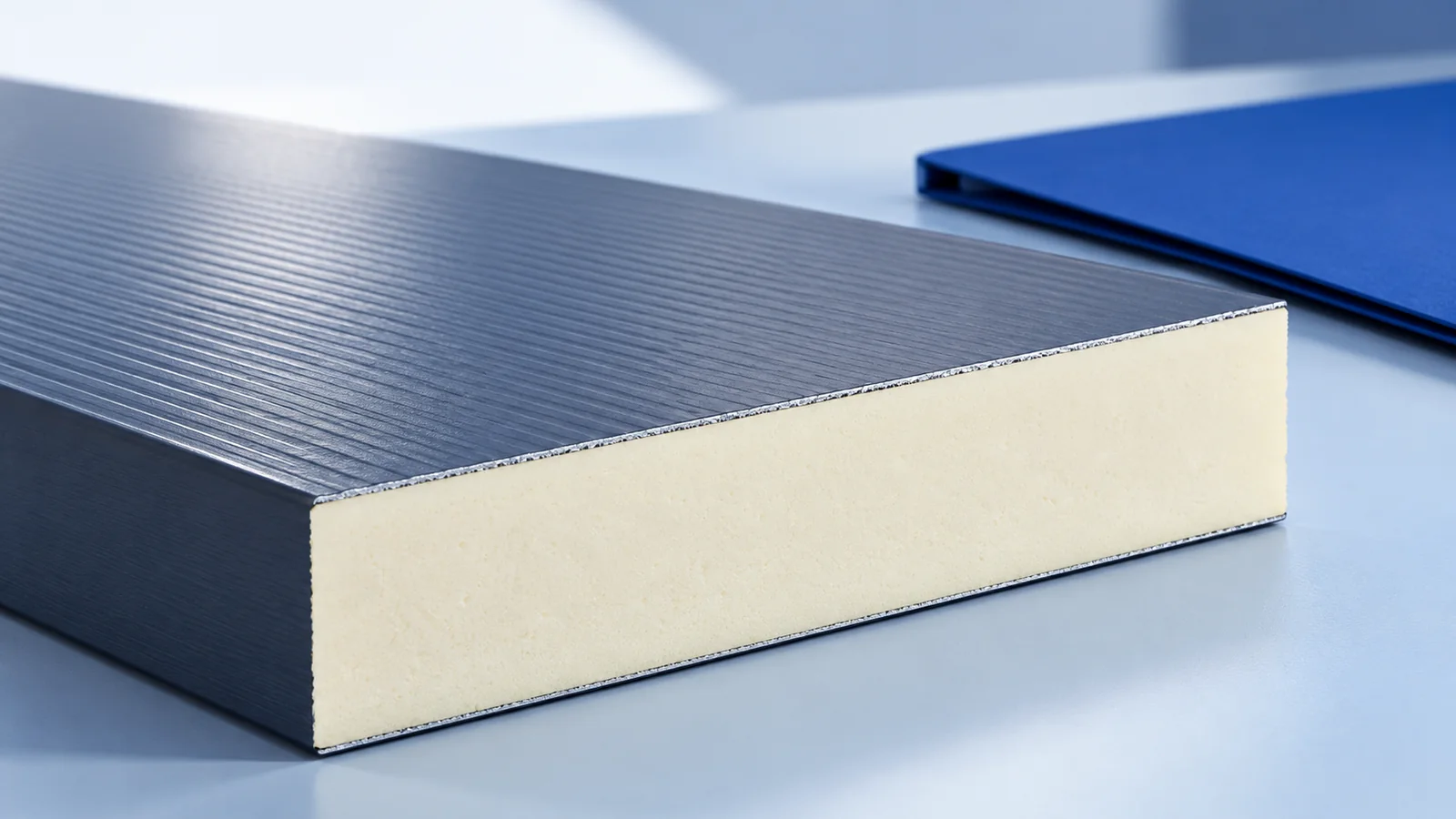
Start the design of a panel-clad commercial building by tracing a normal working day. Where do forklifts unload, which rooms stay heated…
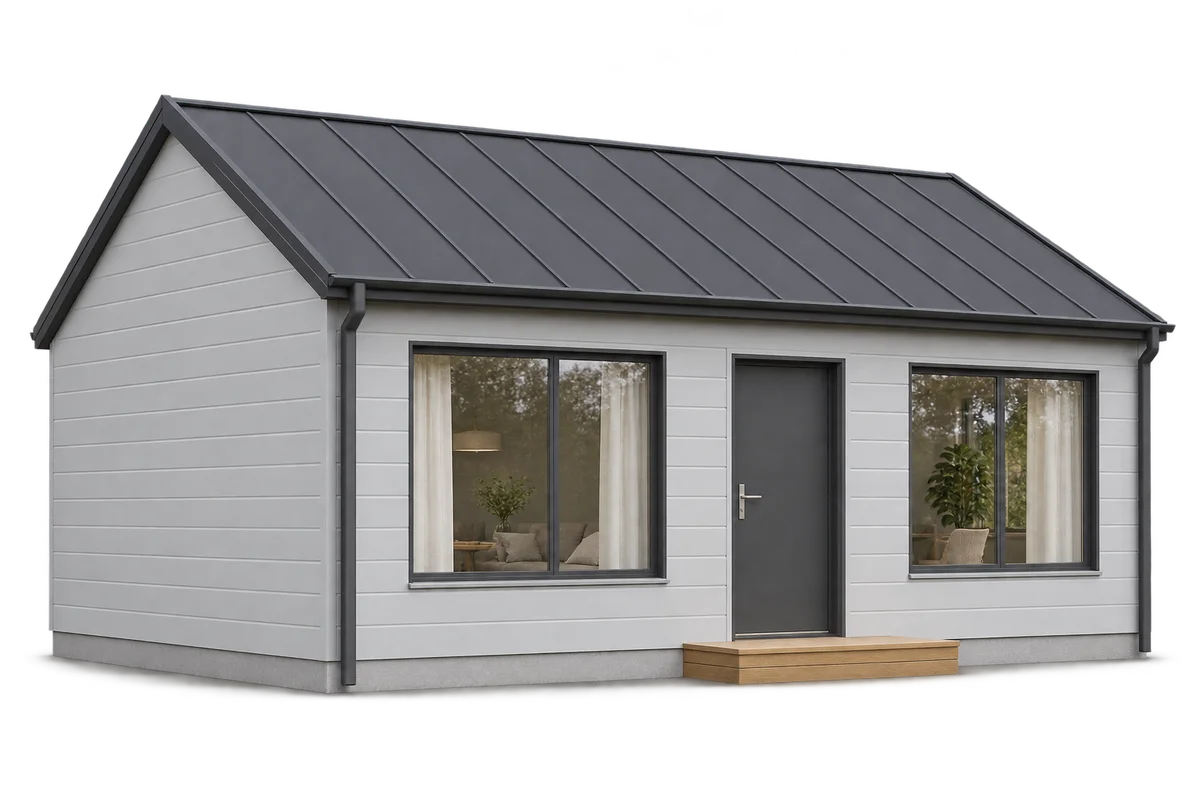
A future extension to a sandwich panel home should be described before choosing the envelope and locating openings. The ability to remove…
Mineral wool sandwich panels have metal facings bonded to an insulating core. They are used for walls and roofs. Each model needs…
Harvest sets the deadline for work on a potato store. Allow time to assess the building, order materials, install them and test…
A roof that looks flat still needs a reliable drainage path. For a sandwich panel roof, check the minimum pitch for the…
