






How to compare wall and roof panel quotations for a complete building envelope
Prices and cost calculations
At a glance
A quotation is useful when the price can be traced to a particular panel and quantity. Different cores, facings and fasteners can change installation costs as well as material rates. To compare two building envelopes, identify each wall and roof variant first: intended use, core, thickness, steel facing thicknesses, coating and colour. For walls, check the fixing method; for roofs, also check profile and end preparation. A missing detail may mean the supplier has priced a different configuration from the one in the drawings.
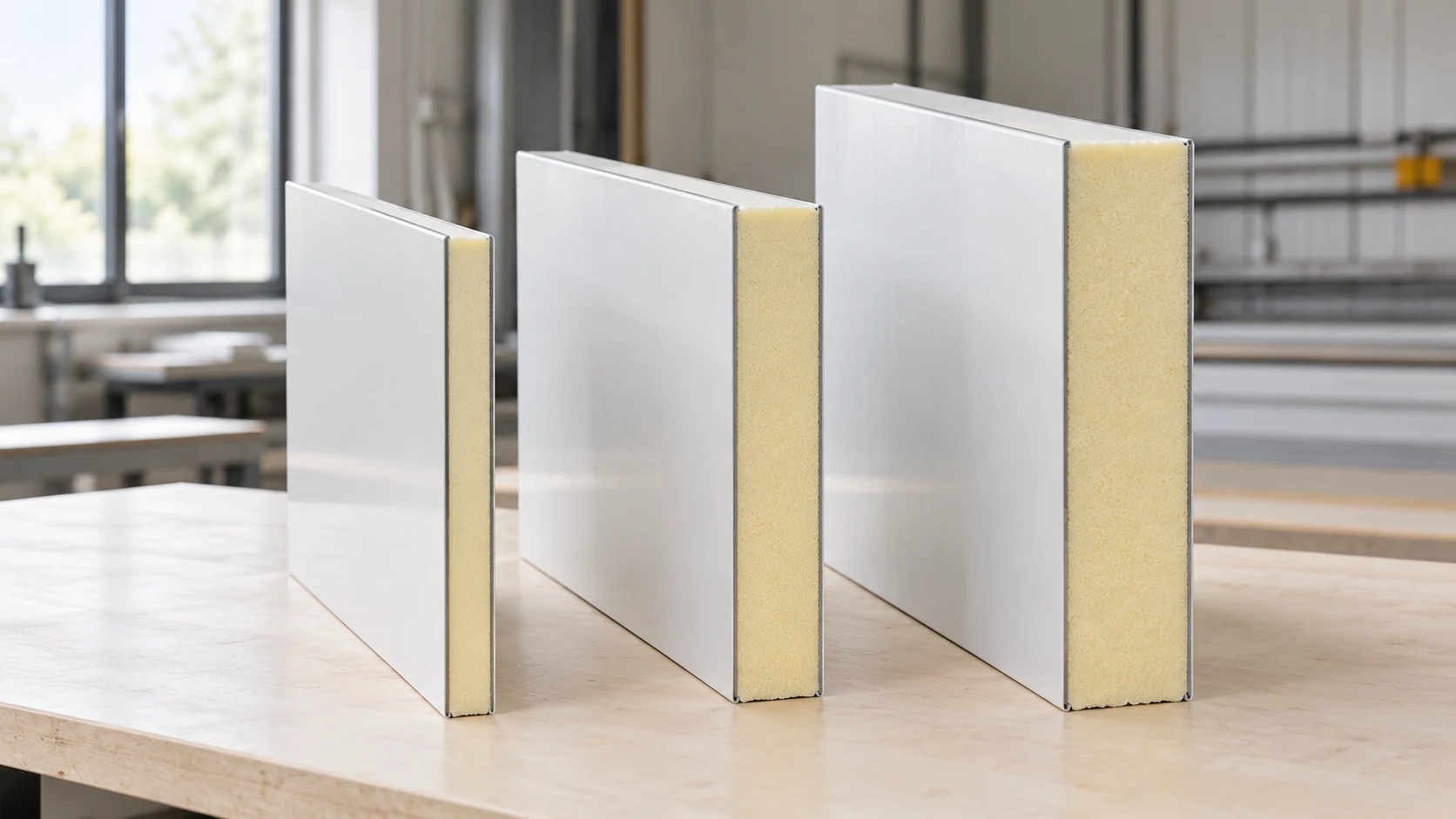
Which details belong beside each rate?
Give every rate a unit and a quantity. Lengths and piece counts help check the total more reliably than façade area alone. Establish whether the panels will be made to the schedule or supplied from stock. Record quotation validity and expected lead time; a general price list supplies neither.
Why price walls and roofs separately?
Roof panels are profiled and jointed to suit the roof slope and shed water. Wall panels may use different profiles and joints. Identical core thickness does not make them the same product. Fixing quantities, flashings, installation plant and access may also differ.
Keep the two assemblies separate in the estimate. Measure the roof along the slope and include its closures. On the walls allow for openings and the width of final strips. Add wall-to-roof junctions separately. This reveals whether a higher panel rate reduces another operation or needs additional parts.
How do two panel packages compare in figures?
Assume 210 m² of wall panels and 165 m² of roofing. This is a budget exercise, not an offer. Both variants must first be suitable for the same project. All figures exclude VAT. Unit rates and totals are shown in euros, rounded separately after conversion.
| Item | Option A, excl. VAT | Option B, excl. VAT |
|---|---|---|
| Walls | 210 m² at about €32.21/m²: €6,764.01 | 210 m² at about €34.06/m²: €7,153.30 |
| Roof | 165 m² at about €37.54/m²: €6,193.97 | 165 m² at about €38.93/m²: €6,423.37 |
| Panel total | €12,957.97 | €13,576.67 |
The difference is €618.70 excluding VAT. It does not yet establish which finished envelope costs less. Add accessories, delivery and installation.
How can extras change the ranking?
Now allow €2,015.99 for accessories and logistics in A and €1,483.03 in B, excluding VAT. The totals rise to about €14,973.97 and €15,059.70. On the unrounded figures the gap is only about €85.74. These assumptions illustrate the comparison method; they are not catalogue prices.
Track down the reason for the difference in extras. Do both offers include the same seals and flashings? Does each include unloading? An omitted item is not a saving. Add the cost of completing it before ranking the offers.
What affects the price besides the core?
The core affects performance but does not determine the price alone. Thickness, facings, format, colour and order size also count. There is no fixed price ranking for every PIR, mineral wool and EPS panel: configuration and purchasing terms can change it.
Confirm thermal, fire and acoustic performance for the complete solution. Equal core thickness need not deliver the same result. Agree the required performance before comparing prices. For a substitute, consider its effects on details, weight and installation logistics.
How can the schedule help control the budget?
Mark quantities as provisional or confirmed. Distinguish an estimate from a cutting schedule approved for order. Identify fixed sums and costs that vary with area or labour hours. You can then update one part of the building without recalculating everything.
Finally align the tax basis and scope. For a comparison including VAT, state the assumption and apply it to the appropriate items. Keep the final quotation and exclusions so the recipient can compare the delivery with what was actually priced.
For phased orders, allocate quantities and freight to each delivery. This distinguishes a change in material rate from an increase in handling costs.
Questions and answers
Does a PIR insulation board price list give the price of a sandwich panel?
No. An insulation board without two steel facings is a different product category. Comparing rates without accounting for the construction is misleading.
Can a cheaper wall panel replace a roof panel?
Not on price and thickness alone. Intended use, profile, fasteners and performance must meet the roof design and system documentation.

Free quote
What to include in your enquiry
Tell us how you plan to use the material, the dimensions and the quantity you need. Include the thickness, grade or variant name, along with the delivery town or your preferred collection branch. For a specific product, add its name or a link to the product page. We will reply to the email address you provide to discuss availability and the terms of your order.

Read next
Before switching on the saw, confirm the dimensions, support the panel and decide how to close the exposed edge. Choose tooling for…
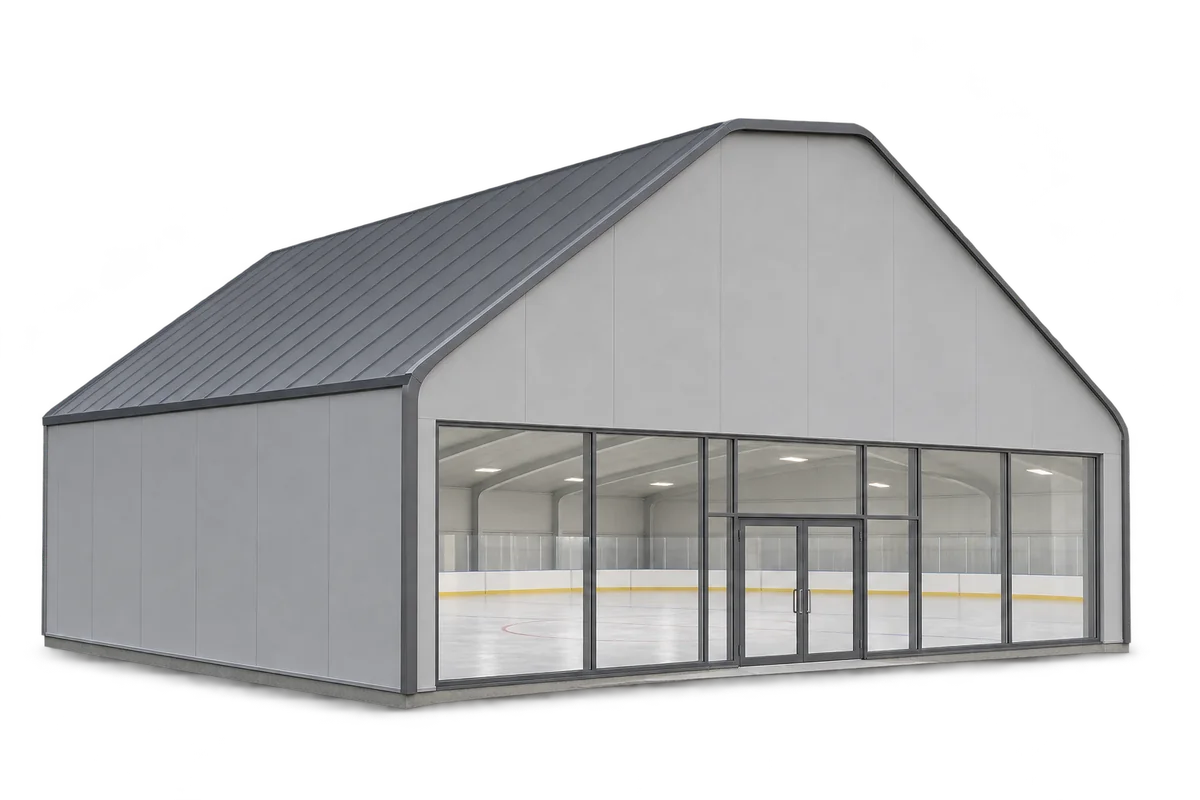
Sandwich panels can form the walls and, in some designs, the roof of an indoor ice rink. They limit heat transfer and…
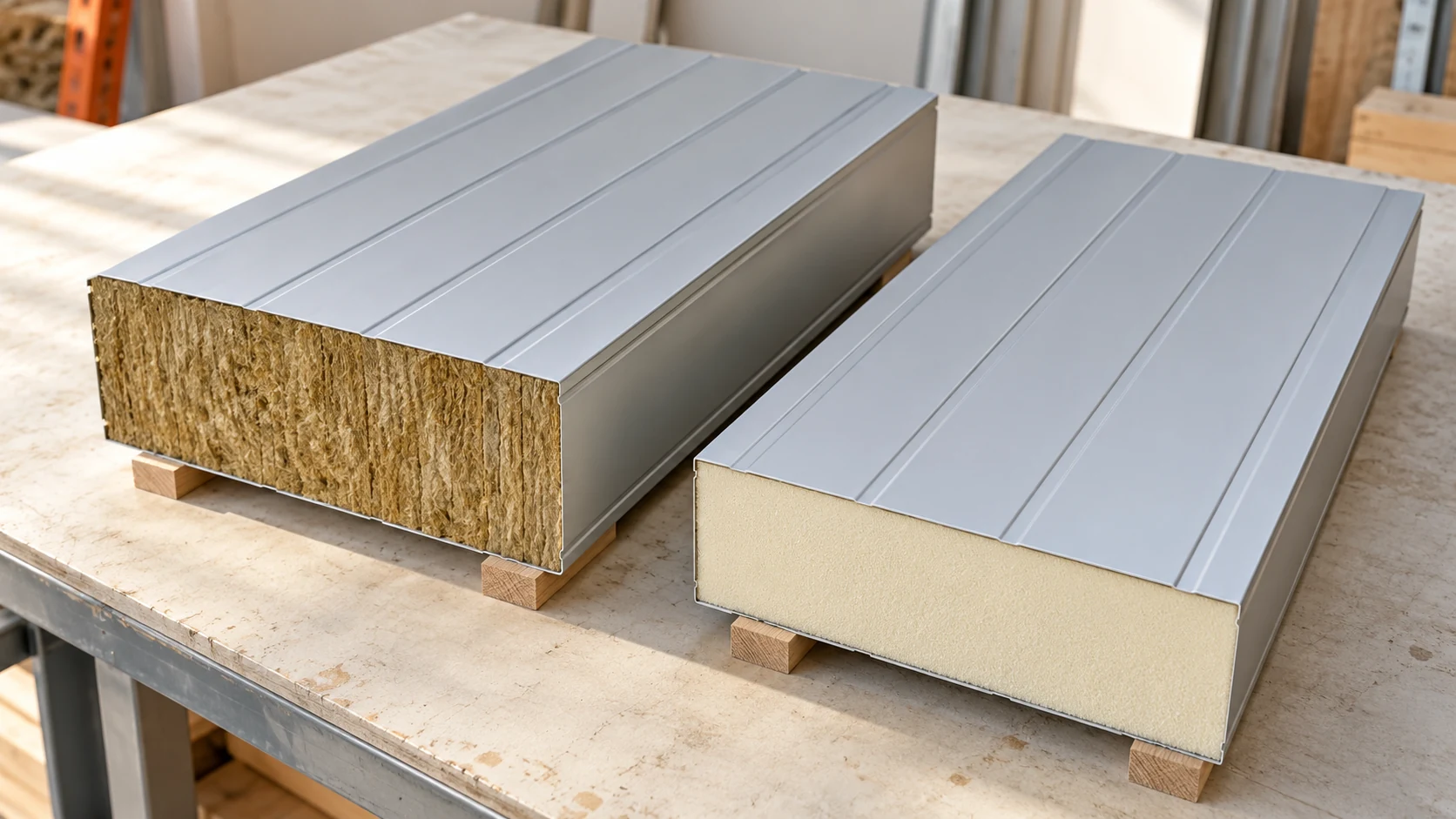
Choose the core for the job the wall or roof must do. Mineral wool and PIR offer different combinations of insulation, weight…
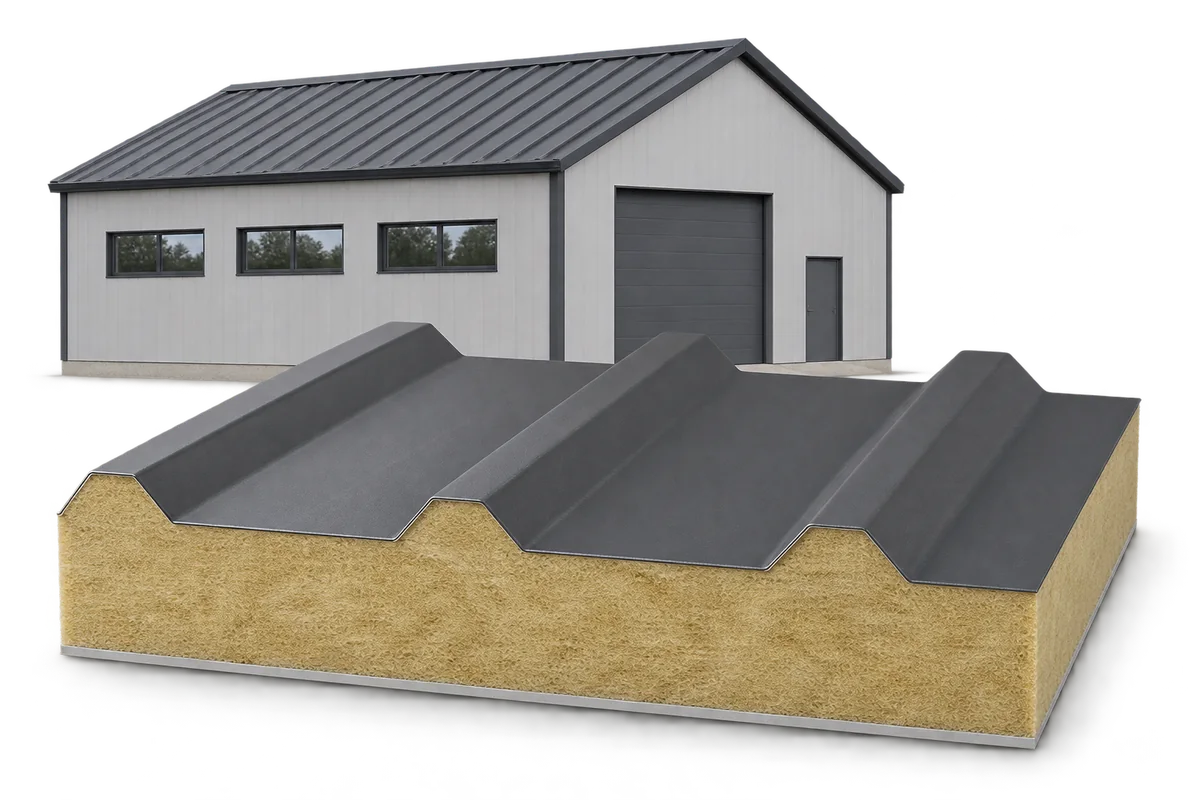
A building envelope must limit heat loss and meet the building’s safety requirements. When choosing sandwich panels, consider those two tasks together.…
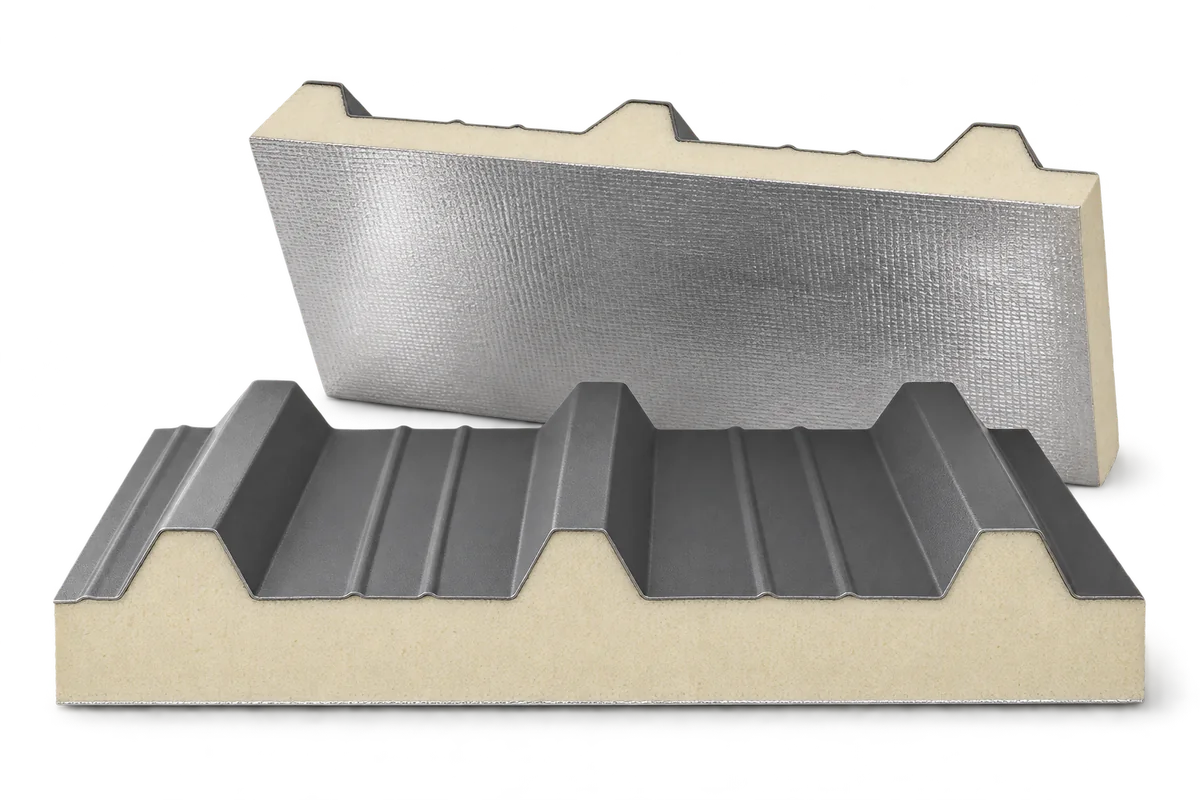
Renovating an old industrial building need not mean replacing it. Sandwich panels can provide a new outer skin and insulate the walls…
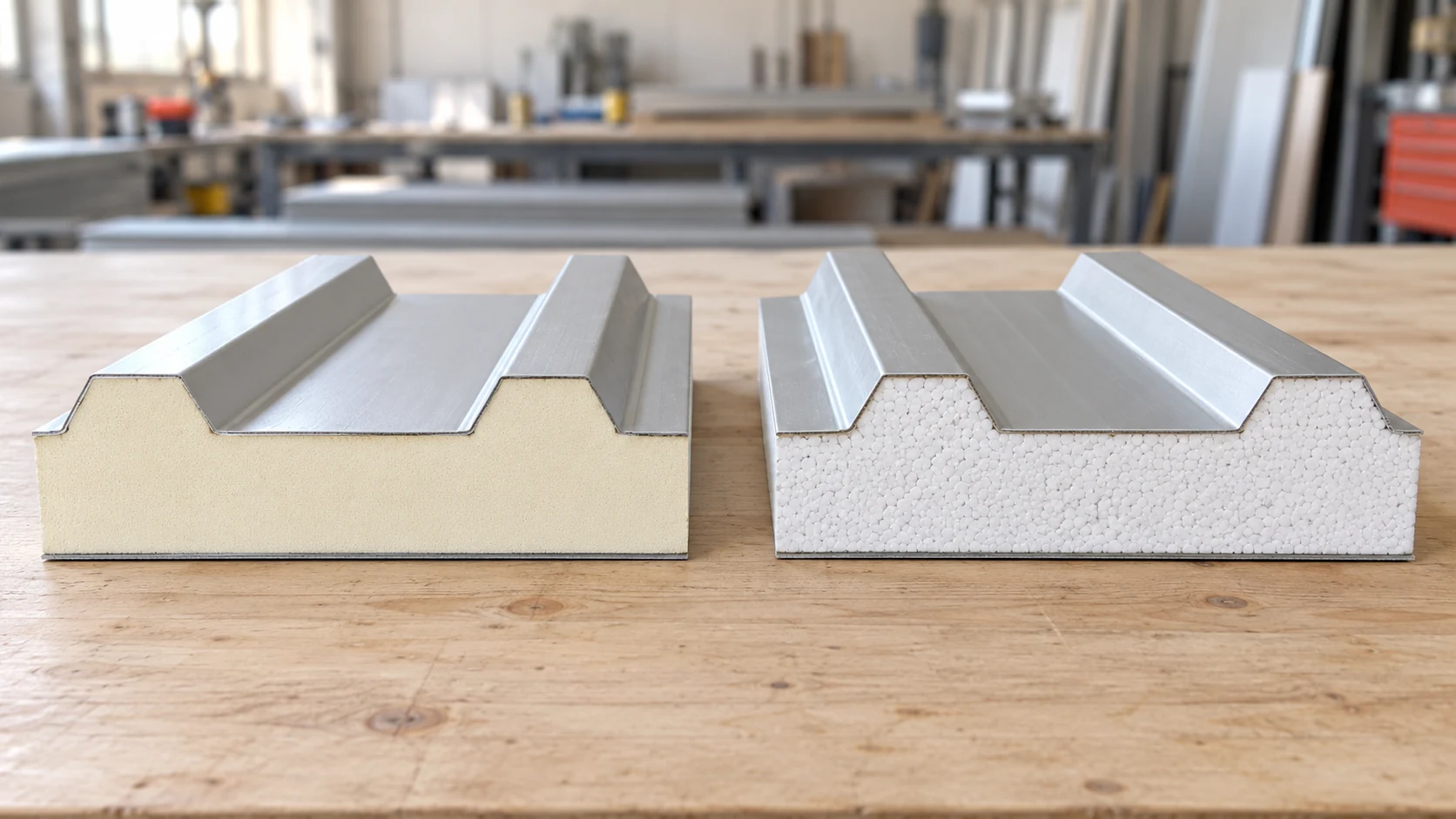
Compare PIR and EPS roof panels against the same design brief. Set the required U-value, loads, fire performance and exposure conditions, then…
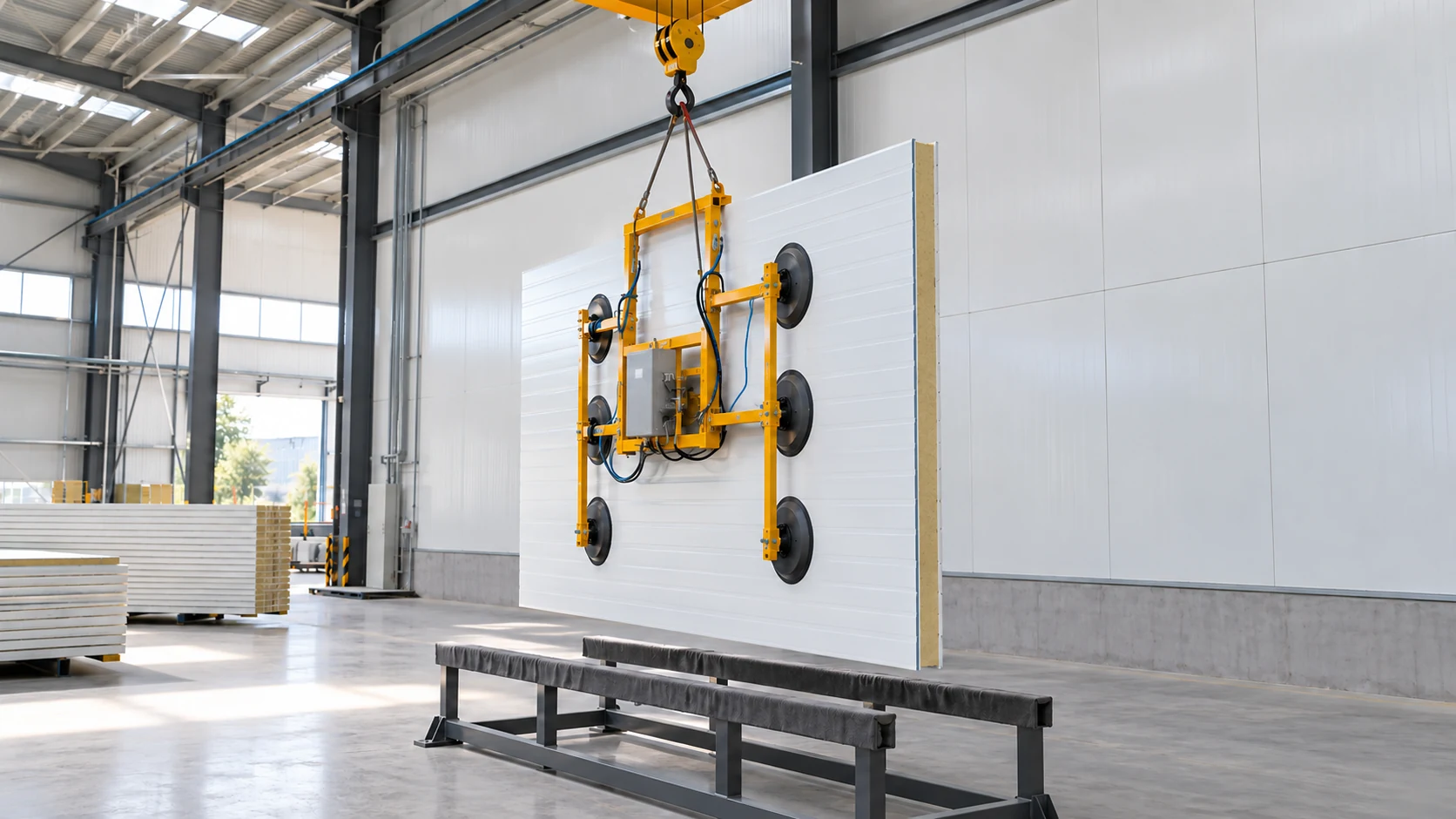
Wall panels and their junctions with the roof need an agreed installation sequence. Identify the work that must be inspected before the…
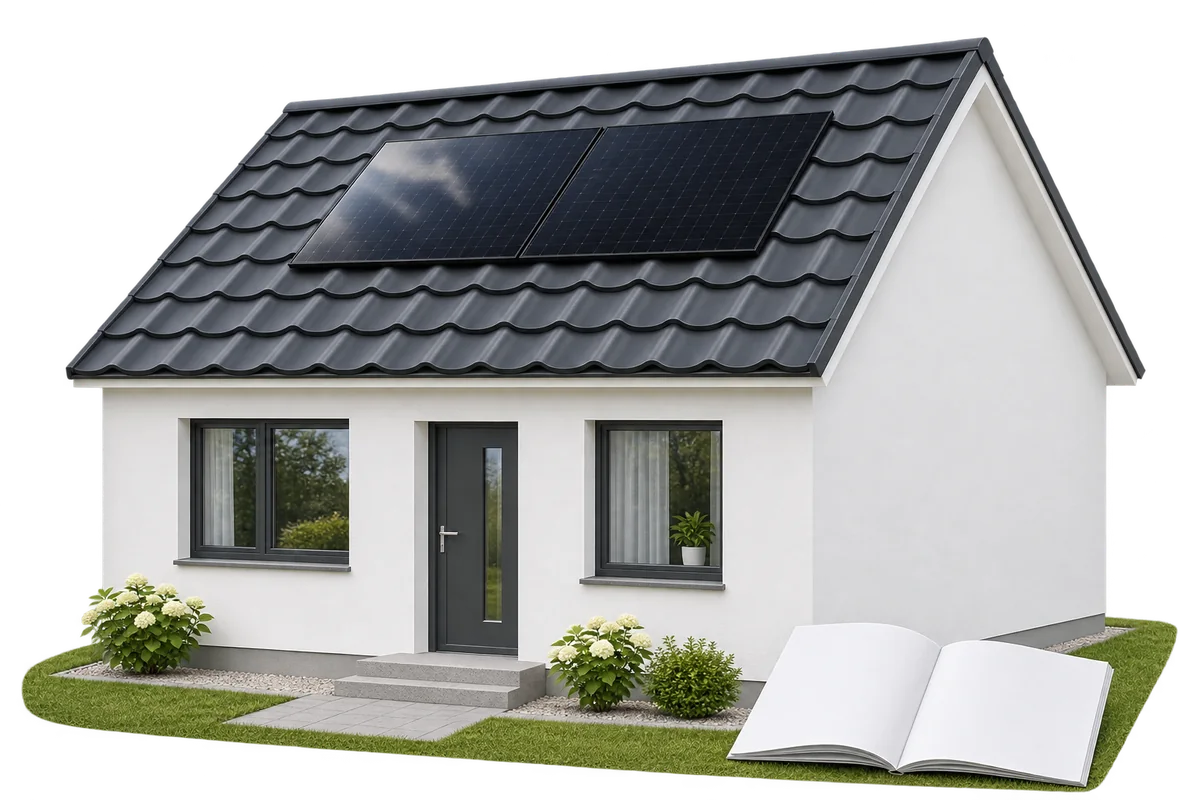
The instructions for your roof covering tell you where PV mounts may be fitted, how to seal penetrations and how to protect…
