






How does a sandwich panel work and what should you check before buying?
Panel selection basics
At a glance
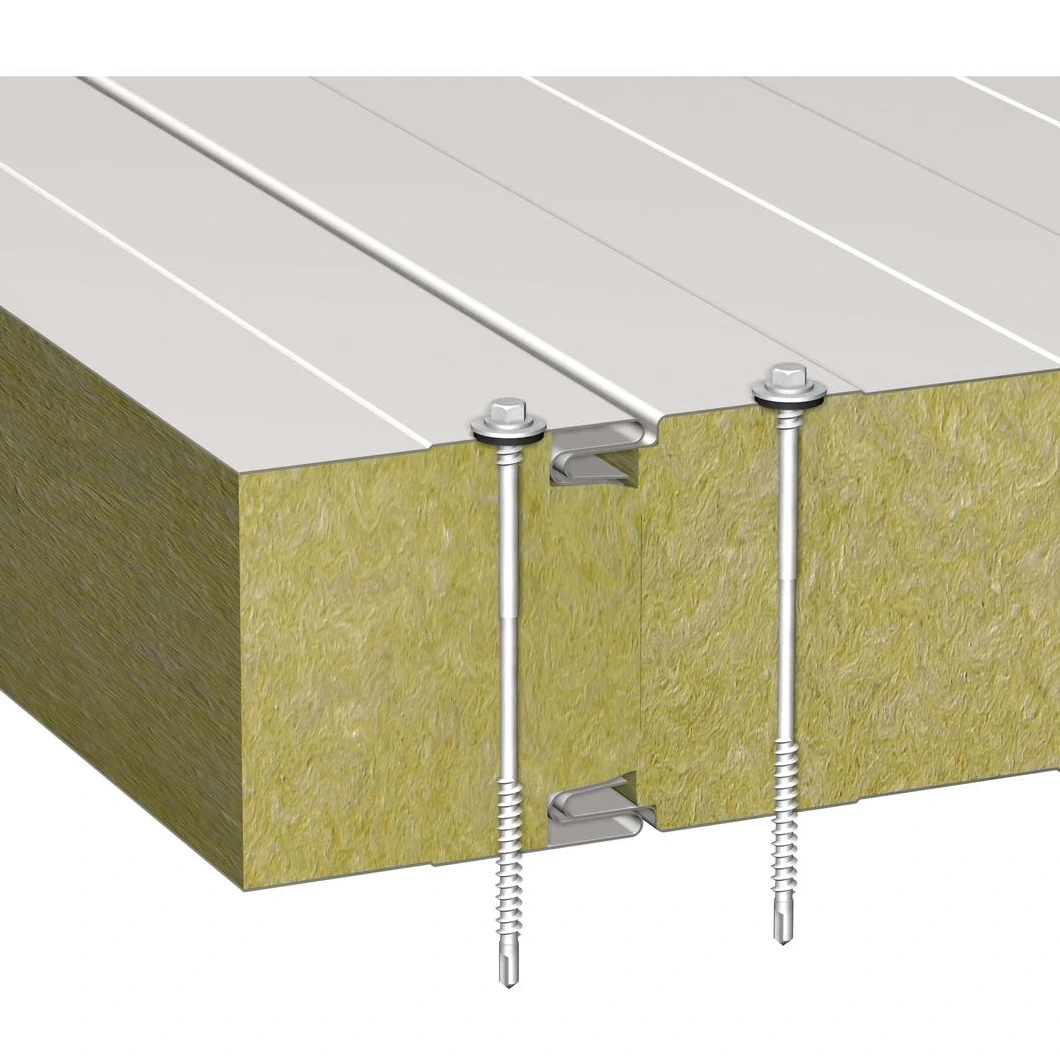
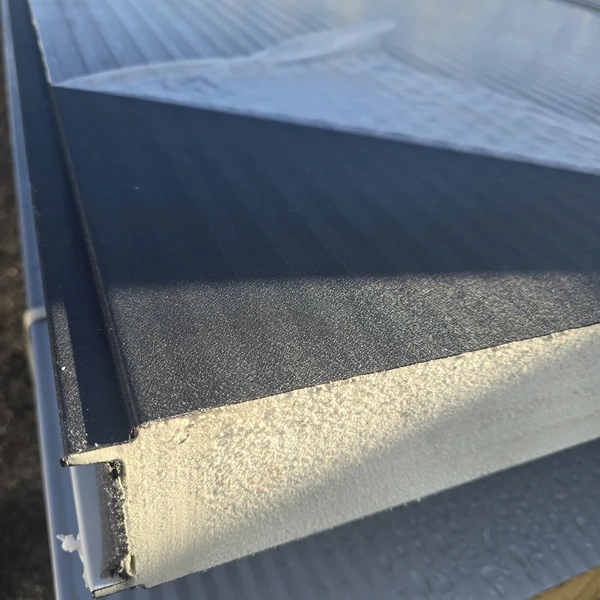
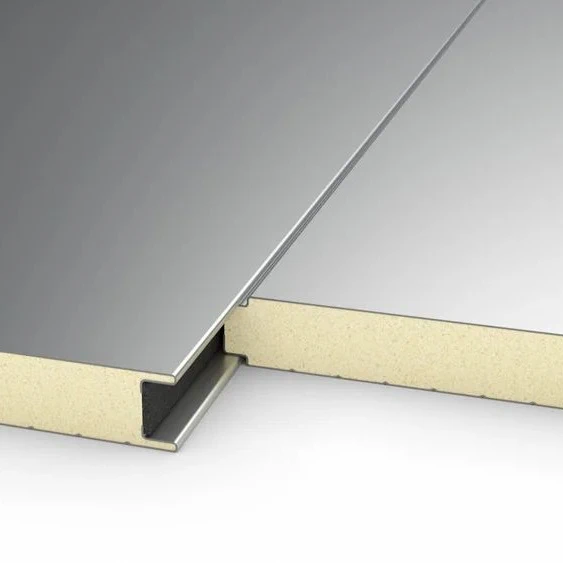
A sandwich panel relies on its core and facings acting together. Each part performs a different job, and the joints connect the panels to form a wall or roof. Understanding this construction helps you read a quotation without confusing thickness with load capacity or core type with fire resistance. In a typical building panel, thin steel facings are bonded to the core. The steel forms the outer surfaces. The core holds the facings apart and helps the whole section carry loads. This bond is what distinguishes the panel from insulation placed between two loose metal sheets.
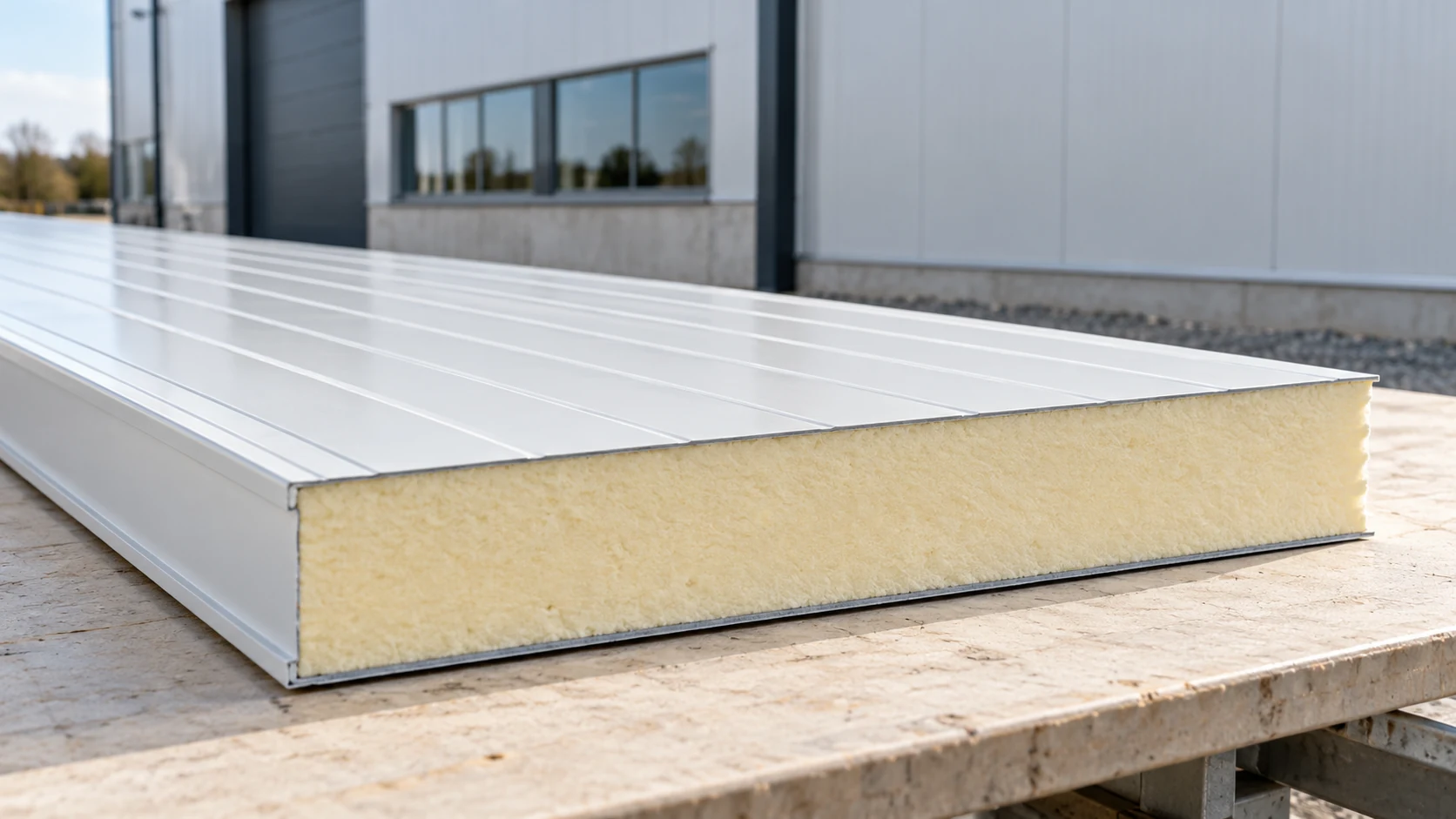
What do the facings do and what lies between them?
Damage to the bond can matter even if it is barely visible. Conversely, a small patch of dirt on the coating need not indicate core damage. Assess the surface condition separately from the integrity of the panel. Do not assume that insulation sold under a similar name has the properties declared for the complete panel.
Why do wall and roof profiles differ?
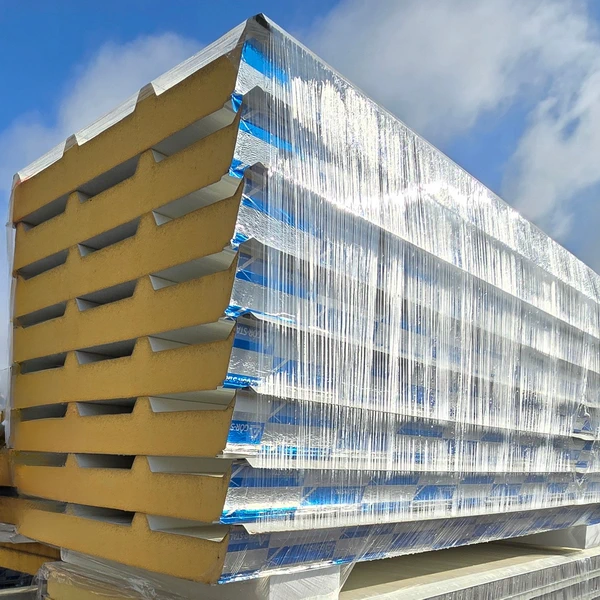
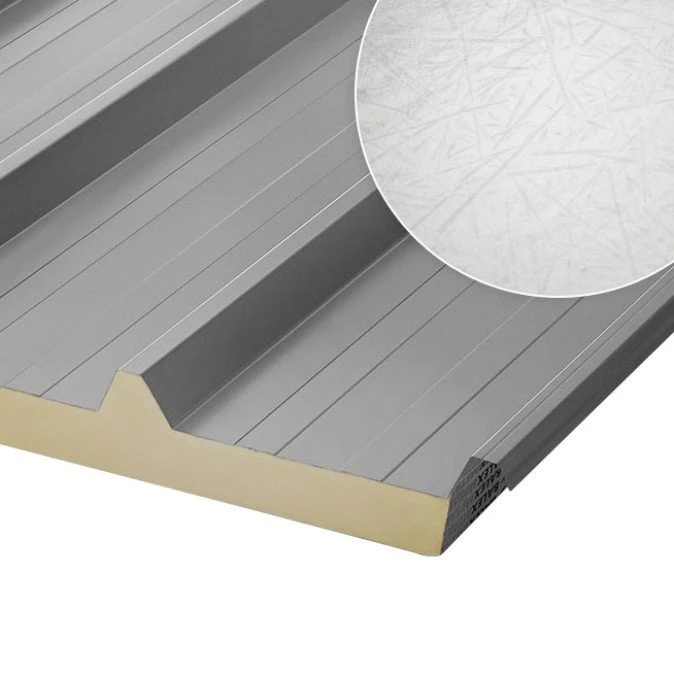
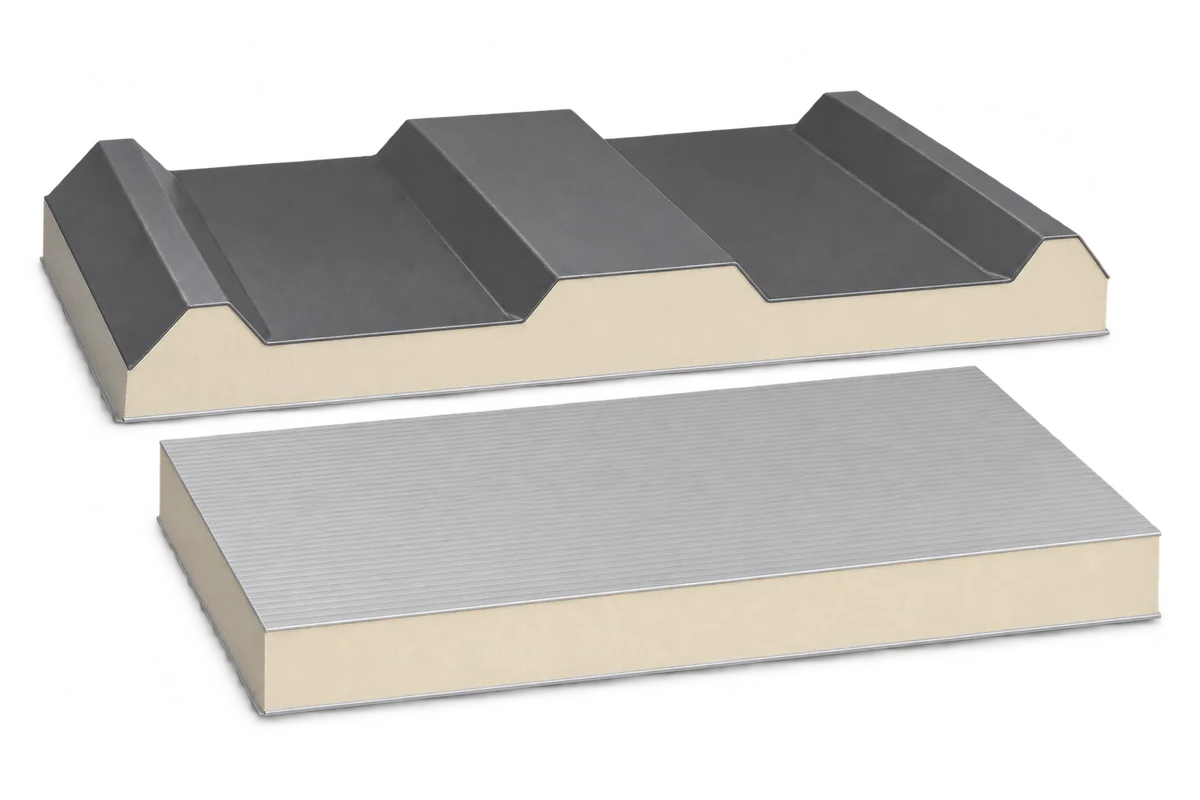
Roof panels are shaped for use on a roof slope. Their profile and joints accommodate drainage and the required fixings. Wall panels may have shallow profiling or almost flat facings, with several options for concealed fixings. Choose according to the requirements and documentation for the particular system.
Matching core thickness does not make wall and roof panels interchangeable. Loads and end details also matter. Similar-looking undersides are no proof of suitability. For a suspended ceiling or a chamber, check that the product is intended for that specific use. Approval for a wall does not establish suitability elsewhere.
How do thermal conductivity and U-value differ?
Lambda describes the thermal conductivity of a material. The U-value describes heat transfer through a building element or assembly under specified conditions. Within a like-for-like comparison, lower values generally indicate less heat transfer. The two quantities have different units.
Dividing the insulation thickness by its conductivity gives the layer’s thermal resistance. Use the declared U-value for the panel itself, as joints and the assessment method can matter. In the building, junctions and openings also affect heat loss. A low advertised core conductivity alone is therefore insufficient for selection.
How should you read load and fire performance data?
Each load table applies to a particular combination of panel type, facing thickness, supports and service conditions. The designer checks these against the loads on the building. Use the row for the actual configuration. Matching insulation thickness alone is insufficient. The length supplied is different from the span a panel can bridge between supports.
Fire classifications also have a defined scope. Reaction to fire describes a material or product, whereas fire resistance relates to the performance of the assembly. Fire resistance can depend on installation, span and joint details. Knowing that a core contains mineral wool or foam cannot replace evidence for the complete system.
Which documents identify the product in the quotation?
Identify the exact product and its declared performance. The technical data sheet gives dimensions, weight, facings and intended use. Instructions cover handling and installation. The designer may also need load tables and classification documents. Each answers a different question.
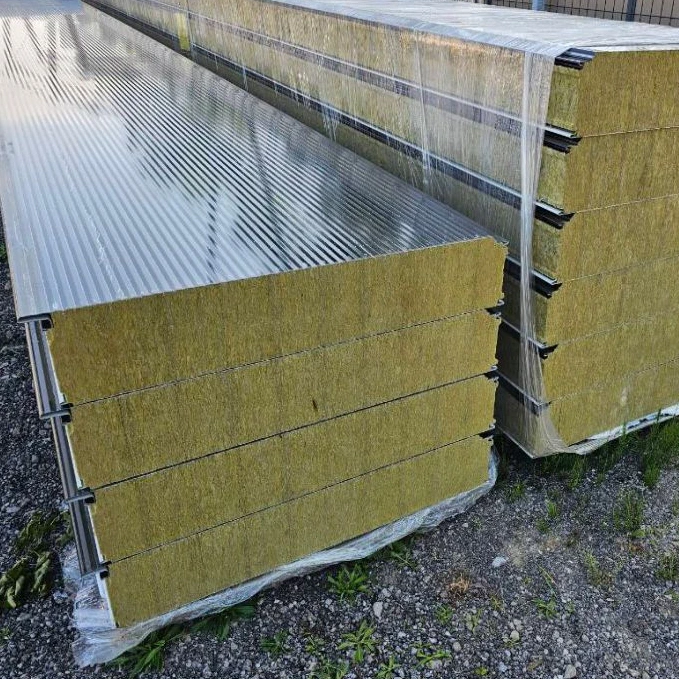
Check that the pack labels match the order before unpacking the whole delivery. Documents for a similar panel do not establish the properties of the variant supplied. Obtain any missing data before assuming that two similarly constructed products perform alike.
What determines how the envelope performs after installation?
The supporting structure, fixings and continuity at joints all matter alongside the product itself. Flashings protect exposed ends and direct water along the intended path. Seals must be positioned where the detail requires them. Good panel performance cannot compensate for poor installation.
Once the building is in use, inspect and clean the panels in a way suited to the coating. New openings or equipment can affect loads and weather tightness. Keep the documentation and establish who will assess alterations. Decisions made during use continue to affect how the envelope performs.
Questions and answers
Does a thicker panel always allow a greater span?
Compare the actual configurations. The core, facings, profile, supports and limits on deflection all matter.
Does the core alone determine a wall’s fire classification?
No. Check the relevant data for the product and the complete wall assembly. The classification may specify dimensions, joints and installation conditions.

Free quote
What to include in your enquiry
Tell us how you plan to use the material, the dimensions and the quantity you need. Include the thickness, grade or variant name, along with the delivery town or your preferred collection branch. For a specific product, add its name or a link to the product page. We will reply to the email address you provide to discuss availability and the terms of your order.

Read next
Behind a uniform façade, a 1990s house may have several different wall constructions. Some rooms may already have been altered, and drawings…
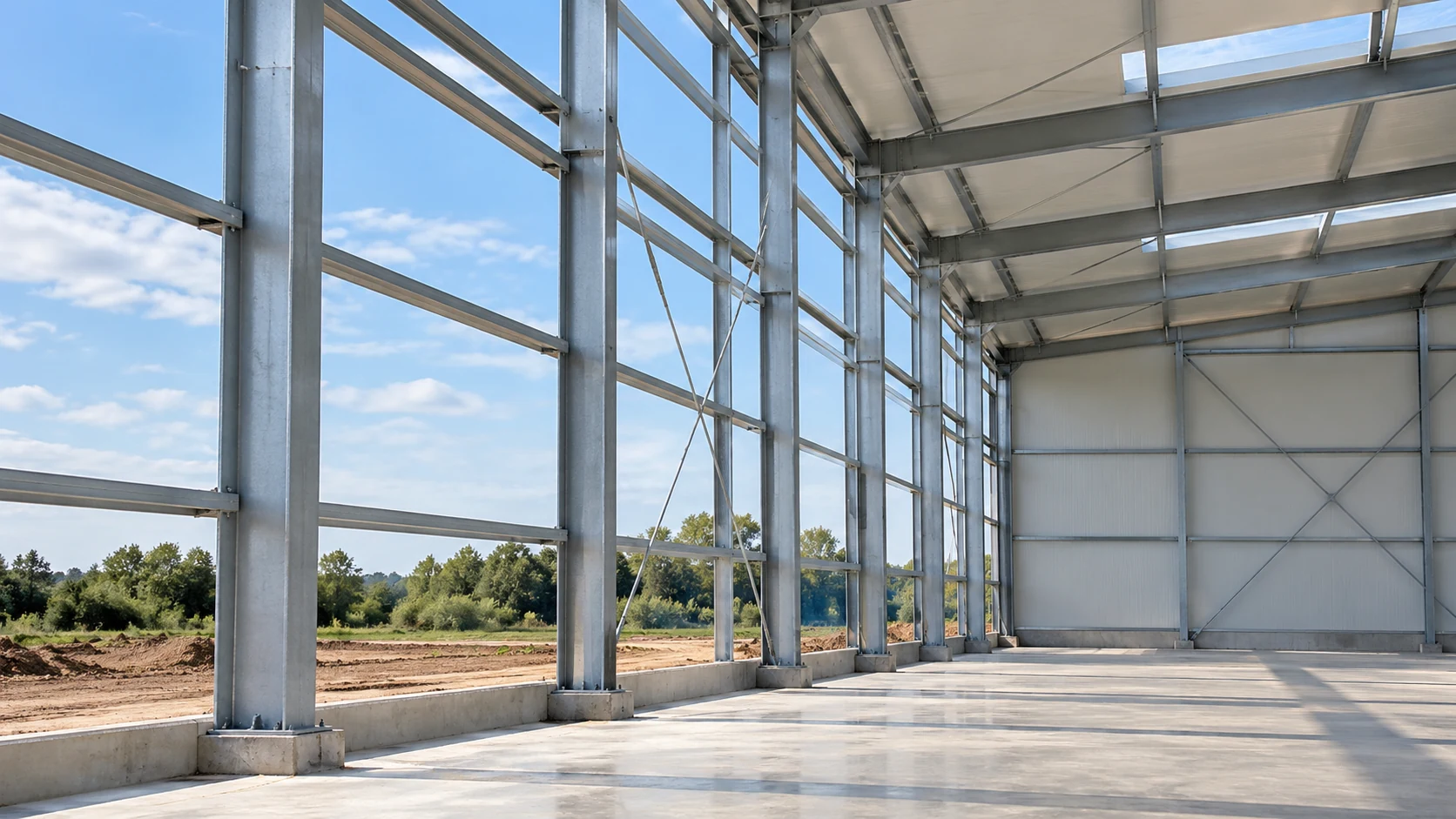
Support spacing for a sandwich wall panel depends on the loads and on data for the particular product. No single dimension is…
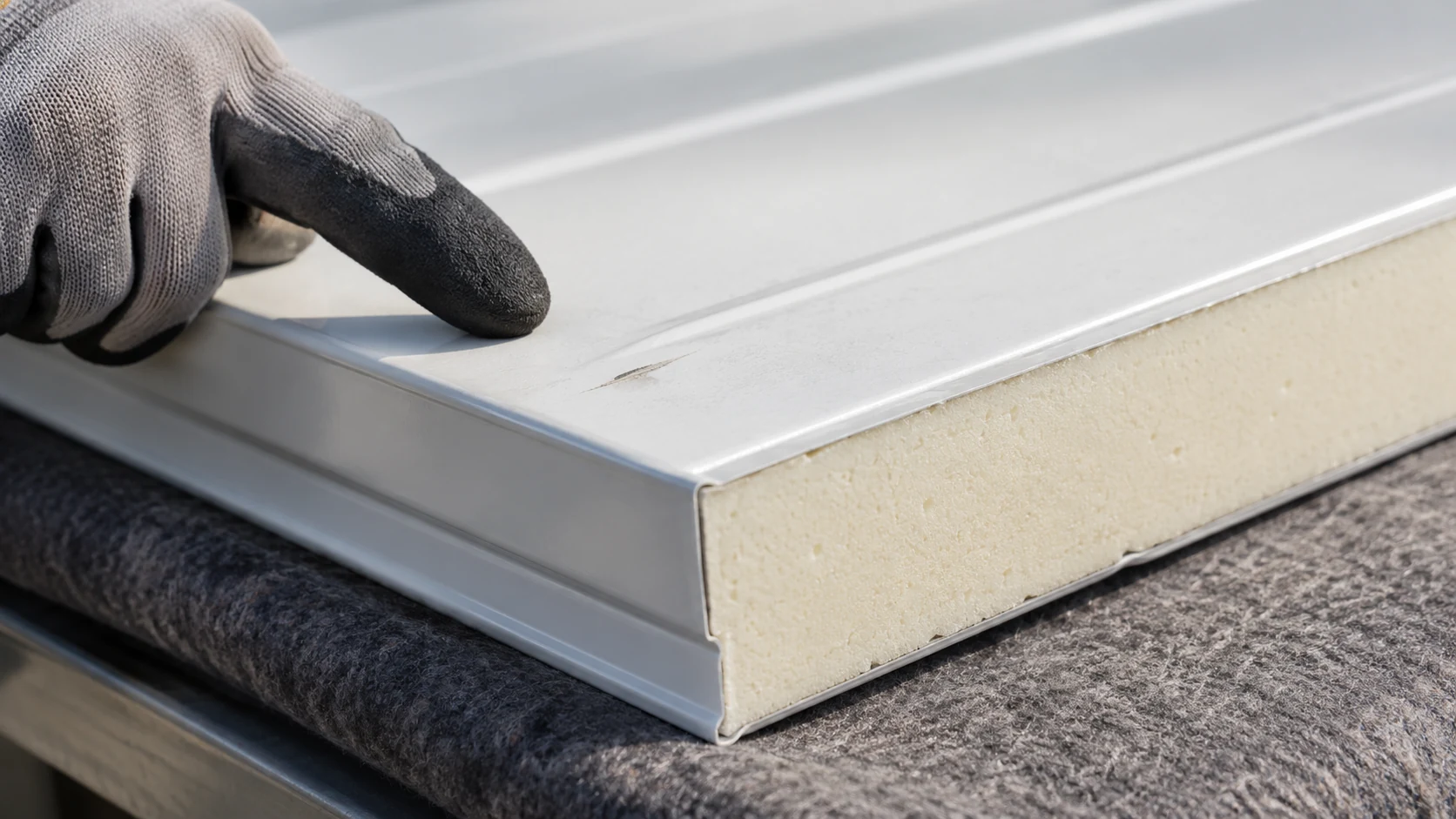
Judge a panel's grade against the wall or roof where it will be used. A small blemish on a concealed wall has…
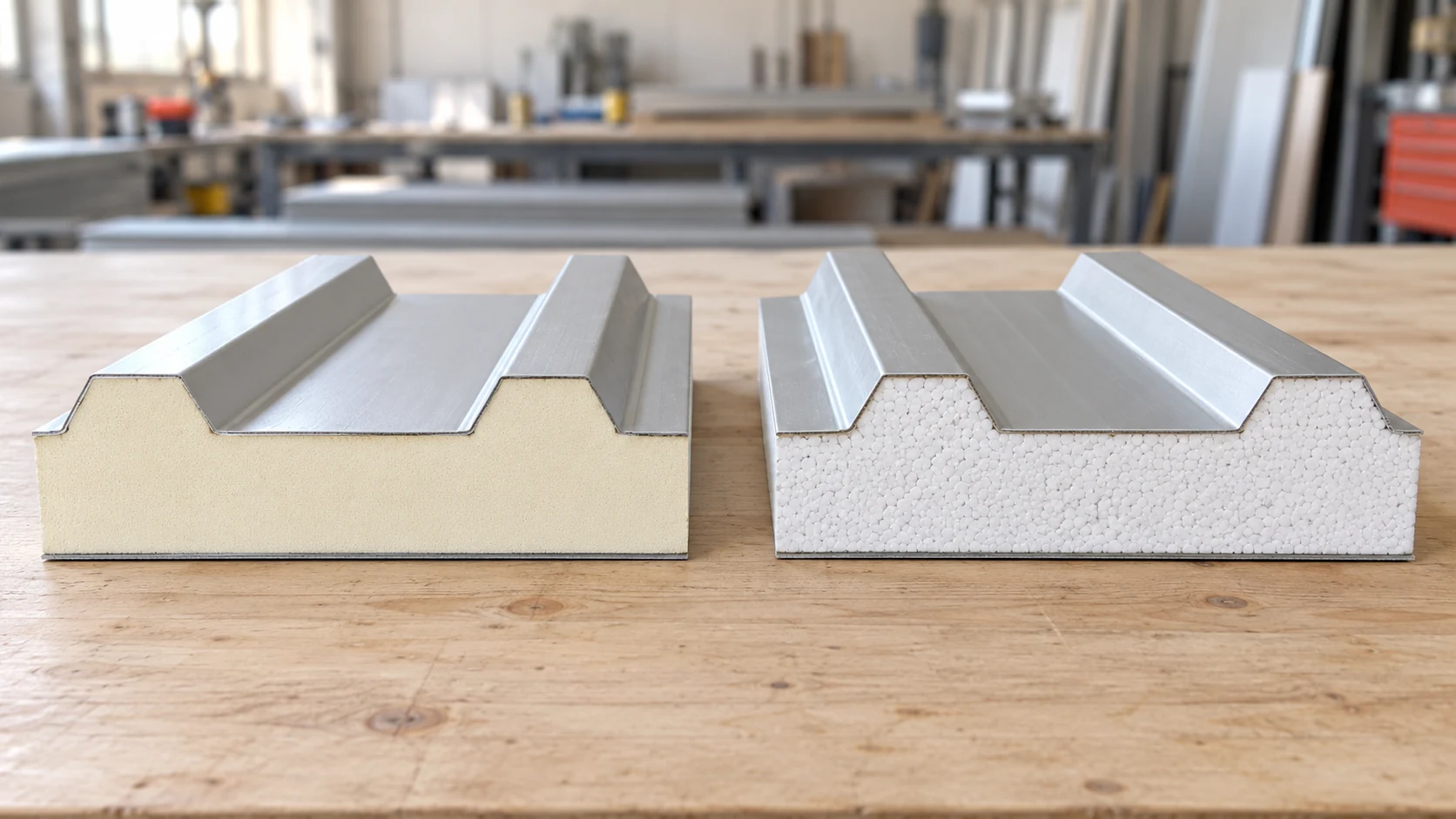
Compare PIR and EPS roof panels against the same design brief. Set the required U-value, loads, fire performance and exposure conditions, then…
When extending a sandwich panel building, new elements must be considered alongside the existing cladding; ordering a similar thickness and colour is…
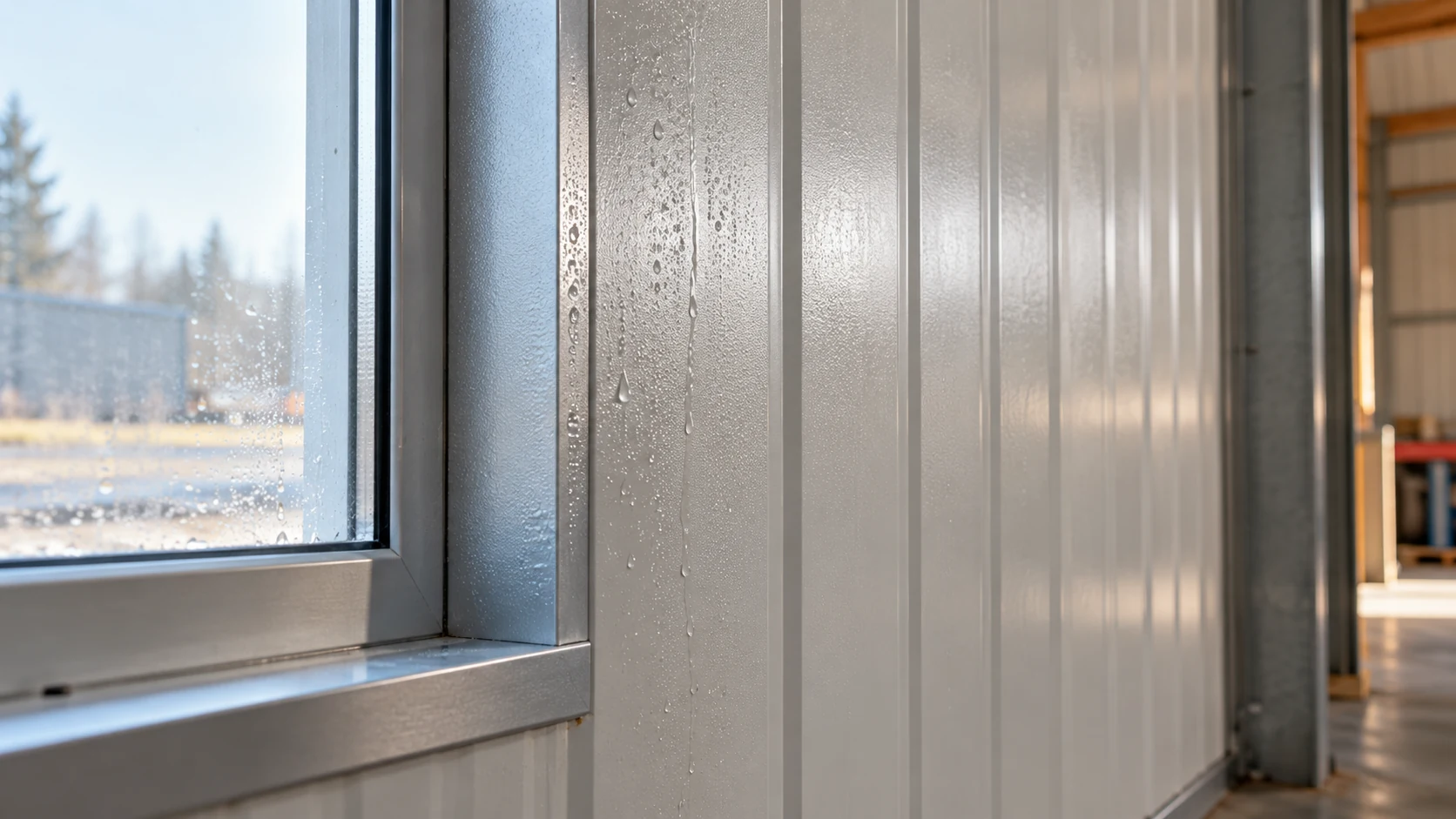
Water on a steel facing does not prove that the panel leaks. Rain, a leaking service or condensation on a cold surface…
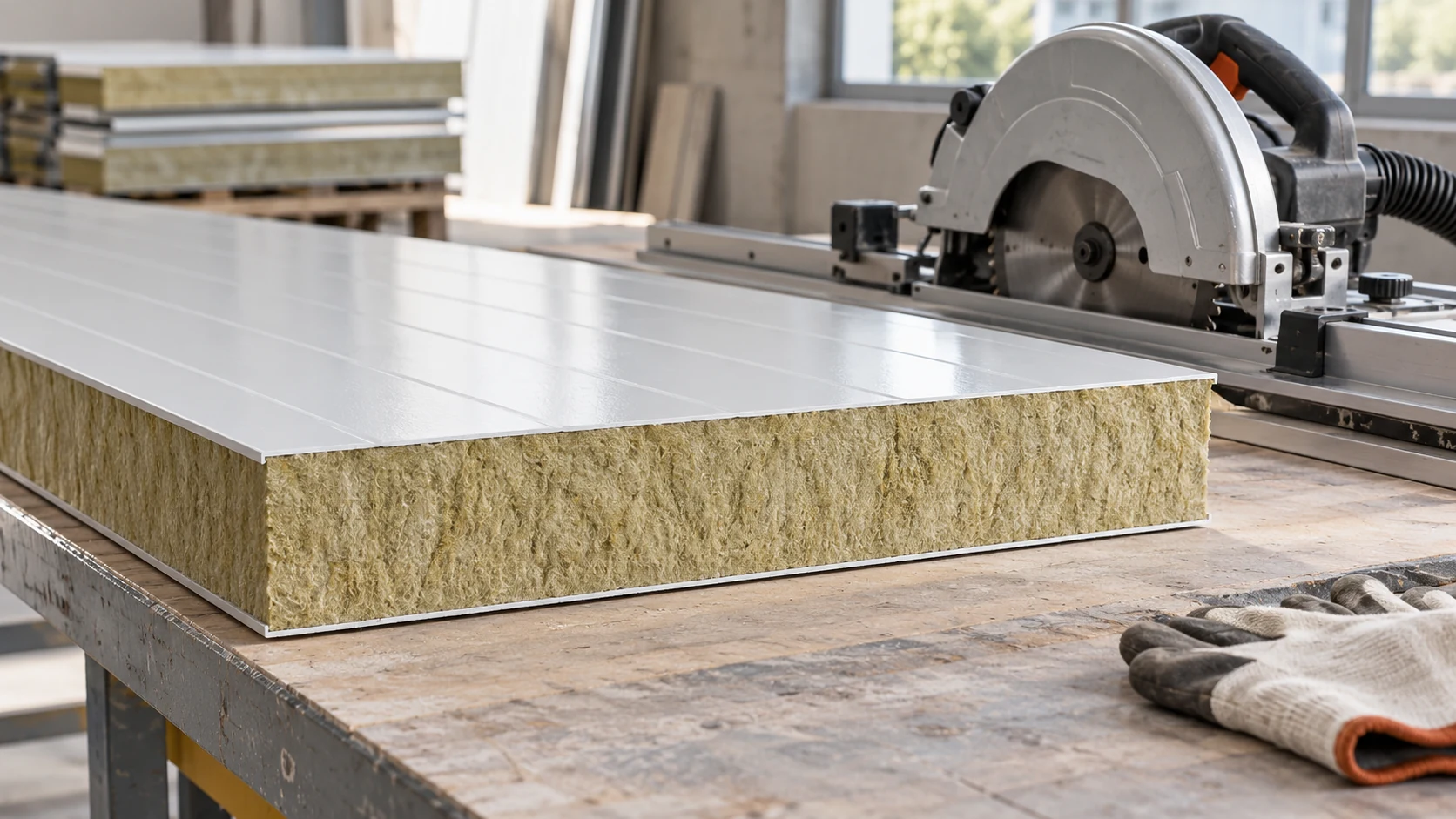
Before switching on the saw, confirm the dimensions, support the panel and decide how to close the exposed edge. Choose tooling for…
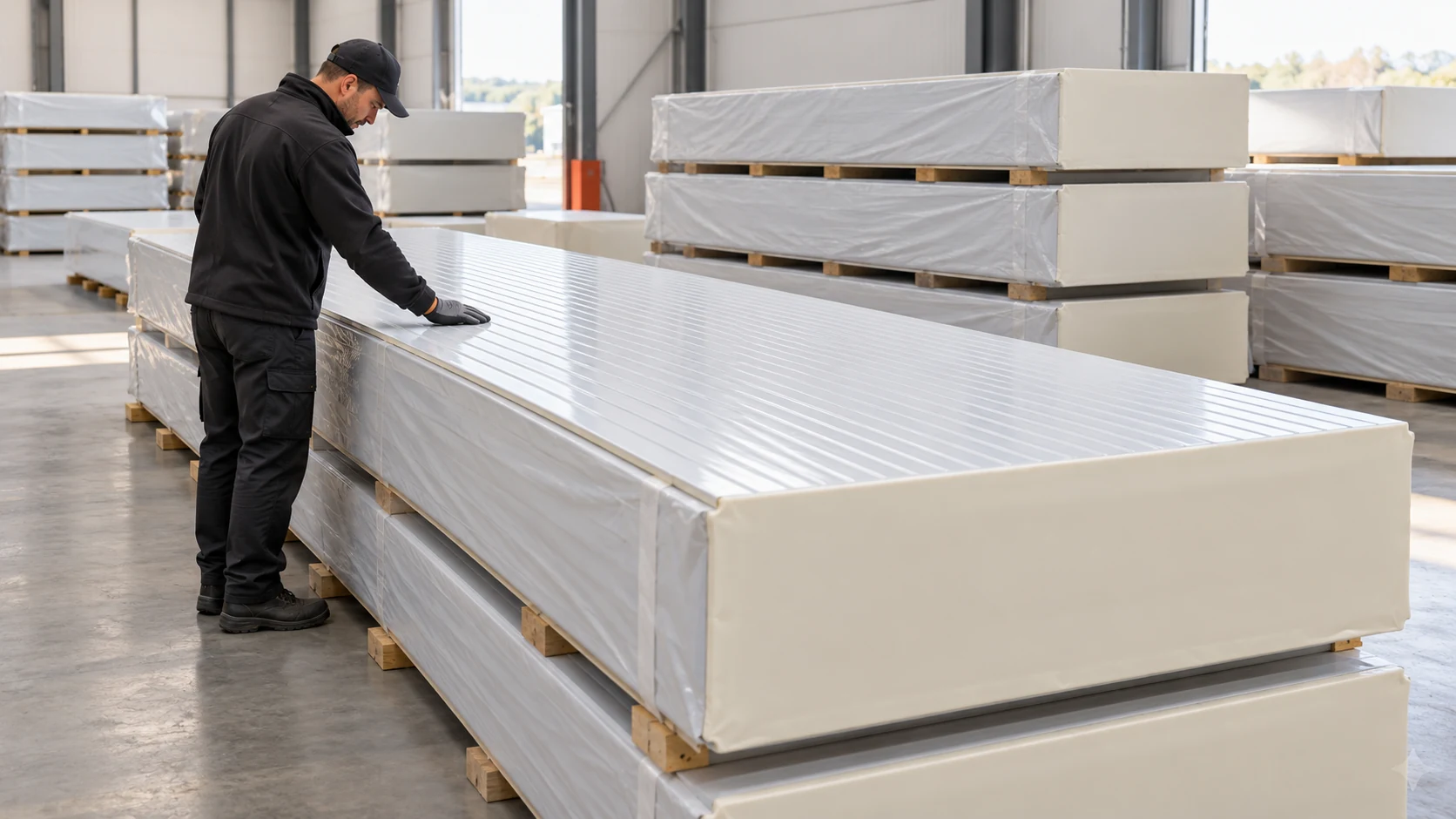
Polish sellers use the informal term “płyta obornicka” for different sandwich panels. It does not identify the core, fire classification or suitability…
