






Why is there moisture on a sandwich panel wall?
Mineral wool panels
At a glance
Water on a steel facing does not prove that the panel leaks. Rain, a leaking service or condensation on a cold surface can all leave wet marks. Identify where and when water appears before choosing a repair. Extra sealant cannot remove moisture from the air. Note whether the wall gets wet after rain, overnight cooling or the start of a production process. Mark the traces on a photograph. Water below one flashing may have a different cause from droplets across a broad sheet of steel. Check nearby pipework for leaks as well.
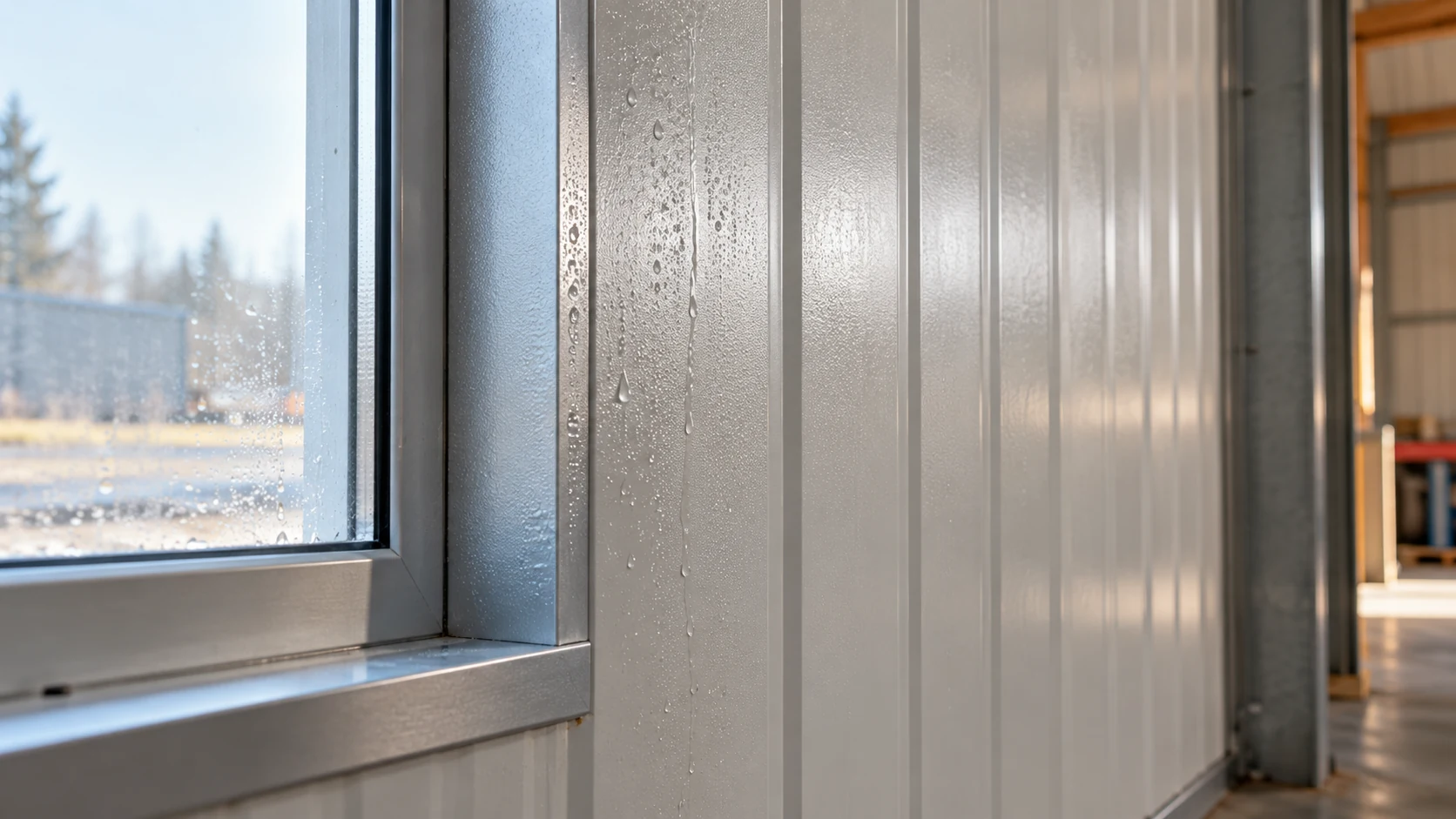
Record where and when the wall gets wet
Look beyond the most visible droplet. Water may run down from higher up or travel along the profile. Record the weather, heating and door positions. Observations under several conditions tell you more than a single visit to a dry building.
Keep a simple log of time, temperature, humidity, door positions and the location of the water. If a damp strip keeps appearing along one support, compare its temperature with the adjacent panel area. A regular pattern suggests local cooling but needs measurement to confirm it.
Compare surface temperature with dew point
Condensation can occur when the surface falls below the dew point of the surrounding air. At 18°C and 70% relative humidity, the dew point is about 12.4°C. Steel at 11°C may then become wet. This illustrates the physics; it does not diagnose any particular wall.
Measure air temperature, relative humidity and surface temperature at the affected location. Allow for instrument accuracy. Non-contact readings on shiny metal can be misleading; if necessary, use a specialist who can account for the surface and its surroundings.
Trace the supply of humid air
Washdown, wet goods, a new floor slab or a high occupancy can release moisture. Note when these sources are active and check ventilation capacity. Heating changes relative humidity but does not remove water: without air exchange or dehumidification, it stays in the building.
Temperature distribution matters. Warm, humid air from an adjoining room can reach a cold warehouse wall. Opening a large door can change conditions within moments. A distant sensor may not reflect what is happening at the facing.
Inspect joints and seal continuity
Metal facings strongly resist vapour diffusion through the panel face. Joints and openings also determine enclosure performance: an air leak can carry moisture into a cold part of a joint. Trace the seals at panel joints, plinths, windows and service penetrations.
Do not add a membrane without assessing its position and how it joins existing layers. Vapour may move in a different direction in refrigerated buildings than in heated halls. The detail must suit actual temperatures and humidity on both sides.
Choose repairs in the right order
If measurements indicate excessive indoor humidity, tackle the source and ventilation. For local cold spots, examine thermal bridges and insulation continuity. For rain ingress, check flashings, drainage and joint seals. Let the cause determine the order of work.
Assess the panel if water may have entered it. A sealed surface does not prove that the core is dry and sound. Determine how to deal with a damp area before covering it with a new facing. The repair should stop the cause and restore the entire detail.
Test under comparable conditions
After repair, repeat the measurements under comparable conditions. If the wall used to get wet during washdown, monitor a wash cycle. If droplets formed after cold nights, check after another cold night. A warm, dry day cannot establish success on its own.
Document the work and observations. Agree on operating temperature and humidity limits. Persistent symptoms may call for a hygrothermal analysis of the whole wall to assess the layers and conditions that a surface inspection cannot reveal.
Questions and answers
Will a thicker panel always stop condensation?
No. It may raise the internal surface temperature but cannot remove excess moisture, repair leaky joints or eliminate every thermal bridge. First identify the location and cause.
Does a sandwich panel wall need an extra vapour barrier?
There is no universal answer. The facings and sealed joints already form part of the assembly. Specify additional layers for the actual temperatures, humidity and wall design, particularly in refrigerated buildings.

Free quote
What to include in your enquiry
Tell us how you plan to use the material, the dimensions and the quantity you need. Include the thickness, grade or variant name, along with the delivery town or your preferred collection branch. For a specific product, add its name or a link to the product page. We will reply to the email address you provide to discuss availability and the terms of your order.
Read next
Distance from the warehouse is a poor guide to the cost of delivering sandwich panels near Wrocław. A long trailer must be…
Before cladding an existing masonry wall, establish its condition and how the new loads will reach the structure. Panels should not conceal…
Extra insulation below a sandwich panel roof can reduce heat loss, but it also changes the temperature of the panel’s inner facing.…
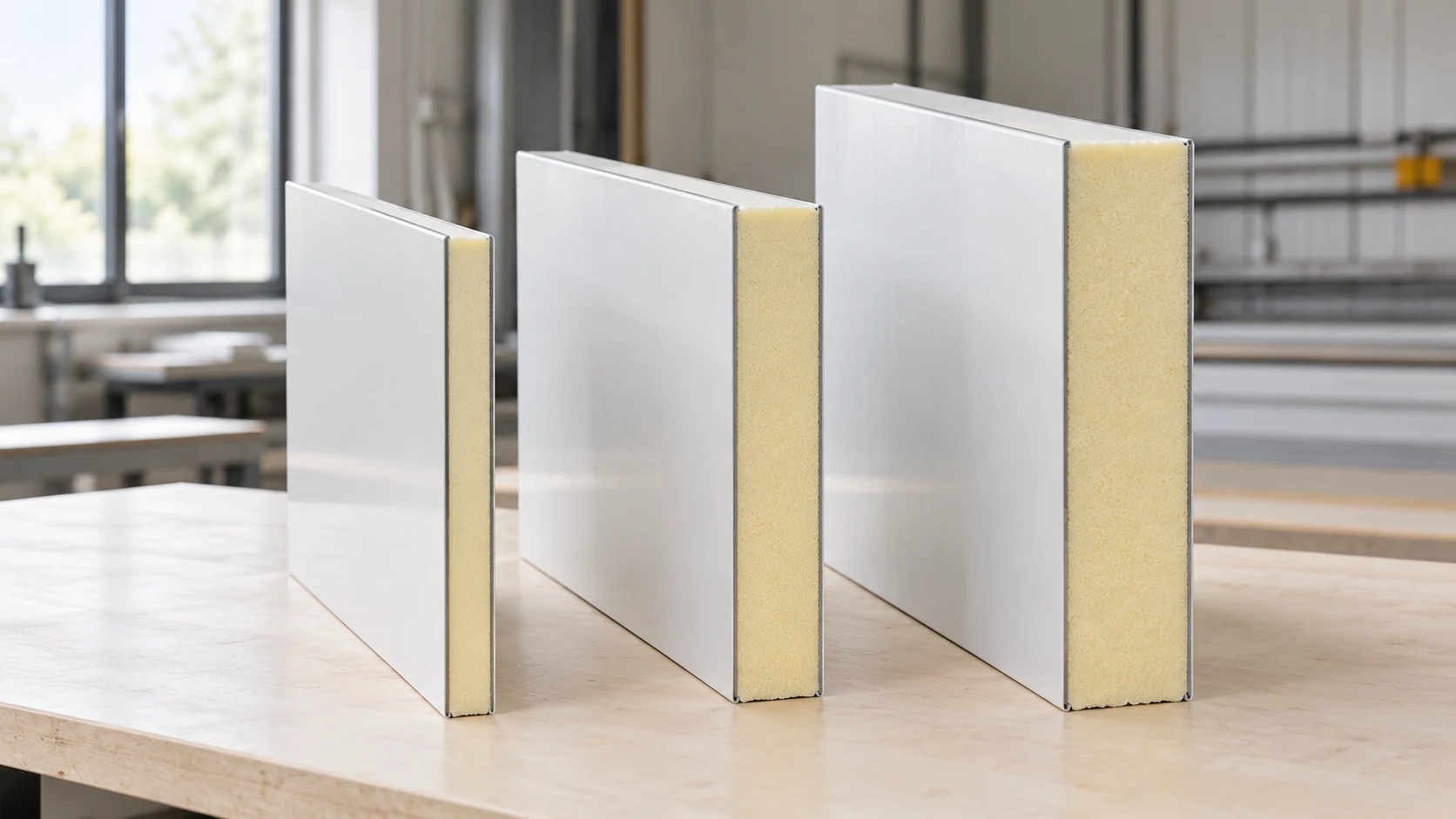
A quotation is useful when the price can be traced to a particular panel and quantity. Different cores, facings and fasteners can…
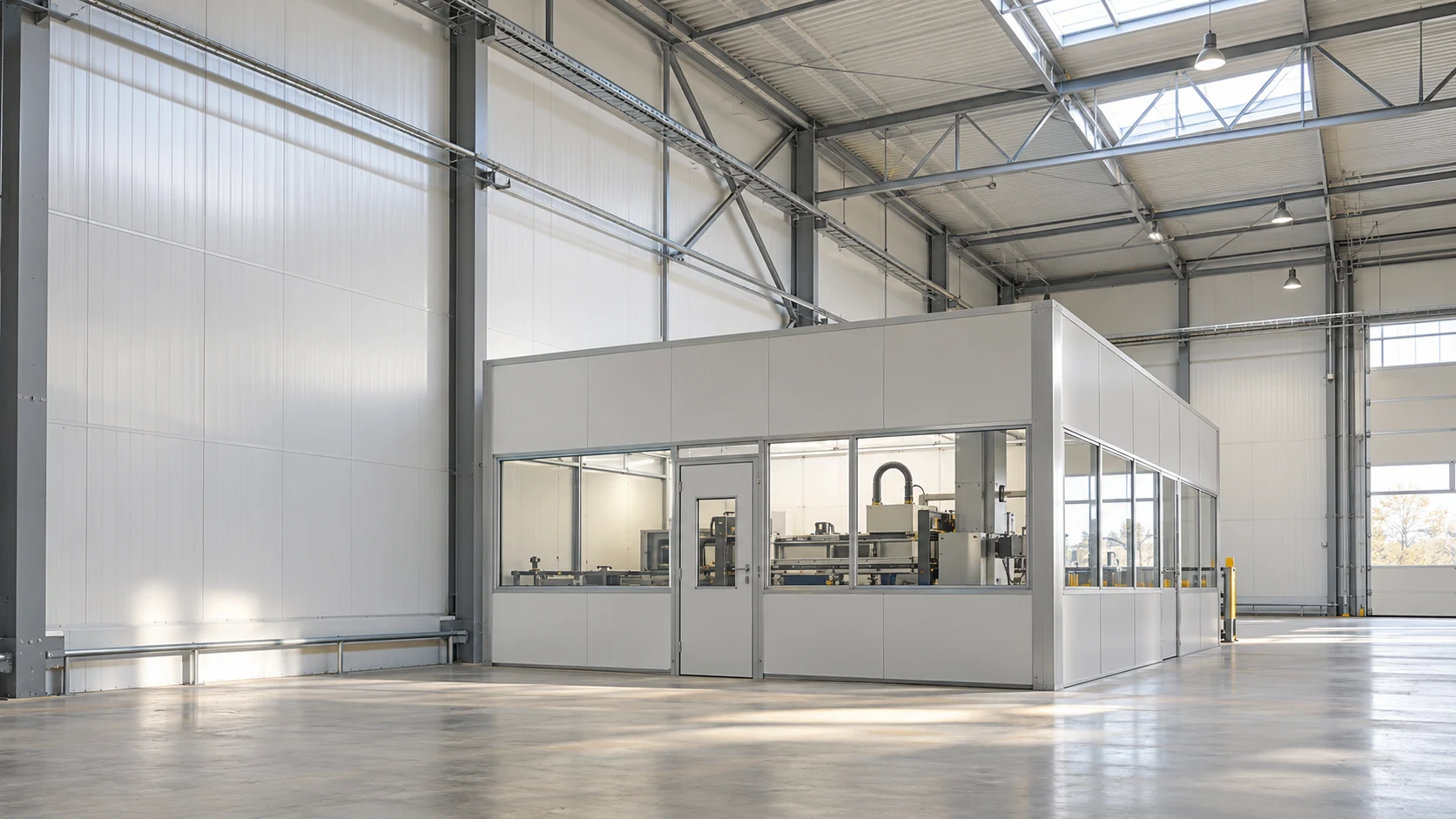
A mineral wool core alone cannot guarantee a quiet hall. First locate the source and the point that needs protection: a machine…
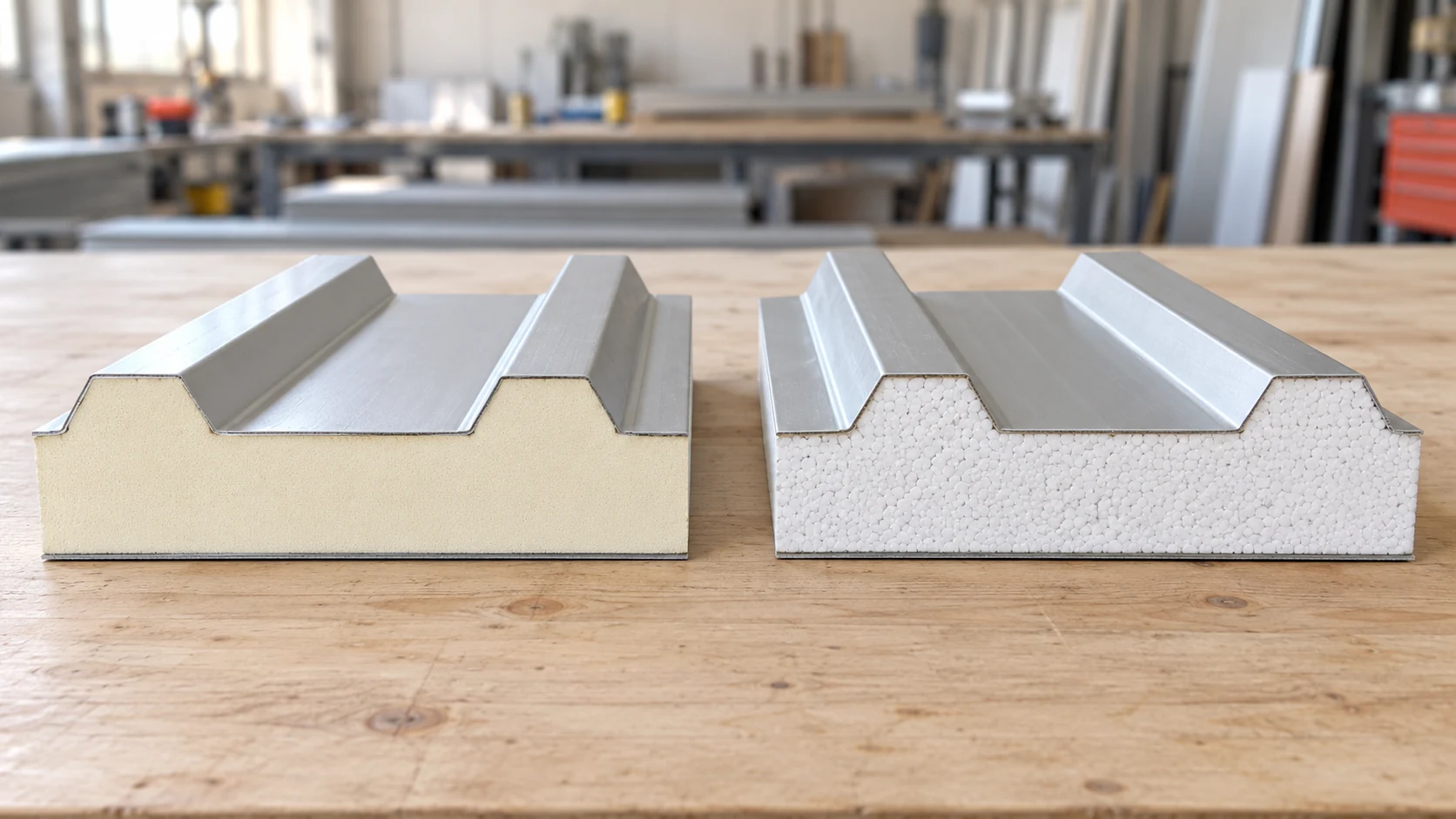
Compare PIR and EPS roof panels against the same design brief. Set the required U-value, loads, fire performance and exposure conditions, then…
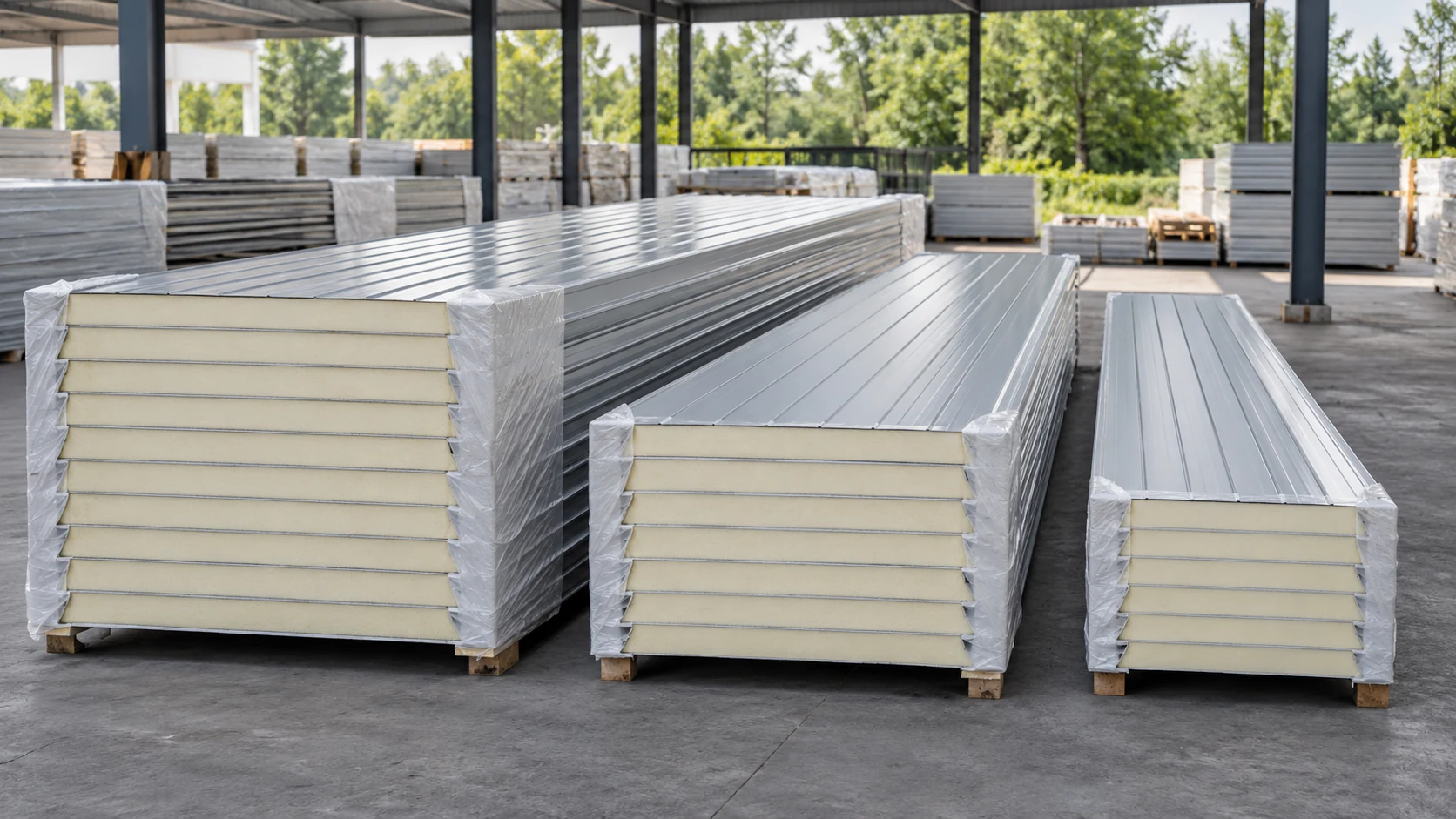
Start with the area that will actually go into the building. A low price per square metre can mean unsuitable lengths or…
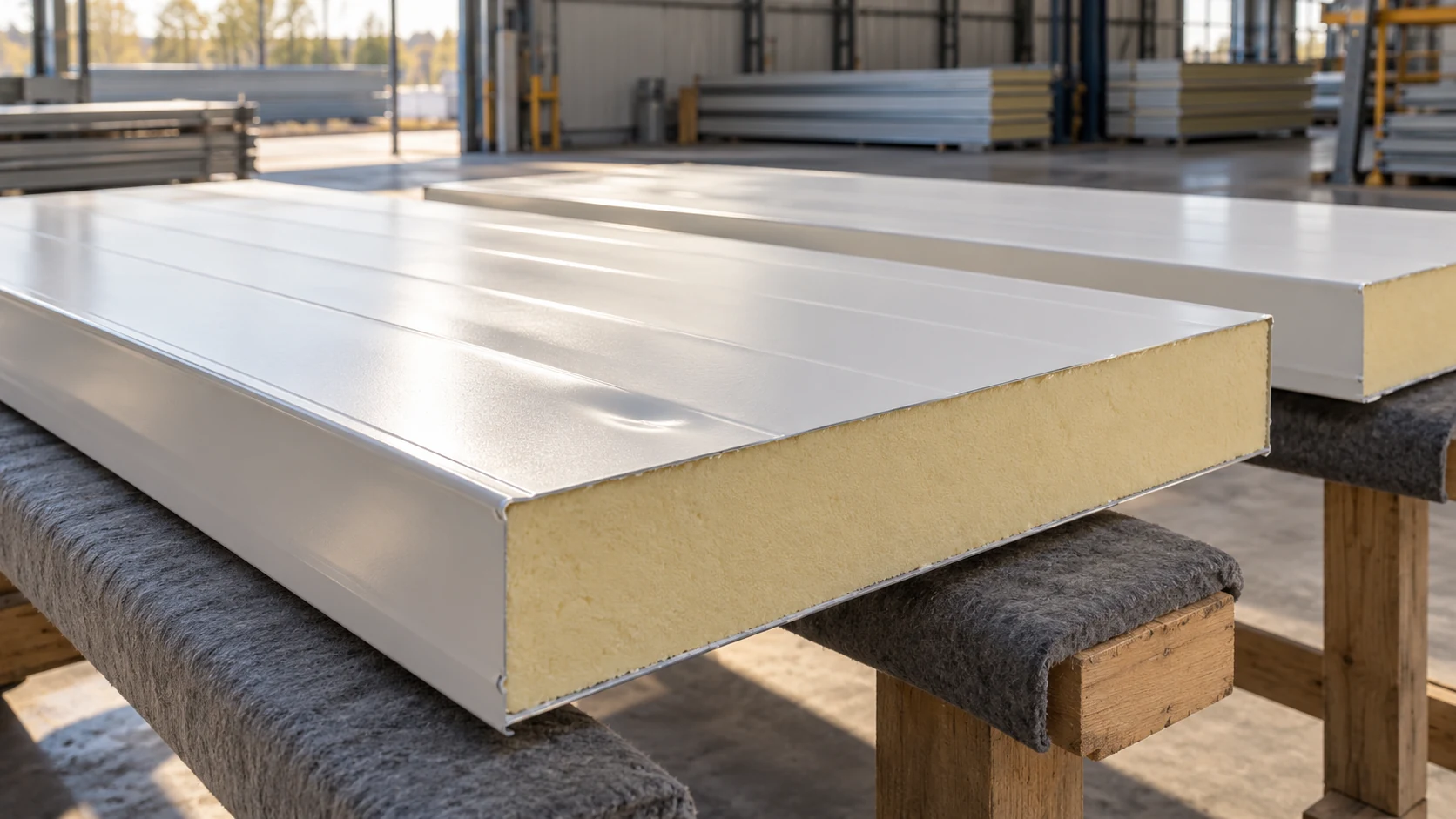
A white panel facing can look pristine in a photograph. Before accepting second-grade 100 mm wall panels, find out why this particular…
