






Will second-grade sheet metal still save money after cutting?
Purchasing and site planning
At a glance
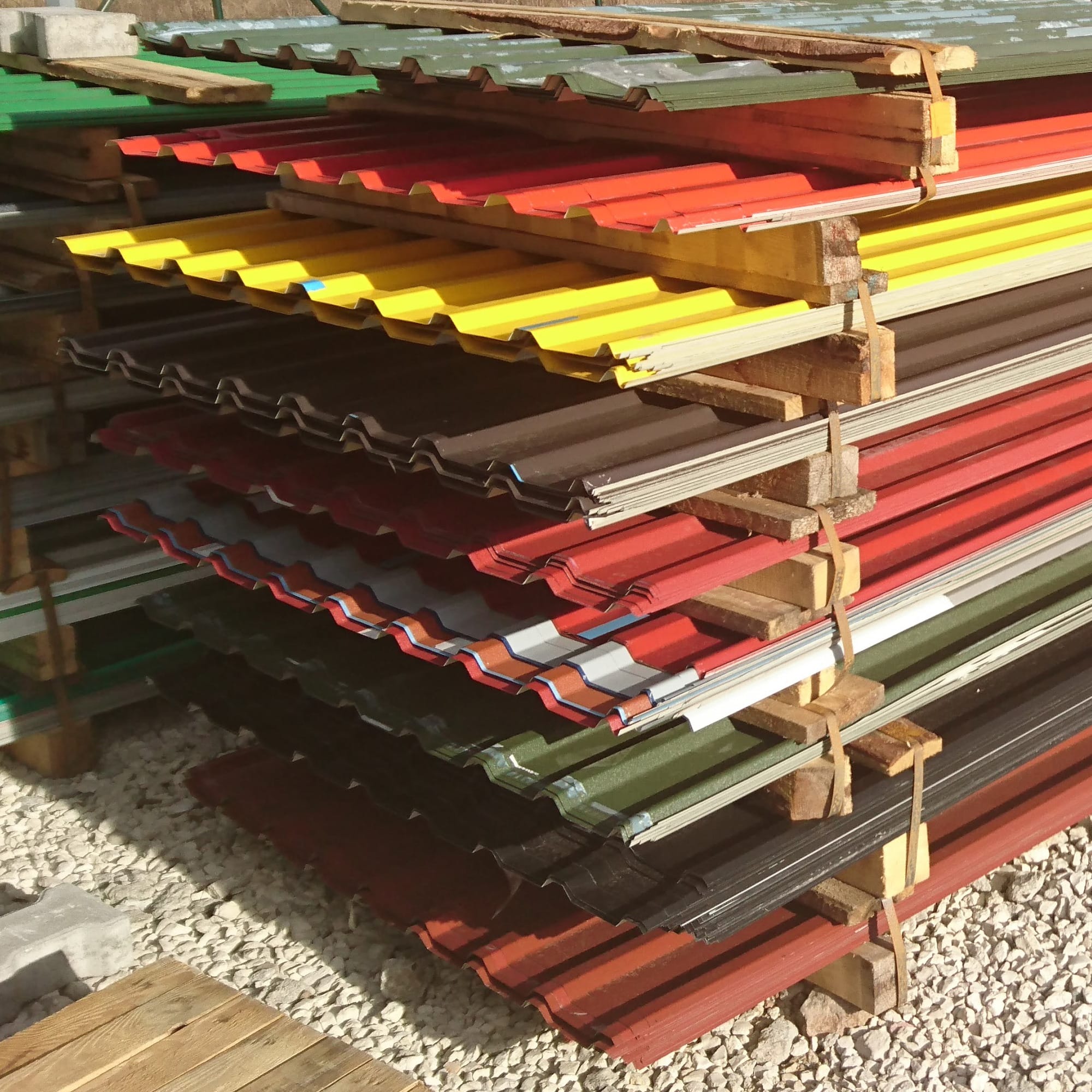
A discounted pack can be good value if the sheets fit the building and enough of each sheet is usable. Before comparing prices, establish why the batch was downgraded. Ask for the actual lengths and inspect the coating and joint geometry. The term “second grade” can cover differences in shade, scratches, short lengths or distortion. Their consequences depend on where the sheet will go. A small colour difference might be acceptable on a screen. A damaged side lap on a roof calls for a separate assessment because it affects the joint and may let water in.
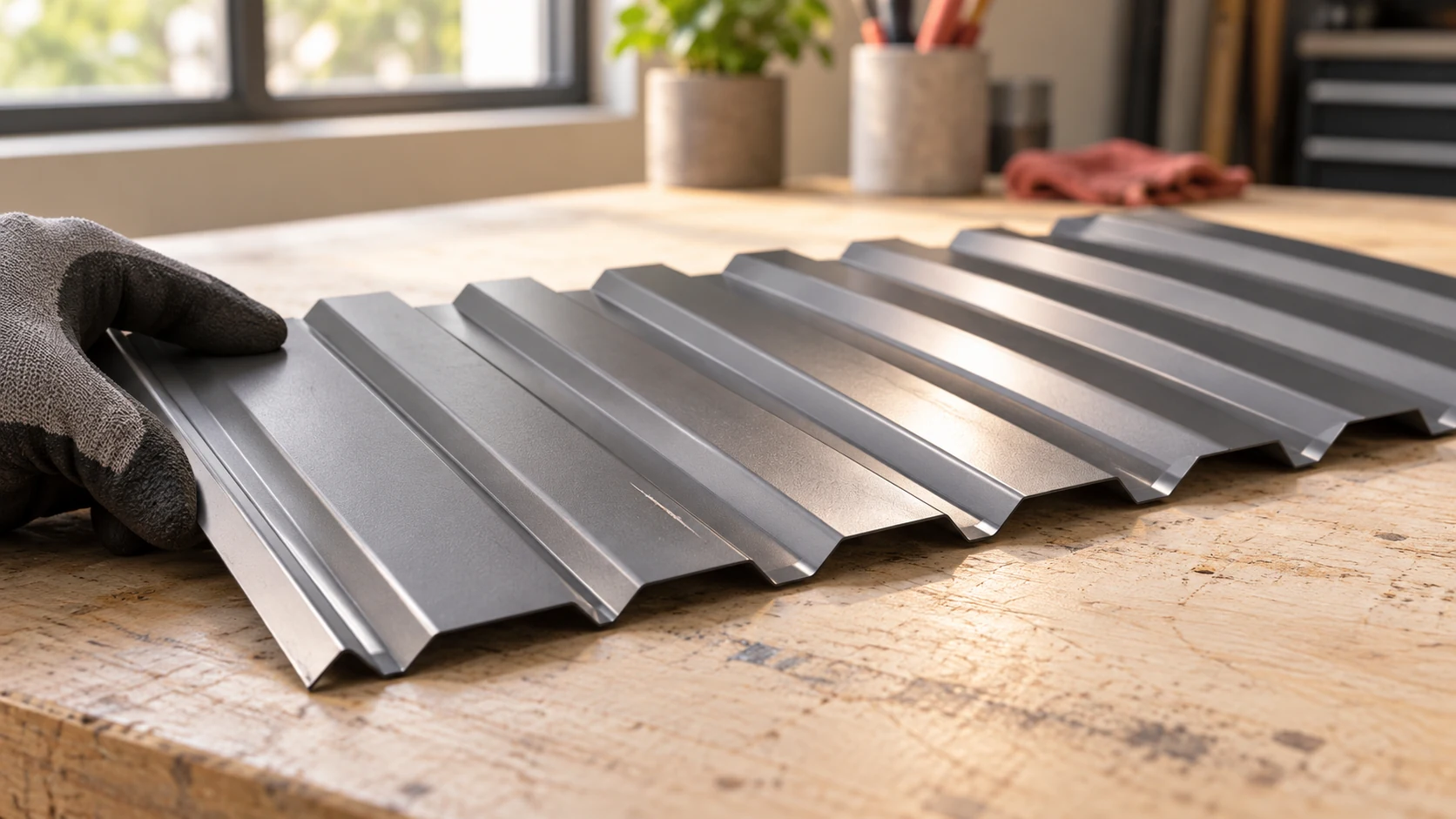
Why is this batch cheaper?
Ask for the length and quantity of each sheet and photographs of the defects in the actual pack. A general photograph of similar stock tells you little. Check the available product data and documents required for the application. The building must still meet structural and weatherproofing requirements.
How should you inspect coatings and edges?
Establish whether a mark affects only the finish or exposes bare steel. Look for bent corners, deep scratches and signs of prolonged damp. Painting over a large area rarely reproduces the factory finish. Choose a repair method suited to the coating and the extent of the damage.
Inspect the edges that will form overlaps. Distortion may prevent the next sheet from seating correctly. Tightening screws harder can leave the joint misshapen. Look between sheets for swarf and dirt. Arrange access to more than the top sheet during inspection.
How much of the pack will cover the building?
Draw the sheets onto the building plan. Mark offcuts and unusable areas, then allow for effective cover width and all required overlaps. The pack area can considerably exceed the finished covering area. Short lengths in particular can increase the number of joints.
Position every joint where the structure and installation method allow it, even if that leaves an offcut. On a façade, check how visible shade differences will be. Assign sheets from different batches to deliberately chosen areas so their distribution looks consistent.
Mark sheets with accepted defects on the cutting plan. This helps the installer reserve full, undamaged lengths for the runs that actually need them.
When does the discount disappear?
For example, take an 80 m² pack at approximately €6.72/m² excluding VAT. The pack costs about €537.60 excluding VAT. If defects and cutting leave 58 m² usable, the cost rises to about €9.27 per usable square metre excluding VAT. This illustrative calculation excludes delivery, repairs and extra labour.
If suitable sheets without these defects also cost €9.27 per usable square metre excluding VAT, the discount has gone. A different layout may improve the result. Compare the cost per finished square metre, including material that stays on the ground.
Where are second-grade sheets easier to use?
Stock lengths are often easier to fit to a small screen or a divided façade than to a large continuous roof slope. Check that they meet the requirements for that use. A less prominent position can accommodate a colour difference but still needs sound fixing and edge protection.
For roofing, pay particular attention to the profile’s intended use, the laps and drainage. Even an open shelter carries wind and snow loads. Confirm that the structure and connections suit it before accepting sheets with a cosmetic defect.
What should you agree before collection?
Include a condition report and dimensions in the order confirmation. Identify the accepted defects and the terms for this particular batch. Record what delivery includes and who will unload. The description should identify the sheets you will receive.
Compare the delivery with that agreement. Record any fresh transport damage separately from pre-existing defects. Plan storage and the order of use so that the sound portions survive handling on site.
Questions and answers
Does second-grade sheet always have a damaged coating?
Ask why the specific batch was downgraded. Appearance or dimensions may be the reason even if the coating is intact.
Can offcuts from different profiles be lapped together?
Only if the proposed joint is confirmed to be compatible. Similar rib heights alone do not ensure a close or watertight fit.

Free quote
What to include in your enquiry
Tell us how you plan to use the material, the dimensions and the quantity you need. Include the thickness, grade or variant name, along with the delivery town or your preferred collection branch. For a specific product, add its name or a link to the product page. We will reply to the email address you provide to discuss availability and the terms of your order.
Read next
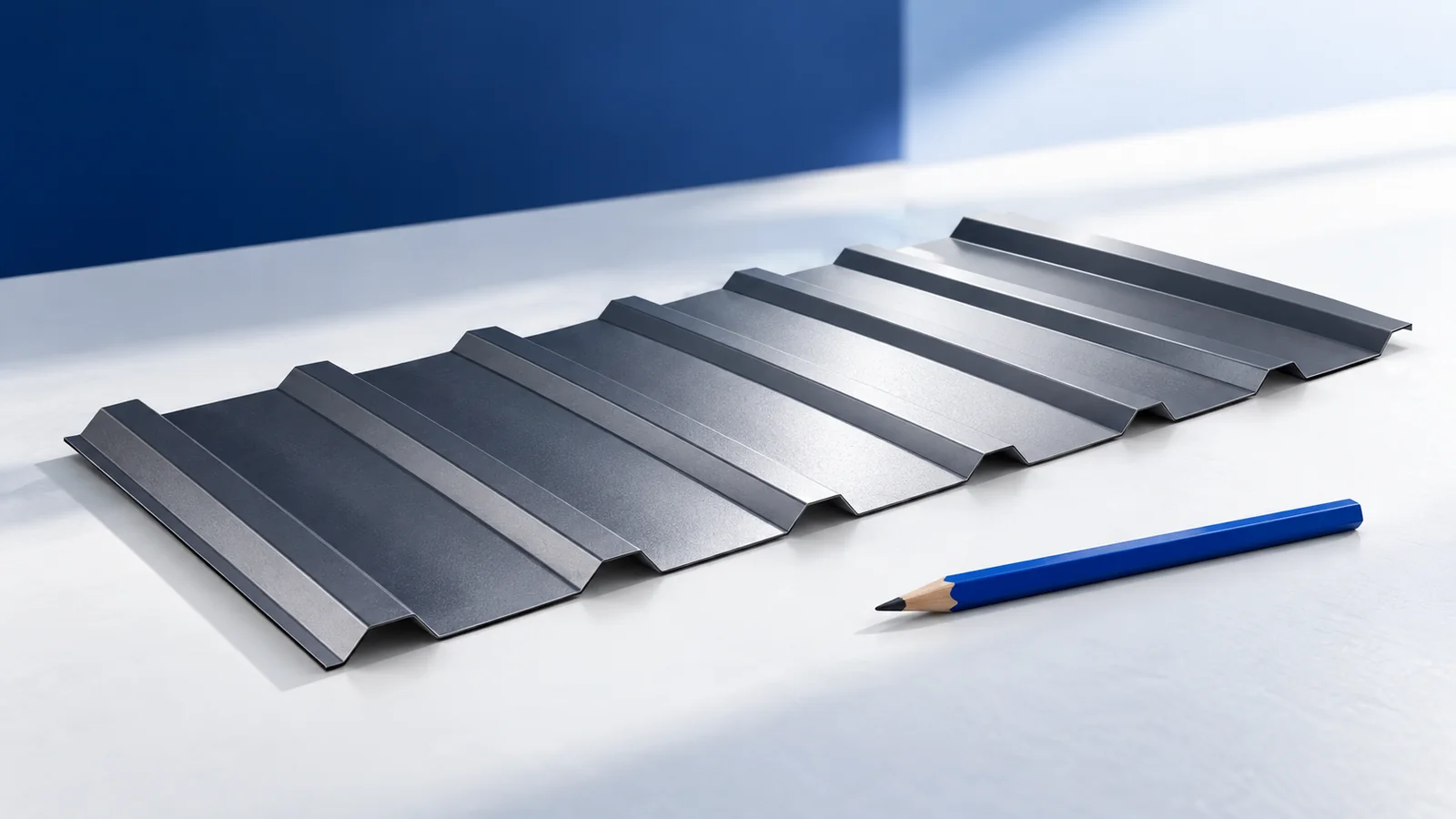
For an open shelter or carport, select the roof sheet together with the supports and anchors. Wind can reach the underside, and…
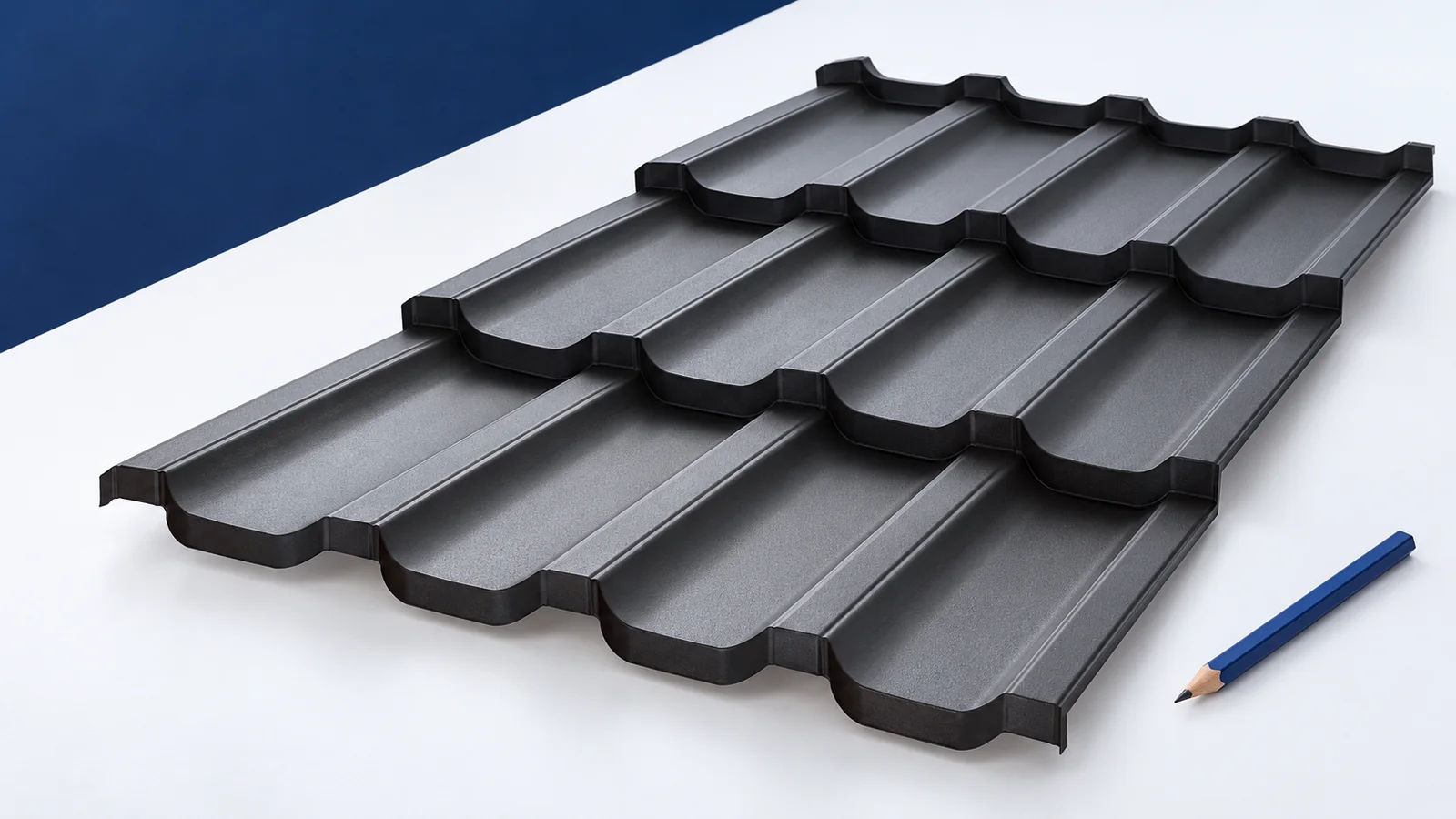
Plan the route from the roof access point to the chimney or equipment that needs servicing, including where the technician will stand.…
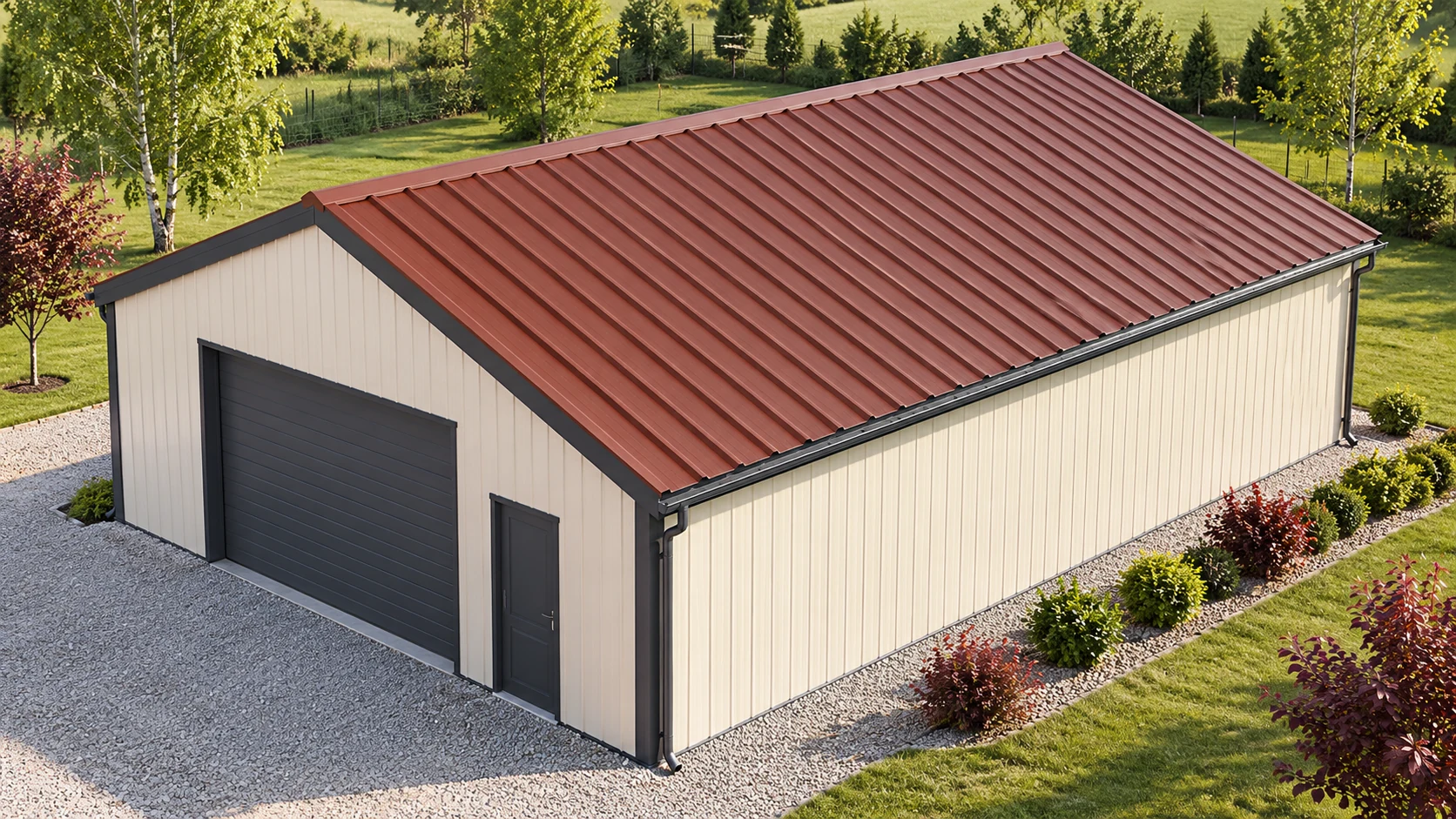
The cost of covering 200 m² depends on how many whole sheets you order. Allow for flashings, fasteners, delivery and installation as…
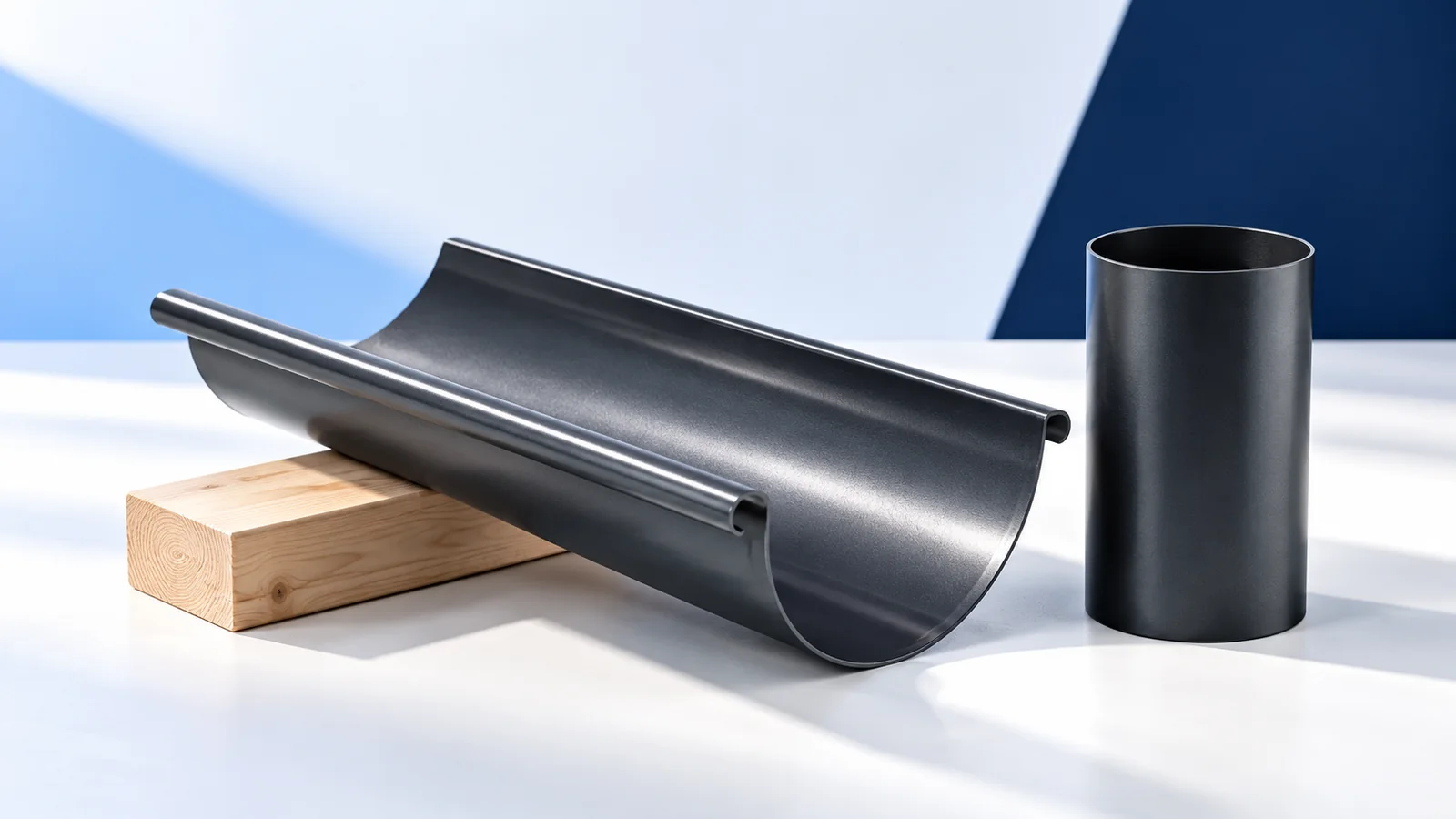
A concealed gutter can give a metal roof a straight eaves line if the detail leaves room for the gutter, the downpipe,…
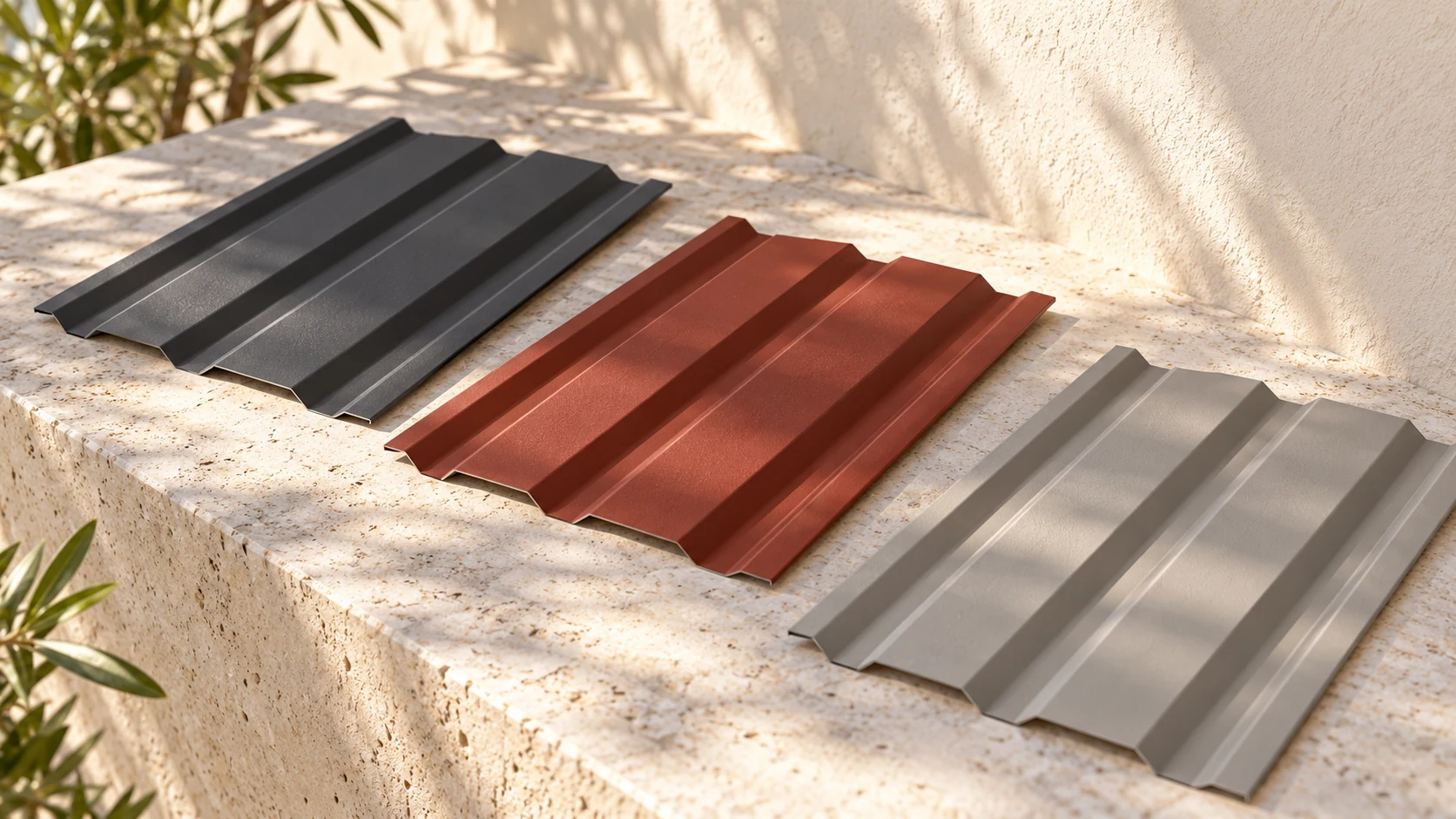
A colour can look different on a screen, a small swatch and a complete roof. Daylight, gloss and profile shape all affect…
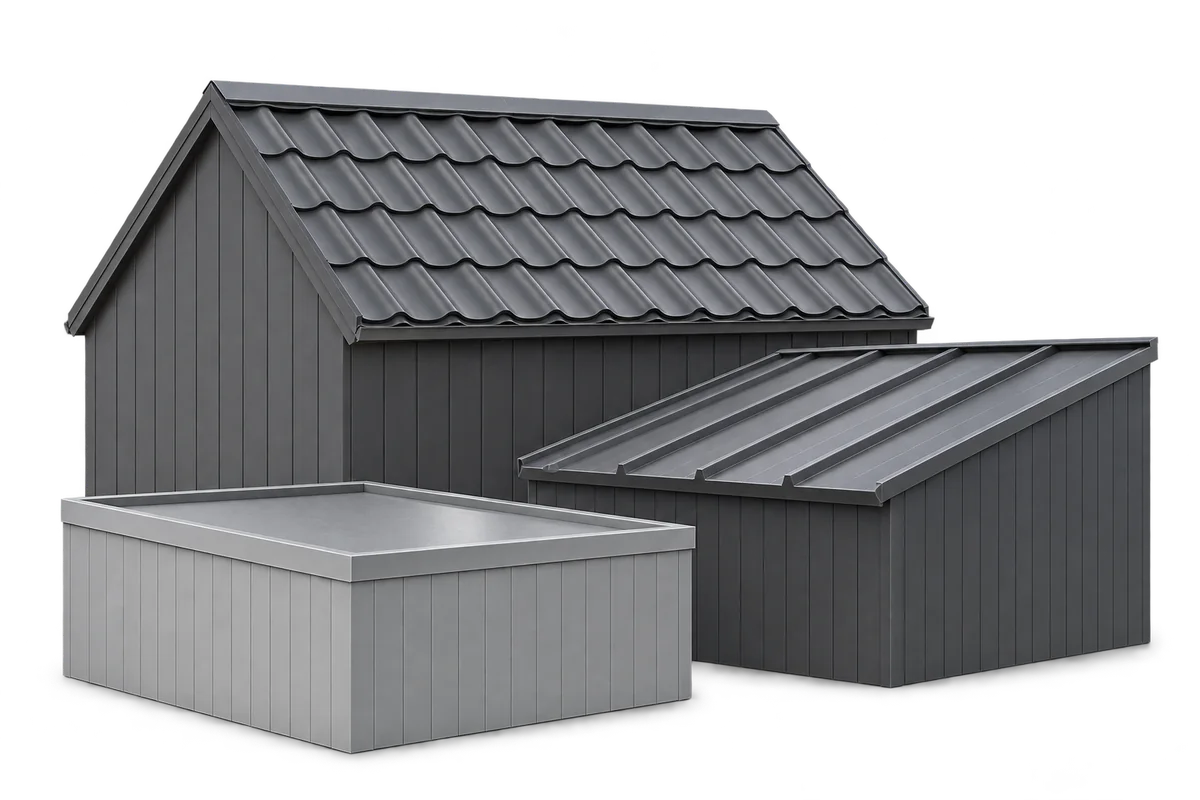
The proportions of a roof, the rhythm of its joints and the finish at its edges shape its appearance. Modular metal roof…
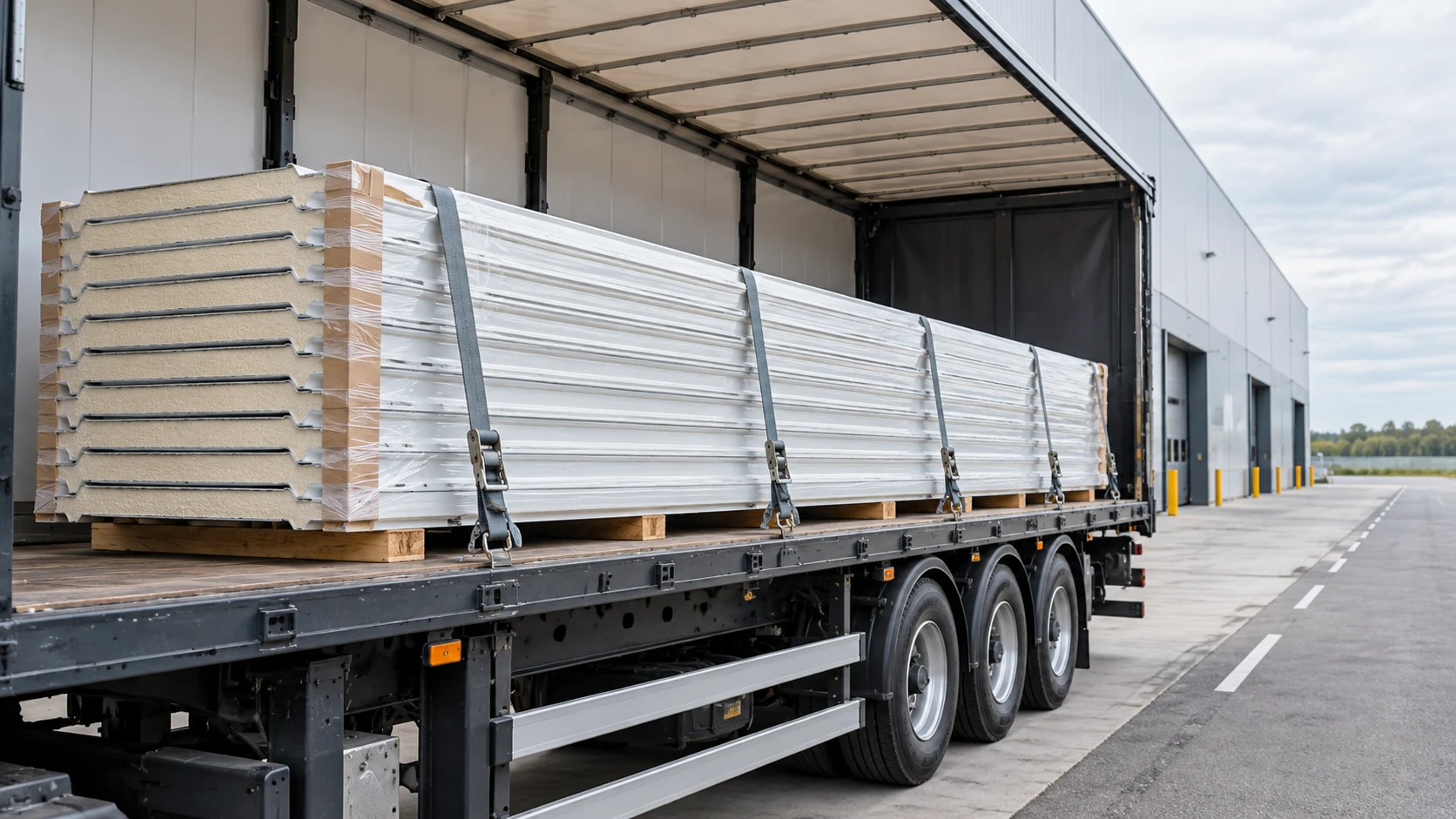
Stock roof panels are available in specific lengths and quantities. Before reserving a batch, measure the slope from the ridge detail to…
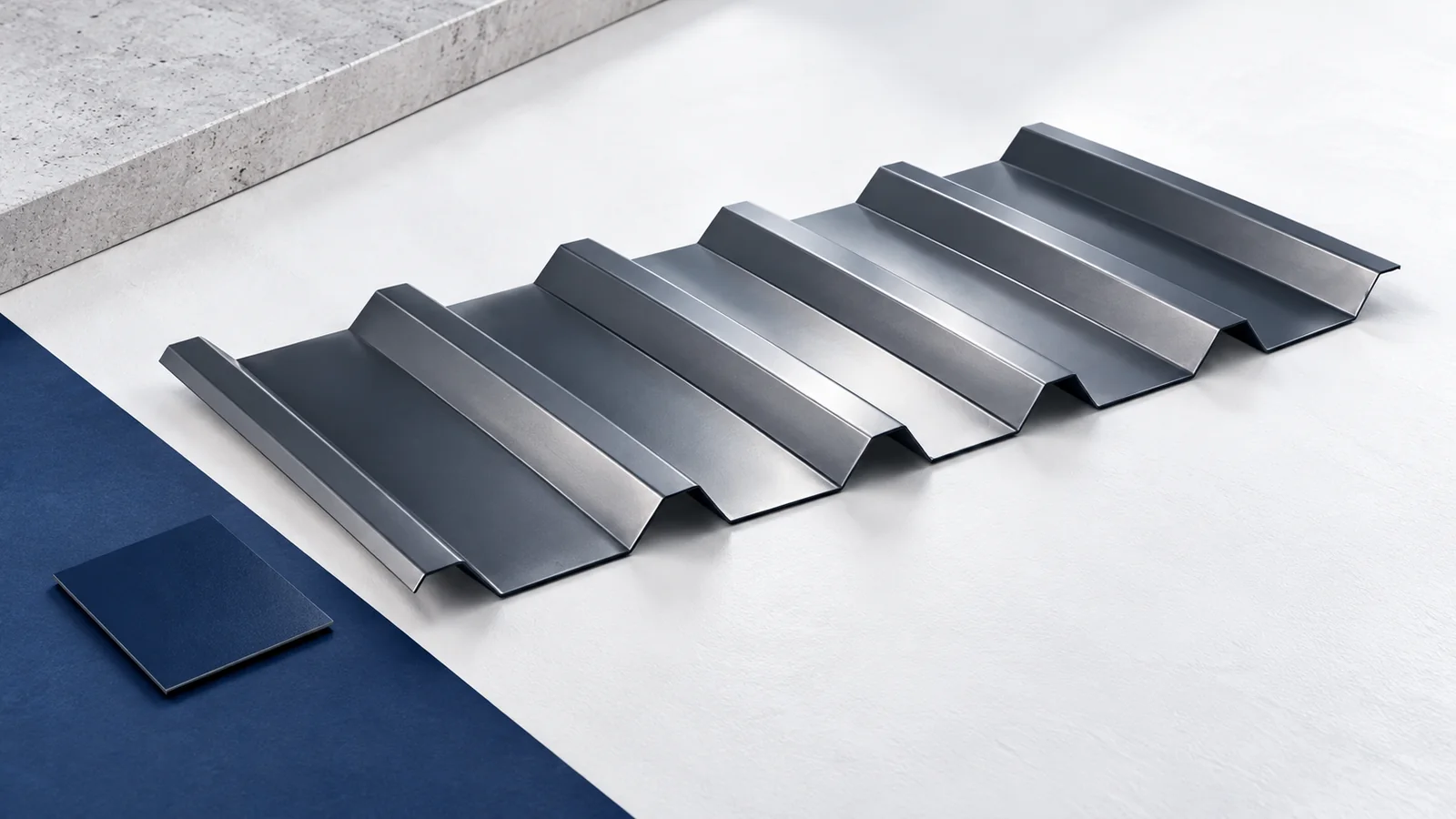
T35 identifies a family of trapezoidal sheets with ribs about 35 mm deep. The depth is useful when comparing profiles, but a…
