How to choose trapezoidal steel sheet for a shelter roof
Roof coverings
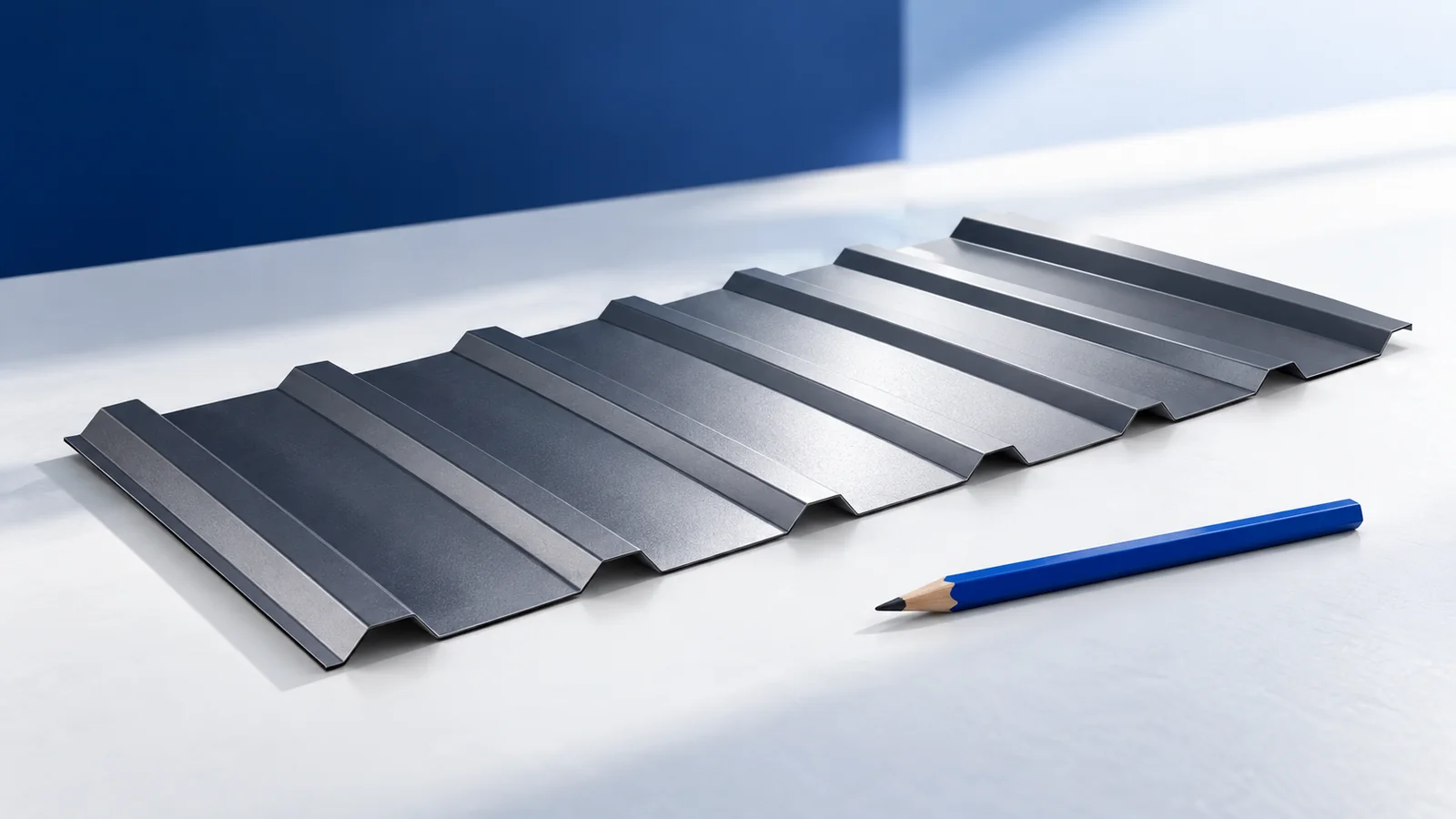
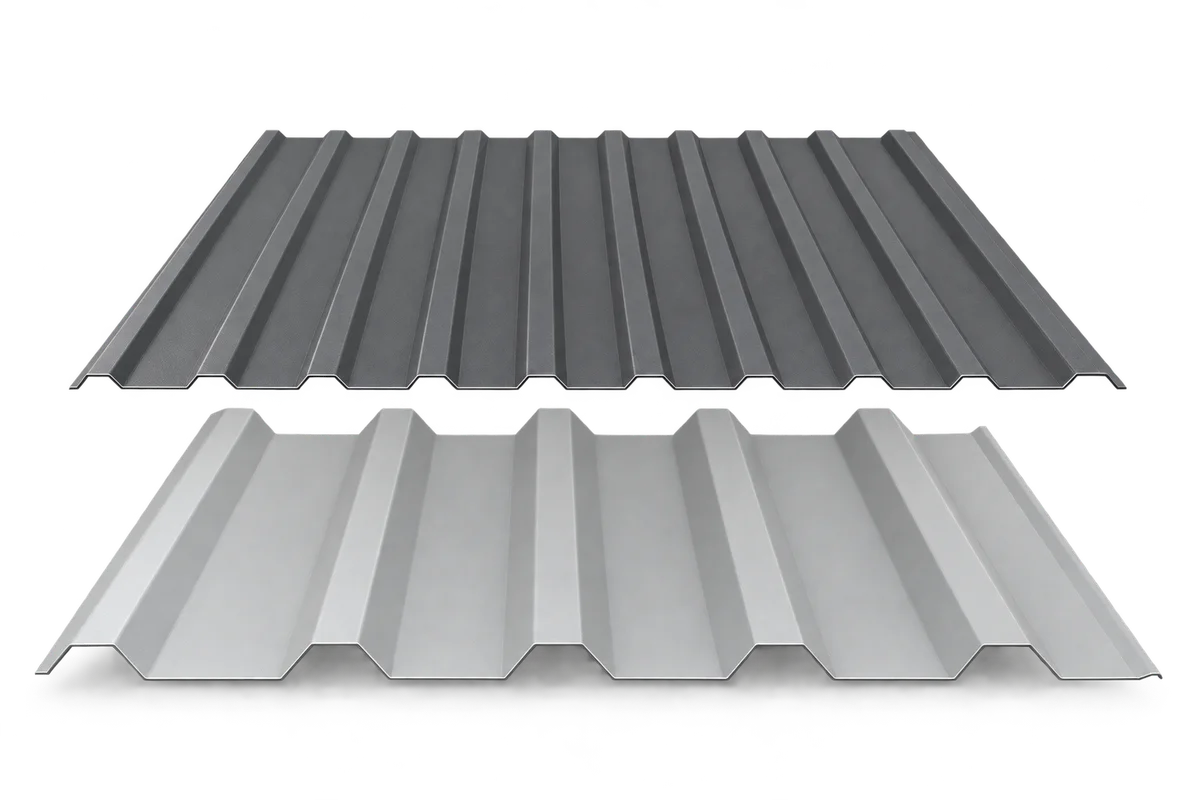
For an open shelter or carport, select the roof sheet together with the supports and anchors. Wind can reach the underside, and partially closing the sides changes the loading. Compare the exact T18 and T35 sections against the span and load tables. Check pitch, end laps and discharge at the eaves. Consider whether condensation could drip on a vehicle or stored timber and whether the underside will dry between wet periods. To compare costs, calculate the number of sheets from effective cover width, then include the support frame, fixings, edge flashings and drainage.
Where should roof selection start?
Establish the shelter dimensions, roof angle and support spacing. Its use and the extent to which the sides are enclosed matter. Wind acts differently on an open carport and a partially enclosed shelter and can load both faces of the roof. Even a light covering needs secure anchorage.
If existing battens were never checked, do not choose a sheet solely because its nominal span seems to fit. The support layout or steel thickness may need changing. Assess the whole structure before substituting a similar-looking product.
When should you consider T18 or T35?
The shallower T18 profile can suit a small, adequately supported roof. T35 has deeper ribs and may be stiffer. A T35 sheet does not necessarily span further than every T18 sheet. Thickness, steel grade and flange geometry affect the result.
Use load tables for the exact variant, including span arrangement, bearing width and the deflection limit. Check the fixings separately. If a supplier offers a substitute, obtain the complete designation and technical data sheet. Rib height alone cannot establish equivalence.
How important is the roof pitch?
A small height difference between supports can leave the roof too flat. Minimum pitch depends on the product and joints. Check the instructions and distinguish percentage fall from degrees. A 5% fall means a height difference of 5 cm per 1 m of horizontal run. It is not a 5° angle.
Where possible, limit end laps along the drainage path. Sheet length must remain within product and transport limits. Detail the eaves, verges and any abutment with a building wall. A poorly formed junction can leak despite adequate pitch across the main roof.
Is anti-condensation fleece worthwhile?
Condensation can form beneath cold sheet metal. Fleece absorbs some moisture and reduces dripping until it reaches capacity. It then needs ventilation to dry. This matters above parked cars, timber and other items sensitive to moisture.
Fleece does not prevent condensation or insulate the shelter like a thermal insulation board. Finish its edges and laps as instructed. If the shelter is later enclosed and heated, reassess the roof build-up for its changed use.
Which coating suits the location?
Select corrosion protection for the surroundings and intended use. Vegetation increases exposure to deposits and moisture. Some stored materials can affect the atmosphere beneath the roof. Outer and inner coatings may have different properties, so confirm which face is intended for each exposure.
Matt and gloss describe appearance. The paint system and metallic coating influence durability. Use a cutting tool that does not overheat the edge and remove drill swarf promptly. These precautions protect a small shelter roof just as they do a prominent house roof.
How do you calculate the roofing cost?
Use effective cover width. A 4 m T18 sheet with 1.10 m cover width covers 4.4 m² before allowing for an end lap. Order enough whole sheets across the roof, with a cut to the final sheet if needed. Total metal area includes overlaps and can give a misleading count.
Add edge flashings, fasteners and drainage. Check delivery and unloading. If a different section permits a different support layout, compare the cost of frame and covering together. An extra support may cost more than the difference between sheet prices.
What should you inspect at handover?
Inspect sheet alignment, laps and washer compression. Pay particular attention to edges exposed to wind uplift. Confirm that runoff goes where it can do no damage. Inspect the underside and check that debris has been removed. Use safe access rather than stepping on an unsupported sheet.
Finish the T18 or T35 selection by confirming the specified dimensions and performance as well as colour. A durable shelter roof needs a compatible structure, reliable drainage and correctly installed fixings. Include those elements when judging the price per metre.

Free quote
What to include in your enquiry
Tell us how you plan to use the material, the dimensions and the quantity you need. Include the thickness, grade or variant name, along with the delivery town or your preferred collection branch. For a specific product, add its name or a link to the product page. We will reply to the email address you provide to discuss availability and the terms of your order.

Read next
A store beside a carport used by several people is best planned around activities that may happen at the same time. One…
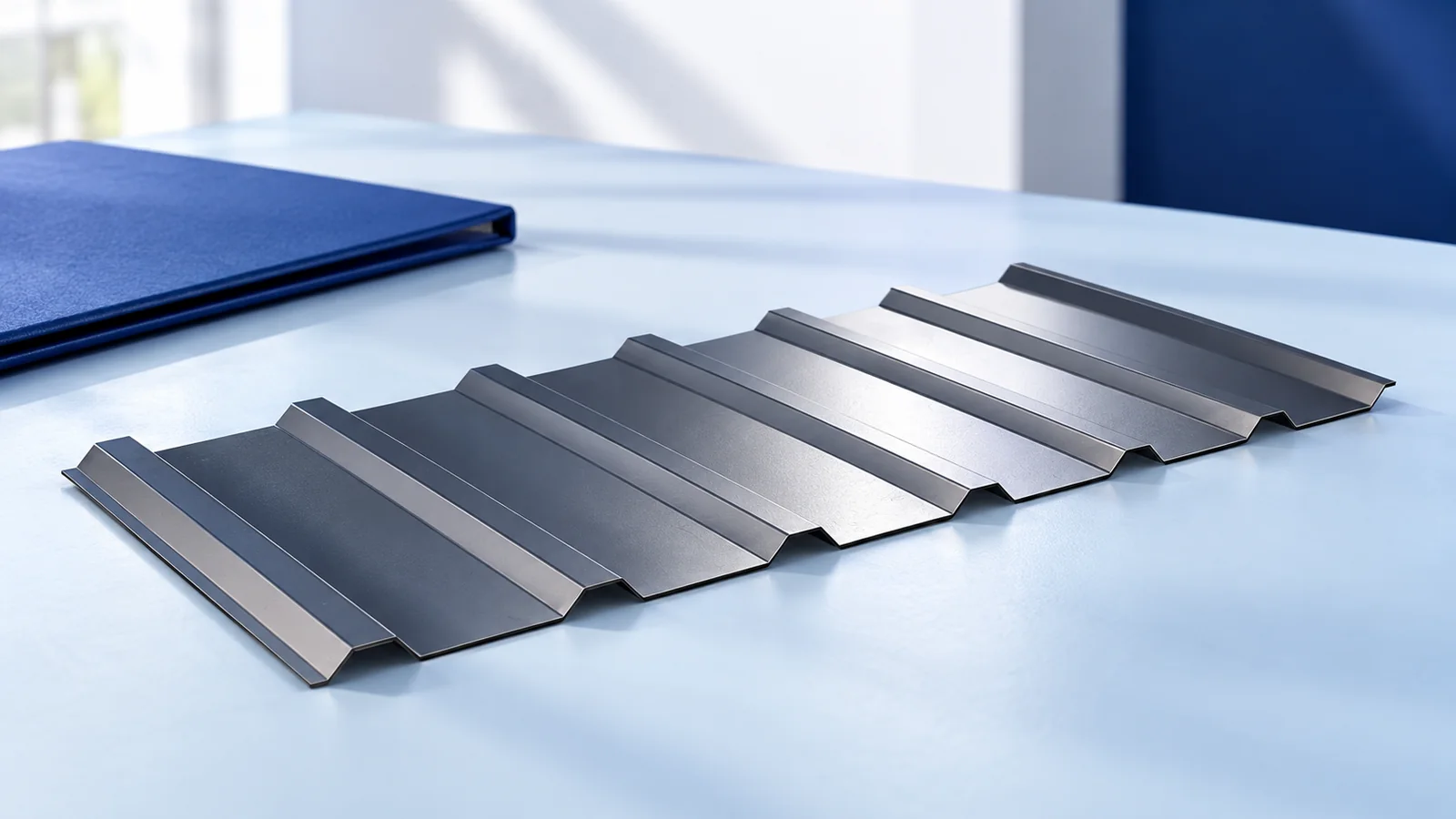
A T18 or T35 profile designation describes the shape of a sheet. To judge how long it may last, look at the…
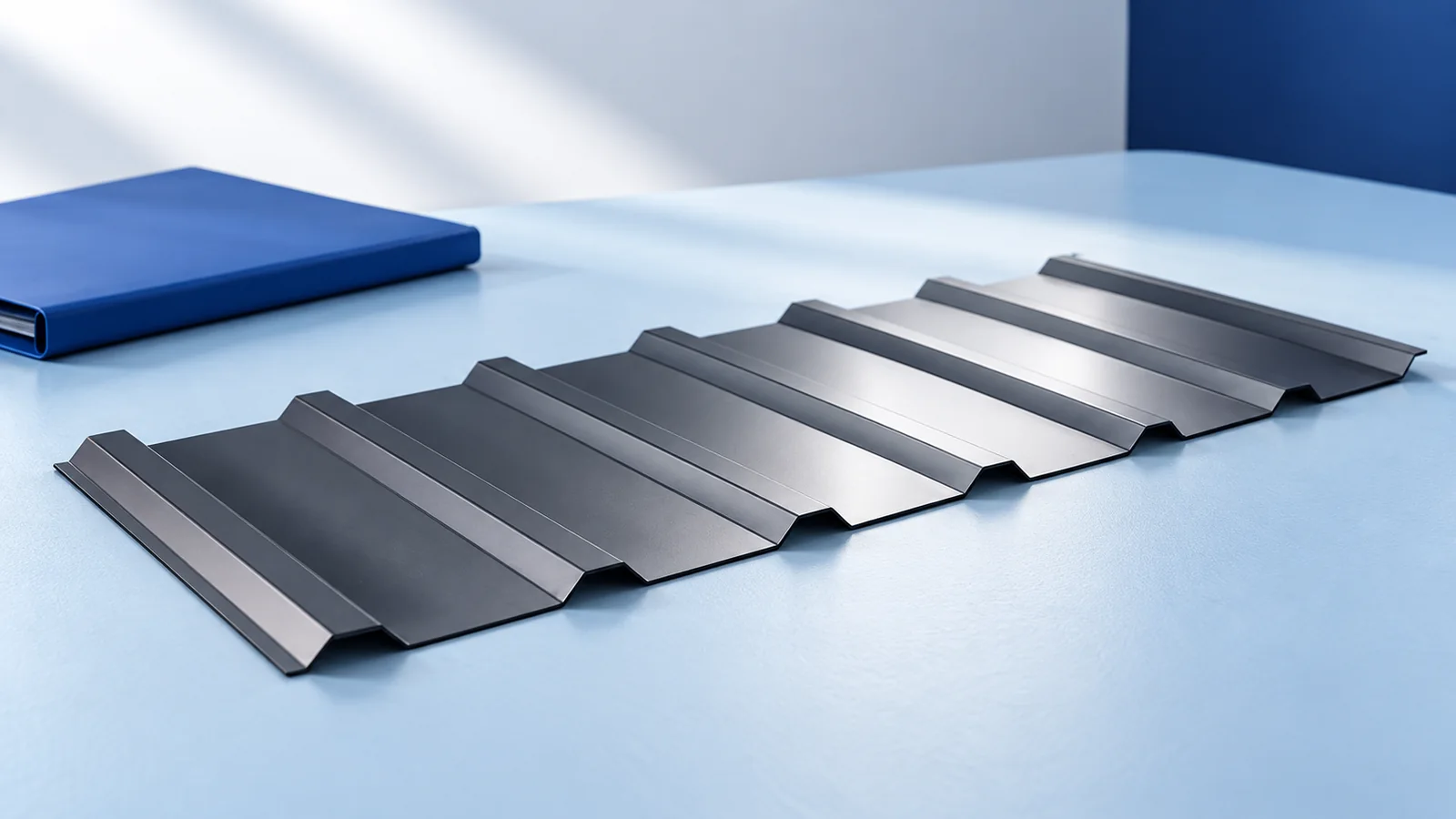
Start with the manufacturer's cross-section drawing when identifying a trapezoidal sheet. In names such as T18 and T35, the number usually indicates…
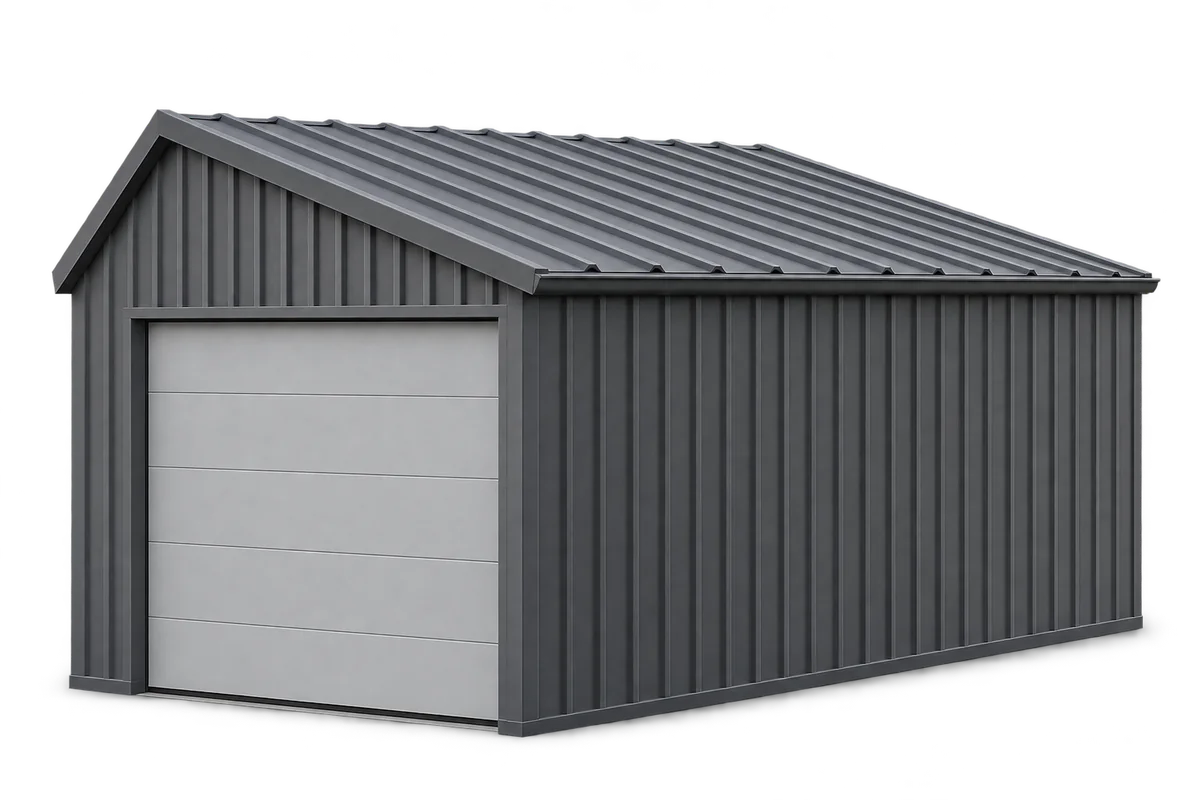
Trapezoidal steel sheeting can make a durable, low-maintenance garage roof and wall cladding if the sheets suit both the frame and the…
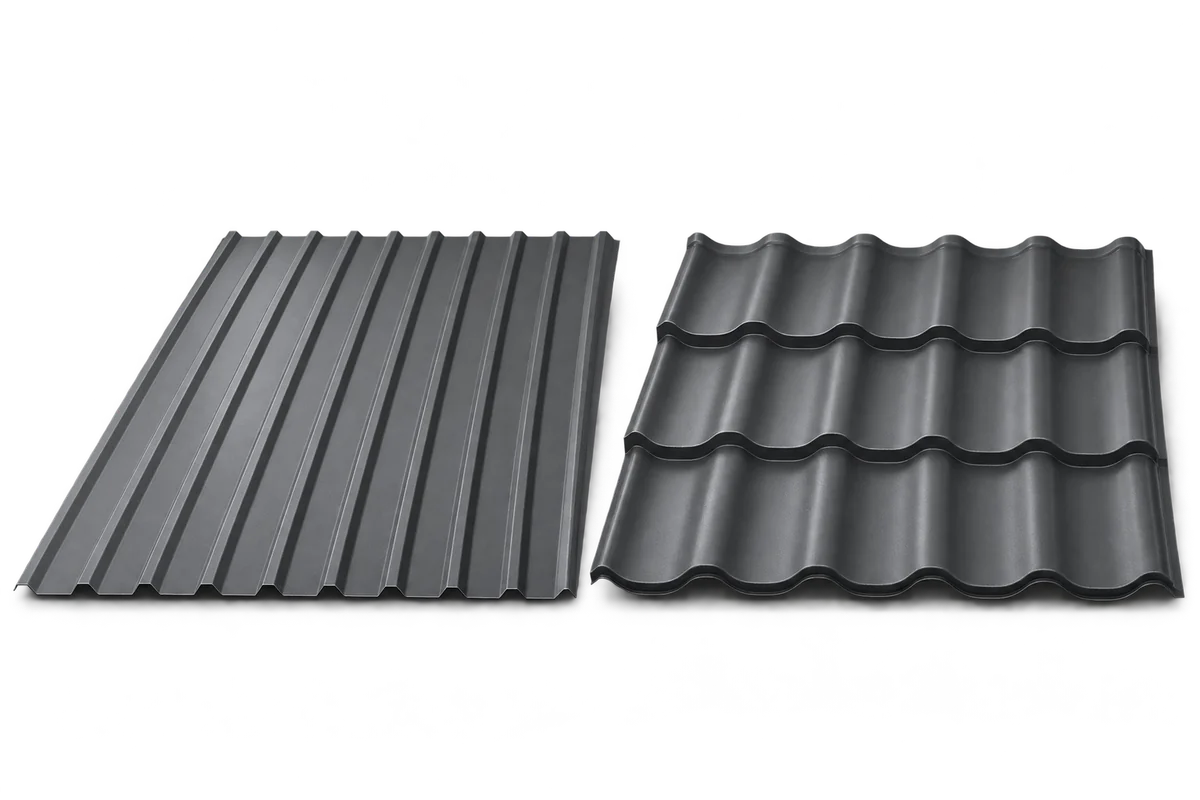
Metal roof tiles suit traditional houses, while trapezoidal sheets create a simpler roofline. Check the roof pitch, support spacing, protective coating and…
Before agreeing the length of trapezoidal sheets, trace their route from the truck to the installation point. A sheet cannot be folded…
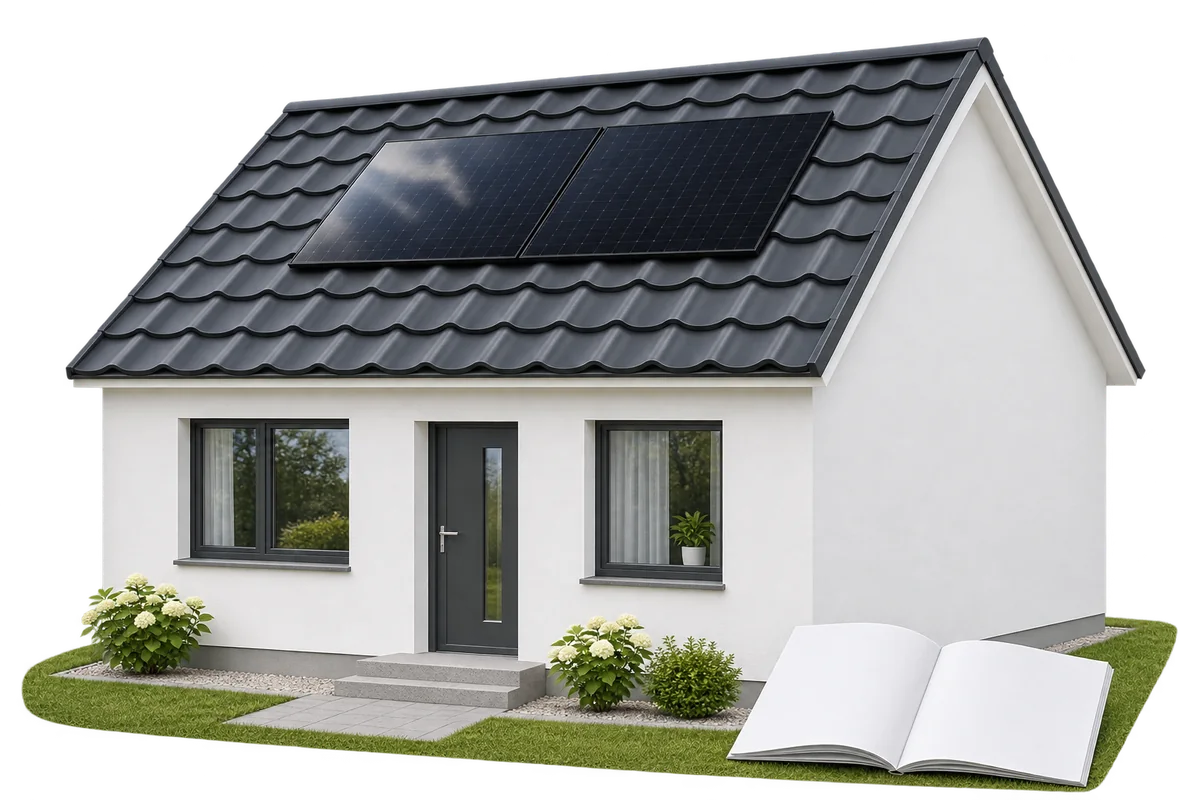
The instructions for your roof covering tell you where PV mounts may be fitted, how to seal penetrations and how to protect…
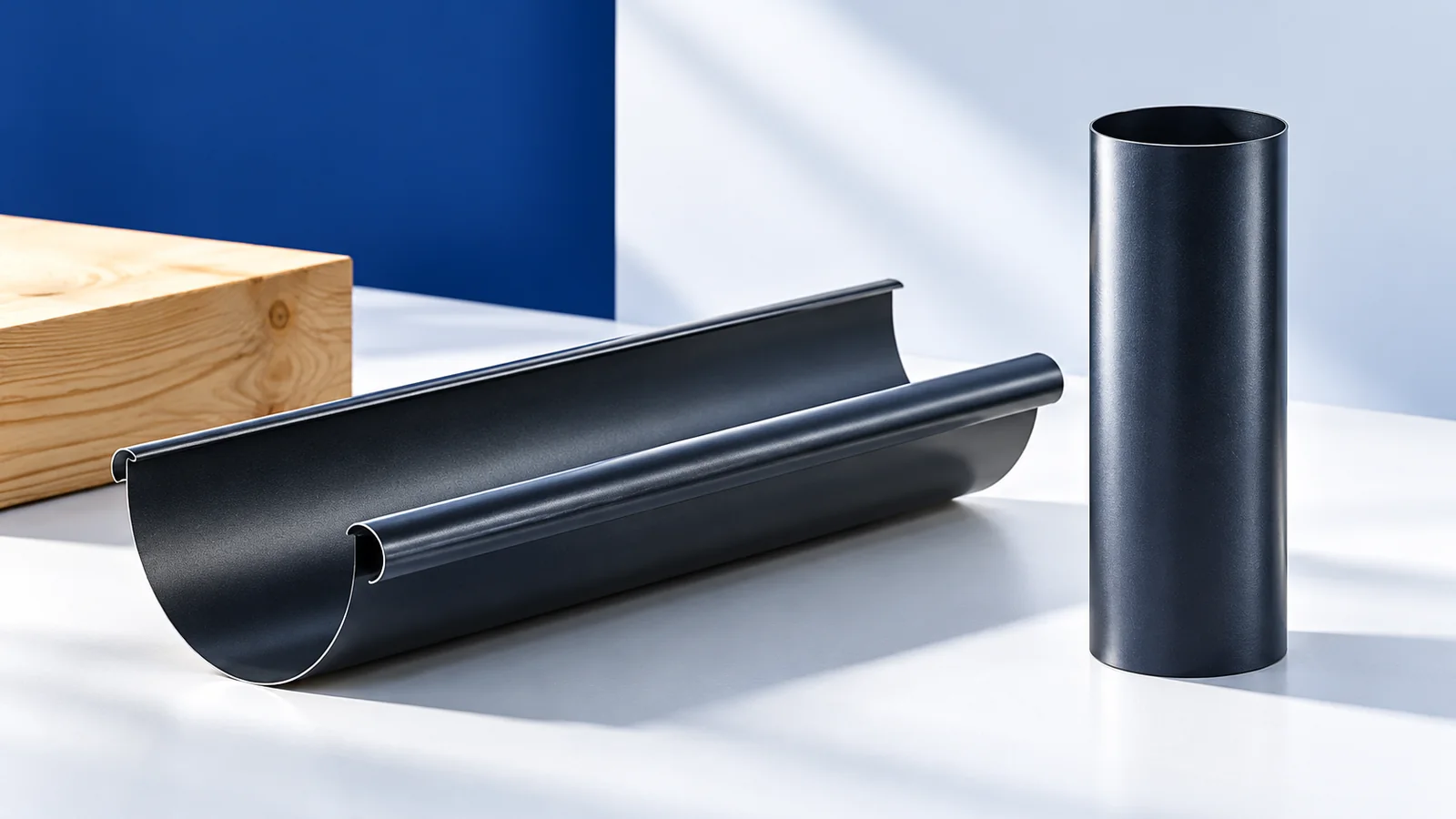
To select gutters for a metal roof, mark the area draining to each outlet on a roof plan. A valley may concentrate…