






Five advantages of external steel window sills
Façades and fences
An external steel window sill is light to handle, can be folded to suit the opening and comes with a factory finish that is easy to inspect and coordinate with the window frame. Before choosing the colour, check where the rain will go: from the frame onto the sill, down the outward fall and clear of the finished wall at the drip edge. Measure the projection from the face of the finished render, especially if insulation is being added. A new finish cannot compensate for a sill that slopes back towards the window.
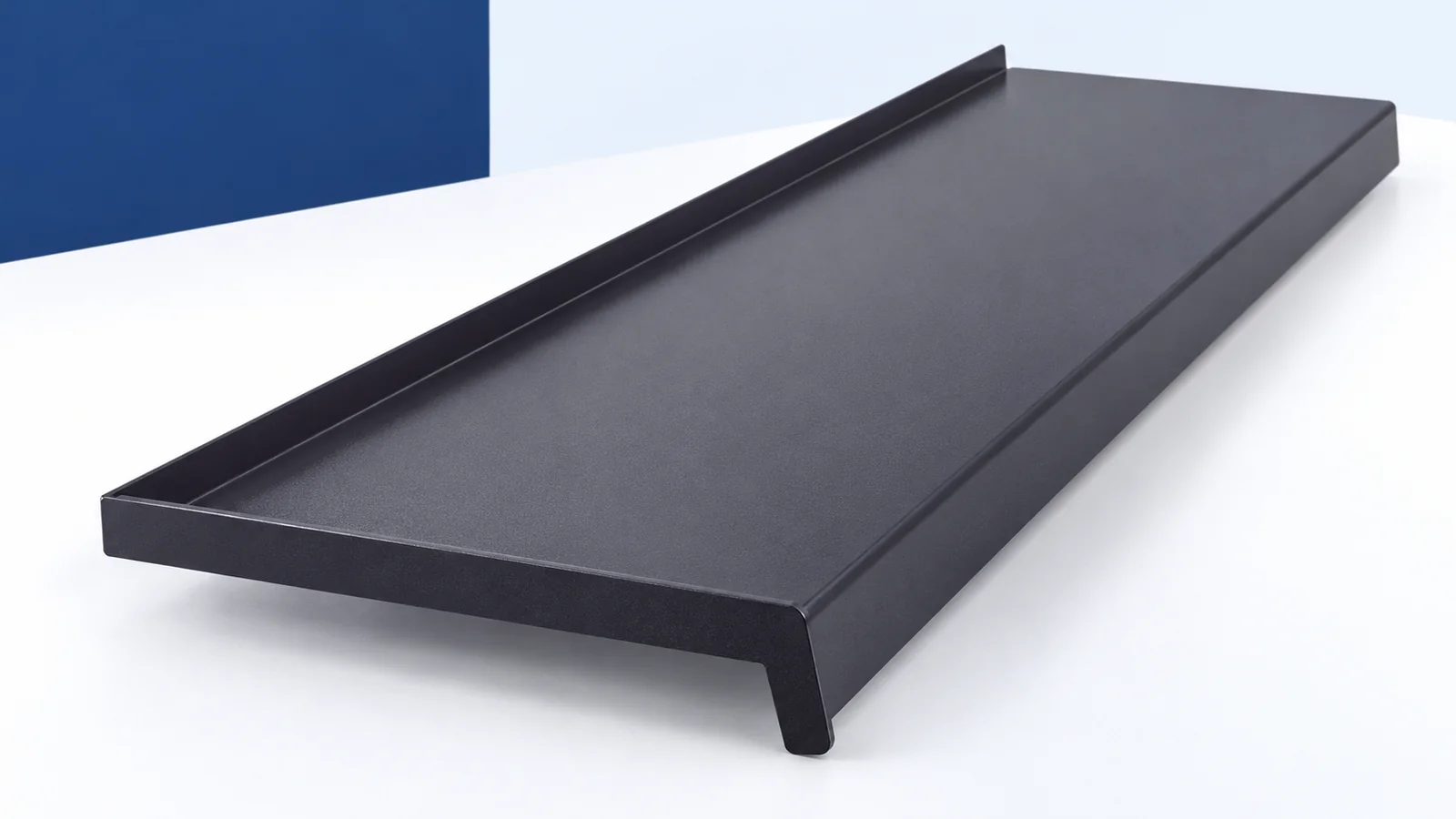
Does low weight make the sill easier to install?
The first advantage is low weight compared with a thick stone sill. A formed sheet-steel sill is easier to carry and position in the opening. This helps when there are many windows or access to the façade is limited. It still needs suitable support and secure fixing.
A wide sill may need extra support as specified by the manufacturer. Its base should carry the loads without allowing the sheet to flex locally. Limit vibration caused by wind and rain as well. A few loose packing blocks are no substitute for a properly prepared support. Settle the detail before ordering the sill depth.
Why order the sill to size?
The second advantage is that length and depth can be made to fit the window. This matters with thick insulation or unusual openings. Wall thickness alone does not determine the size: allow for the frame connection, end pieces, projection beyond the façade and clearance for movement.
Measure once the full façade thickness has been established. A short projection can let water run down the render; an excessive one needlessly increases the unsupported length. Specify the side finishes and rear upstand when ordering, so the installers do not have to improvise with a finished sill on the scaffold.
How does the coating protect the steel?
The third advantage is factory-applied surface protection. Steel sills can have a metallic protective coating with an organic finish on top. The layers protect the steel from moisture and give the sill its final colour. They do not make it impervious to mechanical damage or suitable for every exposure.
Check the sheet specifications and intended service conditions. Remove metal swarf after cutting and use an approved method to clear wet mortar residue. Cut only with tools permitted by the manufacturer. Inspect damaged coating and sharp burrs before the sill is fixed in its final position.
Can a steel sill match the rest of the house?
The fourth advantage is the choice of colours and finishes. A sill can pick up the colour of the roof, flashings, gutters or window frames and bring order to the elevation. Where there are metal fence pickets or steel cladding, it can repeat that accent without introducing another material.
Do not judge the shade from a screen alone. Gloss, texture and daylight change its appearance. Hold a sample against the render and frame. Compare pieces from different batches before installation; even the same colour code can look different on two coating types.
How easy is a steel sill to maintain?
The fifth advantage is that an accessible sill is straightforward to inspect and clean. Usually this means removing leaves, dust and dirt by a method suitable for the finish. Use soft implements, avoiding scouring pads and unapproved solvents. Do not leave residues that hold moisture against the surface.
While cleaning, inspect the junctions at the reveals and frame. Water should drain outwards without staining the wall under the ends. Correct a small sealing defect before moisture reaches the insulation. Place plant pots so they cannot scratch the finish or obstruct drainage. Never use the sill as a platform.
When is replacement better than a cosmetic repair?
A local scratch does not always justify replacing the whole sill. Extensive corrosion, perforation or a shape that traps standing water is a different matter. Paint cannot correct a reverse fall. Establish whether the fault affects only the finish or the entire sill detail.
When adding wall insulation, check how far the old sill will project afterwards. A thicker façade reduces the overhang and can leave rain running down the new render. Resolve this as part of the insulation work, before finishing the reveals.
What should a correctly installed sill do?
Provide an outward fall and an effective drip edge clear of the façade. The window connection should lead water onto the sill, leaving the frame drainage holes open. Detail the ends to keep water out of the insulation while allowing movement as temperatures change.
Select seals and fixings to suit the window, sill and façade instructions. No single joint or sealant suits every connection. At handover, check the fall, firm seating and appearance of the ends. These details allow the five practical benefits of a steel sill to carry through into use.

Free quote
What to include in your enquiry
Tell us how you plan to use the material, the dimensions and the quantity you need. Include the thickness, grade or variant name, along with the delivery town or your preferred collection branch. For a specific product, add its name or a link to the product page. We will reply to the email address you provide to discuss availability and the terms of your order.
Read next
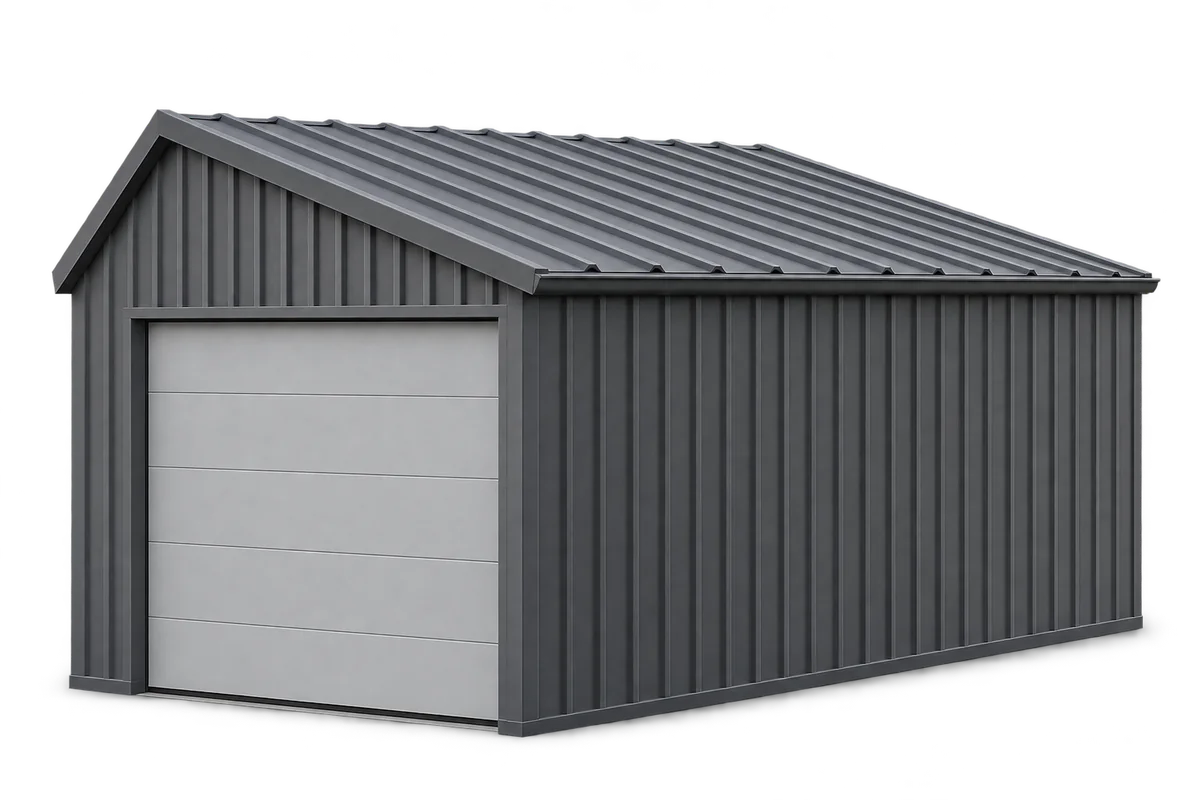
Trapezoidal steel sheeting can make a durable, low-maintenance garage roof and wall cladding if the sheets suit both the frame and the…
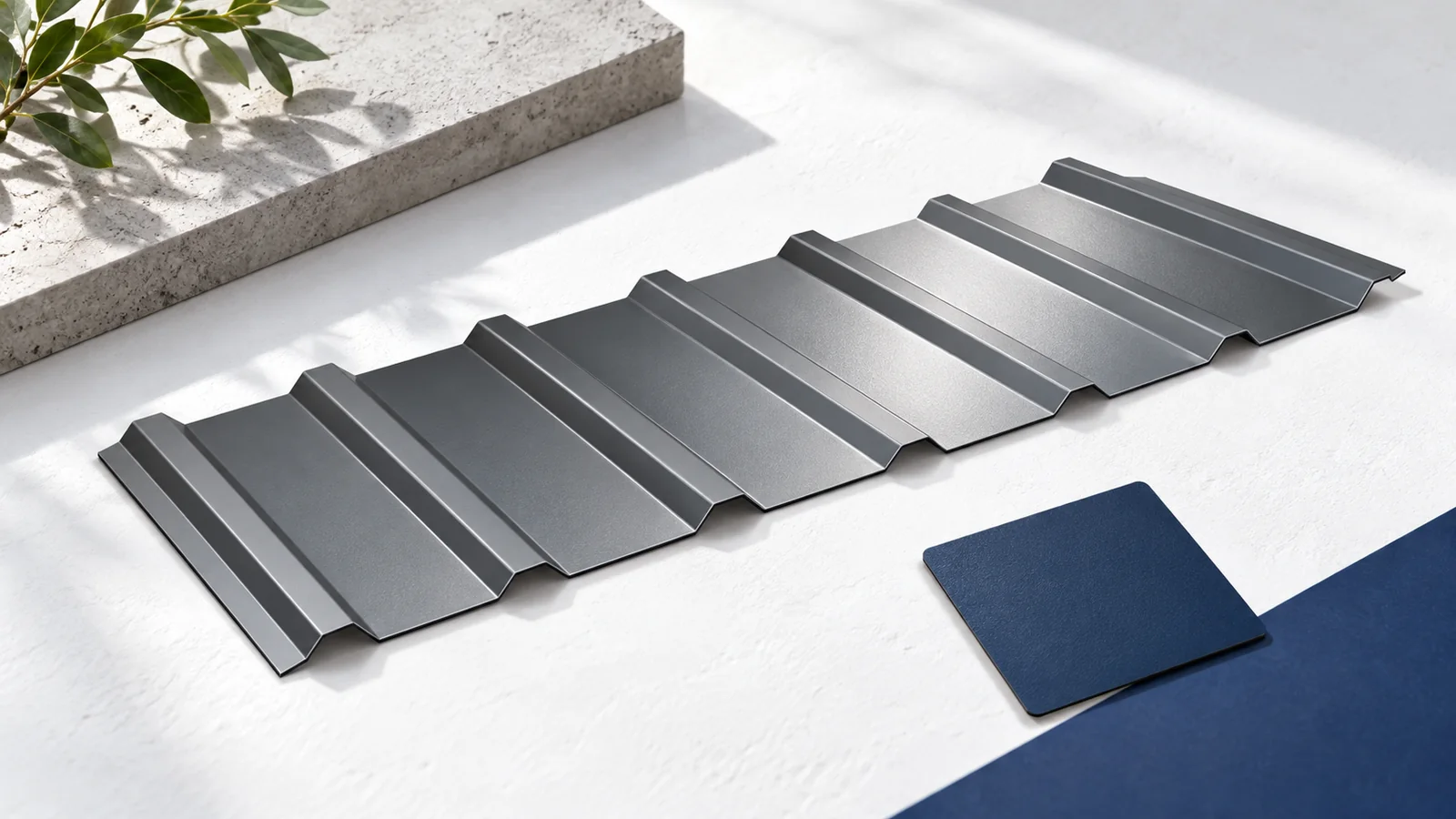
Before deciding to repaint a metal roof, find out what changed. Surface deposits may wash off, a streak below a fixing may…
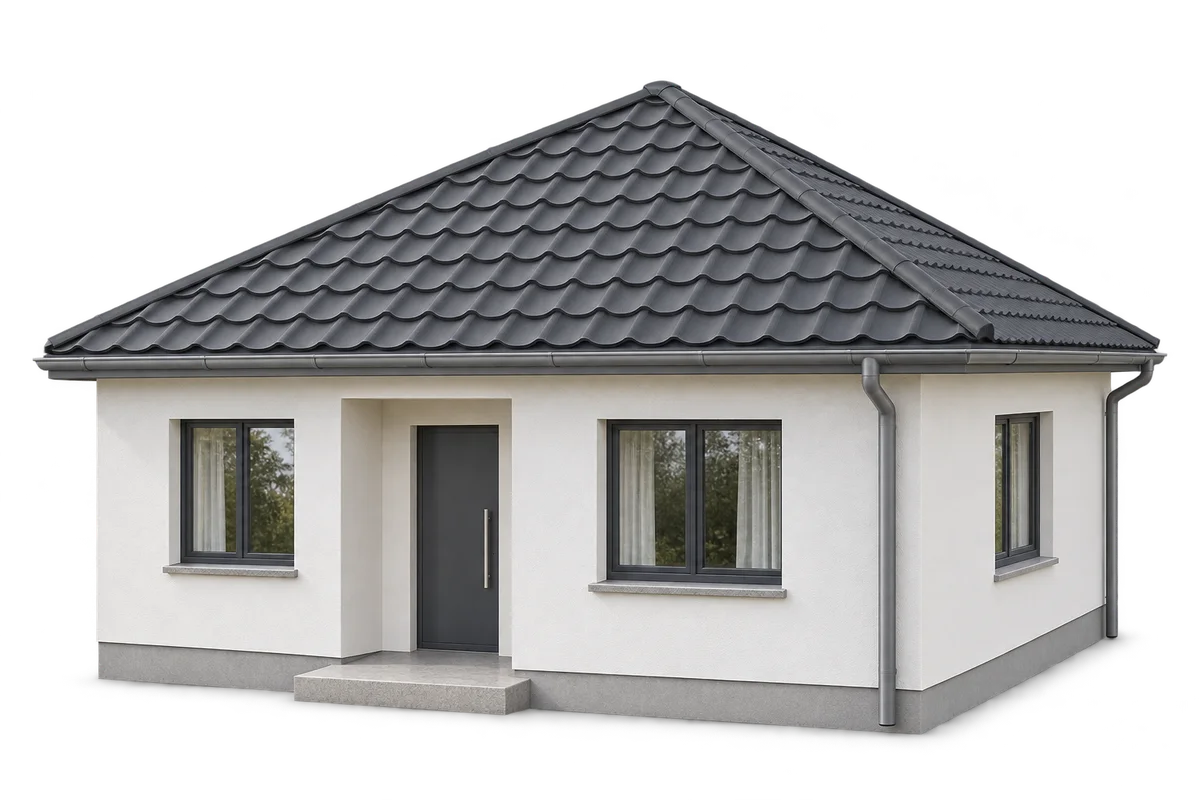
A hipped roof suits a compact house and allows the eaves to run around the building. Compared with a simple gable roof,…
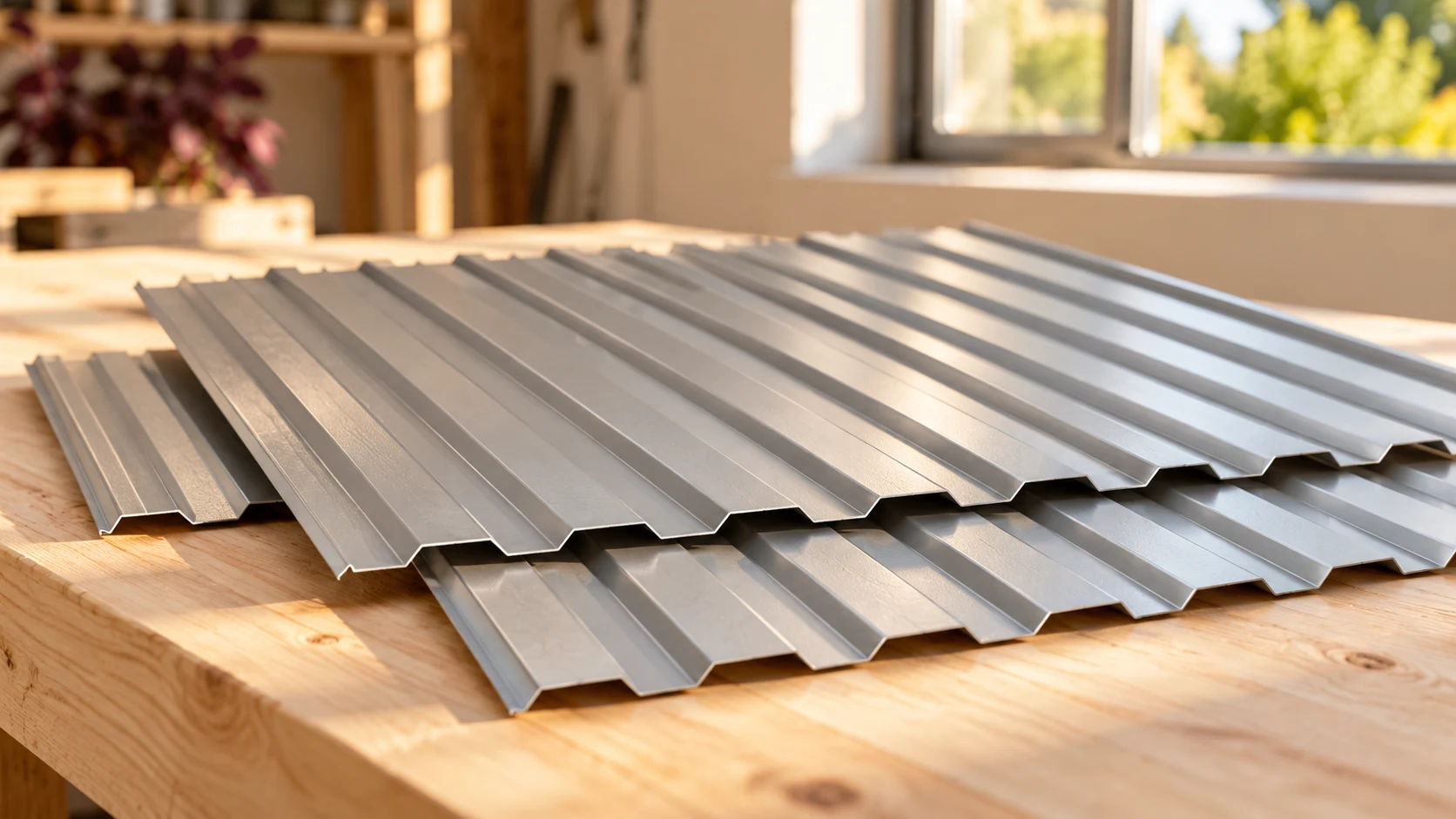
T12 trapezoidal steel sheet is often considered for small buildings and cladding with a subtle rib pattern. Its suitability depends on the…

Stock roof panels are available in specific lengths and quantities. Before reserving a batch, measure the slope from the ridge detail to…
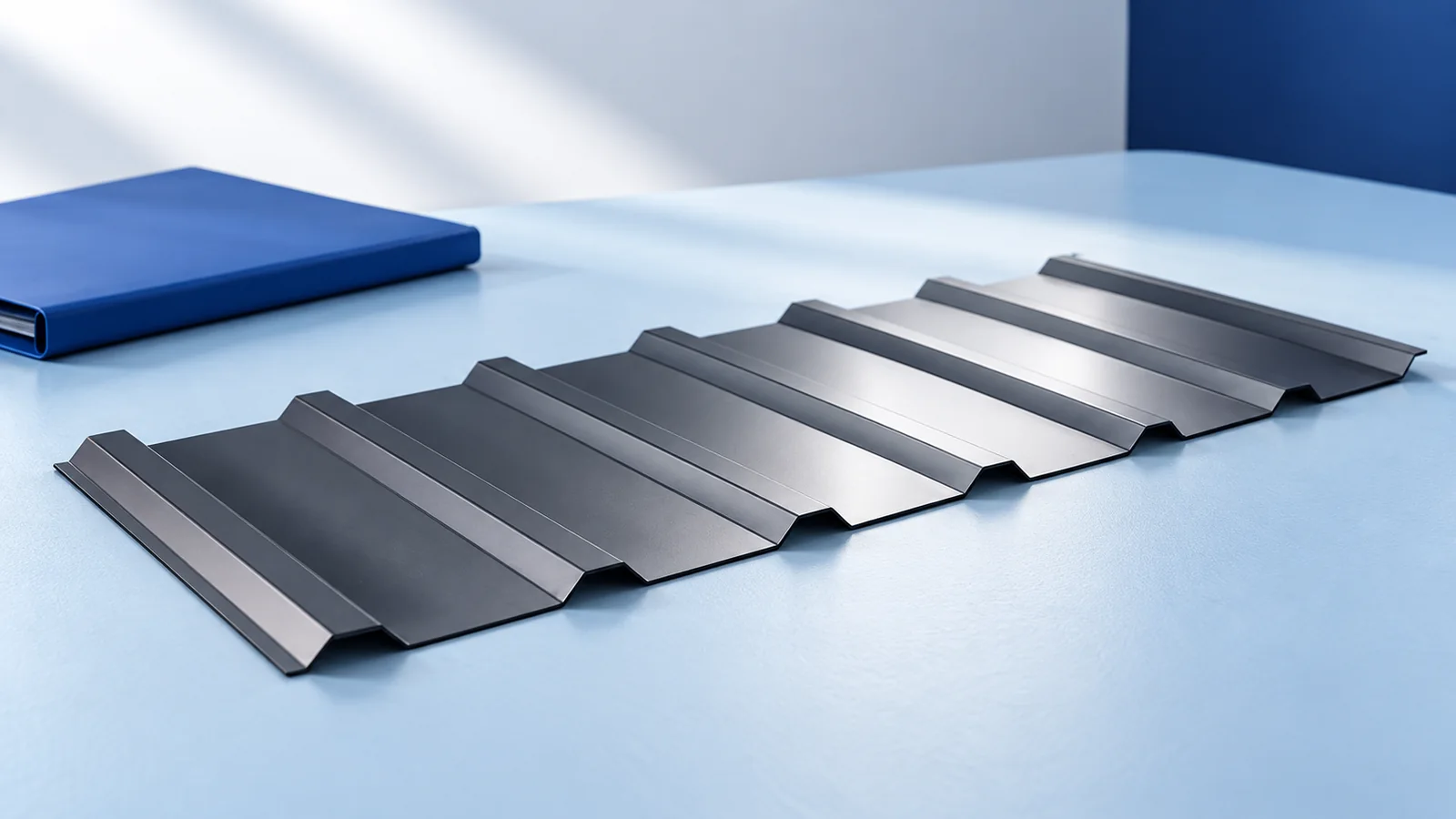
Start with the manufacturer's cross-section drawing when identifying a trapezoidal sheet. In names such as T18 and T35, the number usually indicates…
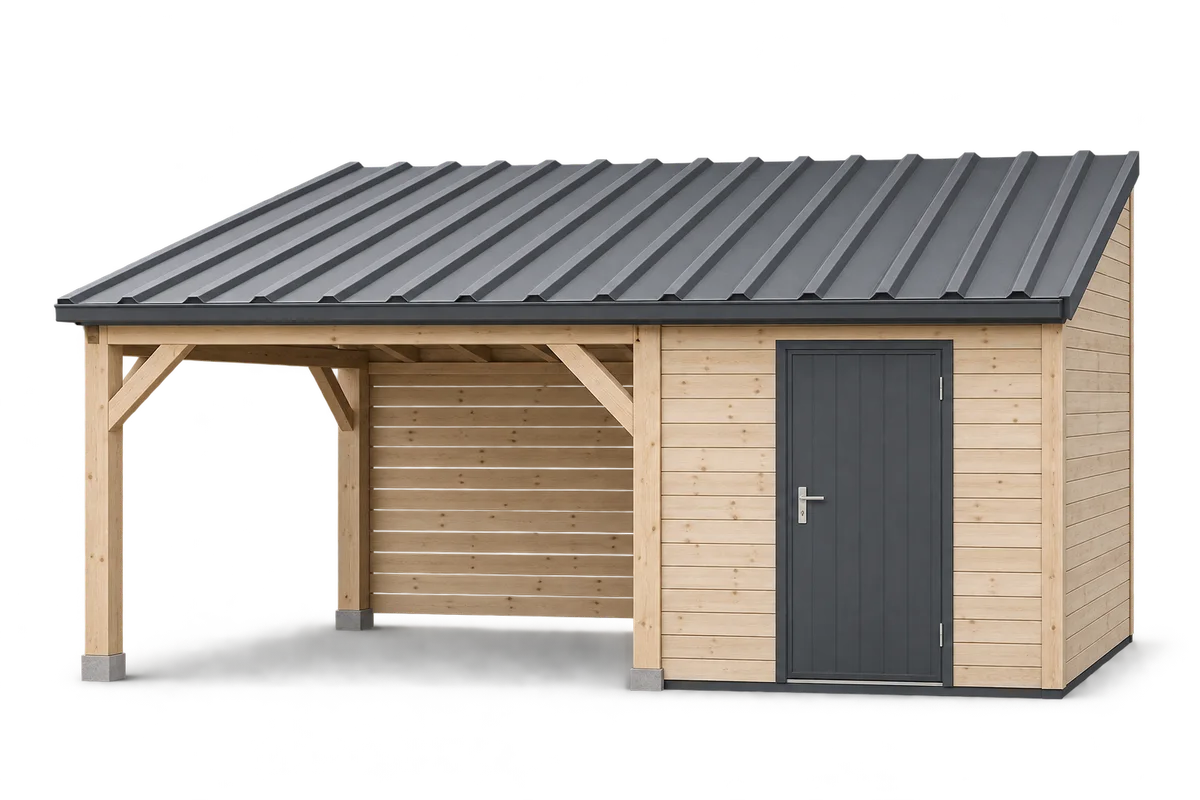
A store beside a carport used by several people is best planned around activities that may happen at the same time. One…
To work out the weight of a roofing order, start with the exact profile, steel thickness and unit on the product sheet.…
