






How to read T18, T35 and other trapezoidal steel sheet designations
Roof coverings
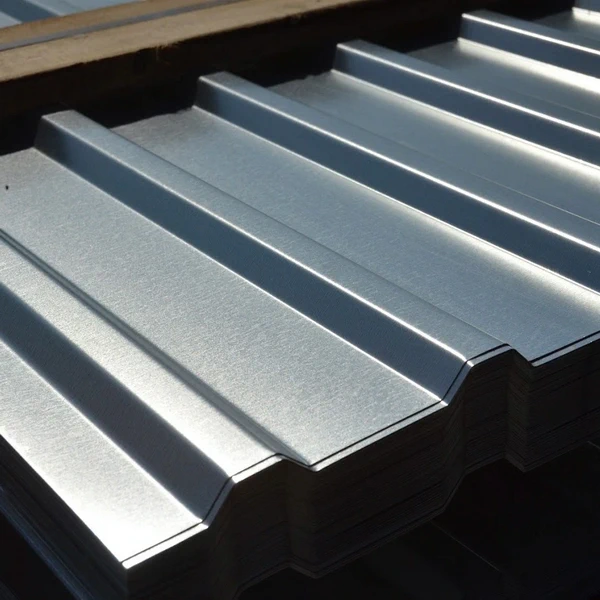
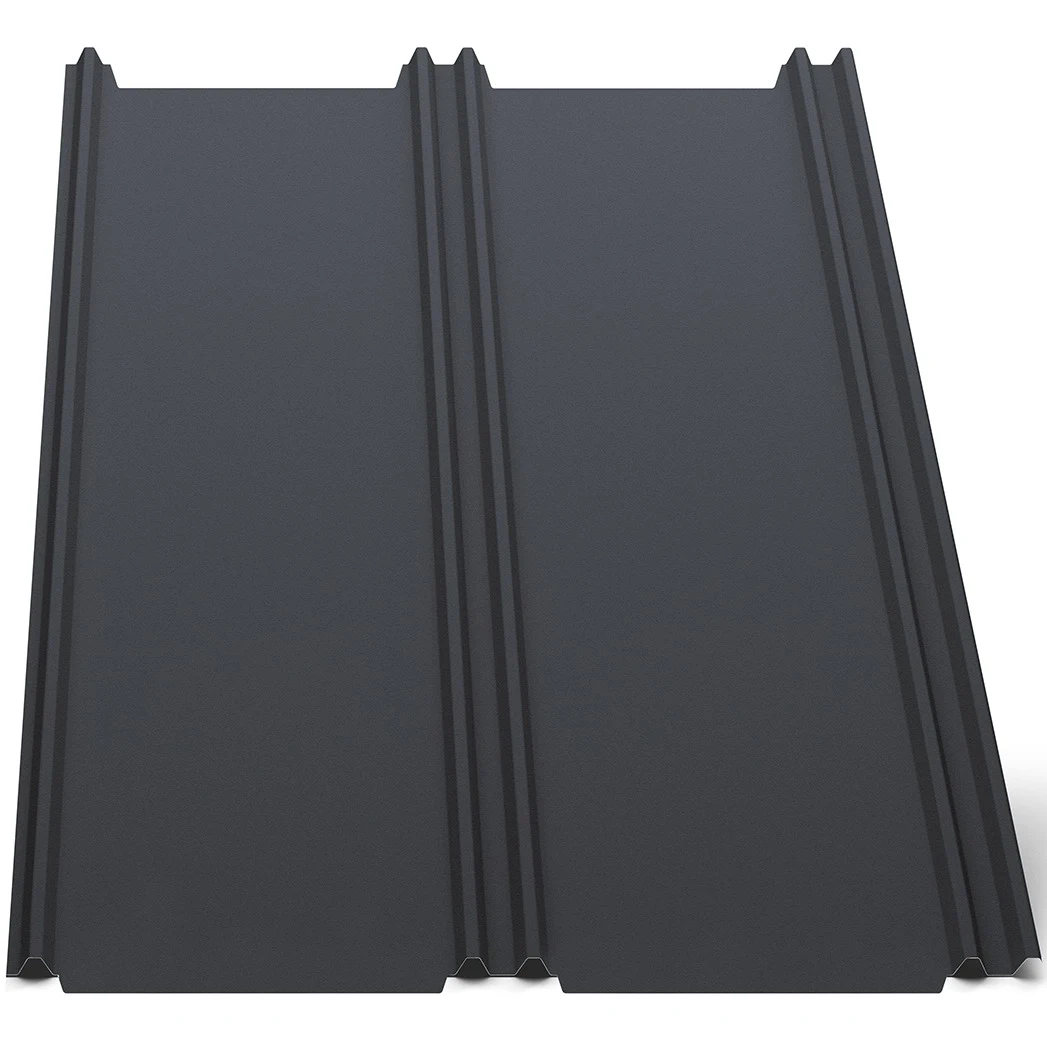
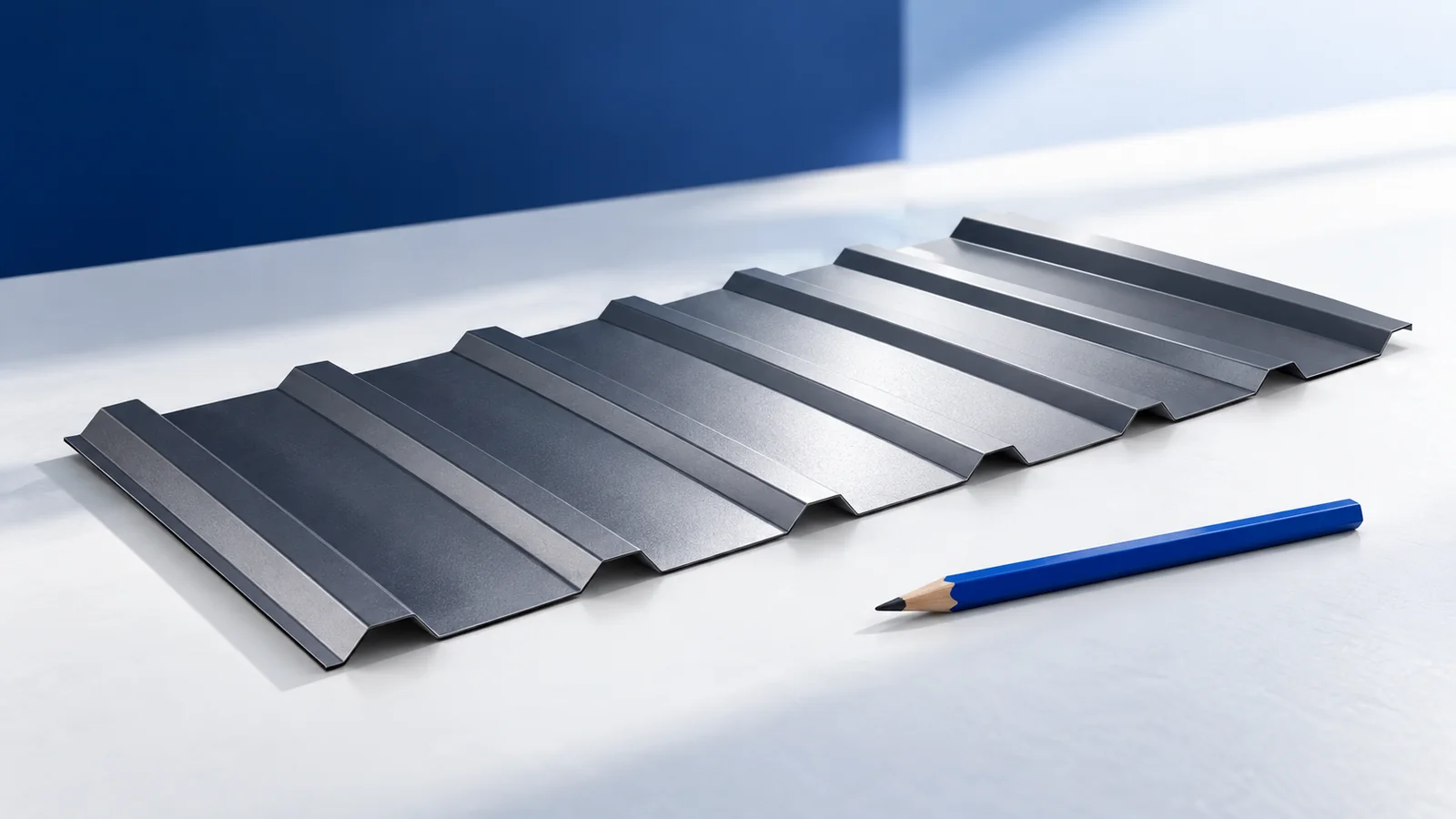
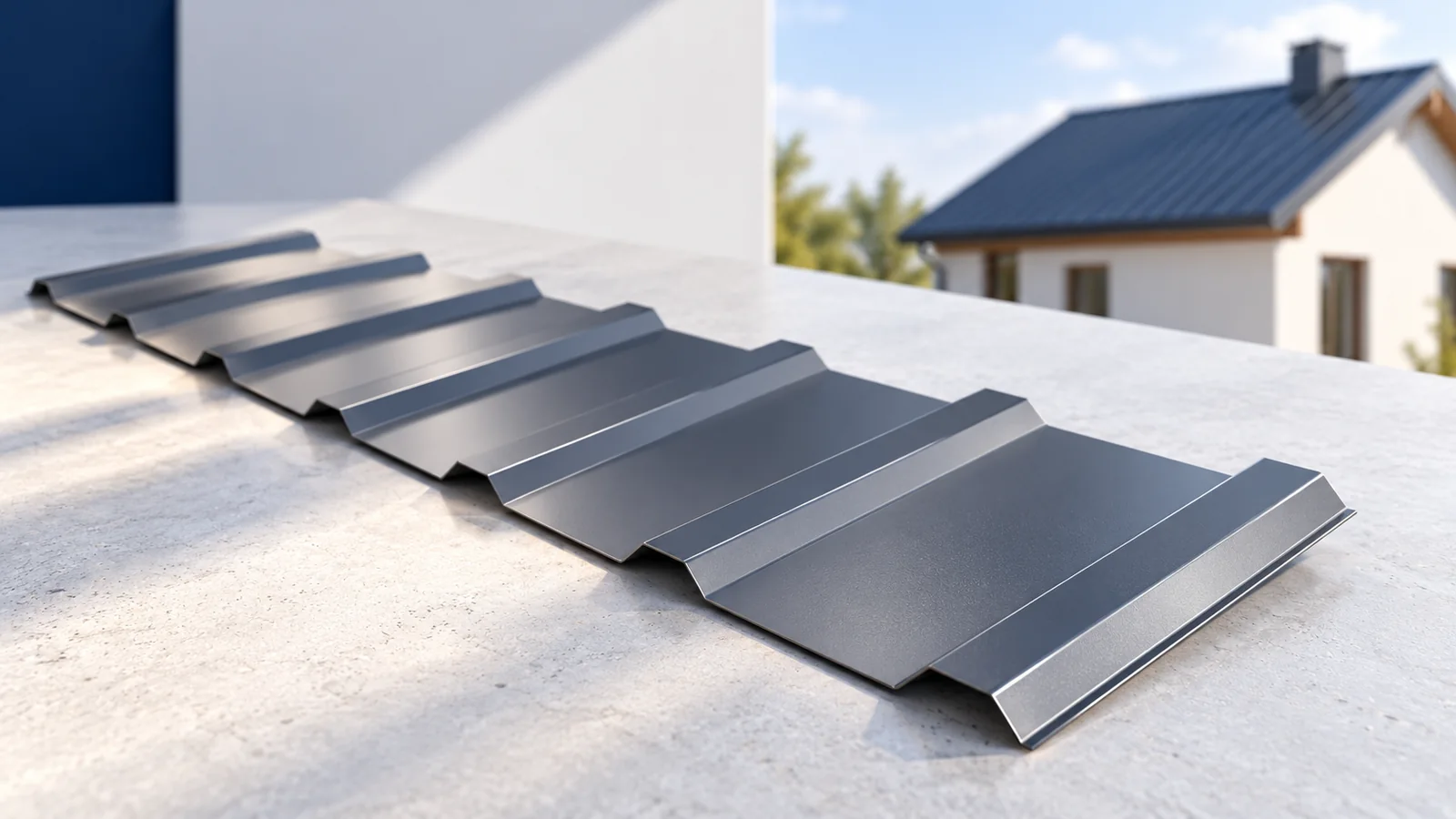
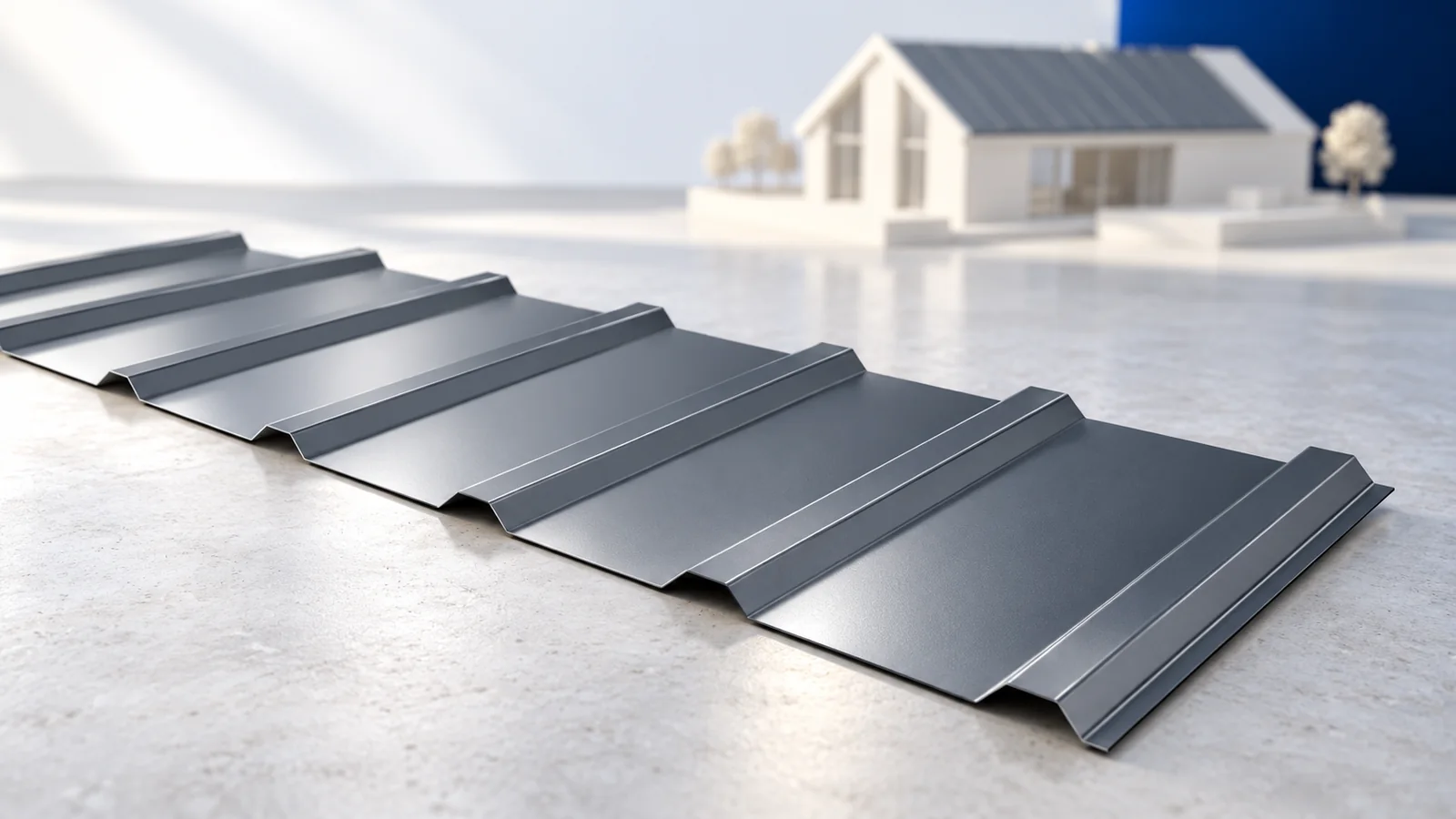
Start with the manufacturer’s cross-section drawing when identifying a trapezoidal sheet. In names such as T18 and T35, the number usually indicates the nominal rib height in millimetres. It does not specify the metal thickness or guarantee that two sheets will lap. To replace part of a roof, compare rib pitch, flange widths, lap edge and coated face as well as height. For a new order, establish the effective cover width, individual lengths and price unit. Use the load table for the exact section and thickness to confirm suitability for the proposed supports.
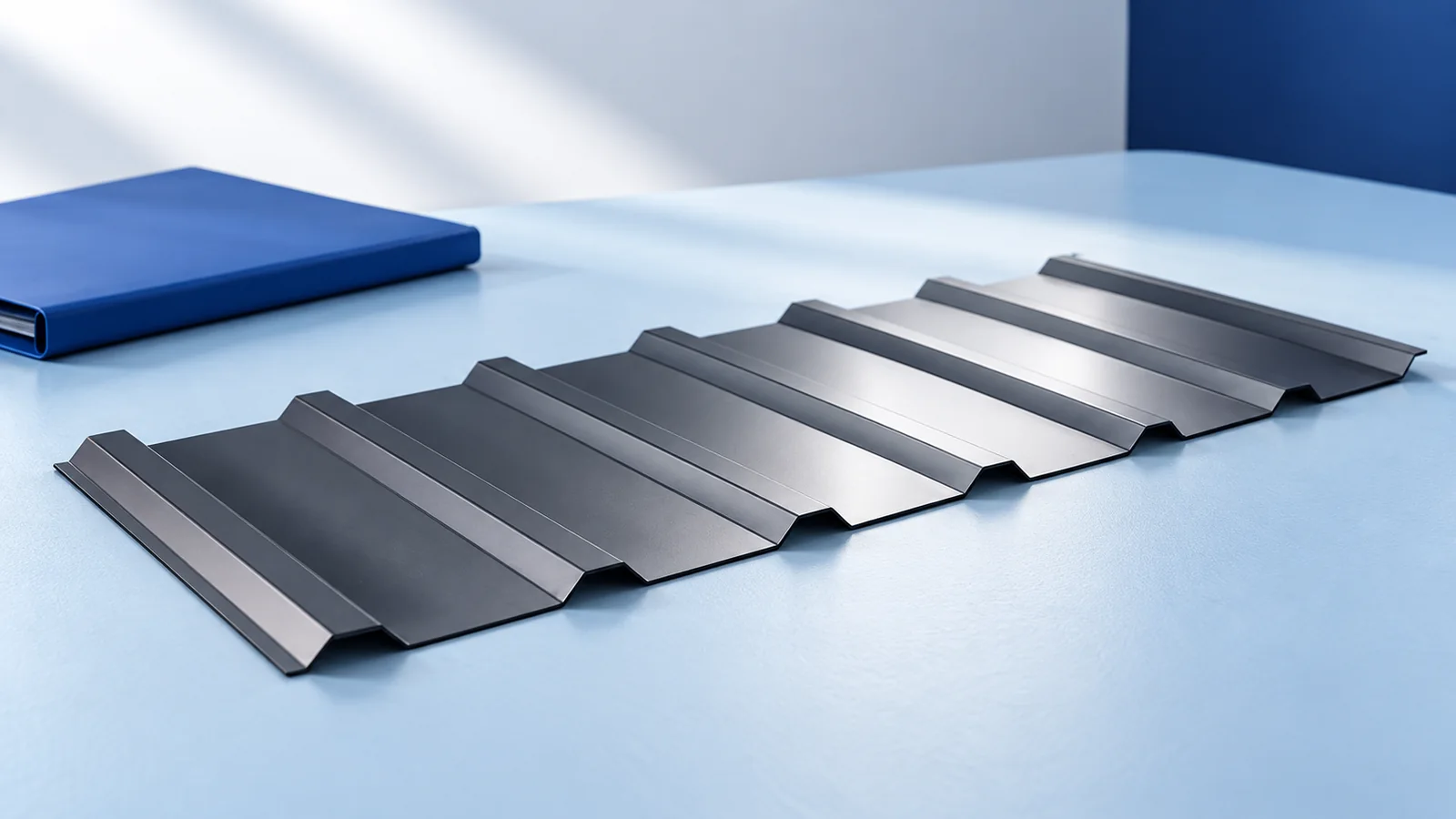
What do the letter T and the number usually mean?
The T is used for trapezoidal sheet profiles. The following number generally indicates profile height in millimetres. T18 suggests a shallower section than T35. Suppliers do not all follow one naming system, so use the code as an initial guide and confirm the actual geometry.
A 35 mm rib can be formed from 0.50 mm steel or another specified thickness. These dimensions describe different features. Confusing them makes comparisons of price and load capacity unreliable. State both the profile and the required material thickness in the enquiry.
Why might two T18 sheets fail to fit together?
Flange widths, rib spacing and lap edges can differ. Some T18 sheets have effective cover widths of 1,100 mm, others 1,128 mm. Overall widths differ as well. Sheets with matching rib height may not form a watertight lap, especially when extending an older roof.
If the model is unknown, take a sample or measure the cross-section precisely. A photograph from above may conceal small grooves or the shape of the overlapping edge. A near match may force the installer to distort the sheet and leave a poor joint.
What do the extra numbers mean?
Longer codes may include profile height, rib pitch and effective cover width. The order of these dimensions varies by supplier. Match each number to a dimension on the drawing instead of guessing from its position in a shortened sales listing.
A designation containing 18, 157 and 1100 may describe profile height, distance between repeating ribs and cover width. Sheet length usually appears separately on the order. Obtain written confirmation of unclear dimensions and units before payment.
How can you distinguish roofing from wall cladding?
Some suppliers use a suffix for the intended application. Check the description and the visible face on the drawing. A roofing lap can be shaped to drain water. Simply turning a wall sheet over may leave an unsuitable joint for roof use.
Distinguish cladding from structural decking. Deep load-bearing profiles have their own tables and applications and may support other roof layers. The apparent stiffness of a T35 sheet does not establish that it can serve as structural decking. Check the product documentation and design.
Which dimensions determine how much to order?
Effective width is the width covered after the side lap is formed. Overall width includes steel hidden in the lap. A sheet with 1.10 m cover width and 3 m length covers 3.30 m² before any end lap is deducted. Use that cover area as the starting point for quantities.
Convert prices per square metre of total sheet area to the same basis as competing quotations. For prices per linear metre, you also need effective width. Ask for a sheet schedule showing lengths, quantities and total effective cover so the comparison is reproducible.
How should you read thickness, steel grade and coating data?
Check exactly what the stated thickness measures. Steel grade describes the substrate, while the coating designation identifies its protection. Matt and gloss describe appearance. Neither finish establishes load capacity, and colour alone gives no corrosion rating. Read these properties separately.
For larger spans, use the table for the exact thickness and variant. Permissible loads depend on support arrangement, load direction and deflection limits. A short quotation marked T18/0.5 identifies only part of the specification needed for this check.
Which details belong in the order?
Specify the full profile designation, intended use, steel thickness, coating, colour and visible face. Add lengths and quantities, confirm cover width and price unit, and list anti-condensation fleece separately if required.
Keep the technical data sheet and cross-section drawing with the delivery specification. They provide a better basis for a later order than a description such as graphite-coloured trapezoidal sheet. Read the code together with these records to identify the actual product and its fit.

Free quote
What to include in your enquiry
Tell us how you plan to use the material, the dimensions and the quantity you need. Include the thickness, grade or variant name, along with the delivery town or your preferred collection branch. For a specific product, add its name or a link to the product page. We will reply to the email address you provide to discuss availability and the terms of your order.
Read next
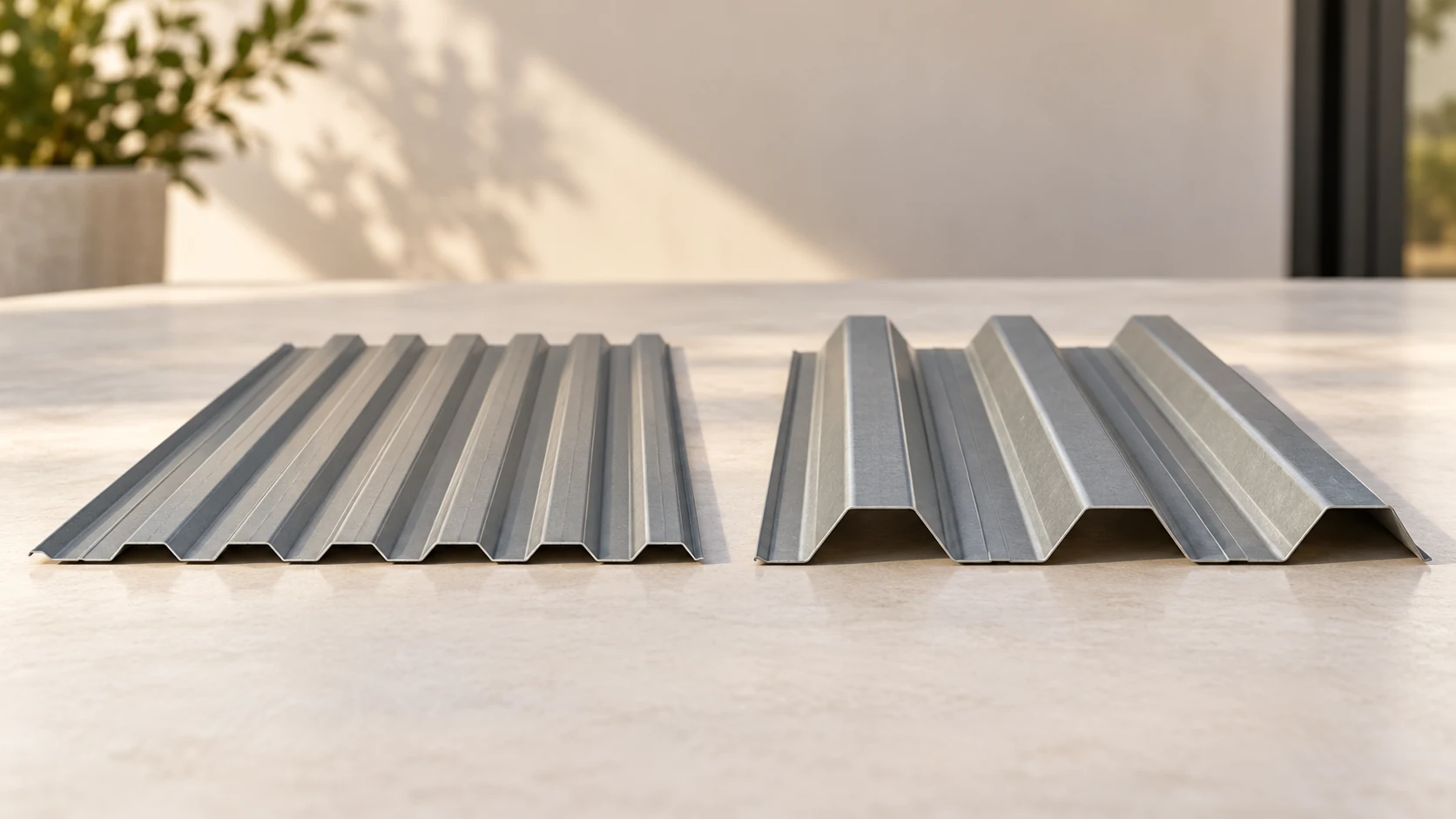
Changing the depth of a trapezoidal steel sheet changes its stiffness and can also change its effective cover width. Compare T18 and…
For an open shelter or carport, select the roof sheet together with the supports and anchors. Wind can reach the underside, and…
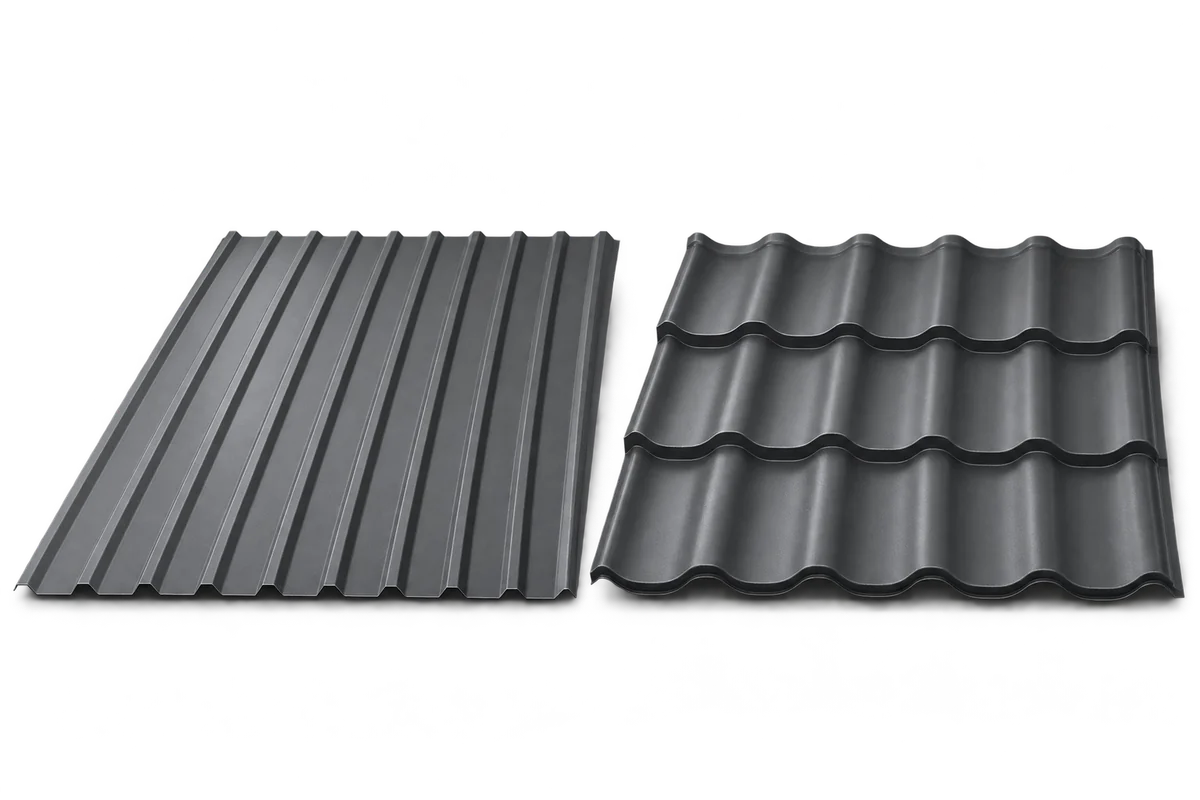
Metal roof tiles suit traditional houses, while trapezoidal sheets create a simpler roofline. Check the roof pitch, support spacing, protective coating and…
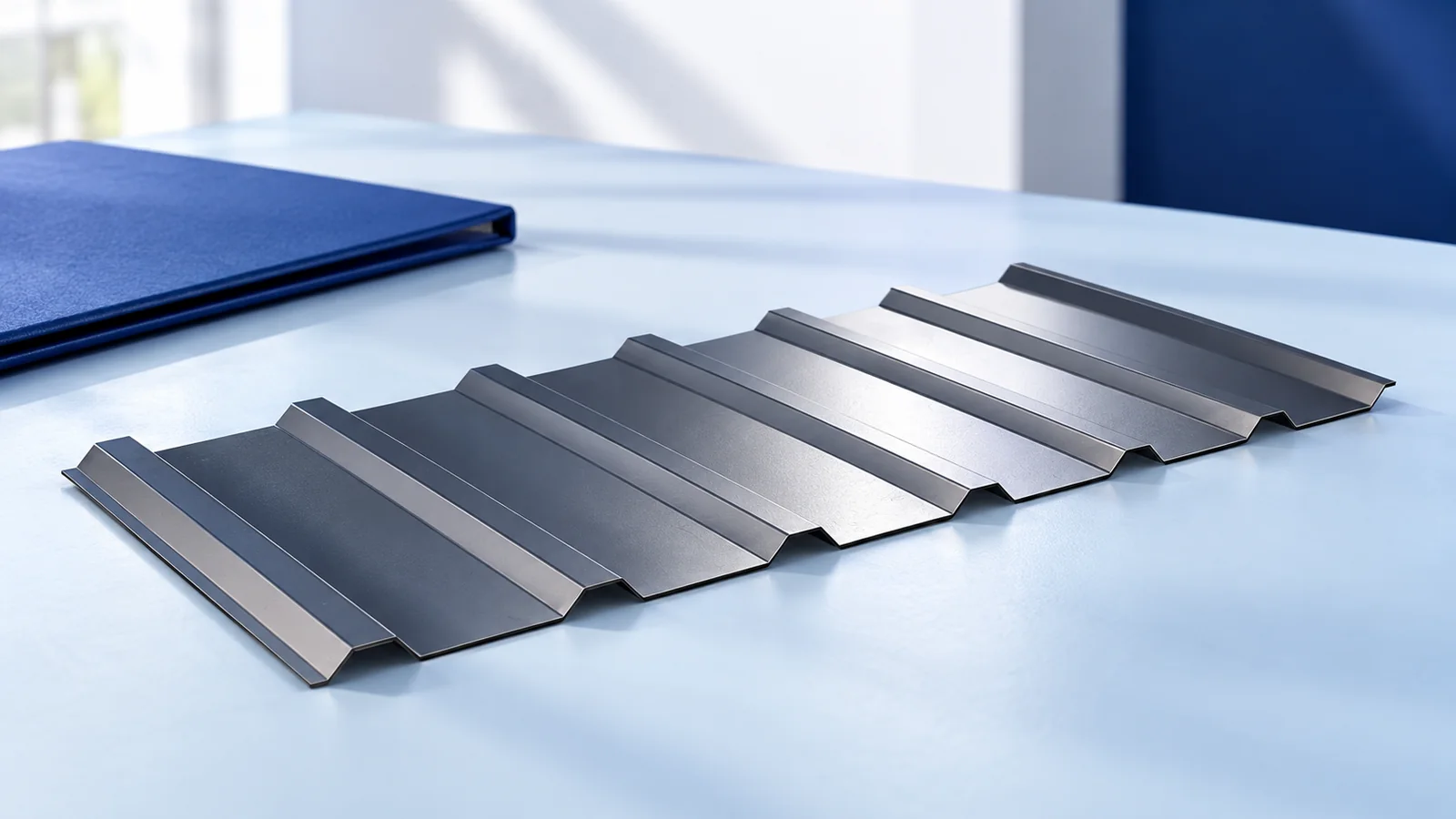
A T18 or T35 profile designation describes the shape of a sheet. To judge how long it may last, look at the…
Trapezoidal steel sheets can suit a traditional house, especially where a simple roof lets the parallel ribs follow the lines of the…
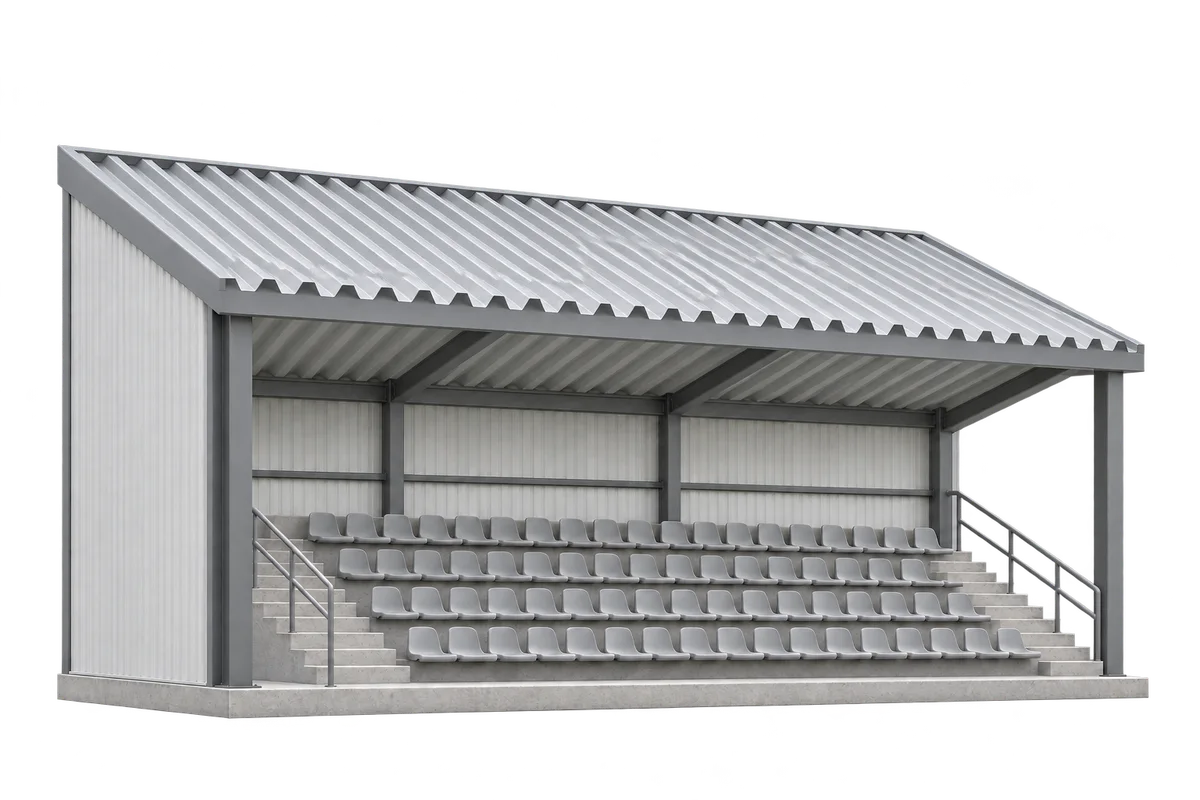
After a grandstand canopy is handed over, the operator needs records that identify the installed sheets, explain the details and support maintenance.…
A good installation plan for T18 or T35 starts at the eaves, before the first sheet goes up. Check the diagonals of…
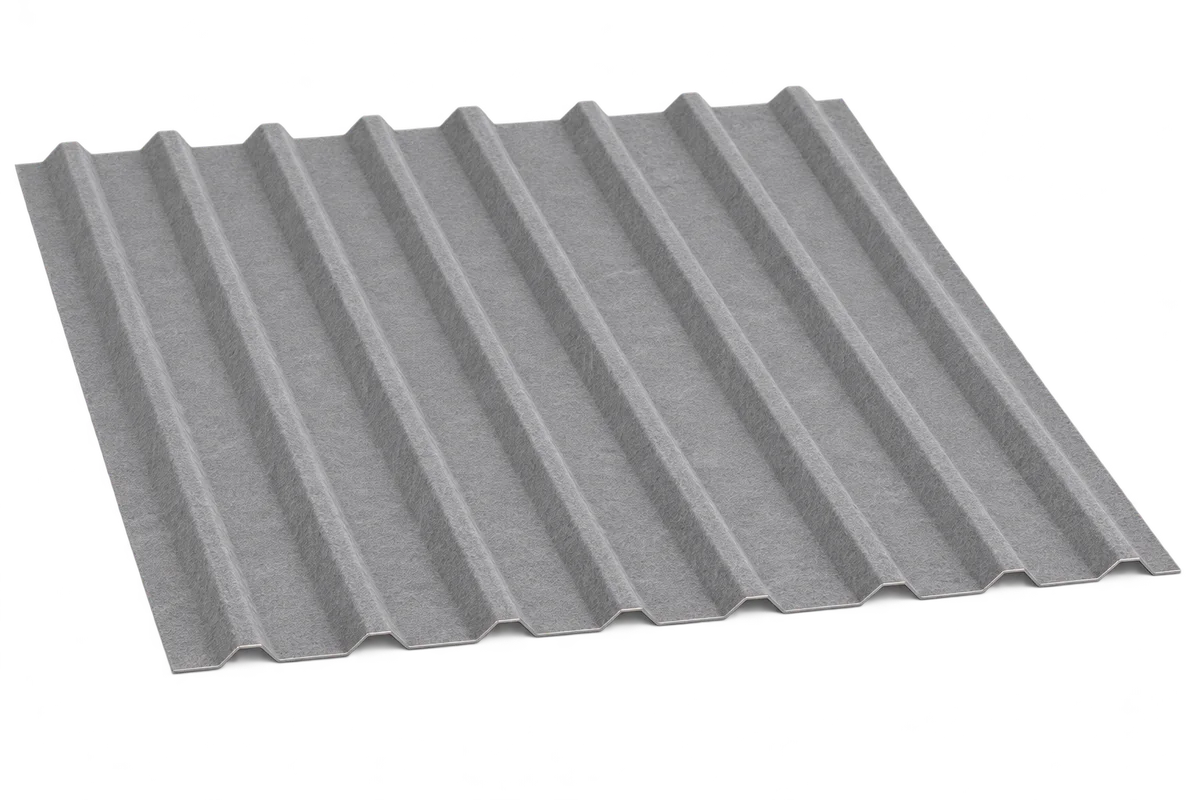
A factory-applied fleece on the underside of trapezoidal steel sheeting can temporarily hold condensation and may affect how the roof sounds. For…
