






How to install a downpipe gully and keep it accessible for cleaning
Roof coverings
Place the downpipe gully where the downpipe meets the drainage line, and set its cover to the finished ground level. Check more than the pipe diameters: the outlet needs the correct fall, the body needs stable bedding, and the cover and basket must lift out after the paving is laid. Select a unit rated for the loads at that location. A gully intercepts leaves and makes cleaning easier; it cannot clear a blocked drain or increase its capacity. Plan where the water will go next, including the overflow if it feeds a storage tank.
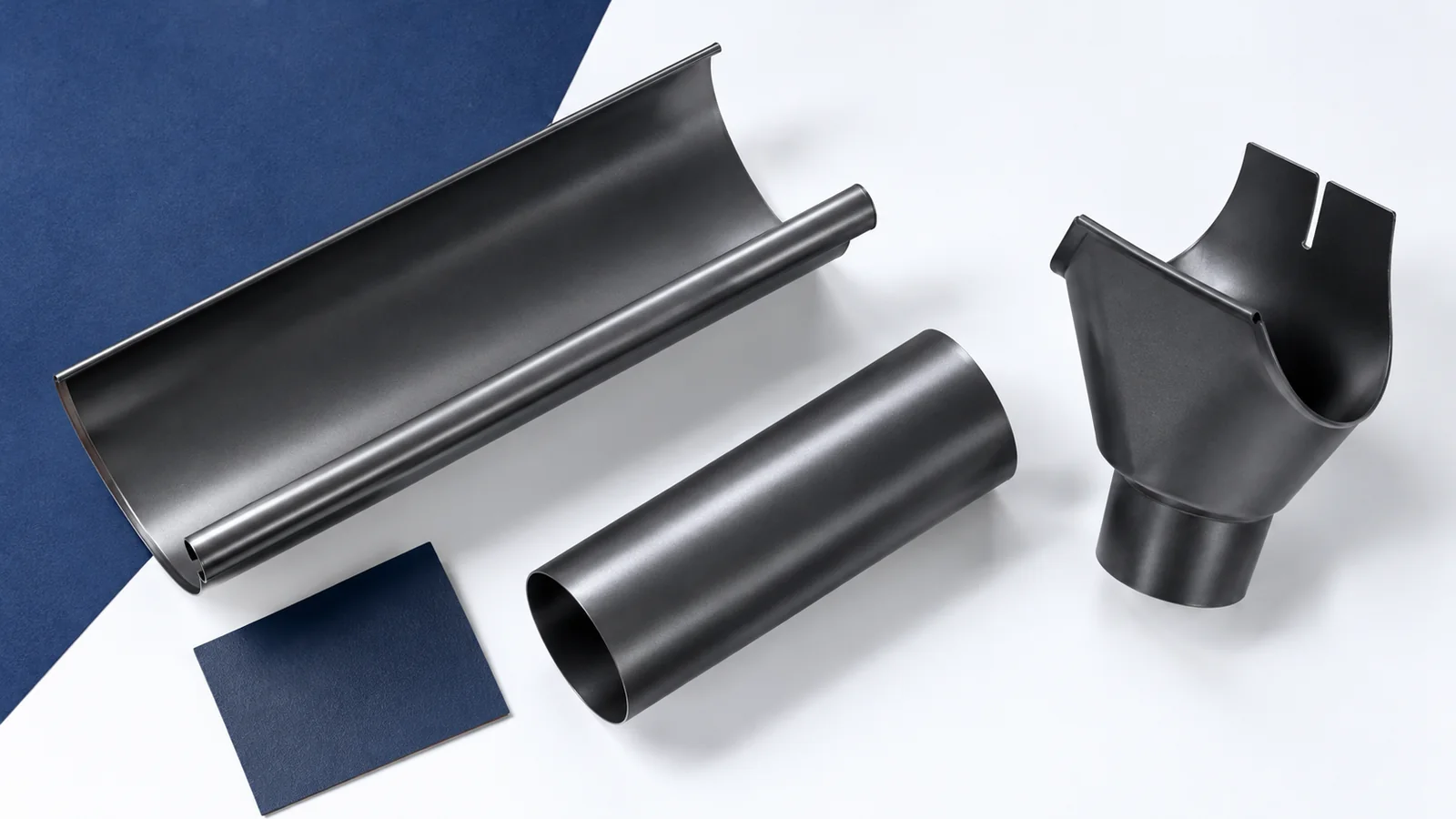
What does a downpipe gully do?
The gully receives roof runoff from the downpipe. Depending on the design, a removable basket or collection chamber catches some of the larger debris. Leaves can then be lifted out before they enter the buried pipe. Inspect and empty the unit regularly for this to work.
A downpipe gully is not interchangeable with any inspection chamber, nor does every model prevent backflow. Check which functions the selected product actually provides. A basket at the downpipe cannot remedy an obstruction or an undersized pipe farther along.
Where should you position it?
Align the gully with both the downpipe and the planned underground pipe. Mark the final surface level, allowing for the path, gravel strip or paving still to be built. Choose a spot where the cover will remain exposed and accessible after landscaping.
Check the expected loads. Paving around a light-duty unit does not make it suitable for vehicle traffic. Where vehicles may pass, select a product designed for that loading. Detail the surrounding surface to avoid settlement or pressure on the body.
Allow space to open the cover and remove the contents. Keep permanent planters, steps and fence posts clear of it. Cleaning should not require lifting paving stones; even a correctly selected gully loses its purpose if access is so awkward that it is never emptied.
How should you choose diameters and the outlet route?
Match the inlet to the downpipe or the specified adaptor. Connect the outlet to a pipe of the required bore and fall. Do not introduce an arbitrary reducer merely to join parts at hand. Flow depends on the entire route, including the downstream pipe and receiving system.
Establish where runoff may discharge under the site drainage design. Installing a gully does not by itself authorise connection to a sewer. For storage or infiltration, check the receiving arrangement and the route for excess water. Keep it accessible after the garden is finished.
How do you prepare the base and make the connections?
Provide stable bedding as specified by the manufacturer. Uneven settlement can open joints or alter the pipe fall. Choose the surround material and compaction method for the body and the soil conditions. Excessive pressure can deform a lightweight casing.
Use the specified seals or couplings. Expanding foam is not a pipe connector. Support the downpipe independently on the building; the gully should not carry the weight and movement of the whole pipe. Allow for thermal movement as required by the system.
What should be checked before backfilling?
Check alignment, outlet fall and lid clearance. Where a basket is fitted, put it in and take it out to reveal any clash with the wall, pipe or planned paving. Inspect the exposed connections before backfilling and photograph the pipe route for later reference.
A controlled water test can reveal obvious pooling or leaks, but does not establish performance in heavy rain. Check the installation against the design and product requirements. After laying the surface, check the lid level and access again.
How do you maintain the gully?
Remove leaves and silt as the surroundings require, particularly after autumn leaf fall near trees. Lift out the contents instead of pushing them into the drain. After cleaning, inspect the seals and seat the cover correctly.
If water fails to drain despite a clean basket, inspect the outlet and downstream line. Recurrent overflow can result from blockage, settlement or inadequate capacity. Photos and a drainage plan help locate the cause. Like the roof gutters, the gully needs access and routine inspection to remain useful.

Free quote
What to include in your enquiry
Tell us how you plan to use the material, the dimensions and the quantity you need. Include the thickness, grade or variant name, along with the delivery town or your preferred collection branch. For a specific product, add its name or a link to the product page. We will reply to the email address you provide to discuss availability and the terms of your order.

Read next
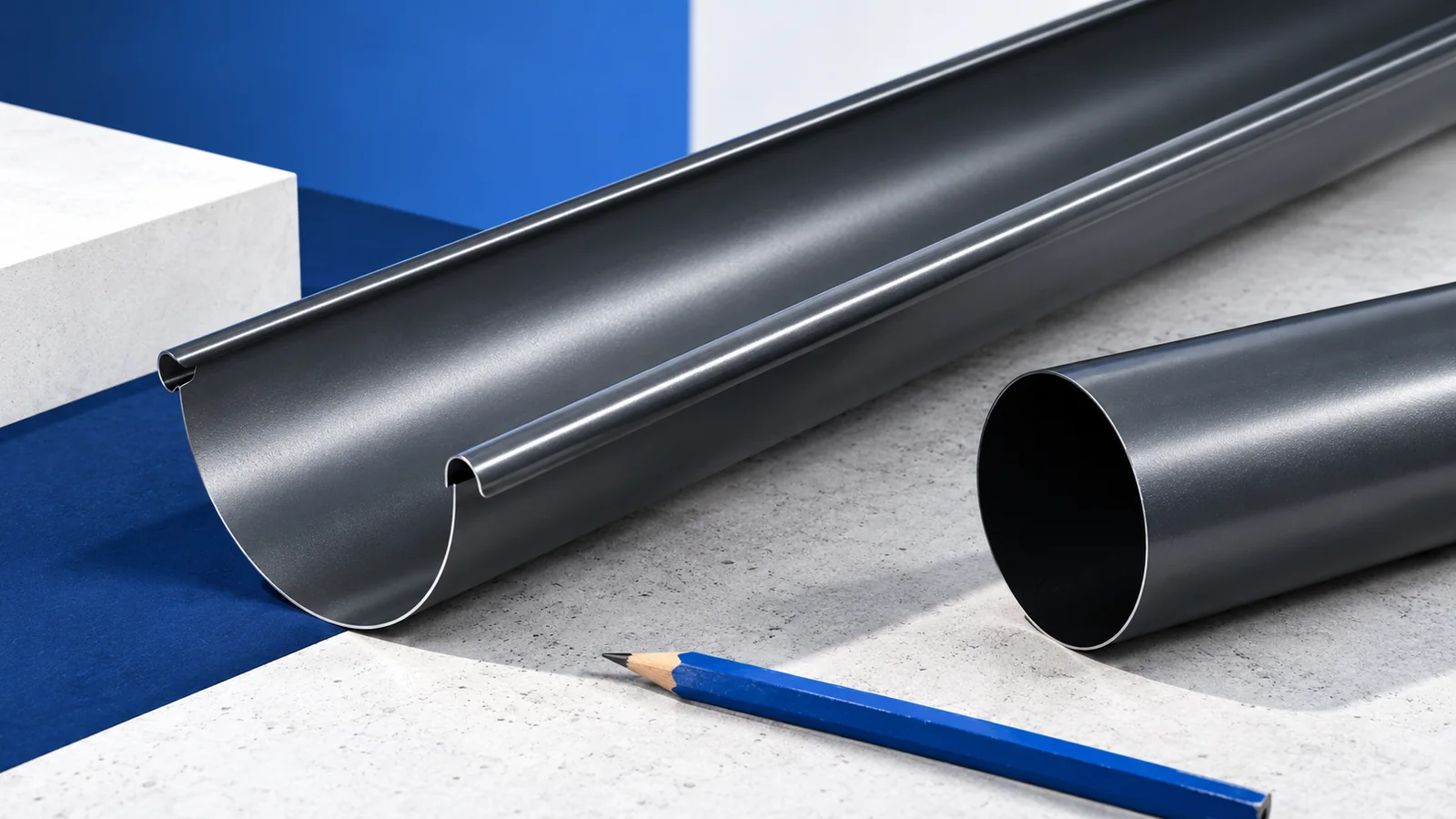
Mark the area draining to each outlet on the roof plan before choosing the gutter shape. Use the supplier’s sizing tables to…
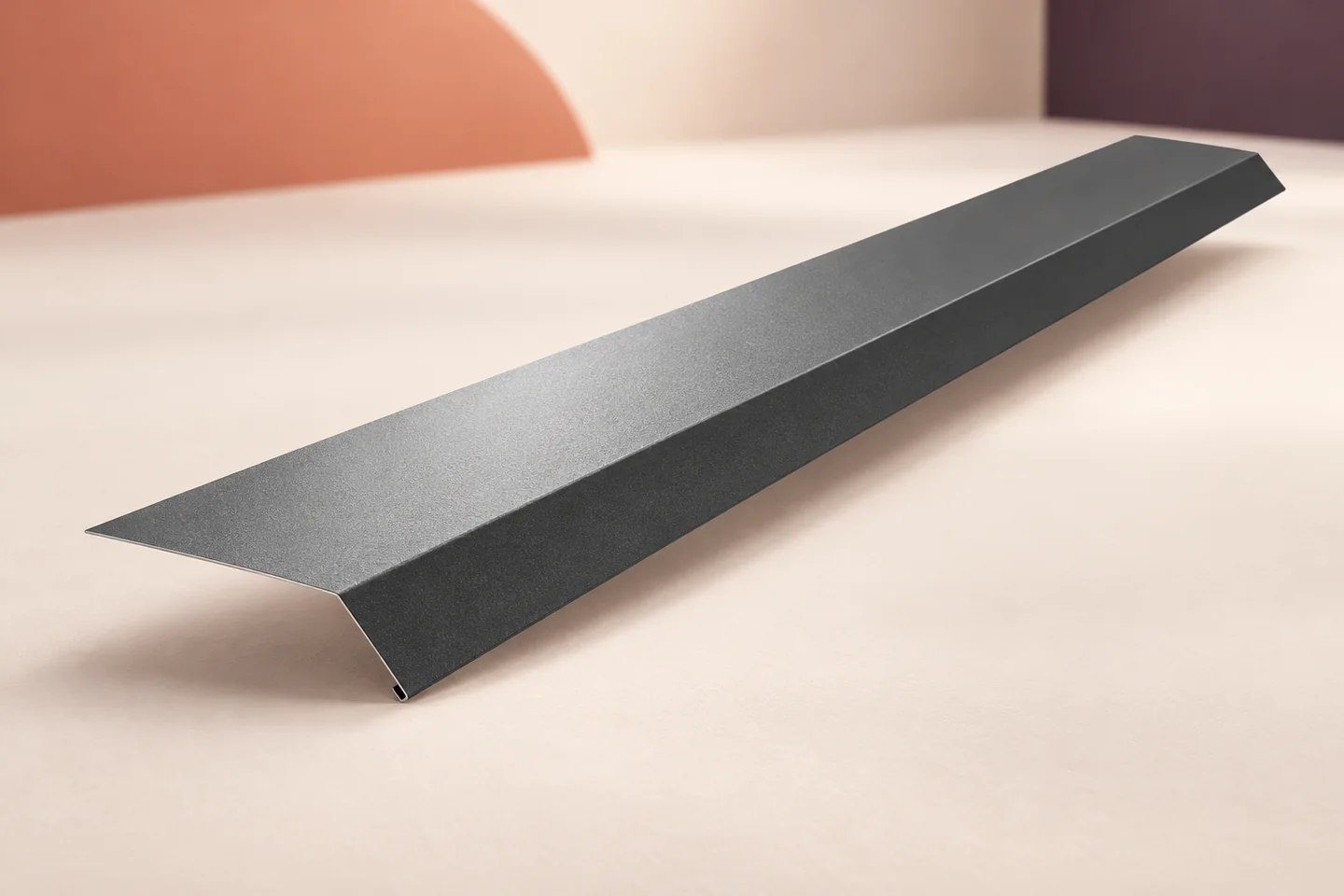
At the eaves, rainwater must pass from the profiled outer facing of the roof panel into the gutter without running behind the…
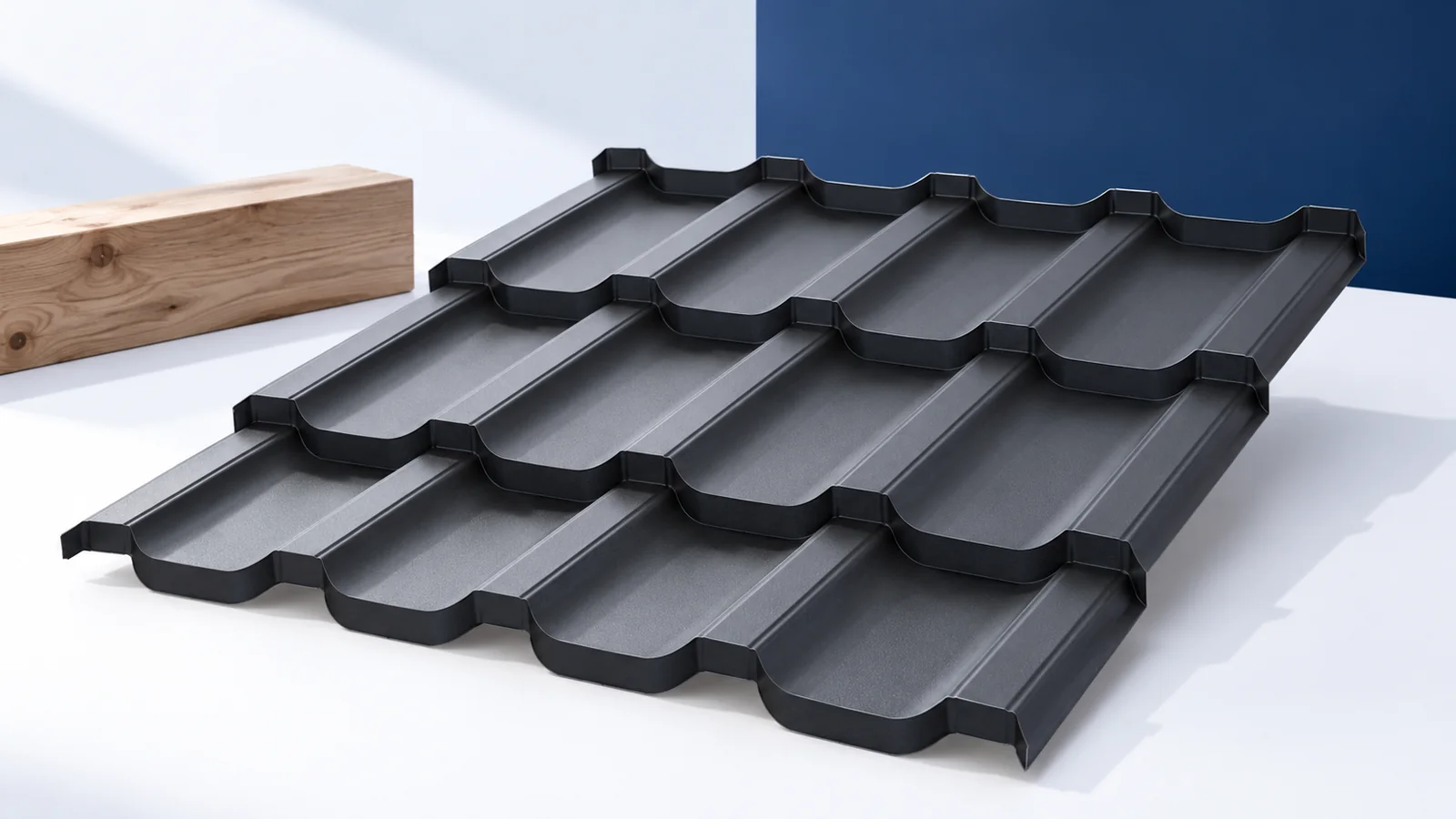
Take a sample of the profiled roof sheet outside and view it at the planned pitch beside the façade finish, window frame…
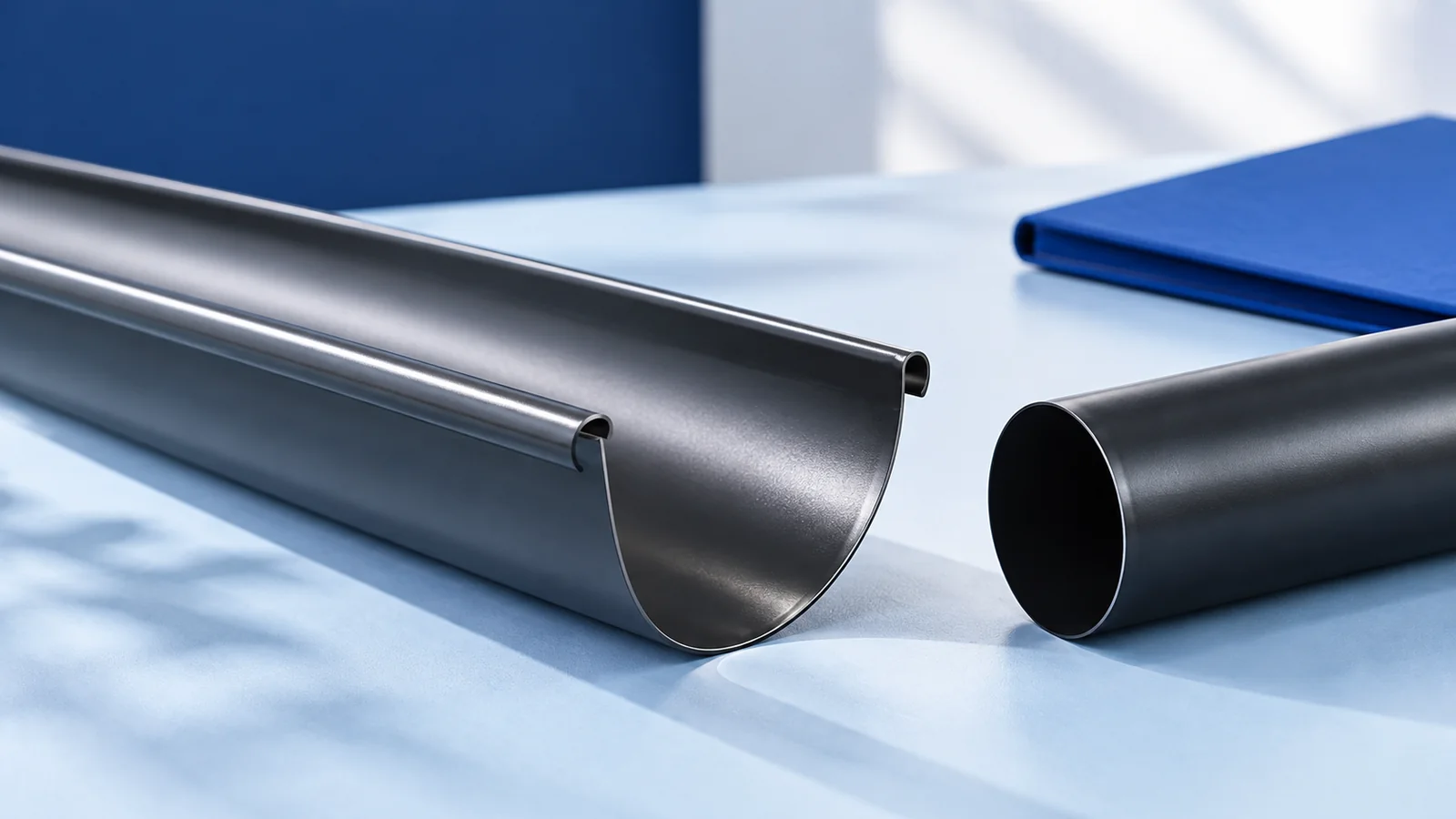
A concealed gutter keeps the drainage out of sight along the eaves. Before choosing one, look at the cross-section: where will rainwater…
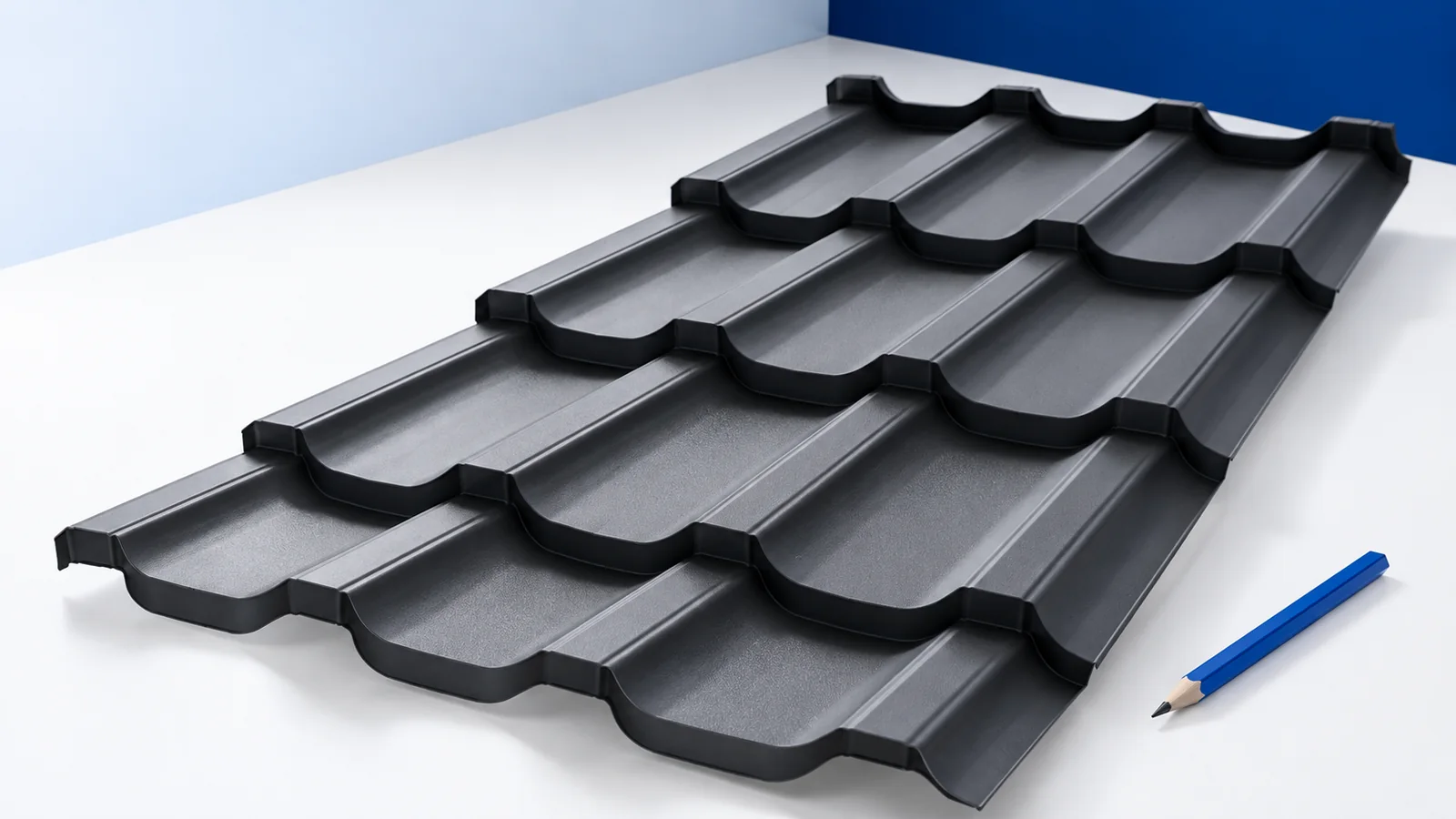
On a roof without an eaves overhang, the lower edge of the slope sits close to the face of the wall. This…
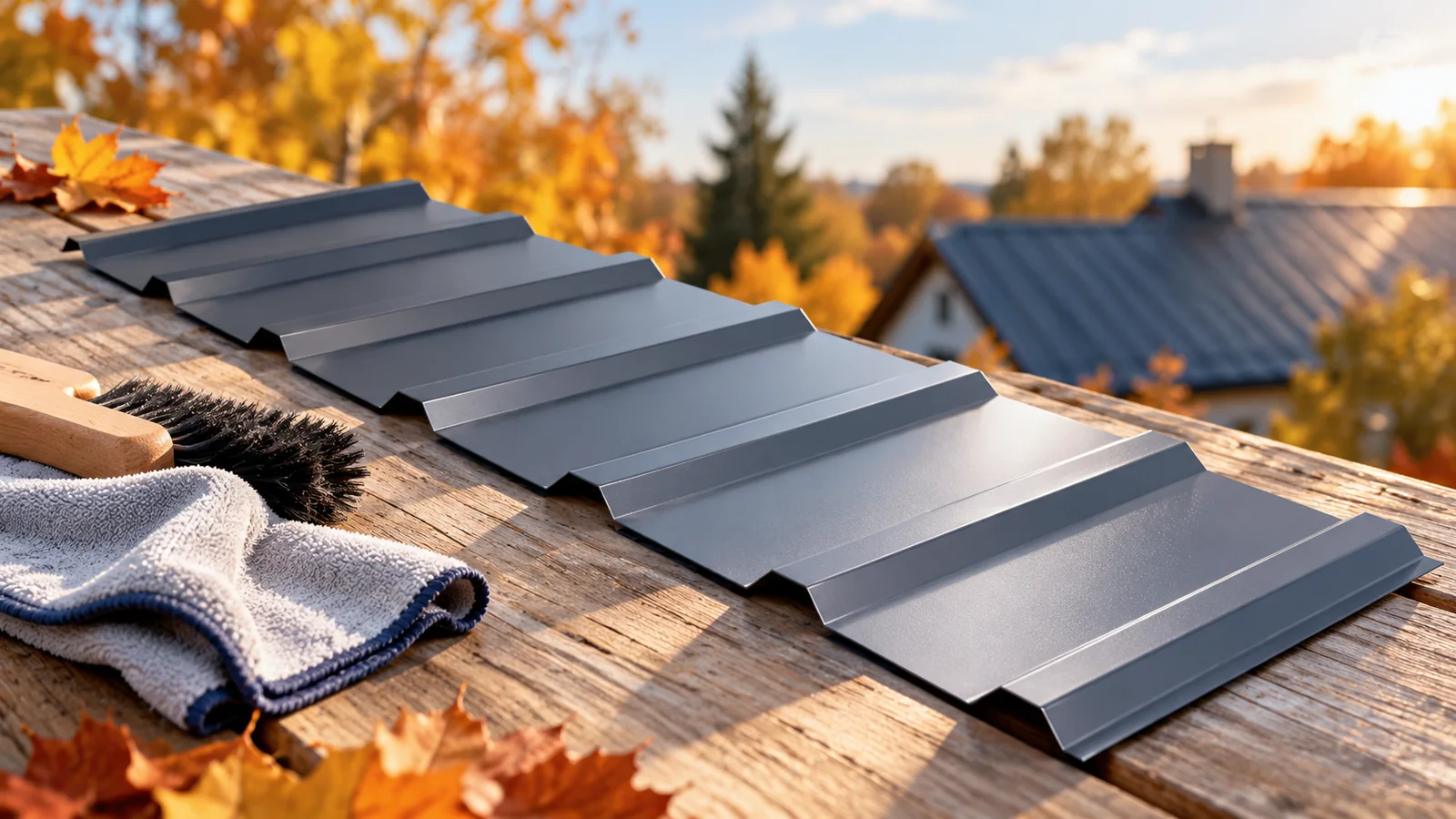
Start the autumn roof inspection from the ground and the loft. Look for overflow marks beneath gutters, displaced flashings and damp patches…
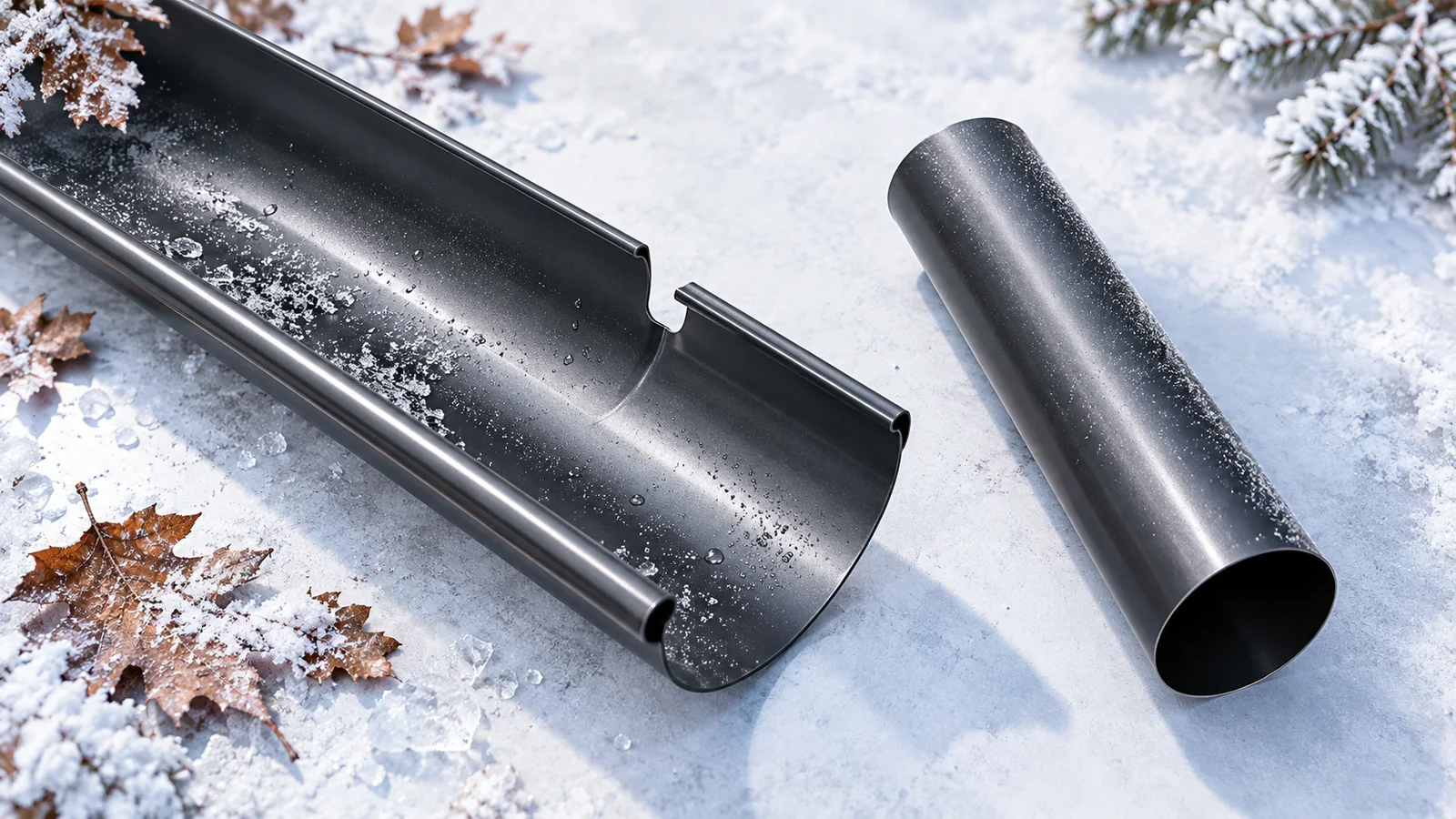
A gutter vacuum can remove loose leaves from the eaves. To check that the drainage is ready for winter, follow the water…
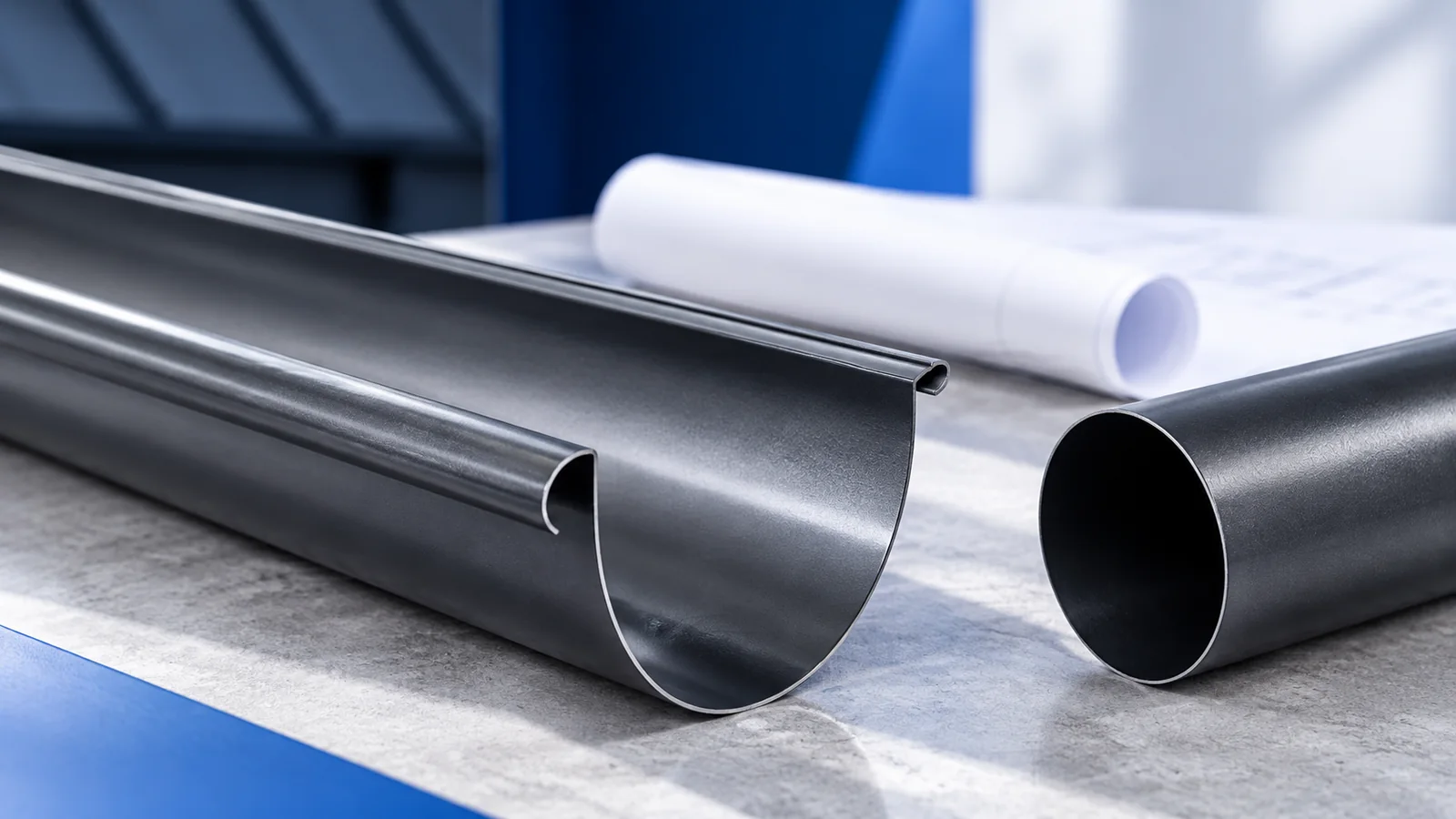
Square gutters emphasise the straight edge of a metal roof. Their outline tells you little about how much rainwater they can carry.…
