






Horizontal metal fence slats around outbuildings: when do they work well?
Metal pickets and fencing
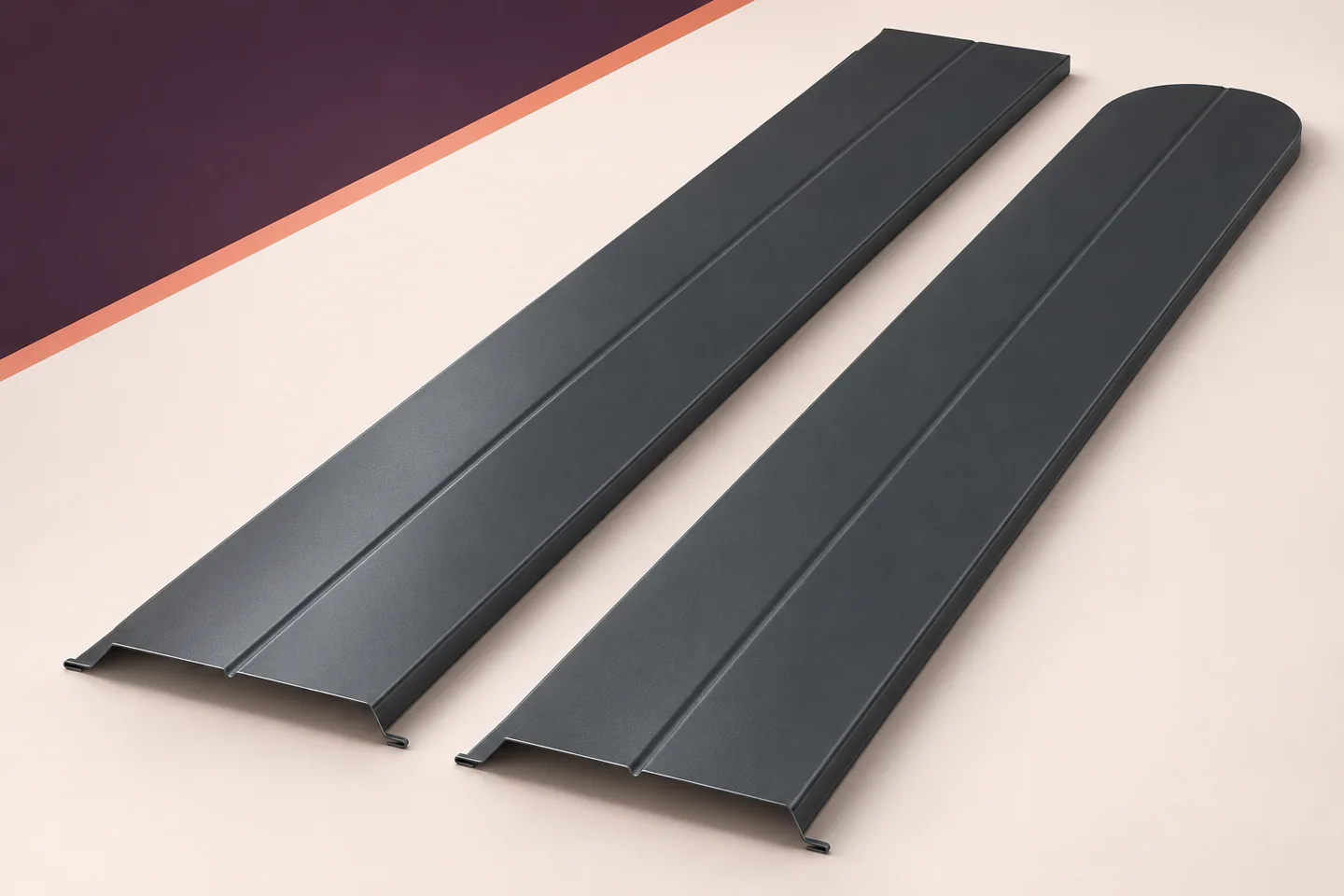
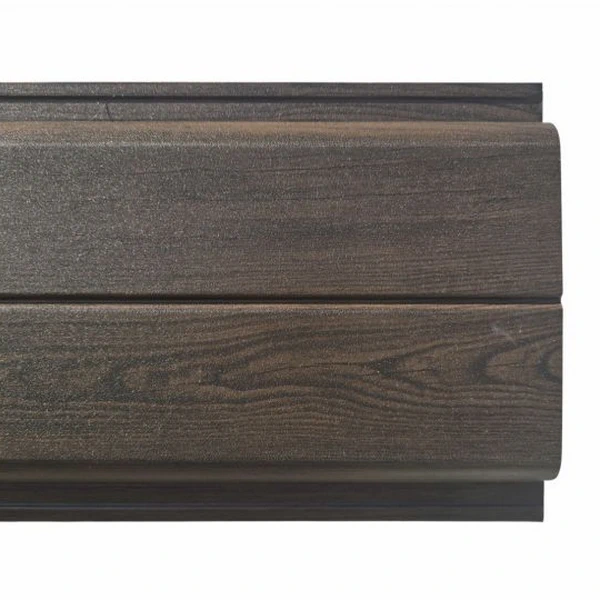
Horizontal fence slats can give the area around a warehouse, workshop or farm building a consistent appearance. Before choosing a profile, check whether its documentation allows horizontal installation and shows how to support it. Some profiles are intended for vertical use. A square end may suit the design visually, but it tells you little about how far the slat can span. Its cross-section, fixings and supports determine how it carries loads. Also consider how the yard is used, which substances the coating will be exposed to, and whether you can reach both faces for cleaning once the fence is in place.
In this article
Check that the profile suits horizontal installation
Sheet-metal slats vary in width, profile depth and material thickness. Check those details before adopting the fixing arrangement from another model. If the supplier’s system does not cover your proposed layout, have the profile and fixings assessed for it before ordering cut lengths.
Locate the supports for long slats
A horizontal slat may extend across most of a bay. Even when it can be supplied in one length, it may need intermediate supports. The profile and the loads determine how closely it must be supported. Mark each fixing point on the drawing.
On a wide bay, an extra support may be visible from inside the yard. Include it in the design so its position and appearance are deliberate. Align the supporting structure first. Pulling a thin metal slat hard against an uneven frame can distort its shape.
Detail the ends at the posts
The line of slat ends is particularly noticeable on a horizontal fence. Set out lengths and end clearances and check how each edge will be finished. Where the system includes an end trim, make sure it fits the actual profile. Follow the system instructions for seating and securing the trim.
Finish exposed ends as instructed. Keep site cuts to a minimum and use the specified tool. Covering an uneven edge will not correct a slat that was cut to the wrong dimensions. An accurate cutting list saves time on site.
At corner posts, draw the connections for both fence runs. Slats approaching from different directions may need different lengths and enough room for their respective fixings. A detail that works on a straight run may need adjusting. Check the corner from the yard side as well. Settling this detail early avoids having to trim pieces to fit after most of the fence is up.
Choose the spacing for the service yard
A fence can screen equipment or materials without closing off the entire run. Check where people will look into the yard and which parts actually need screening. Closer spacing also affects the wind load on the fence.
Metal fencing used as a screen does not automatically meet the requirements for an equipment enclosure. Respect the equipment’s airflow and access requirements. Gaps between slats alone do not establish that ventilation is sufficient.

Assess exposure, especially on farms
Conditions around a storage building can differ considerably from those near livestock housing. Fumes, fertilisers, moisture and chemicals may all affect the choice of coating. Resistance to rain alone is too narrow a criterion.
For demanding locations, describe the exposure to the supplier and obtain confirmation that the proposed finish is suitable. Coated sheet-metal slats differ in their intended uses. Keep the material documents and care instructions so you can check the conditions for which the coating was specified.
Allow access for cleaning
Turn a profile sample to its intended orientation and look for folds where dirt could collect. Check access to both faces and the lower slats. Keep the gaps available for cleaning and avoid filling them with an unspecified sealant.
Base the cleaning plan on the deposits you expect. A cleaner used inside a farm building may be unsuitable for a decorative fence coating. Follow the instructions for the finish. Water may suffice, or the supplier may permit additional cleaning methods.
Keep traffic and stored materials clear
Give stored items a designated space and plan a route for machinery. Goods leaning against the fence can press on the thin sections and damage a slat or its fixings. Keep the fence free of these loads.
Where a vehicle might strike the fence, assess separately what protection is needed. The appearance of a metal slat gives no assurance of impact resistance. Take account of how vehicles actually move around the service area.
Make individual slats easy to replace
Keep the bay drawing, slat lengths and fixing specification. If one slat is damaged, these records will help you order a replacement. Horizontal sheet-metal fencing works well around outbuildings when the profile, supports and coating suit the site and the complete bay can be installed, cleaned and repaired as intended.

Free quote
What to include in your enquiry
Tell us how you plan to use the material, the dimensions and the quantity you need. Include the thickness, grade or variant name, along with the delivery town or your preferred collection branch. For a specific product, add its name or a link to the product page. We will reply to the email address you provide to discuss availability and the terms of your order.
Read next
Give every supplier the same roof drawing and ask what it costs to deliver a finished, weathertight roof. A price per square…
Two cold rooms at the same temperature may need different enclosures. Door openings, humidity and incoming goods all affect the choice of…
Price the roof you need, not just the sheet you can buy most cheaply. An open terrace may need little more than…

When insulating a wall between a heated room and a cooler stairwell, the side chosen for Eurothane G matters. On the room…
The cheapest sheet may not give you the lowest roof cost. Waste, supports, flashings and installation all affect the total. Define what…
An office and an adjoining plant room can have the same finished floor level even though the floor beneath a heavy cabinet…
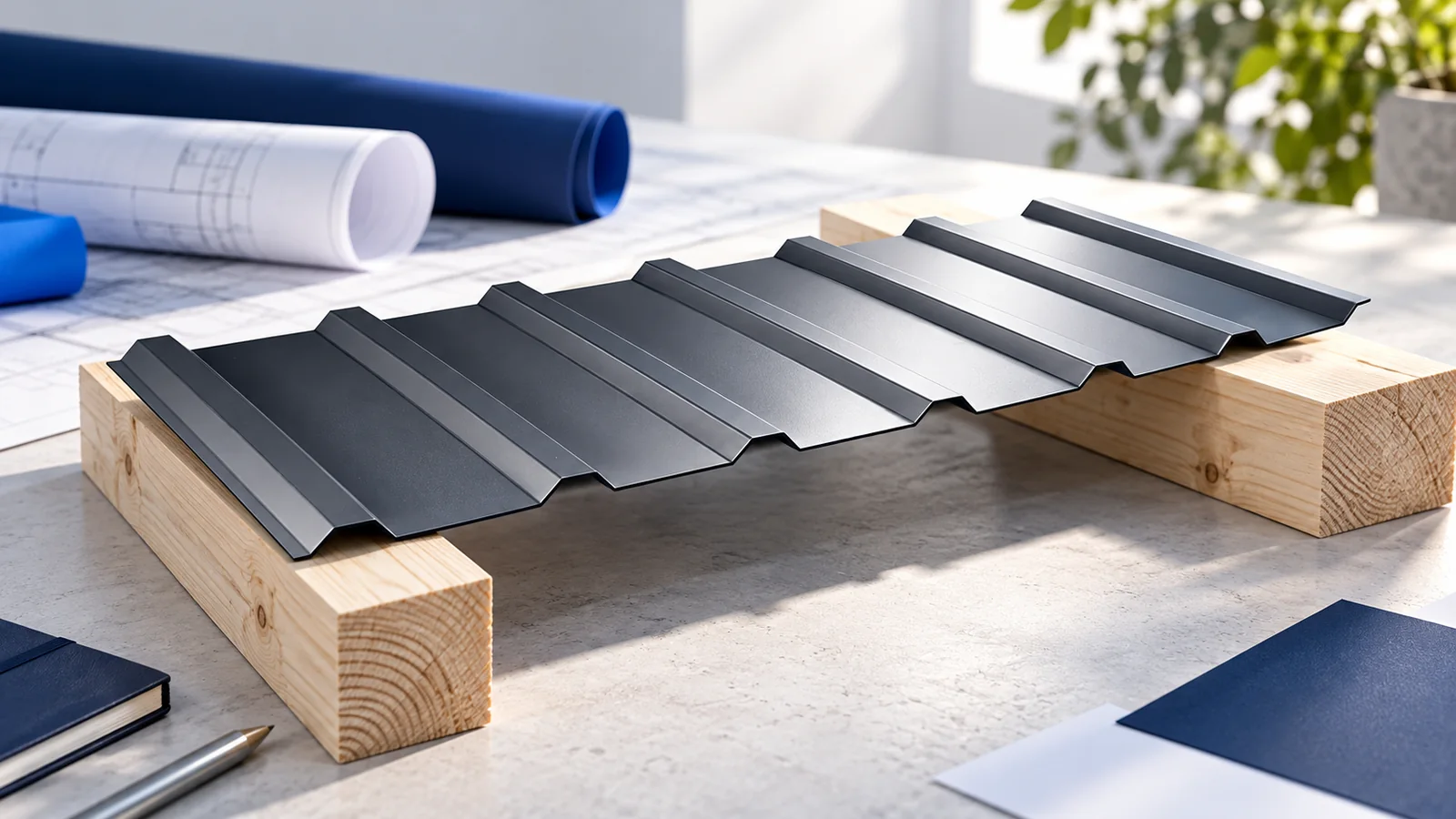
Choose a timber connector by following the load from one member to the next. A joist hanger supports a beam end, an…
Not every saving comes from negotiating a lower square-metre price. Extra costs often arise after the order: a door opening changes, a…
