






Does a higher-capacity solar roof always deliver more value for a business?
Roofing and energy
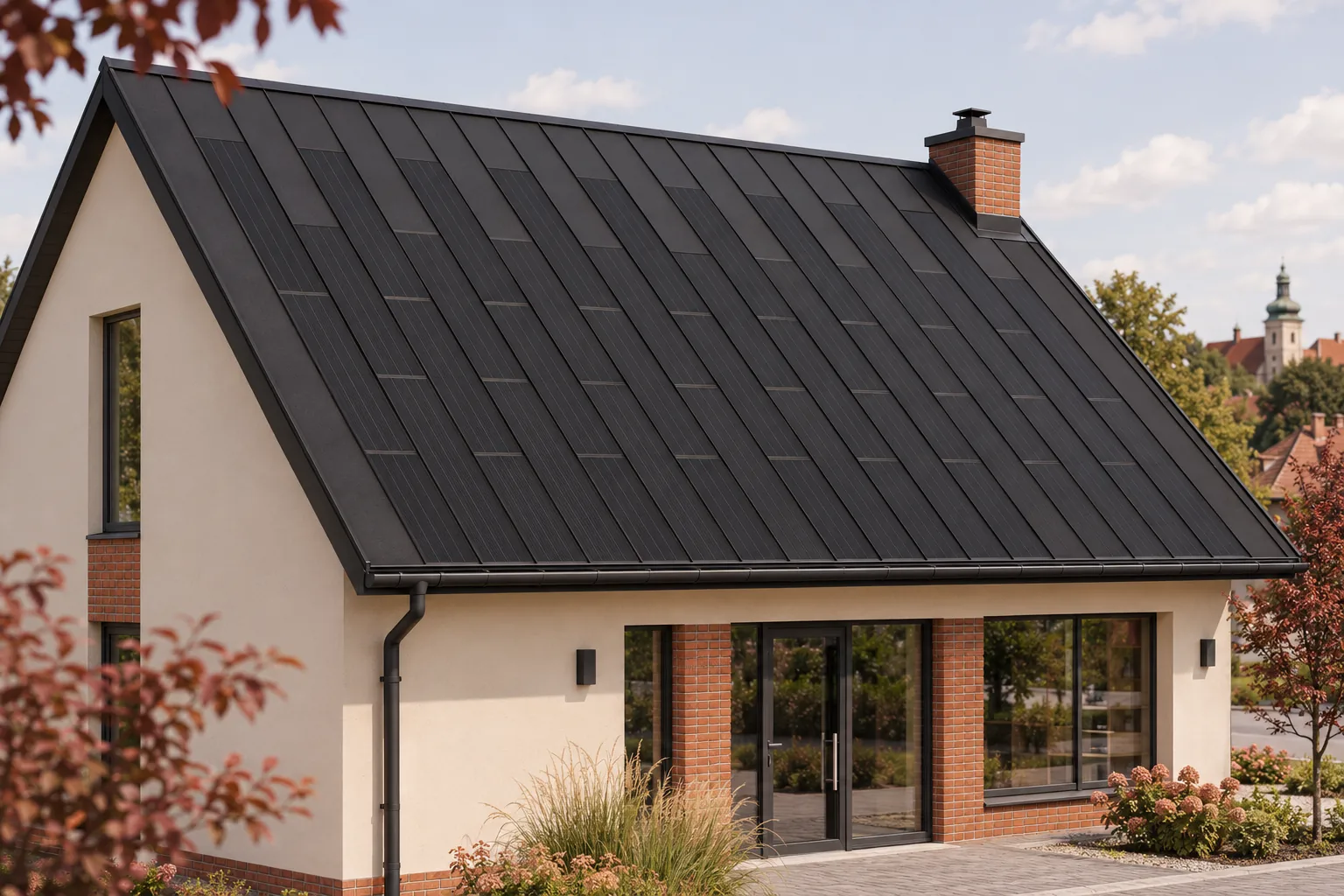
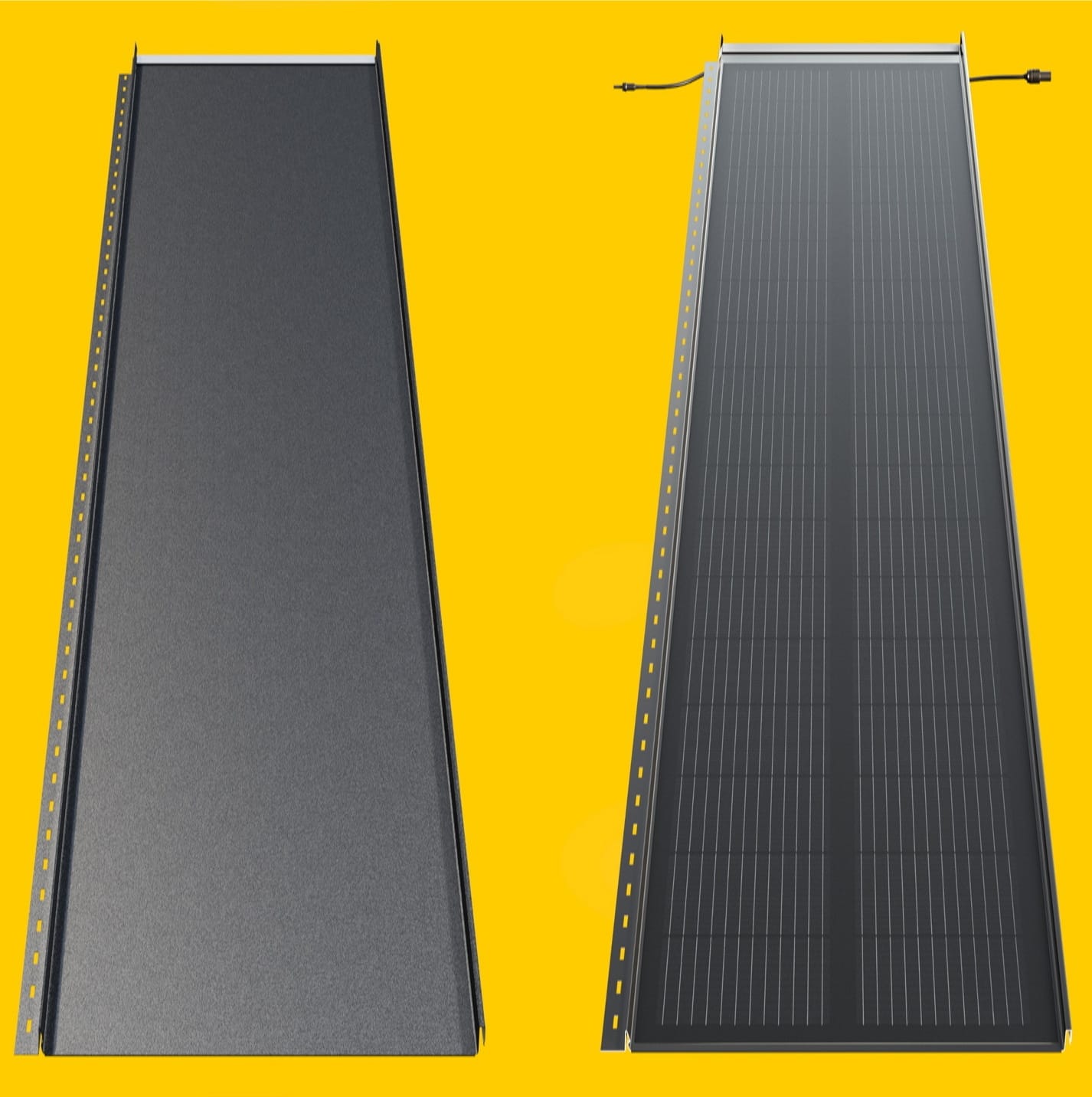
A larger solar roof can generate more electricity. What the extra capacity is worth to a business depends on when it uses power, what it receives for surplus electricity and what the extra equipment costs. The roof and the grid connection also set limits. An integrated system combines active modules with passive roofing, so the designer can choose which areas should generate power. Compare layouts in stages. The first modules might face the sun on an unobstructed slope, while the next sit closer to shade or face a different direction. The additional annual output per kilowatt installed can therefore vary across the roof.
In this guide
How much will the next kilowatt of capacity add on this roof?
Ask for a yield forecast for the proposed layout. A single average yield applied to every module can conceal the effect of adding a less favourable roof area.
Adding capacity can require different equipment, changes to connections or more roof preparation. Costs may rise in steps. Ask for options with progressively larger active areas and compare the extra cost of each step with the extra electricity the site can use. This shows where a larger installation still serves the business.
How does on-site consumption affect the value of the electricity?
Electricity used as it is generated reduces the amount bought from the grid at that moment. Any surplus needs another use or is exported under the applicable settlement terms. Value the share used on site and the share exported according to what each is actually worth to the business.
As capacity rises relative to demand, a greater share of the additional output may become surplus. Calculate that share for the site’s working pattern. A business open a few days a week has a different midday load from a site with continuous demand. Annual consumption alone does not reveal how much power either site will need on a sunny afternoon.
Which roof features limit the active area?
Allow space for flashings, rooflights and access to equipment. Keep the necessary routes and details when laying out the modules. Active panels form part of the roof and must be installed in a configuration permitted for the system. Drainage and maintenance access must still work when the last module has been added.
Passive steel panels can continue the pattern of adjacent active panels. They complete the weatherproof covering in areas where electricity generation would be poor. A carefully placed passive section can simplify the fit to the building and save the cost of modules with a low expected yield.
Can planned business growth justify a larger system?
Expansion can justify more capacity if the future load is credible. For new machinery or longer shifts, estimate both the demand and the hours when it will occur. Separate committed changes from possible ones so that the present investment does not depend on every growth plan coming to fruition.
It may make sense to prepare the infrastructure for a later extension. Confirm component compatibility and how installers would regain access to the roof. Active and passive panels that look alike are not necessarily interchangeable. Ask the designer to show feasible extensions, their costs and their limits.
What difference can storage or load control make?
Scheduling selected loads can bring demand closer to the hours of generation. Check which machines can actually change their operating times without disrupting the process. Identify these flexible loads before buying more capacity and use only achievable shifts in the calculation.
A battery can take up some surplus electricity, within its operating limits and with losses and costs of its own. Compare several roof capacities both with and without storage. This shows how much extra energy can actually be used later and whether it is worth paying for the battery as well as the larger array.
How can a business choose the right system size?
Ask bidders to use the same weather data and demand profile for every option. Set out the cost, total generation, on-site use and surplus side by side. Repeat the comparison for a lower-yield year and a period of reduced business activity. Keep the assumptions visible alongside any payback figure.
An integrated solar roof must provide a complete covering as well as electricity the business can use. A smaller active area may fit the demand profile better and leave easier access for maintenance. Choose the layout using the building details and the operating data together.
Manufacturers and brands in photovoltaic roofing include MDM NT (MyRoof), SunRoof, ML System, SolRoof, Tesla, Solarstone, LUMA Solar, Electrotile, SoliTek and Wienerberger Wevolt.

Free quote
What to include in your enquiry
Tell us how you plan to use the material, the dimensions and the quantity you need. Include the thickness, grade or variant name, along with the delivery town or your preferred collection branch. For a specific product, add its name or a link to the product page. We will reply to the email address you provide to discuss availability and the terms of your order.
Read next
A metal roof can carry a photovoltaic array when the mounting system suits the particular roof and the structure can take the…
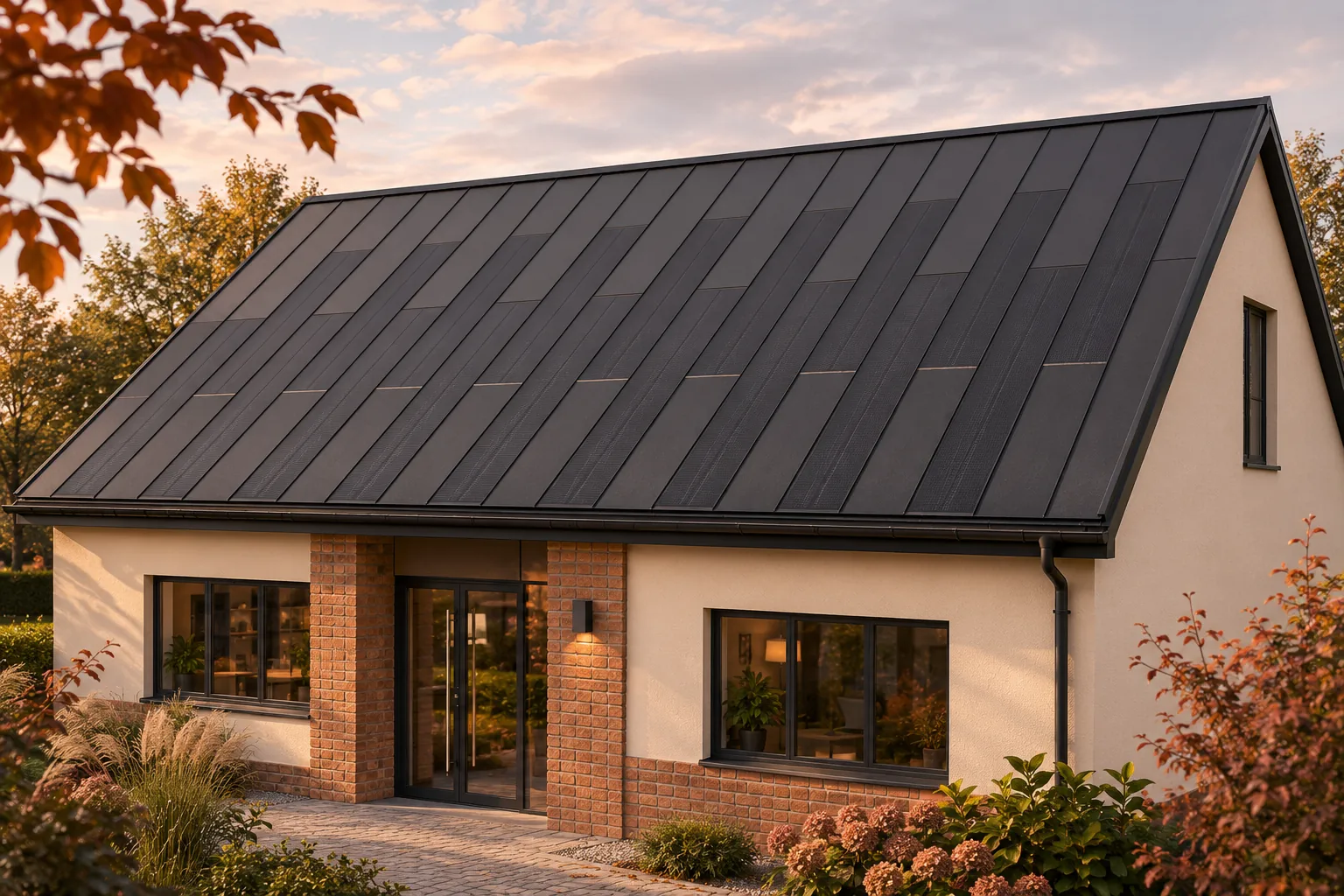
A business planning to renew its roof covering can compare building-integrated photovoltaics (BIPV) with a new covering that carries conventional solar modules.…
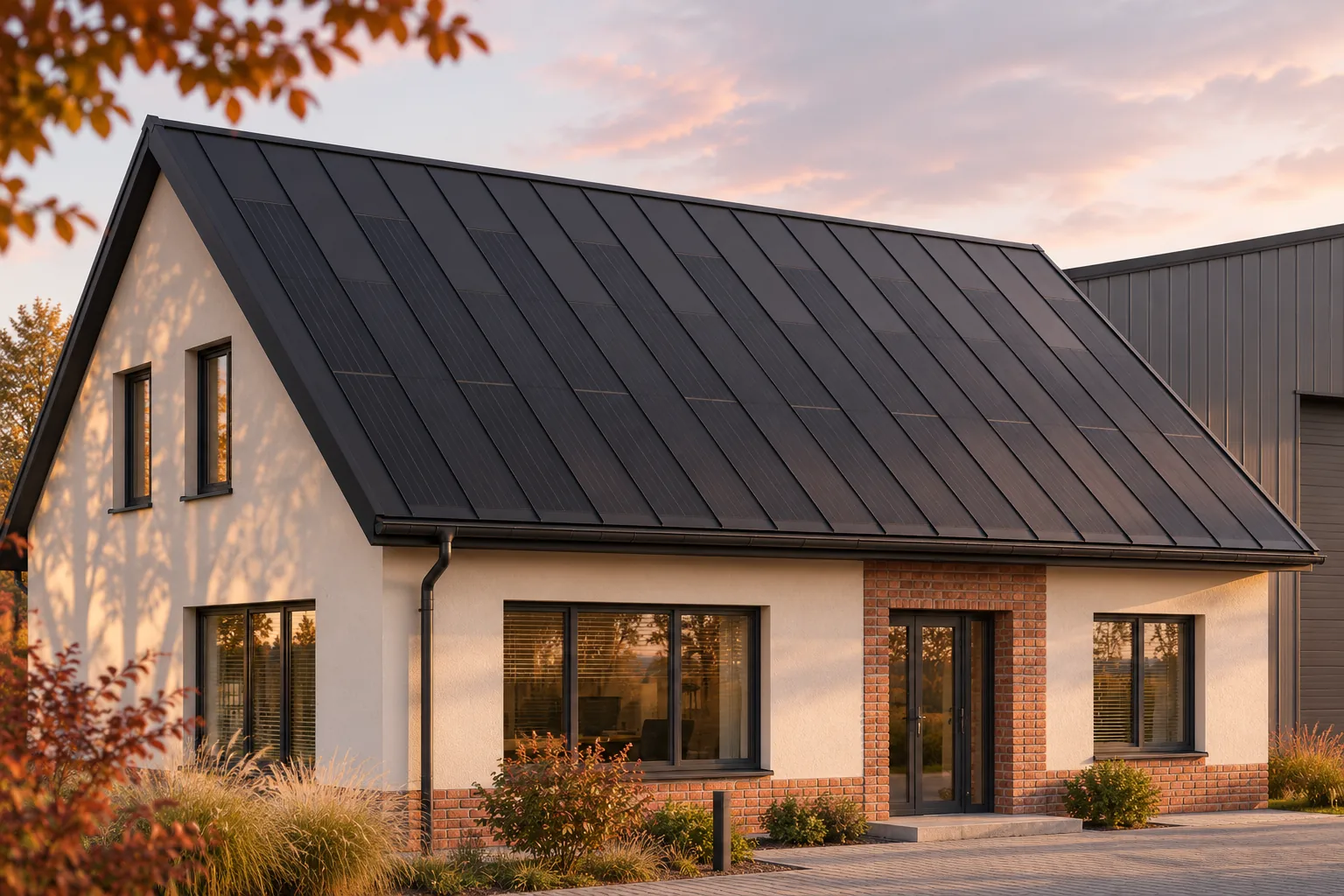
An office wing beside a production hall may be a good candidate for an integrated solar roof. Its roof can have a…
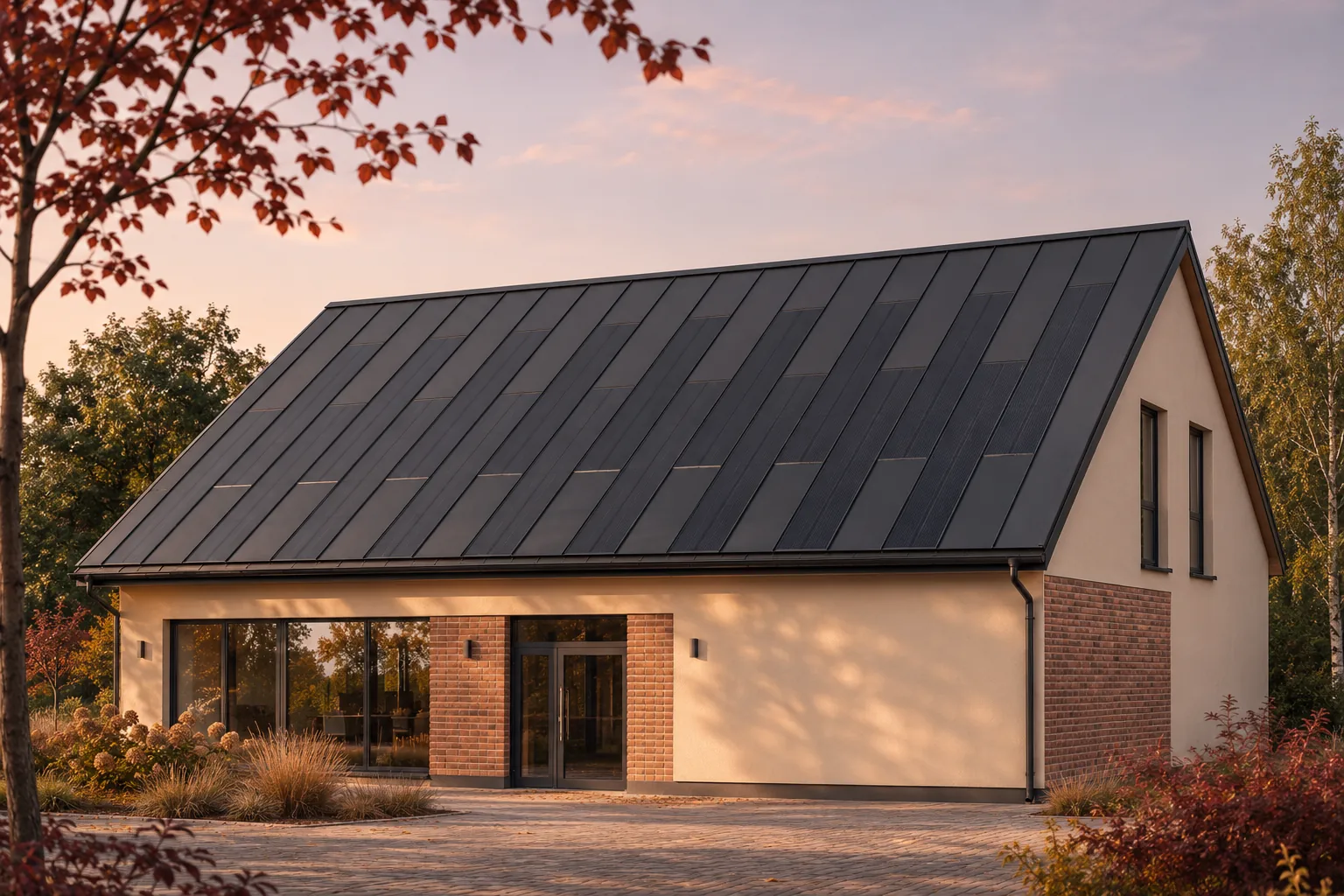
Start a commercial solar roof brief with the building, its electricity demand and the way the site operates. Say why the roof…
Installing photovoltaics changes the loads on an industrial roof. Before choosing a mounting system, have the sheets, purlins, fixings and primary structure…
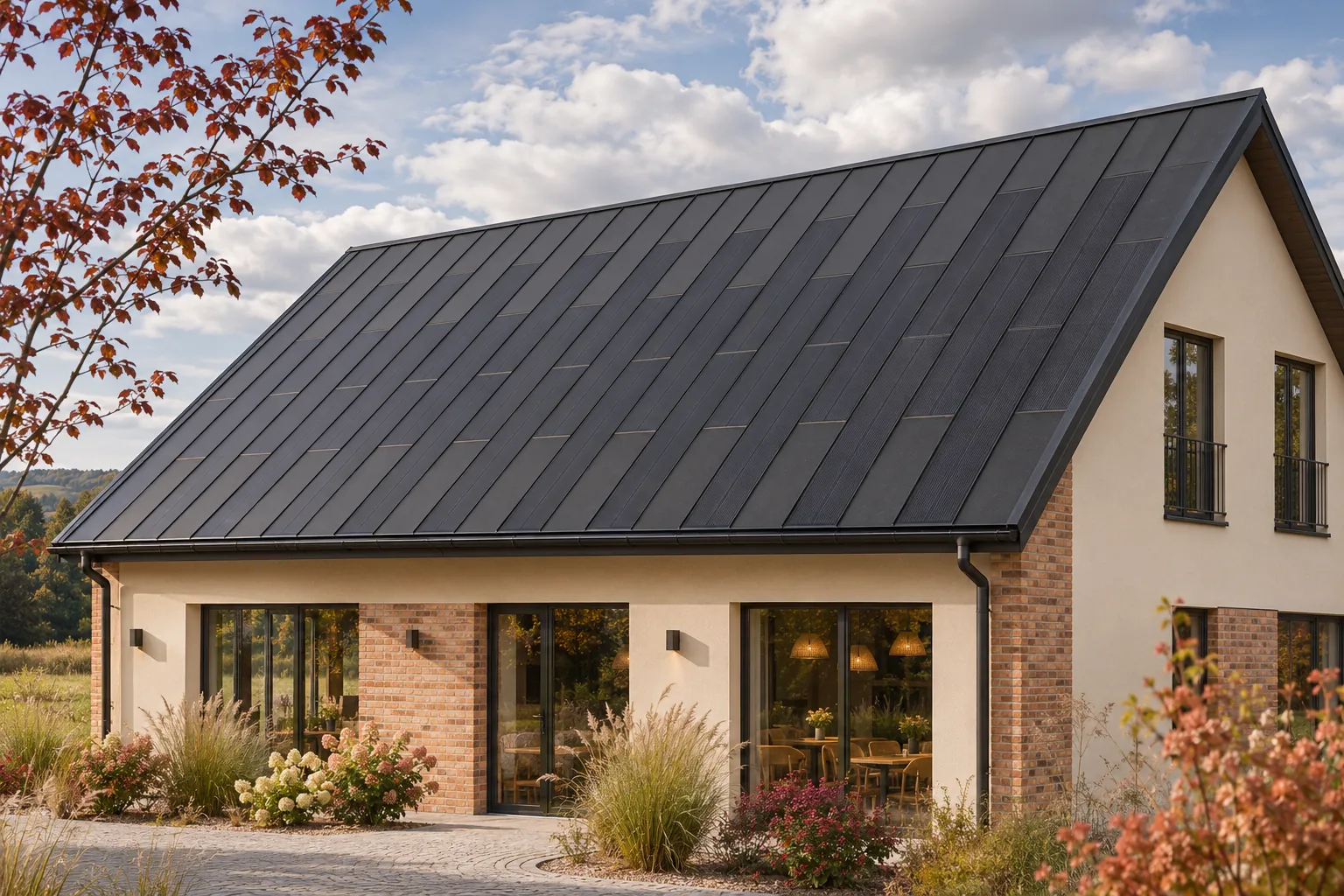
A guest house needs a roof that suits its setting and allows staff to run the property day to day. Building-integrated photovoltaics…
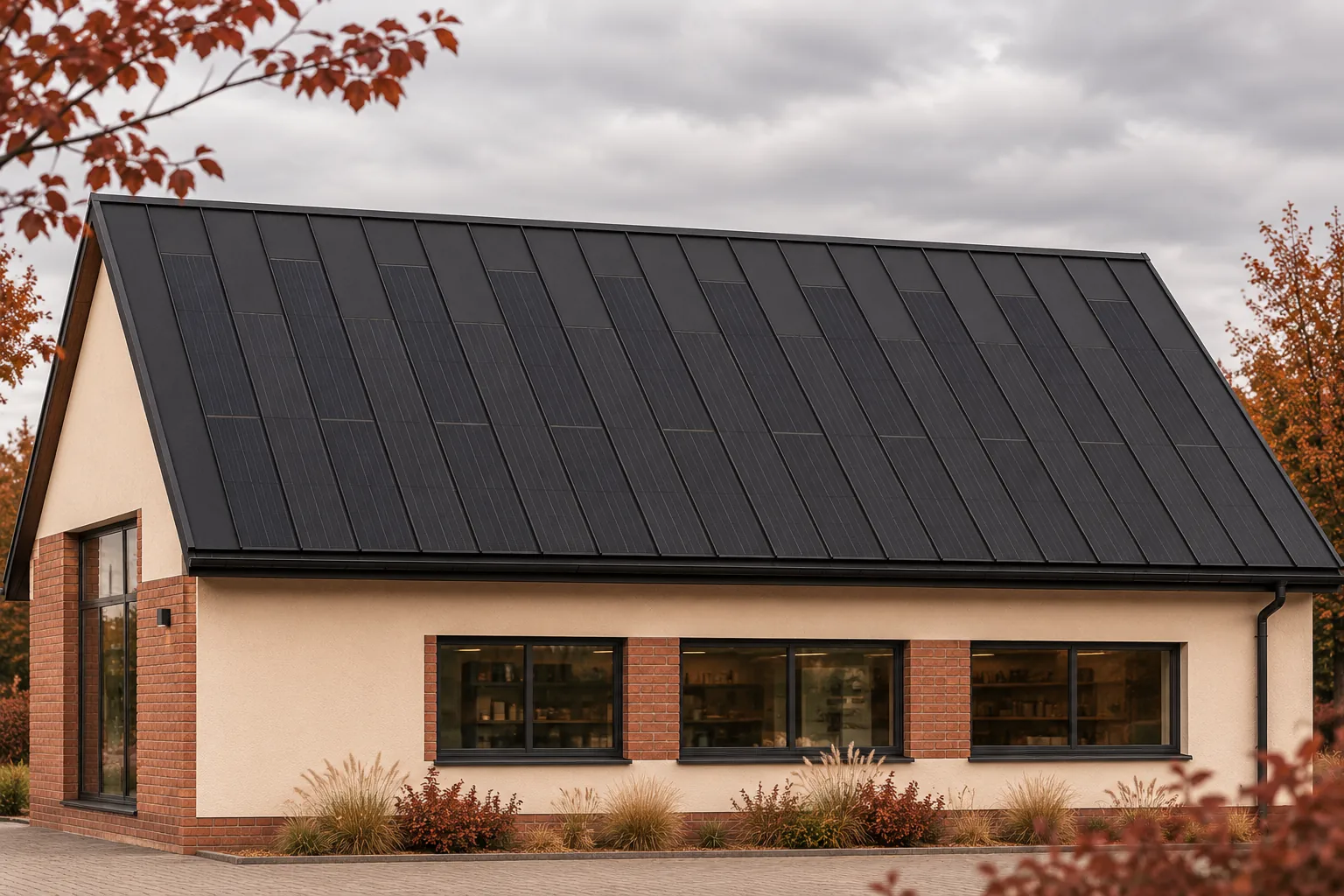
Replacing a roof covering with an integrated photovoltaic roof can disrupt a business. How much depends on the building, the work involved…
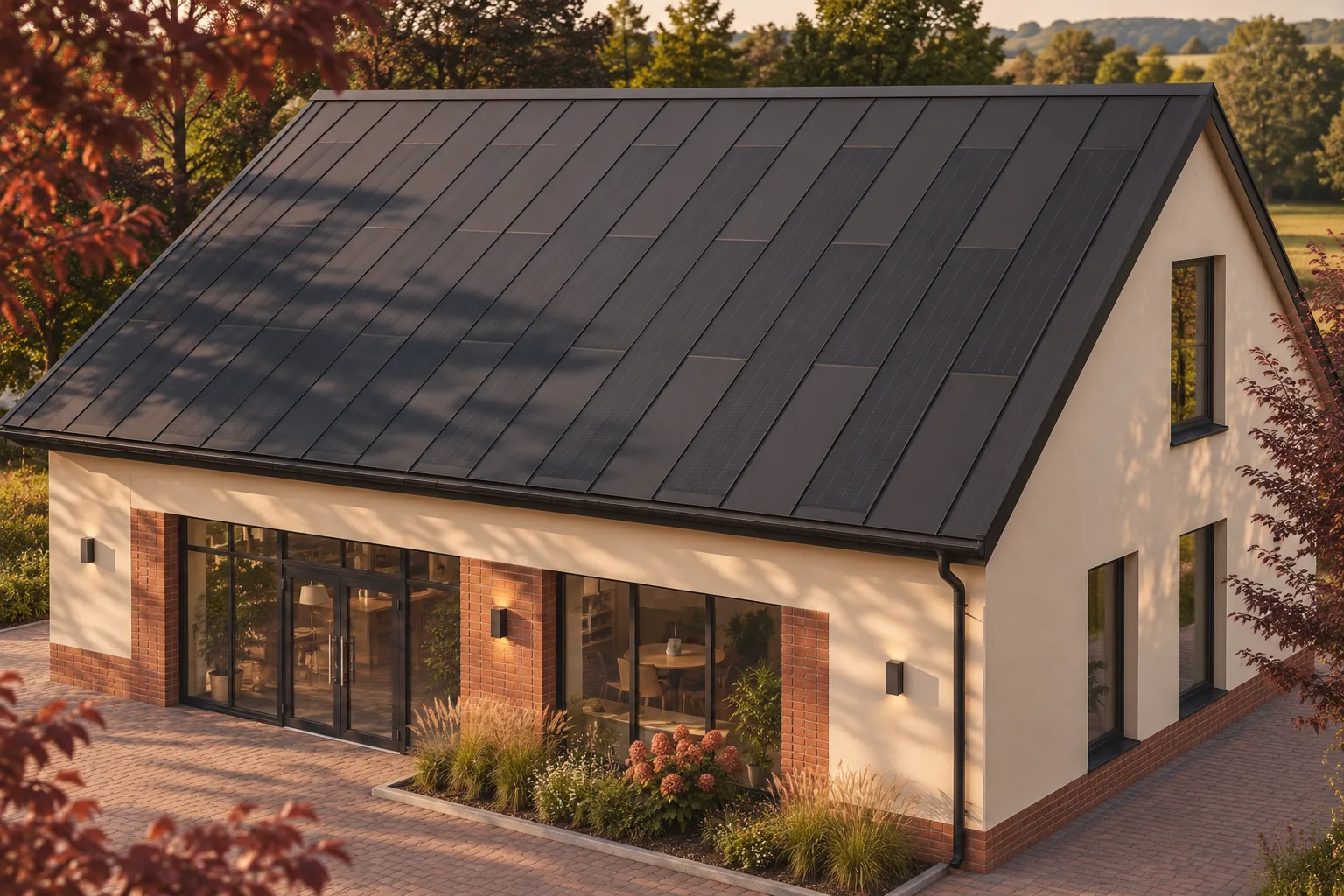
A showroom needs daylight for its displays, an entrance customers can find and equipment staff can reach. A building-integrated photovoltaic roof can…
