






Is EPS suitable for a building with intermittent heating?
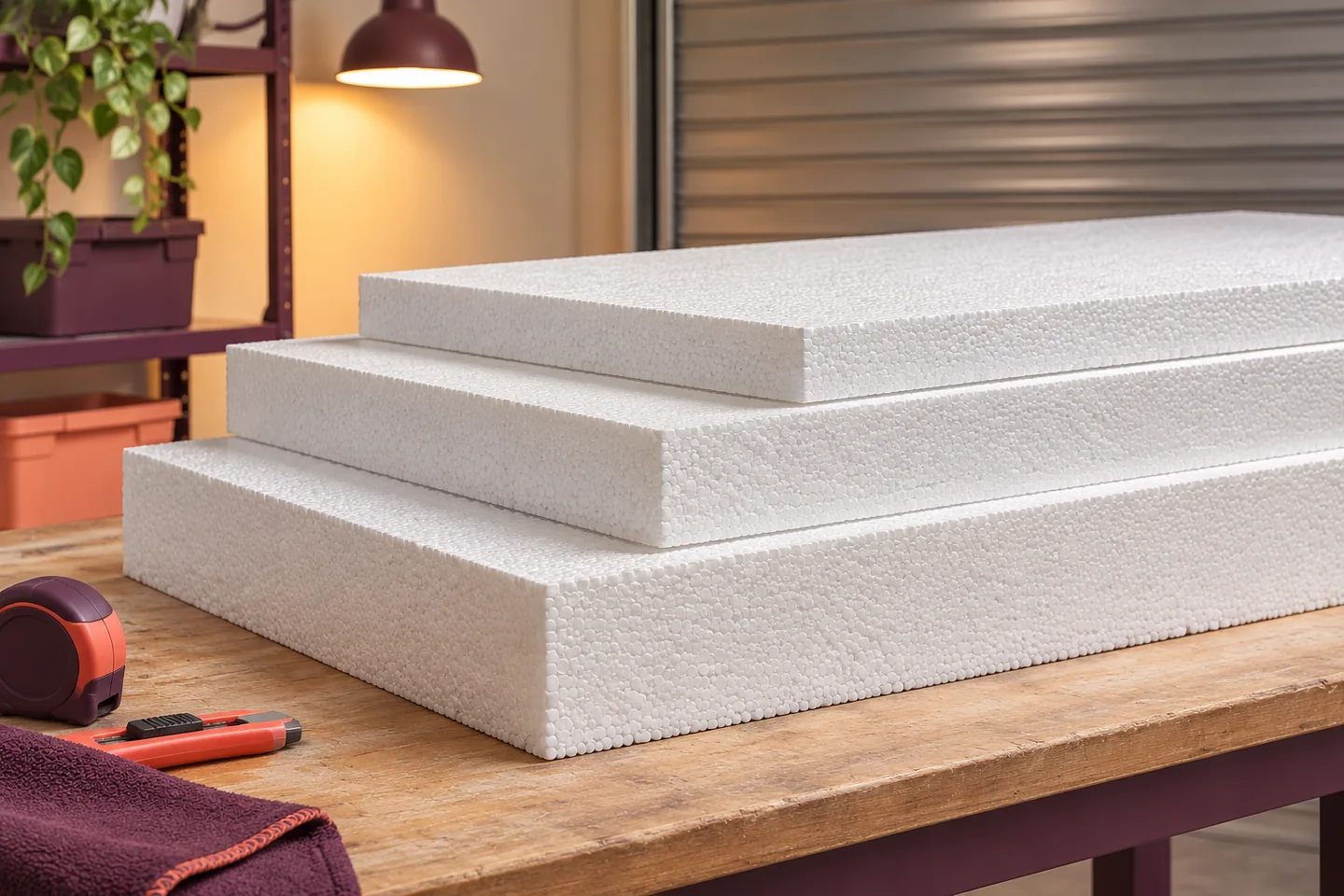
EPS and building insulation
EPS can reduce heat loss from a workshop, warehouse or other building that is heated for only part of the week. To judge the benefit, record the operating hours, the temperature between shifts and the time available to reach the working temperature. Treat a continuously heated office and an adjoining cold store as separate zones. The time needed to warm up also depends on the mass of the floor, walls and equipment. Ventilation and moisture loads matter, especially where people or wet vehicles enter a building whose surfaces are still cold.
In this guide
Record the actual heating schedule
A permanently heated office may lose heat to an adjoining unheated store. Include the dividing wall when calculating the heat balance, then trace the junctions at the roof, slab and structural members. Heat can travel around the insulation at those junctions even if the wall itself is well insulated.
How insulation cuts transmission losses
For a simple steady-state estimate, heat flow through an element depends on its U-value, area and the temperature difference across it. Adding EPS normally increases thermal resistance and reduces this component of heat loss. Its annual contribution depends on how often that temperature difference exists and how large it is.
Board thickness alone cannot predict the saving on heating bills. Doors, windows, ventilation and heating efficiency also affect consumption. During a short shift, warming cold surfaces and equipment may account for a substantial share of the energy used. Compare insulation options against the actual working week.
Thermal inertia depends on the whole building element
The EPS itself is lightweight. A concrete slab, masonry walls and heavy equipment can absorb considerable heat as the building warms. The position of the insulation determines which parts of the structure lie inside the heated envelope. The board’s thermal conductivity gives no measure of that stored heat.
External insulation can slow the cooling of the structure during a short break. During longer shutdowns the indoor temperature can still approach ambient conditions. Internal insulation changes the temperature and moisture profile of the wall. Assess that detail separately before relying on it to shorten start-up time.
Watch for moisture during rapid warm-up
People, wet vehicles or processes that release water vapour can quickly raise indoor humidity at start-up. The air warms faster than cold surfaces. If a surface remains below the dew point, moisture can condense there. EPS can improve surface temperatures, while the moisture sources still need to be managed.
Coordinate ventilation with temperature control and inspect corners, thermal bridges and surfaces hidden by stored goods. Investigate damp floors and roof leaks before increasing insulation thickness. Condensation, rain ingress and ground moisture call for different repairs.
Choose EPS for its installation conditions
Under a floor, heavy plant can continue loading the EPS throughout a shutdown. Check long-term deformation and the slab design. The roof still has to withstand wind and snow and meet the covering requirements. At foundations, check ground contact and moisture exposure regardless of the heating timetable.
For a masonry façade, select boards within the specified external thermal insulation composite system. Check declared thermal conductivity, tensile strength perpendicular to the faces (TR) and other system requirements. The corrected U-value (Uc) describes the complete building element. Fewer heating hours do not change the material properties required by the system.
Compare investment and operating costs
Compare the installed insulation cost, the cost of altering junctions and the expected energy use for each option. Consider whether a weekend workshop may later operate every day. Where the other design requirements permit, preparing the envelope for that change can avoid reopening completed details.
EPS manufacturers include Termo Organika, Arsanit, Genderka and Neotherm. Compare declared board properties and calculations for the building in question. The operating result depends on insulation, airtightness, ventilation and heating controls working together during occupied hours and during breaks.

Free quote
What to include in your enquiry
Tell us how you plan to use the material, the dimensions and the quantity you need. Include the thickness, grade or variant name, along with the delivery town or your preferred collection branch. For a specific product, add its name or a link to the product page. We will reply to the email address you provide to discuss availability and the terms of your order.
Read next
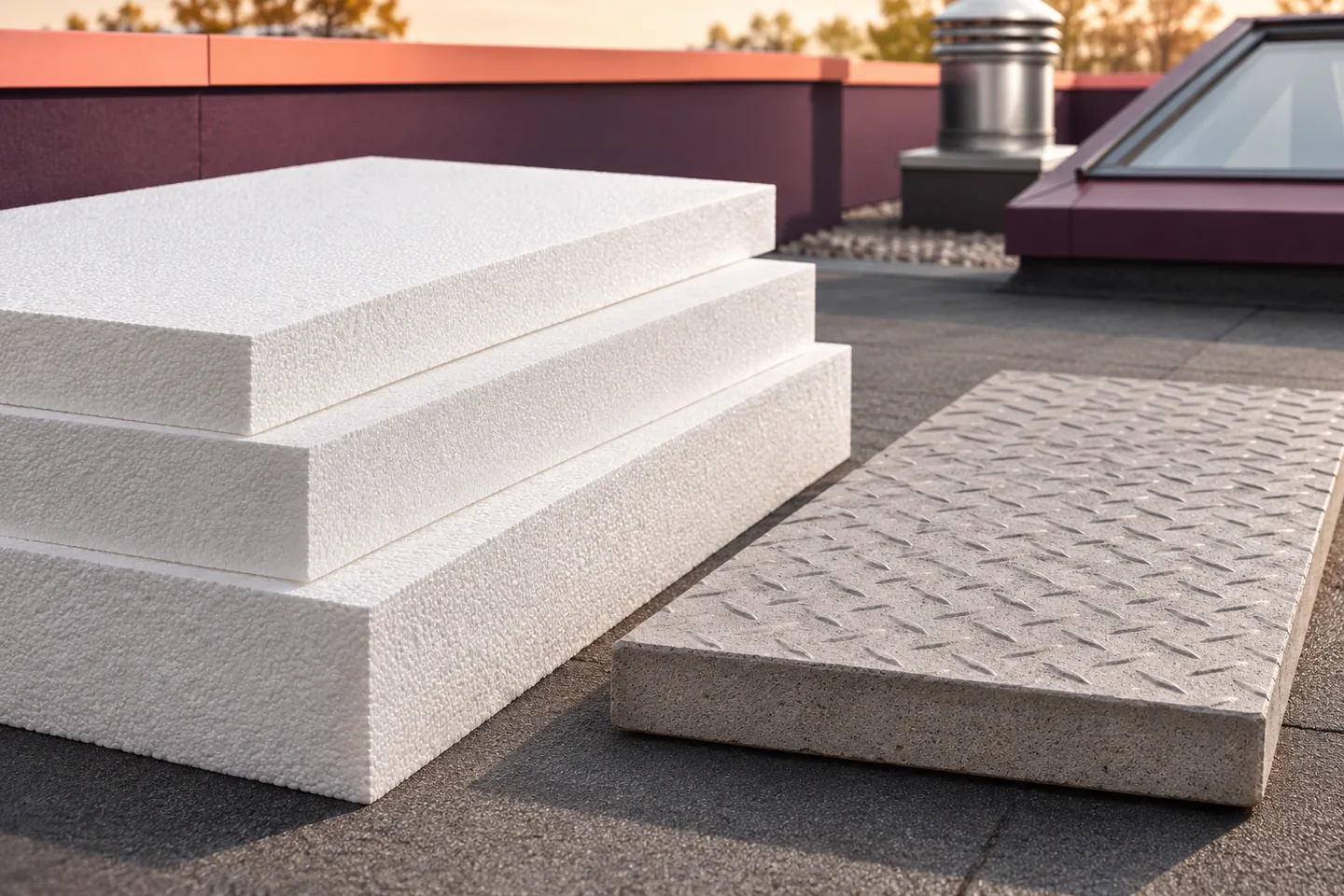
Plot the journeys a technician will actually make, from the roof hatch to each drain and item of plant. Allow room to…
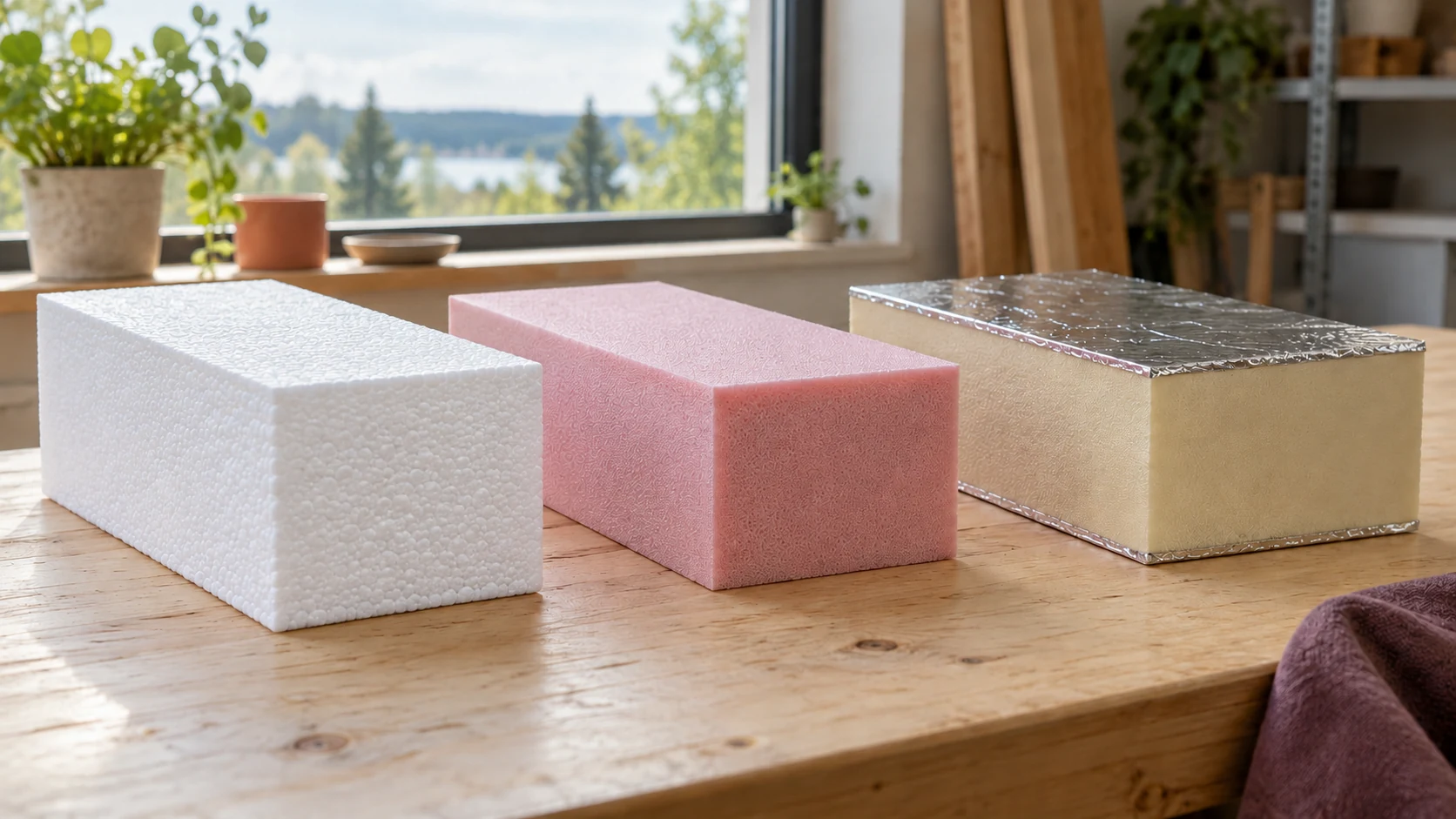
A single building may need several types of insulation. Compare EPS, XPS and PIR for a specific wall, floor or roof rather…
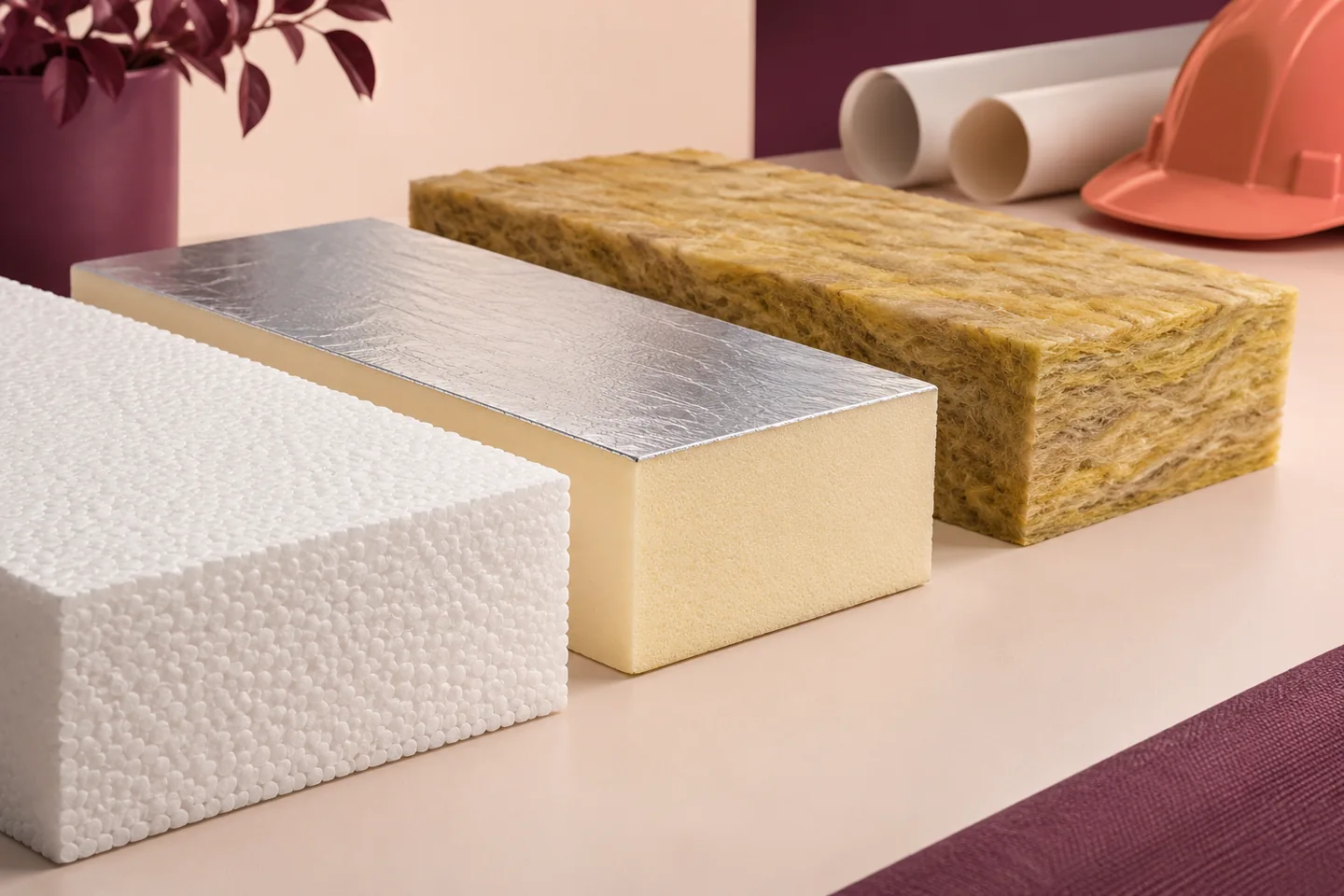
Choose insulation for each part of a commercial building by asking what the finished wall, floor or roof has to do. A…
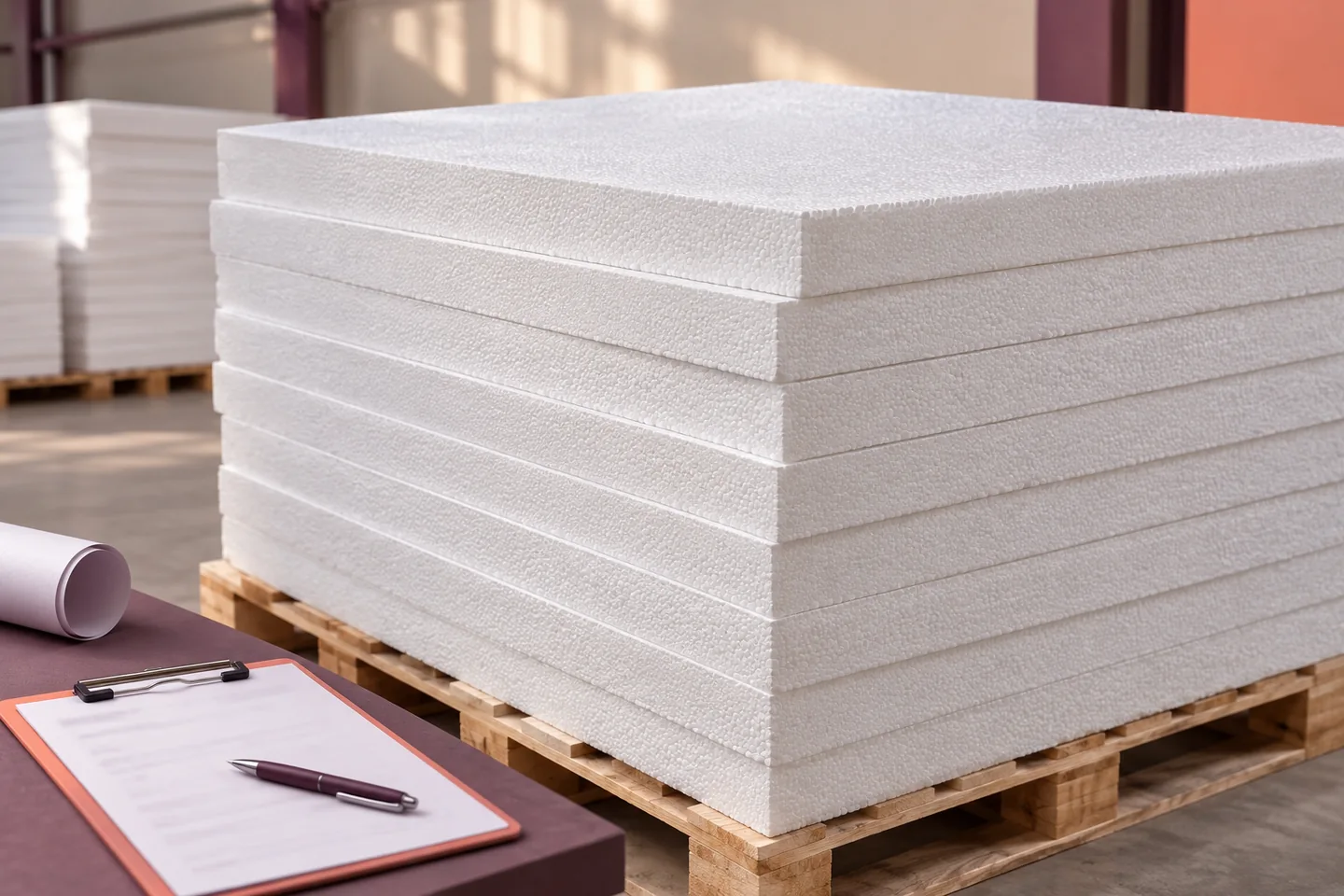
Give each use of expanded polystyrene its own order line, identified by the zone or grid reference on the drawings. Two boards…
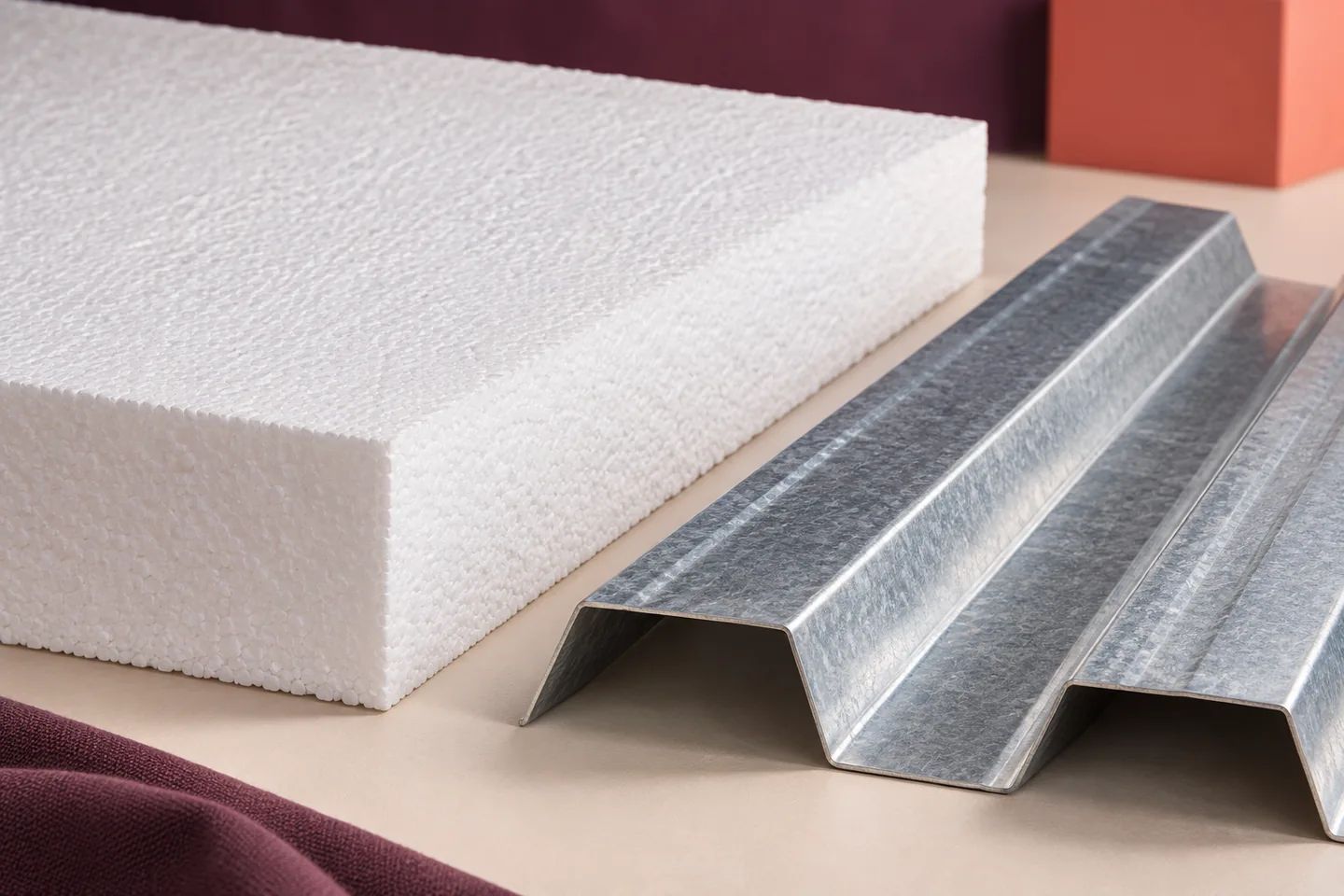
EPS can be used over a structural steel roof deck where the roof system documents cover the chosen profile and insulation arrangement.…
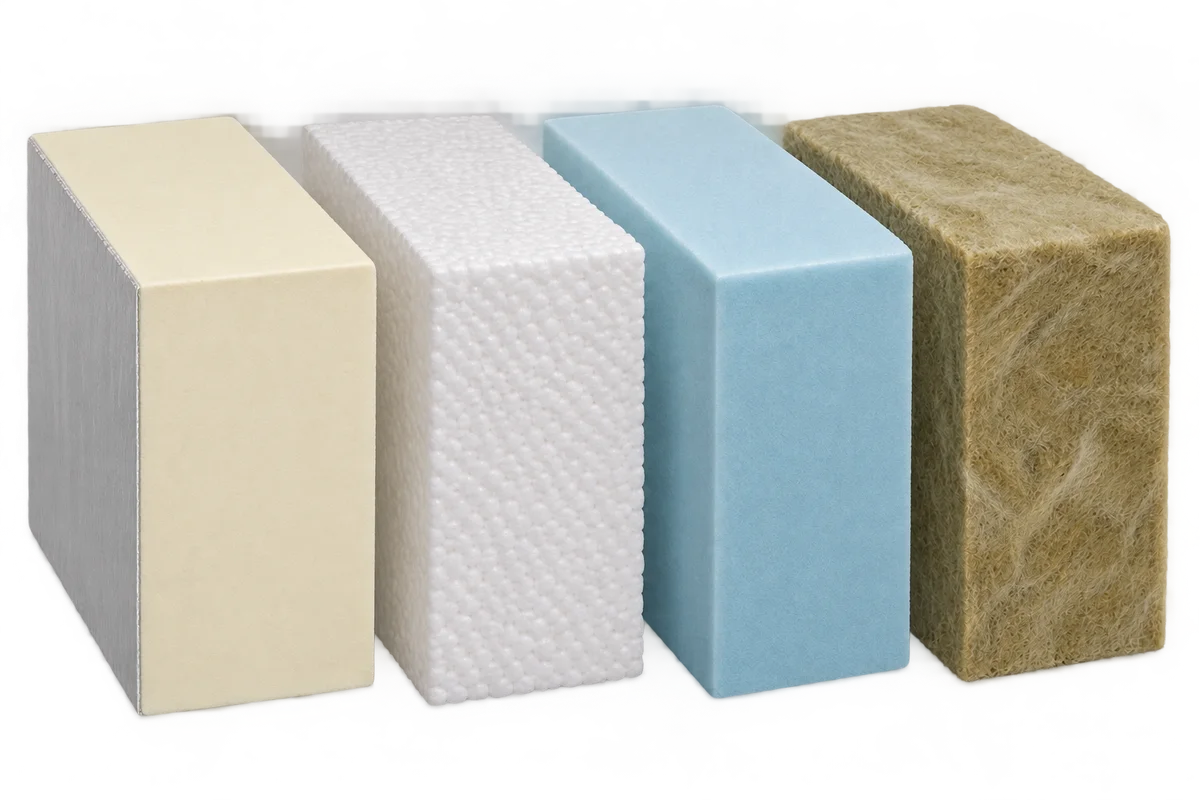
Different insulation materials can work together in one building element when each solves a specific problem. PIR can keep the build-up thin,…
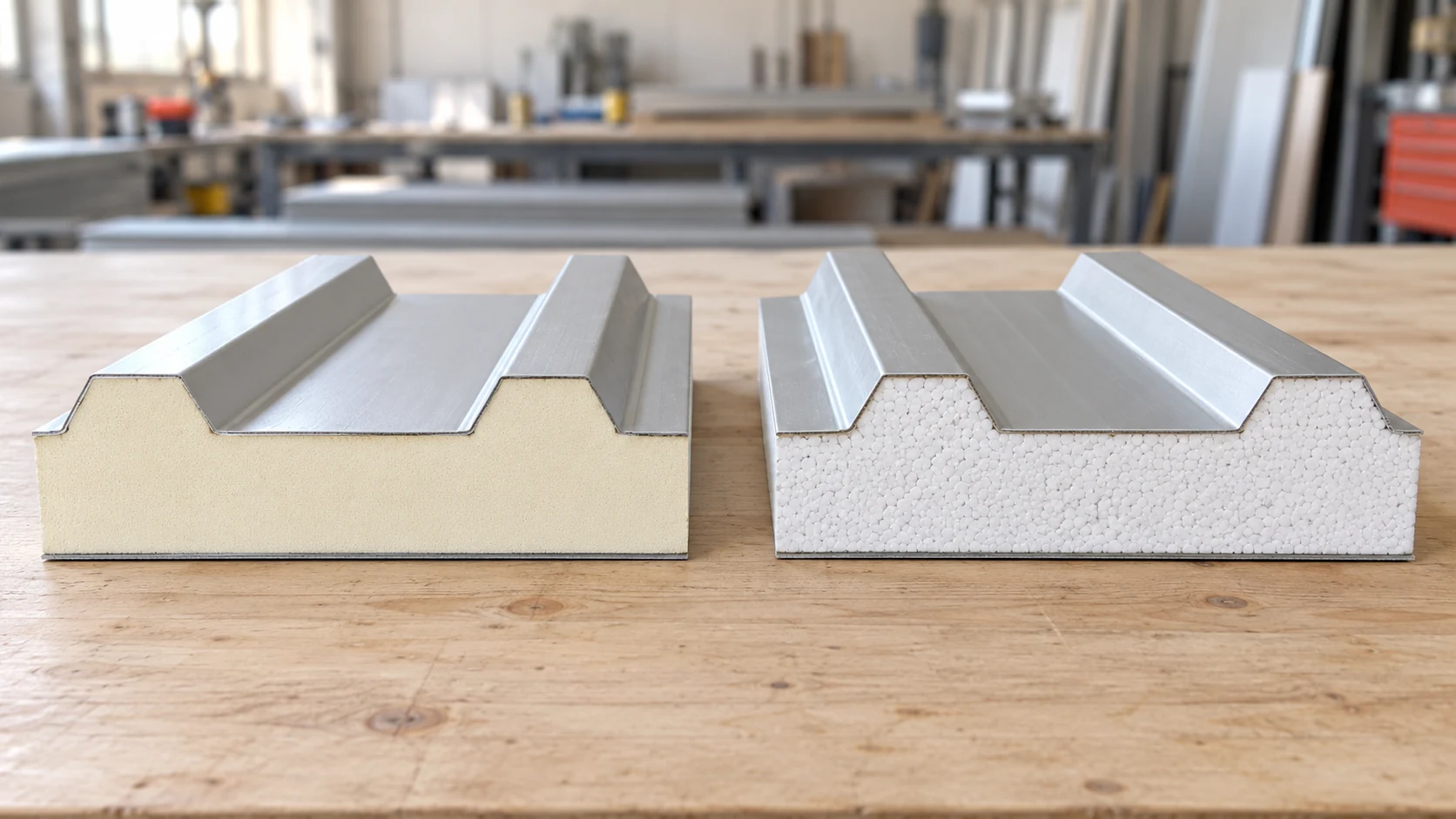
Compare PIR and EPS roof panels against the same design brief. Set the required U-value, loads, fire performance and exposure conditions, then…
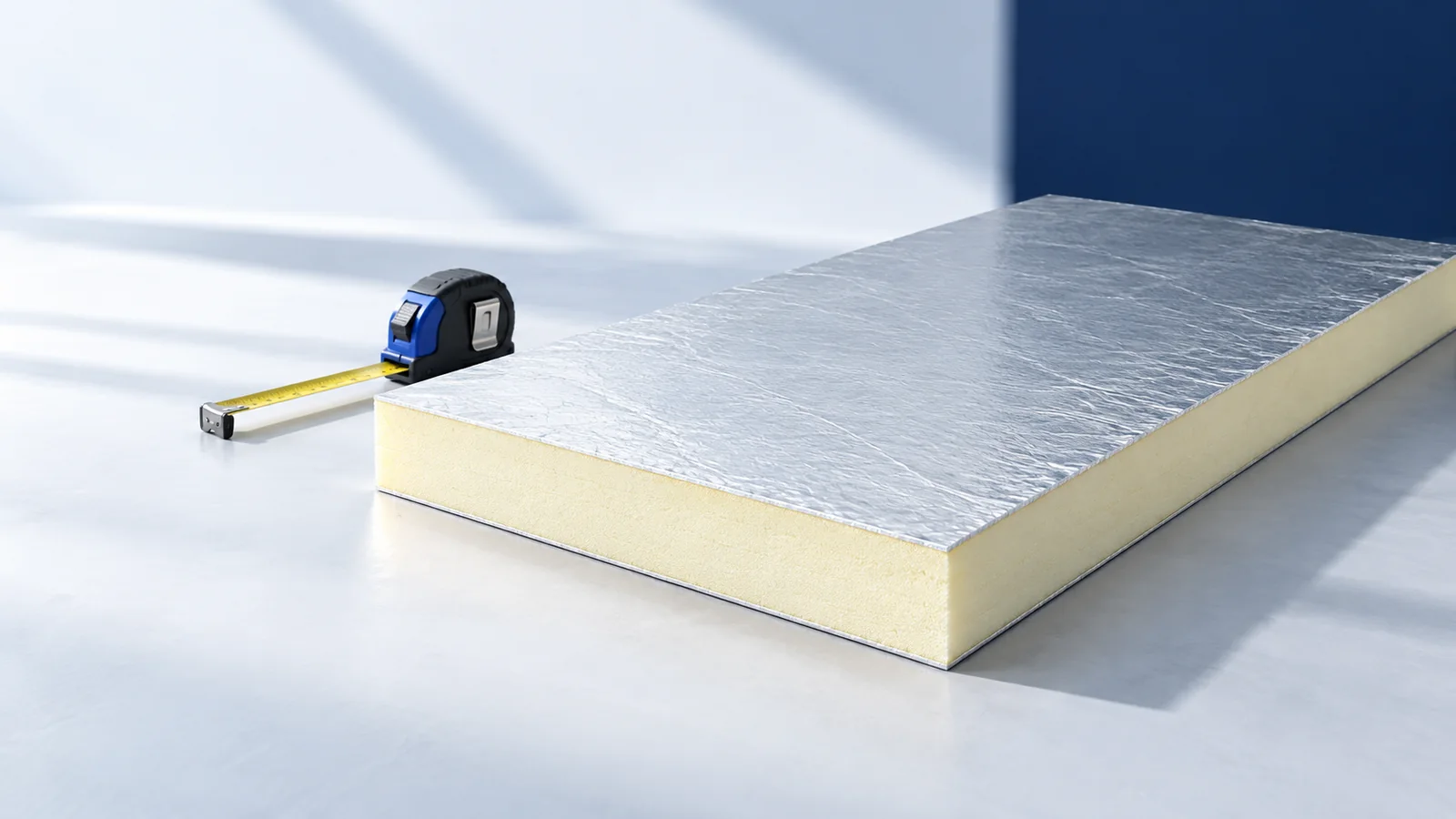
Measure the depth available at the eaves, roof windows and parapets, then compare insulation products at the thermal resistance your roof needs.…
