






How to specify EPS insulation for a large construction project
EPS and building insulation
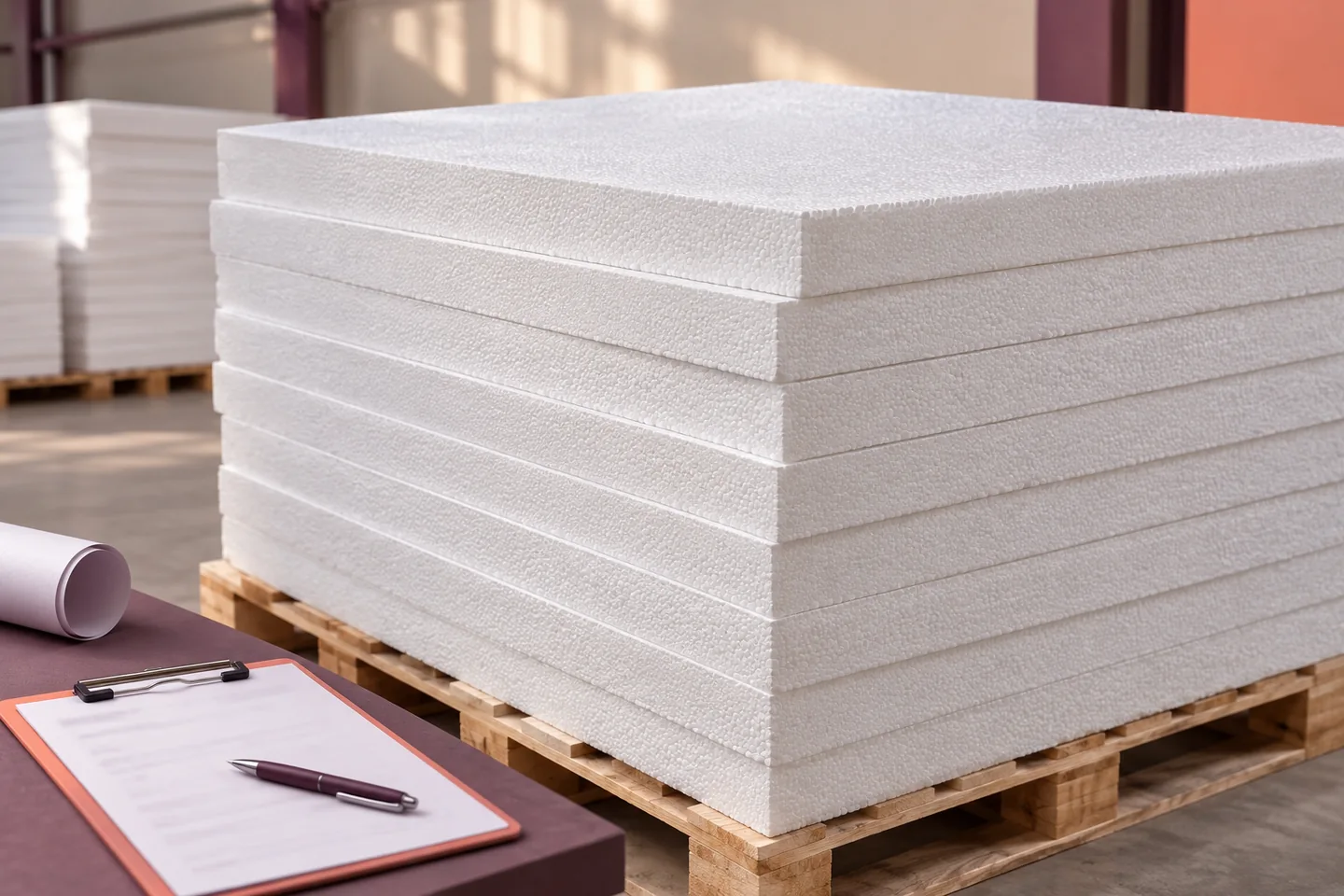
Give each use of expanded polystyrene its own order line, identified by the zone or grid reference on the drawings. Two boards of equal thickness may face different demands under a floor, against a foundation, on a façade or beneath a roof membrane. State the required thermal, mechanical and moisture properties, dimensions and quantities for each line. Add delivery dates, required product documents and a procedure for approving substitutions. With those details, the buyer can compare like-for-like quotations and the site team can check an incoming pack against its intended location.
In this guide
Split the order by installation zone
Schedule deliveries by work phase or structural grid. Delivering all boards early ties up storage space and increases the risk of damage. A late delivery can encourage unapproved substitutions. Coordinate unloading and storage with the installation sequence so the specified board is available when each zone is ready.
List conductivity and thickness separately
State the maximum declared thermal conductivity in W/(m·K), the nominal thickness and its permitted tolerance. Give the units for each figure. The corrected U-value, Uc, describes the complete floor, wall or roof. Quoting it alone leaves the supplier without a defined requirement for the EPS layer.
If a bidder may propose a different combination of conductivity and thickness, state how it will be approved. Equal thermal resistance calculated from R = d/λ may still entail changes to window sills, fixing lengths or parapet heights. Check mechanical properties, moisture performance and fire requirements as part of the same review.
Specify mechanical properties for the intended use
For an external thermal insulation composite system, specify the tensile strength perpendicular to the faces (TR) required by that system. For roofs and floors, identify the compression properties and data needed to assess long-term deformation. Where loads are sustained, specify the creep data to be submitted. Calling the board “hard” gives bidders no measurable criterion.
For foundation insulation, state the exposure conditions and water absorption requirement. Boards described as foundation grade can have different declared WL(T) levels for long-term water absorption by immersion. Use density as an additional check only where justified and documented. Retain the properties that determine whether the product can perform its specified function.
Define board size, edge profile and quantity units
Distinguish installed coverage in square metres from board volume in cubic metres. With rebated boards, the nominal face dimensions can differ from the effective cover dimensions. Pack volumes vary with thickness and packing arrangement, so do not assume a universal 0.3 m³ per pack. Ask for the board count and effective coverage per pack.
Calculate cutting allowance from the layout. An open rectangular roof and a façade with many openings rarely produce the same waste percentage. For tapered roof insulation, include a schedule of tapered boards and a laying plan. Average thickness alone tells the installer neither where each board goes nor how the falls run.
Request documents for the product being delivered
Ask the bidder for the technical data sheet and declaration of performance for the exact product offered. The documents should allow each requirement to be checked and identify the production plant where relevant to the declaration. A general manufacturer’s catalogue does not identify which grade will arrive on site.
At delivery, check labels, pack counts, packaging condition and batch identification. Agree what happens to damaged or incorrectly labelled boards before installation. Keep unidentified material out of the works while discrepancies are resolved. Photographs and retained labels make it possible to trace the insulation after it has been covered.
Set rules for substitutions and acceptance
Name the person or procedure responsible for approving substitutions before a replacement is delivered. Compare all relevant properties, system compatibility and effects on adjacent details. Include the cost of any resulting alterations when evaluating a lower board price.
EPS manufacturers include Arsanit, Genderka, Enerpor and Paneltech. A specification based on measurable performance allows different suppliers to quote without tying the project to a single trade name. Cross-reference the material schedule, drawings, delivery programme and acceptance criteria so that the receiving team can check the same requirements used at tender stage.

Free quote
What to include in your enquiry
Tell us how you plan to use the material, the dimensions and the quantity you need. Include the thickness, grade or variant name, along with the delivery town or your preferred collection branch. For a specific product, add its name or a link to the product page. We will reply to the email address you provide to discuss availability and the terms of your order.
Read next
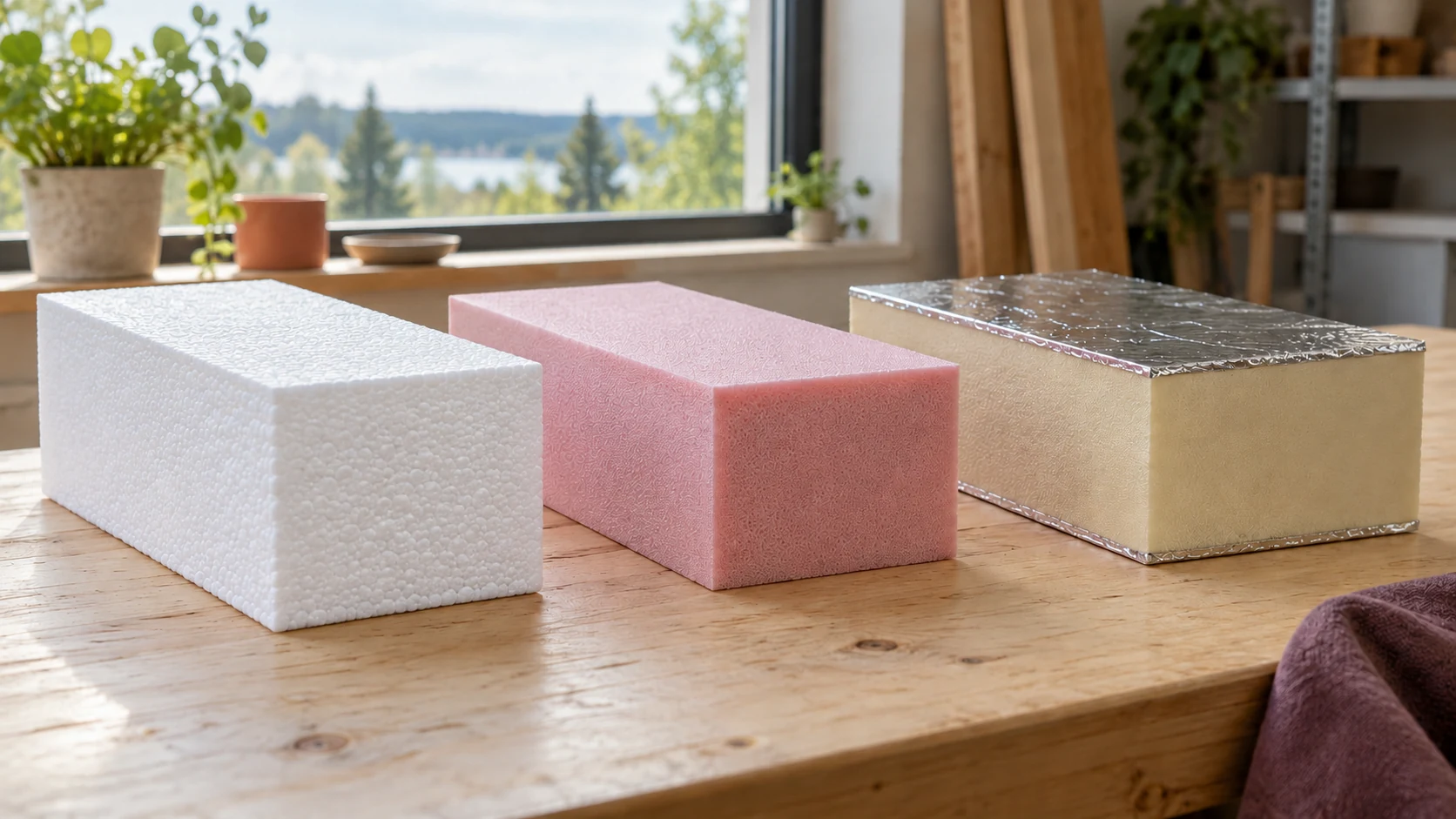
A single building may need several types of insulation. Compare EPS, XPS and PIR for a specific wall, floor or roof rather…
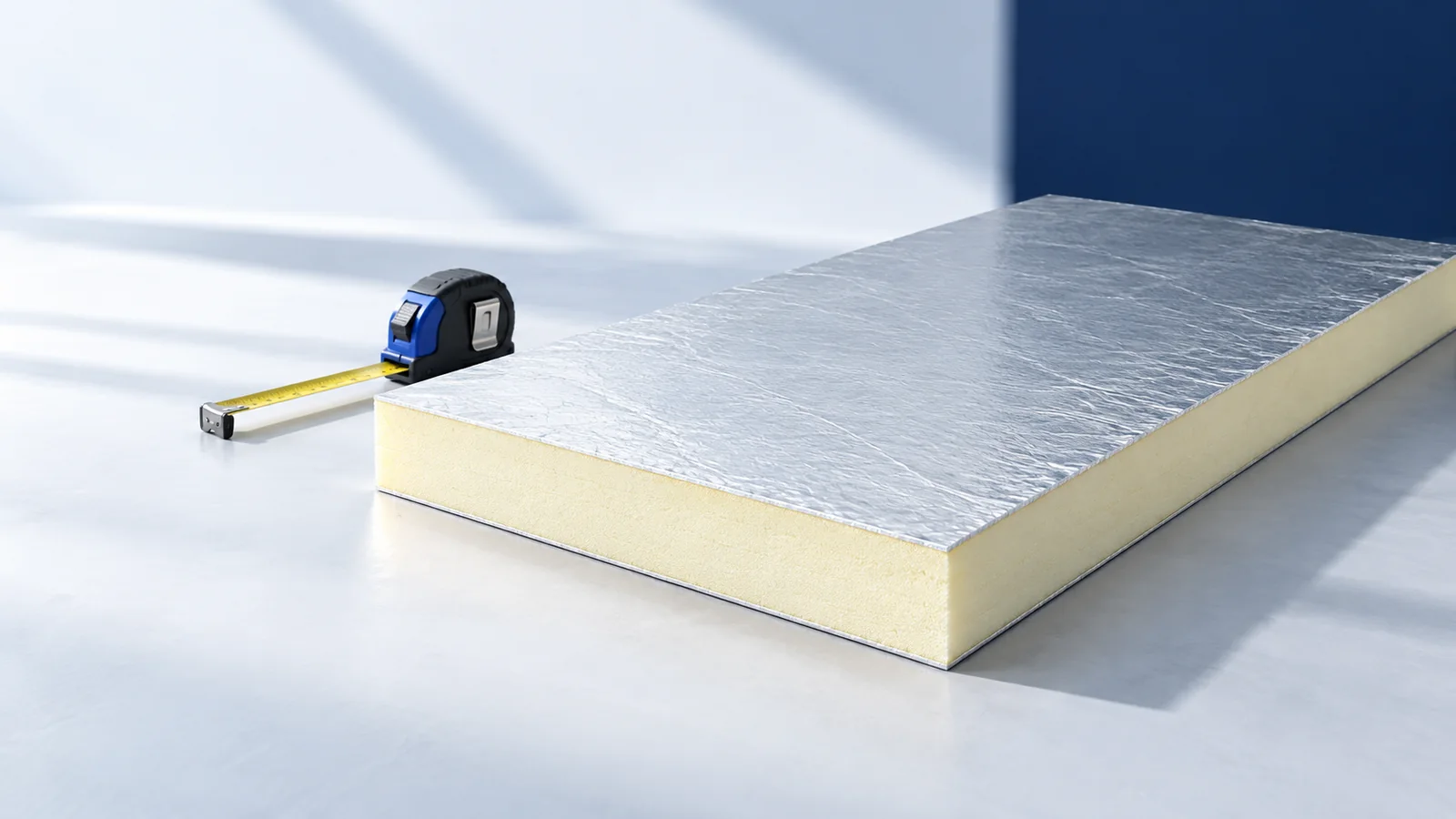
Measure the depth available at the eaves, roof windows and parapets, then compare insulation products at the thermal resistance your roof needs.…
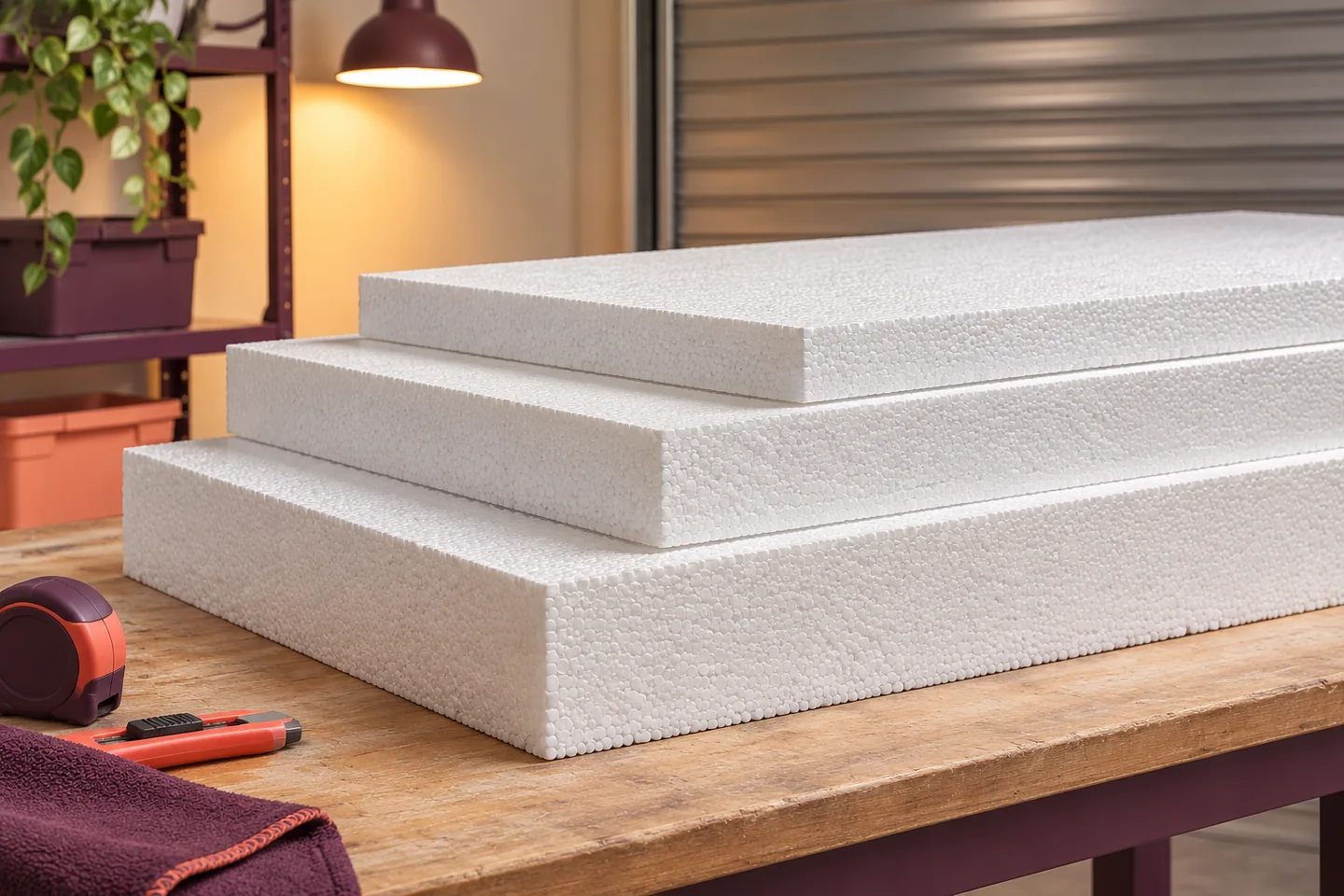
EPS can reduce heat loss from a workshop, warehouse or other building that is heated for only part of the week. To…

For each pipe, duct or cable crossing an EPS-insulated roof, draw a section showing the deck, air and vapour control layer, insulation…
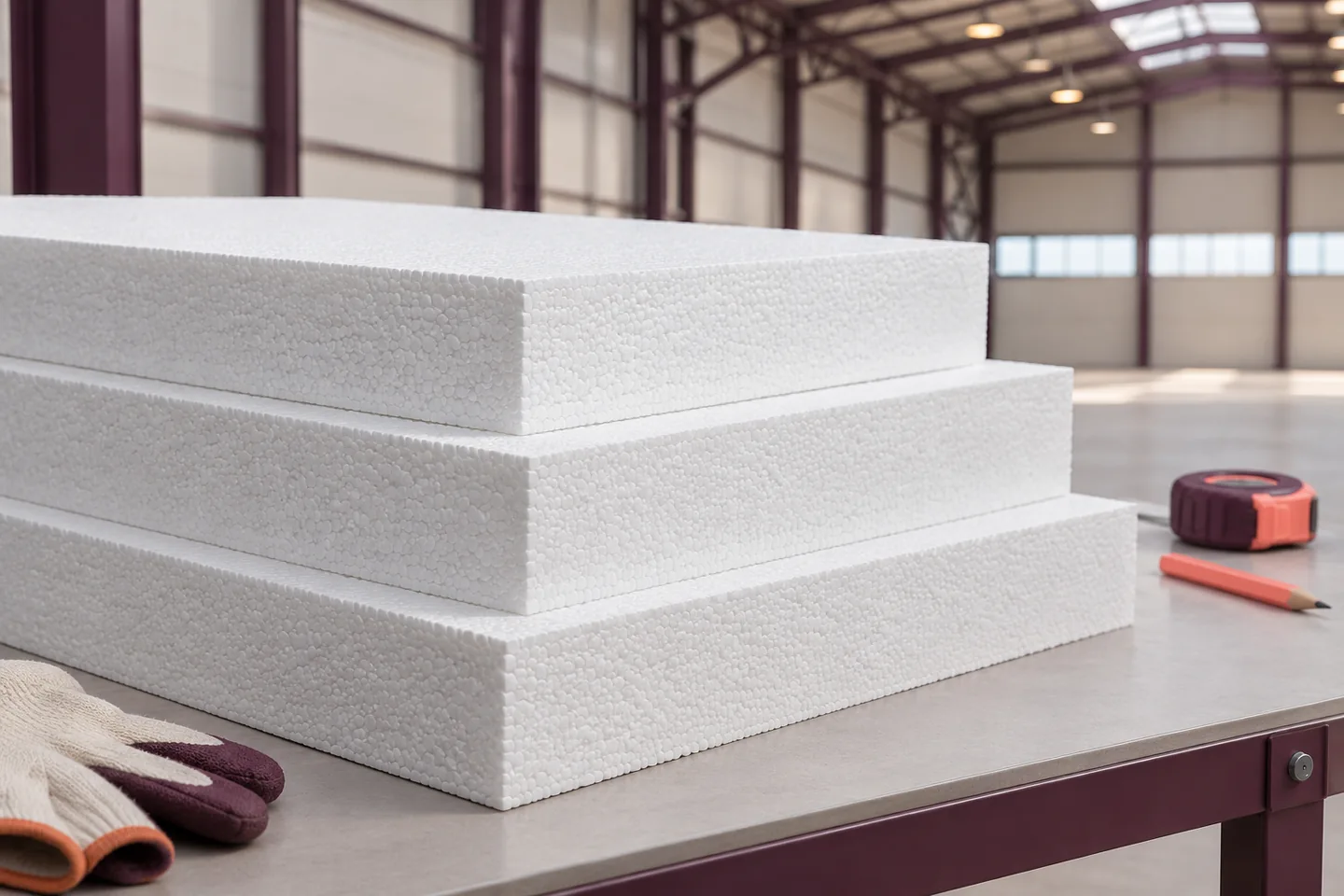
Trace the boundary of the heated space before specifying expanded polystyrene (EPS) for an industrial building. A heated office beside an unheated…
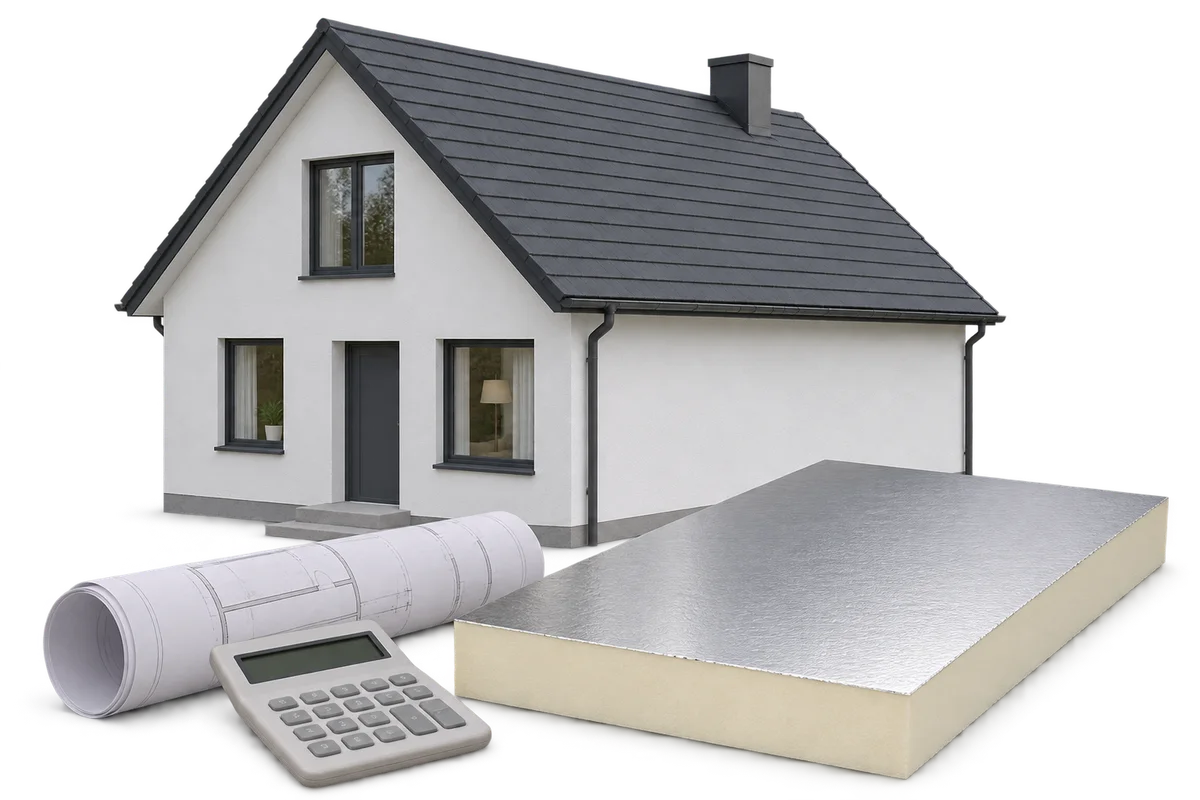
Assessing insulation costs need not stop at the installation invoice or a simple payback figure. Comparing solutions can also involve how the…
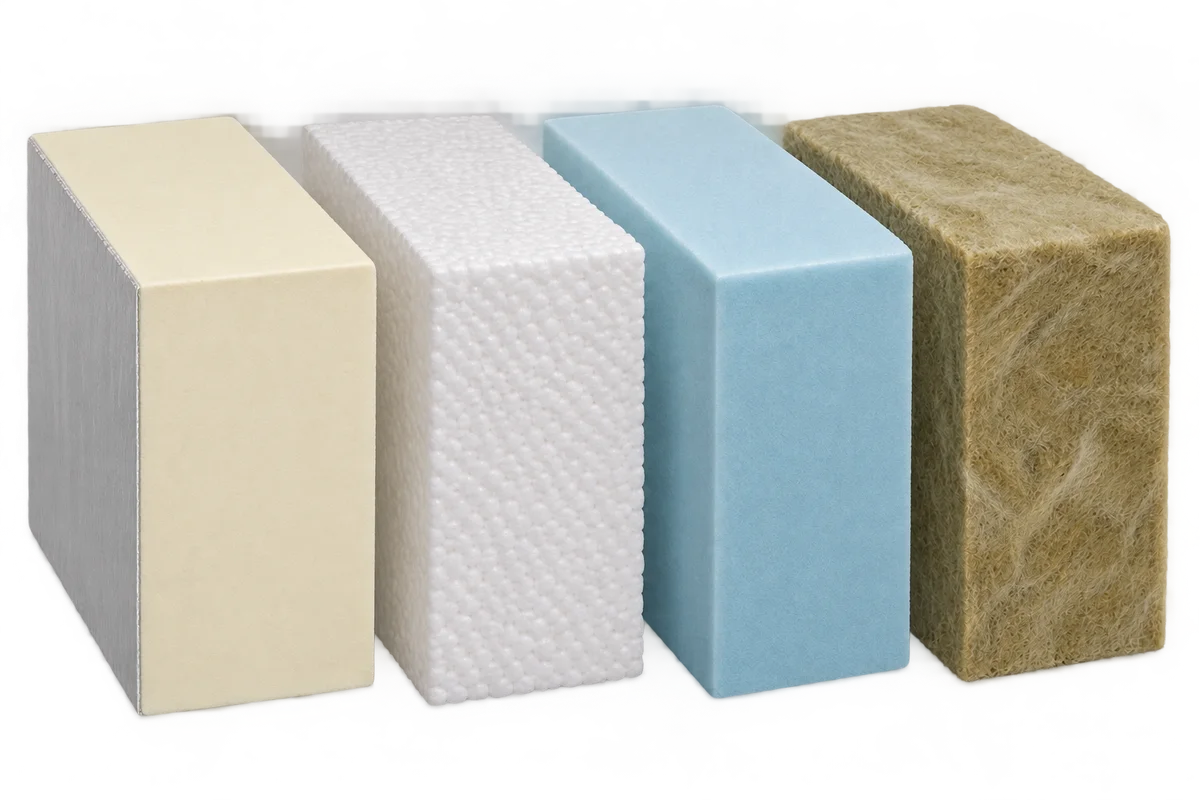
Different insulation materials can work together in one building element when each solves a specific problem. PIR can keep the build-up thin,…
Before fitting solar panels to an existing EPS-insulated roof, identify what will carry each mounting foot. Record the roof structure, insulation grade…
