Are metal roof tiles still a sensible choice for a new roof?
Costs and formalities
Metal roof tiles suit a new roof when the permitted pitch, supporting layers and installation method match the design. Before comparing prices, lay out two options on a drawing of your roof. Cut-to-length sheets can reduce joints on a straight slope, while modules may be easier to fit between dormers. Include waste, transport, accessories and labour in the estimate. Also check whether the coating suits the building’s surroundings and which layers will deliver the thermal and acoustic comfort you need in the loft. A dated catalogue example below compares both formats on the same price basis.
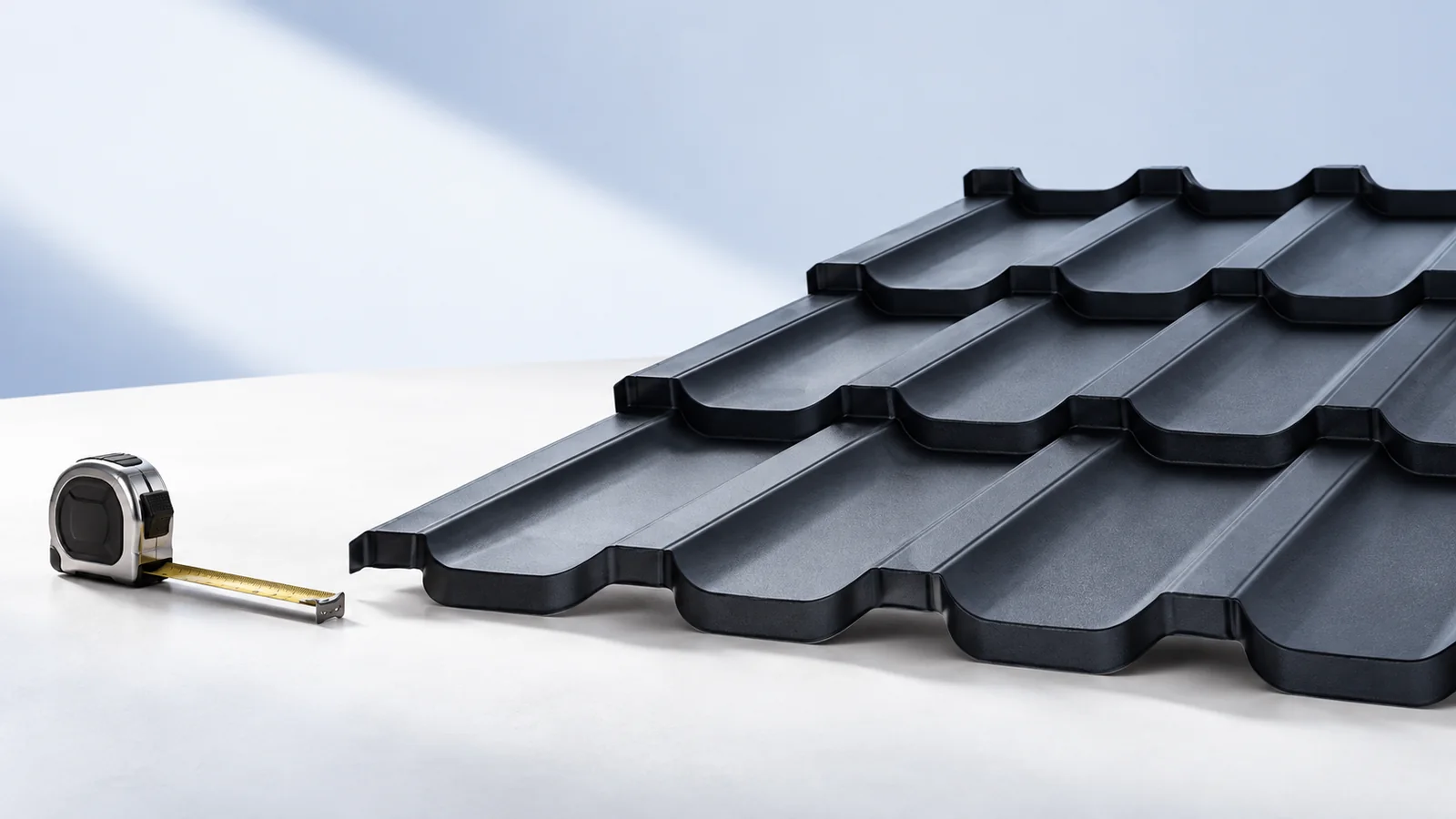
What can metal roof tiles offer?
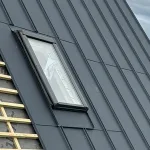
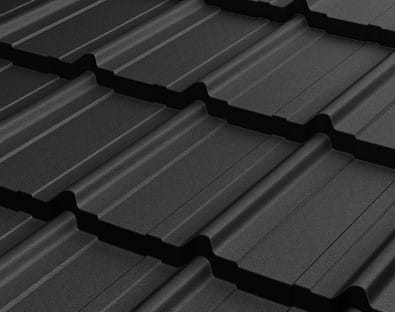
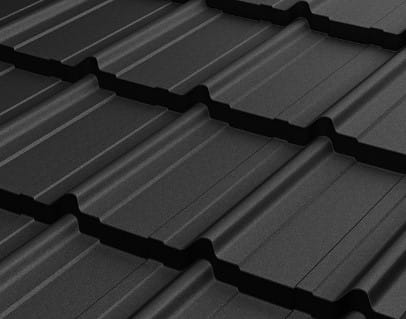
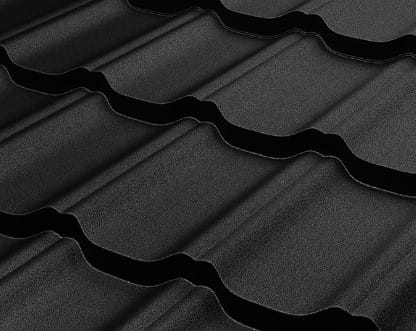
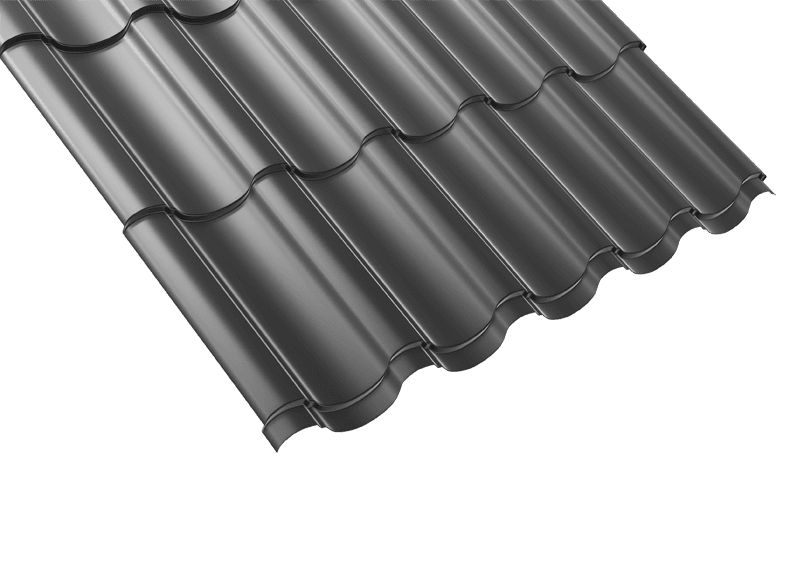
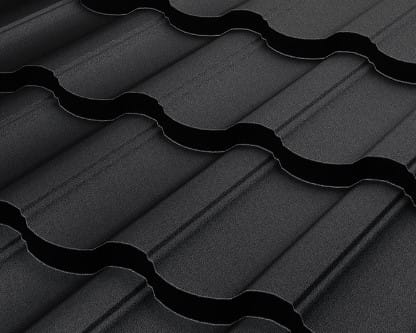
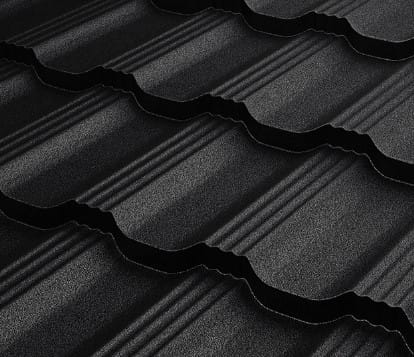
Pressed steel sheets reproduce the appearance of repeating roof-tile courses at relatively low weight. That can be useful in new design and some refurbishments. A choice of formats, finishes and colours allows the material to suit both simple slopes and more elaborate roof shapes.
Respect the permitted pitch and provide the specified substrate and layer sequence. A steel tile sheet provides neither complete thermal insulation nor a repair for damaged roof framing. Its advantages depend on the roof assembly being compatible throughout.
When do cut-to-length sheets make sense?
Cut-to-length sheets reduce end laps on simple slopes. Accurate measurement helps make efficient use of steel. Check transport and unloading before ordering. Support long pieces during lifting to avoid deforming the pressed profile.
Valleys and dormers can change the calculation. Larger cuts generate offcuts that may be unusable elsewhere on the roof. Compare the unit price with an actual sheet schedule and cutting layout prepared for the building.
When is a premium for modules justified?
Small sheets simplify delivery and handling on complicated roofs, especially where long pieces are difficult to lift. A standard module gives flexibility in planning quantities. Accurate batten spacing and regular checks on alignment remain essential as rows are added.
A premium is worthwhile when it produces a specific saving or practical advantage in cutting, installation or servicing. Compare the steel thickness and coating on both quotations. Part of the price difference may come from the material specification rather than sheet length.
What do example material prices show?
A Polish catalogue effective 28 October 2026 listed cut-to-length tile sheets with 25 µm polyester at about €9.12 net per m² of effective cover. An example modular version in the same finish group was €10.16 net. The corresponding gross catalogue figures including 23% VAT convert to €11.22 and €12.50 per m² of cover at the site’s 12 November 2026 rate of €0.231723 per PLN. The catalogue rounds amounts per unit of cover, so recalculating VAT from the rounded net price can give a minor difference.
These examples refer to particular catalogue variants and are separate from a Sandwich-panel.eu quotation. They exclude cutting losses, accessories, delivery and roofing labour. Another coating or different order terms change the result. The unit price is only a starting point for the complete roof budget.
What could justify a higher price?
Pay for characteristics that matter at the site. These may include better coating protection, a more efficient sheet layout or a complete accessory range. Read the warranty and maintenance requirements. A matt appearance alone says little about protection. Check the documented coating performance.
An unambiguous product designation, an agreed production batch and compatible accessories reduce uncertainty. Poorly identified material can appear cheaper while making suitability difficult to judge. This matters particularly on a roof that would be costly to replace.
What alternatives should you compare?
T18 or T35 trapezoidal sheets may suit a simple contemporary building in an appropriately designed assembly. On utility buildings, compare insulated roof panels as well. Coverings differ in weight and substrate requirements, so compare complete roof assemblies with equivalent functions.
In a home, thermal and acoustic comfort depend on several roof layers. Tapping a loose sheet in a shop gives little indication of rainfall noise indoors. Review the proposed insulation, airtightness and ventilation together to judge how the roof will perform in use.
How can you judge value for your roof?
Obtain comparable quotations for two technically suitable options. Include offcuts, supporting layers, flashings and labour. Ask about maintenance and repair, and look at roofs with a similar pitch and shape. This gives a project-specific basis for the decision.
Metal roof tiles can represent good value when the format, material performance and installation suit the design. Confirm the specification, calculate quantities for the actual slope and choose workmanship appropriate to the system. Those factors determine the finished cost and appearance.

Free quote
What to include in your enquiry
Tell us how you plan to use the material, the dimensions and the quantity you need. Include the thickness, grade or variant name, along with the delivery town or your preferred collection branch. For a specific product, add its name or a link to the product page. We will reply to the email address you provide to discuss availability and the terms of your order.
Read next
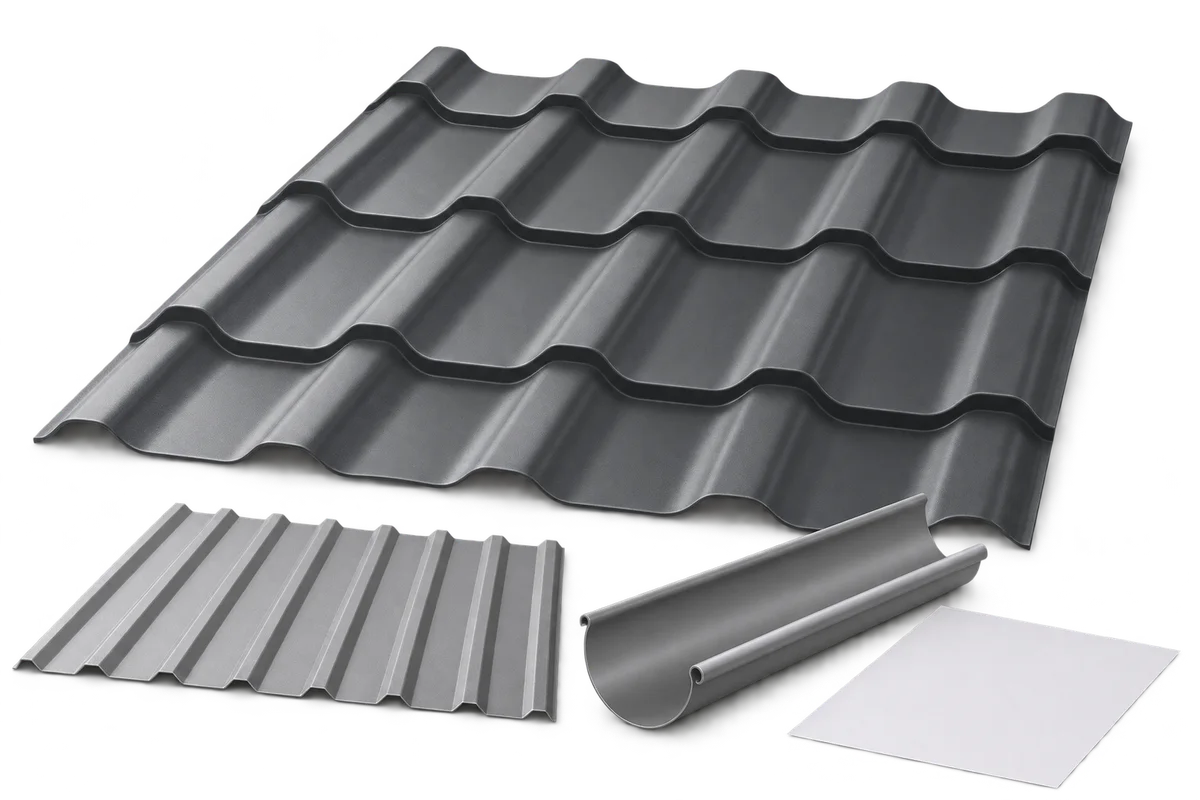
Choosing between a local roof repair and replacement of the covering requires investigation and clearly described scopes. Sheet age, a single damp…
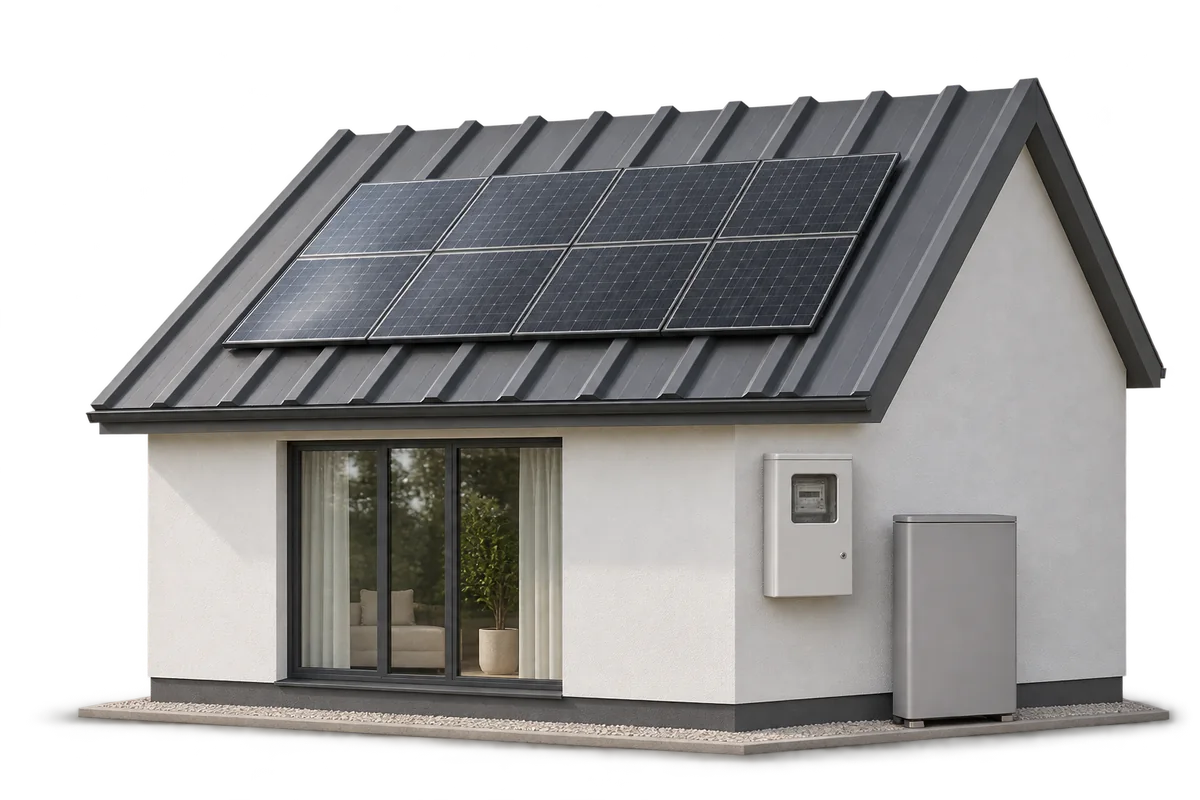
The financial return on rooftop solar depends on how much electricity you use on site, when you use it and how your…
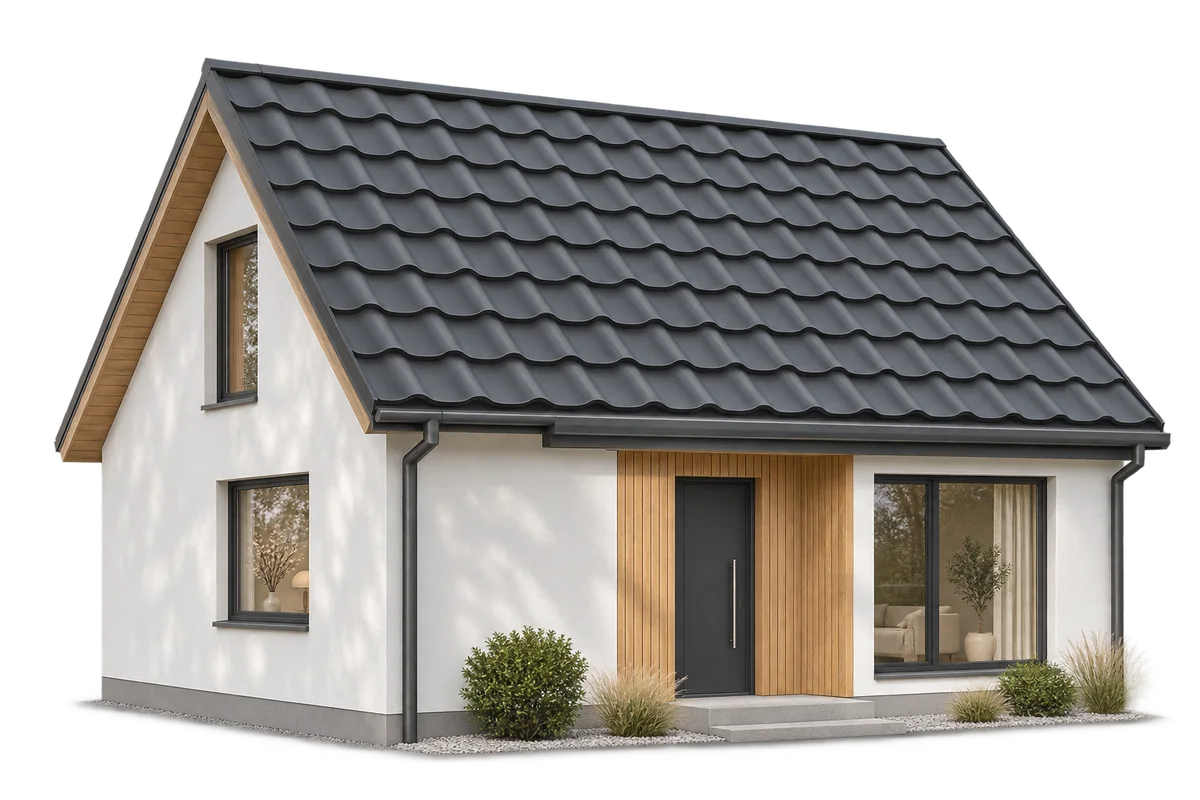
Metal roofing can suit both a traditional house and a simple contemporary building. The pattern of the profile, the proportions of each…
Insurance for a house under construction should reflect the stage the work has reached. An open structure faces different risks from a…
An English or German quotation may state a perfectly valid thermal conductivity without answering the question in a Polish specification. What matters…
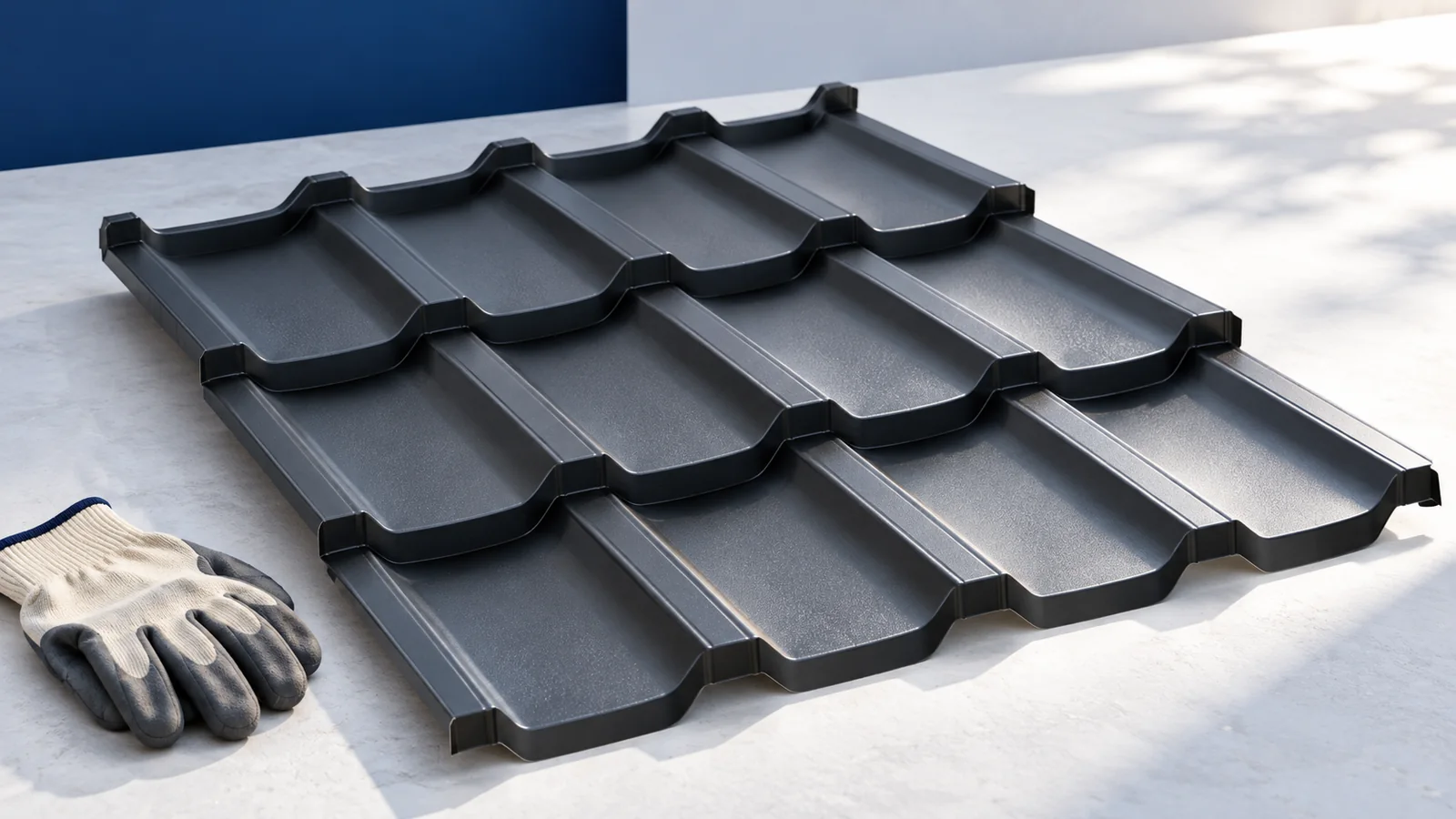
A lasting finish on a metal roof depends on the condition of the sheet and the coating beneath it. Identify the existing…
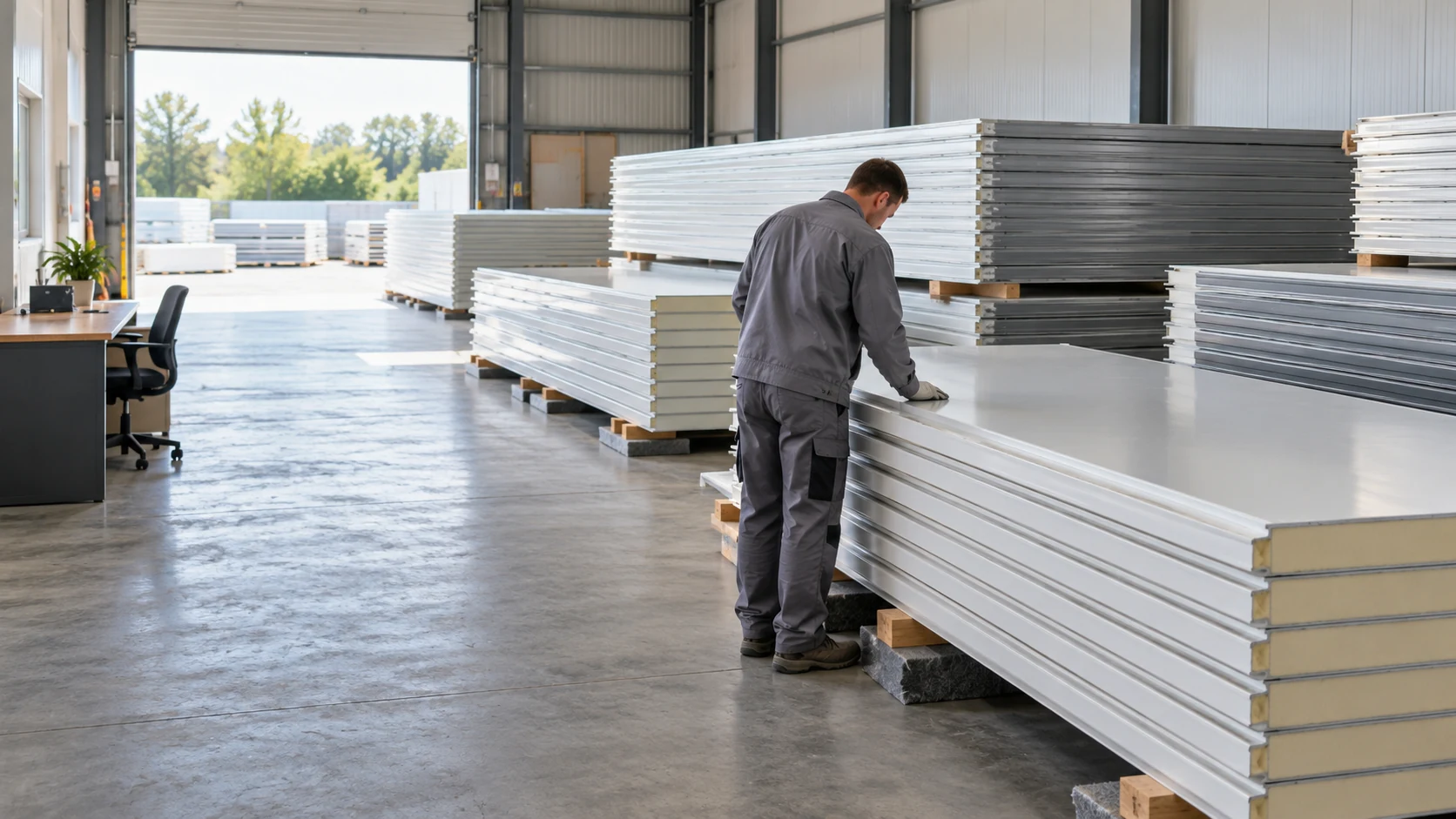
A large yard and a long product list do not guarantee a complete order. Look for someone who will confirm the exact…
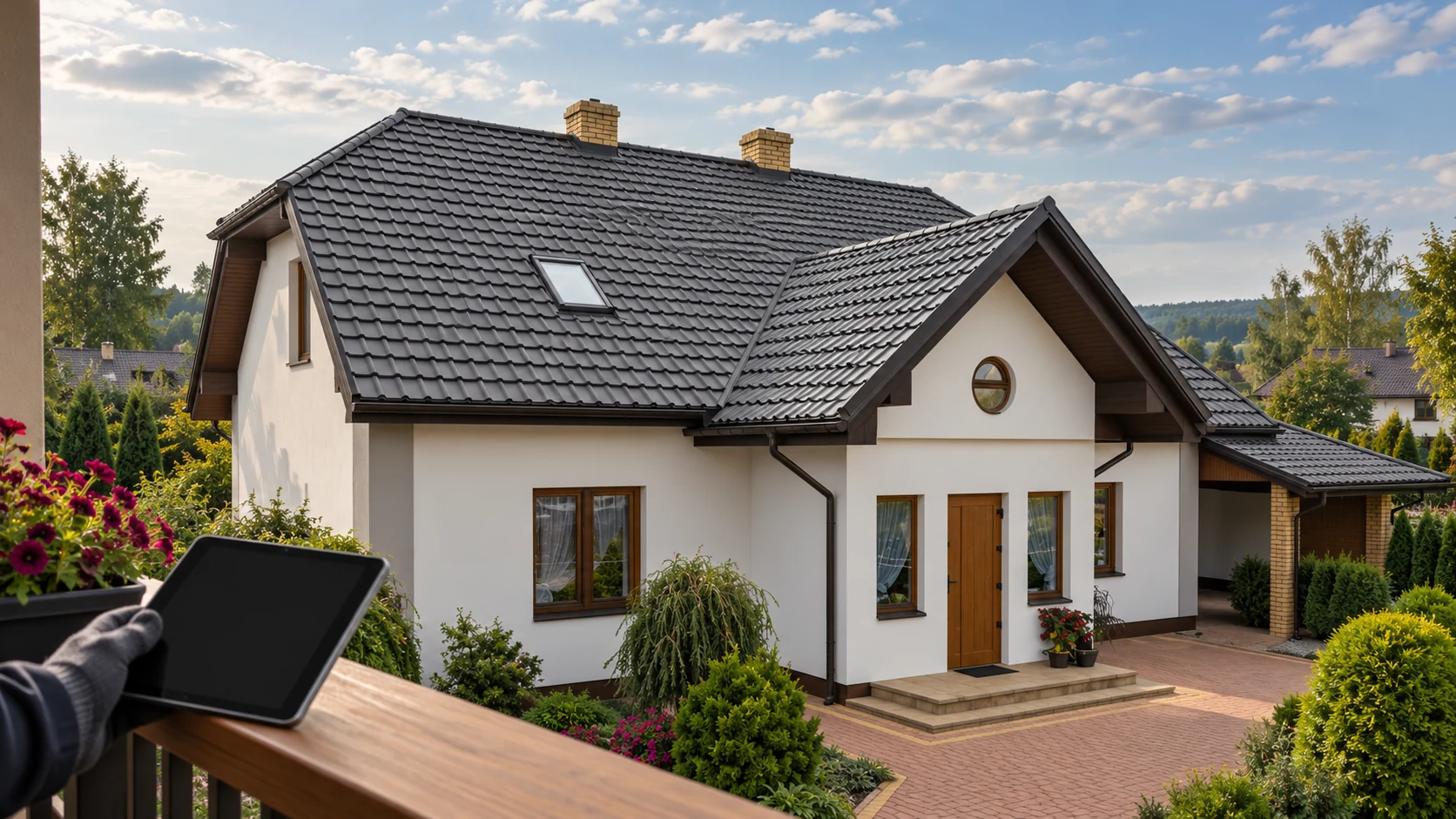
Order cut-to-length tile-profile sheets from a schedule of roof slopes, not a single area quoted over the phone. You need strip lengths,…