Can thicker roof sheeting save on supports?
Metal roofs
At a glance
A thicker sheet can alter the load capacity and stiffness of a roof covering. Whether you can increase the support spacing also depends on the profile, steel grade, loads and fixings. Calculate the cost of the complete system. The surcharge for a thicker sheet alone cannot tell you whether the structure will cost less. The specification should state the steel thickness and applicable tolerances. Metallic and organic coatings are separate characteristics. Check that both quotations express thickness on the same basis before comparing an unspecified overall thickness with a declared steel substrate thickness.
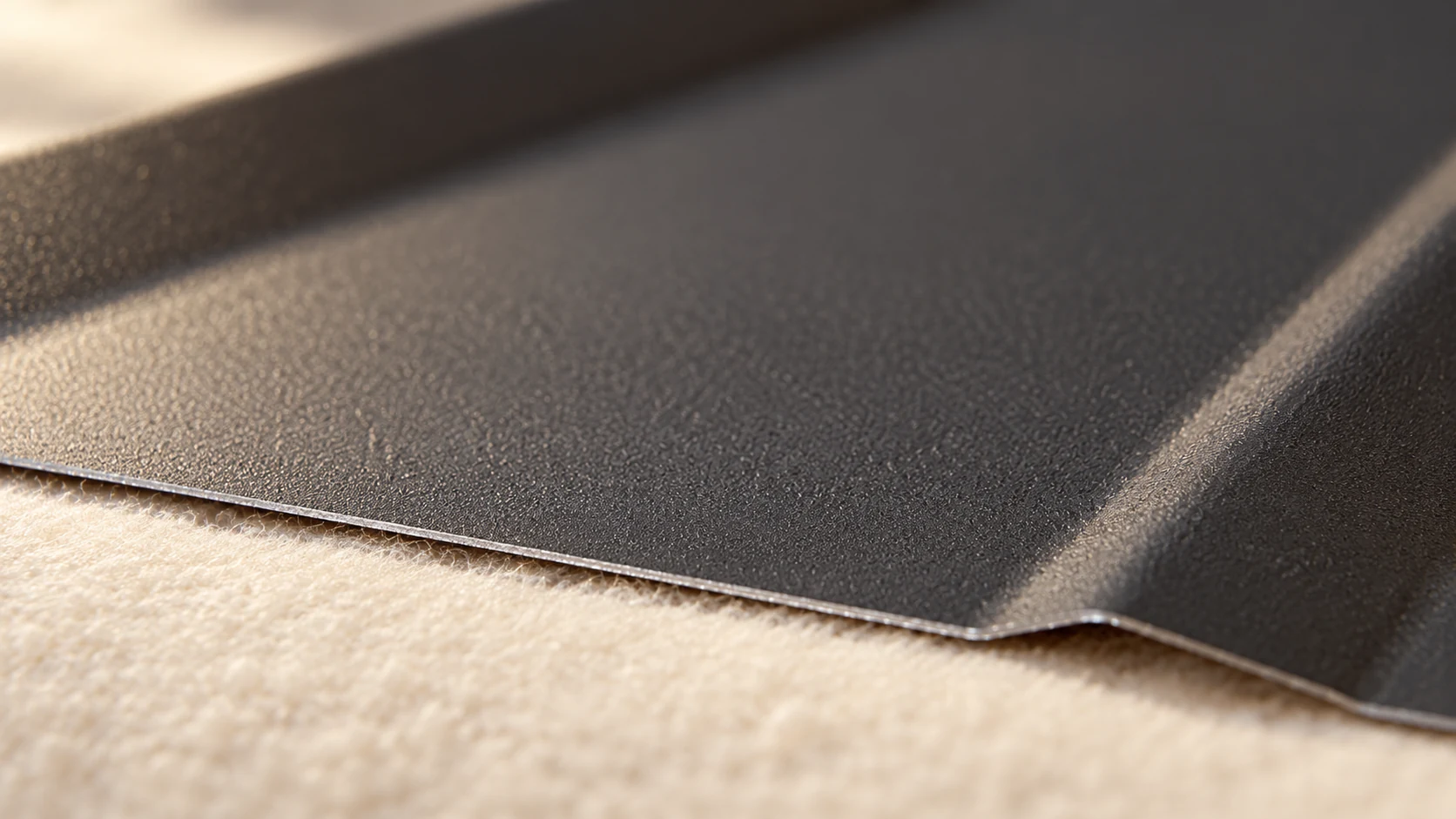
Which thickness are you comparing?
Roof cladding sheets are available in thicknesses such as 0.50, 0.60 and 0.70 mm. These are available variants, not specifications for every roof. A sheet of the same thickness with a different cross-section may behave differently. Flange widths and the number of ribs across the cover width also matter.
Why do millimetres alone tell you too little?
Going from 0.50 to 0.70 mm increases nominal steel thickness by 40%. It does not justify 40% wider support spacing. Section properties, span arrangement, applied loads and deflection limits determine the structural response.
Check bearing at the supports and the fixing points. Under wind suction the connections between sheet and structure must transfer the load. A stronger sheet cannot compensate for an inadequate fastener or base material. Check the entire load path.
How do you read the load table for the correct variant?
Match the table to the exact profile, thickness and steel grade on order. Then check the support arrangement. A single span behaves differently from a continuous sheet across several supports. Use the column for the actual arrangement when checking the planned spacing.
The designer checks snow, wind and other required loads, as well as serviceability limits such as allowable deflection. A table value is easy to misread without its assumptions. If the seller suggests a different thickness, obtain confirmation before production that the complete selection still works.
What changes when the roofing is heavier?
Calculate order weight using data for the exact profile and thickness. Check whether the unit is per linear metre of sheet, per square metre of sheet or per square metre of cover. Multiply the correct unit weight by the ordered quantity, then add flashings, fasteners and the remaining roofing components.
Account for the weight difference between the two verified options in structural design and delivery planning. Record both the total load and the weight of each pack the unloading equipment must handle. A thicker sheet may resist minor deformation better but still requires proper lifting. Its thickness gives no general permission to walk on the roof or place loads between supports.
When are savings on the structure real?
Compare two verified combinations of profile, sheet thickness and support layout. Include purlins or battens, fasteners and labour. If thicker sheeting permits a different structure, quantify the saving using design calculations and actual material quantities.
With an existing substructure, removing supports calls for a separate assessment and may yield no saving. Sometimes the surcharge improves a particular property while the spacing stays the same. Establish what performance you are paying for.
Include the support connections and how they bear on the primary structure. Fewer supports may concentrate forces at the remaining points. Include any resulting changes confirmed by the structural designer in the estimate.
What should you specify and check on site?
Specify the full profile designation, thickness, steel grade, coating and configuration used for design. Attach the agreed lengths and fixings list. Avoid unspecified substitutions with “similar” sheeting. Equal rib height does not guarantee equal properties.
Before installation, compare support spacing and bearing width with the drawings. Check condition and alignment in one plane. Resolve discrepancies before covering the structure. Choosing thicker sheeting afterwards cannot replace checking the whole design. An early check can prevent expensive dismantling.
Questions and answers
Is 0.50 mm always too thin for a roof?
No. Suitability depends on profile, support spacing, loads and the whole roof system. No single thickness suits every roof.
Does thicker steel automatically resist corrosion better?
No. Corrosion protection depends chiefly on coating type and condition, exposure and detailing. Steel thickness cannot replace adequate surface protection.

Free quote
What to include in your enquiry
Tell us how you plan to use the material, the dimensions and the quantity you need. Include the thickness, grade or variant name, along with the delivery town or your preferred collection branch. For a specific product, add its name or a link to the product page. We will reply to the email address you provide to discuss availability and the terms of your order.

Read next
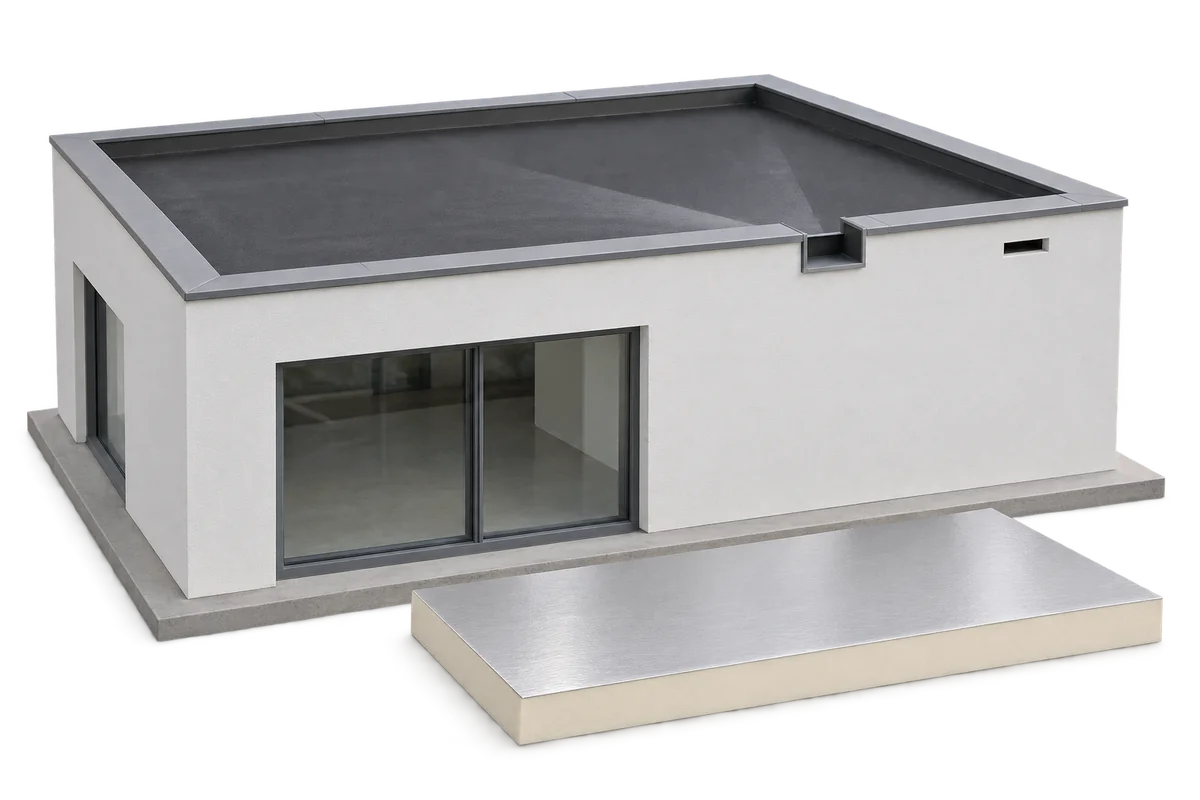
A flat roof needs falls that guide rainwater to outlets and a clear route for the water once it leaves the roof.…

The instructions for your roof covering tell you where PV mounts may be fitted, how to seal penetrations and how to protect…
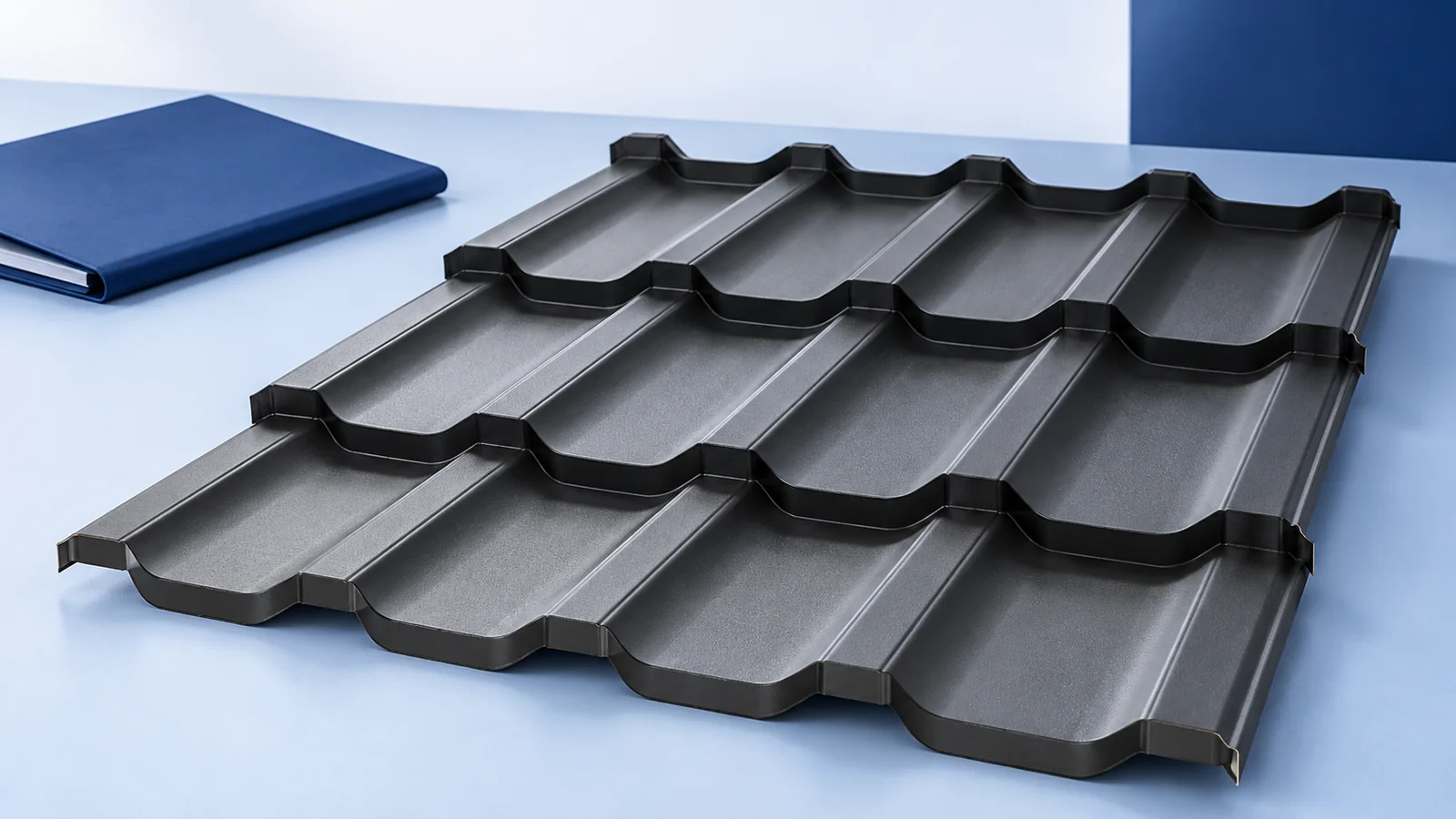
Choose between matt and gloss by comparing two named coating systems on the same roof profile. The surface finish affects reflections, while…
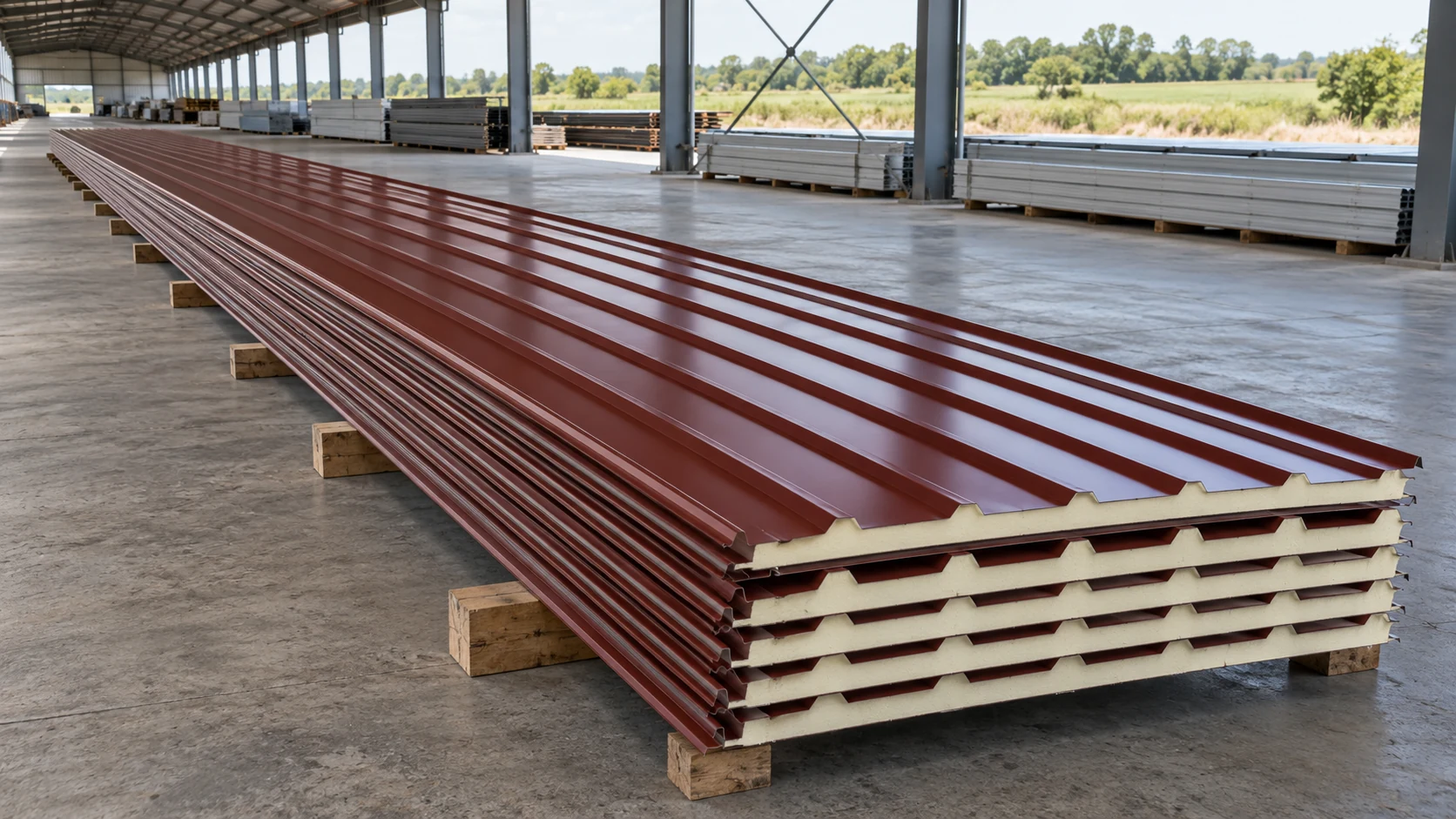
A single panel running from ridge to eaves can eliminate an end lap and the support and sealing detail it would otherwise…
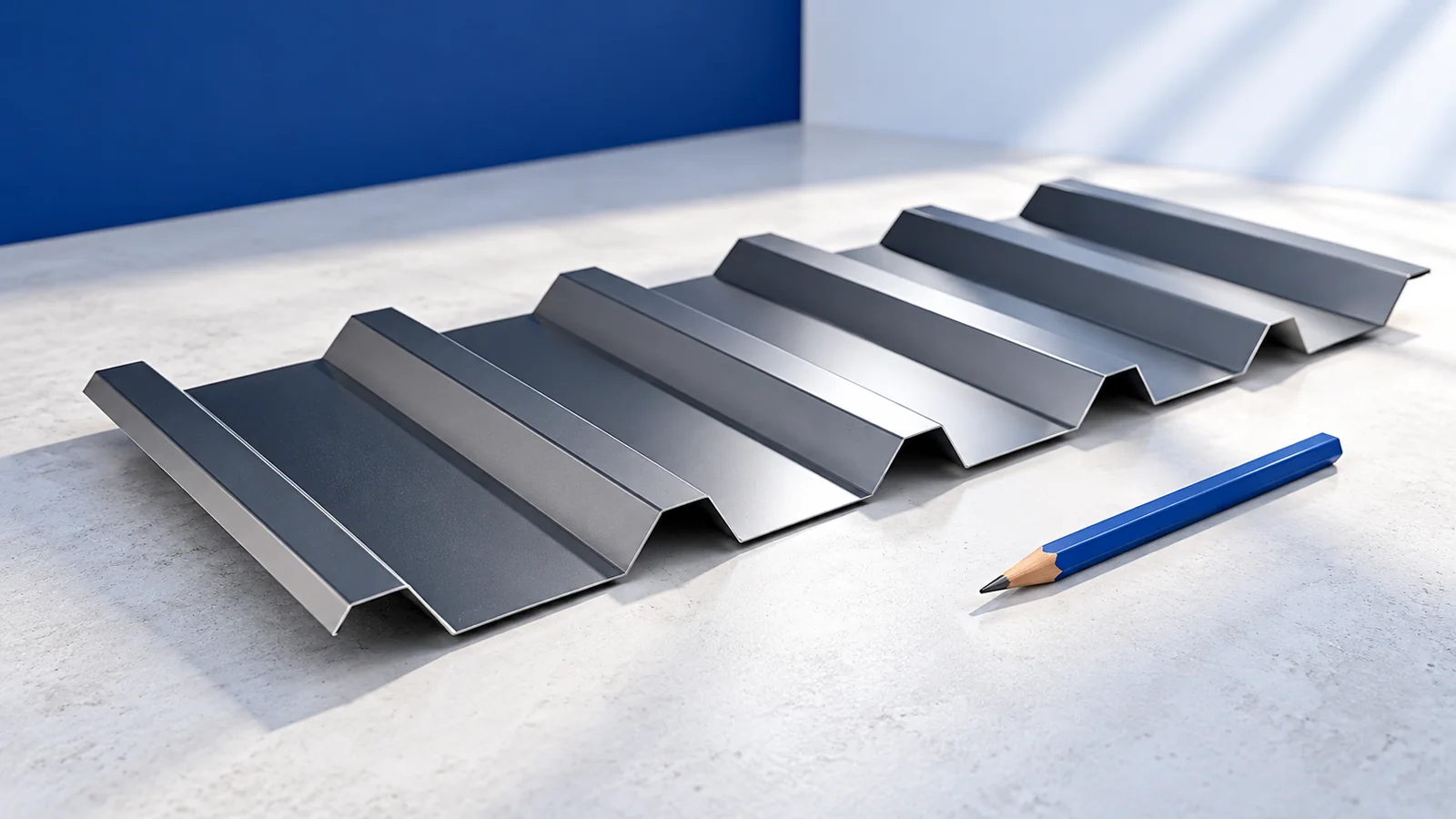
To compare T18 and T35 roofing sheets, ask for a price per square metre of finished cover and specify the same steel…
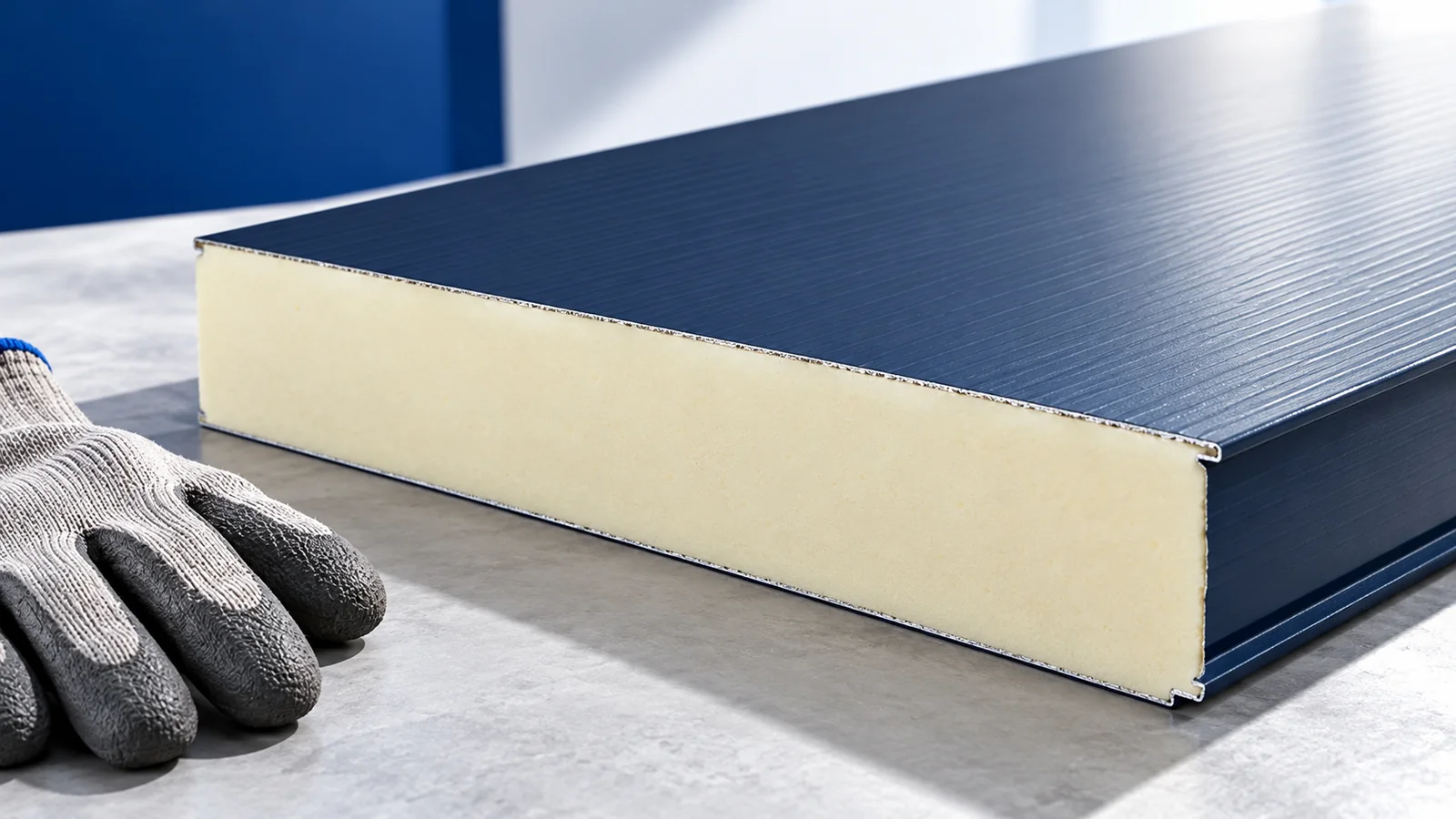
Look at the whole elevation before choosing a metal roof from a sample. Shallow trapezoidal ribs cast fine shadows; a deeper profile…
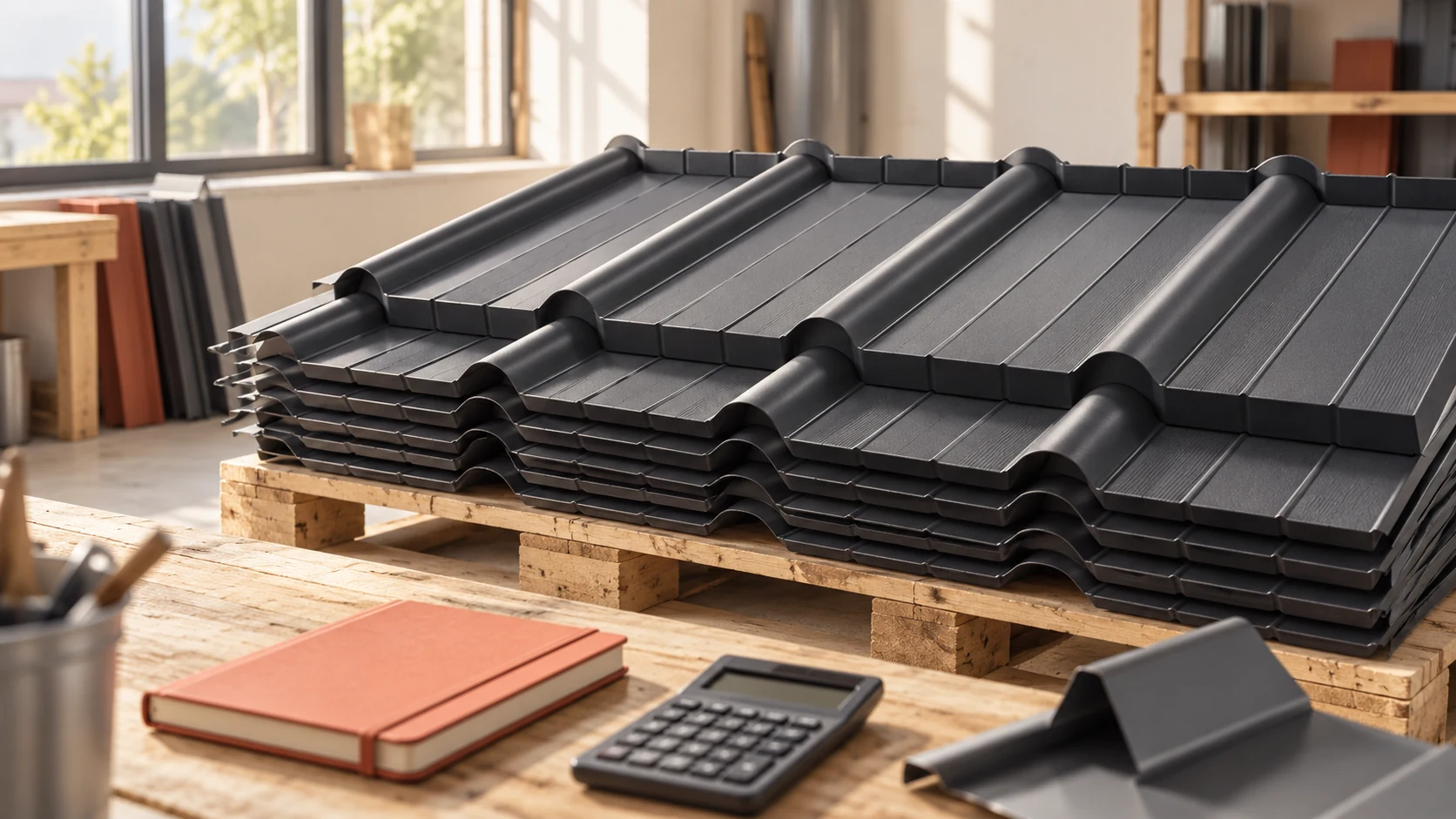
To compare prices, establish which square metre the supplier charges for, how much material the roof needs and what is included. Coating,…
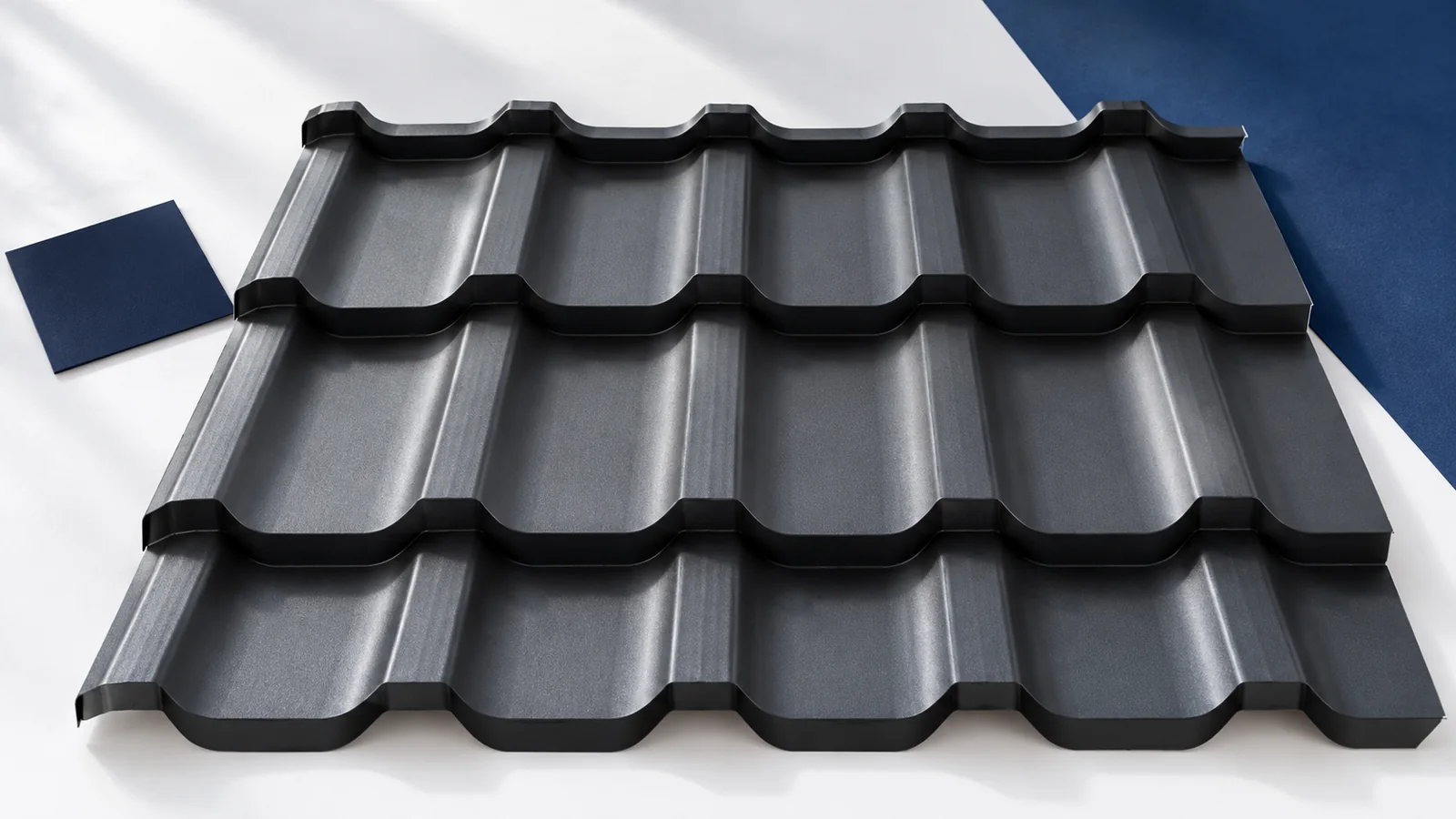
The first course of tile-effect roofing sets the alignment of every sheet above it. Before laying it, check the eaves line, diagonals,…