Fence picket coatings at industrial sites: what to tell the supplier about exposure
Metal pickets and fencing
An office frontage, a wash bay and a materials yard can expose the same fence to very different conditions. When specifying coated metal pickets for an industrial site, describe what reaches each side of the fence, how long it stays there and how the surface can be cleaned. Mention nearby traffic, production processes, washing and storage where they affect the fence. Road salt, dust, vapours and persistent moisture can all influence coating selection. With this information, the supplier can assess a specific finish for the site. A similar-looking picket sold for outdoor use may have a coating intended for different conditions.

In this article
Identify what reaches each section of fence
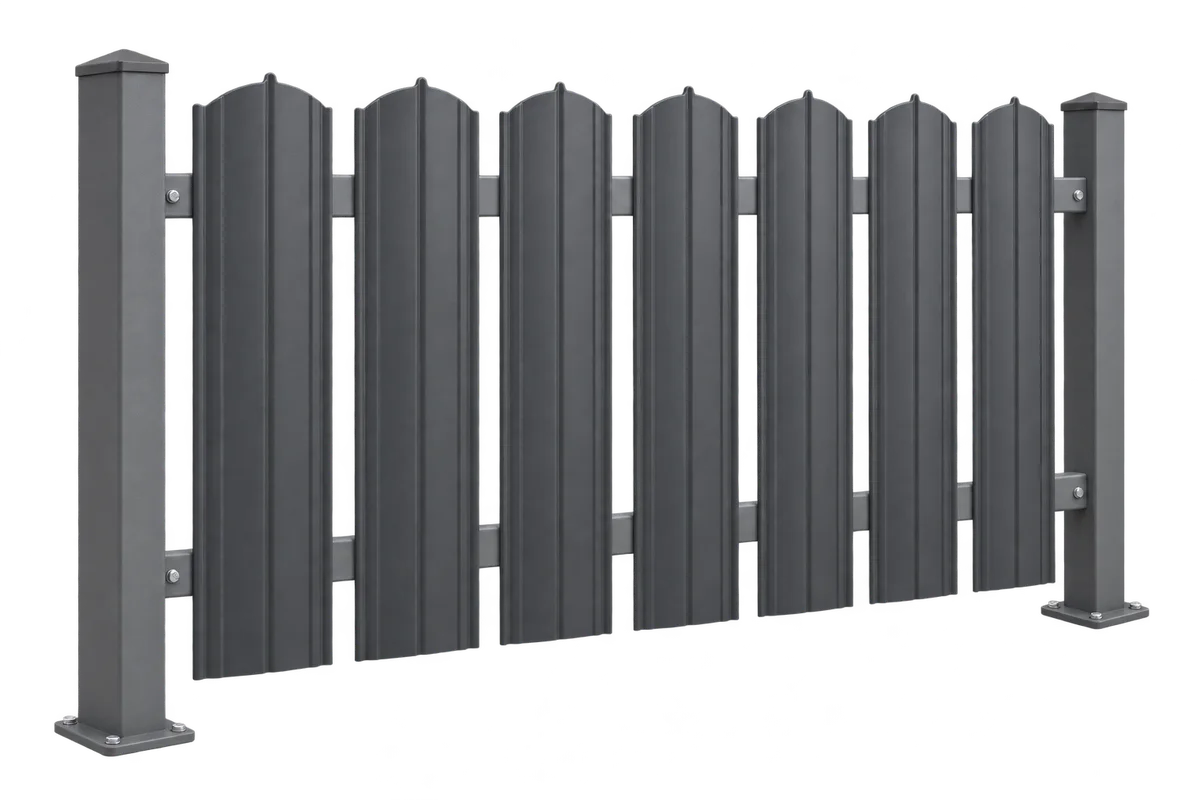
Sheet metal pickets at the office entrance may face different exposure from those behind the production building. Divide a long perimeter into zones. If the owner wants one colour throughout, assess which materials can provide it under the conditions in each zone.
Give the supplier more than the site address. Explain whether deposits arrive occasionally or remain on the surface, and which face they reach. This makes it easier to assess the intended use. A clear account of what happens at the fence is more informative than a corrosivity category assigned without an appropriate assessment.
Look beyond the colour when assessing protection
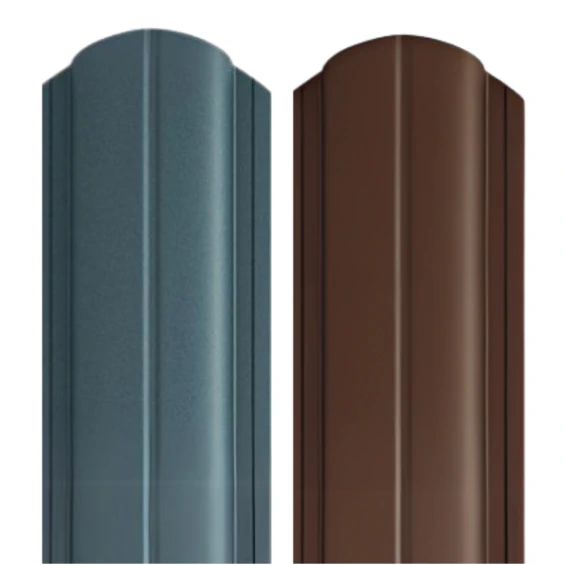
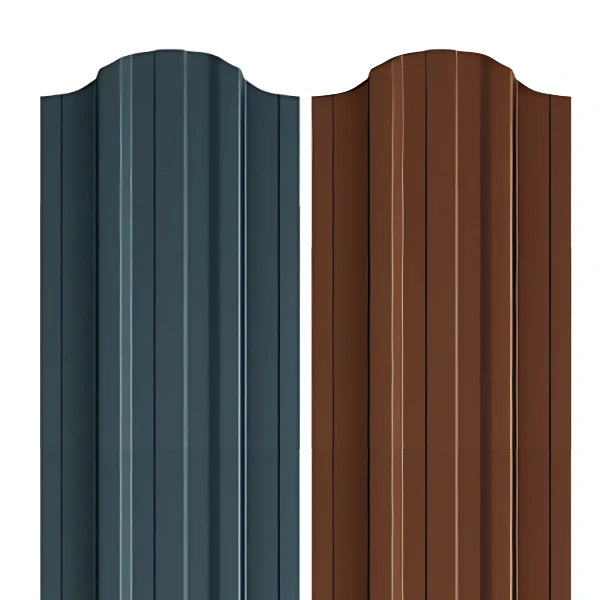
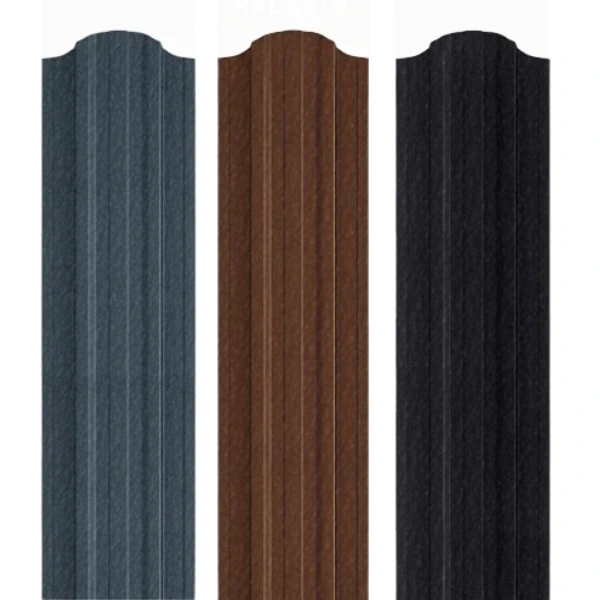
Several coating systems are available in anthracite. The colour identifies the appearance, while protective performance depends on the system. A matt finish alone tells you little about resistance. Compare the data for the particular material and its specified uses.
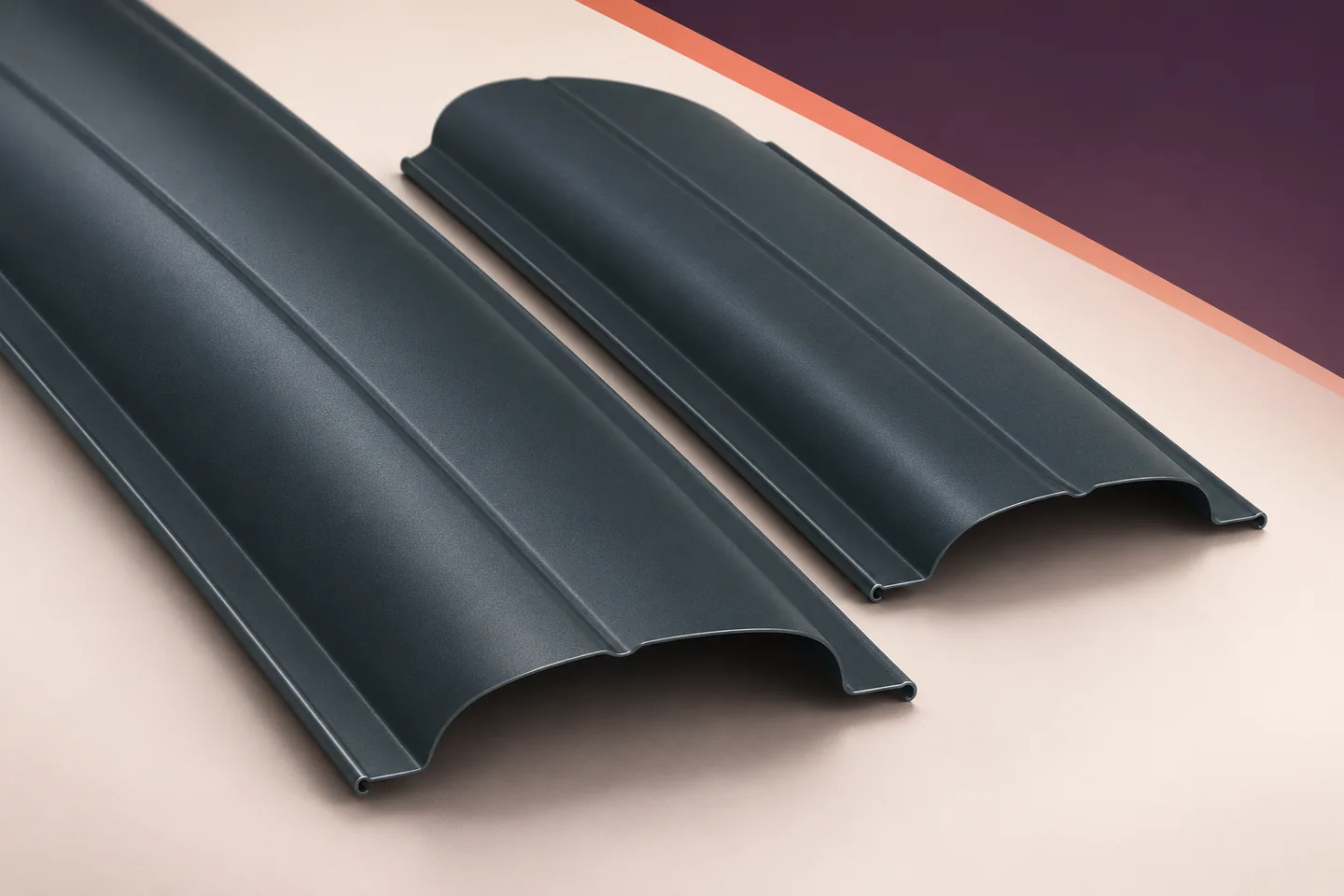
The metallic coating and surface preparation matter too. Coated steel pickets have a layered construction, so the thickness of the coloured topcoat measures only one part of the system. Compare the finished product and its instructions for use.
Check both faces of the picket
In a more aggressive environment, check the reverse face as carefully as the decorative face. The two coatings may differ. Consult the material specification before assuming they provide equal protection, even if both faces are the same colour.
The main source of contamination can be behind the fence. Pickets that look clean from the street may face deposits on the reverse. Include both faces and their contact points with the supporting frame in the inspection plan.
Inspect edges and connections
Cut edges and holes need careful workmanship. An unsuitable tool can damage the protective layers, and metal swarf left on the coating can leave localised marks. In demanding surroundings these defects can increase the maintenance required.
Agree how to protect edges and touch up damage for the selected material. Touch-up paint needs to suit the coating, and galvanising has limits that depend on exposure. Check the intended service conditions for the whole protective system.

Have the suitability of the coating confirmed
Where the site description identifies unusual exposure, send it to the supplier before ordering. Ask which uses are approved and what maintenance is required for the exact coating offered. Keep the response with the material specification.
Read the warranty terms separately from the sales description. They may set environmental limits and installation requirements. If the instructions exclude the conditions on site, choose another material or obtain clear confirmation from the manufacturer of a suitable solution. Resolve the issue before production starts.
Make sure cleaning is practical on site
The coating may need deposits removed at intervals. Check whether staff can actually reach it where the fence will stand. A bay whose reverse face is permanently obstructed will be difficult to maintain. Allow for access and cleaning arrangements when selecting the infill.
Use cleaning agents approved for the finish. Chemicals used on factory floors, machinery or installations may be unsuitable for decorative coated sheet. Follow the cleaning instructions. Some systems permit a narrow range of agents, so check before introducing another product.
Collect the information needed to check the delivery
List the base material, coating, colour, finish on each face and profile type. Include the specified accessories and fabrication instructions. This gives the receiving team a basis for checking the delivery against the intended use. An invoice describing an item simply as a picket leaves those details open.
Keep a sample and the batch reference for future additions. They help recover the original requirements when ordering again. Check a proposed substitute against those requirements. A coating difference can matter more than a small difference in the unit price.
Include coating selection in site maintenance planning
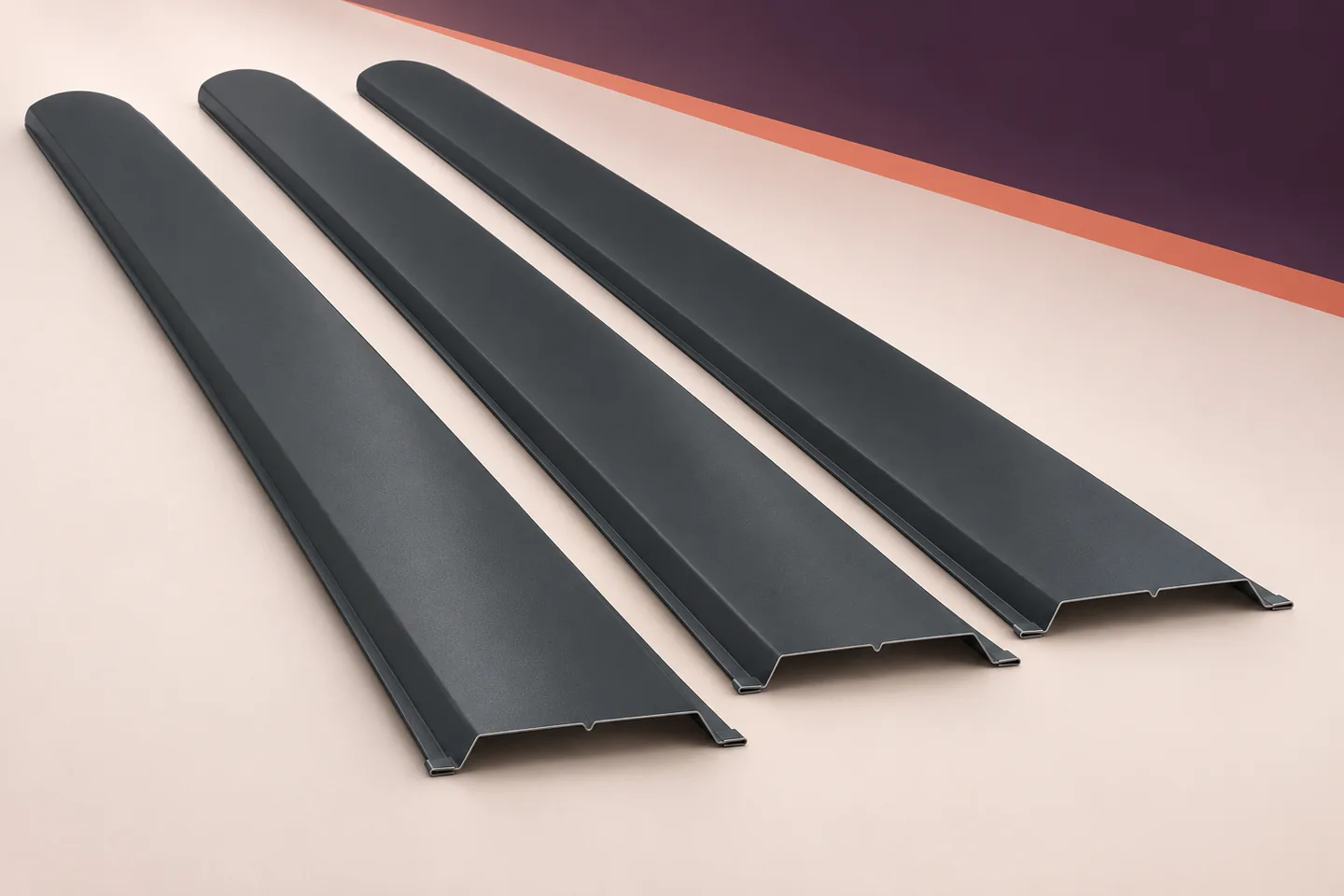
Sheet metal pickets offer a factory finish and a choice of infill arrangements for industrial boundaries. Their service life depends on selecting a material suited to the exposure, installing it correctly and maintaining it. Documenting the surroundings connects those decisions and gives the site team a practical basis for looking after the fence.

Free quote
What to include in your enquiry
Tell us how you plan to use the material, the dimensions and the quantity you need. Include the thickness, grade or variant name, along with the delivery town or your preferred collection branch. For a specific product, add its name or a link to the product page. We will reply to the email address you provide to discuss availability and the terms of your order.
Read next

When a business installs its perimeter fence in phases, the dates, contractors and readiness of the supporting frame can change between deliveries.…

On a long fence, a small error in spacing, picket length or delivery labels can recur in every bay. Divide the perimeter…
A picket fence can end neatly beside an industrial building without relying on its cladding for support. Loads from the pickets pass…
Start by measuring the clear opening between the finished posts beside the gate. Measure the width of a finished picket and draw…
A fence belongs on the site maintenance schedule alongside the buildings. Regular inspections help staff spot loose connections, coating damage and places…
Horizontal fence slats can give the area around a warehouse, workshop or farm building a consistent appearance. Before choosing a profile, check…

A business frontage should make it clear where visitors can enter on foot, where vehicles turn in and which areas are open…
A fence and a sandwich panel façade can share a colour scheme while performing different jobs. The panels form the building envelope.…