Changing the roof covering: will the existing verge flashing still fit?
Roof details
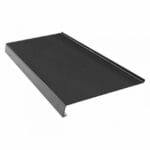
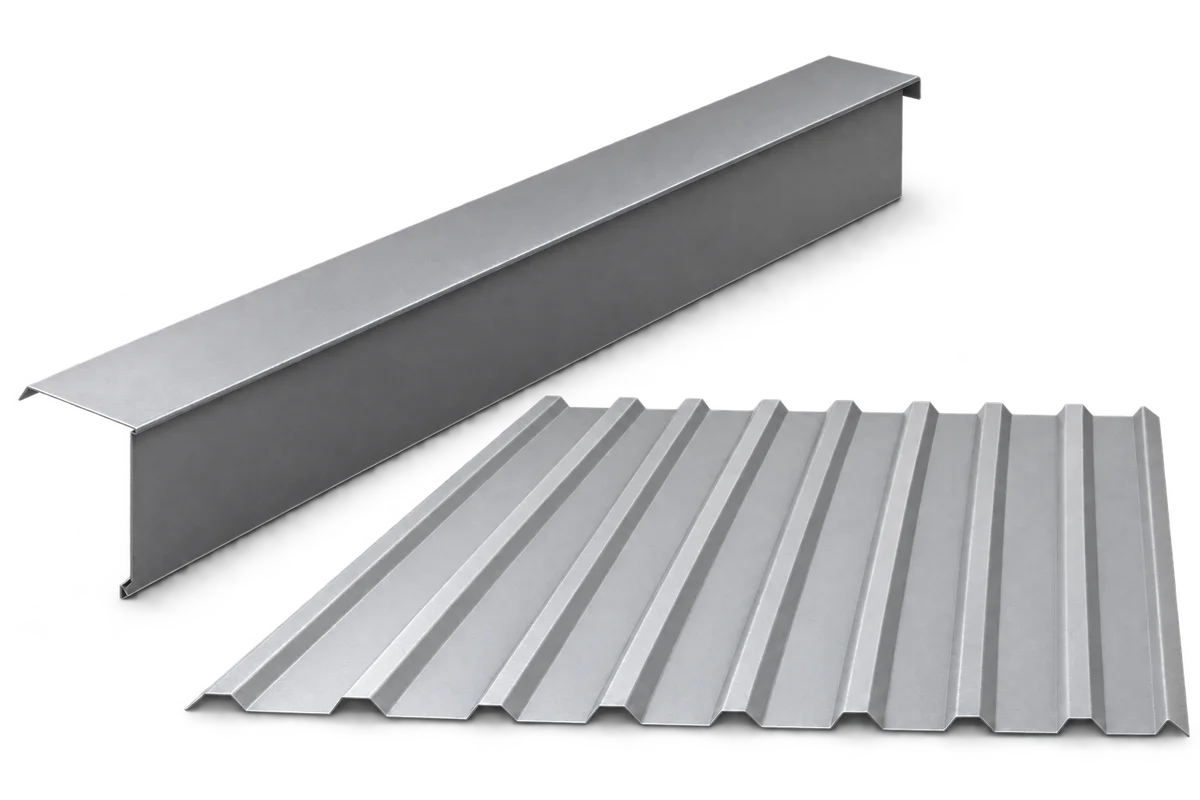
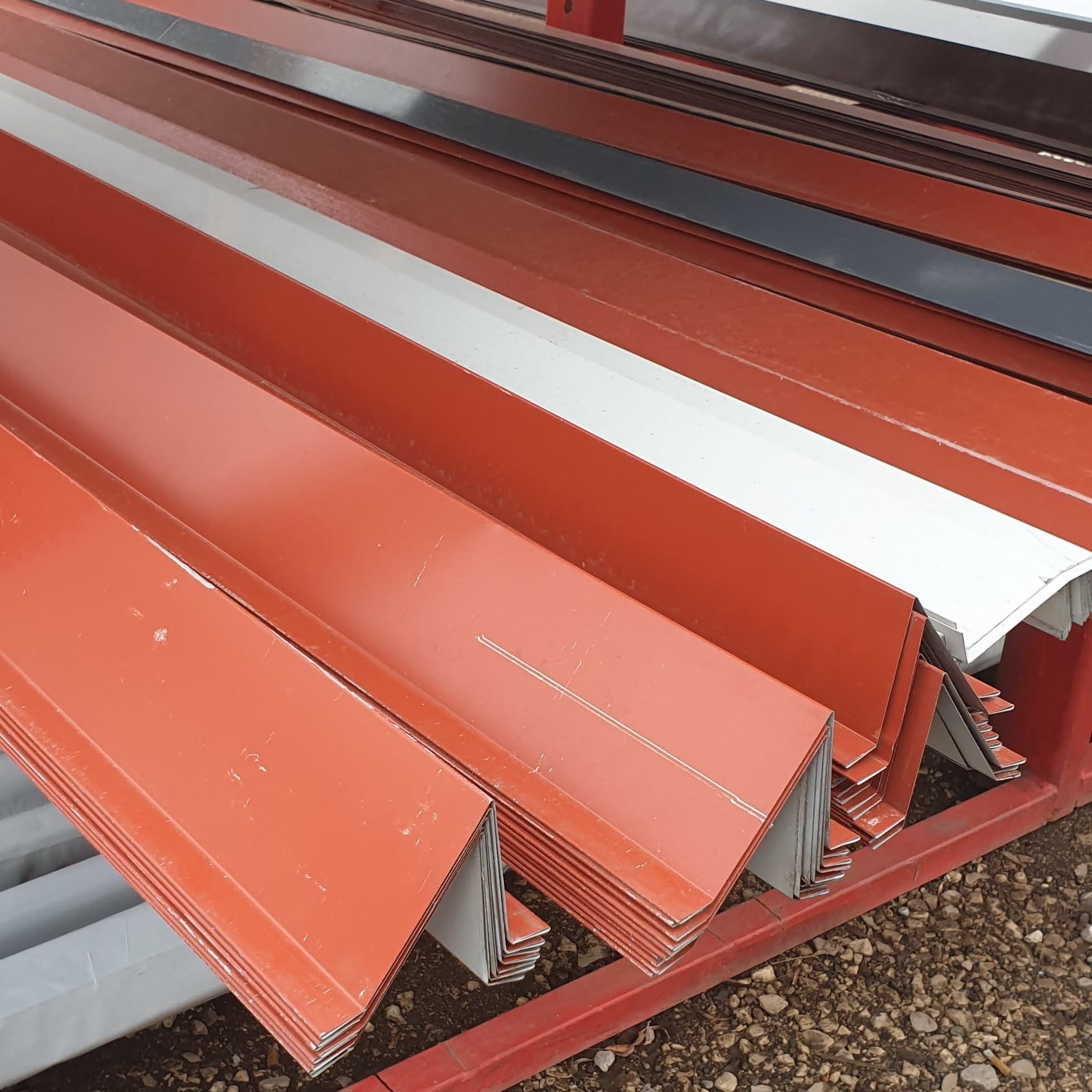
Changing a roof covering calls for reassessment of the verge flashing even if the roof-slope dimensions stay the same. A new profile, assembly height or outer-sheet termination can change the connection requirements. Comparing flashing length and colour is not enough. This guide identifies information to compare when changing between metal-covering types or selecting roof sandwich panels. It covers system identity, support position, edge layers and the decision to retain or replace flashings. It does not imply that a covering change is acceptable without assessing the entire roof. Structural selection and detail solutions belong to the relevant design and product instructions. Verge flashing should be assessed within that context.
In this article
Identify the new covering precisely
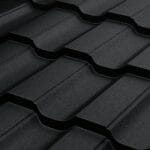
Record the manufacturer, model and intended roof use, not simply “sheet metal”. Trapezoidal sheets, metal tiles and standing-seam panels have different geometries. Instructions for a vaguely similar product are not documentation for the model being ordered.
Compare profile height and edge termination
Collect the correct edge drawings for the options considered. Compare complete sections, including components beneath the covering. The same flashing name in two catalogues does not establish interchangeability or identical fixing methods.
Profile height affects the upper detail position relative to the gable termination. Check the particular model rather than the product family. Changing a low-profile trapezoidal sheet to another profile may require new flashing dimensions.
Establish whether the outer sheet is cut, folded or connected to a dedicated part as instructed. Do not copy the old covering’s edge treatment. A change there can affect whether the previous verge flashing remains usable.
Check any change in support position
New battens, counterbattens or other supports may change the finished covering level. Flashing dimensions must refer to the proposed completed assembly. Measurements of the old roof do not automatically describe the arrangement after layers are added or replaced.
Check the specified flashing fixing positions in the new solution. Supporting material and access need agreement with the installer. Existing holes will not necessarily lie in suitable positions simply because the flashing length matches the edge.
Do not transfer layer assumptions between systems
For batten-supported roofing, account for the layers beneath the metal. Their route at the gable should follow the design. Replacing flashing alone does not automatically resolve underlay and ventilation questions.
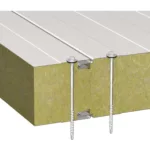
A roof sandwich panel combines facings and core in one product, so assess its edge using the appropriate system detail. Do not recreate a conventional sheet-metal detail by adding arbitrary covers. Establish protection of the panel end and its connections to the rest of the roof.
Decide whether reuse is suitable
Reusing flashing requires assessment of geometry, material and condition after removal. An apparently undamaged surface does not settle all those issues. Decide after comparison with the new detail rather than before selecting the covering.
If bends or holes must be altered, agree the suitability of that modification with a professional. Forcing a piece into place is not equivalent to making the correct profile. A new flashing with an approved section may be the more suitable option.
Approve the detail for the selected option
Finalise the covering and detail version before fabrication. If the model changes later, recheck the dependent flashings. Keeping the old schedule despite changed geometry can result in pieces that do not fit the roof.
After completion, retain the drawing for the new covering and identify parts retained from the old assembly. Records should show the changed state. Future inspection can then avoid relying on obsolete assumptions about the previous roof.

Free quote
What to include in your enquiry
Tell us how you plan to use the material, the dimensions and the quantity you need. Include the thickness, grade or variant name, along with the delivery town or your preferred collection branch. For a specific product, add its name or a link to the product page. We will reply to the email address you provide to discuss availability and the terms of your order.
Read next
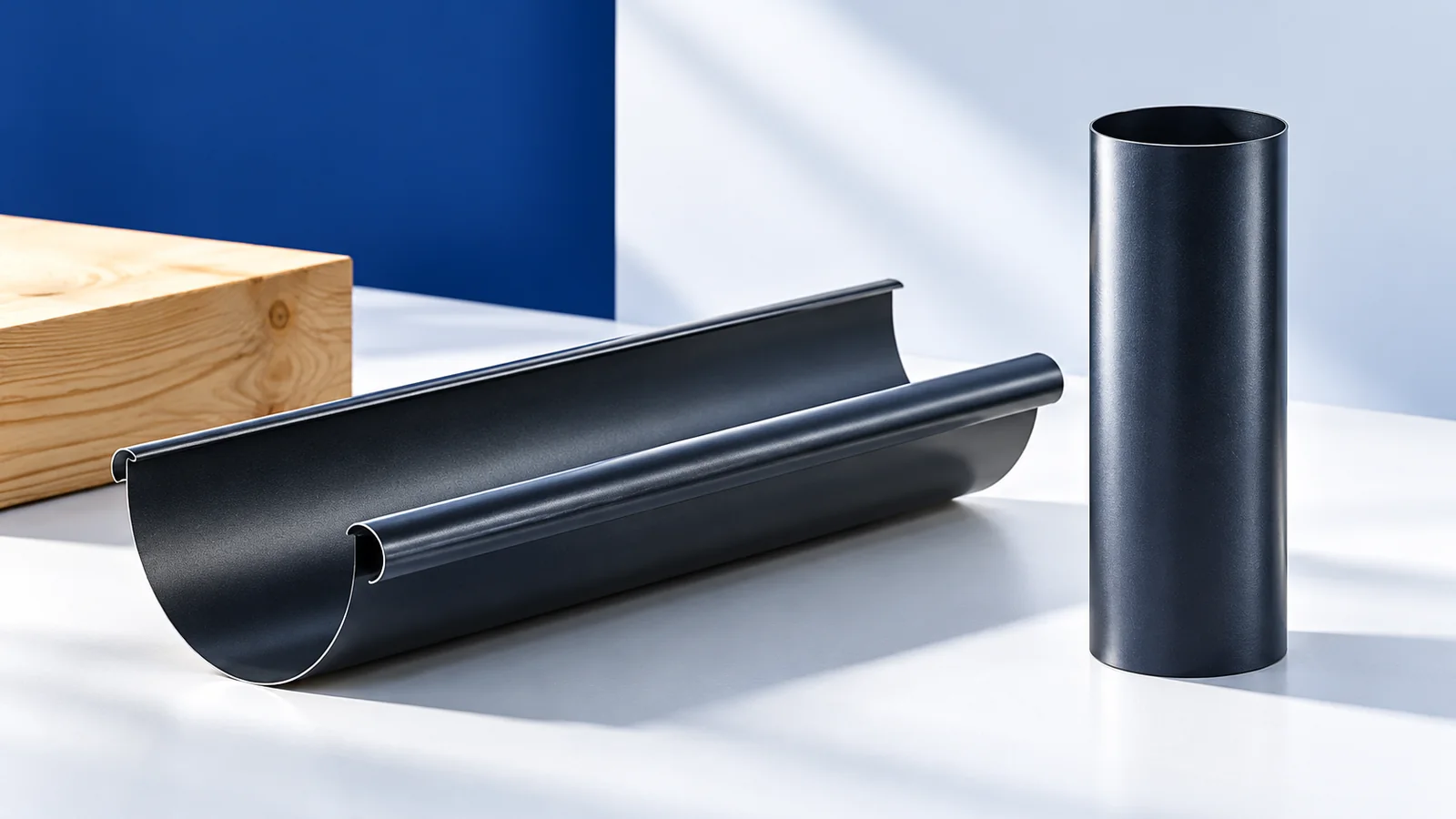
To select gutters for a metal roof, mark the area draining to each outlet on a roof plan. A valley may concentrate…
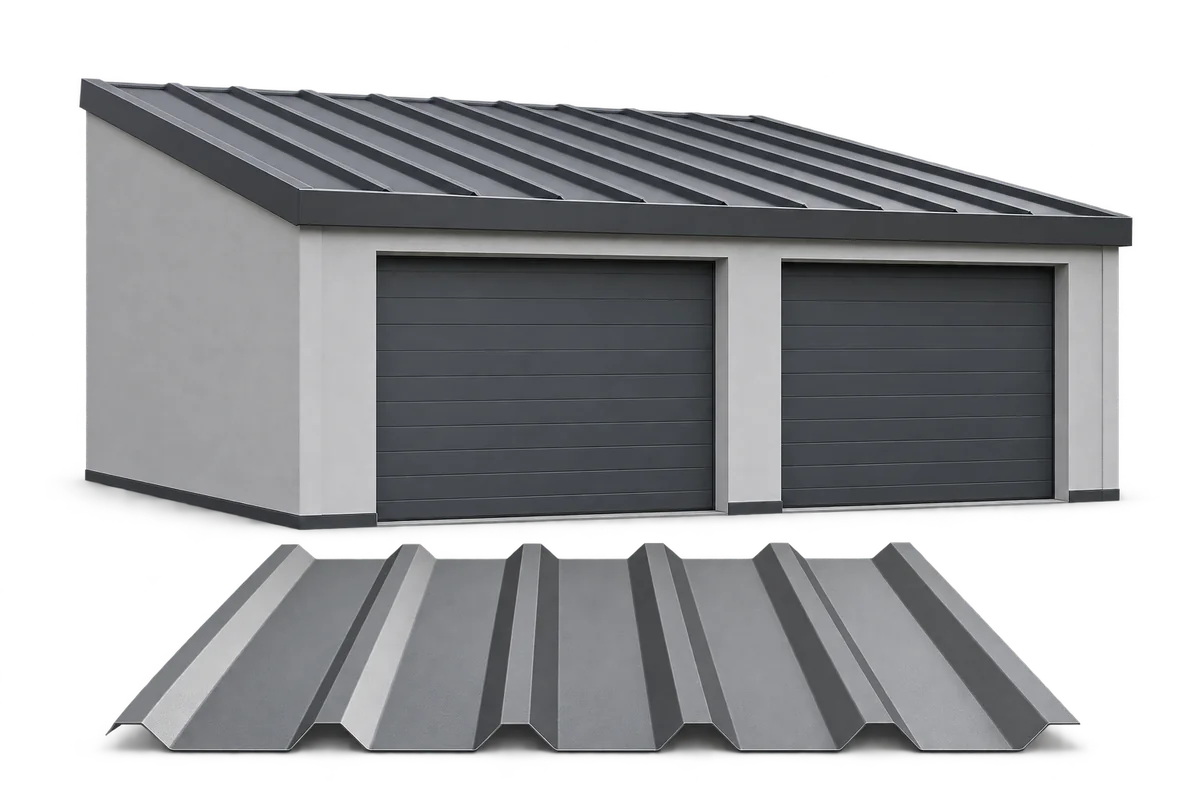
Trapezoidal steel sheets can cover a garage roof, clad its walls or screen the side of a carport. Choose the coating and…
A practical roofing course gives installers a chance to set out a slope, form a flashing and check a fixing while the…
A price per square metre is not enough to select trapezoidal steel sheet. Comparable offers identify the profile, thickness, coating, dimensions and…
The cost of covering 200 m² depends on how many whole sheets you order. Allow for flashings, fasteners, delivery and installation as…
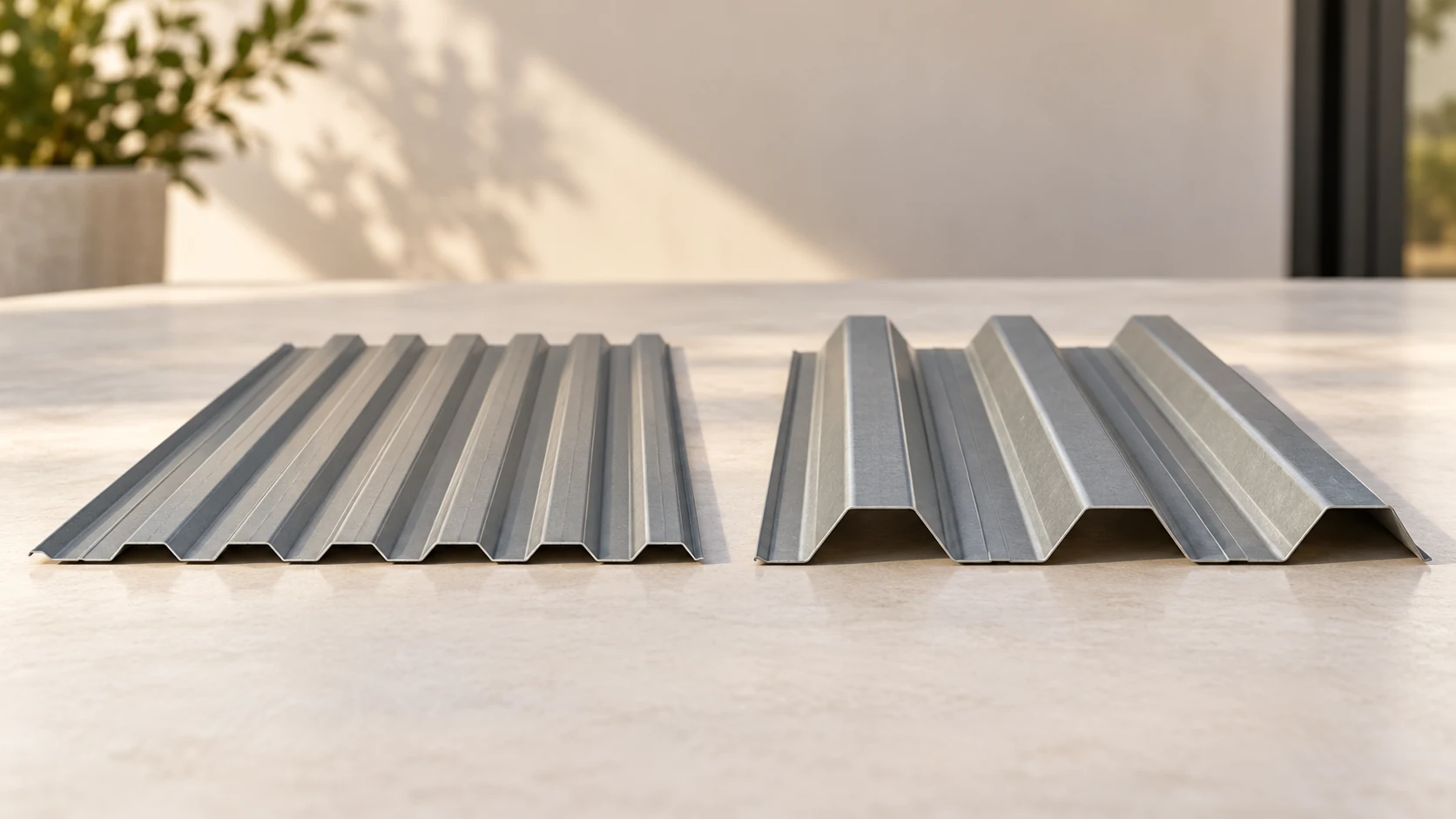
Changing the depth of a trapezoidal steel sheet changes its stiffness and can also change its effective cover width. Compare T18 and…
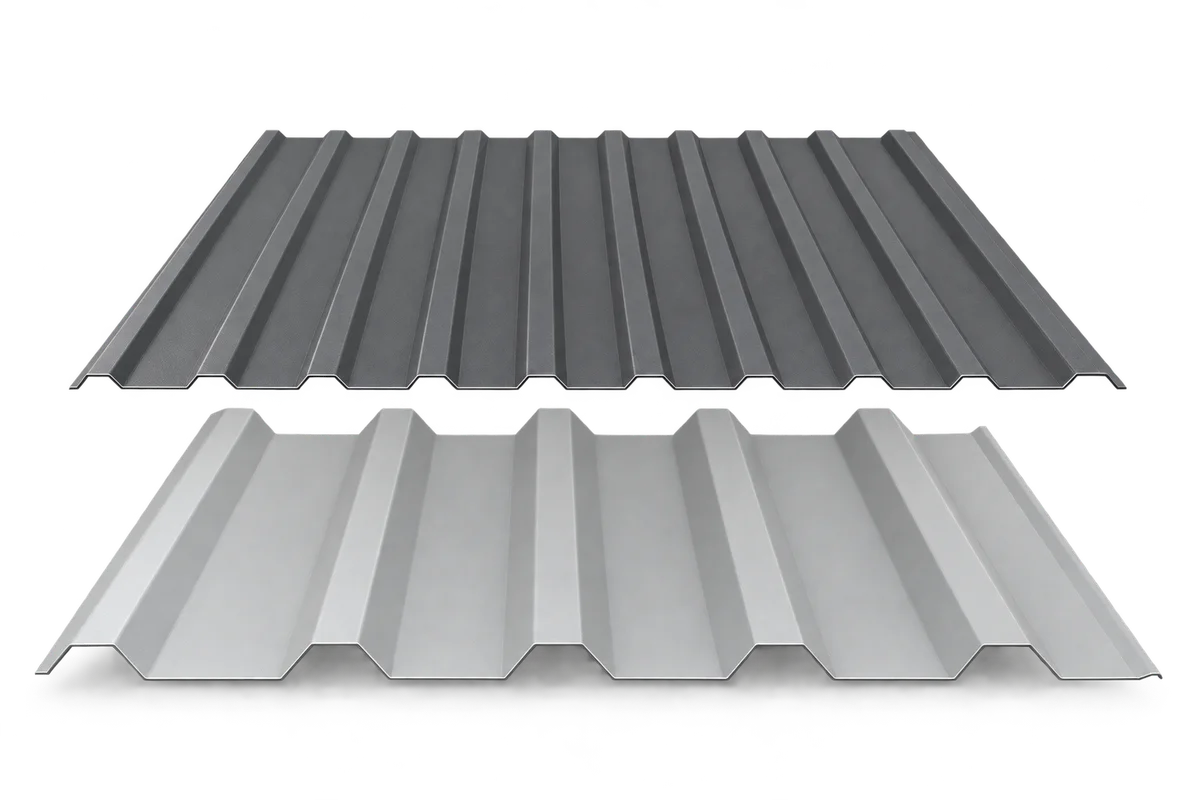
Before agreeing the length of trapezoidal sheets, trace their route from the truck to the installation point. A sheet cannot be folded…
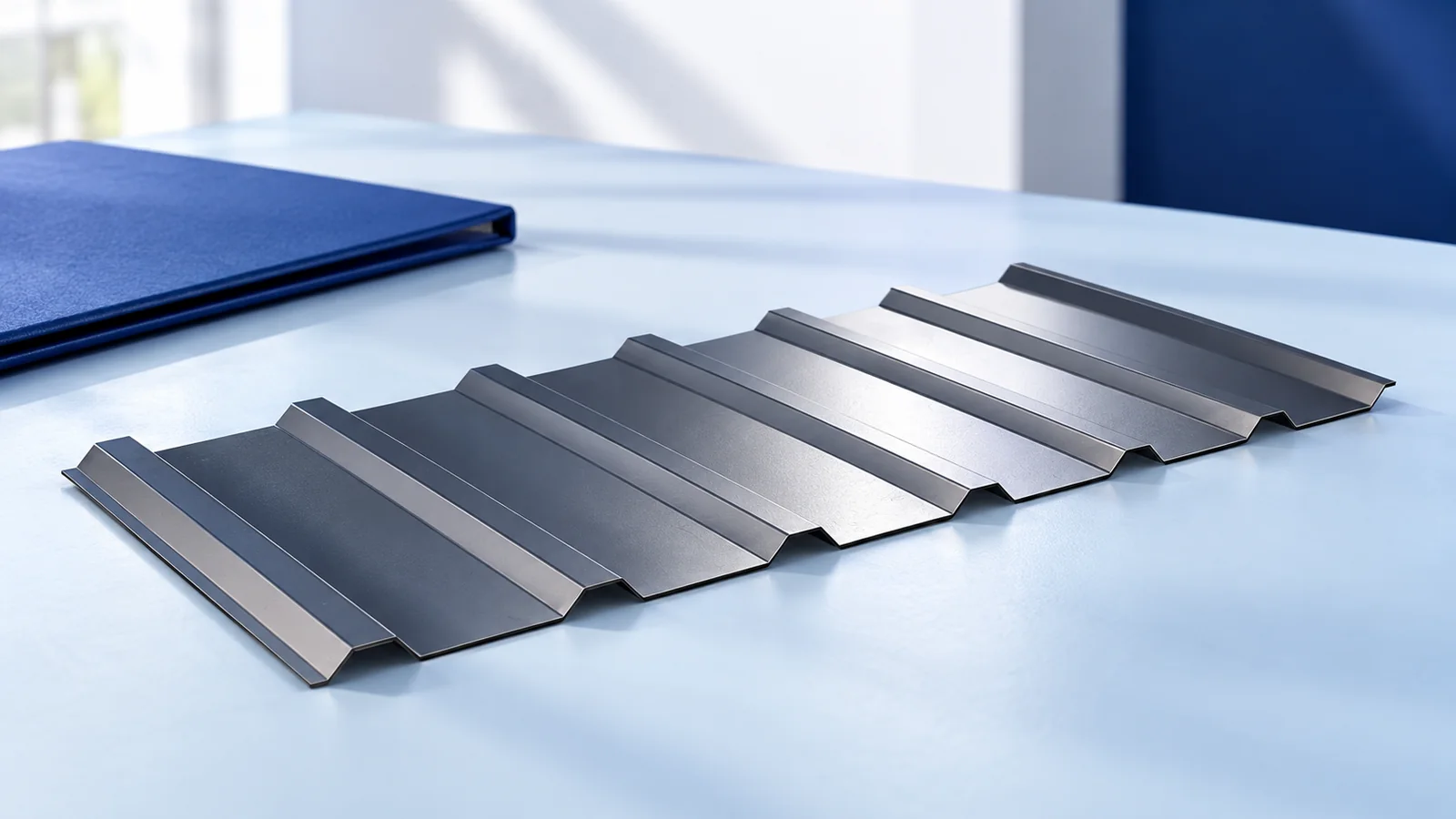
A T18 or T35 profile designation describes the shape of a sheet. To judge how long it may last, look at the…