How long does trapezoidal steel sheet last and what affects its service life?
Renovation and maintenance
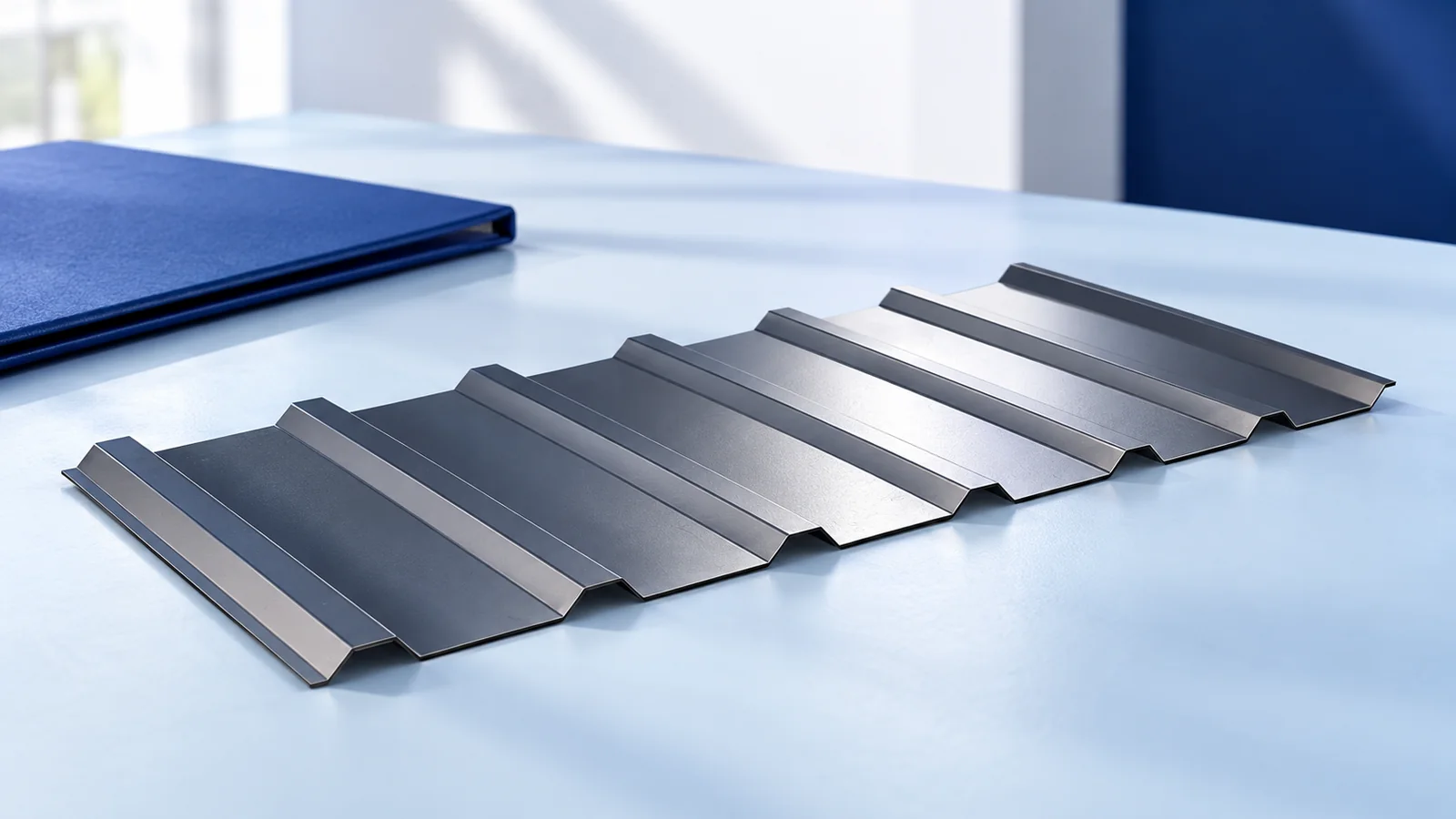
A T18 or T35 profile designation describes the shape of a sheet. To judge how long it may last, look at the steel, metallic protection, surface coating and exposure at the building. A freely draining roof in an open shelter faces different conditions from cladding exposed to persistent humidity or salt. Storage and cutting can affect the finish before the first sheet is fixed. Later, edges, laps, washers and blocked gutters are useful places to look for early damage. Read the warranty alongside the maintenance instructions for the specific product.
Is there a single lifespan in years?
A fixed service life cannot be assigned to every T18 or T35 sheet. Similar profiles can use different steel thicknesses, metallic coatings and paint systems. Even identical sheets can age differently under different exposure conditions.
A ventilated shelter exposes steel to different conditions from a damp building with a corrosive atmosphere. Salt, pollutants and the time the surface stays wet all matter. Assess a claimed lifespan against the product specification and the environment in which it will be used.
How is the steel protected against corrosion?
A metallic coating protects the steel substrate. Colour-coated products add organic layers. The outer finish supplies the colour and forms a barrier against the environment. Assess the complete coating system, including the layers beneath the visible paint.
Check the metallic coating type and intended exposure class in the specification. Compare UV and corrosion resistance. A long warranty may cover only a particular failure mode. Terms for technical performance may differ from those for colour retention or appearance.
What can shorten service life during installation?
Moisture trapped in a pack, sheets rubbing together and careless unloading can damage the finish before installation. Store sheets with ventilation and separate any that become wet. Observe the removal time for transport film when storing packs on an open site.
Heat and sparks from unsuitable cutting tools can damage the coating at the edge and on adjacent sheets. Remove metal filings as work progresses. Small rust spots that appear later may come from trapped swarf, so identify the source before assuming the sheet itself has corroded.
Why can joints matter more than the flat surface?
Water can linger at a poorly formed lap, an unsuitable fixing or a blocked outlet. Persistent wetting increases corrosion risk. Fit flashings correctly and follow the permitted pitch for the product. Even a thicker coating remains exposed where a faulty detail traps water.
Inspect fasteners too. A damaged washer, loose screw or leaking service penetration can cause local damage. Check material compatibility, including metals in direct contact with coated steel and chemicals used nearby.
How should roof maintenance be planned?
During inspections look at the coating, cut edges, flashings and fixings. Remove leaves and deposits that hold moisture, especially in valleys and around gutters. Set the scope and frequency of maintenance using the product instructions and the building’s surroundings.
Clean gently using the approved method. Harsh chemicals and excessive water pressure can damage finishes and joints. Use a suitable touch-up product on minor scratches. Larger areas need proper substrate assessment and preparation before repainting.
How do you assess existing sheet during renovation?
A change in gloss or colour may be cosmetic while the covering remains watertight. Deep corrosion, perforations and failed joints call for a different response. Find the cause before deciding whether to repaint, repair or replace.
Look at sheet undersides and conditions below the roof. Condensation as well as rain can cause dampness. Check ventilation, the air tightness of the layers in an insulated roof and their ability to dry. A replacement covering will be exposed to the same problem if the moisture source remains.
What should you select for long-term use?
Select corrosion protection for the site. Establish the warranty conditions, required maintenance and availability of repair materials. Order sheets with confirmed properties and use installers familiar with the chosen profile. These details give a service-life claim a practical basis.
Keep the product documents and handover photographs to identify the material and track changes after each season. Long service life depends on the decisions made from purchase through maintenance, including careful handling, sound installation and timely attention to damage.

Free quote
What to include in your enquiry
Tell us how you plan to use the material, the dimensions and the quantity you need. Include the thickness, grade or variant name, along with the delivery town or your preferred collection branch. For a specific product, add its name or a link to the product page. We will reply to the email address you provide to discuss availability and the terms of your order.

Read next
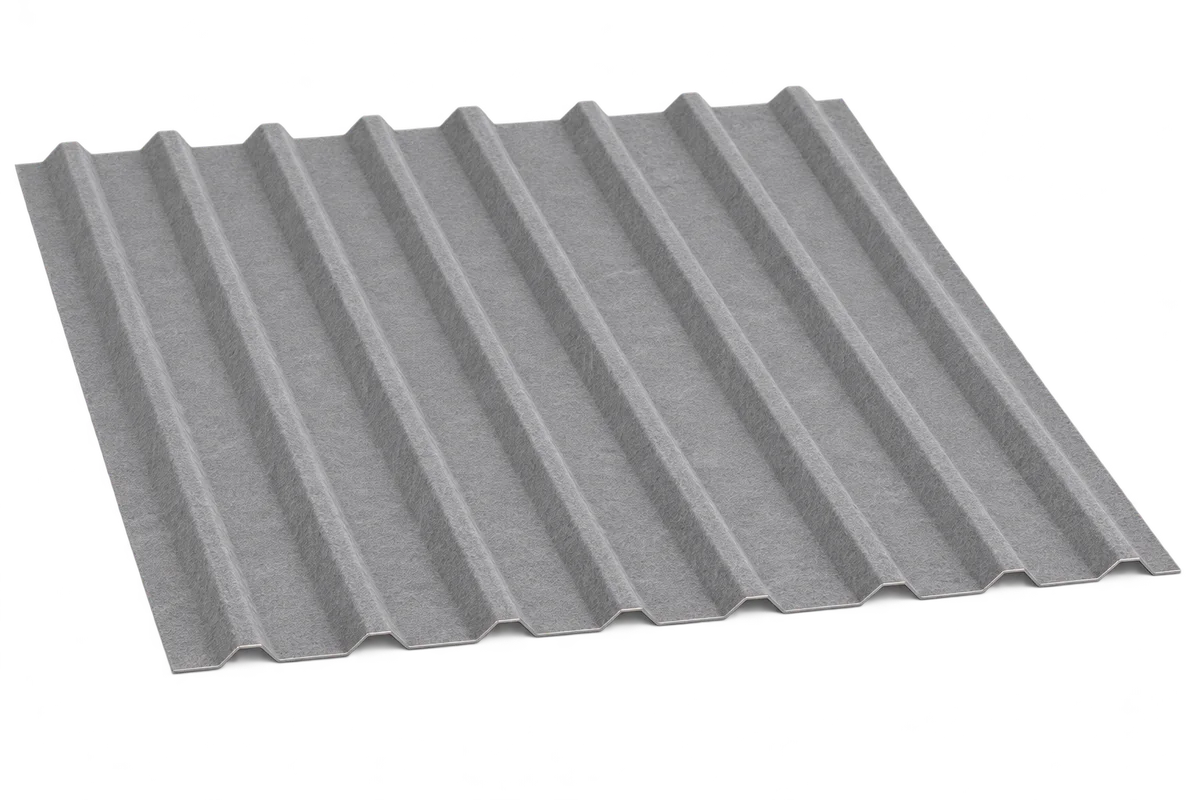
A factory-applied fleece on the underside of trapezoidal steel sheeting can temporarily hold condensation and may affect how the roof sounds. For…
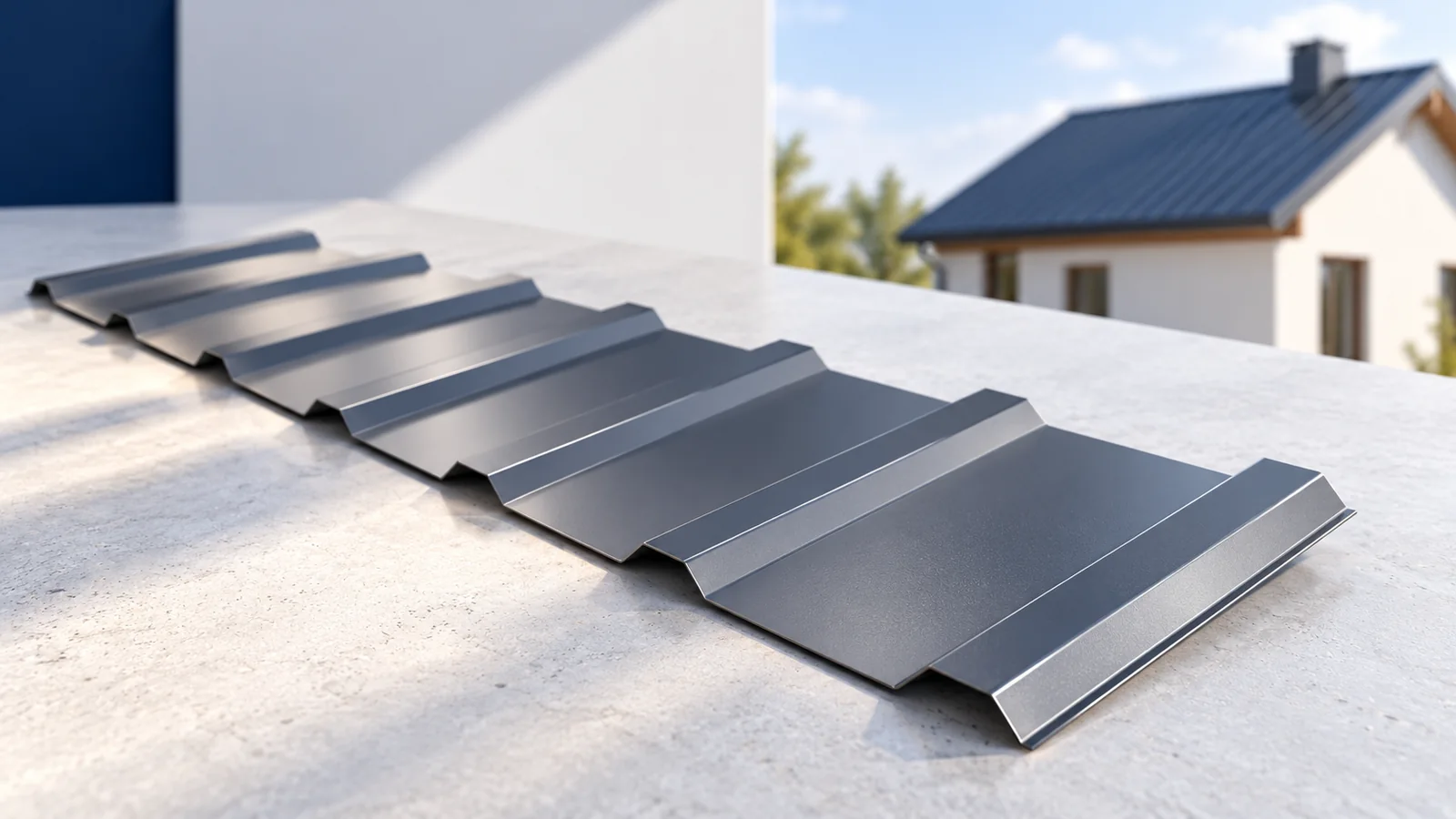
Trapezoidal steel sheets can suit a traditional house, especially where a simple roof lets the parallel ribs follow the lines of the…
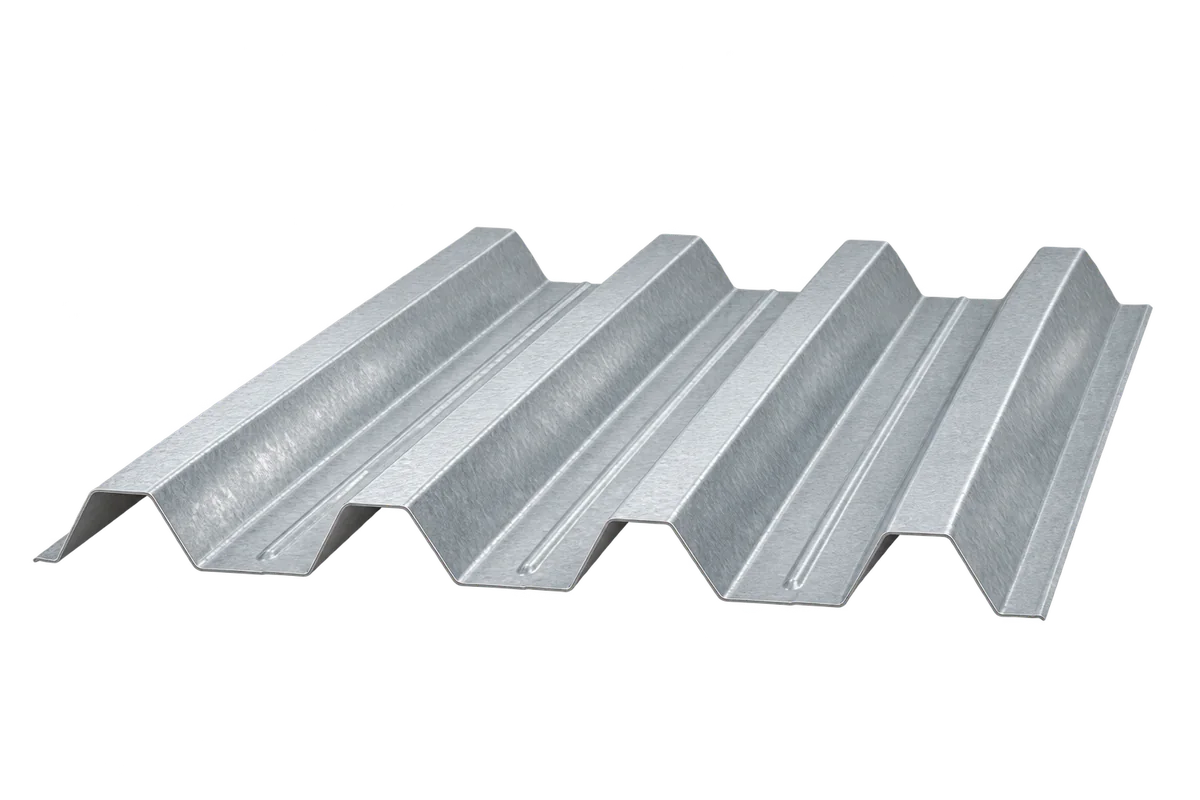
Structural trapezoidal steel decking provides a lightweight load-bearing base for industrial and warehouse roofs. It covers large areas quickly, but rib depth…
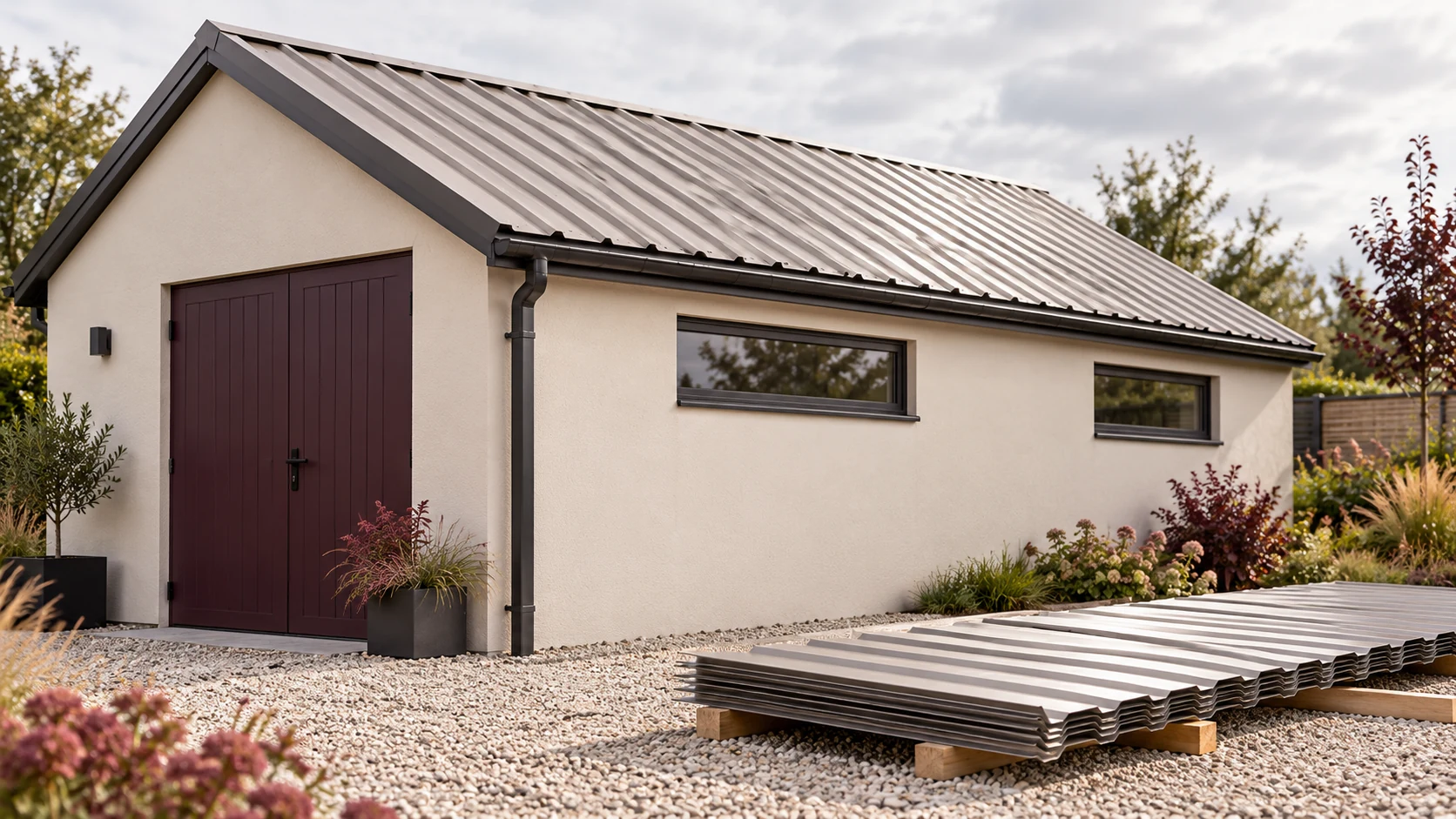
A few centimetres can change the sheet count on a small roof or wall. Start with a drawing of the area. Then…
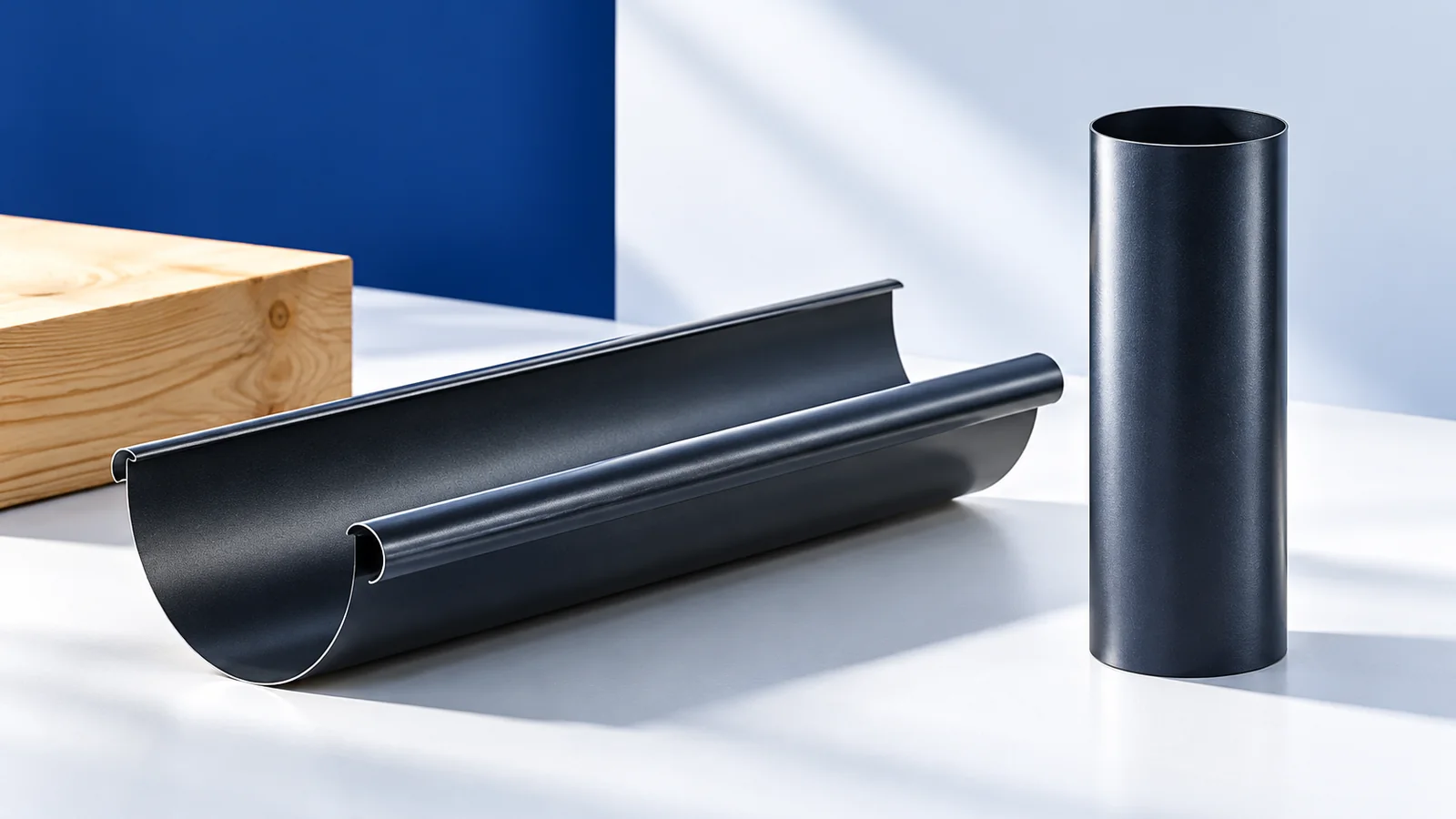
To select gutters for a metal roof, mark the area draining to each outlet on a roof plan. A valley may concentrate…
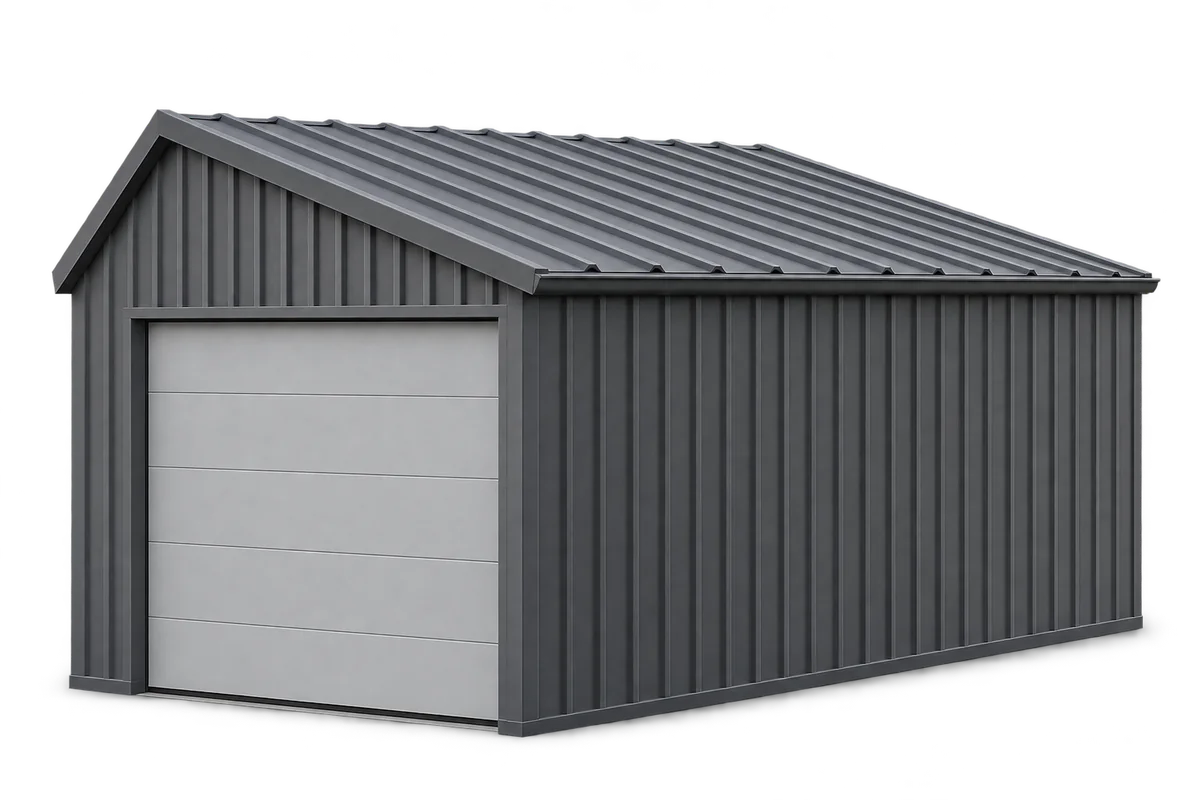
Trapezoidal steel sheeting can make a durable, low-maintenance garage roof and wall cladding if the sheets suit both the frame and the…
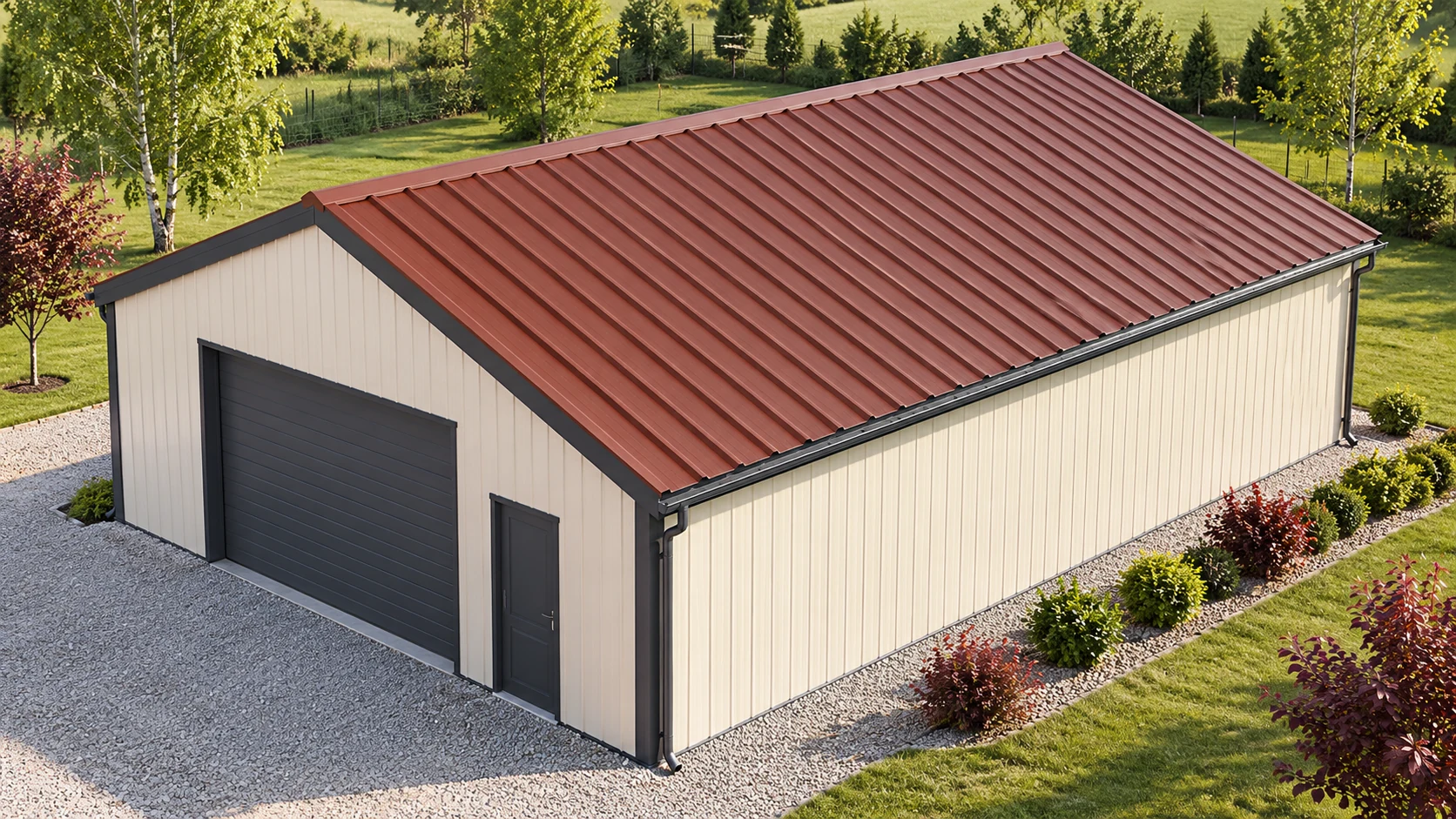
The cost of covering 200 m² depends on how many whole sheets you order. Allow for flashings, fasteners, delivery and installation as…
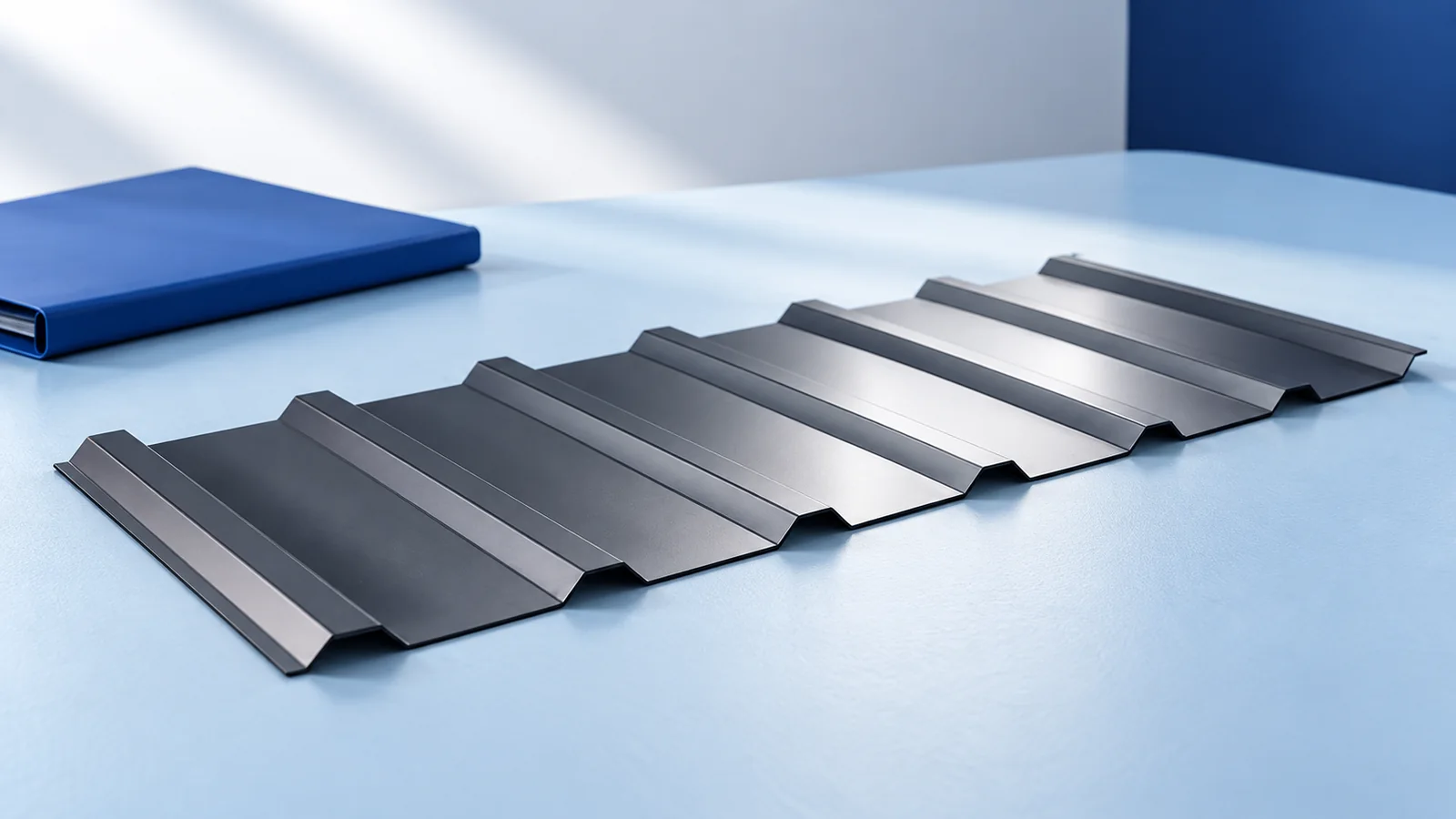
Start with the manufacturer's cross-section drawing when identifying a trapezoidal sheet. In names such as T18 and T35, the number usually indicates…