Preparing a roof for snow, frost and winter thaws
Roof repairs and maintenance
Before the first prolonged frost, have known leaks and loose flashings repaired and trace the drainage route from gutter to discharge point. Record where snow tends to drift and mark rooflights and access points while they are visible. The winter plan should identify who checks the roof, who interprets changes in loading and who can arrange safe snow removal. Snow depth alone gives little indication of weight when rain, compaction or ice changes its density. Inside the loft, look for damp timber, leaking joints and blocked ventilation paths before closing up any part of the roof.
What needs repair before temperatures drop?
Deal with leaks, loose flashings and damaged drainage while the affected areas remain accessible. Some repair products require a minimum application temperature. Have the source of a leak located so the repair addresses the water path before snow conceals it.
Inspect areas disturbed by recent work. Antenna or equipment installation can leave unsealed holes, drilling swarf or scratches. Record the roof’s condition before winter so later damage can be traced to weather, installation or gradual wear. Arrange inspection with safe access.
Where can meltwater back up?
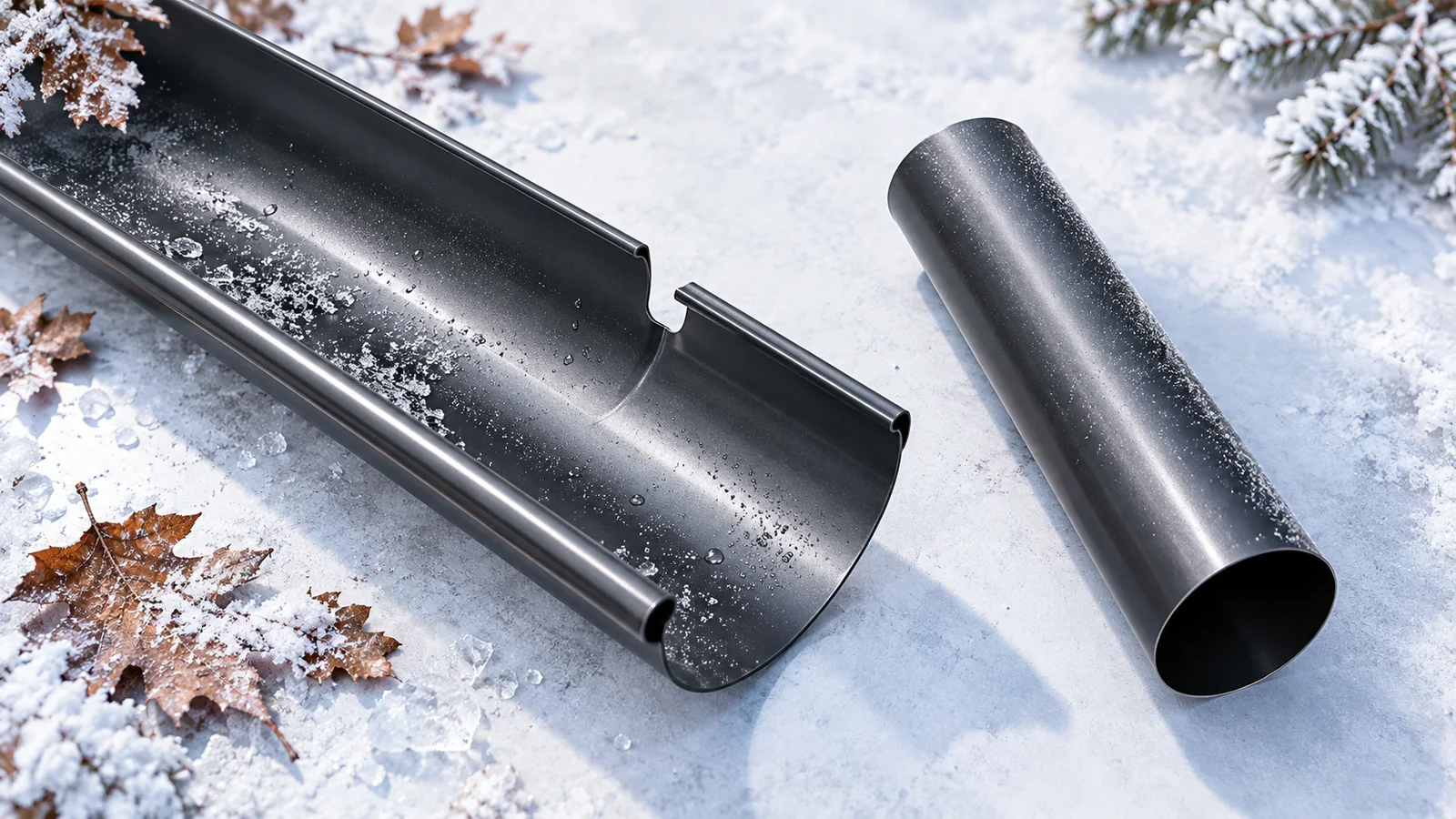
During a thaw, water may reach a downpipe while its lower section is still frozen. A blockage at the outlet or a bend can cause overflow and ice below. Follow the entire route to the discharge point, including concealed sections downstream of a clean-looking gutter.
Chipping ice out of a gutter can puncture it and exposes the worker to a fall at the eaves. If trace heating is being considered, have the electrical system selected for the gutter material and site conditions. Correct inadequate falls or insufficient drainage capacity separately.
How should snow loading be assessed?
Depth must be considered together with moisture content, snow type and underlying ice. Drifts near parapets, changes in level and equipment cause uneven loads. Refer to the structural design for the individual building when assessing accumulation. A single depth threshold cannot cover all roofs.
On a large roof, assign monitoring points and responsibility for deciding when to act. Include the areas where drifts form and the clearance method. Moving snow into piles on another part of the roof can overload that area even while the cleared section is relieved.
How can you spot moisture problems inside the roof?
Winter temperature differences make air leaks and condensation easier to detect. Look at connections from the loft and check how moisture can escape. Let wet areas be investigated before covering them. Maintain room ventilation so humid indoor air does not enter the roof through unintended gaps.
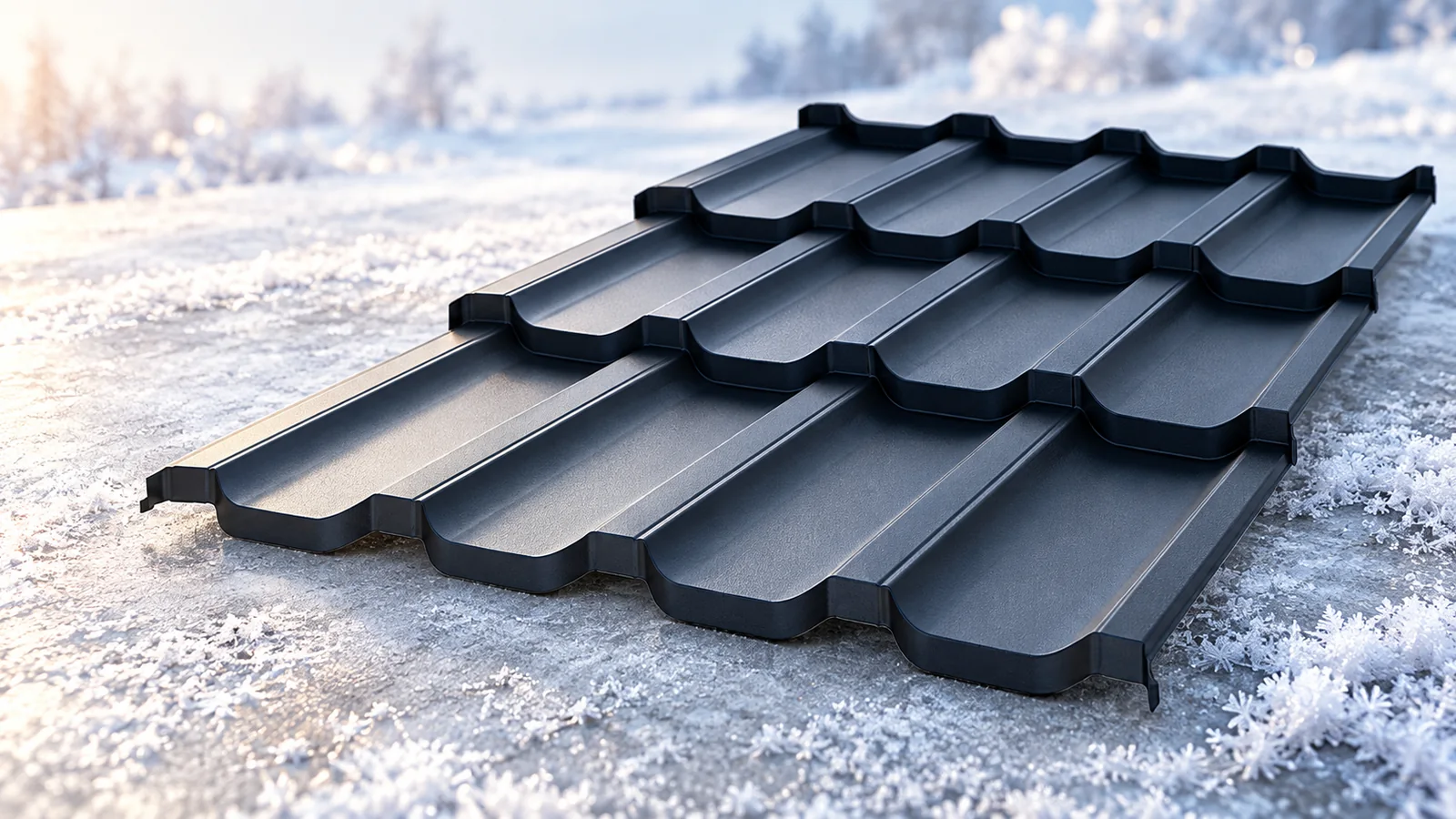
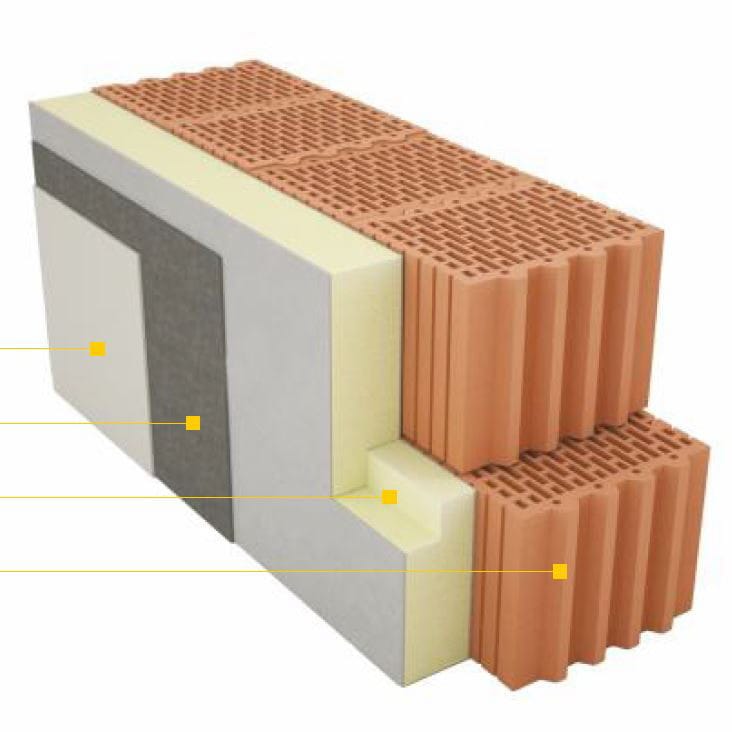
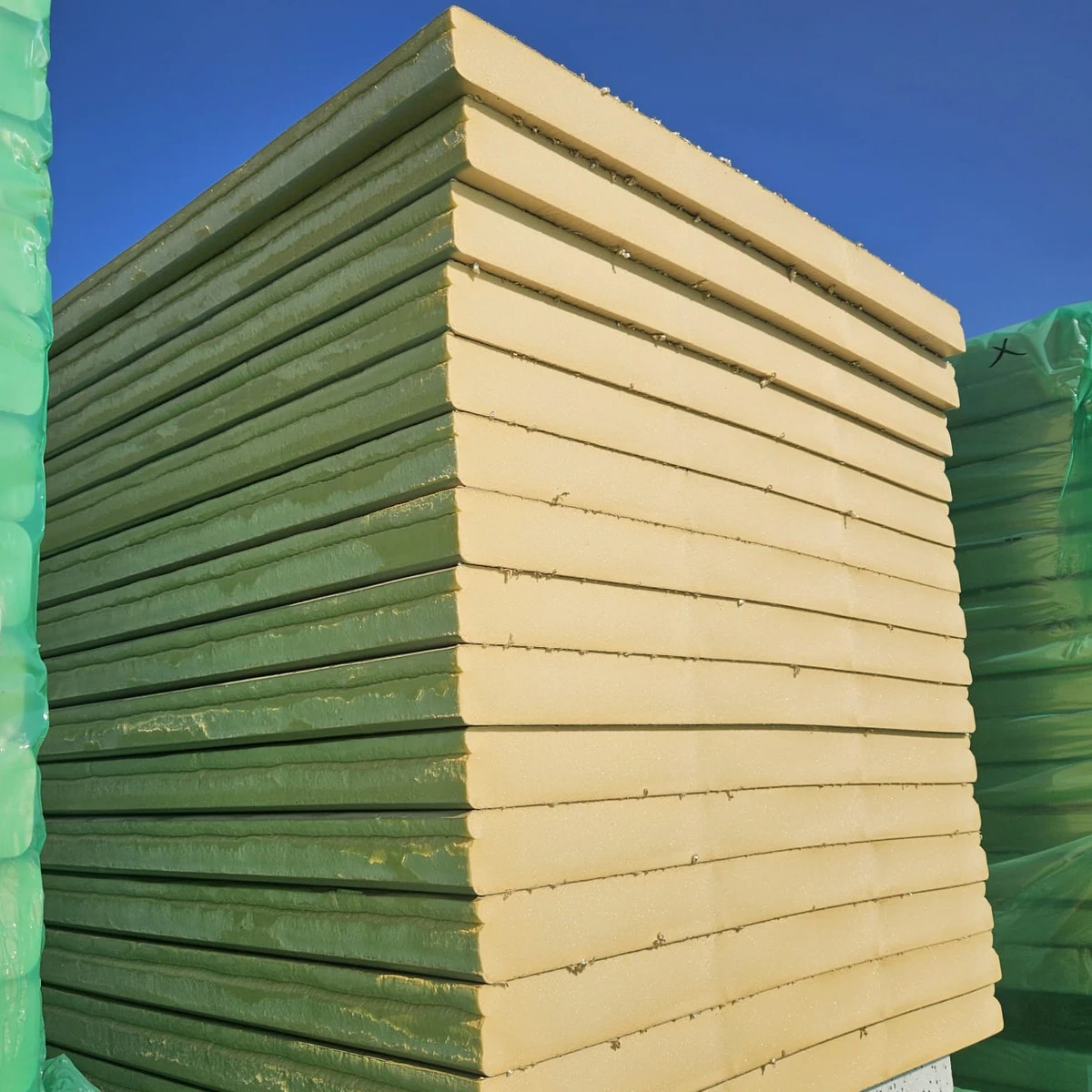
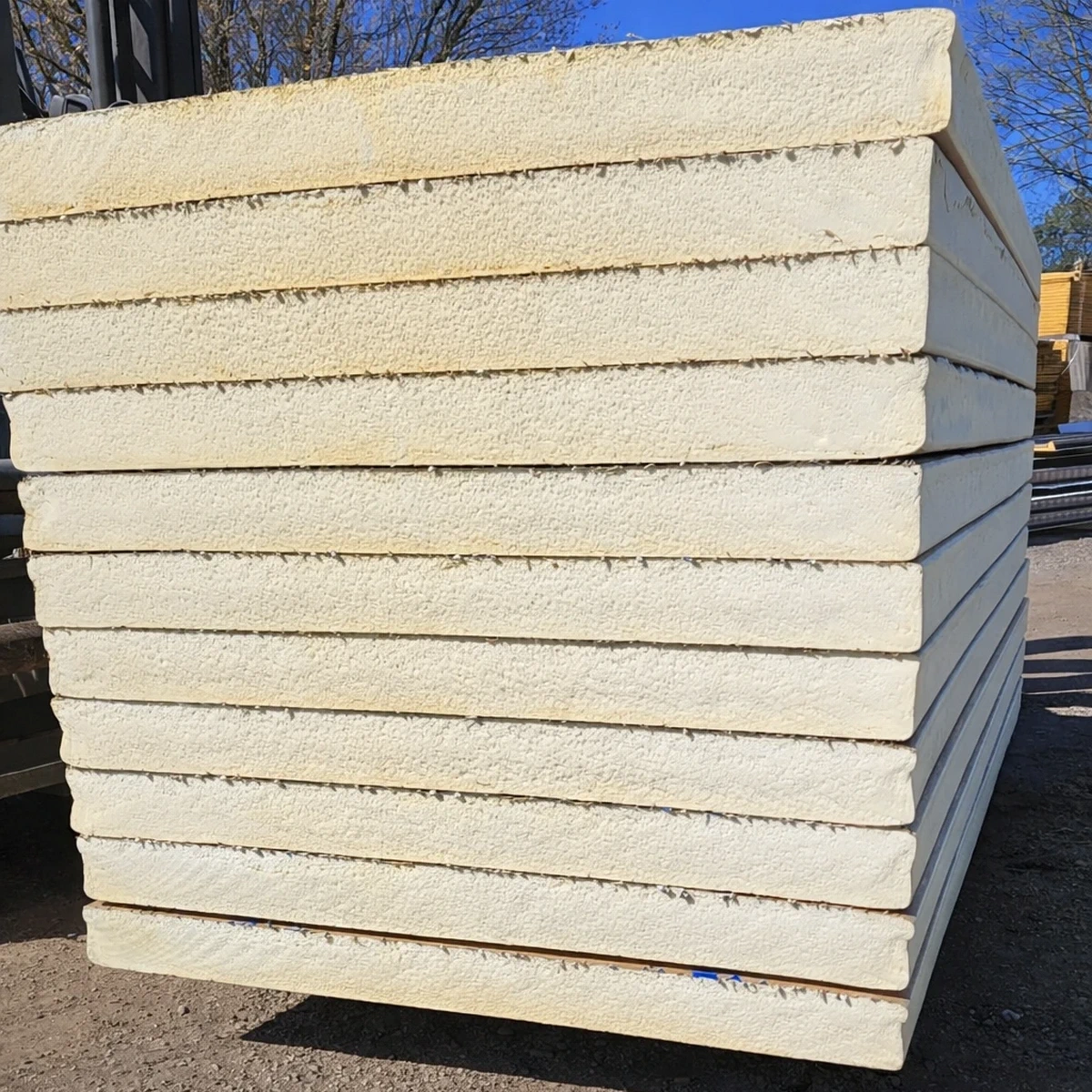
For PIR and other insulation, inspect continuity at wall plates, windows and penetrations. Identify ventilation channels on the design before filling a void. A repair should restore the intended sequence of layers in both metal-sheet roofs and insulated panel assemblies.
What belongs in a snow clearance plan?
Map the access route, fall-protection anchor points and rooflights before snow hides them. Clearance crews need training, suitable equipment and information on the roof structure. Include the exclusion area on the ground where snow or tools could fall.
Choose a method that protects coatings, flashings and translucent panels. Sharp tools and attempts to break up ice can cause damage. On insulated roof panels verify allowable local loads as well. A panel rated for distributed snow load may have restrictions on foot traffic.
Which warning signs call for action?
Unusual deflection, fresh leaks or changes in structural behaviour need prompt assessment. Keep people away from the affected area and bring in qualified help. Identify a contact for building users to report observations and a responsible person to decide on continued use.
After winter, inspect the covering, drainage and fasteners. Record where drifts lasted unusually long or ice formed repeatedly. Use those observations to update the next winter’s inspection points, maintenance work and arrangements for responding to severe conditions.

Free quote
What to include in your enquiry
Tell us how you plan to use the material, the dimensions and the quantity you need. Include the thickness, grade or variant name, along with the delivery town or your preferred collection branch. For a specific product, add its name or a link to the product page. We will reply to the email address you provide to discuss availability and the terms of your order.


Read next
A gutter vacuum can remove loose leaves from the eaves. To check that the drainage is ready for winter, follow the water…
On a roof without an eaves overhang, the lower edge of the slope sits close to the face of the wall. This…
Mark the area draining to each outlet on the roof plan before choosing the gutter shape. Use the supplier’s sizing tables to…
A concealed gutter can give a metal roof a straight eaves line if the detail leaves room for the gutter, the downpipe,…
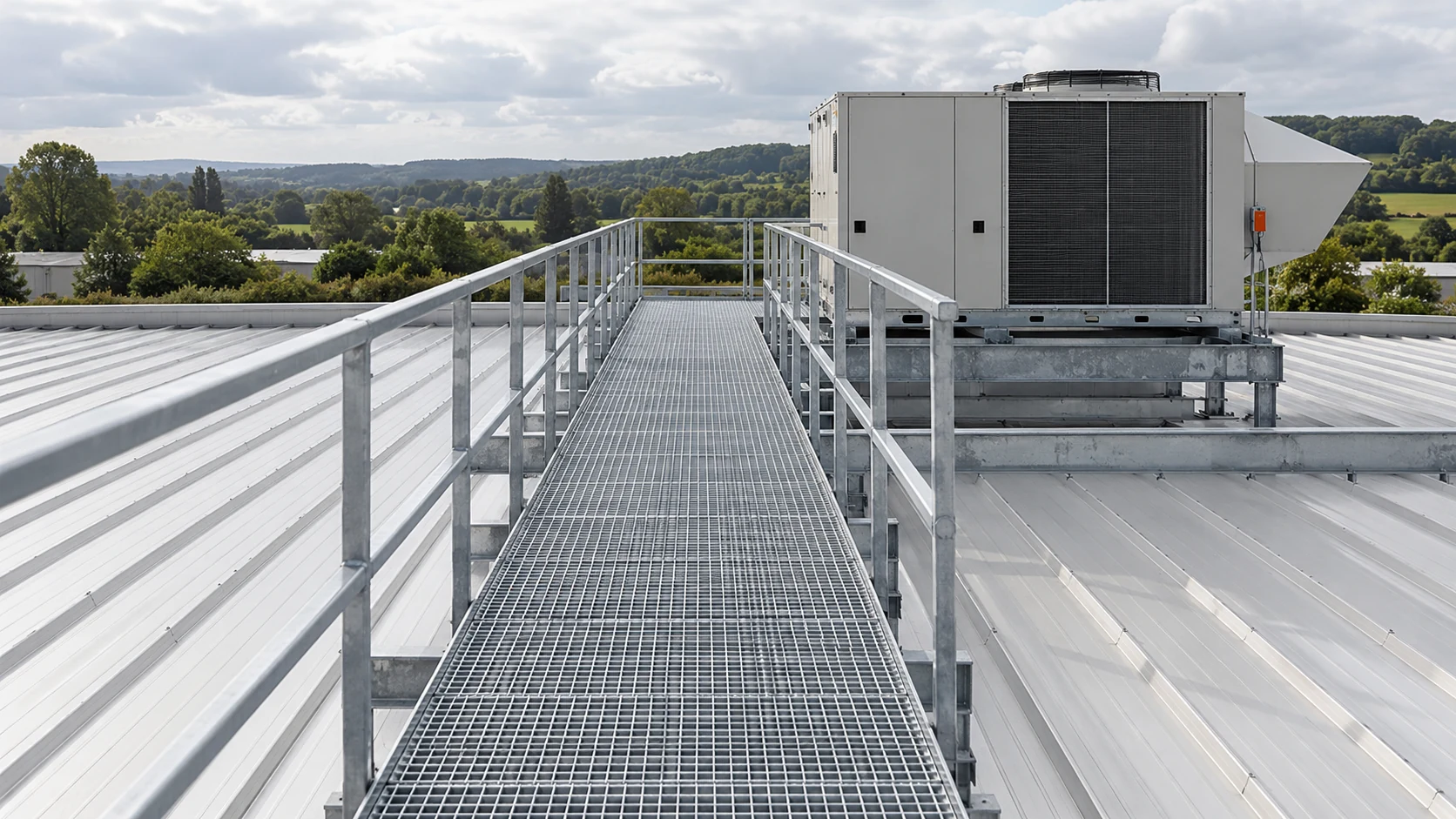
Plan roof access around the maintenance task, the equipment involved and how often people need to reach it. An occasional gutter inspection…
To select gutters for a metal roof, mark the area draining to each outlet on a roof plan. A valley may concentrate…
A complete roof price covers the load-bearing structure, the layers beneath the covering, the covering itself and the details that keep water…
Square gutters emphasise the straight edge of a metal roof. Their outline tells you little about how much rainwater they can carry.…