Traditional or contemporary tile-effect roofing for your home
Roof coverings
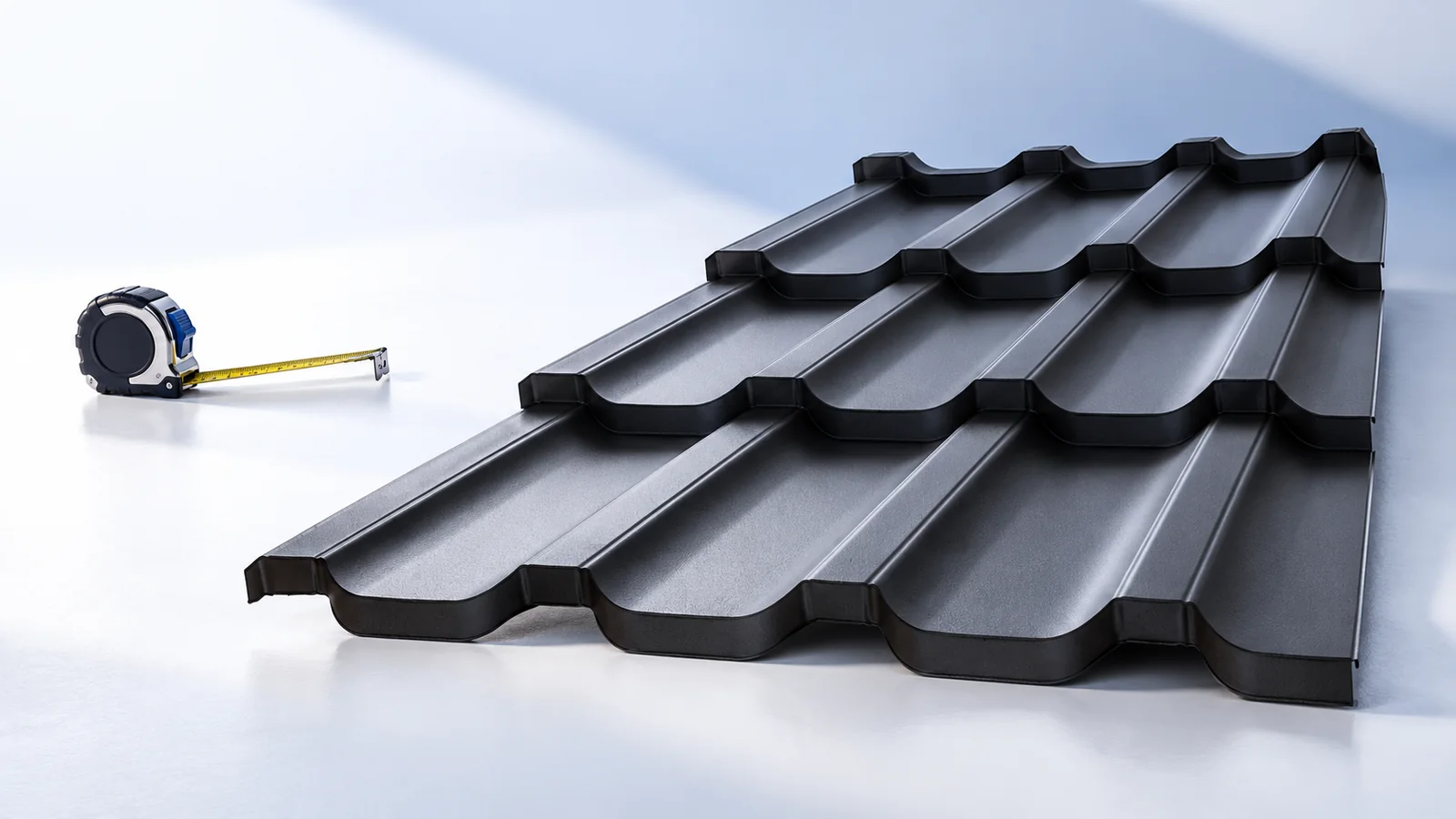
Choose a roof profile from the distance at which you will usually see the house. Pronounced waves and regular steps cast shadows like traditional tiles. On a simple building a consistent pattern, a restrained colour palette and carefully aligned flashings can give the roof a contemporary appearance. Take samples outdoors and hold them beside the render, window frames and gutter. Once the combination looks right, check the minimum pitch, coating specification and finishing pieces. Sheet size matters for handling, cuts and installation, while the profile and surface finish determine what you see from the street.
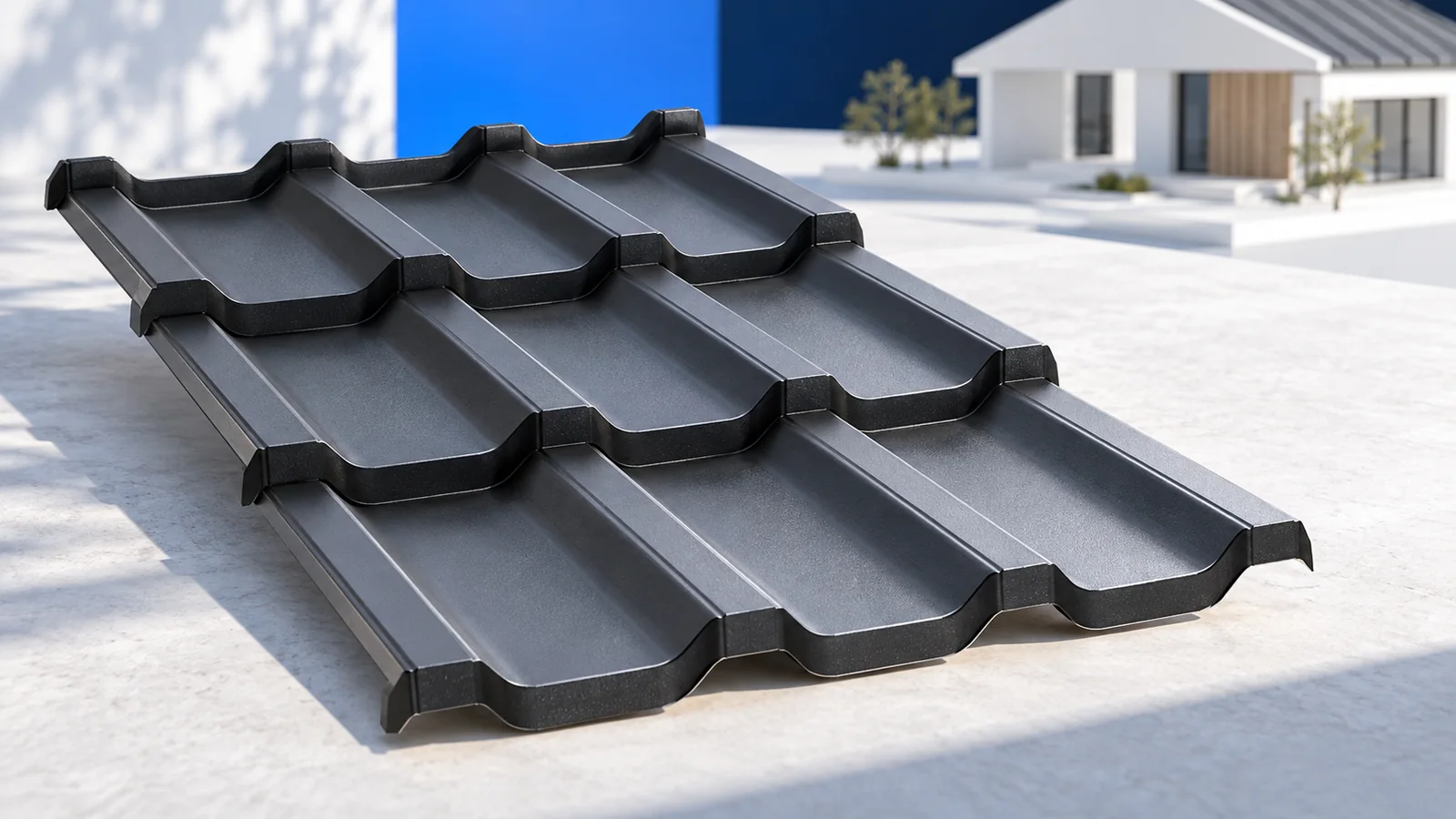
Which profiles create a traditional tiled appearance?
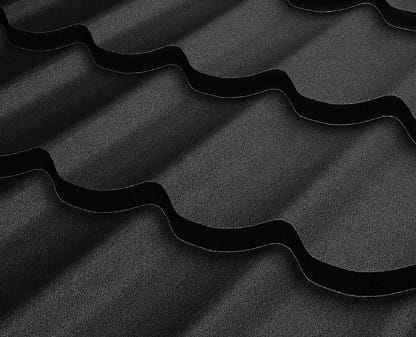
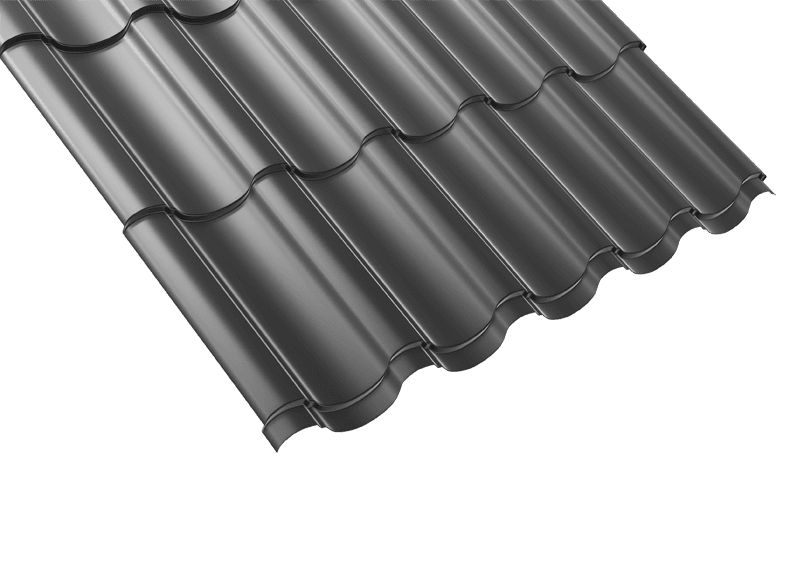
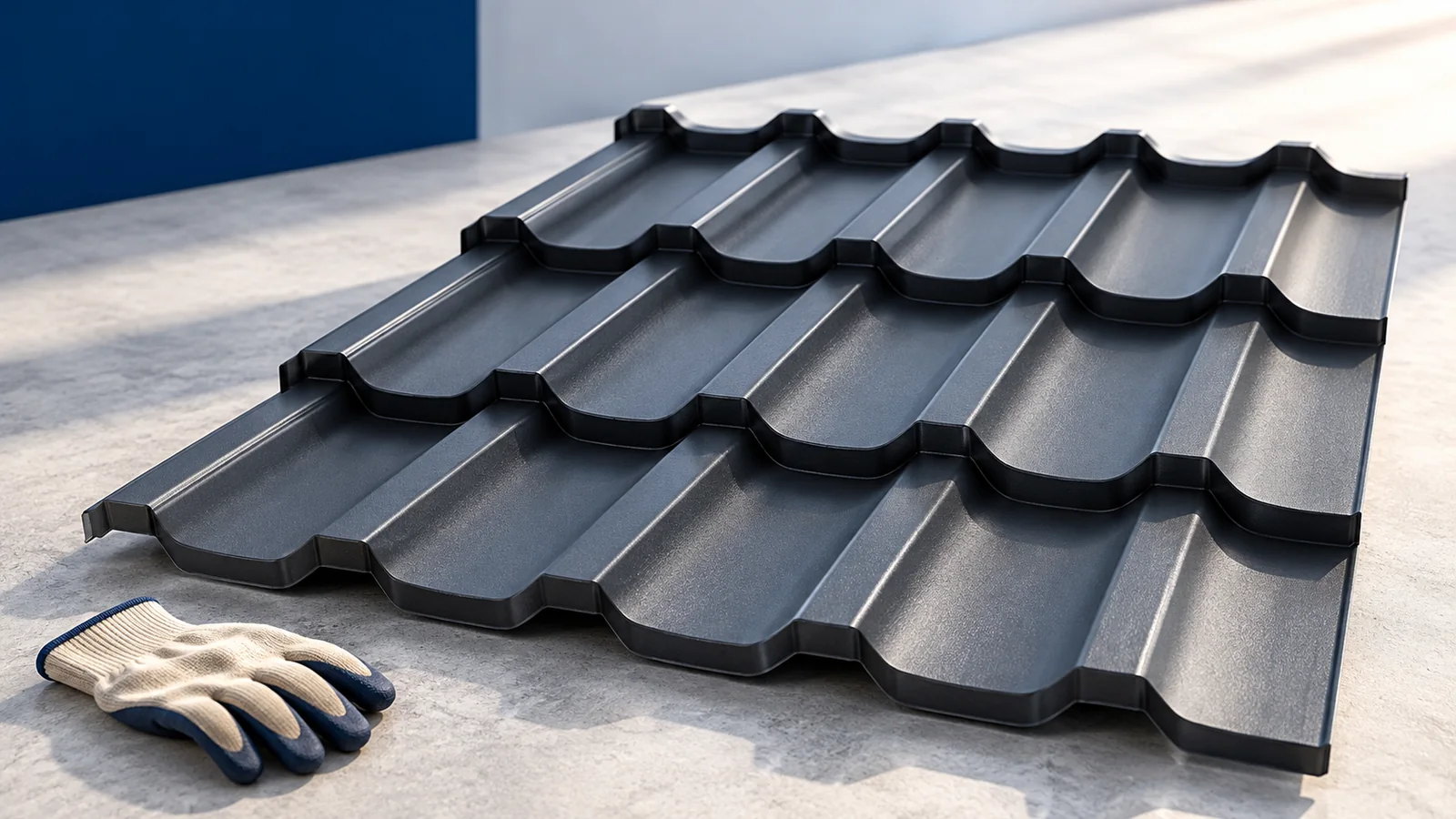
Curved profiles and rows of pressed steps resemble traditional roof tiles. They often suit houses with conventional proportions. Look at the roof together with the length of the eaves, the façade details and the overall silhouette before deciding which wave shape to use.
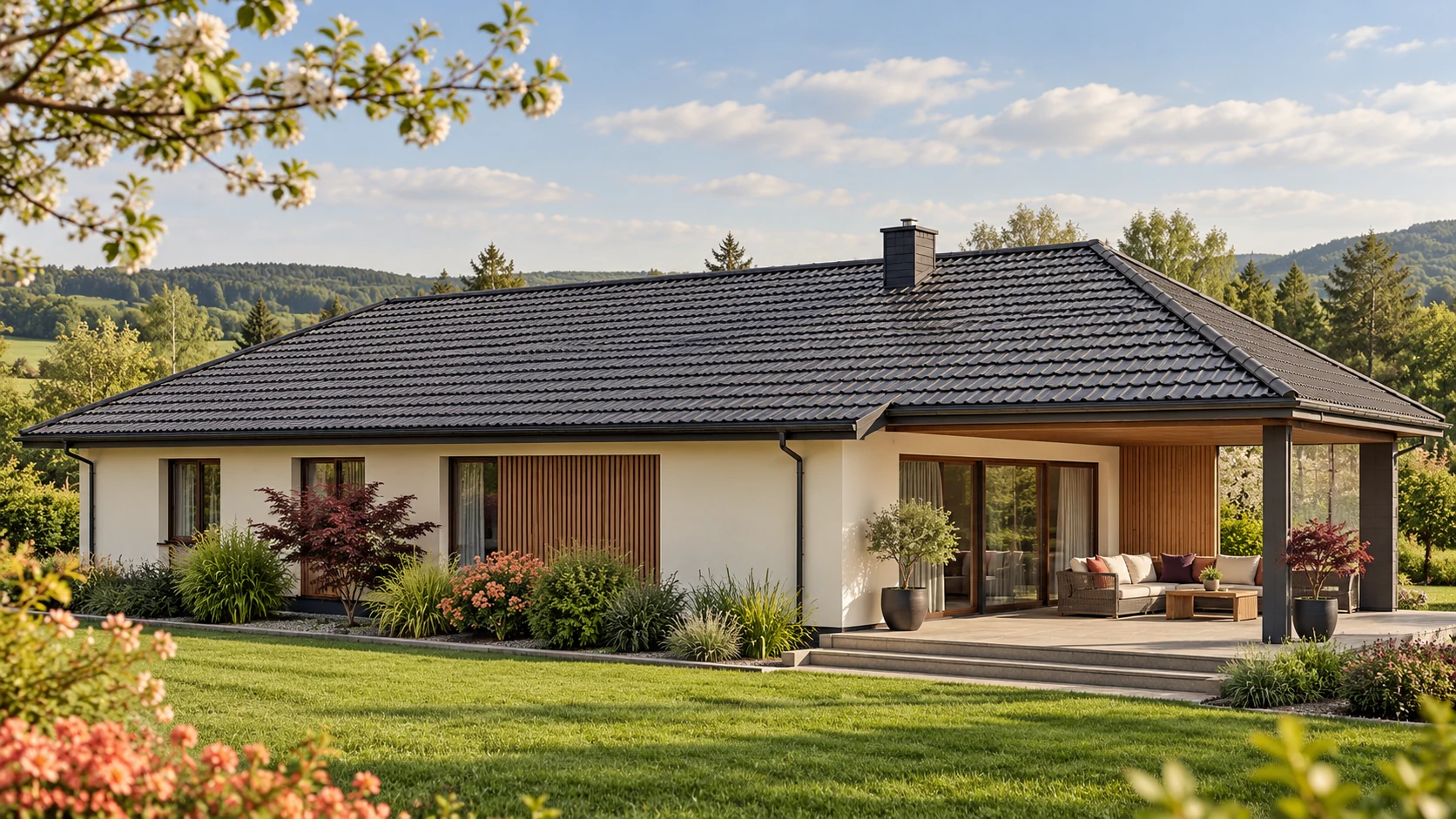
On a roof with several slopes, light catches the waves at different angles. A quiet-looking sample can form a strong pattern when repeated over a broad surface. View a comparable installation from the street and garden to judge the effect at scale.
What gives a contemporary roof a clean outline?
A simple building can carry a pronounced profile when the rows form an even rhythm. The lines of the eaves, ridge and wall junctions help tie the roof together. Uncoordinated accessories or poorly matched flashings can interrupt even a very shallow profile.
Set the roof colour beside the gutters, window frames and fencing. Related shades can work well without matching exactly. Check exposed fasteners and trim too. Their contrast can stand out more than a small difference in wave height.
How does colour affect the shape of the house?
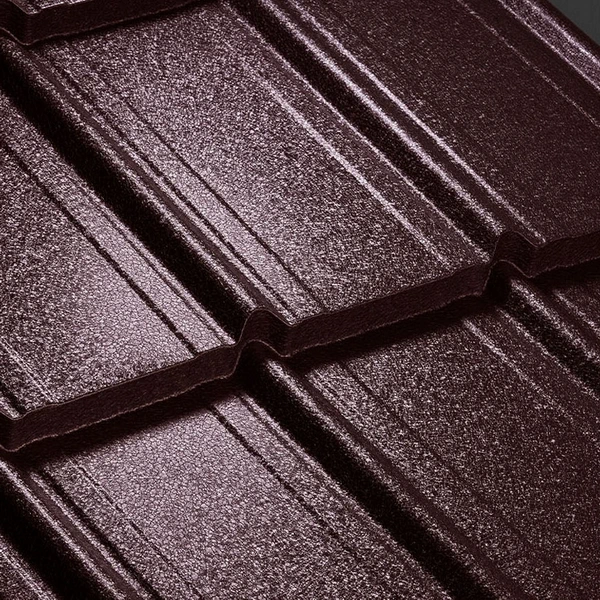
A dark roof draws a distinct line against pale render. Brick red and brown can recall more traditional colour combinations. The final impression depends on the size of the visible roof, the viewing angle, daylight and the colours of neighbouring buildings and vegetation.
Take the sample outside and place it next to the proposed façade materials. A screen can shift both colour and apparent gloss. A colour code helps specify the order, but metal, render and plastic reflect light differently even when ordered in the same shade.
How do matt and gloss finishes differ?
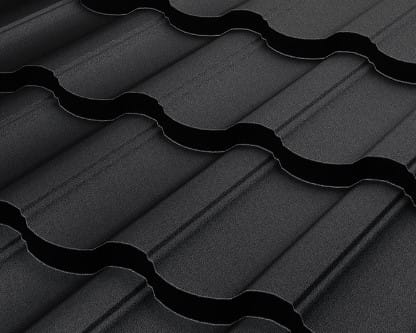
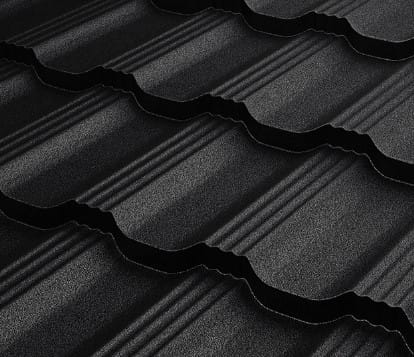
A matt finish generally produces softer reflections than a smooth high-gloss surface. Across a large roof this alters how clearly the pressed steps stand out. Compare actual coating samples because several different textures are sold as matt.
Assess durability from the complete coating specification and warranty terms. Sheets with a similar matt appearance can have different protective layers. Once you have chosen a look, confirm that the exact product also suits the exposure of the site.
Does a modular format imply a modern style?
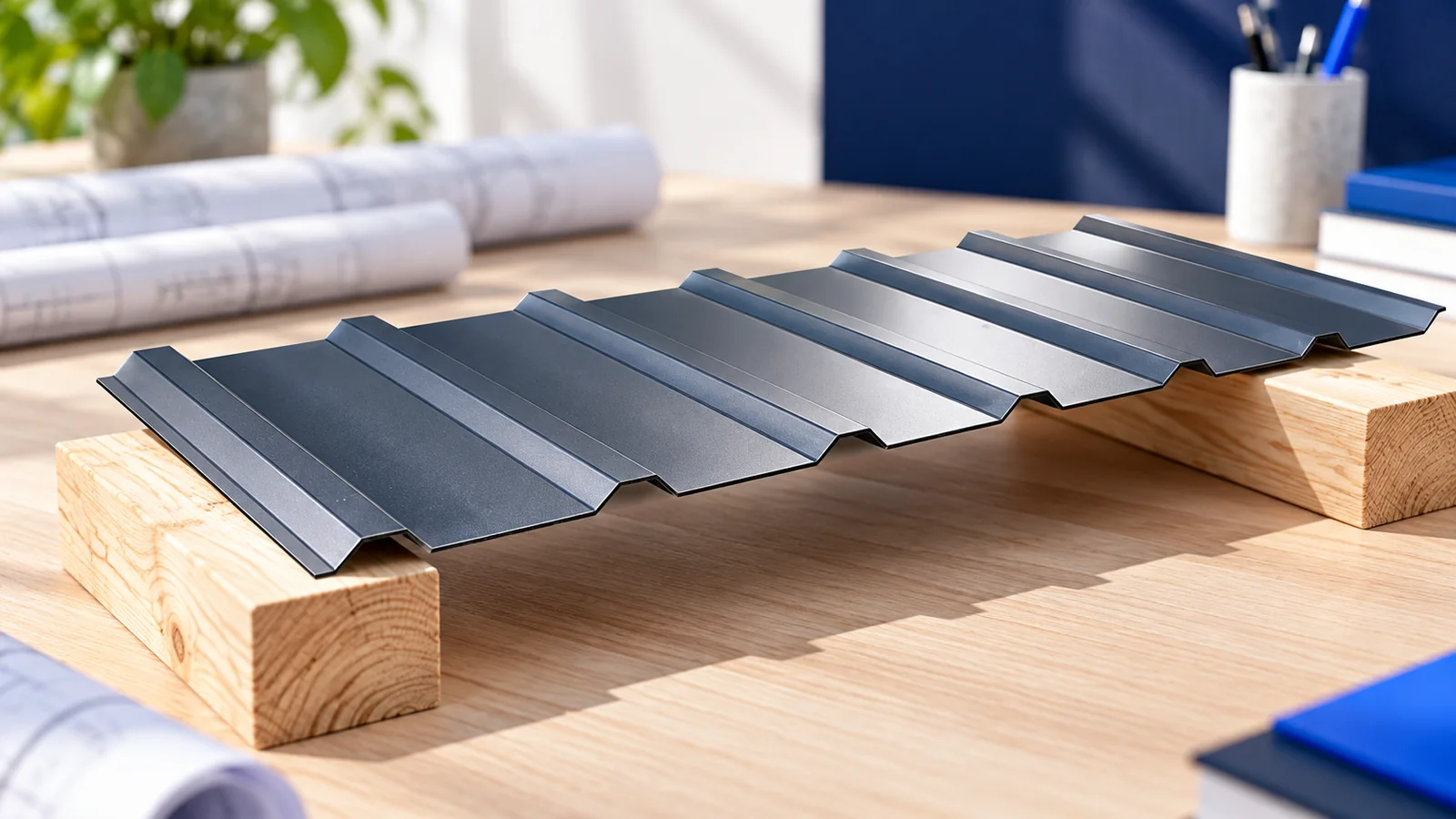
Modular describes the size of the unit and how the pieces fit together. Small panels can reproduce a strongly curved traditional tile, and cut-to-length sheets can give a modern house a restrained roofline. Compare the actual pressed shape and finish for each model.
Small sheets can be easier to handle where hips and valleys require many cuts. Long sheets may suit a simple rectangular slope. Whichever format you choose, accurate batten spacing and straight rows are essential because a drifting line of steps is visible across the roof.
Which details shape the finished roof?
Size verge, chimney and wall flashings for the junction and the direction of runoff. An oversized or uneven trim can dominate a slope, but reducing its dimensions for appearance alone may compromise weather protection. Settle the required geometry before choosing the finish.
Include gutters, roof steps, walkways and snow guards in the design. Their locations must allow them to work as intended. Early coordination makes it easier to position their supports and select finishes that fit the rest of the roof.
How can you judge a pattern over an entire slope?
Identify the views in which the roof occupies most of the outline of the house. Compare samples in the same light, then look at completed buildings with a similar roof shape. Judge the repeated pattern right across the slope as well as the details at its edges.
Check the profile’s minimum pitch, protective coating and range of matching fittings. A combination that works with the façade and is straightforward to maintain will serve better over time. Straight installation and accurately formed flashings do as much for the appearance as the original choice of pattern.

Free quote
What to include in your enquiry
Tell us how you plan to use the material, the dimensions and the quantity you need. Include the thickness, grade or variant name, along with the delivery town or your preferred collection branch. For a specific product, add its name or a link to the product page. We will reply to the email address you provide to discuss availability and the terms of your order.
Read next
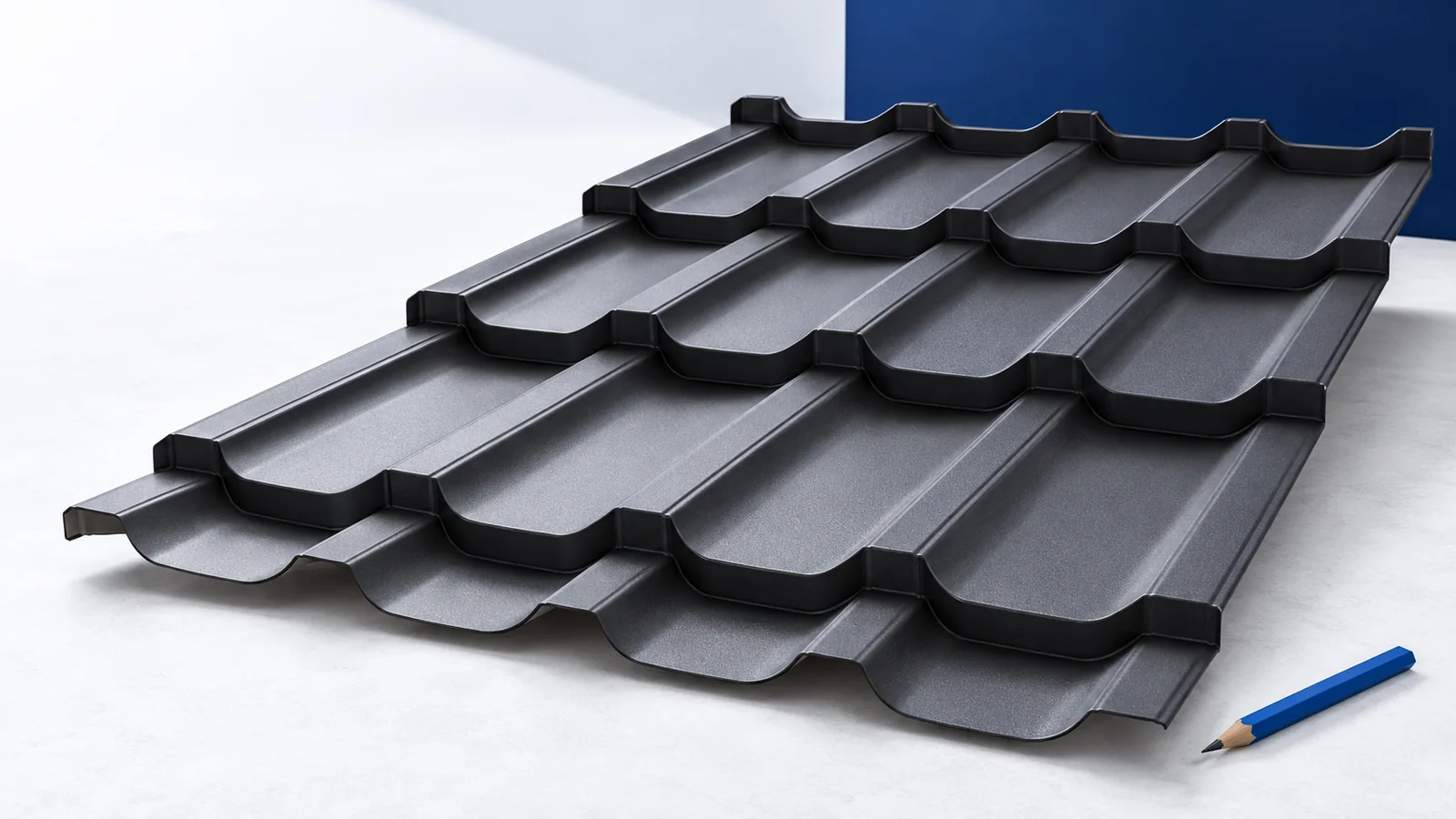
Cut-to-length tile-effect steel works particularly well on a traditional house with regular roof slopes. The pressed courses give the roof a familiar…
On a tiled metal roof, the eye follows the ribs and the steps between courses. A sheet that runs from eaves to…
Both profiles can work on a house. Start with the roof section, slope layout, pitch and supporting structure before choosing the appearance.…
Metal roof tiles need supports set out for their profile. Bitumen shingles need a smooth, sufficiently rigid continuous deck. On a renovation,…
Roof battens support the covering and give its fixings a secure hold. For tile-effect steel sheets, the position of each batten must…
A practical roofing course gives installers a chance to set out a slope, form a flashing and check a fixing while the…
Compare roof coverings by the weight needed to cover one square metre of finished roof. Divide the weight of a sheet or…
To compare prices, establish which square metre the supplier charges for, how much material the roof needs and what is included. Coating,…