






Tile-effect or trapezoidal steel sheets: which suits your roof?
Roof coverings
Mark the pitch, valleys and sheet lengths on a roof plan before comparing finishes. Tile-effect sheets reproduce the rhythm of courses of tiles. Trapezoidal steel sheets such as T18 or T35 give a more linear finish. The choice also changes the batten or purlin layout, the position of laps and the space needed to lift each sheet. Ask suppliers to price the same roof, using effective cover area and including offcuts, flashings, fasteners and delivery.
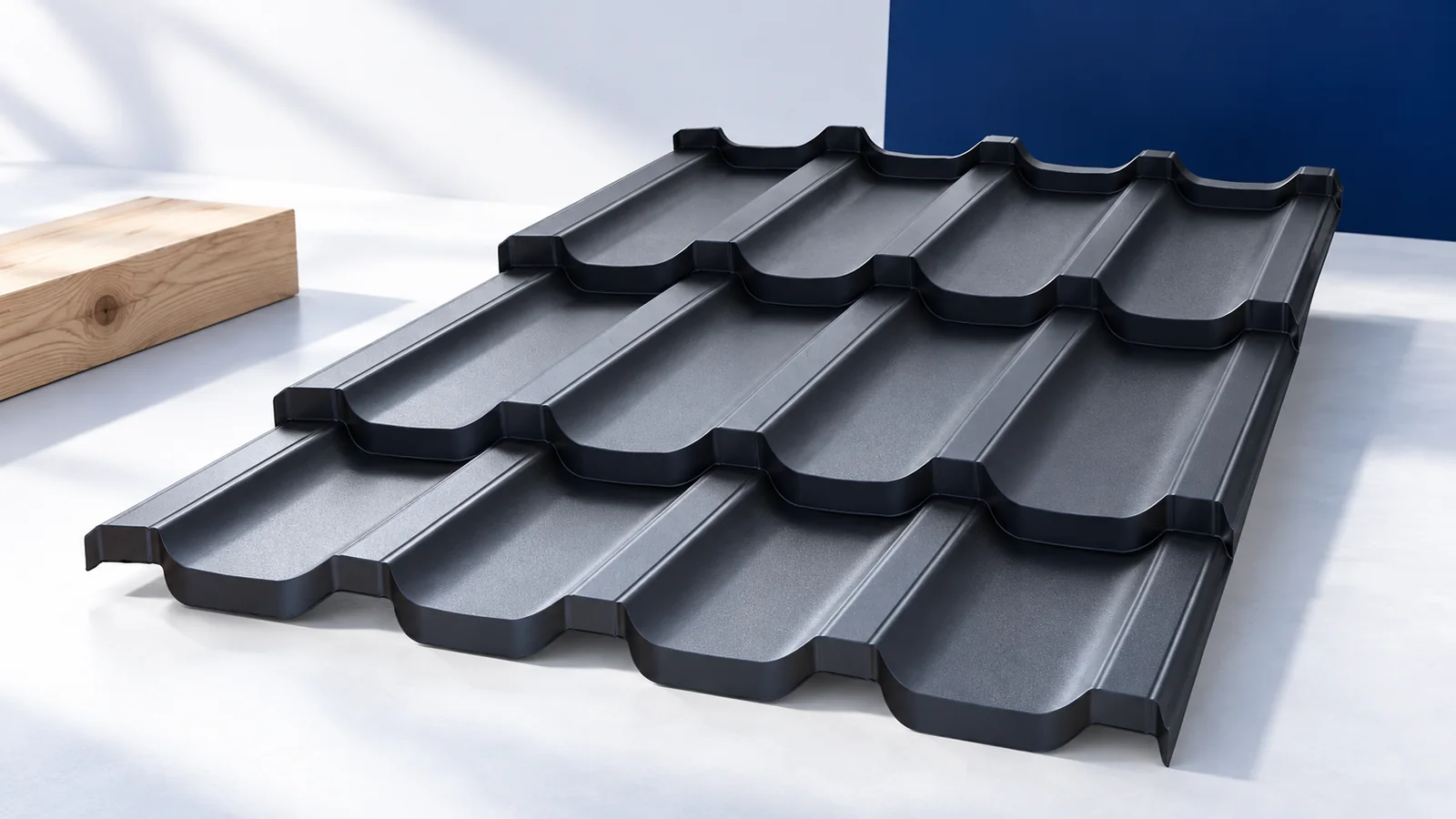
How do the two profiles differ?
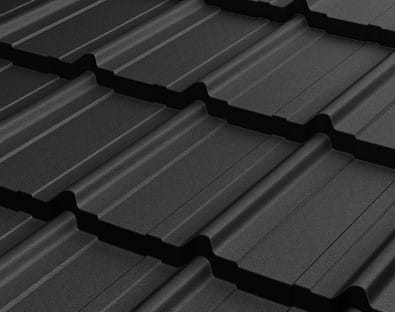
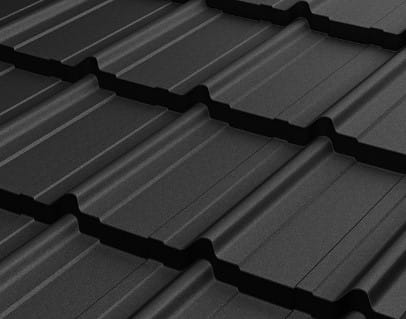
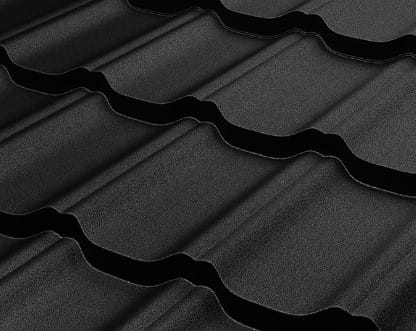
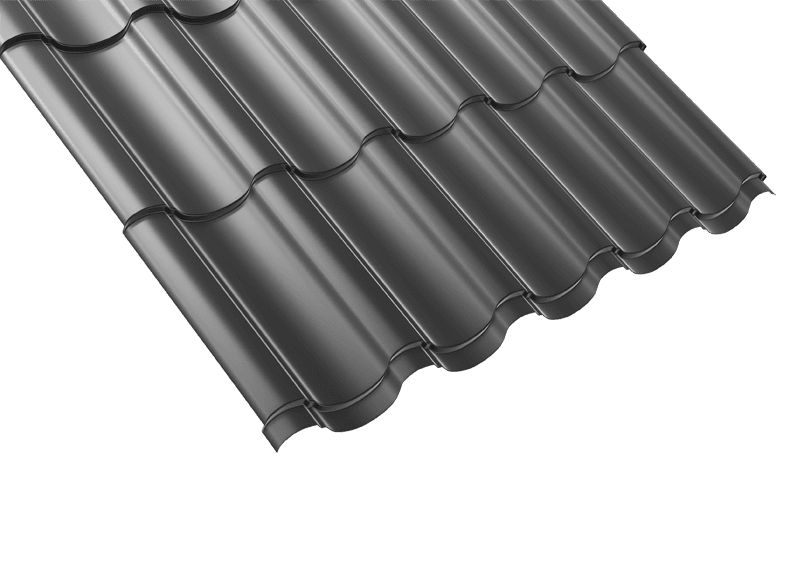
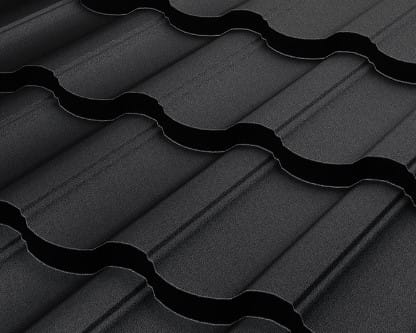
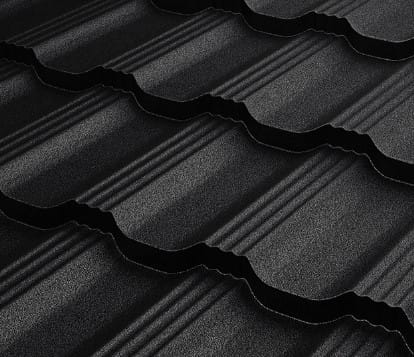
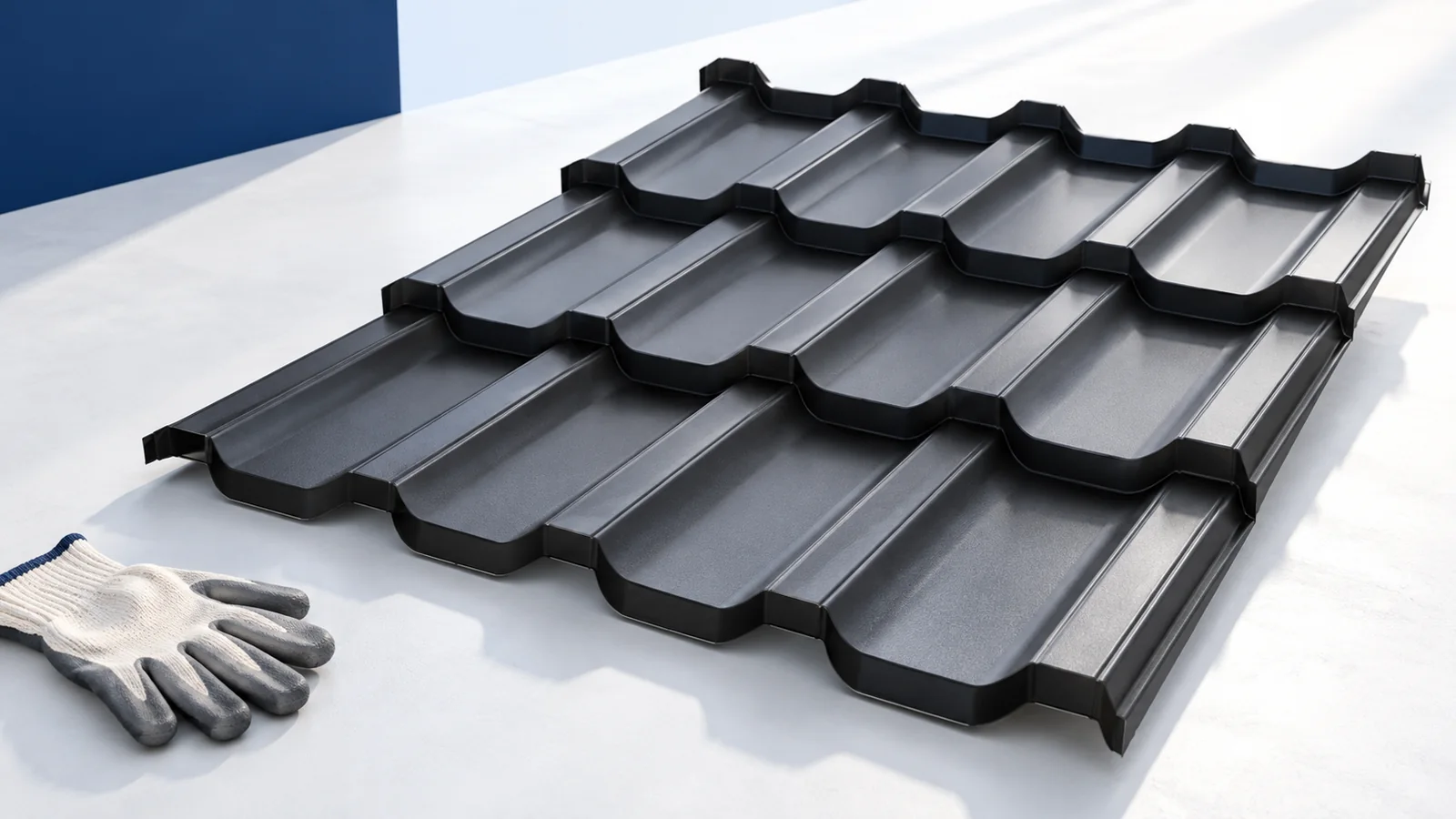
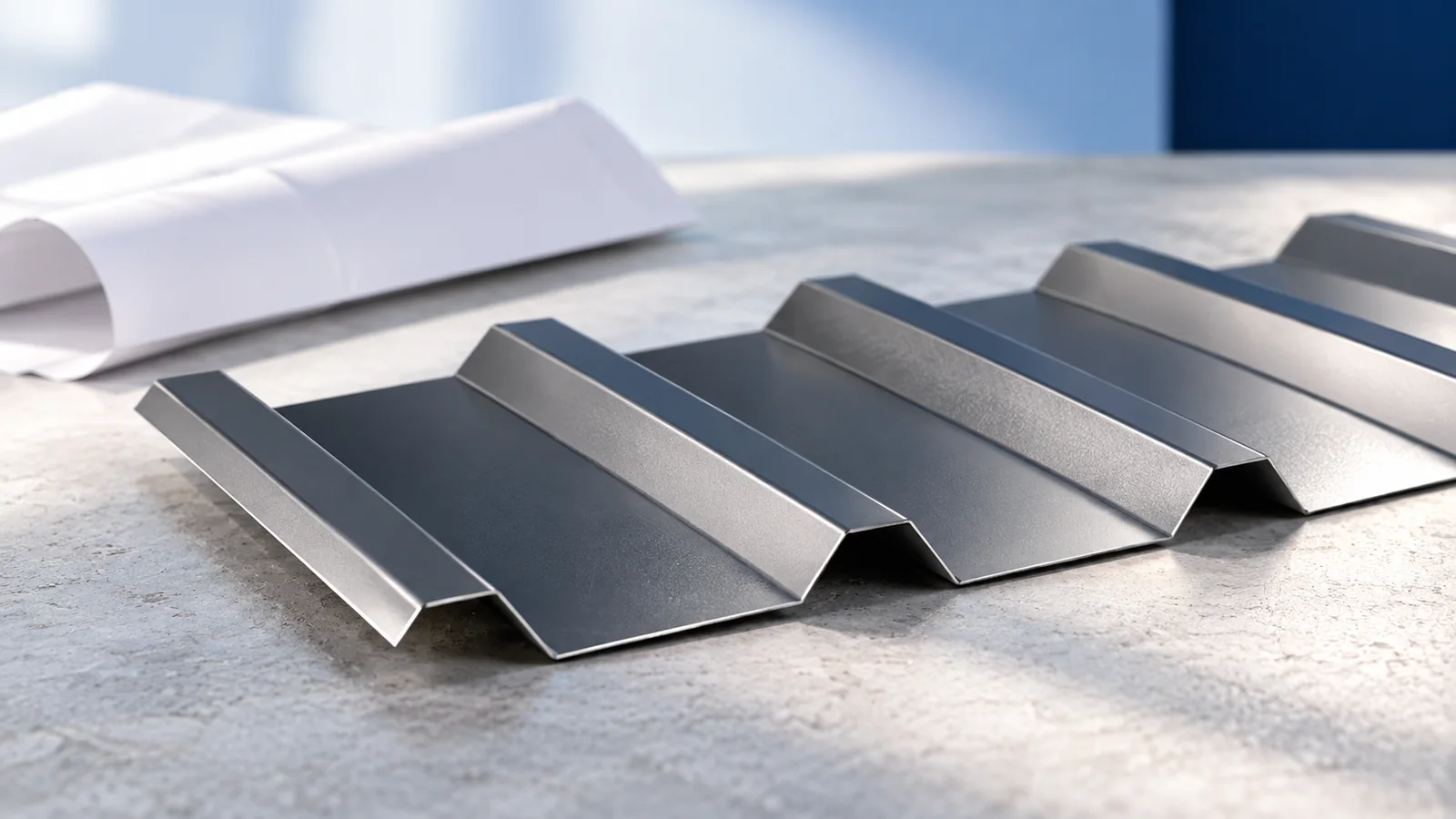
Tile-effect steel sheets have ribs along their length and pressed steps across them. The steps set the module length and influence laying sequence and batten spacing. A trapezoidal sheet has predominantly longitudinal ribs. T18 and T35 identify profile families by nominal height, while the remaining dimensions depend on the particular product.
A deeper trapezoidal profile casts stronger shadows. A shallow rib can look more discreet on a small building. Tile-effect sheets come in traditional and flatter designs. View a sample and, if possible, a finished roof of similar size. A close-up photograph gives little sense of how the pattern looks across an entire slope.
Why does roof pitch matter?
The minimum pitch applies to a particular product and joint arrangement. Check lap lengths, seals and substrate requirements for the proposed design. At shallow pitches pay particular attention to drainage and any end laps where one sheet meets the next down the slope.
A neighbouring roof may have a different pitch, slope length or lap detail. For a nearly flat roof, assess the complete build-up. A roof sandwich panel or structural deck with a separate waterproofing layer may be more suitable. Ordinary profiled roof sheeting sheds water only within its specified pitch range.
When are modules or long sheets easier to use?
Modular tile-effect sheets are smaller units of fixed geometry. They are easier to carry and distribute across a roof with many changes of direction. Sheets cut to length can speed work on uninterrupted slopes. Both need a cutting plan. The gross area of a sheet includes parts that will disappear under laps.
Long trapezoidal sheets reduce the number of end laps but need suitable transport, unloading and lifting arrangements. On a confined site the longest available sheet can be awkward to install. Check access and wind conditions before fixing the order lengths.
Which specifications should you compare?
Compare steel thickness, metallic and organic coatings, and effective cover width. For trapezoidal sheets, consult the load tables and support arrangement. Tile-effect modules need the specified fixings and bearing positions. Compare equivalent grades and thicknesses before drawing conclusions about either type.
Both coverings depend on the rest of the roof for moisture control, sound reduction and thermal insulation. In a heated house, comfort depends on the build-up, airtightness and workmanship. An anti-condensation fleece on a trapezoidal sheet serves a different purpose from PIR boards or mineral wool and cannot provide equivalent room insulation.
Which covering can cost less?
Trapezoidal sheets can be economical on a straightforward roof. Price each option per square metre actually covered, then add waste and accessories. On roofs with several valleys, modules can simplify cutting. Whether that saves money depends on the layout.
A catalogue dated 28 October 2026 listed 0.50 mm polyester-coated T18 at about €8.42 per square metre of effective cover, against €9.12 for cut-to-length tile-effect sheets and €10.16 for modular sheets. These net material prices are examples converted from PLN at the shop rate on 13 November 2026. Labour and accessories are extra. The figures are historical examples rather than current quotations or market averages.
How do you choose for a particular building?
For a simple canopy or garage, check T18 and T35 first. Where a house calls for a traditional tile pattern, compare modular and cut-to-length tile-effect sheets. For a heated industrial building, consider insulated roof panels as well. Confirm suitability for the design before selecting a coating and colour.
Send suppliers the roof plan, slope lengths, pitch and support details. Ask them to include flashings, fixings and delivery. Two complete quotations show the cost difference for the building and the proposed installation more clearly than a comparison of bare sheet prices.

Free quote
What to include in your enquiry
Tell us how you plan to use the material, the dimensions and the quantity you need. Include the thickness, grade or variant name, along with the delivery town or your preferred collection branch. For a specific product, add its name or a link to the product page. We will reply to the email address you provide to discuss availability and the terms of your order.
Read next
Choose the replacement roof for the building's future use. An unheated outbuilding may need a simple trapezoidal steel covering; a house may…
A practical roofing course gives installers a chance to set out a slope, form a flashing and check a fixing while the…
Before specifying a roof vent, trace the intended air path in section. If the space beneath the sheets is ventilated, air needs…
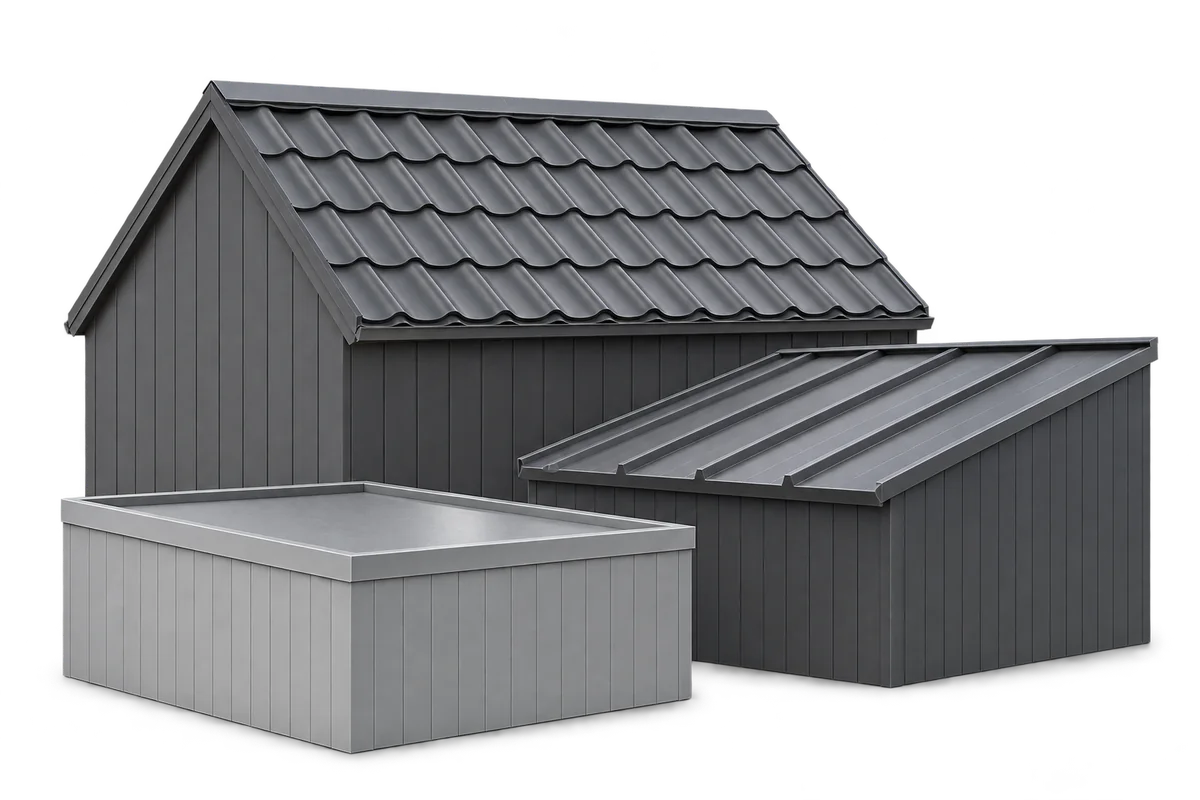
The proportions of a roof, the rhythm of its joints and the finish at its edges shape its appearance. Modular metal roof…
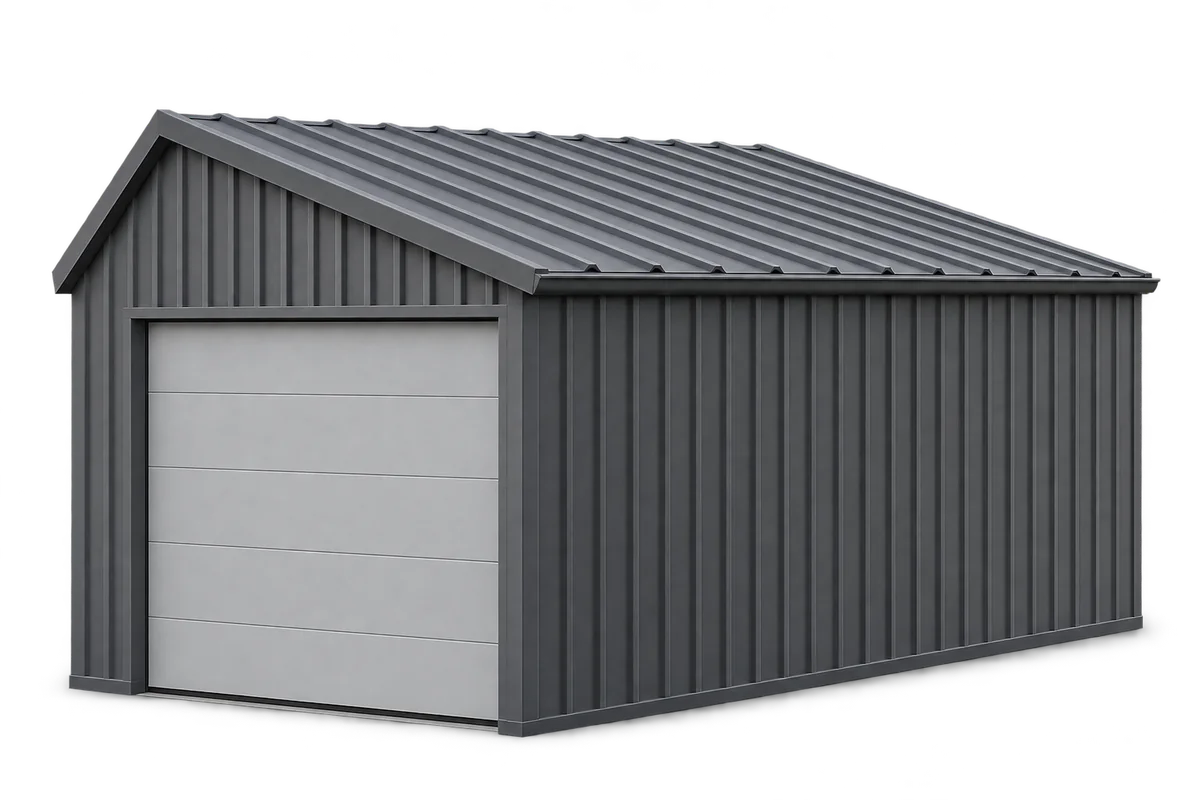
Trapezoidal steel sheeting can make a durable, low-maintenance garage roof and wall cladding if the sheets suit both the frame and the…
To work out the weight of a roofing order, start with the exact profile, steel thickness and unit on the product sheet.…
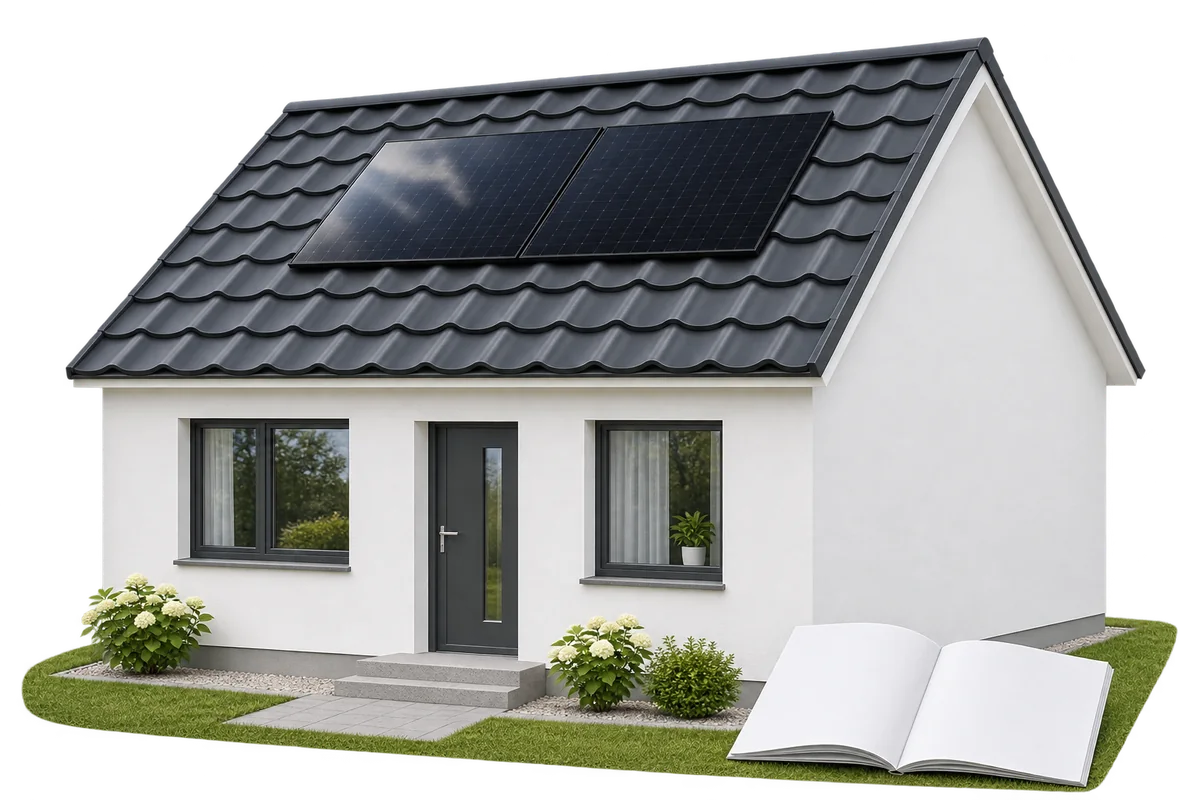
The instructions for your roof covering tell you where PV mounts may be fitted, how to seal penetrations and how to protect…
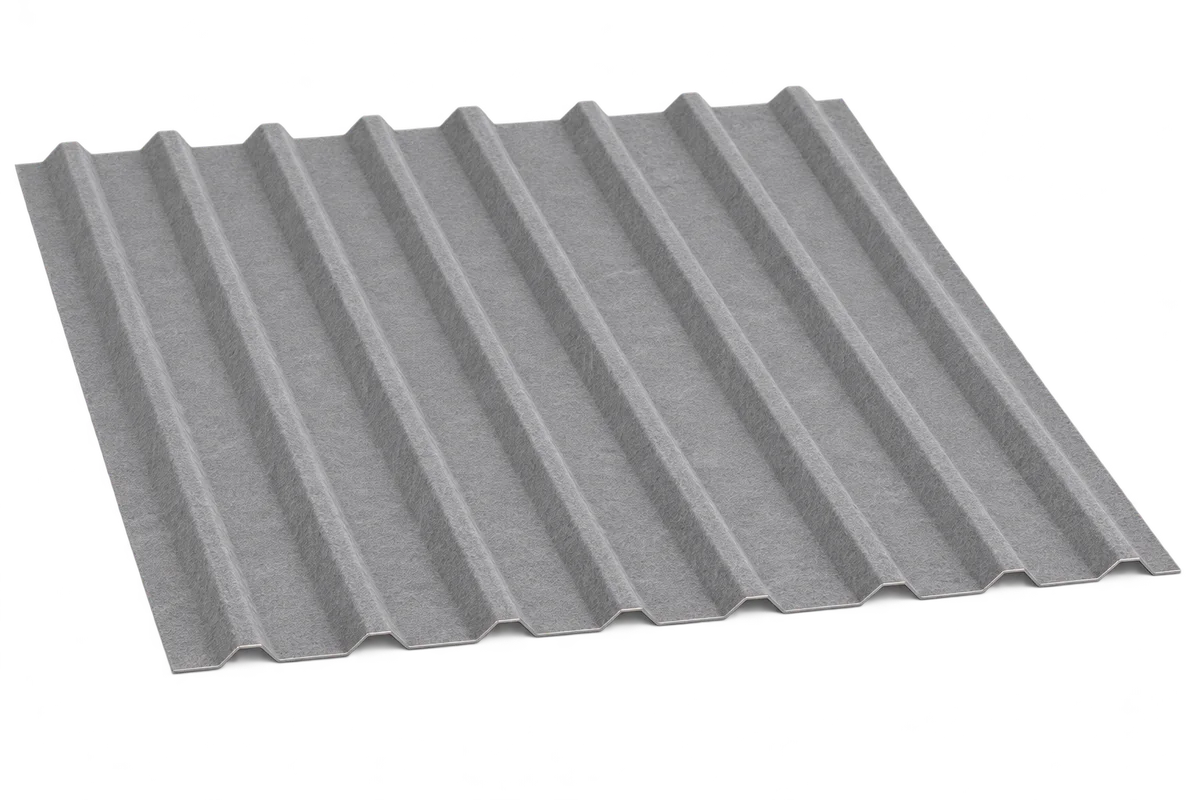
A factory-applied fleece on the underside of trapezoidal steel sheeting can temporarily hold condensation and may affect how the roof sounds. For…
