What determines the price per square metre of sandwich panel?
Prices and purchasing
At a glance
A sandwich panel price refers to a particular product and unit of sale. Check whether the quote is for a square metre of cover, a linear metre or a whole panel. Use the effective cover width and the panel length to calculate how much wall or roof each piece will cover after installation. Including the overlap in the cover width can leave the order short. Compare the core, facings and surface treatment as well as thickness. Then work out how many complete panels you must buy and what delivery includes. This shows which price differences matter for your building.
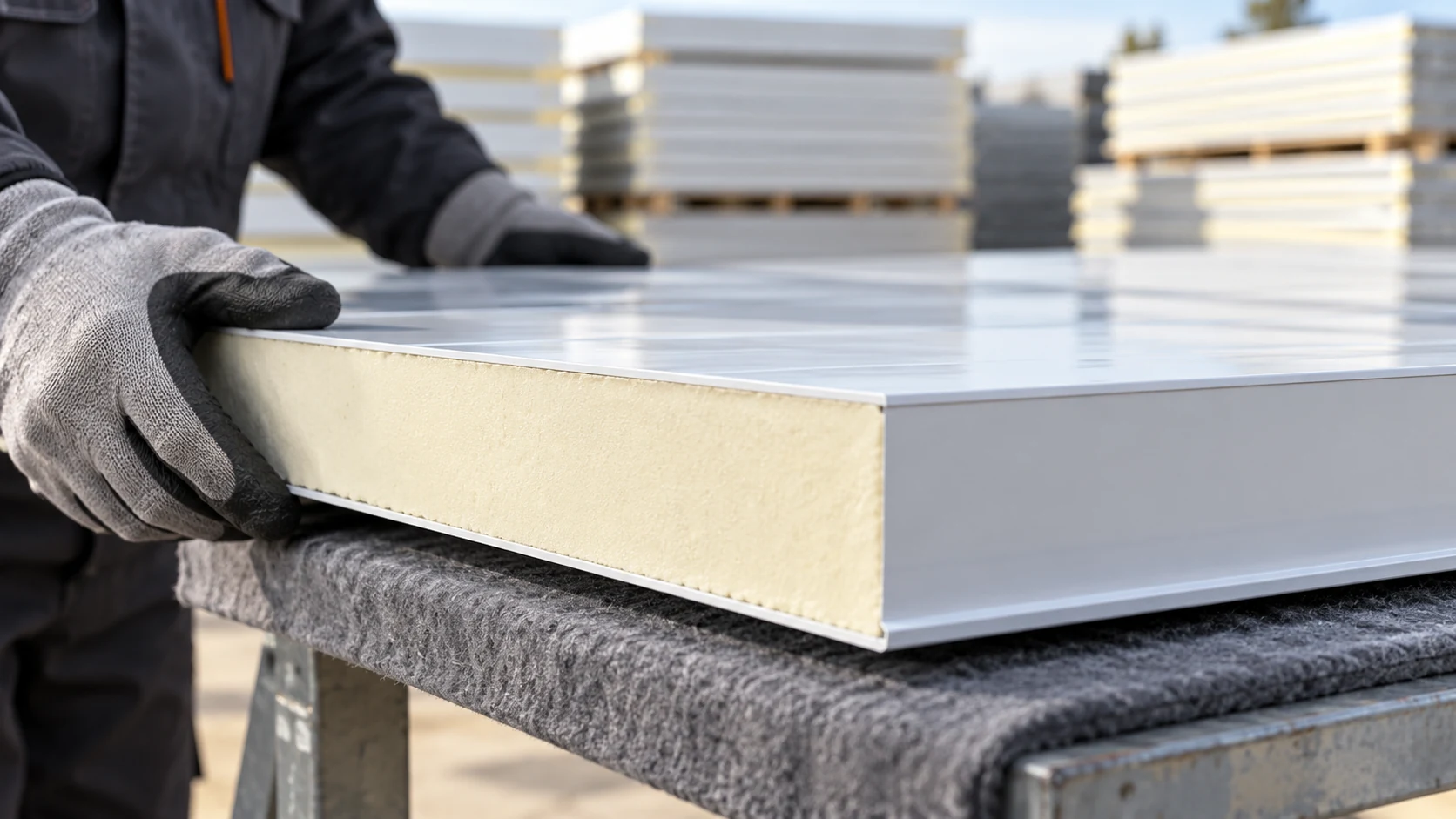
What does a metre mean in this quote?
Specify wall or roof application, core, thickness and facings. Check whether VAT is included. Use the same unit and tax basis for both offers, then calculate the amount of material needed for the whole building.
Why can panels of equal thickness cost different amounts?
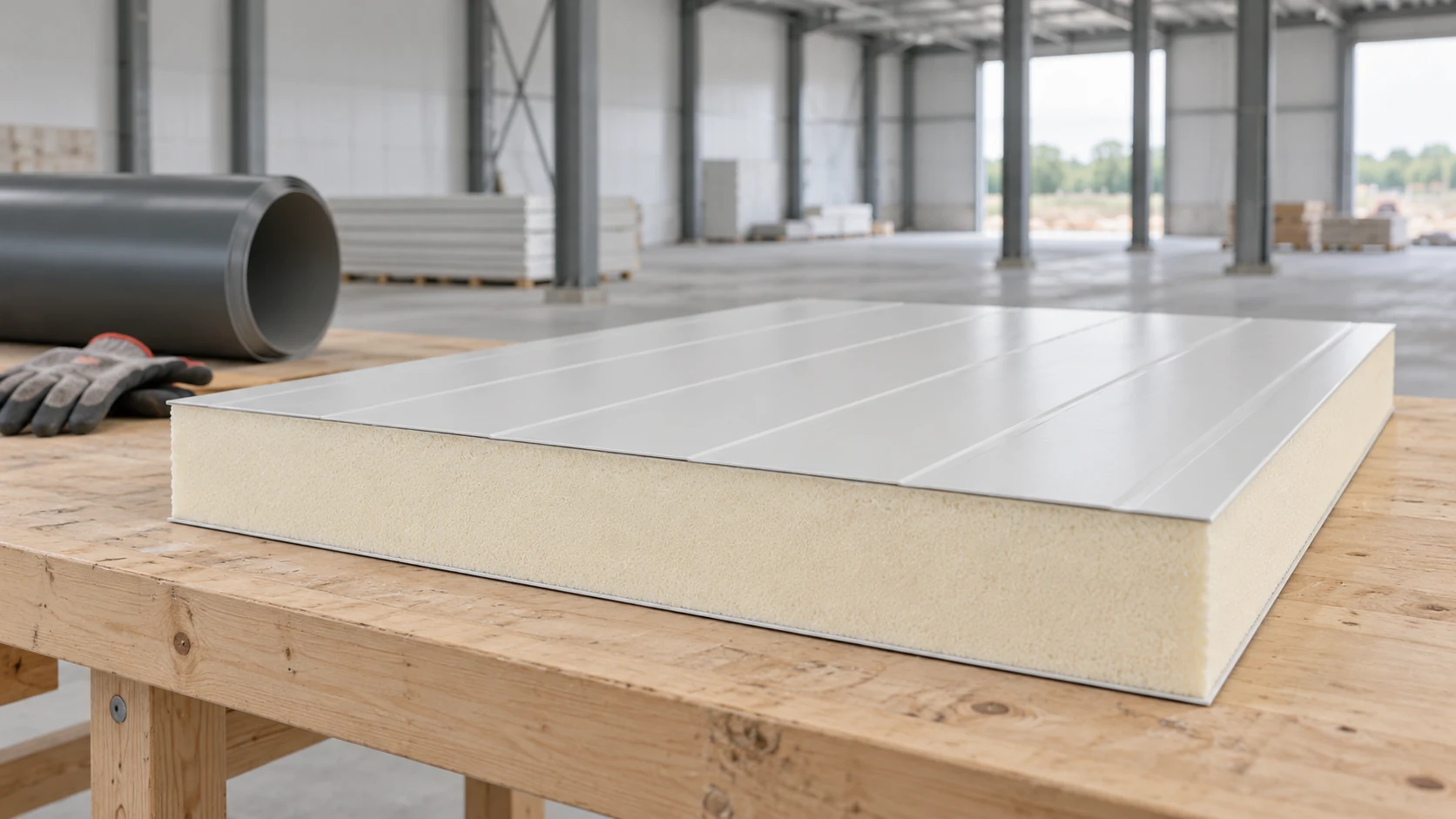
Core materials vary, and their properties need to be checked in the finished panel. Facings, profiling and joint type can also differ. These features influence selection and use. A reduction in facing thickness changes the configuration assumed in the design.
Ask for the thickness of each facing separately. Check thermal transmittance, load capacity and fire classification for the intended assembly. A lower-cost product can be suitable if it meets those requirements. Similar appearance and equal core thickness alone do not establish that.
When is a more expensive finish justified?
A coating intended for a dry warehouse may be unsuitable for frequent washdowns or an aggressive environment. Assess each face separately for humidity, cleaning chemicals and operating conditions. Tie any premium to the exposure it must withstand.
Colour affects appearance and solar heating. Dark facings may have additional length or installation restrictions, while unusual shades can alter order conditions. Before switching colours to save money, check the rest of the façade and the panel supplier’s requirements.
How much does the difference in price add up to?
For illustration, take two prices of roughly €31.51 and €34.06/m² excluding VAT. On 420 m², the unrounded rates give a difference of €1,070.56 excluding VAT. These hypothetical figures show how to evaluate a premium when comparable quotations arrive. Identify any difference in the specification first.
Establish what the higher price buys: perhaps a required coating, a different facing or lengths that better fit the roof. If only one option provides a specified feature, get design approval before substituting the other. Where appearance is the only difference, decide what it is worth to the client.
How does the order quantity affect the installed square metre cost?
Purchased panel area can exceed finished cover area because of cuts, module widths and openings. An offcut counts as a saving only if there is a suitable place for it in the installation layout. Identify that location before deducting it from the order.
Add transport and agreed unloading costs. They can make a considerable difference per square metre on a small order. Compare totals for your own panel schedule. With staged deliveries, allow for another transport charge and possible differences between batches.
What should be settled before ordering?
Put specifications and quantities in one table. Use separate columns for panels, accessories and logistics. Record the offer’s expiry date and availability conditions. Mark missing prices as outstanding and ask the supplier to complete them.
Compare the complete order against the design. Confirm that any proposed change to thickness, core or facing is permitted before recalculating. The unit price becomes meaningful once product, quantity and supply terms are known.
Questions and answers
Is there one price for all 100 mm panels?
No. Panels of this thickness come with different cores, facings and applications. A quote needs a specification, quantity and defined delivery scope.
Will a more expensive panel always lower operating costs?
No. It depends on the feature purchased and the building’s operating conditions. Assess possible heating savings with the whole envelope, its openings and the actual use of the building.

Free quote
What to include in your enquiry
Tell us how you plan to use the material, the dimensions and the quantity you need. Include the thickness, grade or variant name, along with the delivery town or your preferred collection branch. For a specific product, add its name or a link to the product page. We will reply to the email address you provide to discuss availability and the terms of your order.

Read next
Fire safety depends on choosing a panel with documented performance and installing it in the assembly covered by that documentation. The core…
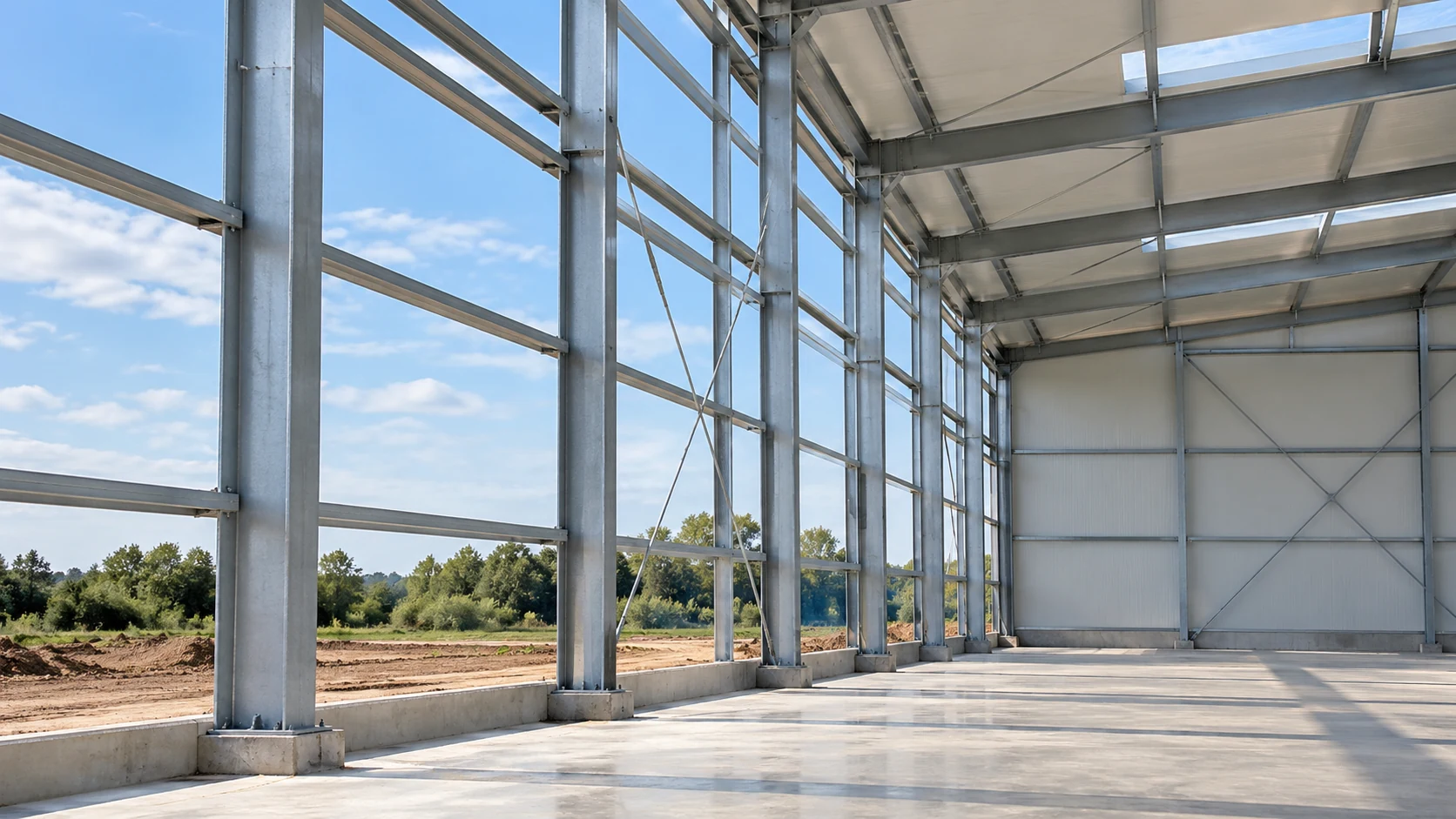
Support spacing for a sandwich wall panel depends on the loads and on data for the particular product. No single dimension is…
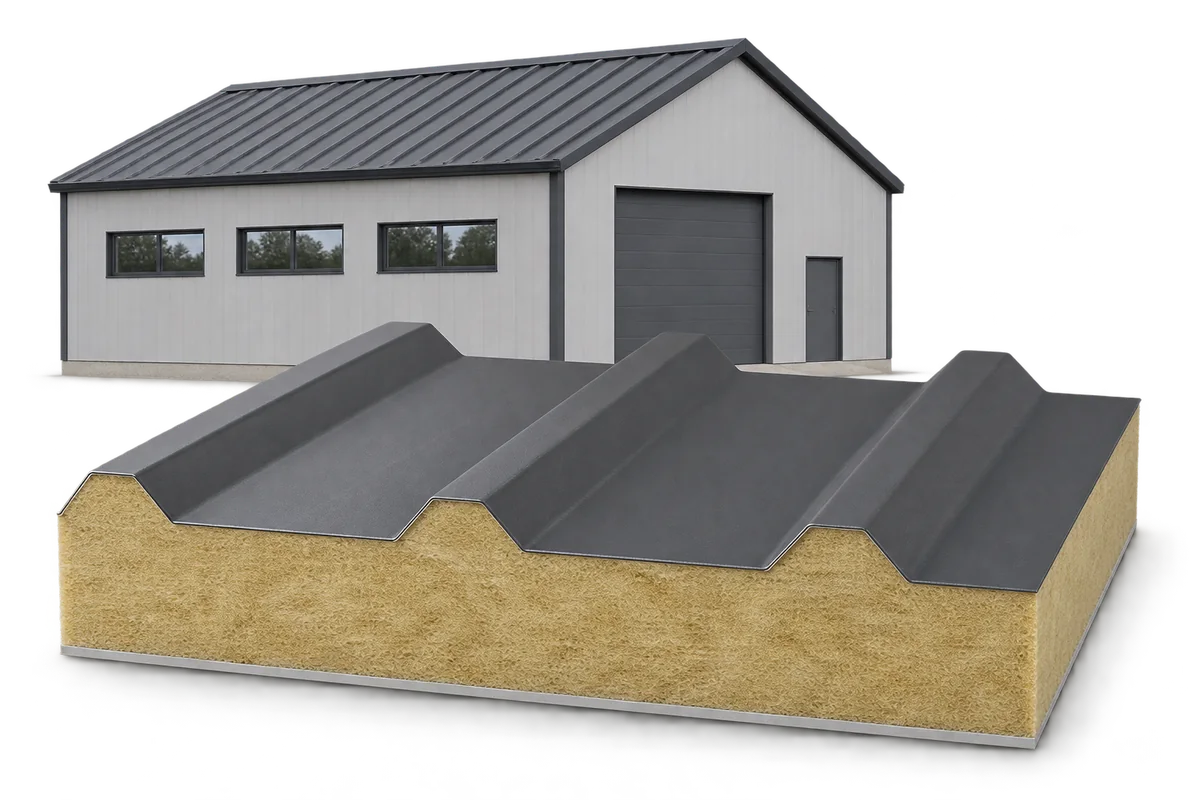
A building envelope must limit heat loss and meet the building’s safety requirements. When choosing sandwich panels, consider those two tasks together.…
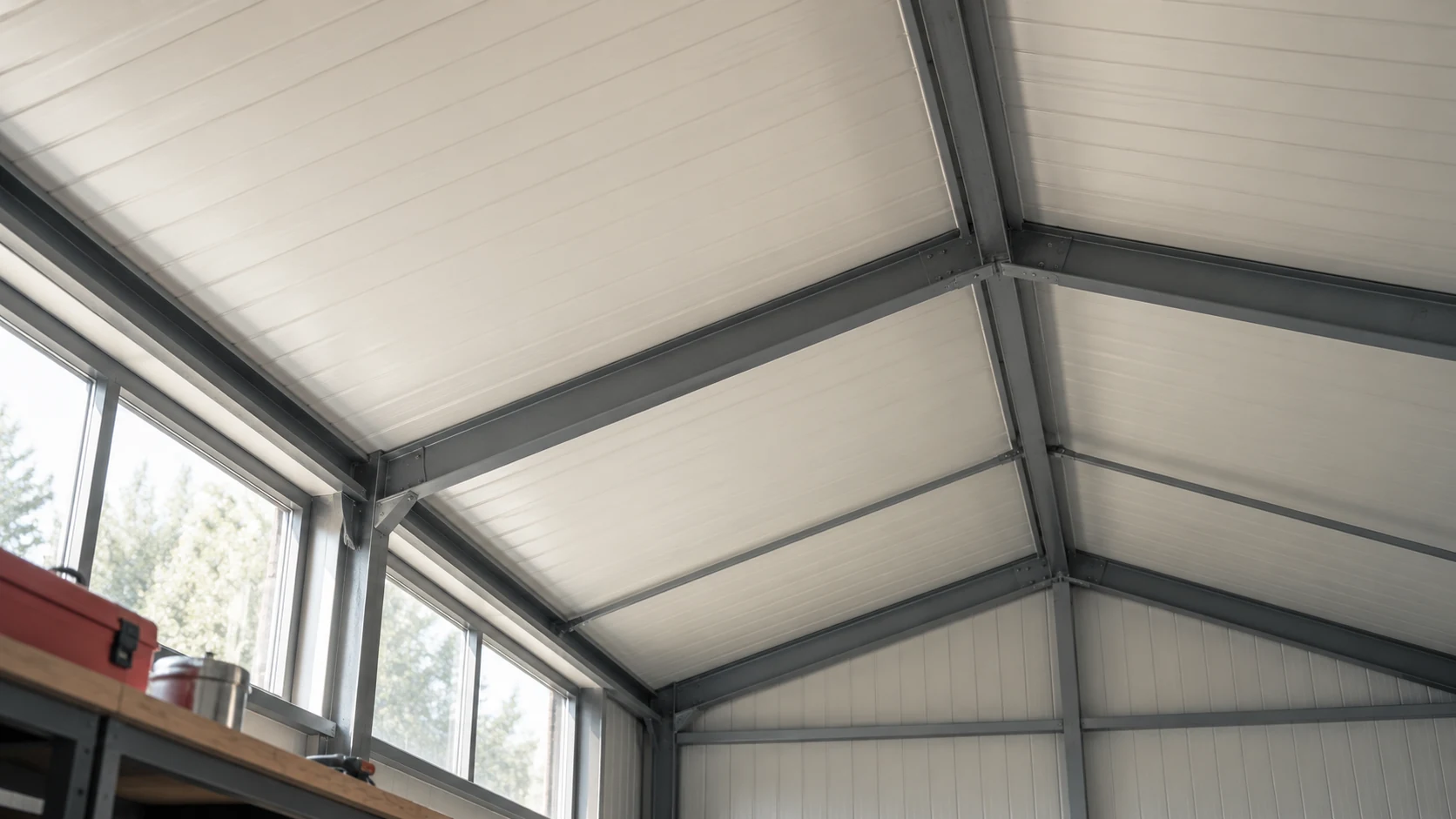
Extra insulation below a sandwich panel roof can reduce heat loss, but it also changes the temperature of the panel’s inner facing.…
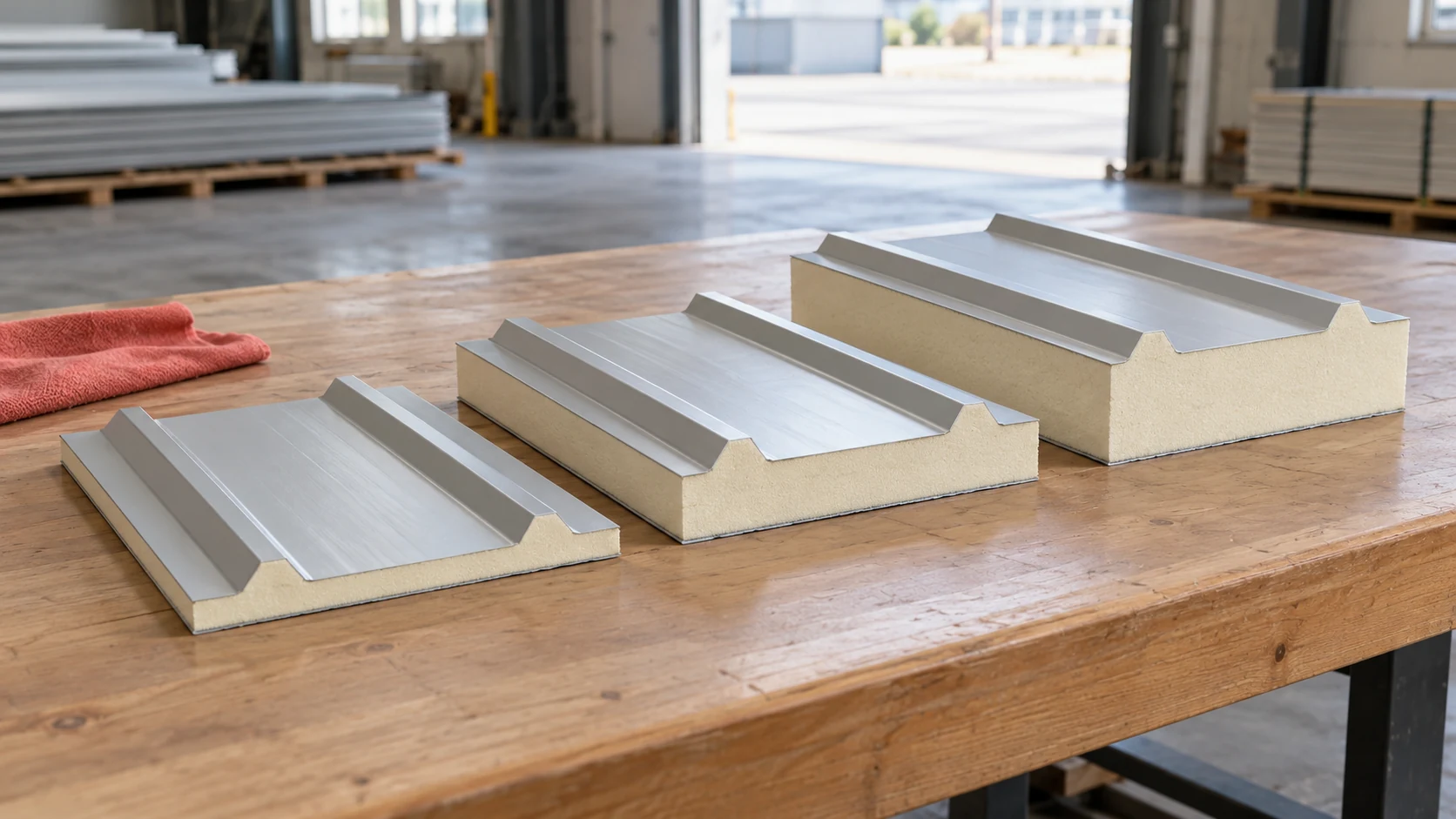
Choose roof panel thickness by comparing complete configurations against the building design. Start with indoor temperature, humidity and heating hours. A warehouse,…
Two panels of equal thickness may have different cores, facings, joints and intended uses. Start with the building requirements: thermal performance, loads,…
The total price of a building tells you little about when you will need the money. Budget separately for site preparation, the…
Judge a panel's grade against the wall or roof where it will be used. A small blemish on a concealed wall has…