What should you check before buying a 100 mm mineral wool wall panel?
Mineral wool panels
At a glance
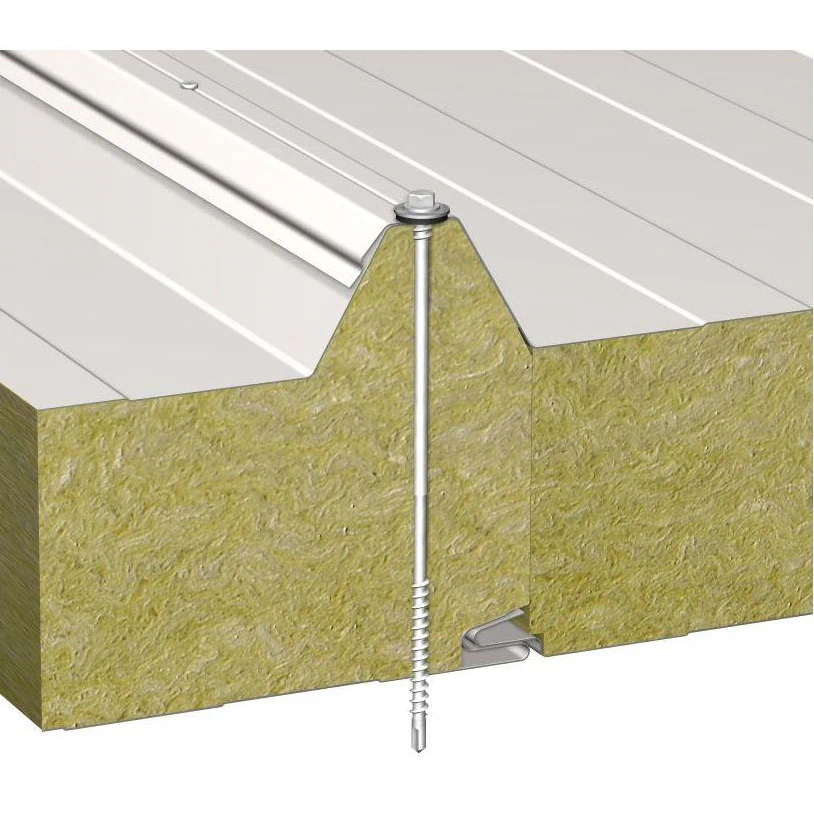
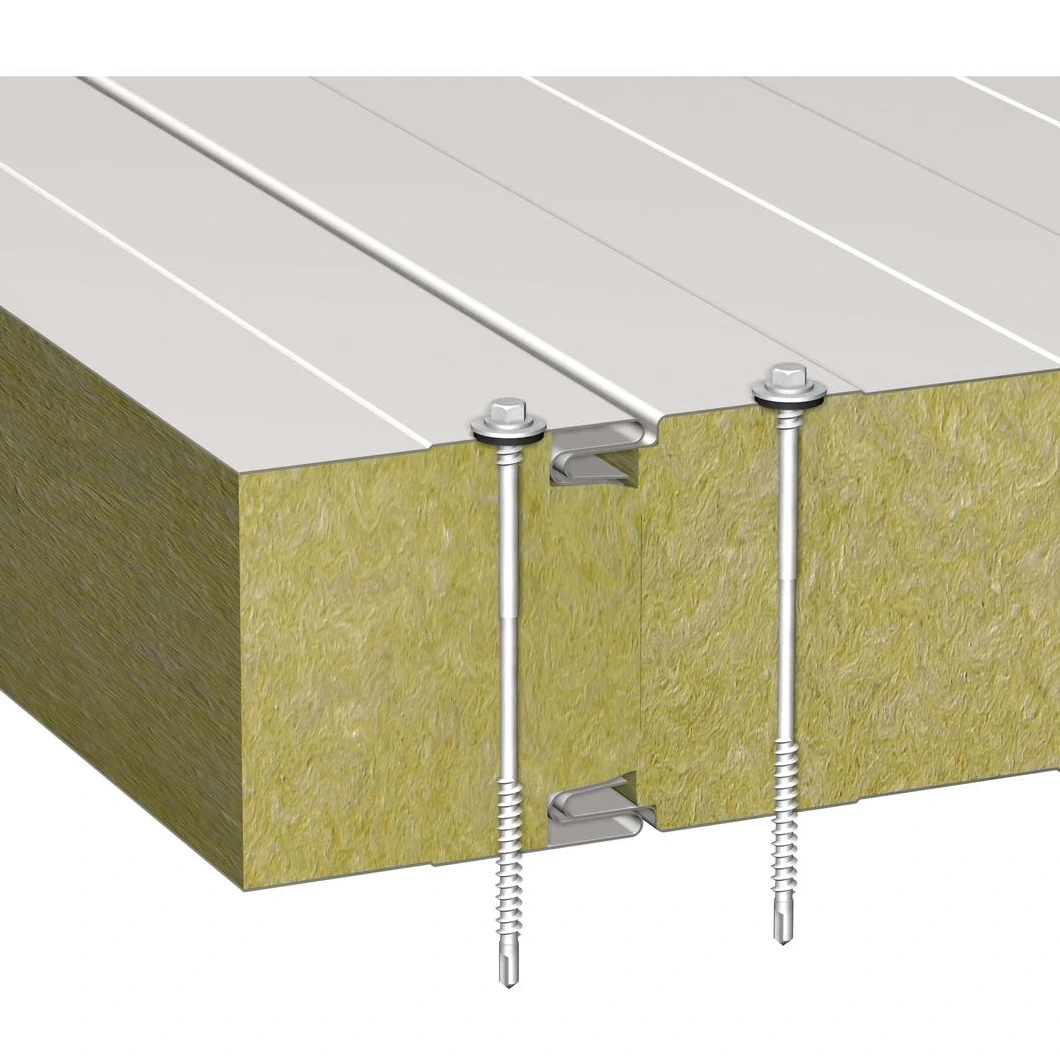
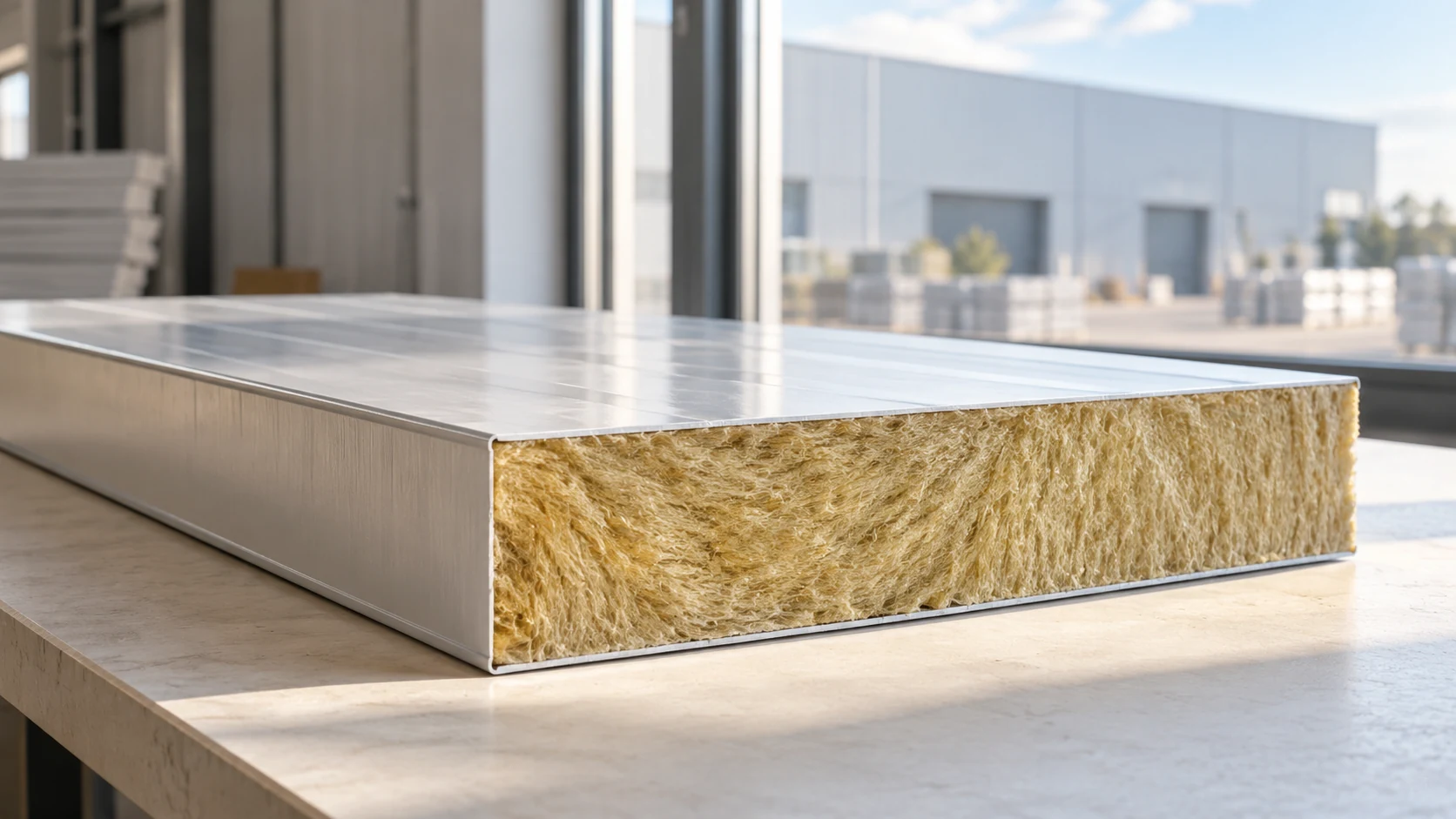
A thickness of 100 mm does not define a mineral wool wall panel. Two products can differ in weight, U-value and cover width. Check the fixing method and conditions of fire classification before purchase. Start with an elevation showing supports and openings rather than just a total area. Specify the core, both facing thicknesses, coatings and profile. Decide whether the fixings will be exposed or concealed in the joint; the choice affects appearance and installation. Two panels can have the same colour but incompatible joints.
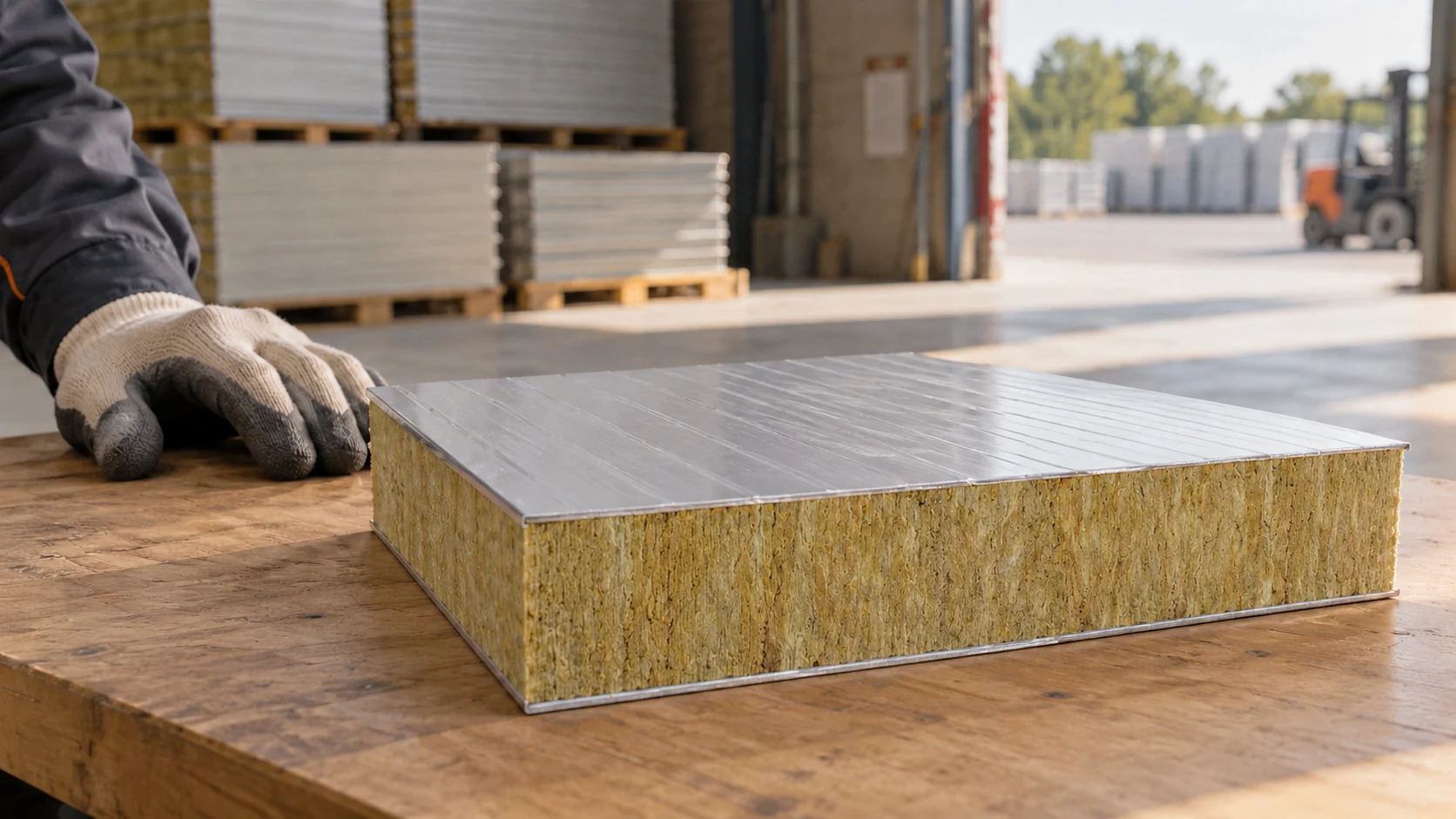
Thickness alone does not define the product
Request the exact variant’s documents. Cover width sets out the installed façade; overall width includes the joint profile. Confusing them can leave a shortfall at the end or an unsuitable layout around windows.
Compare two specific sets of data
Consider two 100 mm products. An exposed-fixing dual-density panel with 0.5/0.5 mm facings has U = 0.37 W/(m²K), weighs 17.0 kg/m² and has a standard cover width of 1,150 mm. A specific concealed-fixing variant has a corrected U-value (Uc) of 0.40 W/(m²K), a weight of 20.5 kg/m² and a 1,000 mm cover width.
This does not establish an inherent advantage for exposed fixings. These figures describe two particular constructions. Appearance, fire requirements or load capacity may govern the choice. The common thickness cannot predict the other properties.
Match the panel to operating temperatures
Check temperatures on both sides and heating hours. A 100 mm panel can suit several uses but does not automatically meet every building’s thermal requirements. Use the selected panel’s U-value and the properties of openings and other wall elements in the calculation.
If the building will initially be unheated, ask about later use. A change of function may require different insulation, ventilation or surface protection. Identifying that before purchase can prevent the new cladding from obstructing a conversion.
Verify fire performance
Read reaction to fire and fire resistance separately. A wool core alone does not justify specifying 100 mm. The wall’s required rating must cover its arrangement, span and fixings. Additional seals and junctions with adjacent elements can be decisive.
Check whether the evidence covers vertical installation, horizontal installation or both. Do not transfer a rating for a shorter span to a longer one. Include doors and penetrations; the panel data sheet is not a design for the complete separation.
Turn cover width into an order quantity
On an uninterrupted 11.5 m façade, ten 1.15 m modules cover the width. A 1 m module calls for another arrangement, such as eleven full modules and a properly detailed end piece. This is a geometry example; the termination must suit the system.
Windows may reverse the comparison: a wider module does not always reduce waste. Draw both layouts with supports and flashings. Check profile direction and visible joints. Only the resulting piece lists show the real order quantities.
Before approving cuts, verify that end pieces retain the edge needed for installation. Ripping a panel to width can remove part of the joint. The remainder is not simply a narrower standard panel: it needs a designed termination and fixing.
Check logistics and detail costs
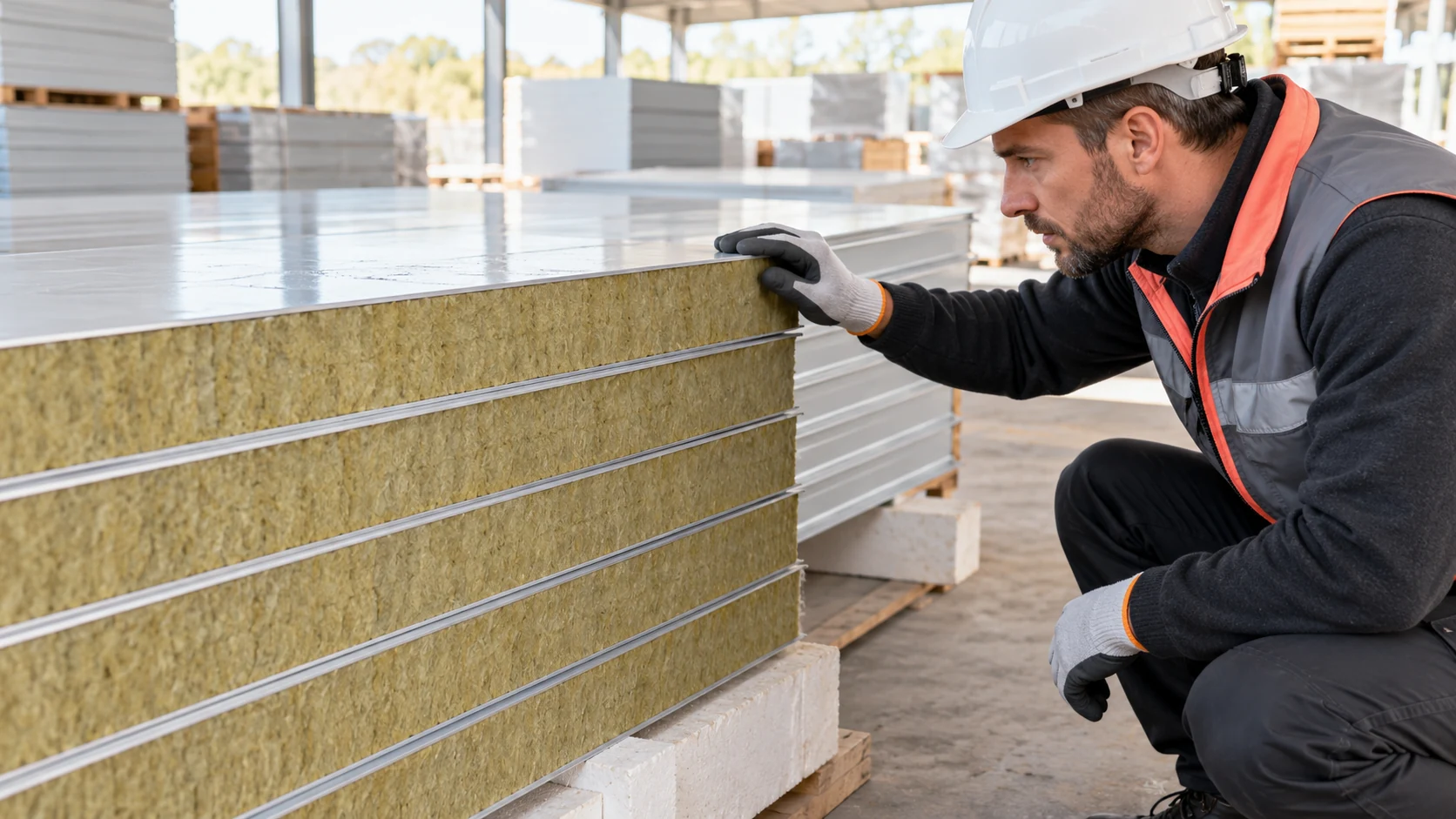
Panel lengths and weights affect lifting and transport. Confirm pack dimensions and unloading arrangements. Check safe storage and machine manoeuvring space. If these are overlooked, a small saving on material can disappear.
Include the correct fasteners, flashings and seals in the final quotation. Compare panel rates on the same scope. Specify the accepted configuration and permitted substitutes so the delivery is not reduced to any panel that happens to be 100 mm thick.
Questions and answers
Does a 100 mm wool panel always have a U-value near 0.4?
Some systems do, but core, geometry and assessment method affect the figure. Specify the confirmed product value in the design and order.
Can any 100 mm panel extend an existing wall?
No. Identify the existing system and match cover width, joint, facings and performance. Thickness alone does not ensure a connection to neighbouring panels.

Free quote
What to include in your enquiry
Tell us how you plan to use the material, the dimensions and the quantity you need. Include the thickness, grade or variant name, along with the delivery town or your preferred collection branch. For a specific product, add its name or a link to the product page. We will reply to the email address you provide to discuss availability and the terms of your order.
Read next
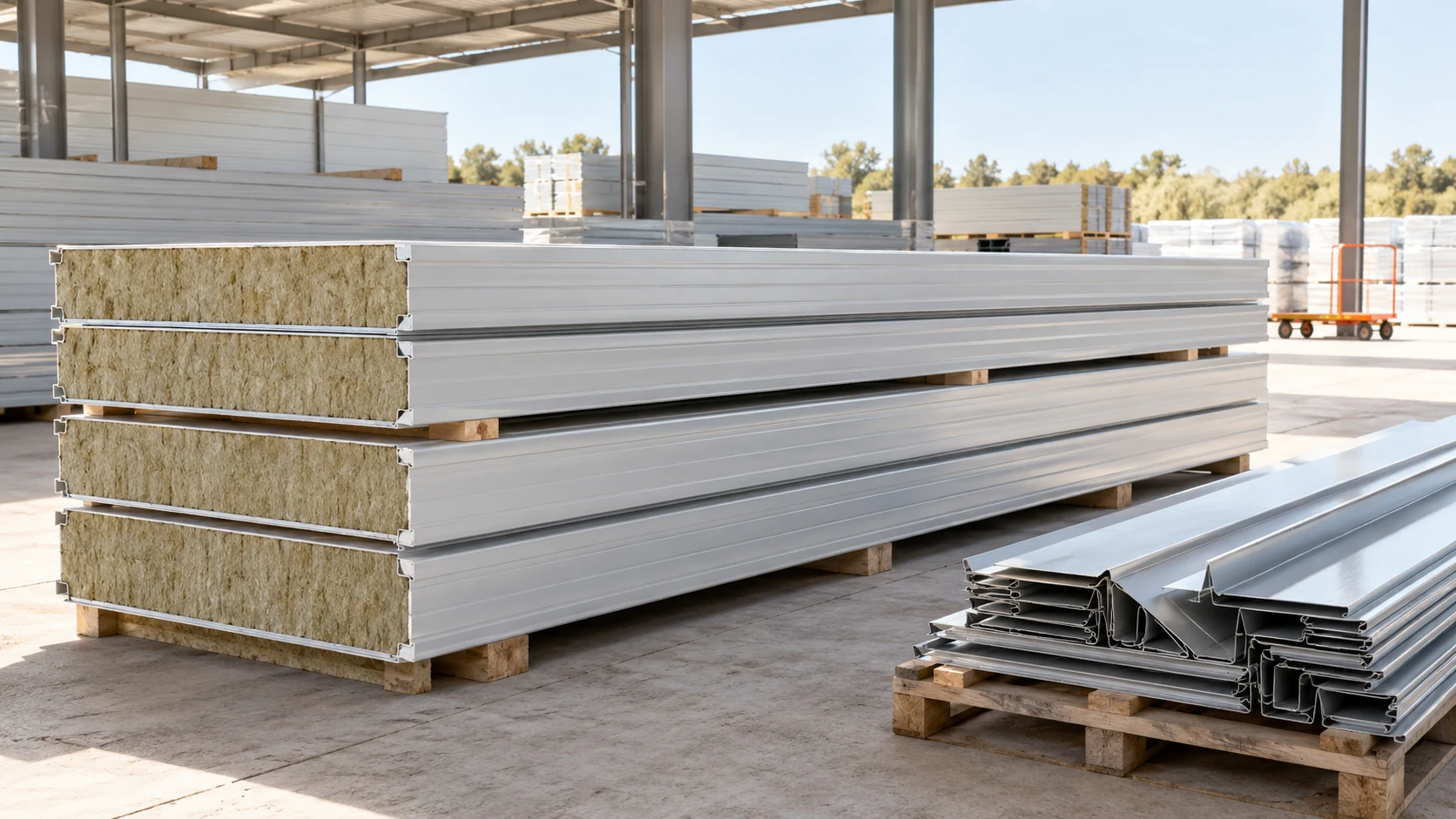
The panel price per square metre is only one part of a wall budget. Include flashings, seals, fixings, transport, equipment hire and…
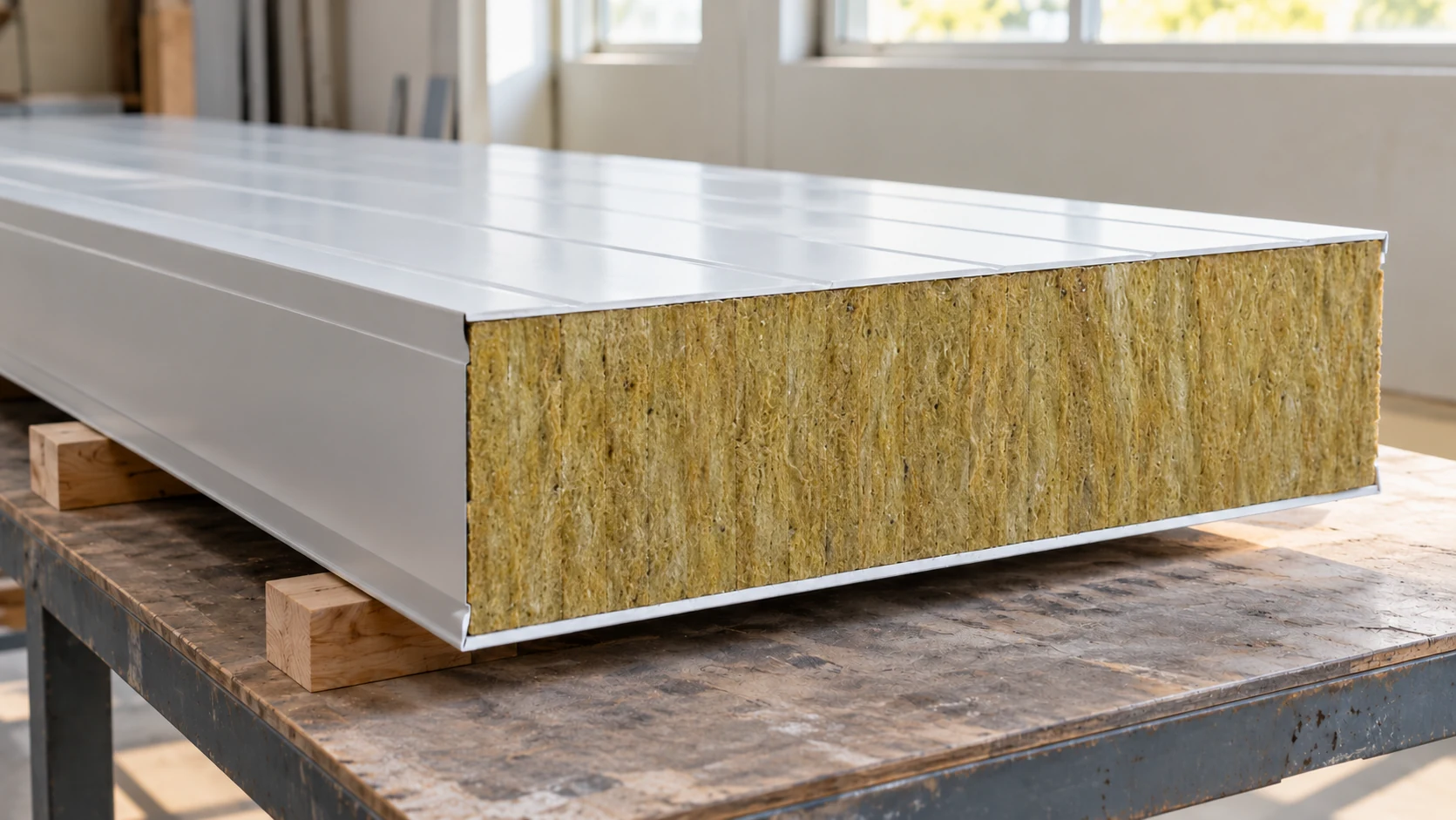
Mineral wool panels combine finished facings, insulation and defined fire performance. Choosing them affects wall thickness, weight and installation, so consider all…
A mineral wool wall project runs more smoothly when each decision produces a usable document or drawing. Describe the building’s operation, then…
A2-s1,d0 describes the reaction to fire of the finished panel. It is not the wall’s EI fire resistance rating. The mineral wool…
A mineral wool core alone cannot guarantee a quiet hall. First locate the source and the point that needs protection: a machine…
Start by asking what the extra 50 mm should achieve: lower heat loss, or compliance with a particular wall requirement. Extra thickness…
Thermal conductivity (lambda) describes the material; the U-value describes heat transfer through a specified element. When buying mineral wool wall panels, use…
Clearance mineral wool panels can cut the cost of a wall if the batch fits the project. Usable lengths, intact joints and…