What should you check before choosing a solar roof for a workshop?
Roofing and energy
A workshop that draws power during the day may be able to use electricity from its own roof. Before choosing building-integrated photovoltaics (BIPV), check the roof pitch, structure and proposed build-up alongside the electricity bills. Describe what the workshop does. A small repair shop presents different conditions from a building where the process releases dust, moisture or corrosive contaminants. Tell the designer how the rooms are used, where extraction is needed and which machines run during daylight. These details determine where active panels will fit, whether they can be maintained and how much of their output the business can use.
In this guide
What does the designer need to know about the workshop?
Include planned changes. A new extraction system may need a roof penetration or a different equipment layout. Reserving passive areas in advance gives the installer space for ducts and flashings without reopening finished active sections.
Are the structure and roof pitch suitable?
Check the permitted pitch, support requirements and weight of the complete roof. Many BIPV products are designed for particular pitched roofs. For a shallow sandwich panel roof, establish suitability from the system documentation and the building design. Metal components in both systems do not in themselves establish compatibility.
The structural engineer also assesses snow, wind and fixings. On an existing workshop, inspect the actual supports and joints, including earlier alterations that may be missing from the drawings. Re-roofing provides an opportunity to inspect them. Allow separately for any structural repairs that prove necessary.
What does the machines’ load profile tell you?
A machine may draw high power for a few minutes or run steadily for hours. The two patterns give very different opportunities for using solar electricity. Obtain interval meter readings where possible. Annual bills hide whether peak demand coincides with good generating conditions.
Include days off and shutdowns in the calculation. Sunshine is independent of the workshop’s order book. Size the active area using realistic demand and the terms for surplus electricity. The rated powers on machine nameplates alone give little indication of the area required.
How should extraction outlets and rooftop equipment be accommodated?
Locate outlets, flues and ducts before setting out the panels. They can cast shadows and need access for inspection. Passive roofing leaves space to weatherproof these penetrations and reach them later.
Check the direction of exhaust air and where deposits are likely to settle. The choice of materials and cleaning method should reflect the workshop environment. Rain may leave residues behind, while unsuitable cleaning can damage system components.
What do safety and maintenance require?
Assess the roof assembly for the particular workshop. A component certificate alone cannot establish the suitability of all the layers and their installation. Review electrical requirements and equipment locations with the people responsible for the design and the building’s maintenance.
Plan access that does not rely on walking across modules. Allow space for access equipment and for closing off the work area. Replacing an active element means restoring the roof covering as well as the electrical connection. Clear records and a nominated service contact help shorten fault investigations.
When is an integrated PV roof a good fit?
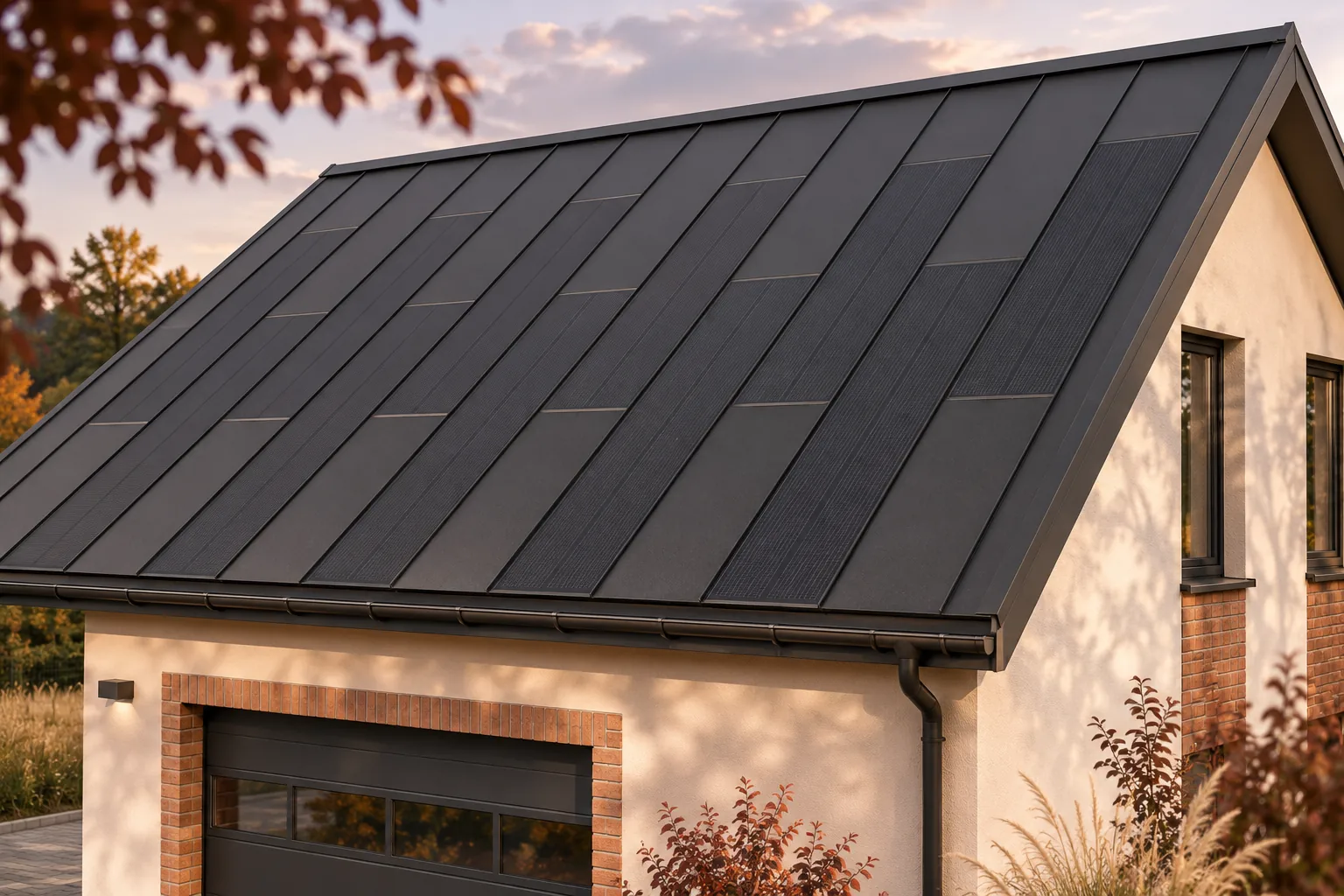
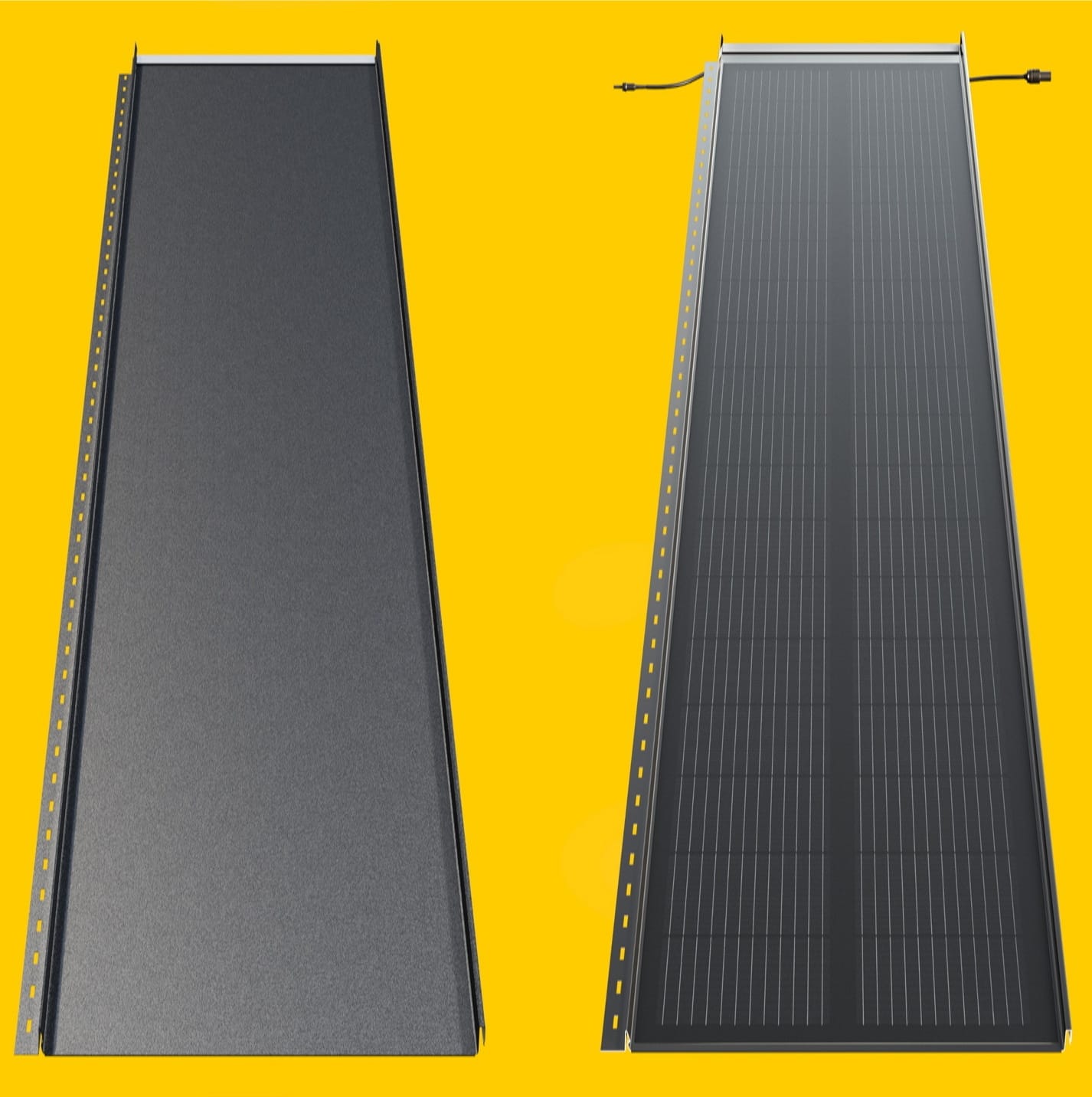
A new workshop with a compatible roof, or one already due for complete re-roofing, is a good starting point. Steel panels with integrated cells can provide the covering and generate electricity. Their consistent appearance can also matter above a customer reception area. Technical suitability still requires a separate assessment.
Compare complete roof options and forecasts for on-site electricity use. Include the operating environment, rooftop equipment and future servicing costs. These factors, together with the load profile, show which solar roof is suitable for the workshop.
Names in the integrated solar roofing market include Electrotile, SunRoof, Megasol Energie, MDM NT (MyRoof), SolRoof, Wienerberger Wevolt, ML System, 3S Swiss Solar Solutions, EDILIANS and LUMA Solar.
Reserve space for filter replacement and check where passive strips can provide access.

Free quote
What to include in your enquiry
Tell us how you plan to use the material, the dimensions and the quantity you need. Include the thickness, grade or variant name, along with the delivery town or your preferred collection branch. For a specific product, add its name or a link to the product page. We will reply to the email address you provide to discuss availability and the terms of your order.
Read next
A business needs to be able to return a damaged fence to service promptly. Plan access to individual pickets when choosing the…
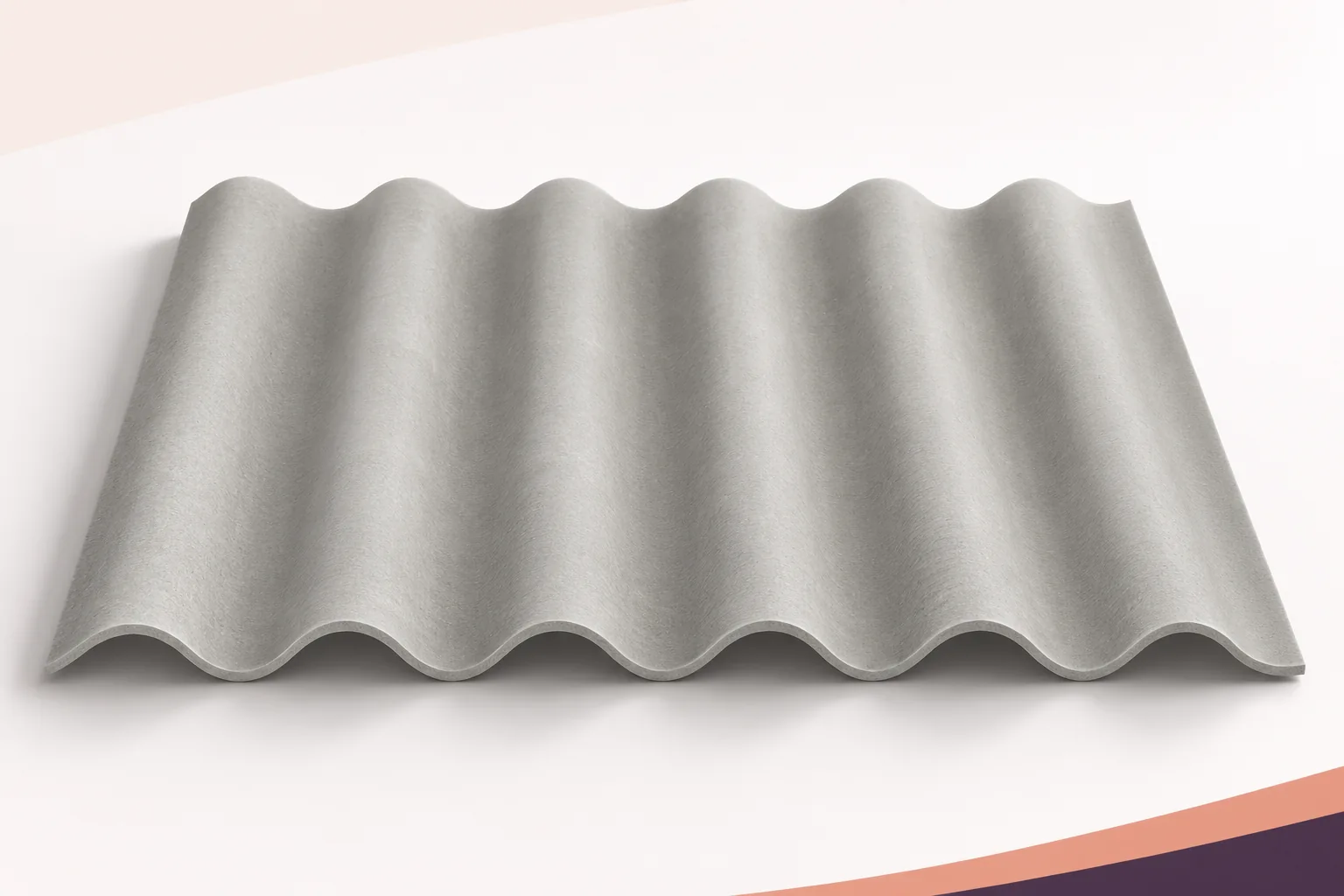
An industrial building’s envelope must keep out the weather and maintain the conditions required inside. Corrugated fibre cement sheets can form the…
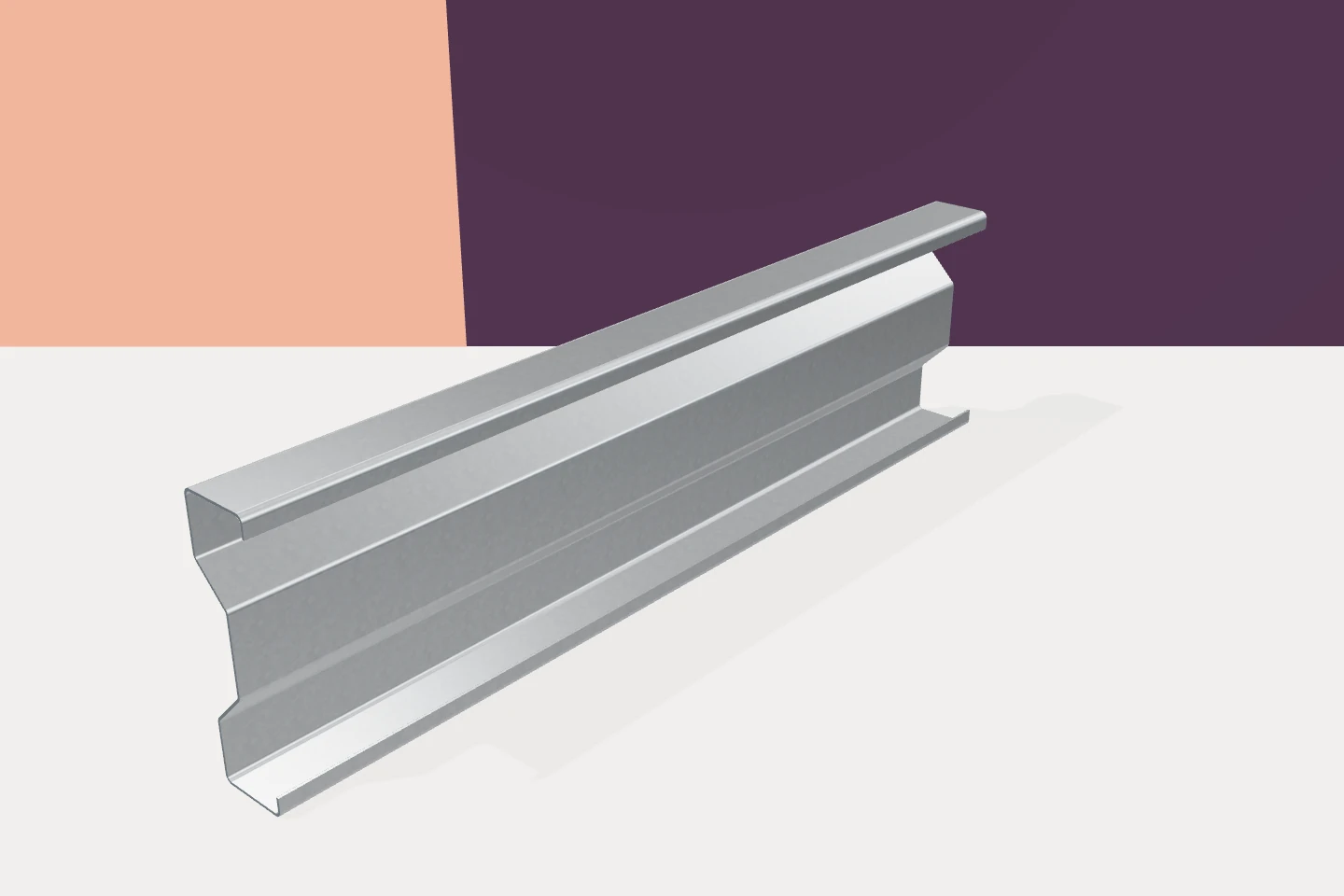
Selecting a cladding rail involves checking the bearing flange, fastener positions and alignment as well as section resistance. Cold-formed sigma sections have…
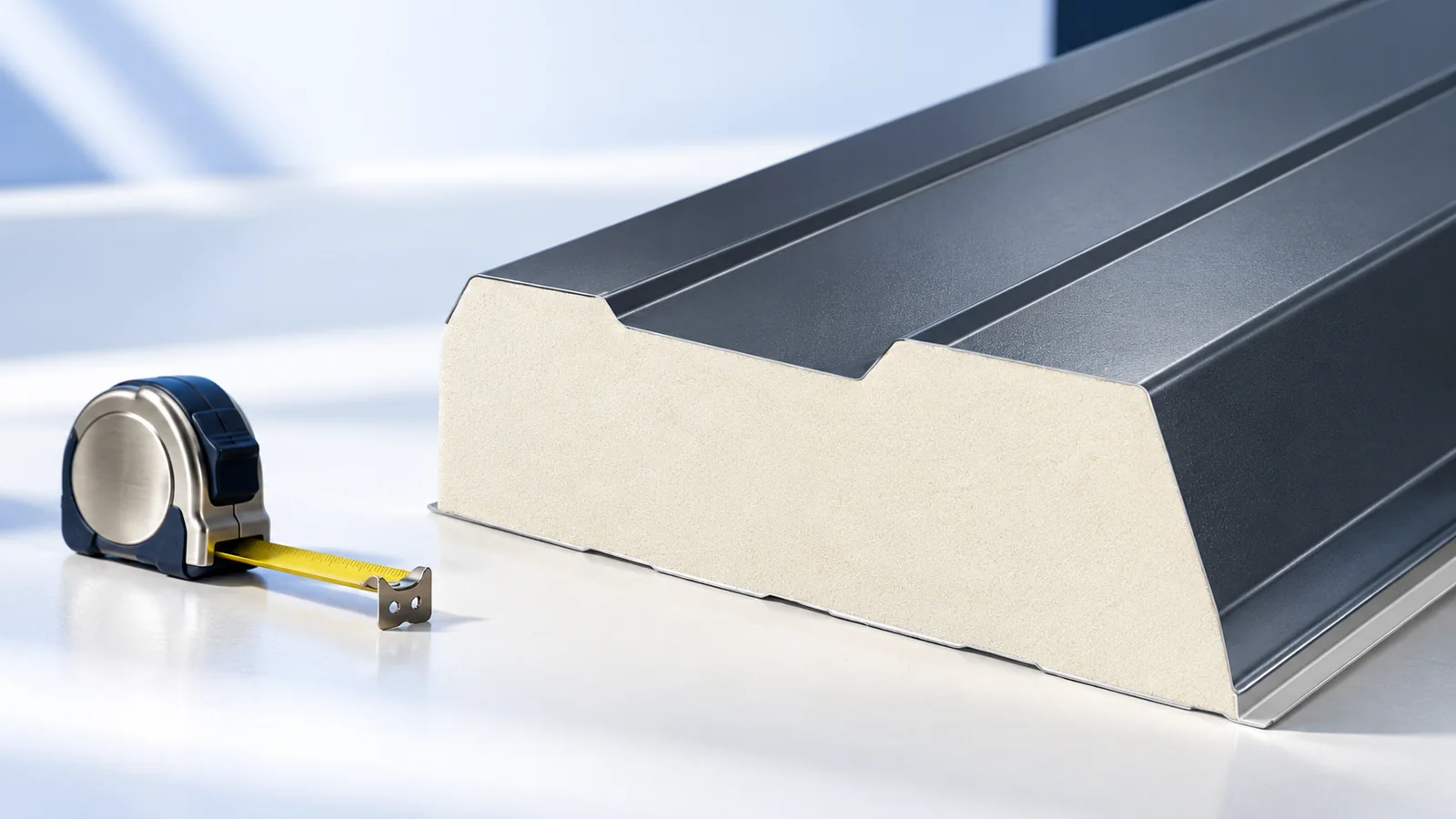
Start with the roof section and support plan when choosing a sandwich panel. The two steel facings and insulating core act together…
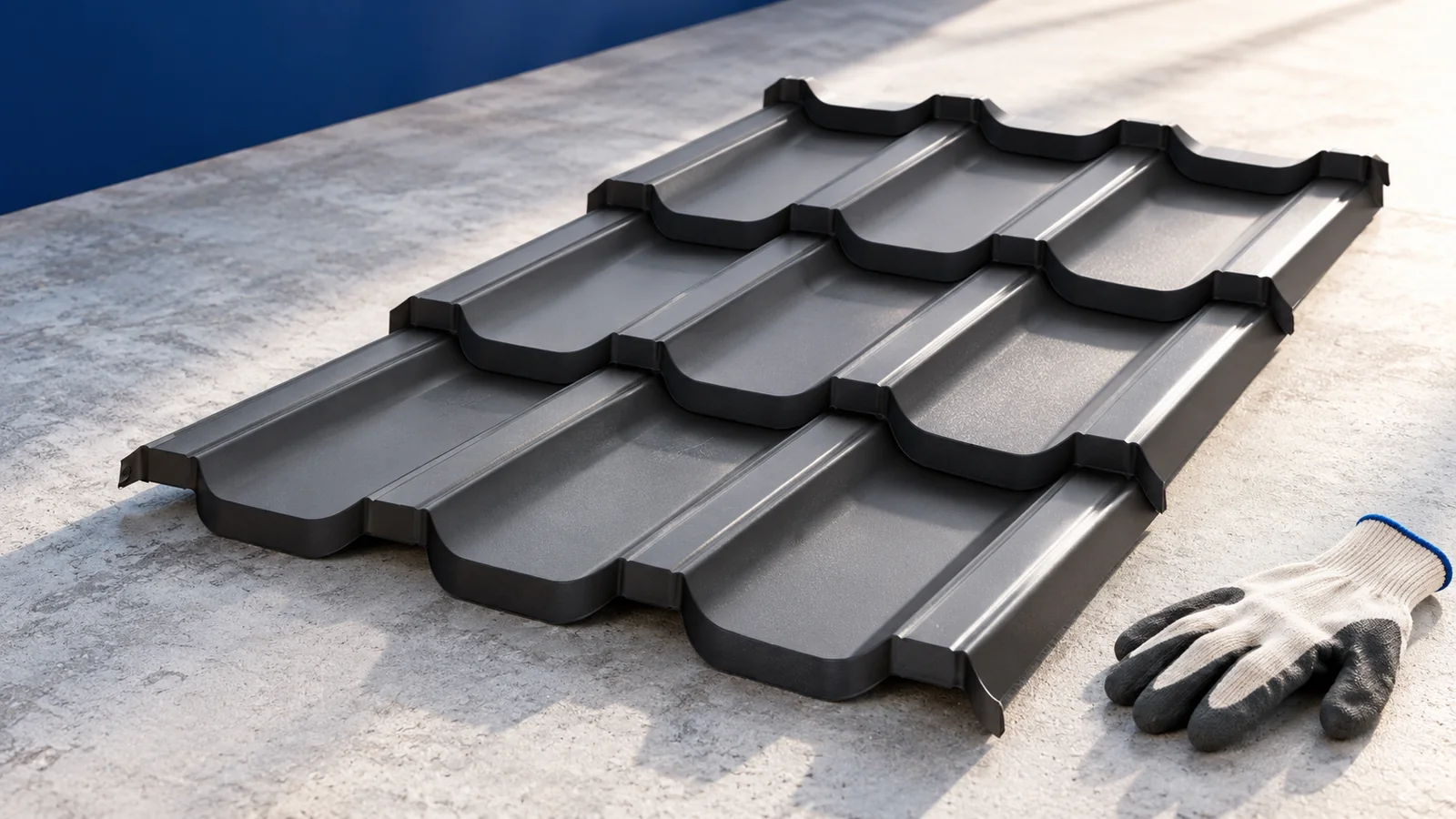
Two roofers can quote different prices per square metre for the same slope because they are pricing different work. One may include…
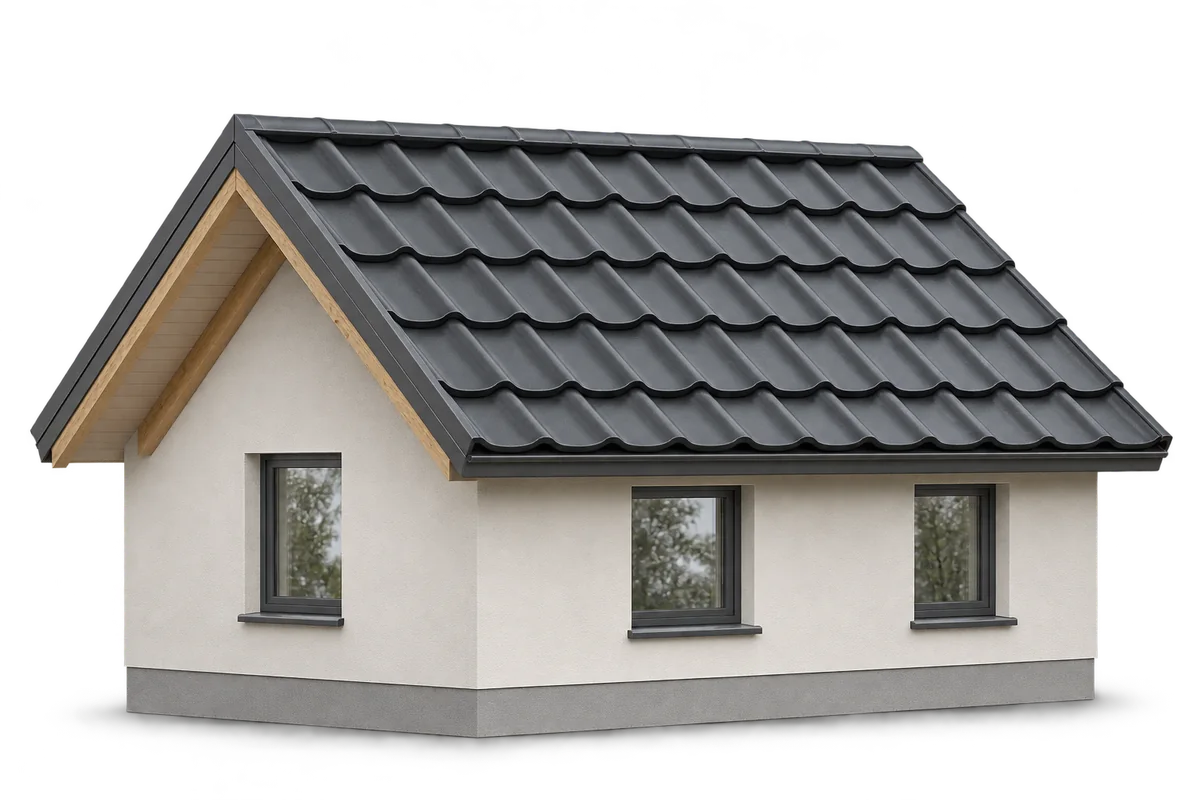
A gable roof has two slopes that meet at the ridge. This simple shape makes the roof covering easier to lay out…
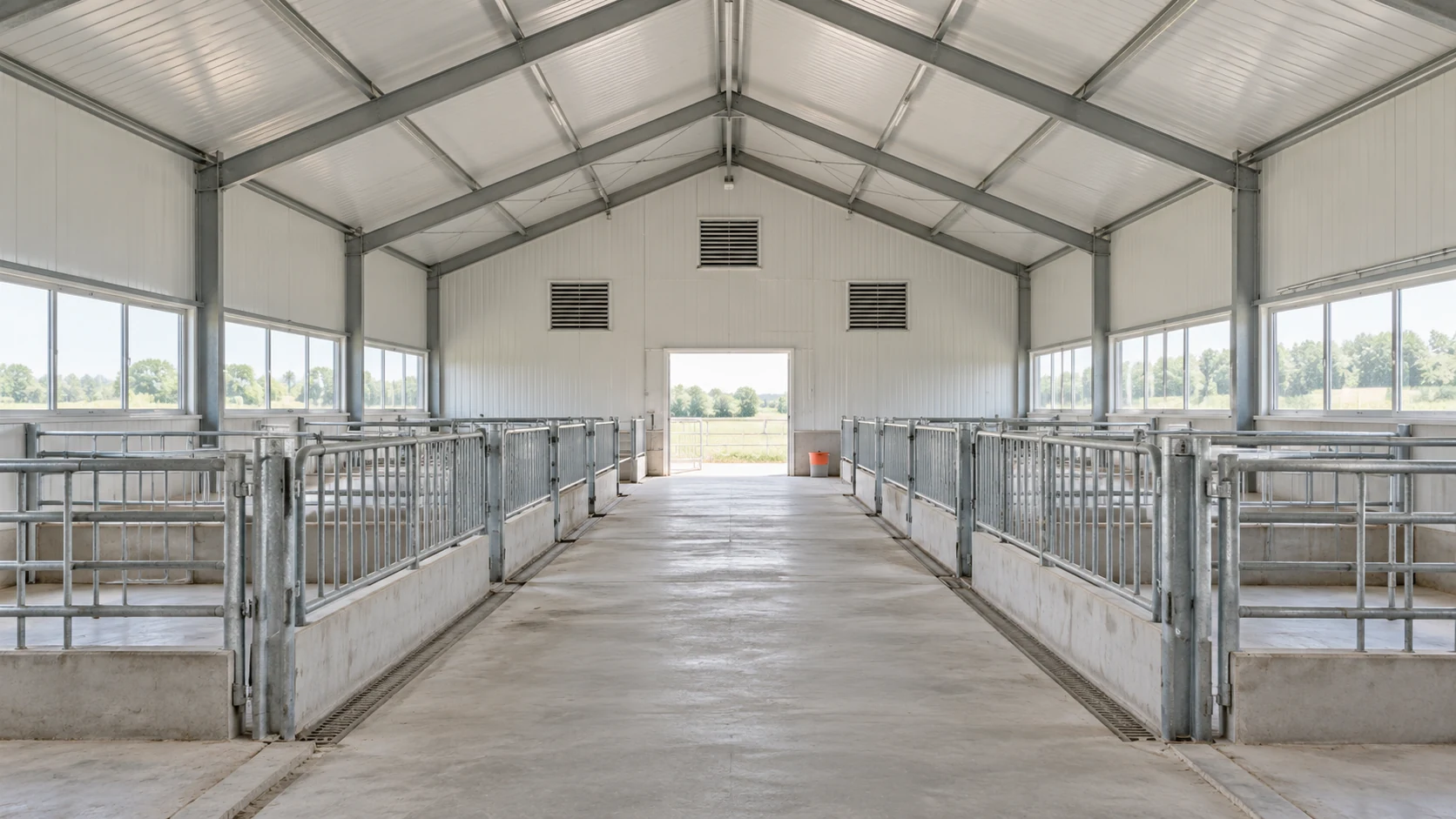
Livestock building panels face humidity, dirt and regular washing, but exposure varies within the building. Animal housing, feed storage and plant rooms…
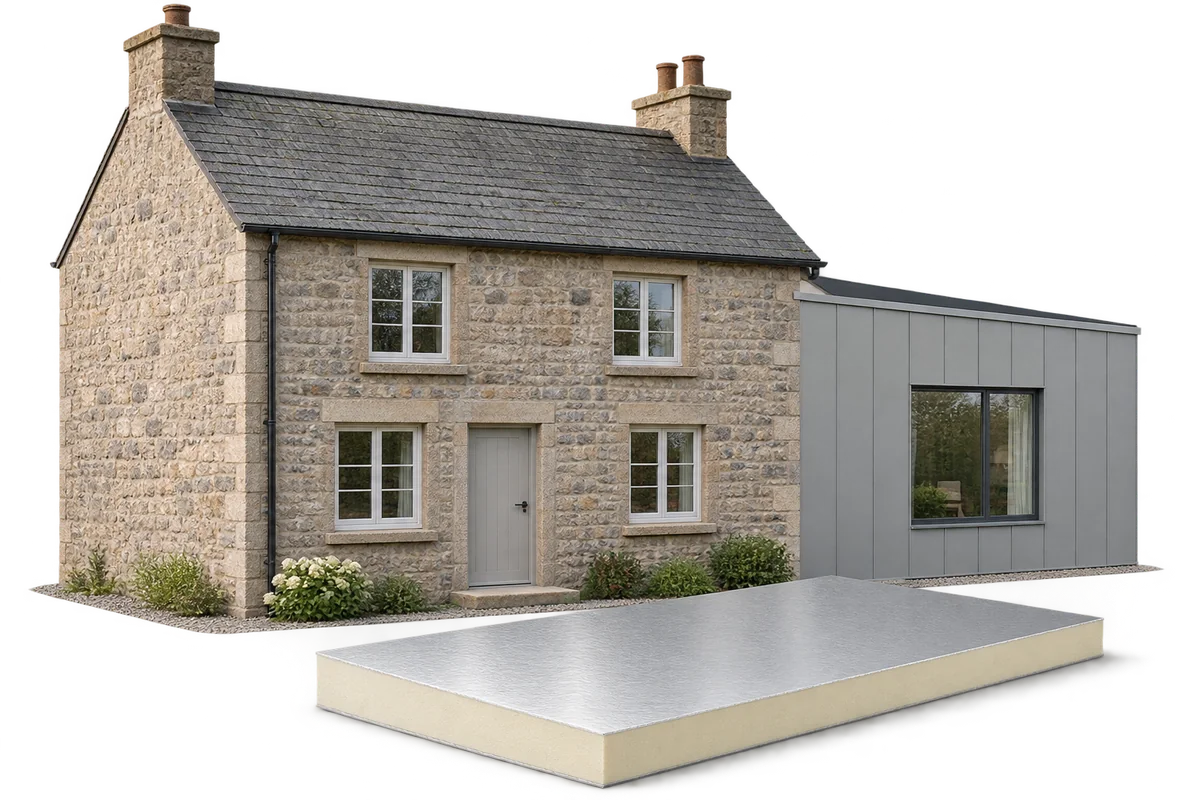
Before altering an old house, describe the proposed work and assess the building’s condition. This gives the designer a basis for deciding…