






How to choose a roofing sheet colour when the sample and screen disagree
Colours and finishes
At a glance
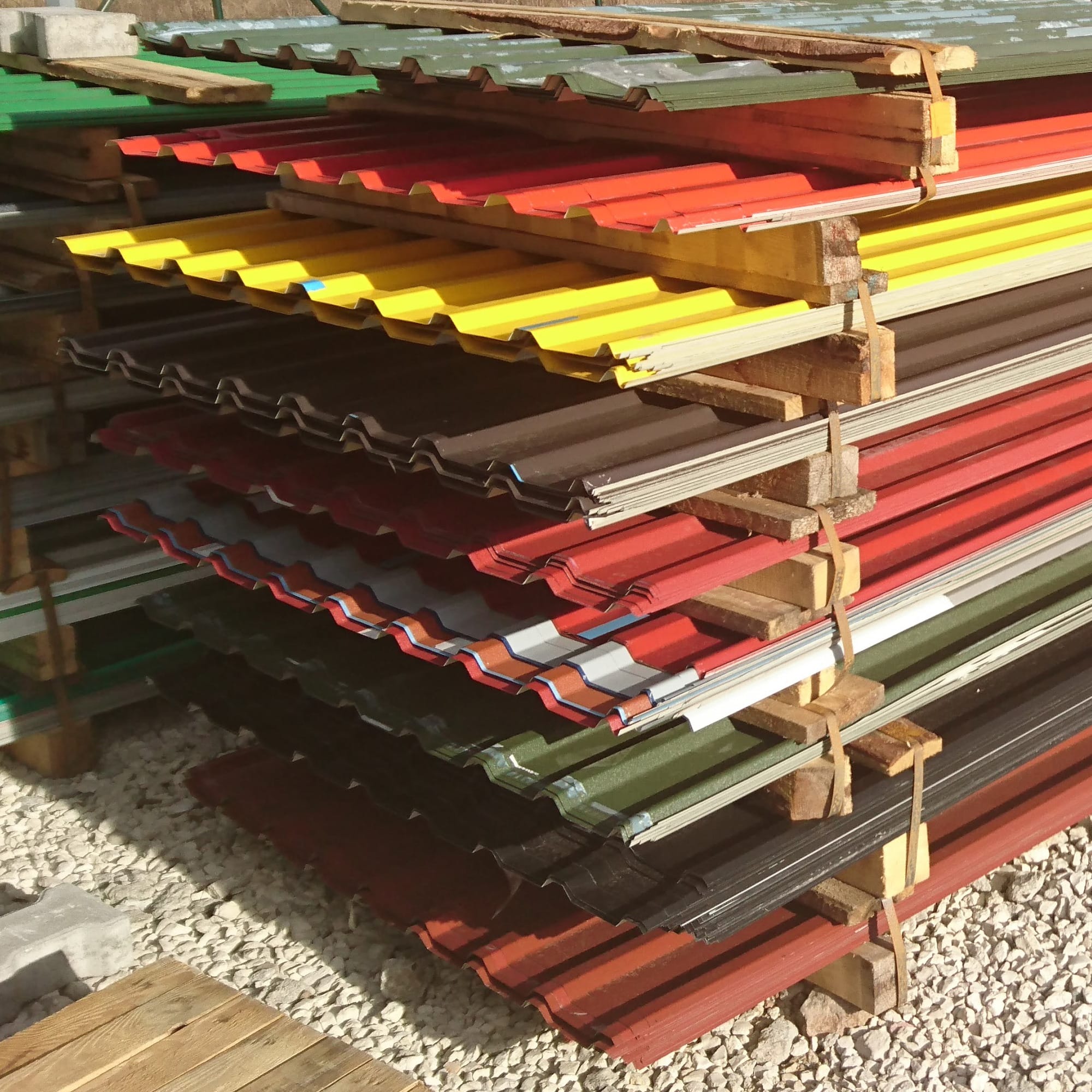
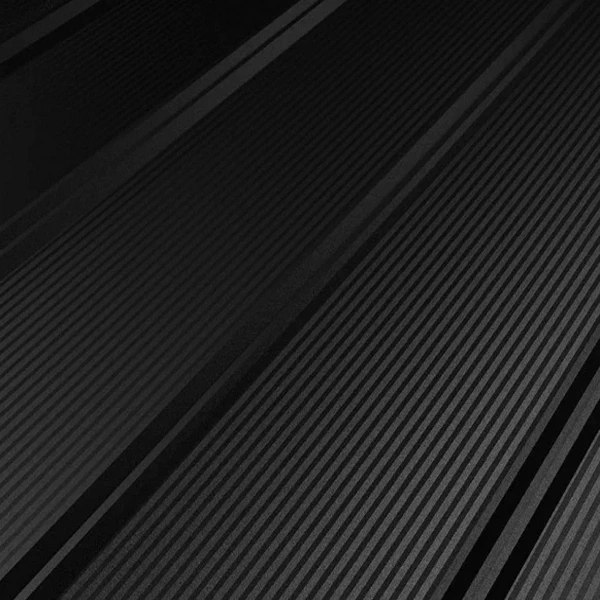
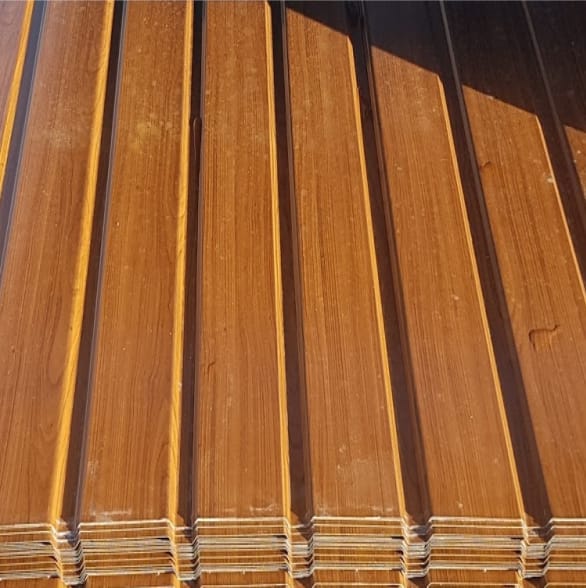
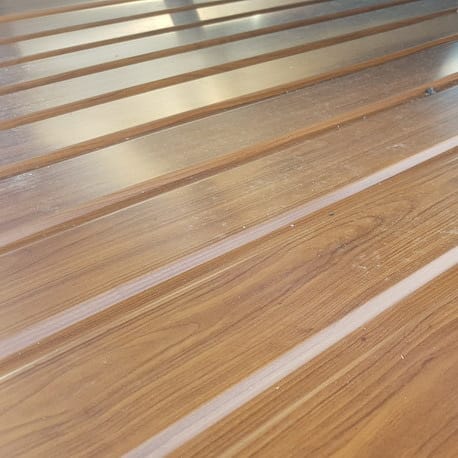
A colour can look different on a screen, a small swatch and a complete roof. Daylight, gloss and profile shape all affect the result. Before choosing, take physical samples to the building, compare them beside the façade and window frames, and check matching accessories are available. Record the colour code together with the coating and finish. The code alone does not tell you whether the surface is glossy, matt, textured or metallic. Two products with the same code can reflect light differently, and the difference is often clearer on a whole slope than on a handheld sample.
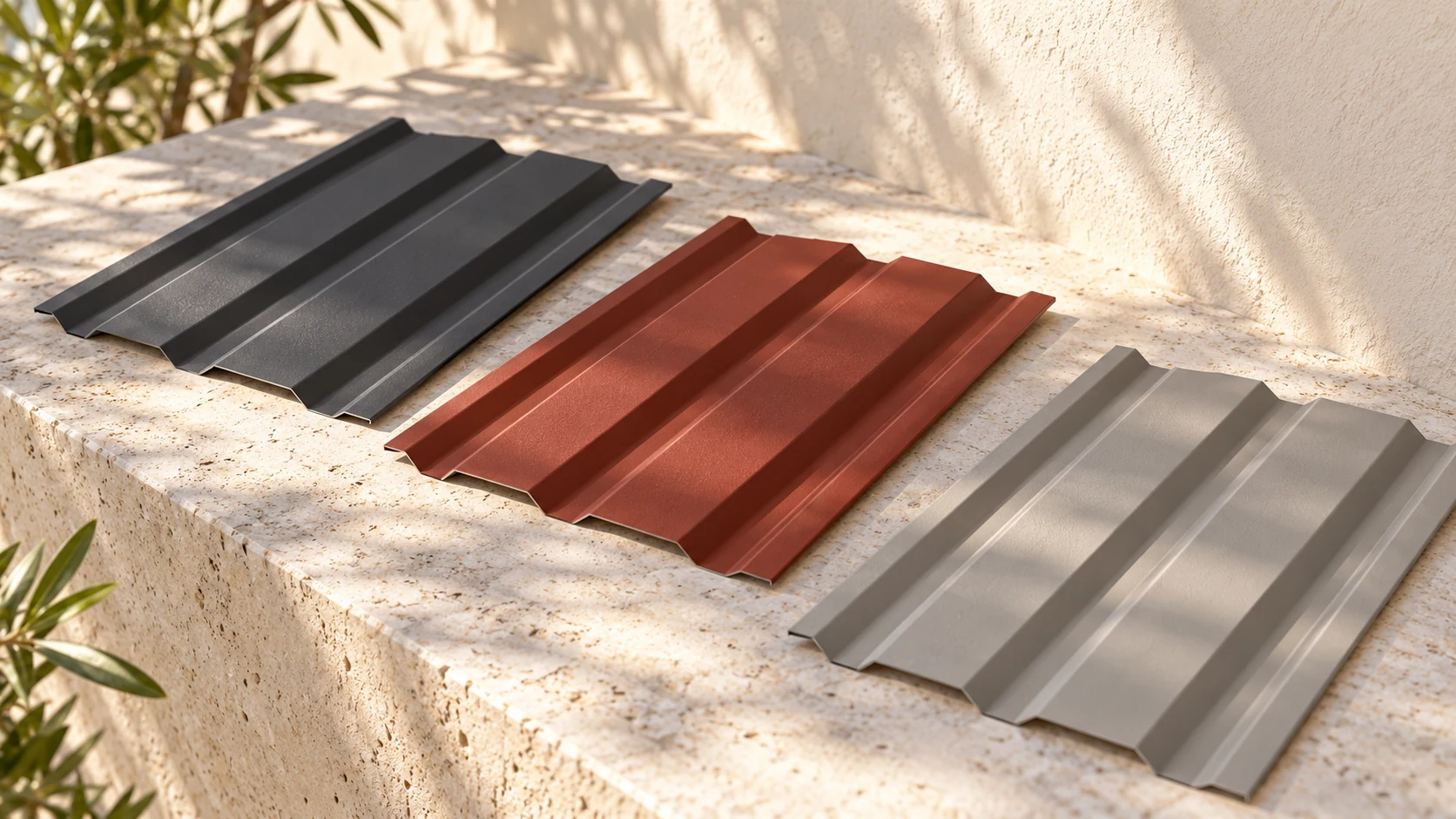
What does a colour code leave out?
Specify the colour, coating type and finish together. Agree the appearance of flashings, gutters and exposed fixings. For components from different batches, ask to compare samples. Descriptions such as anthracite and dark brown can mean different things to different suppliers.
How should you view a sample?
Take the sample outside. View it in sunlight and shade beside the proposed façade and window frames. Tilt it to the approximate roof pitch. A sheet lying flat on a table reflects a different scene from a roof slope facing the sky, a common cause of surprises after installation.
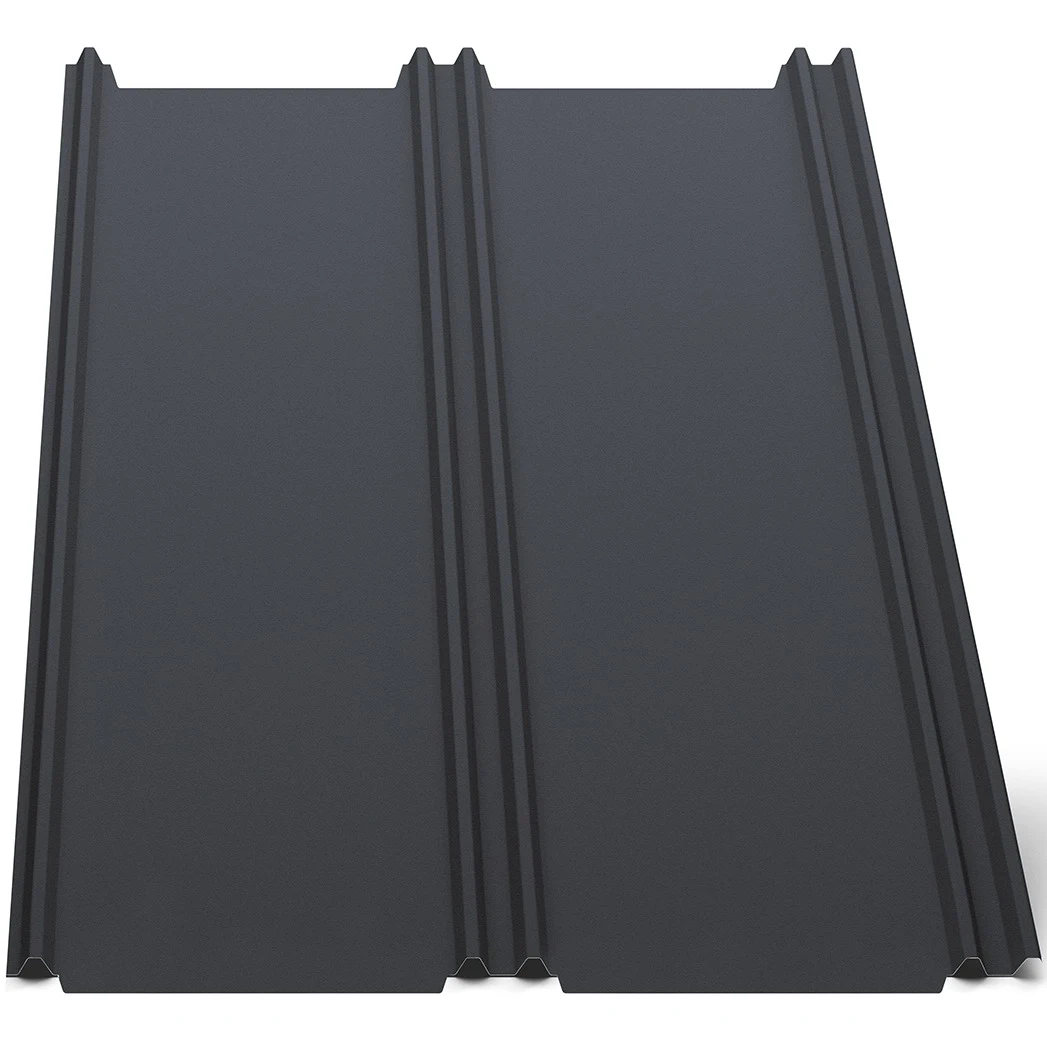
If possible, view a larger section from a few metres away. A low trapezoidal profile and a deeply formed tile profile cast different patterns of light and shade even in the same colour. A phone photo is a reminder, but automatic white balance and screen settings make it unsuitable as a colour standard.
Compare samples side by side at the same time and angle. Comparing one photographed colour with another physical sample makes judgement difficult because the two were lit differently.
When does a dark finish need more attention?
A dark coating generally heats up more in sunlight than a light one with otherwise similar properties. The precise behaviour depends on the finish and surroundings. Long metal components move as temperatures change. The fixing design must accommodate this movement.
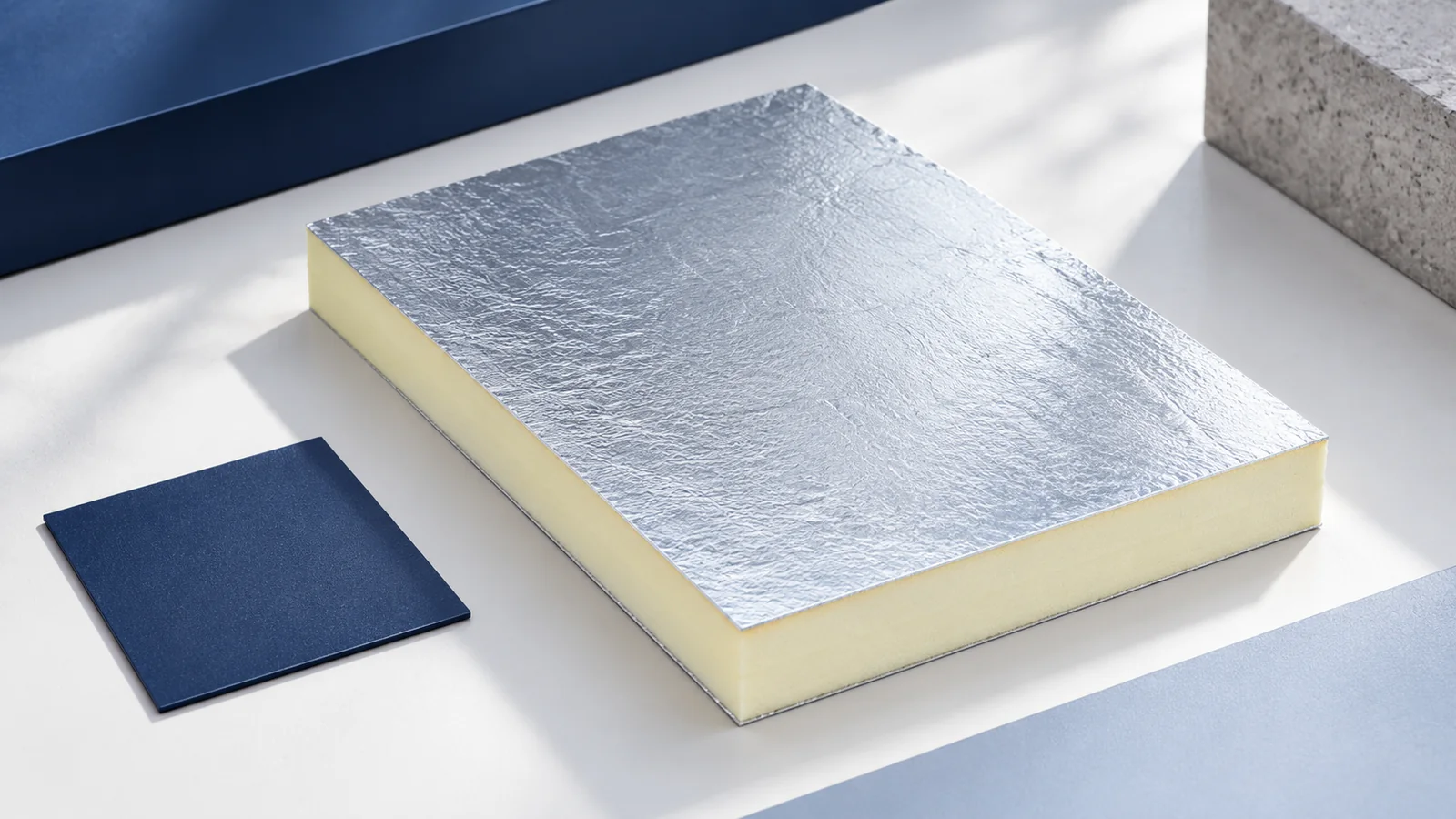
Colour is only one influence on roof temperature. Light sheet metal can reduce surface heating, but attic comfort also depends on insulation and a suitable roof build-up. For dark sheets check length and joint requirements. Sandwich panels may also have colour groups with specific installation limits.
How will the colour fit the building?
Start with long-lasting features such as brick, stone, window frames and driveway paving. A roof occupies a large area, so a slight difference in tone can change the impression of the whole building. On a small building, limiting competing colours on flashings and gutters can help.
Check any local appearance requirements that apply to the site. Availability does not guarantee a colour is permitted. For an extension, compare the new sample directly with the existing roof. Sunlight and dirt may have changed the old finish, even if the colour codes match.
What should you check before ordering a batch?
Confirm the chosen finish is available for every component. An unusual sheet colour may be unavailable in prefabricated flashings or accessories. Resolve this before buying the main covering. A near match added later can stand out along ridges and corners.
Agree whether the entire visible slope will come from one batch. Keep the coating specification and a small sample for future additions. With metallic finishes, sheet orientation can also affect the result. Confirm marking and laying instructions for the ordered material.
How should you check the colour on delivery?
Compare components under similar lighting with surfaces prepared for inspection. Protective film, dust and sky reflections can disguise differences. If installation is some time away, plan unpacking. First check labels and agreed samples with the supplier’s representative.
If you see a difference, record batch numbers in the delivery inspection and take comparison photos. Hold back from mixing sheets on one visible slope. Assess compliance against the agreed conditions and tolerances. A single sunset photograph is insufficient to decide it.
Questions and answers
Does RAL 7016 always look the same?
No. Gloss, texture, lighting and viewing angle all affect appearance. Specify the full finish as well as the colour number.
Can flashings be chosen after the roof has been laid?
Yes, but this increases the risk of shade differences and delays. Confirm availability of the whole set before ordering the covering.

Free quote
What to include in your enquiry
Tell us how you plan to use the material, the dimensions and the quantity you need. Include the thickness, grade or variant name, along with the delivery town or your preferred collection branch. For a specific product, add its name or a link to the product page. We will reply to the email address you provide to discuss availability and the terms of your order.
Read next
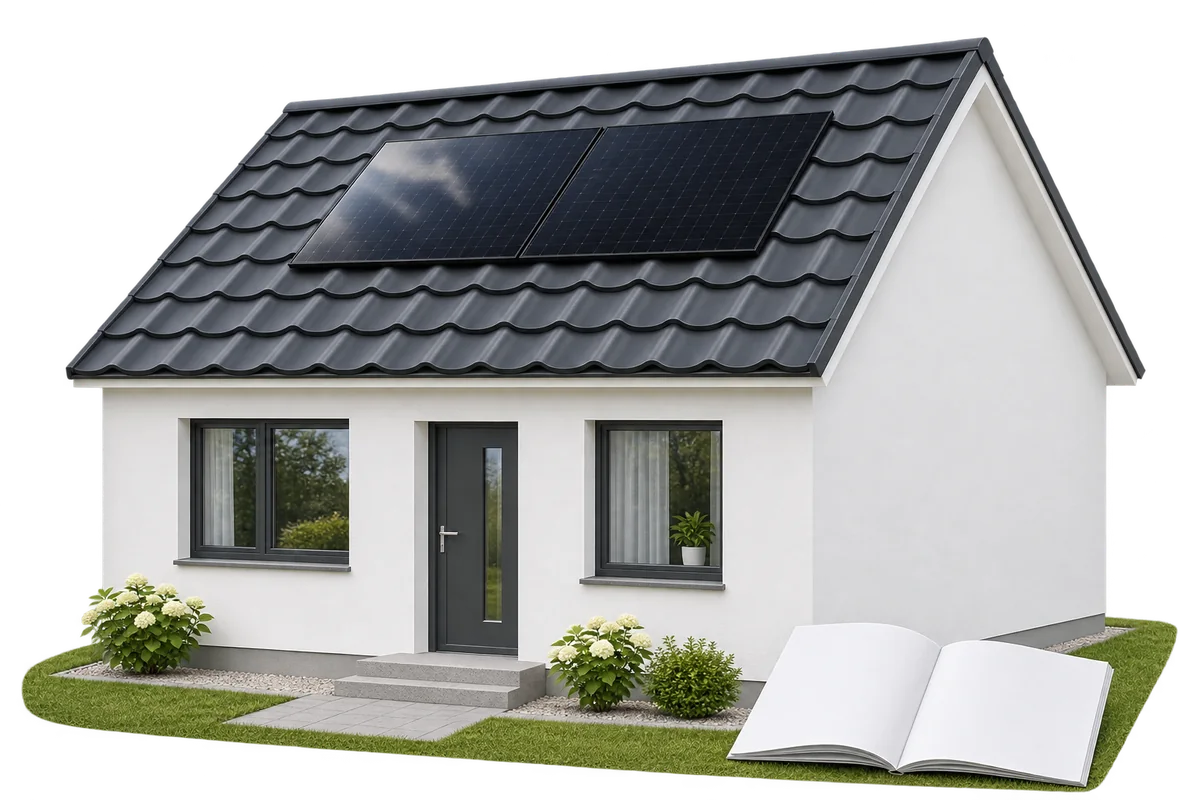
The instructions for your roof covering tell you where PV mounts may be fitted, how to seal penetrations and how to protect…
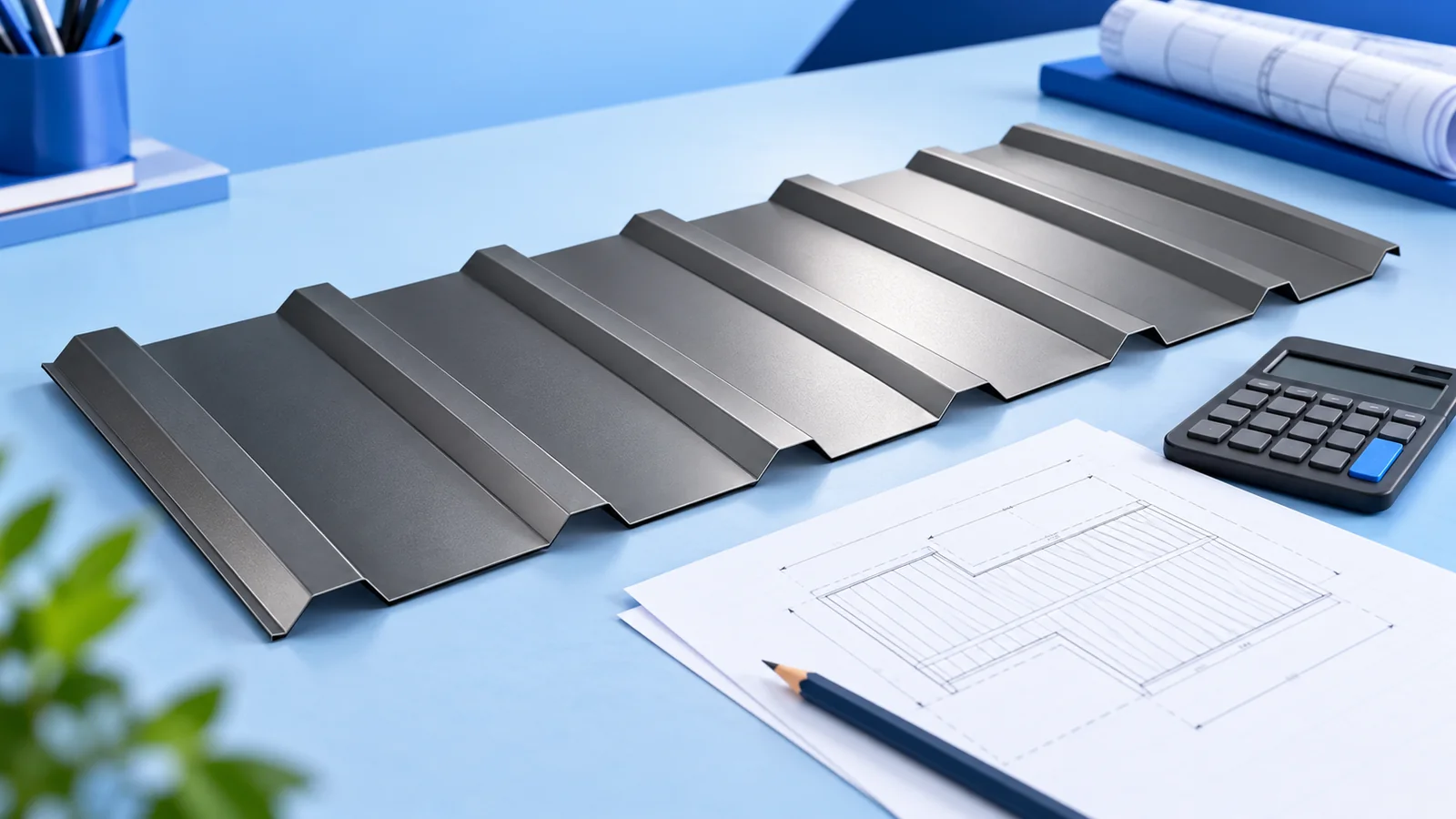
To budget for a roof, start with the sloping area on the drawings and work out how many sheets the layout requires.…
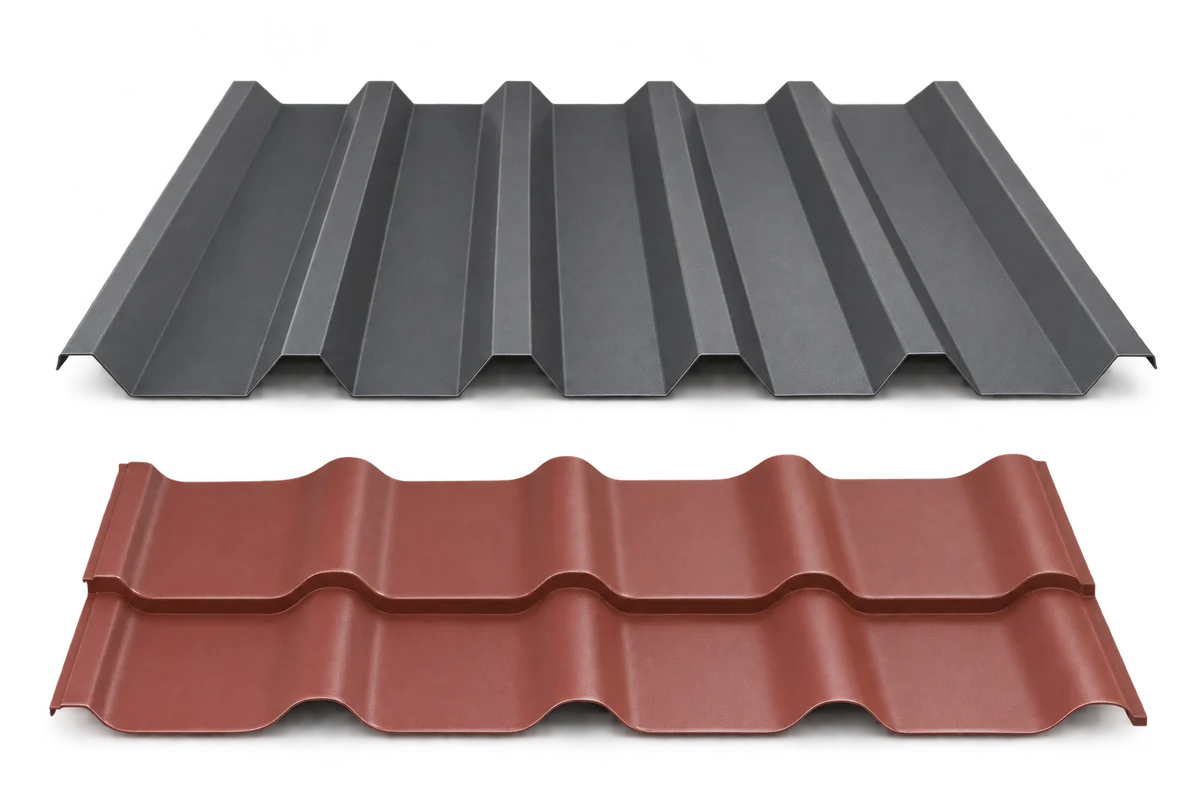
When choosing trapezoidal sheeting or metal roof tiles, also ask about later inspection and replacement of a damaged component. Beyond the new…
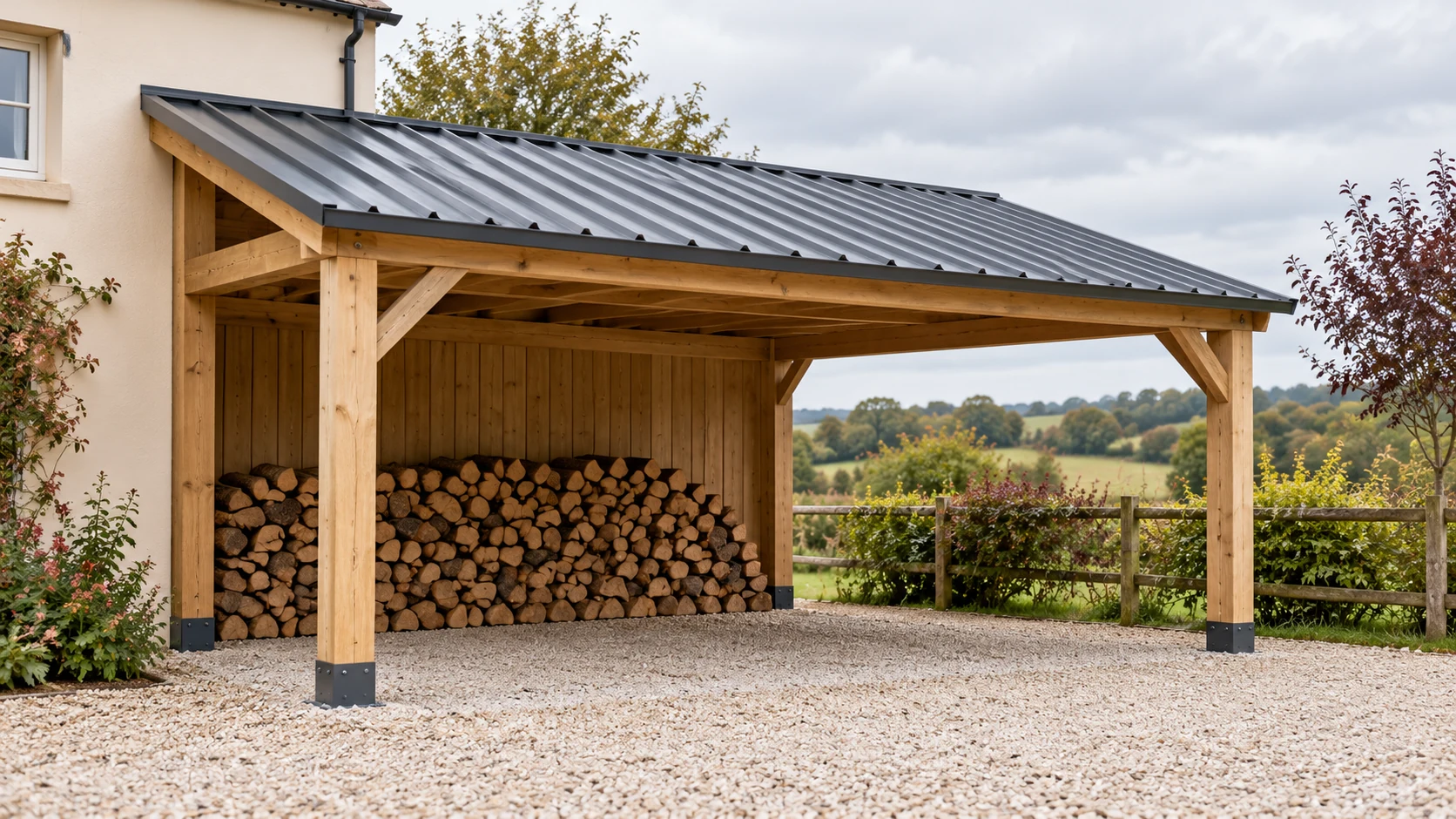
The cheapest sheet may not give you the lowest roof cost. Waste, supports, flashings and installation all affect the total. Define what…
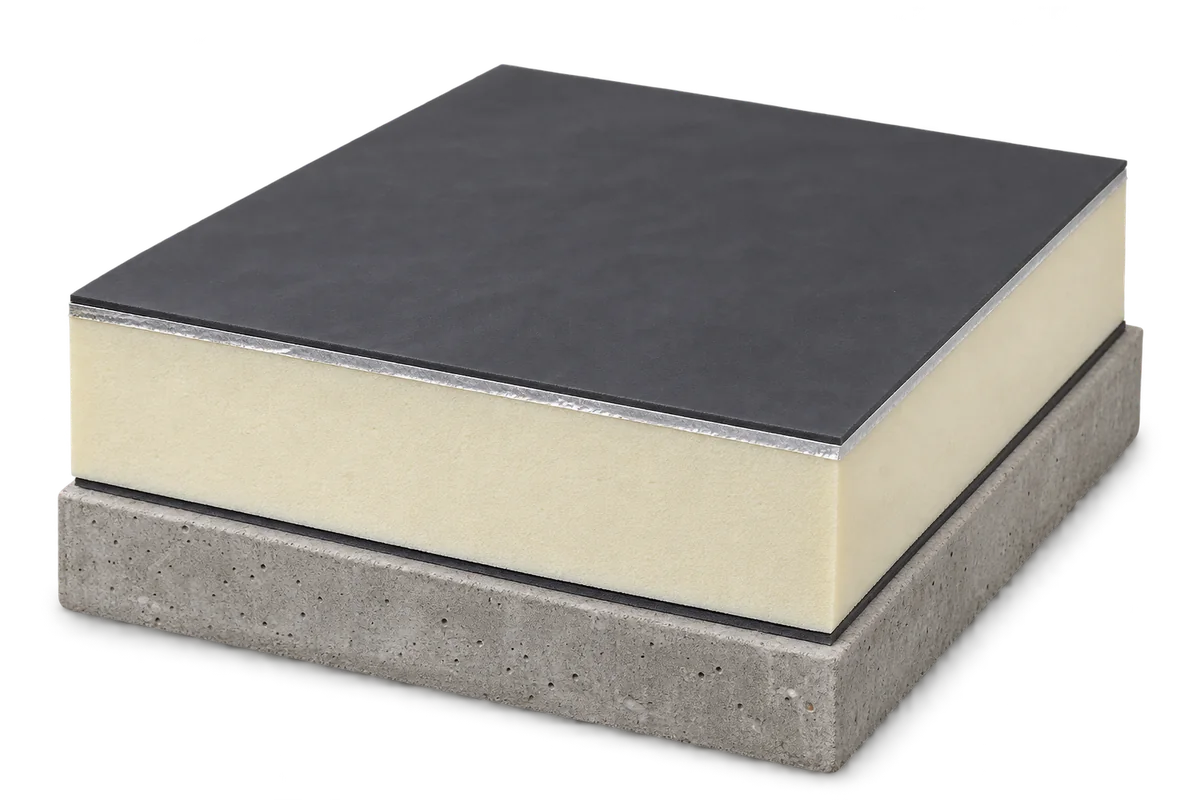
A flat roof consists of several layers that work together. The structure carries the loads, insulation reduces heat loss and waterproofing keeps…
Start a flat roof design by tracing how rain will reach an outlet and where it will go if that outlet blocks.…
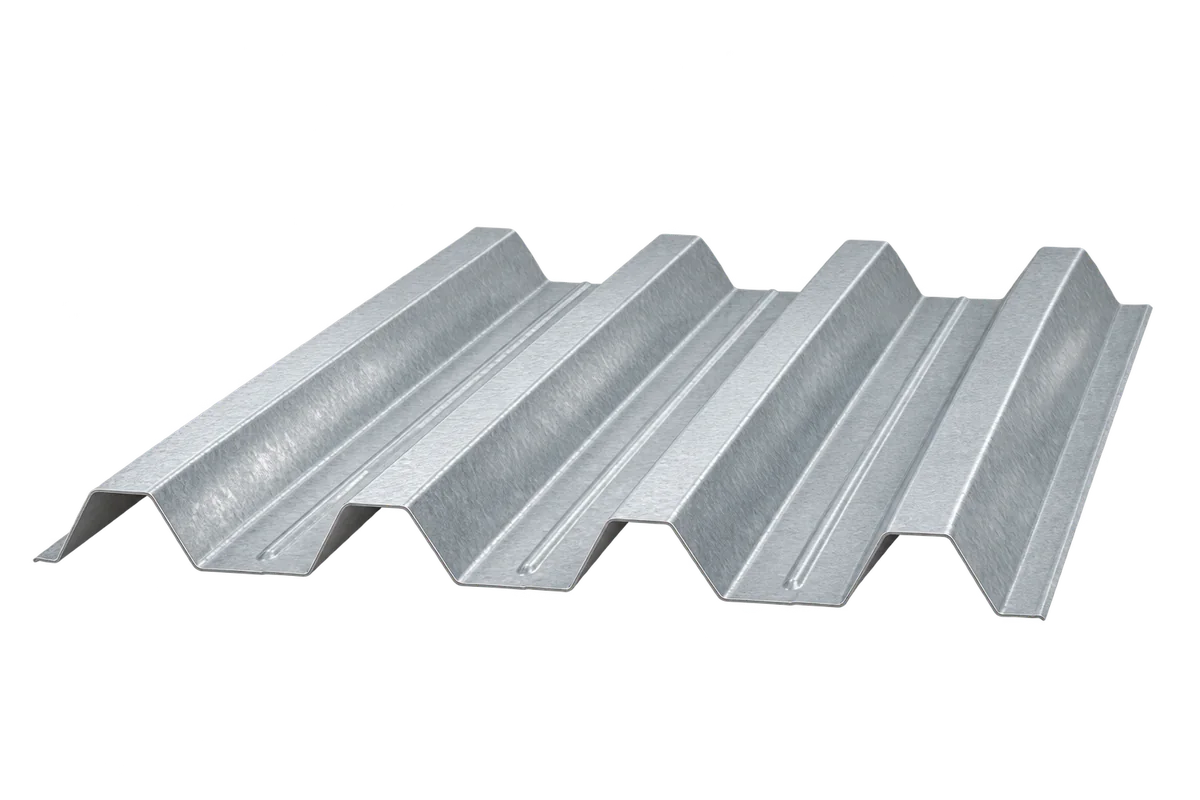
Structural trapezoidal steel decking provides a lightweight load-bearing base for industrial and warehouse roofs. It covers large areas quickly, but rib depth…
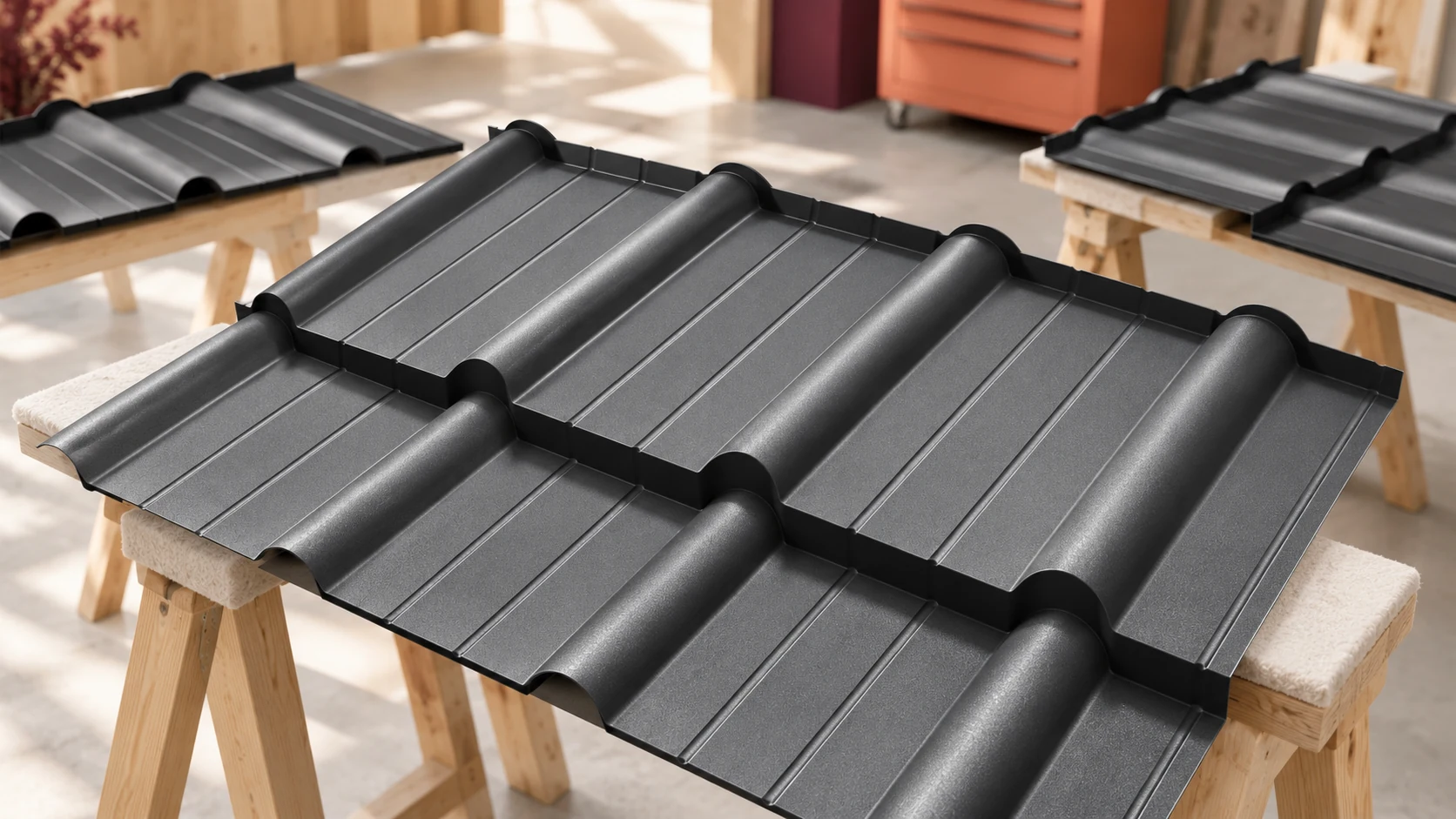
Sheet format affects how a roof is delivered and installed. A long sheet can cover an uninterrupted strip of slope, whereas small…
