






First-grade or outlet panels: how do you assess them for the intended location?
Panel selection and inspection
At a glance
Judge a panel’s grade against the wall or roof where it will be used. A small blemish on a concealed wall has different consequences from a damaged roof joint. Price and appearance alone cannot settle the choice. Start with the project’s use, thermal and fire requirements and loads. Match these to the product documents, then assess whether the deviations recorded for the batch are acceptable at the planned location. A scratch on a facing says nothing about whether the other required properties have been confirmed.
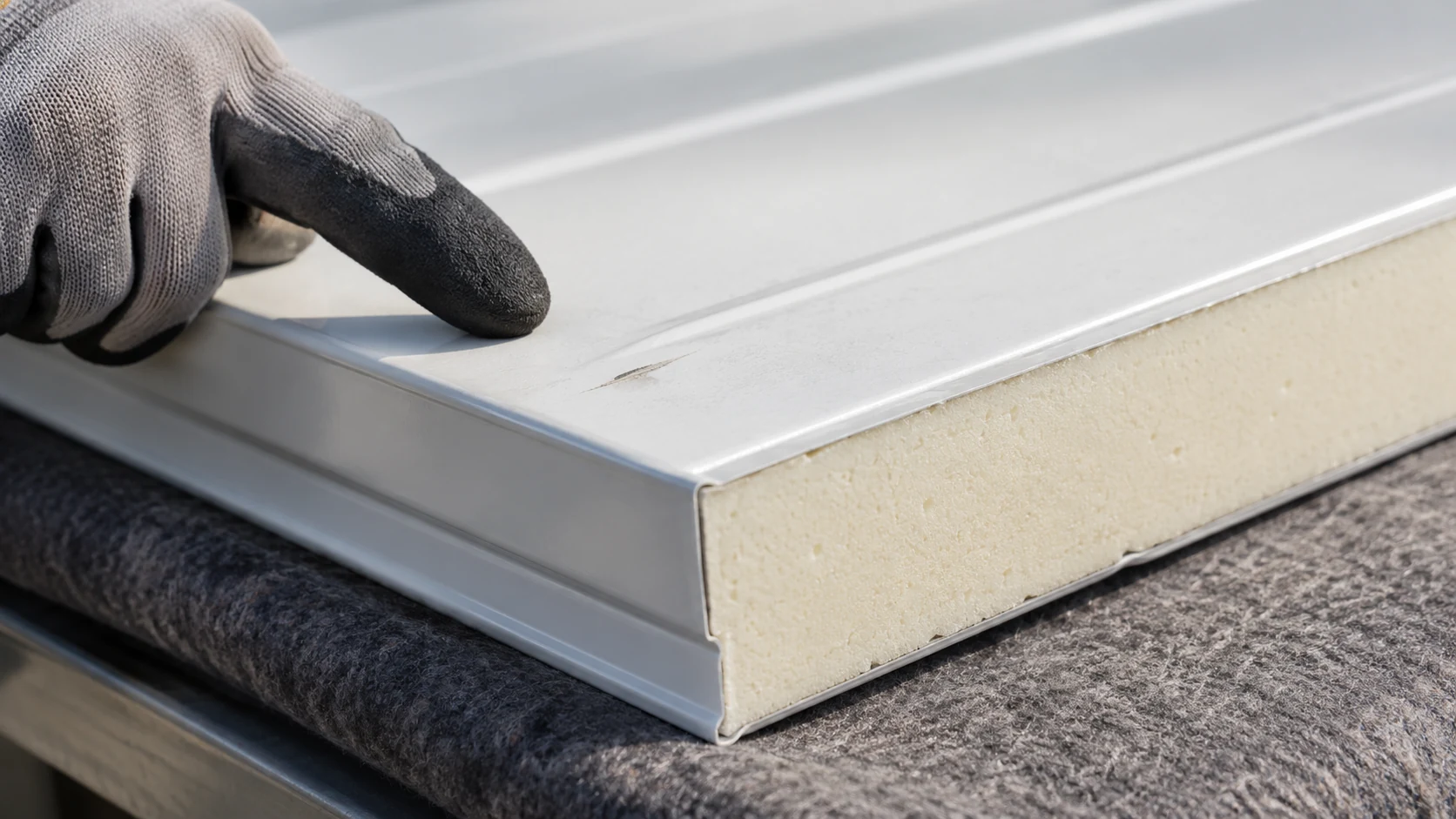
What determines whether a panel can be used?
“Outlet” is a sales description, not a technical grade. It can cover the last of a production run, nonstandard sizes or defective pieces. First-grade panels also need checking: a new wall panel is not automatically suitable for a roof or freezer room.
How do surface blemishes differ from functional defects?
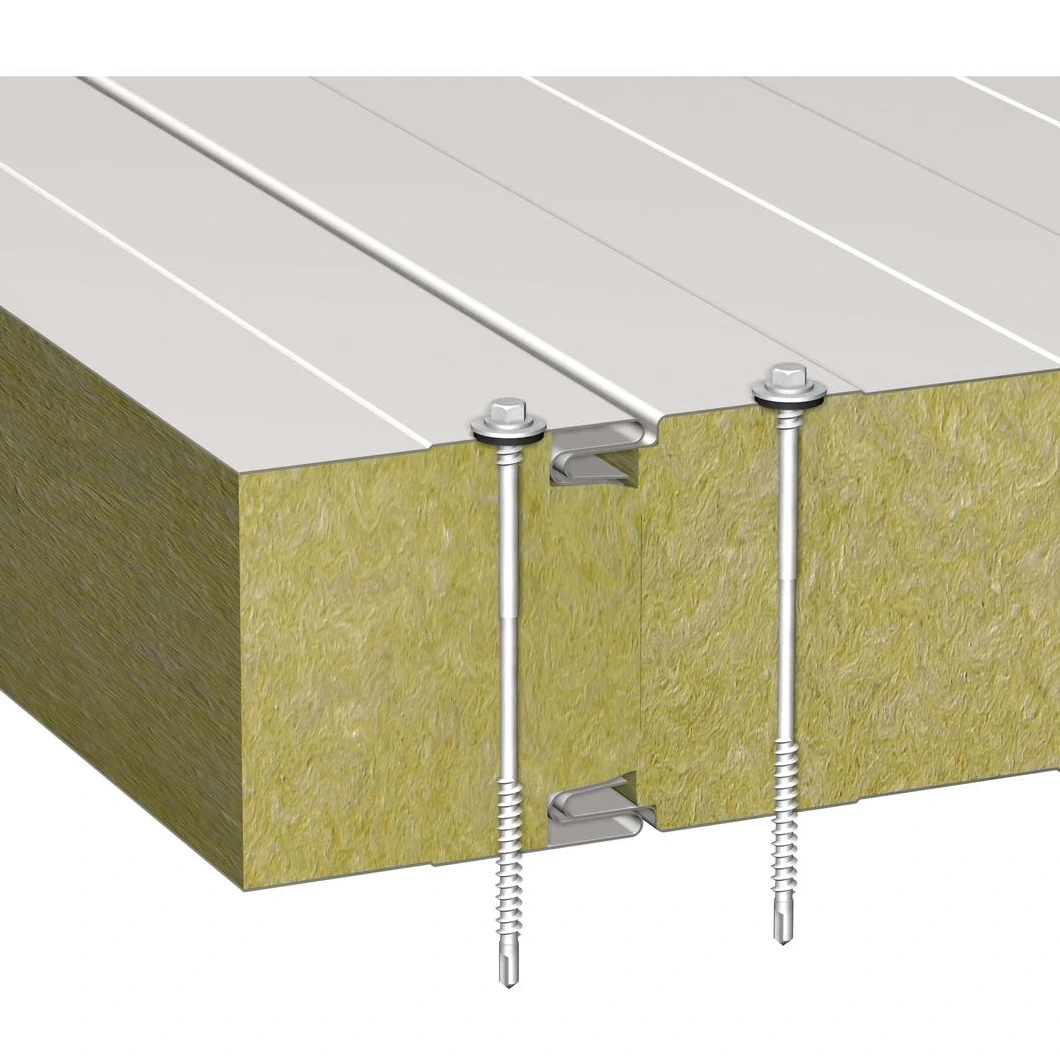
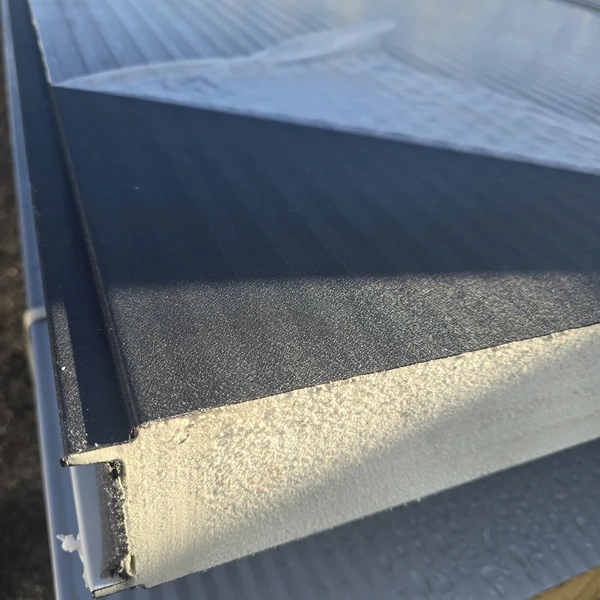
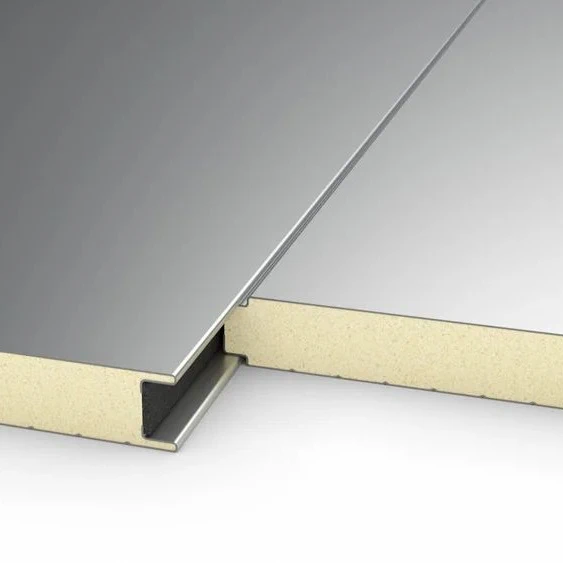
Inspect scratches, dents, gloss and colour on the surface. Check edges, joints, core and bonding separately. A damaged interlock can affect both sealing and installation. A facing separating from the core warrants a different assessment from dirt on the protective film.
See whether the defect runs the whole length or falls within a planned offcut. If cutting removes it, recheck the cutting schedule and edge closure. A shortened panel can erase the saving. Do not rely on a repair whose effectiveness has not been verified.
How does usable area affect the outlet price?
Suppose you buy 150 m² at about €24.33/m² excluding VAT, or €3,649.64 for the lot. After sorting and cutting, only 128 m² goes into the building. Material alone therefore costs about €28.51 per installed square metre, before sorting labour, cutting and freight.
For comparison, 134 m² of new panels at about €28.04/m² comes to €3,757.16 excluding VAT. The purchase price differs by only €107.52; extra handling could use that up. These are illustrative figures converted before rounding. Replace them with figures for the inspected lot.
Where does appearance matter most?
On a large, uniform façade, variations in shade and flatness can stand out. Compare samples side by side in daylight. Raking light reveals dents a front-on photograph may hide. Also check profile direction and panel orientation.
A less prominent area may tolerate an agreed cosmetic deviation. It does not make corrosion damage or impaired performance acceptable. A roof remains exposed to water even if unseen from the ground. Functional requirements still apply.
After inspection, mark the accepted pieces on the elevation drawing. Record the pack number, external face and wall bay for each panel. At unloading the crew can then set aside the pieces for the front elevation and those intended for less visible areas.
What should the purchase confirmation include?
Record condition and the reason for any downgrade. Attach photos, quantity, dimensions and batch identification. Specify the documents supplied and the terms for accepted deviations. “Outlet stock” alone does not record what the buyer agreed to accept.
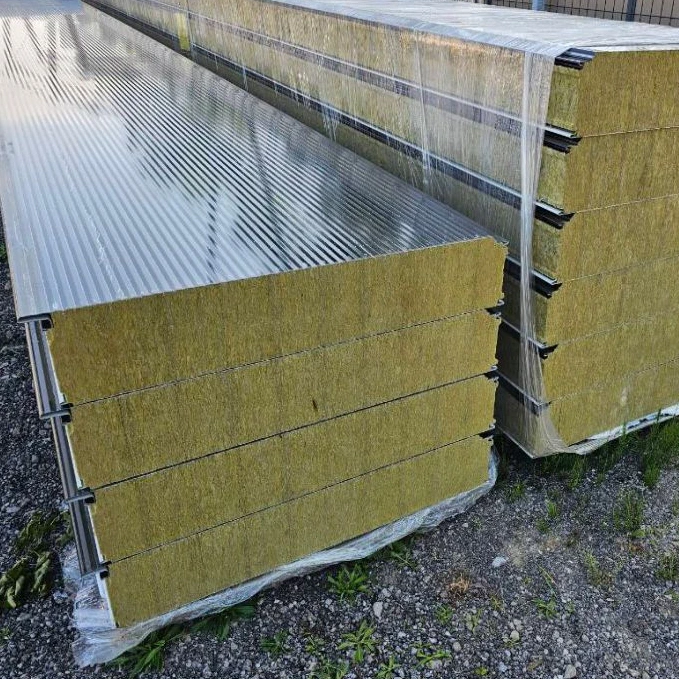
Arrange inspection before collection. If packs are sealed, agree how they can be inspected. A photo of the top panel does not represent every piece. A condition record distinguishes known defects from new transport damage.
When should you reject an apparent saving?
Put the purchase on hold if the panel type, intended use, core condition or joint condition is unclear. If the supplier cannot complete a compatible set, price the missing pieces from another source. Similar colour does not establish a fit.
First grade may suit demanding details, a large elevation or repeat deliveries. Outlet stock can work where its condition is known and meets the requirements. Resolve the technical questions before choosing; a discount does not predict installed performance.
Questions and answers
Can a defect under a flashing be ignored?
Only after assessing its effects. A flashing can hide a blemish, but cannot repair a joint, delamination or damaged steel protection.
Can outlet panels be used in a heated building?
Possibly, if the particular panels have verified properties and an acceptable condition. The outlet label neither confirms nor rules out suitability.

Free quote
What to include in your enquiry
Tell us how you plan to use the material, the dimensions and the quantity you need. Include the thickness, grade or variant name, along with the delivery town or your preferred collection branch. For a specific product, add its name or a link to the product page. We will reply to the email address you provide to discuss availability and the terms of your order.

Read next
Start the design of a panel-clad commercial building by tracing a normal working day. Where do forklifts unload, which rooms stay heated…
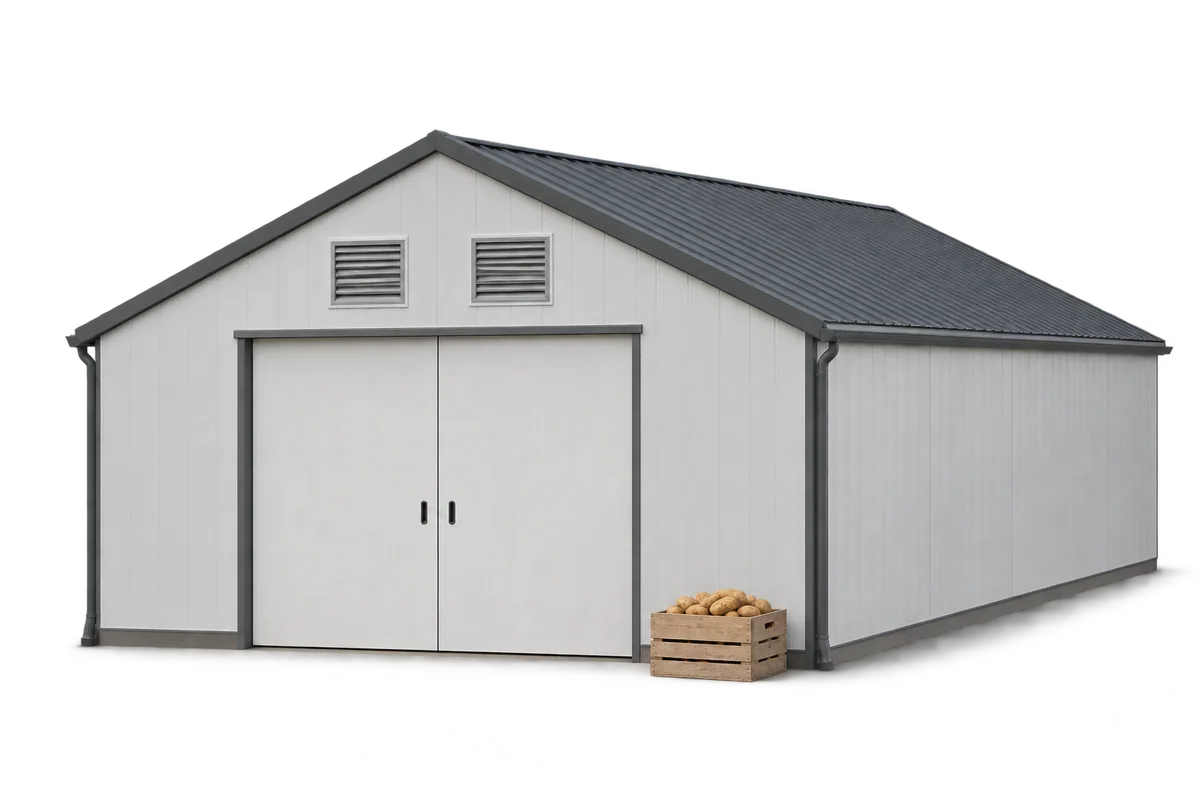
An old warehouse can often be adapted to store potatoes without building a new hall. Three things must work together: an airtight…
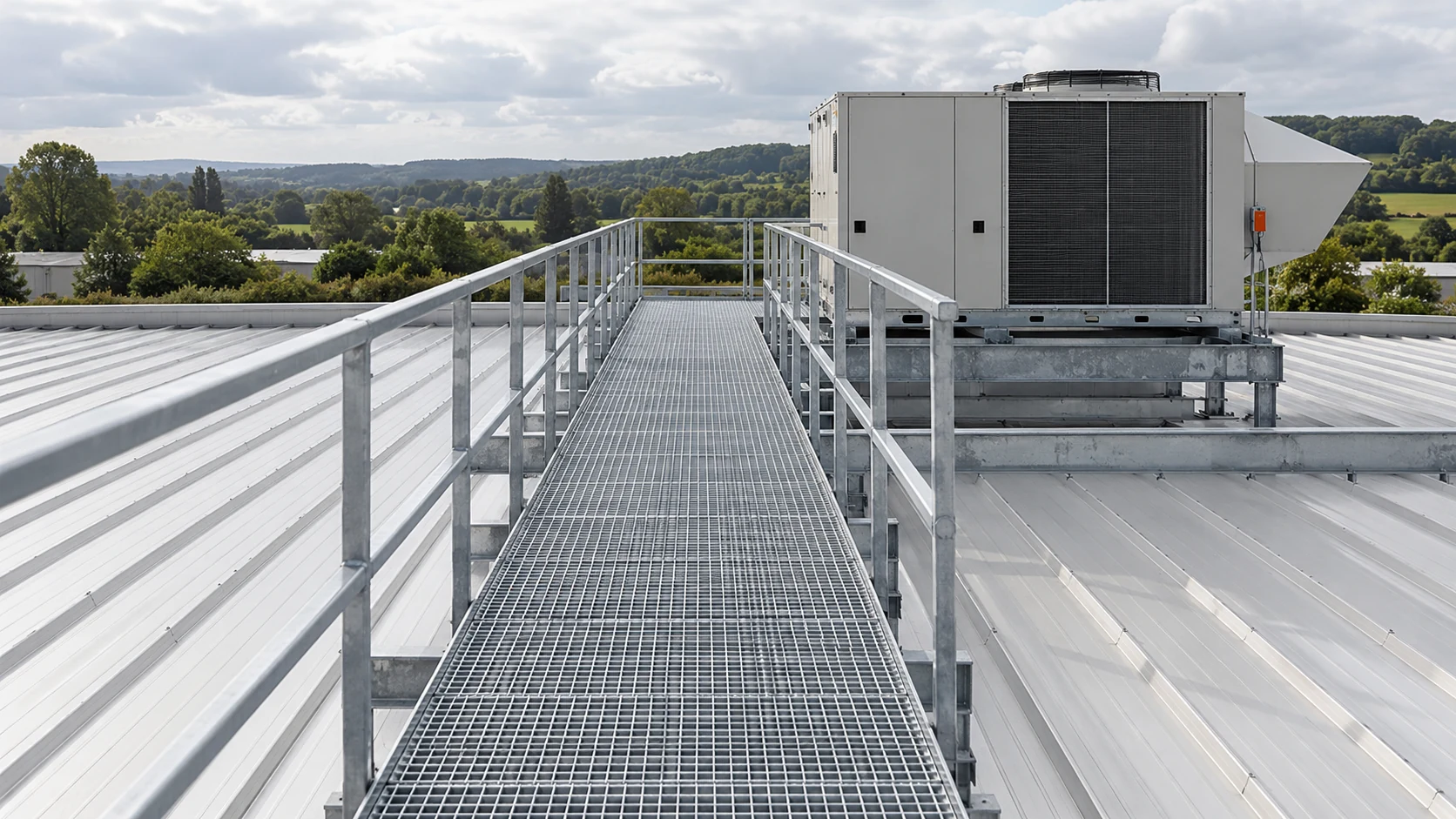
Plan roof access around the maintenance task, the equipment involved and how often people need to reach it. An occasional gutter inspection…
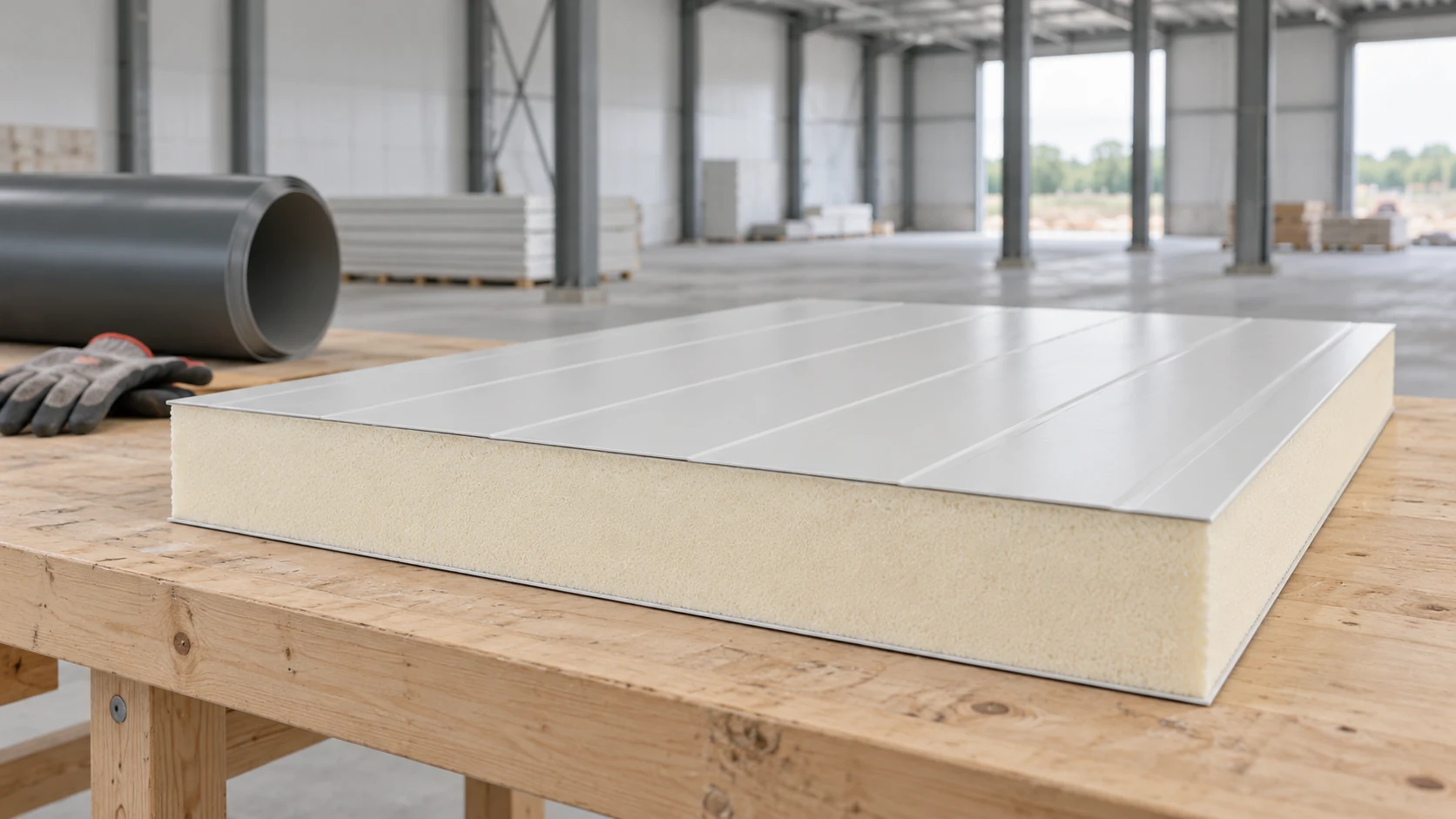
Two panels of equal thickness may have different cores, facings, joints and intended uses. Start with the building requirements: thermal performance, loads,…
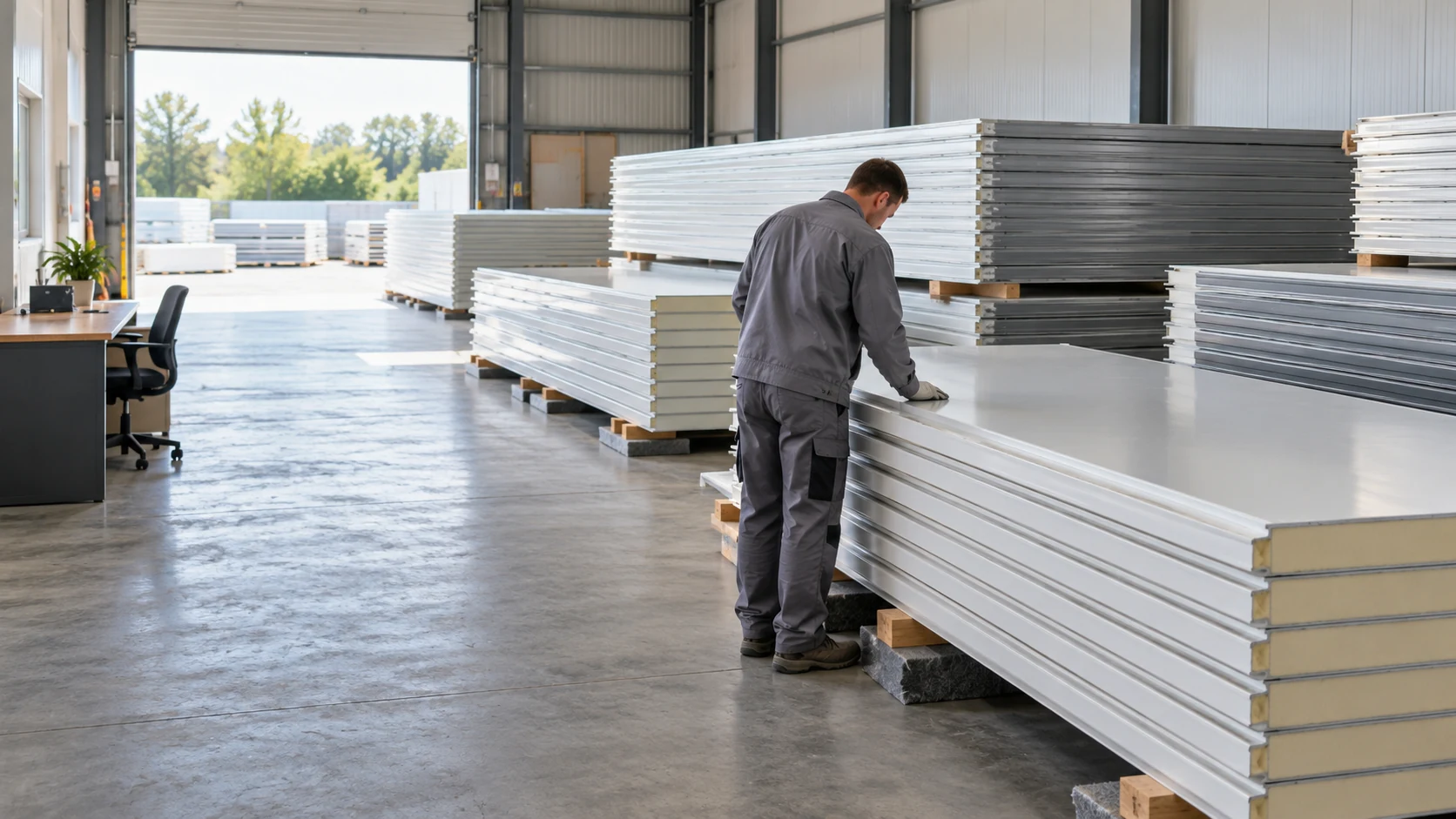
A large yard and a long product list do not guarantee a complete order. Look for someone who will confirm the exact…
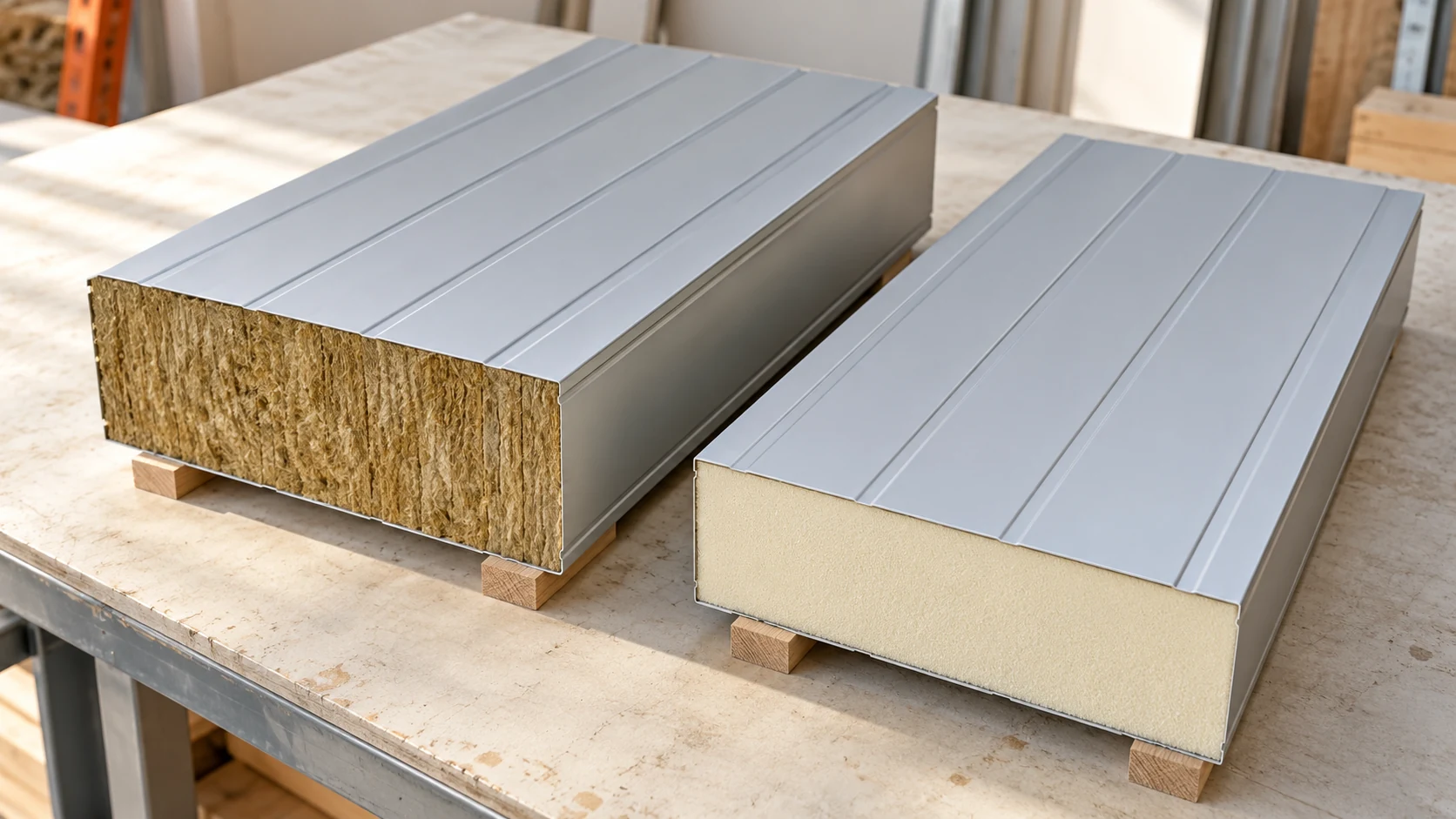
Choose the core for the job the wall or roof must do. Mineral wool and PIR offer different combinations of insulation, weight…
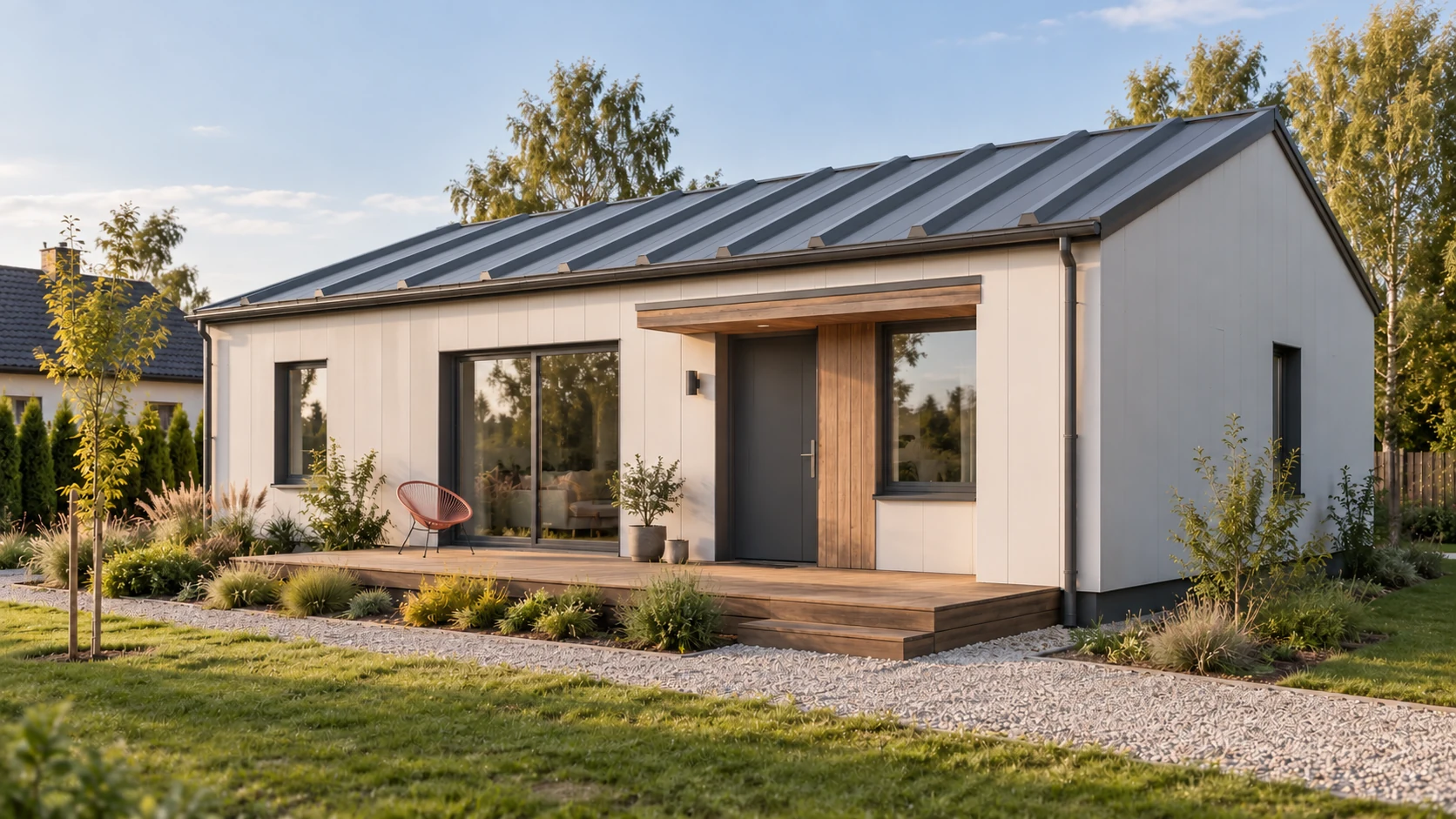
Start with the area of the walls and roof. The panel price per square metre covers only one part of a house.…
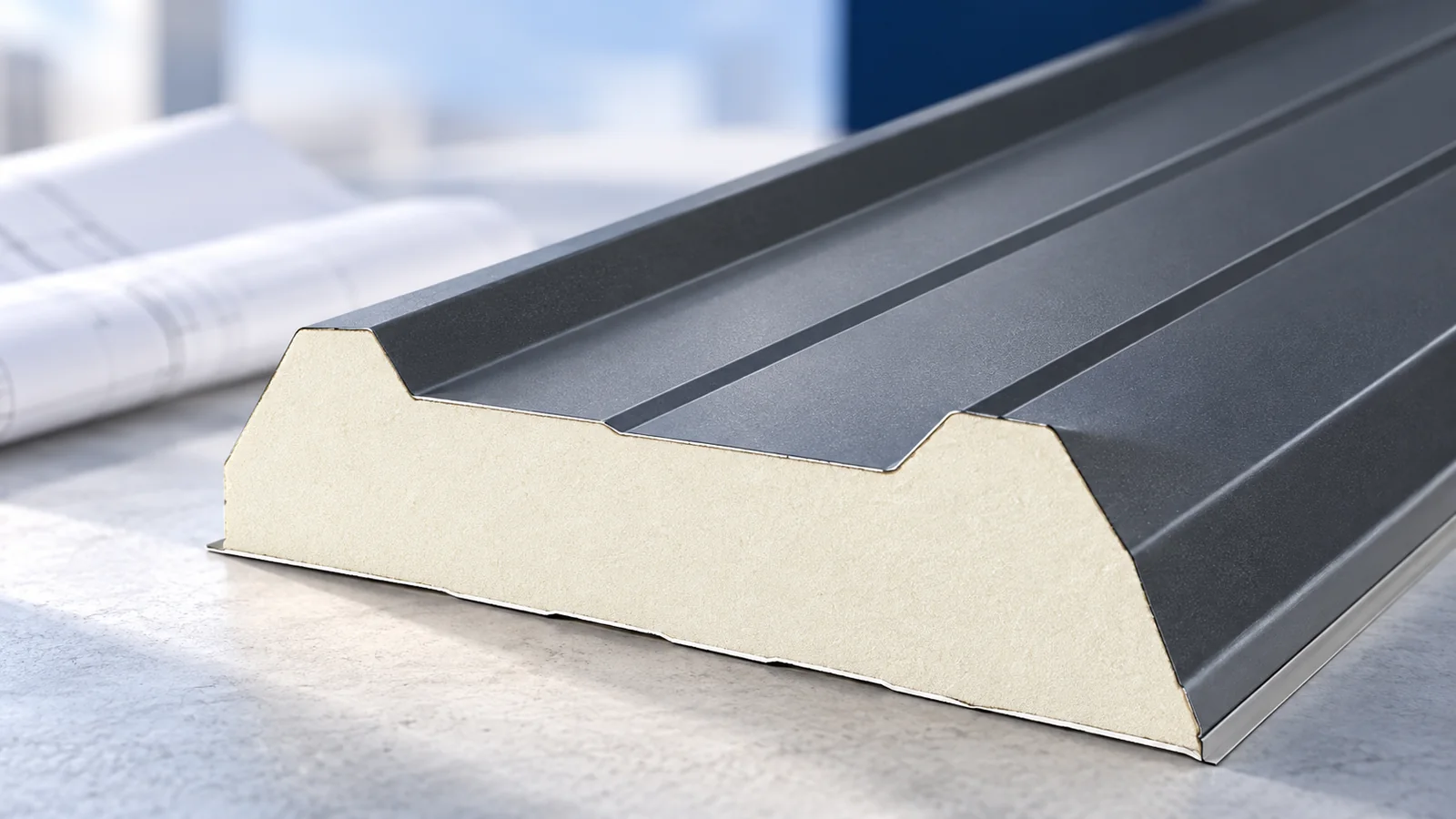
A sandwich roof panel combines the weathering sheet, insulation and inner face in one factory-bonded unit. It can close a heated garage,…
