






When does anti-condensation fleece help under metal roofing?
Metal roofs
At a glance
Fleece on the underside of a metal roof can reduce dripping when small amounts of condensation form. It stores moisture temporarily and needs a chance to dry. It provides neither the thermal insulation of a properly insulated roof nor a repair for leaking joints. Consider how the building will be used before comparing the extra cost per square metre. When a cold sheet falls below the dew point of the surrounding air, water vapour condenses on its underside. This can happen after a cold night even without rain. Indoor humidity, temperature and air exchange all influence the result.
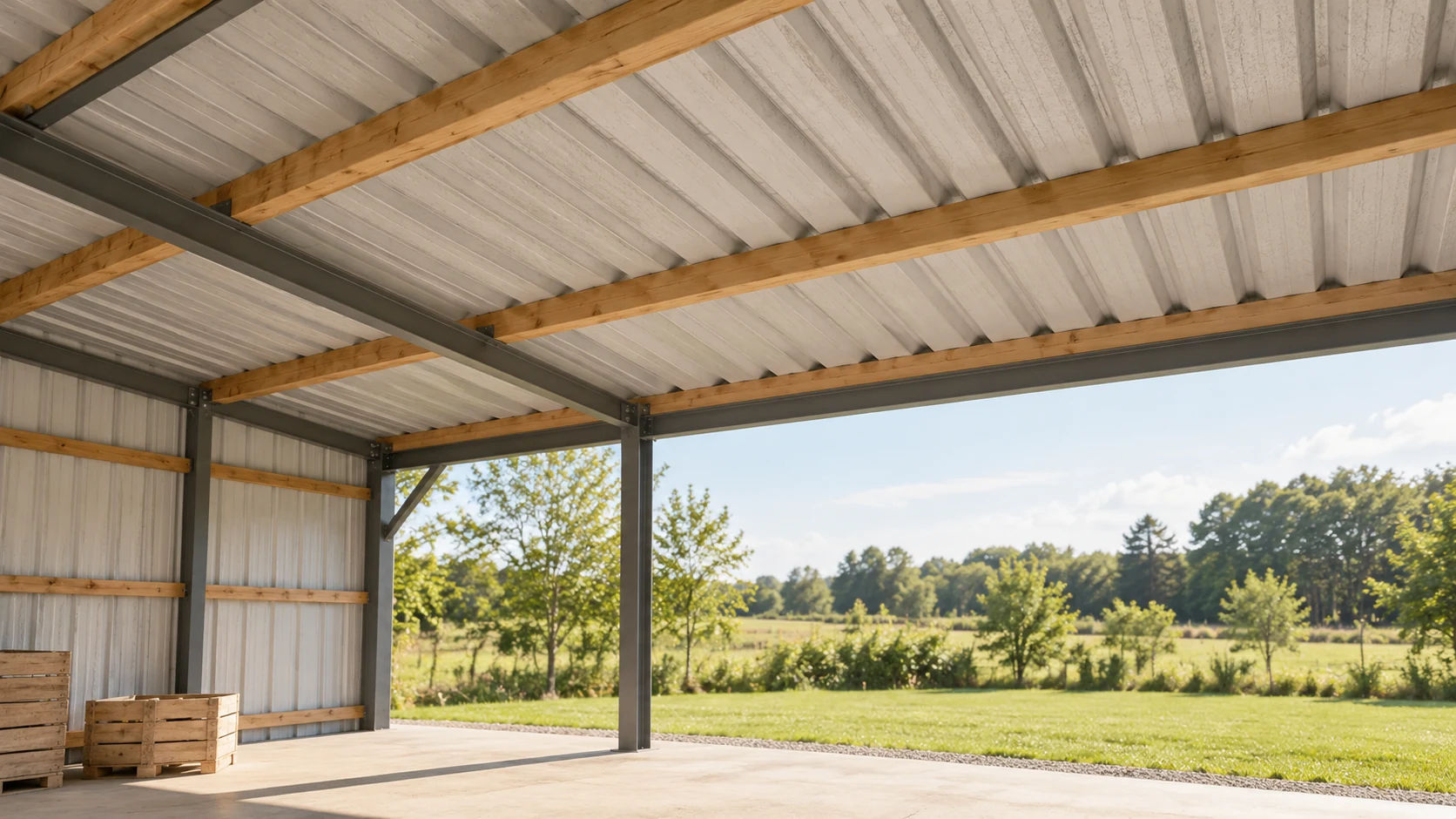
Where does moisture under uninsulated metal roofing come from?
Condensation has a different cause from rain entering at a poorly formed lap or flashing. Observe when and where drops appear. If one strip gets wet after rain, investigate a possible leak first. An absorbent lining can conceal a faulty connection. The fact that it absorbs water does not prove the roof is watertight.
How does fleece retain condensation?
The fibrous layer bonded beneath the sheet can absorb some condensate before it forms large drops that fall into the building. Its capacity depends on the particular fleece and the test conditions. There is no single storage capacity for every fleece-backed sheet.
The fleece must dry after a cold period. If moisture keeps arriving and little air moves beneath the roof, the lining may stay wet. Once it reaches capacity, further condensation can drip. Indoor conditions matter as much as the presence of the fleece.
Which buildings can benefit from fleece?
Fleece can be useful in uninsulated shelters, garages and outbuildings if it suits the expected humidity and can dry between wet periods. An open side improves air exchange, but also consider the location and what goes on inside the building.
A dry tool store behaves differently from a garage that regularly receives wet vehicles. Drying materials or working with water increases the moisture load. Tell the roof supplier about these activities. A detail that works next door may behave differently in another indoor environment.
When is fleece alone insufficient?
A heated room needs a roof designed for insulation and vapour control. A thin fleece cannot replace thermal insulation, airtightness or the required roof layers. Adding mineral wool beneath the sheets changes moisture conditions and calls for an assessment of the whole build-up.
The same applies to very humid rooms. Where a set temperature must be maintained, compare a complete built-up roof with a suitably specified sandwich panel. Both options require proper junction details and building ventilation. Core type and panel thickness alone cannot resolve every thermal bridge or leak.
What happens at eaves and overlaps?
The absorbent fleece must not draw water in from outside. Follow the system details at eaves and laps. The lining may need specific edge treatment in these areas. Use the method specified for the product.
Agree the details with the installer and supplier before work starts. Treatment methods and distances can differ between fleeces. Check penetrations, ends and contact with flashings. Protect the sheets in storage too. If a pack gets wet, check how to dry it before leaving it tightly wrapped.
How do you assess cost and performance in use?
Compare fleece surcharges on the same area basis. Check whether the price is per square metre of total sheet area or installed cover. Include edge treatment and measures that allow drying. Even a small surcharge offers little value if the building needs a different roof assembly.
Once the building is in use, record the conditions in which moisture appears. Converting a garage into a heated workshop calls for a fresh assessment of the roof. Check the effects before closing ventilation openings to reduce draughts. Changes to airflow affect how the lining dries and how the roof performs.
Recheck after changing how goods are stored. Tall stacks can block airflow and alter drying conditions even when the roof itself has not changed.
Questions and answers
Does fleece reduce noise like a thick layer of insulation?
Do not assume so. It may change the sound of the sheet, but it cannot replace acoustic insulation designed for the complete roof.
Does wet fleece indicate a material defect?
Not necessarily. Check moisture sources, drying conditions and possible leaks. Identify the cause before choosing a remedy.

Free quote
What to include in your enquiry
Tell us how you plan to use the material, the dimensions and the quantity you need. Include the thickness, grade or variant name, along with the delivery town or your preferred collection branch. For a specific product, add its name or a link to the product page. We will reply to the email address you provide to discuss availability and the terms of your order.

Read next
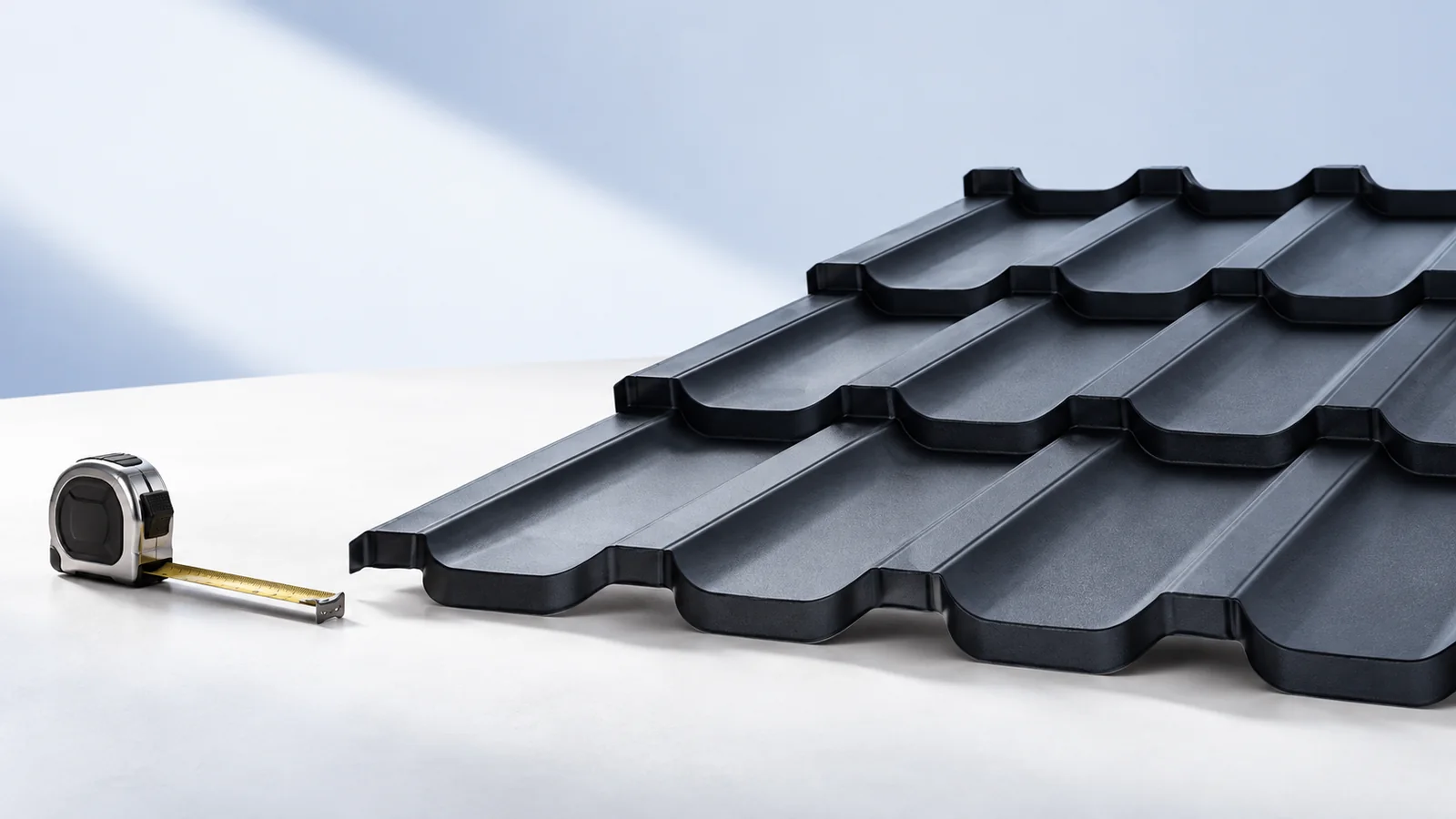
Metal roof tiles suit a new roof when the permitted pitch, supporting layers and installation method match the design. Before comparing prices,…
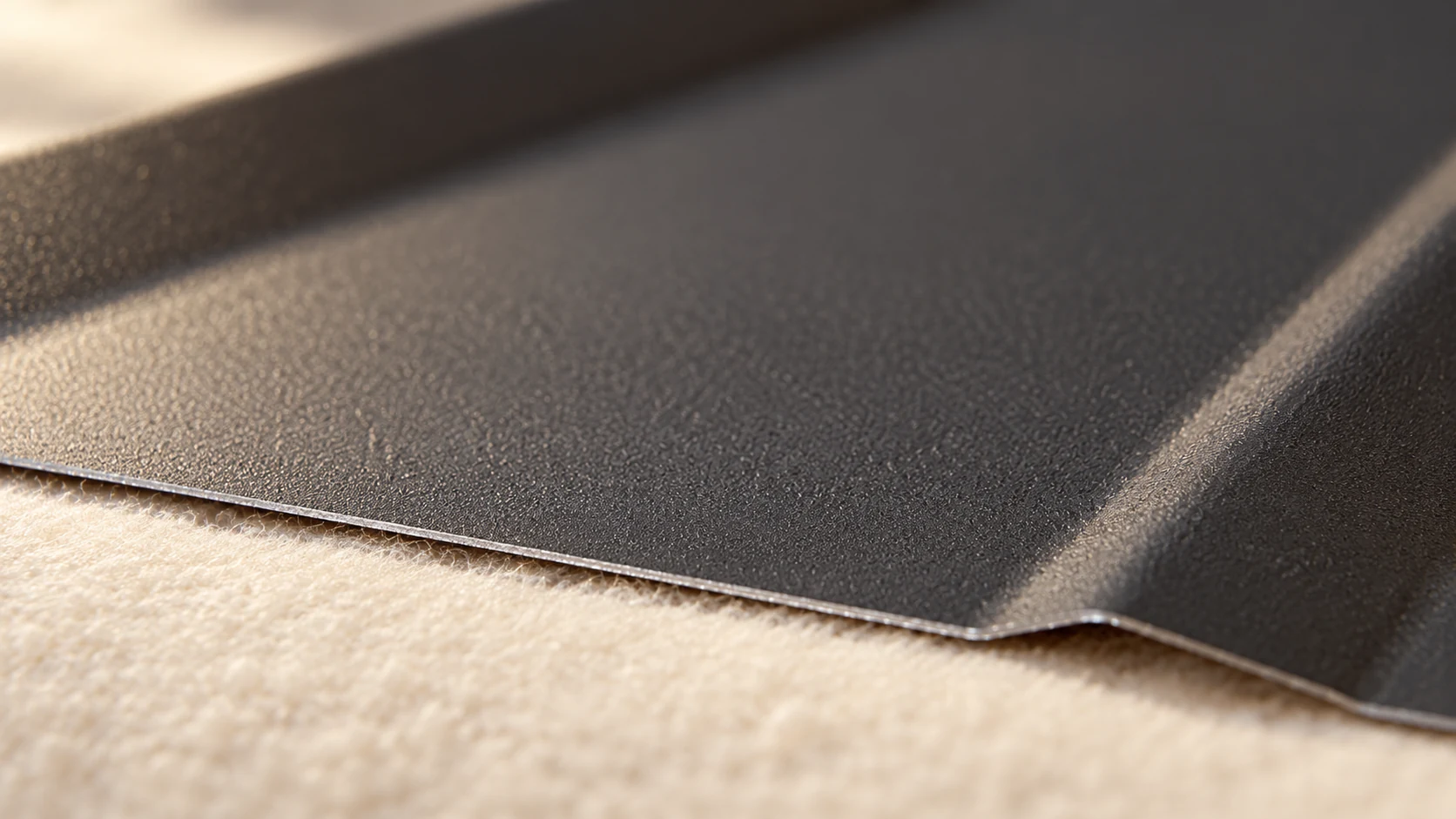
A thicker sheet can alter the load capacity and stiffness of a roof covering. Whether you can increase the support spacing also…
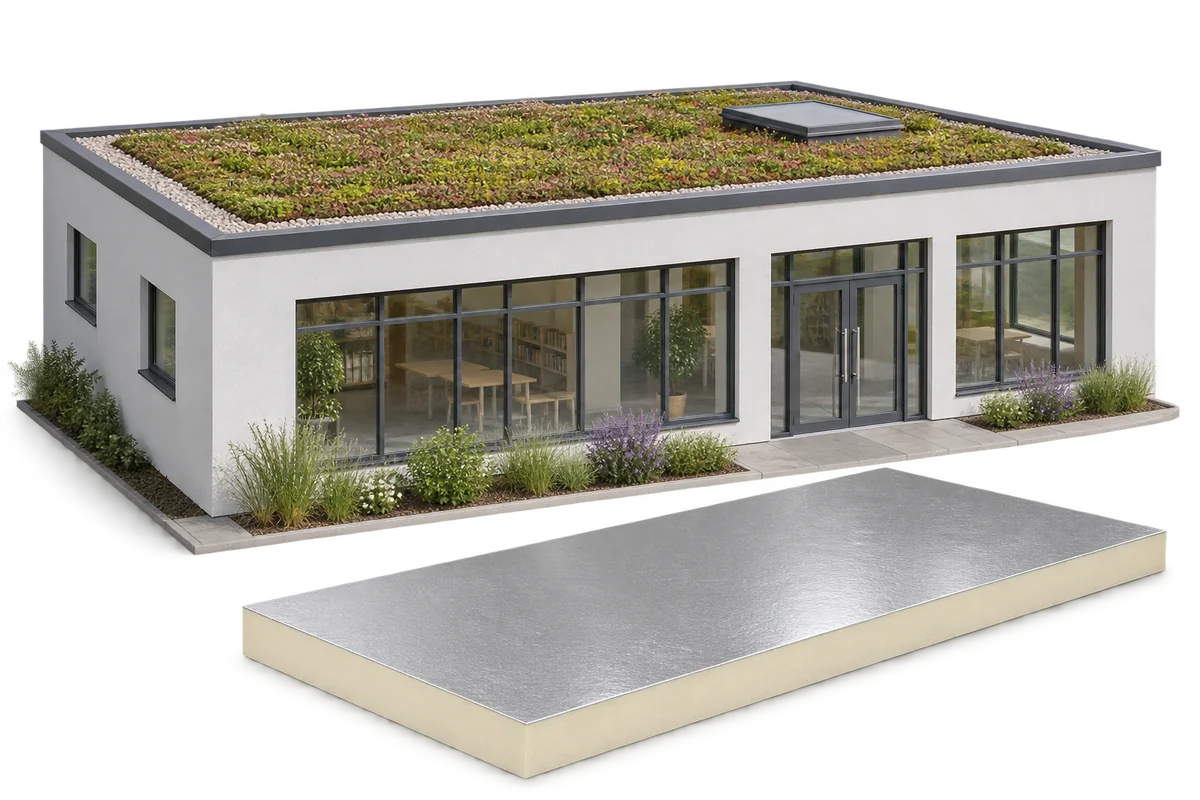
A green roof can form part of a nursery retrofit. The structure must support the full build-up and the insulation must be…
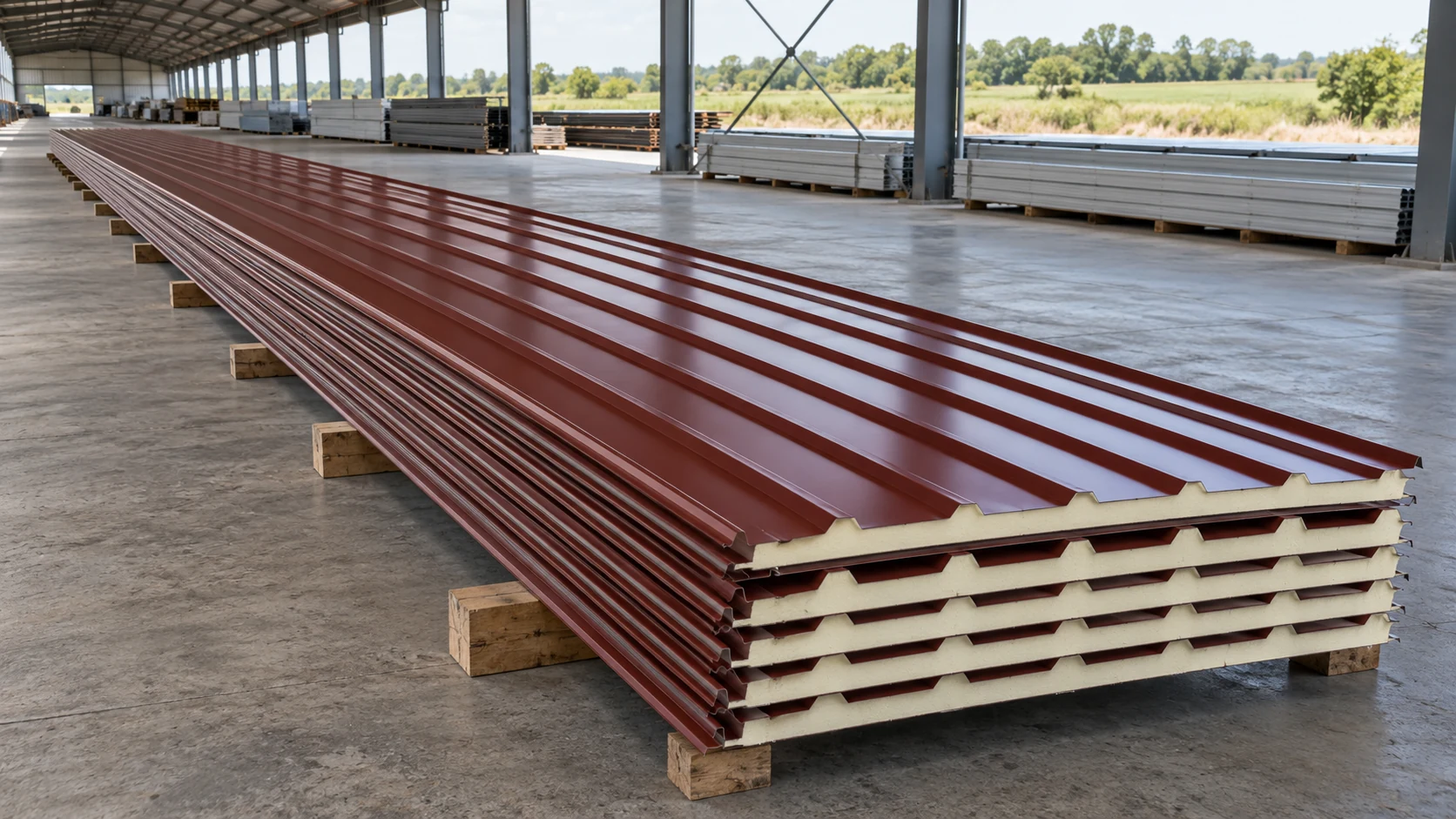
A single panel running from ridge to eaves can eliminate an end lap and the support and sealing detail it would otherwise…
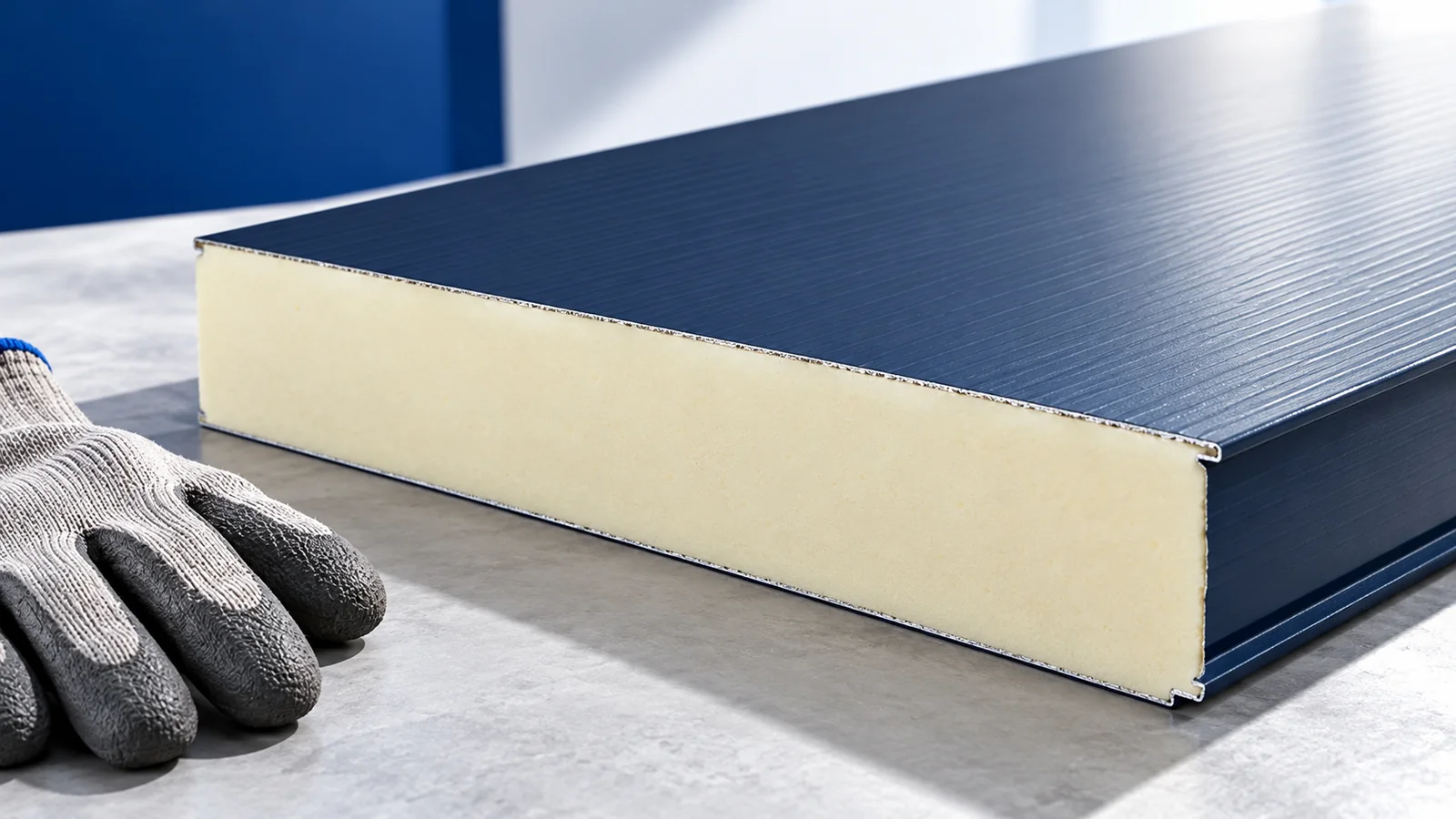
Look at the whole elevation before choosing a metal roof from a sample. Shallow trapezoidal ribs cast fine shadows; a deeper profile…
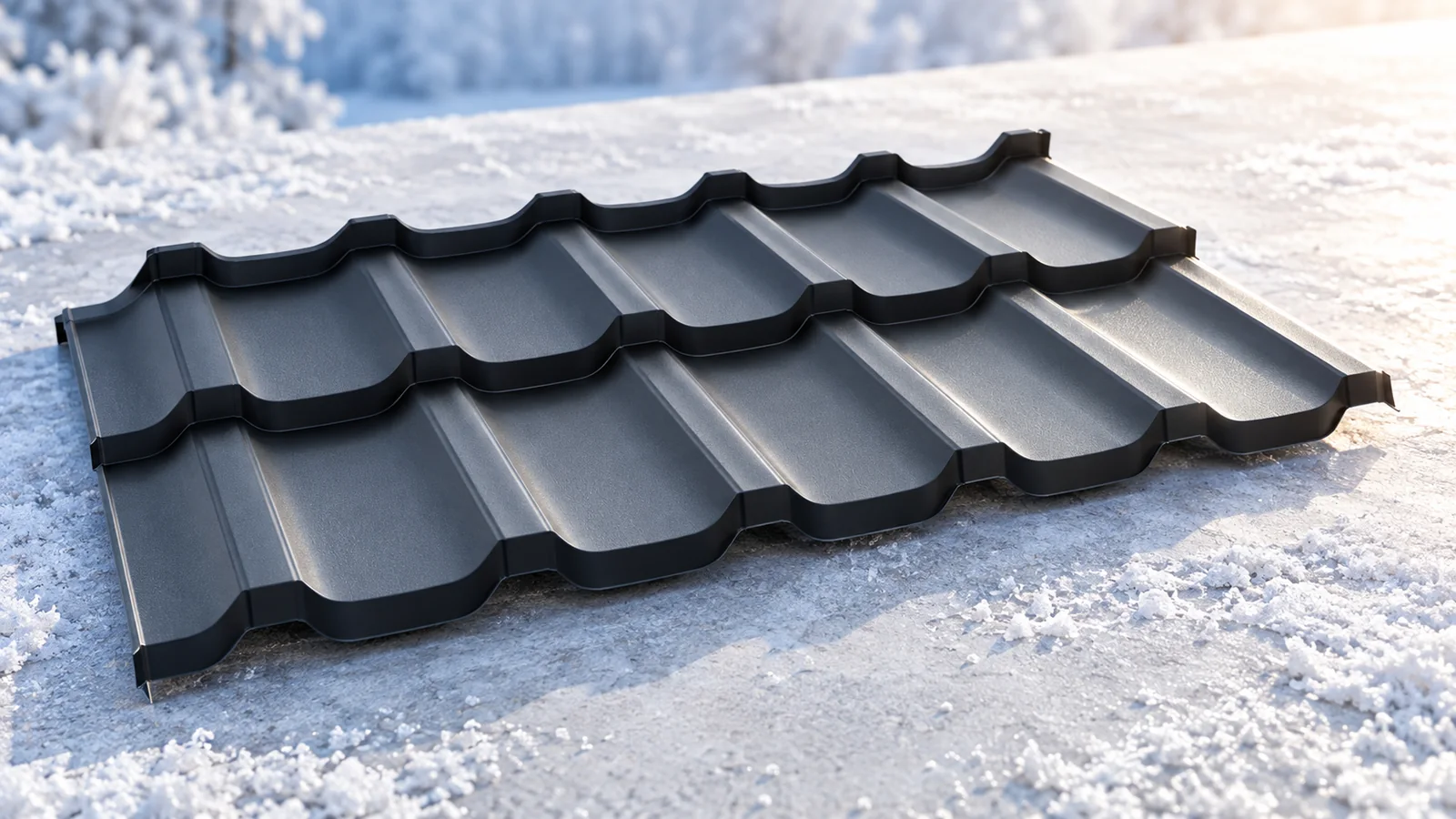
Inspect a metal roof after winter from the ground and, where safely accessible, from the loft. Compare the eaves, gutters and sheet…
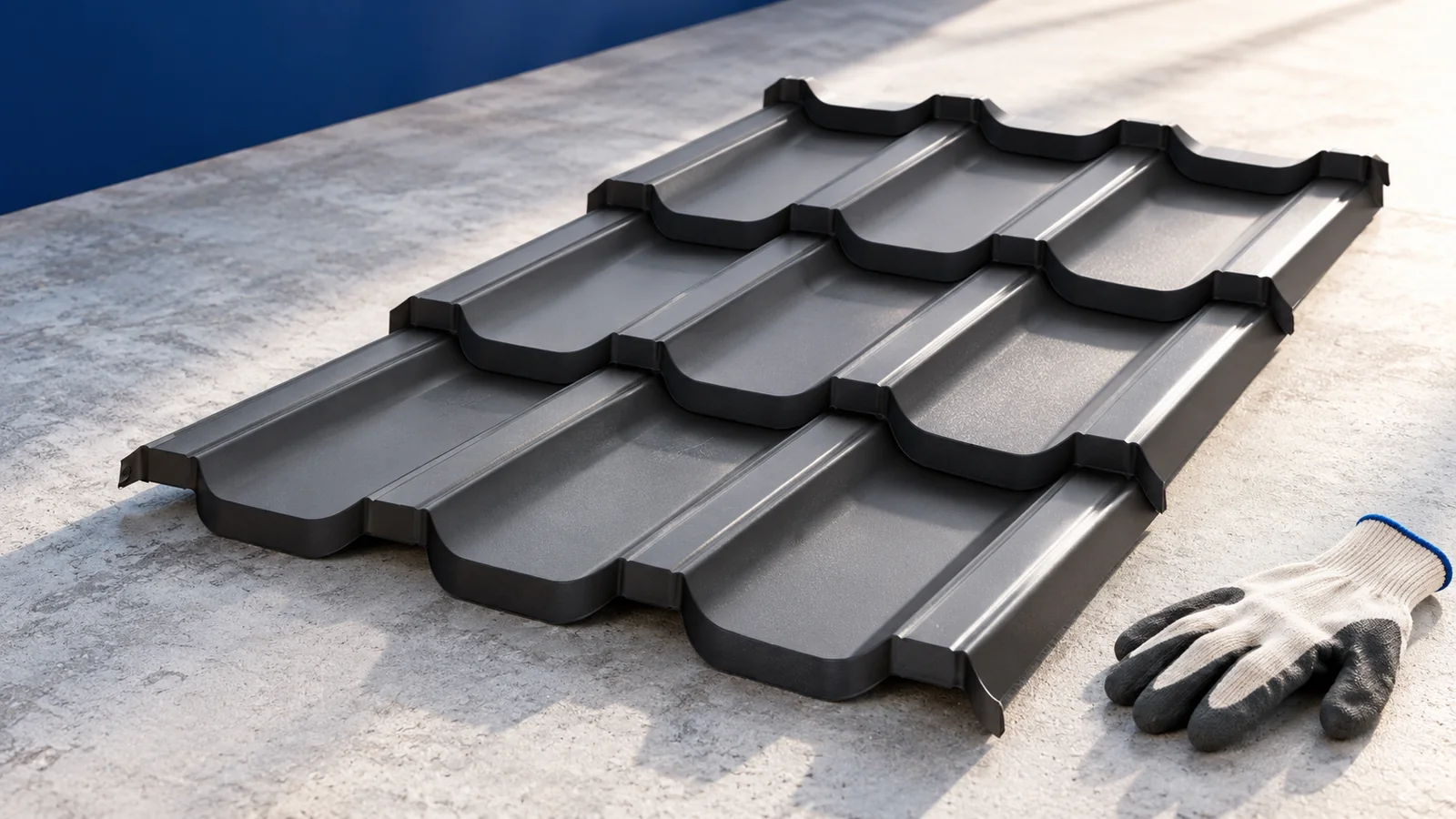
Two roofers can quote different prices per square metre for the same slope because they are pricing different work. One may include…
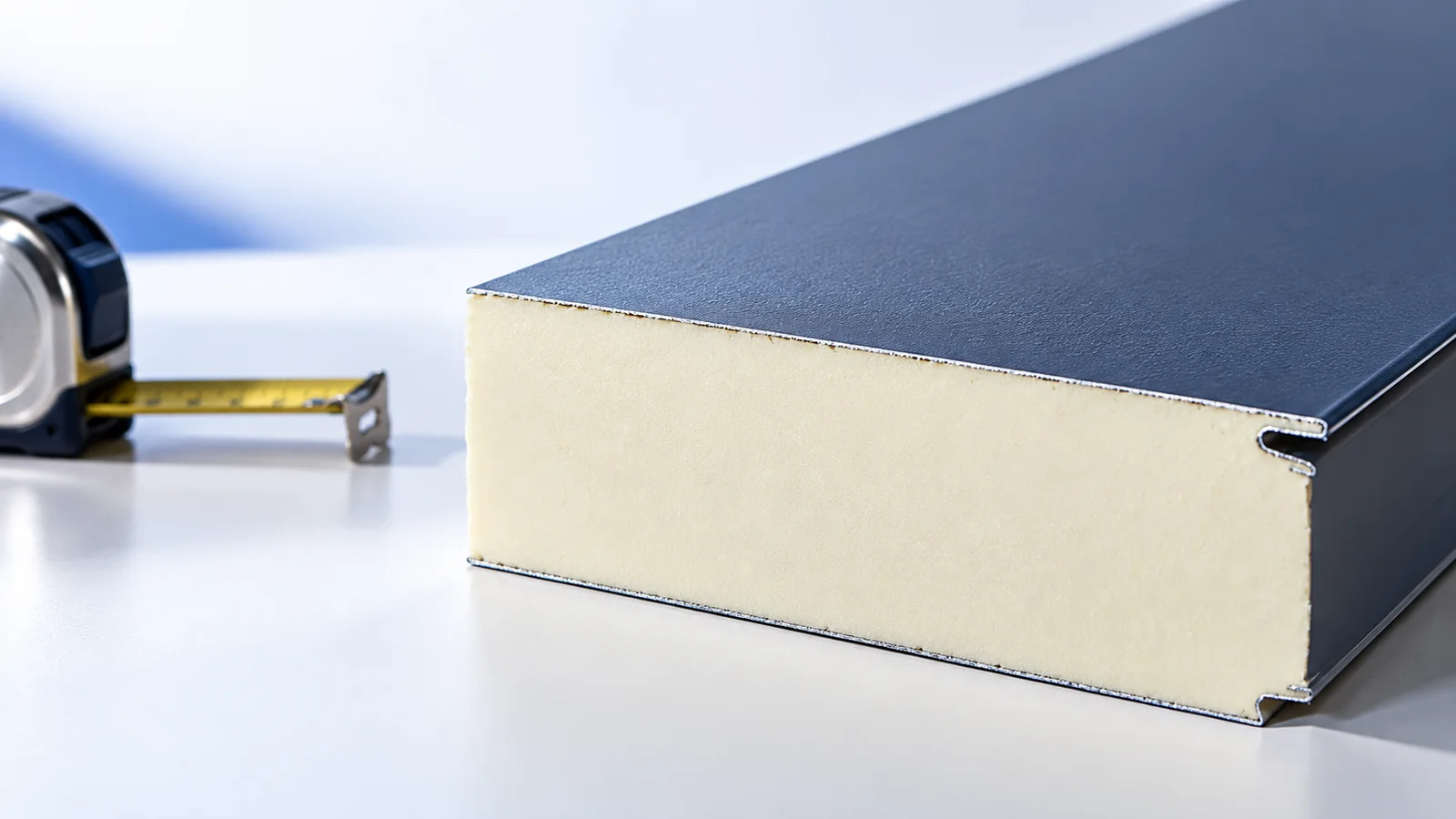
Steel cladding offers a light covering for a wall, dry installation, a choice of rib patterns, a factory finish and the option…
