






Choosing a roof covering for a house
Roof coverings
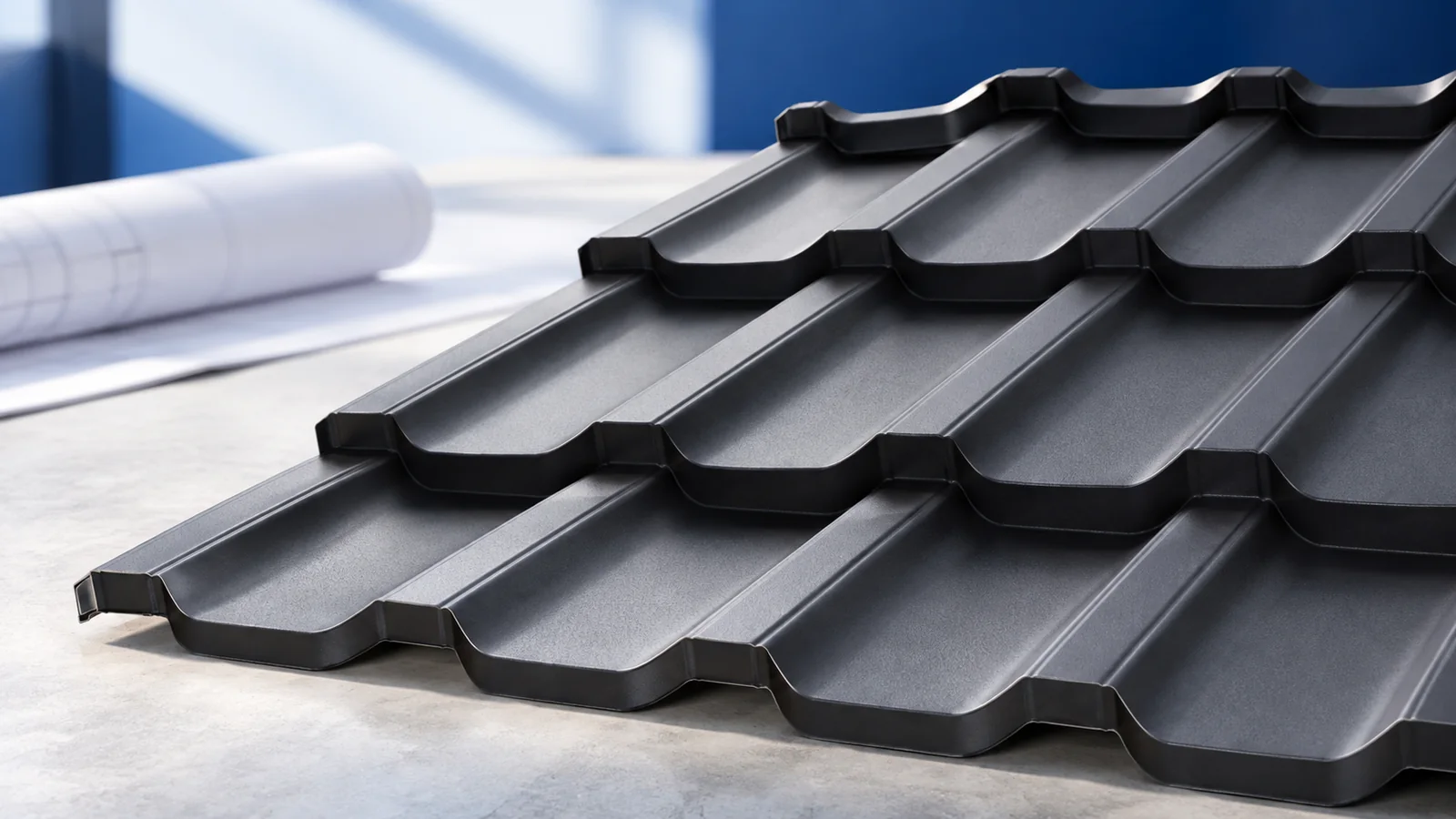
The frame, pitch and shape of a house roof determine which coverings you can consider. Cut-to-length metal tile sheets suit straightforward runs. Smaller modules can be easier to handle around dormers and valleys. Trapezoidal steel sheets give a different finish and need supports suited to the profile. Compare the cost of the whole roof, including offcuts, substrate, flashings and installation. In a heated home, insulation, ventilation and junctions also affect performance. On an existing roof, have the timber frame inspected and check site access before ordering long sheets or changing the covering.
What should you establish before buying?
Check the drawings for pitch, slope length, valleys and service penetrations. Each product has its own installation limits. A covering specified for steeper slopes still needs that pitch even if extra sealant is applied. Assess the complete roof system.
For reroofing, have a specialist inspect the existing frame. New covering weight is only part of the loading alongside snow, wind and equipment. A light sheet can help with refurbishment, but damaged rafters need their own assessment on site.
When do cut-to-length metal tile sheets work well?
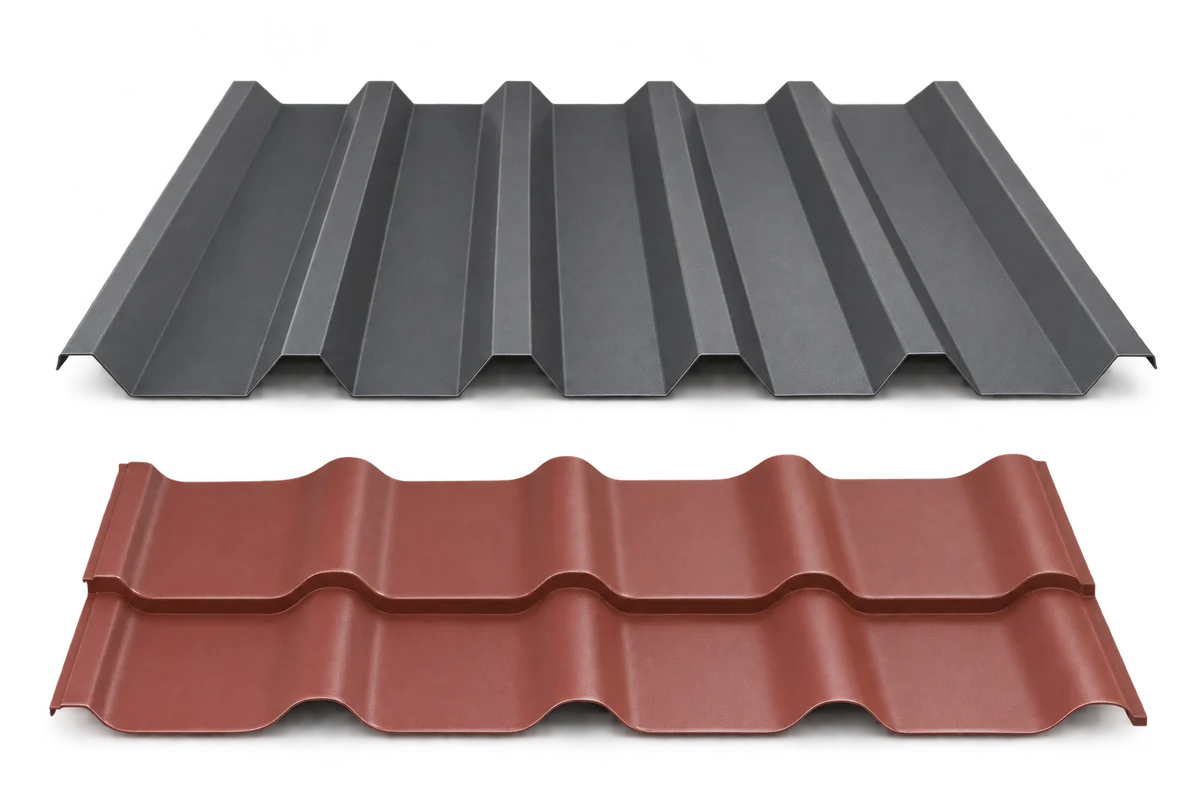
Cut-to-length metal tile sheets suit simple slopes. Long sheets reduce joints in the direction of water flow. Careful measurements reduce cuts on site. A gable roof is a good candidate if transport and safe unloading are feasible.
Handle large sheets carefully to prevent distortion. Wind can make lifting them difficult. Dormers and angled edges produce offcuts, so ask for a cutting layout as part of the estimate. Large sheets are economical only where the layout makes good use of them.
What are the advantages of modular sheets?
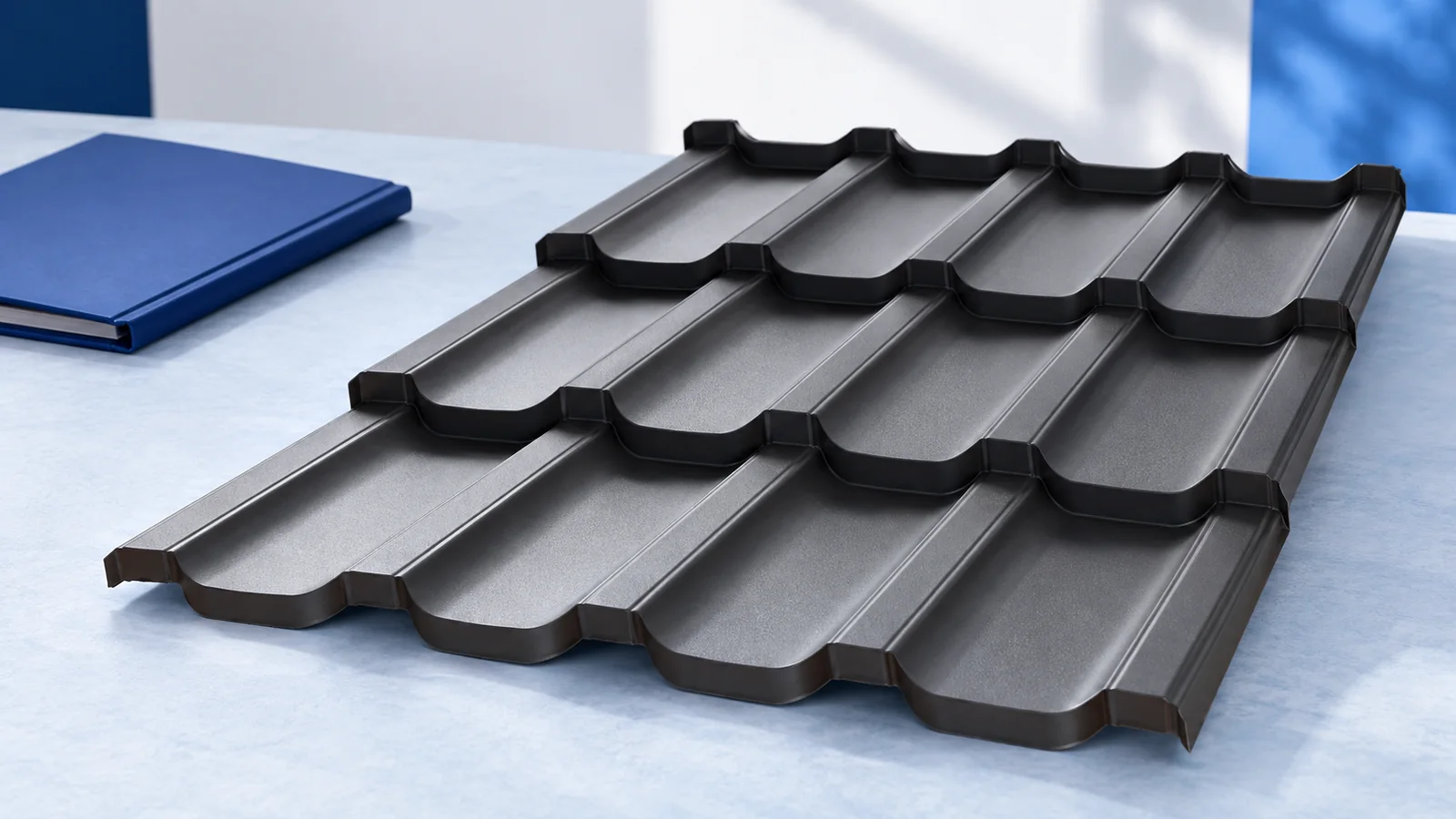
Small modules are easier to carry and position on slopes with many changes of direction. Repeated sheet sizes simplify handling. Local repairs may be easier if a matching profile is available. Keep the documentation and a few spare modules from the same colour batch.
Modular sheets need accurately spaced battens. Follow the product instructions because small spacing errors accumulate across rows and open up joints. Compare cover width, lap details and available flashings for the specific module.
Can T18 or T35 be used on a house?
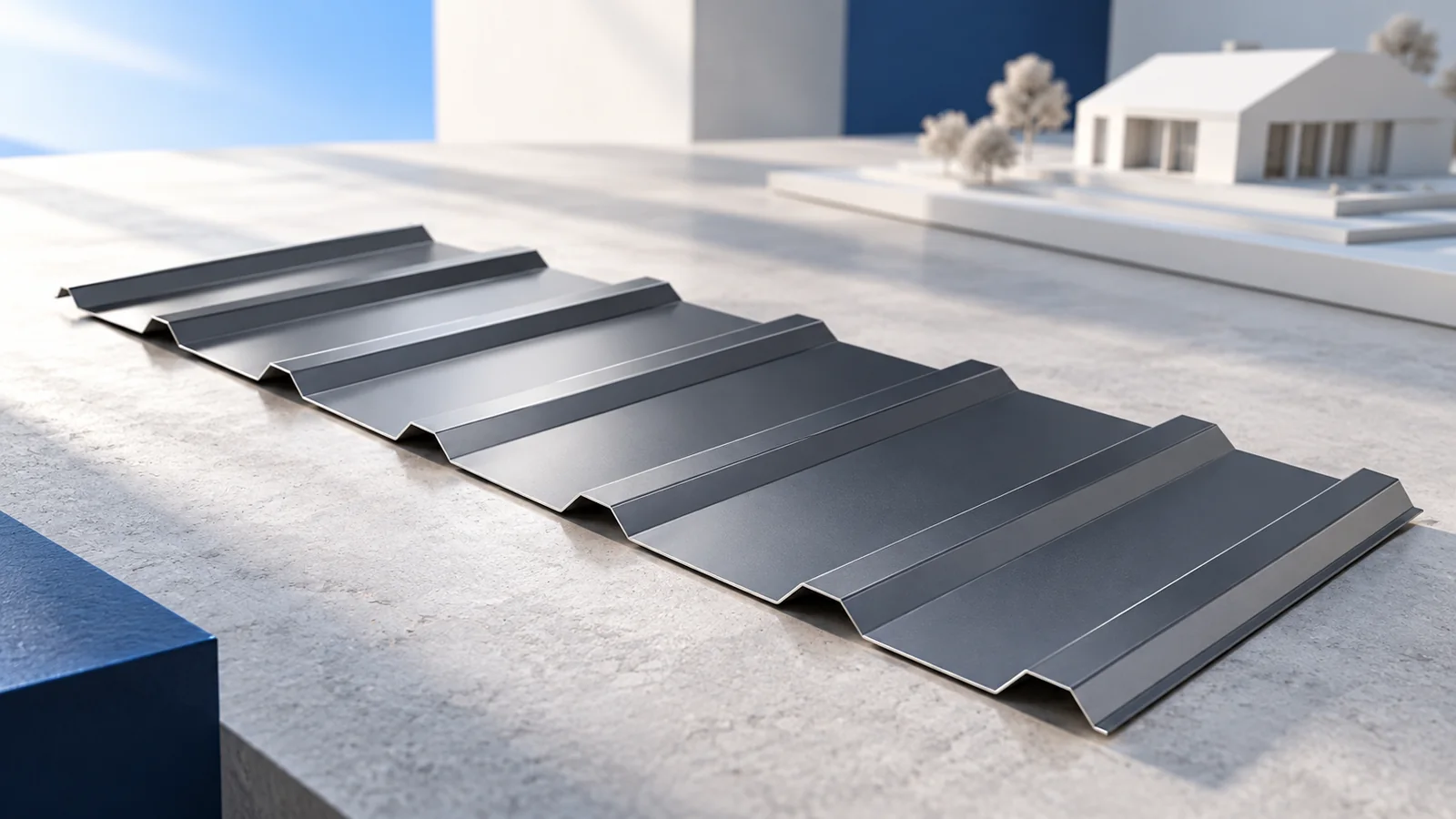
Trapezoidal steel gives a regular linear appearance for modern houses, garages and outbuildings. T18 usually has a shallower profile and T35 a more pronounced rib. Decide using the actual product data, support spacing and pitch, and verify capacity for the chosen sheet.
An insulated roof with trapezoidal sheeting needs a designed assembly below the outer skin. An underside fleece may hold condensation temporarily if it can dry out. Habitable rooms still require a complete thermal and moisture-control design.
When should you consider panels or another covering?
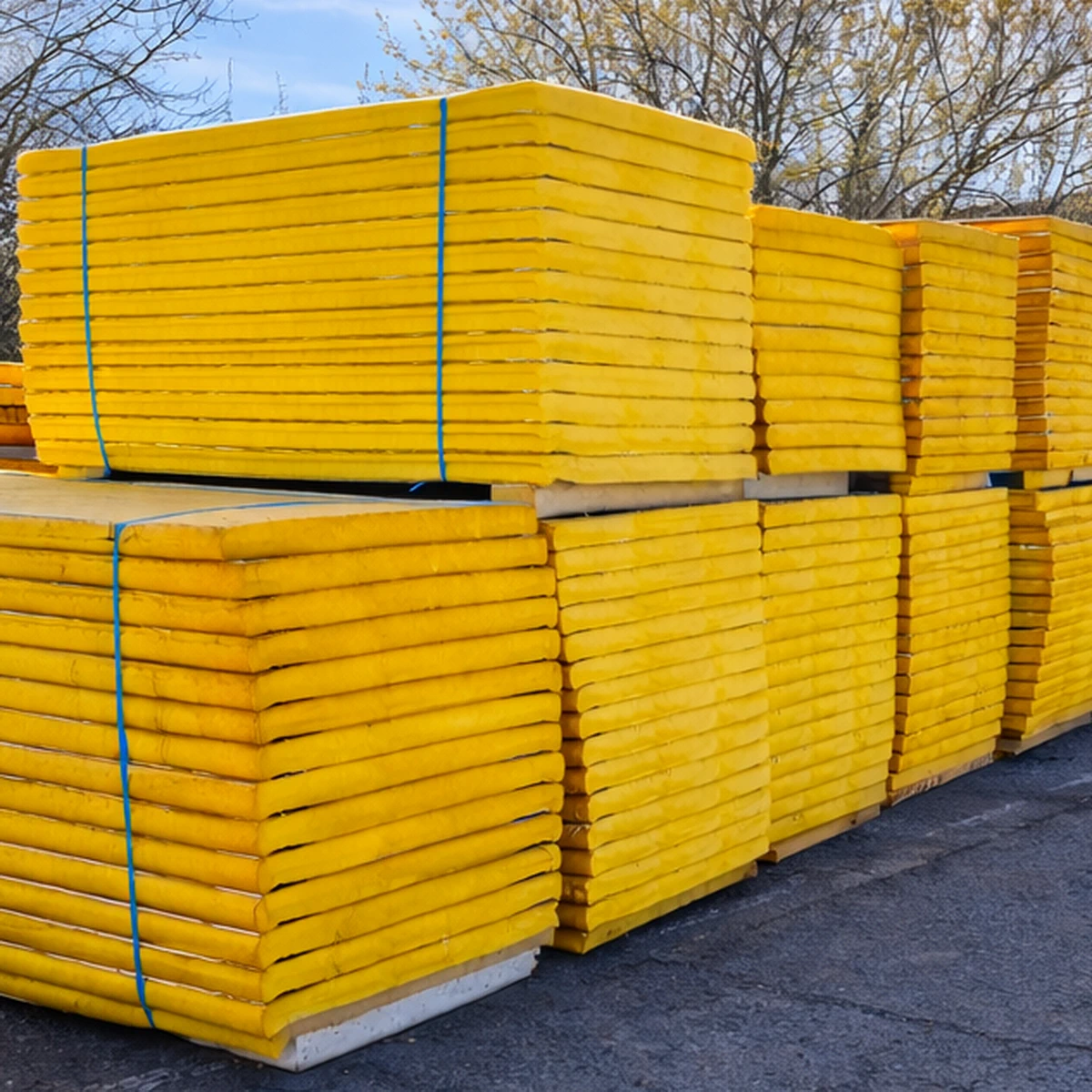
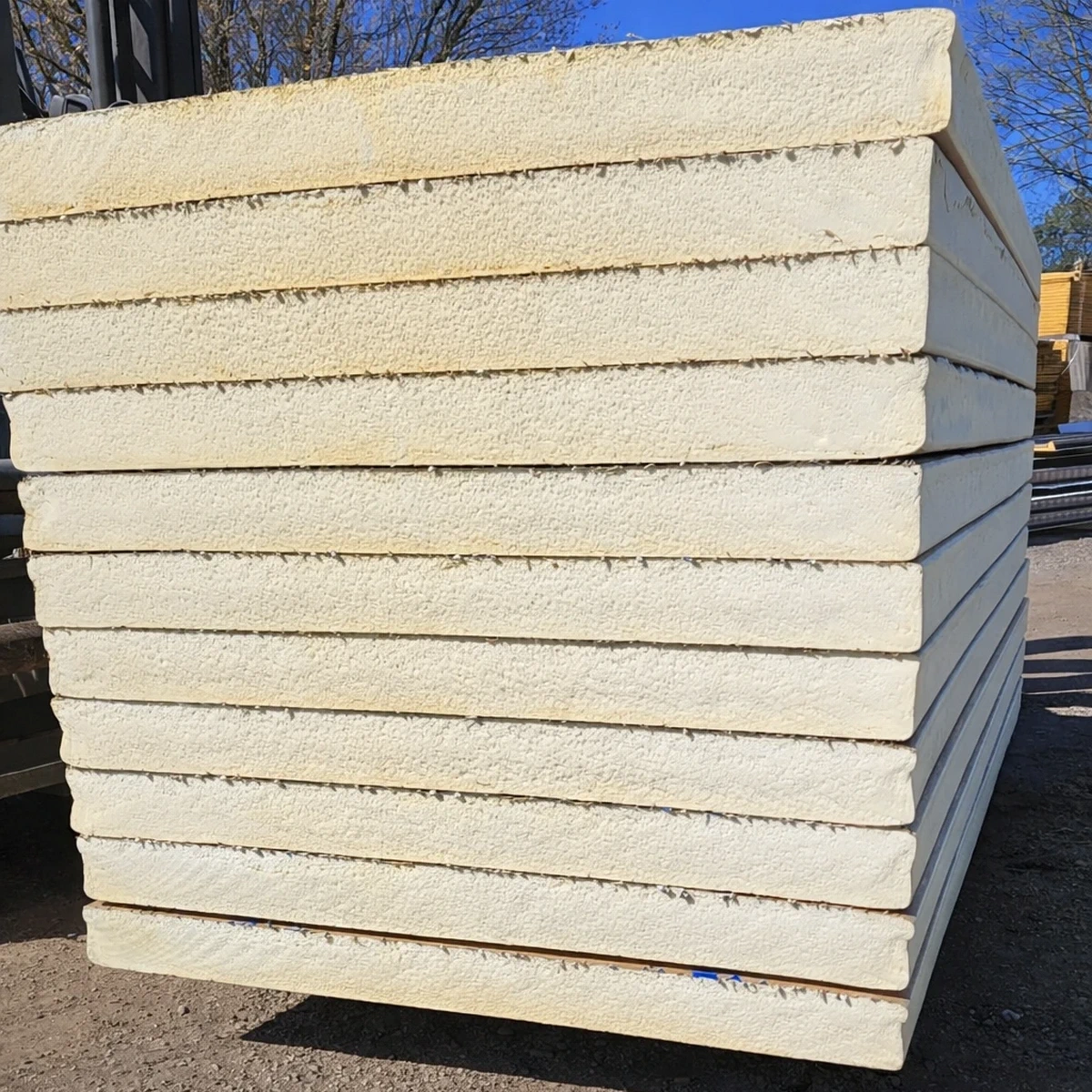
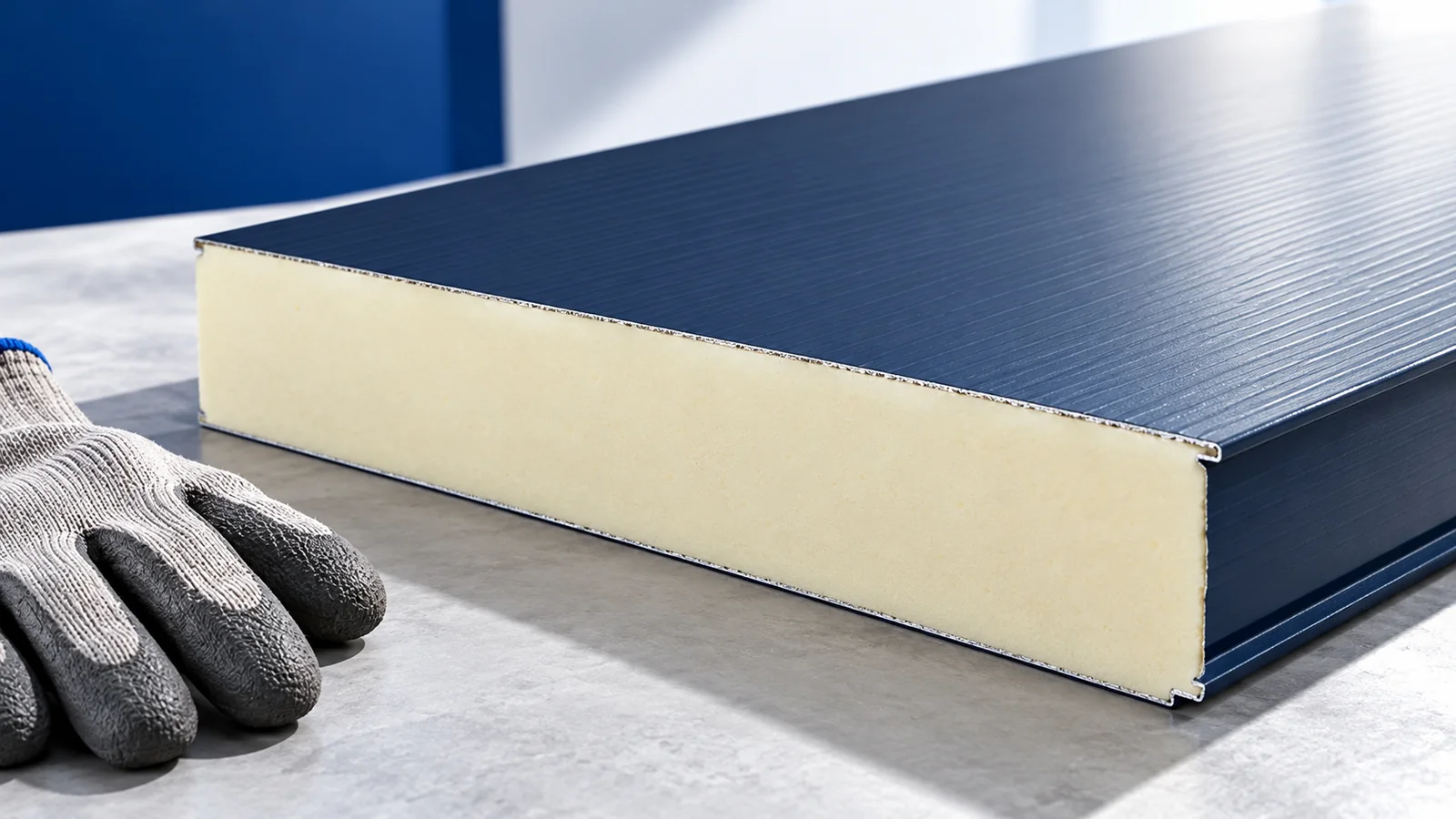
A roof sandwich panel bonds two facings to an insulating core. It can suit halls, pavilions and heated outbuildings. In a house, design the joints, acoustics, fire protection and finish. A wall panel of the same thickness requires separate evidence before it could be used for roofing.
Clay tiles, concrete tiles and bituminous shingles differ in substrate and structural loading requirements. Compare complete assemblies. A light covering may still need several supporting layers, and a continuous deck can alter the cost significantly.
How do you make the final choice?
Develop two or three options compatible with the design. Calculate covering, waste, substrate, flashings and labour for each. Inspect coating samples outdoors for colour and texture. Check warranty conditions and the maintenance needed over the roof’s service life.
A quotation should identify the product and work included, with steel thickness, coating, sales unit and finishing pieces. If an installer suggests a different material, ask how it changes the rest of the roof before deciding.
Check availability of an installer familiar with the system. A late change may require different supports, fixings and flashings. Confirm the variant and details before ordering. For a large roof, ask to see a trial arrangement of the eaves components.

Free quote
What to include in your enquiry
Tell us how you plan to use the material, the dimensions and the quantity you need. Include the thickness, grade or variant name, along with the delivery town or your preferred collection branch. For a specific product, add its name or a link to the product page. We will reply to the email address you provide to discuss availability and the terms of your order.
Read next
A practical roofing course gives installers a chance to set out a slope, form a flashing and check a fixing while the…
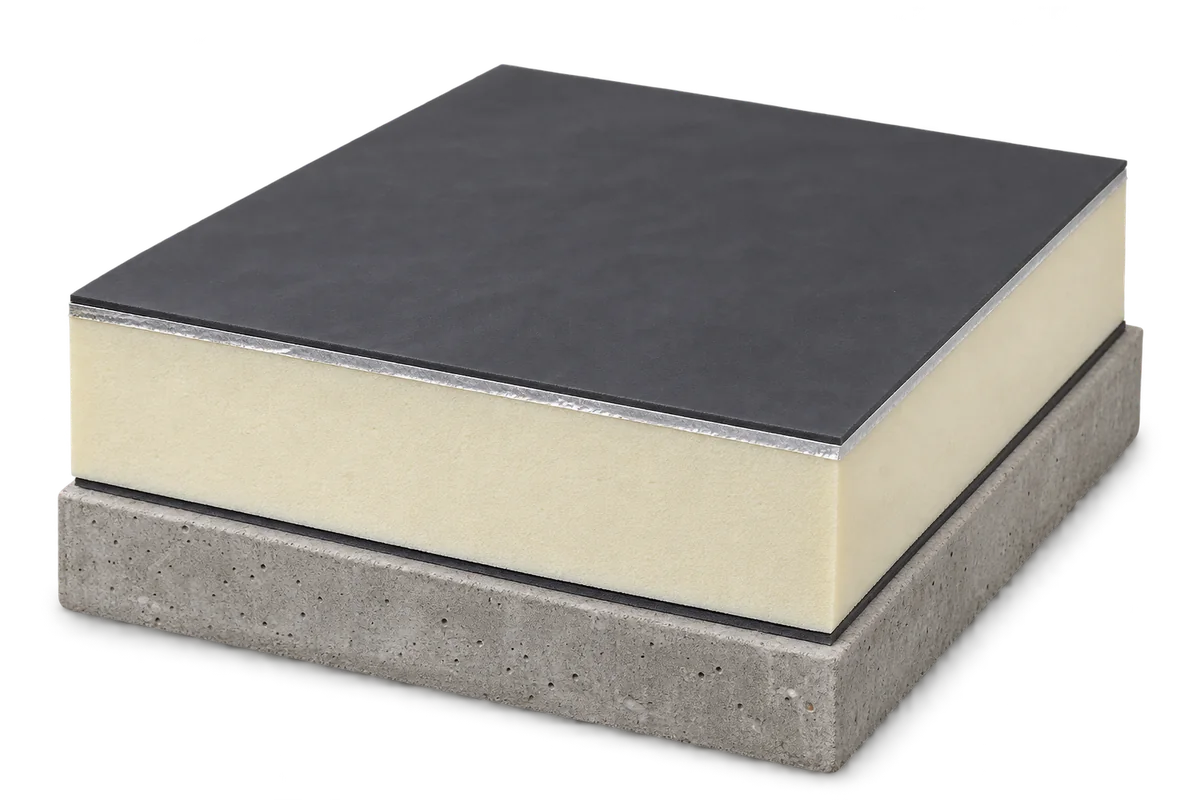
A flat roof consists of several layers that work together. The structure carries the loads, insulation reduces heat loss and waterproofing keeps…
When choosing trapezoidal sheeting or metal roof tiles, also ask about later inspection and replacement of a damaged component. Beyond the new…
A single-module metal roofing sheet covers one course of the tile pattern down the slope. It can still be several tile widths…
Look at the whole elevation before choosing a metal roof from a sample. Shallow trapezoidal ribs cast fine shadows; a deeper profile…
When replacing a roof, start with the existing building. The price of sheets or tiles accounts for only part of the work.…
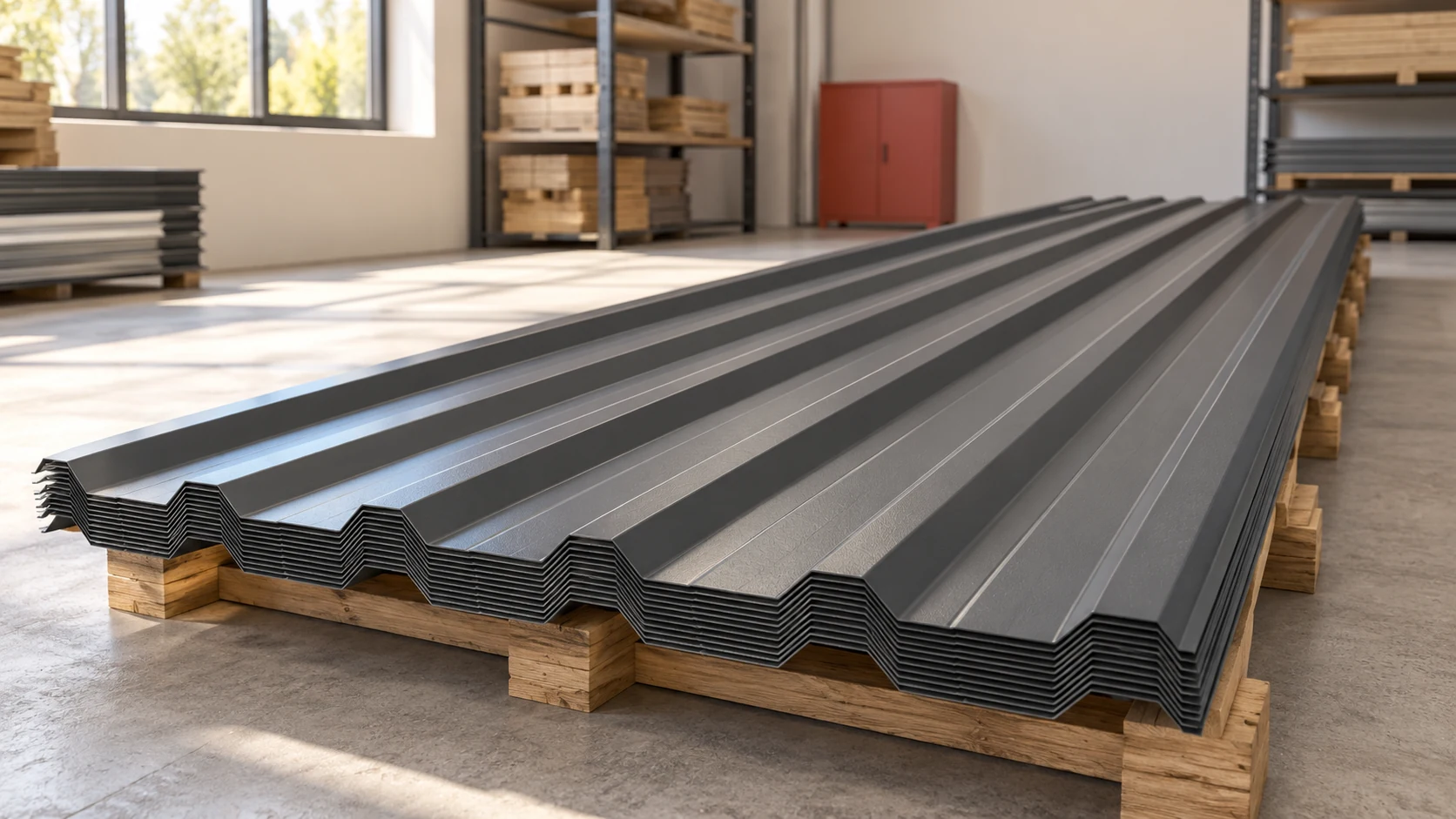
A price per square metre is not enough to select trapezoidal steel sheet. Comparable offers identify the profile, thickness, coating, dimensions and…
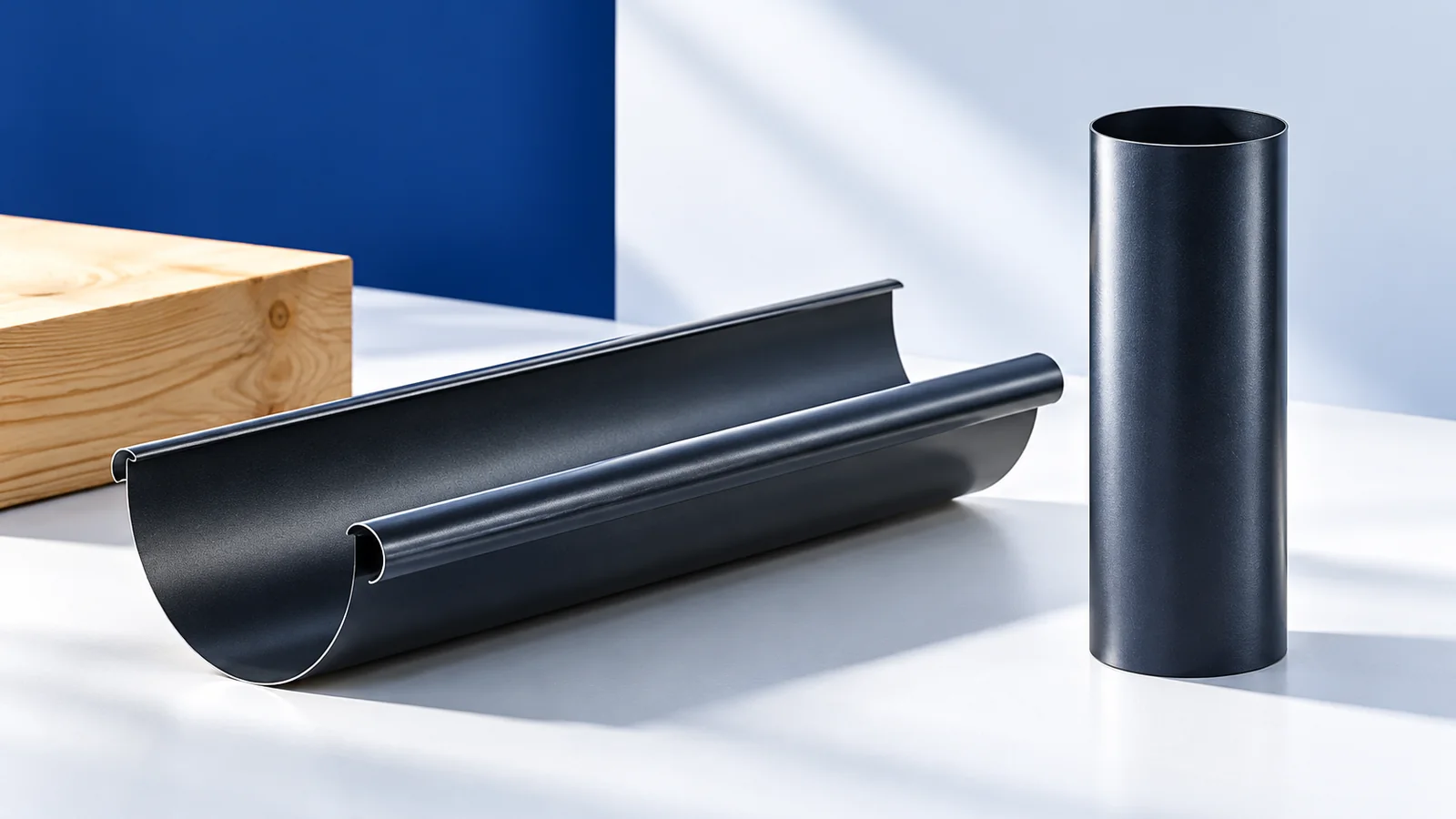
To select gutters for a metal roof, mark the area draining to each outlet on a roof plan. A valley may concentrate…
