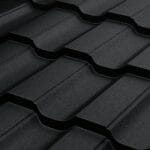
What are the benefits of single-module tile-effect roofing sheets?
Roof coverings
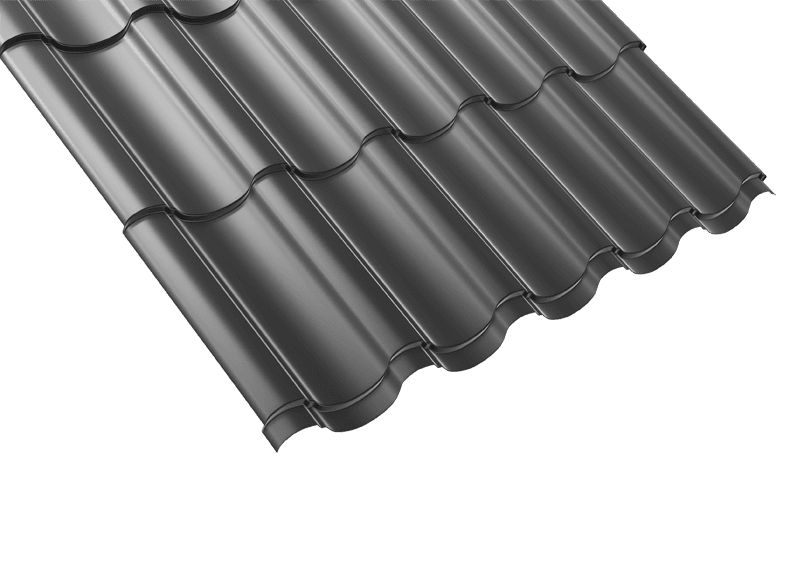
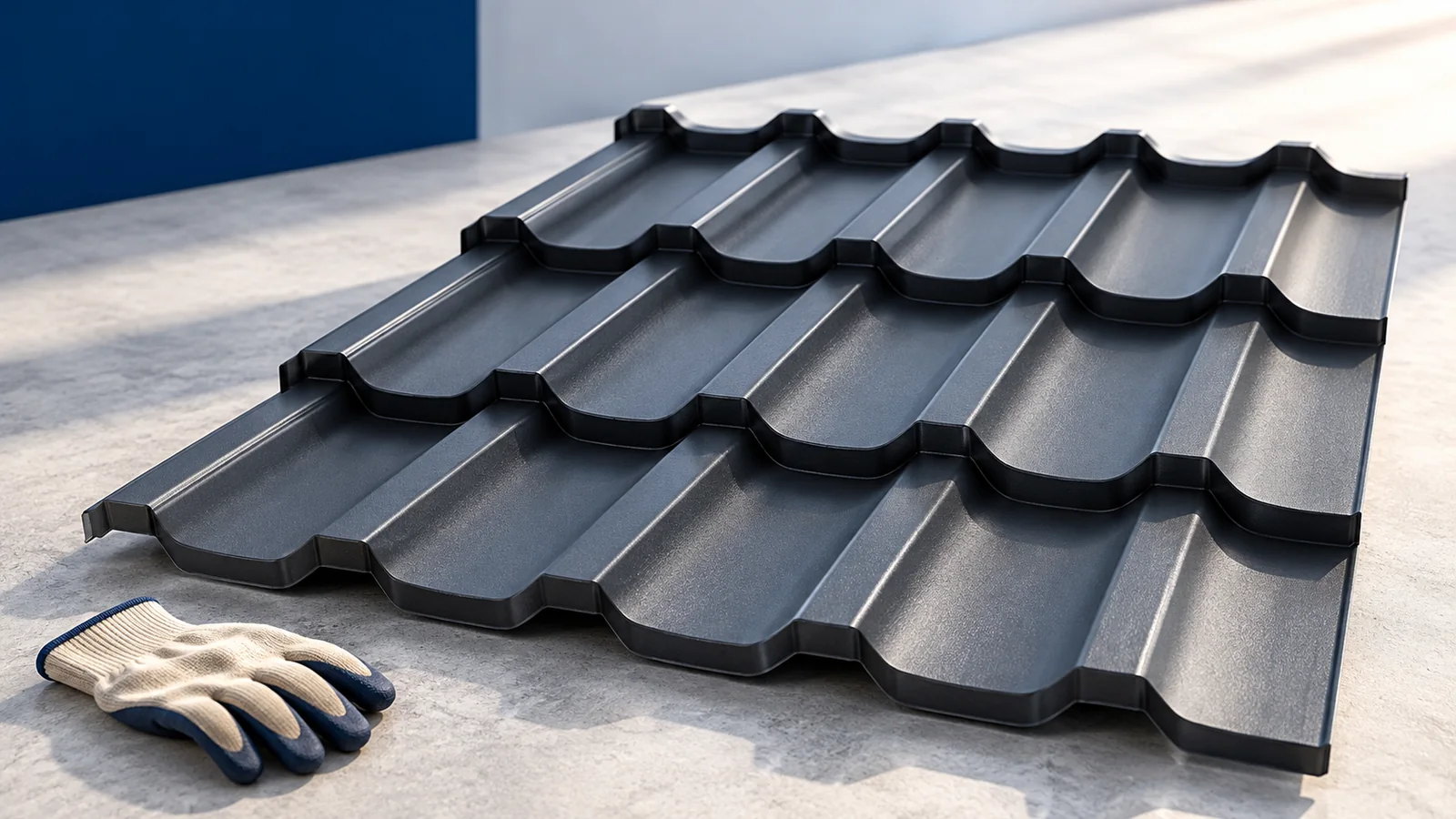
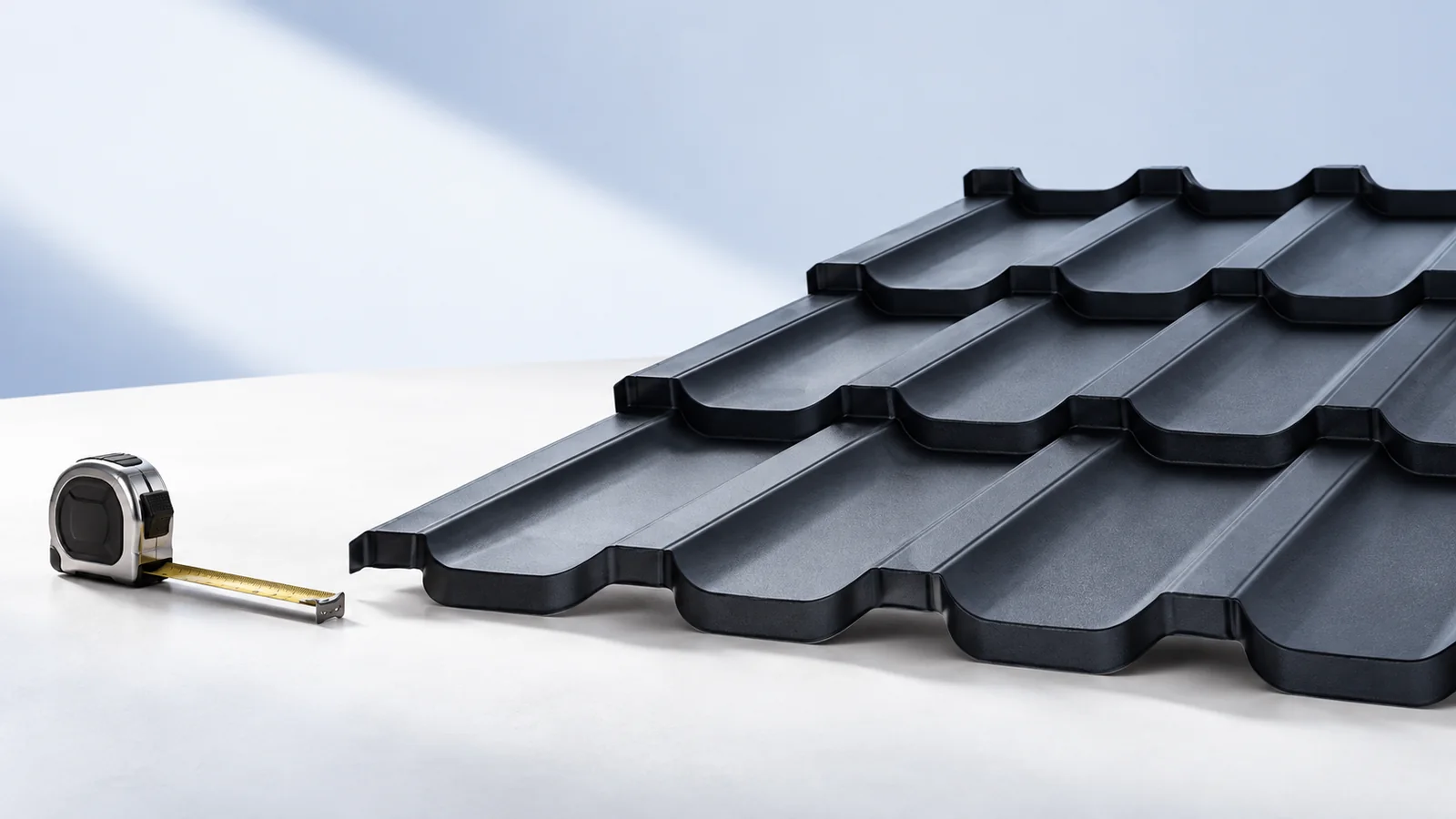
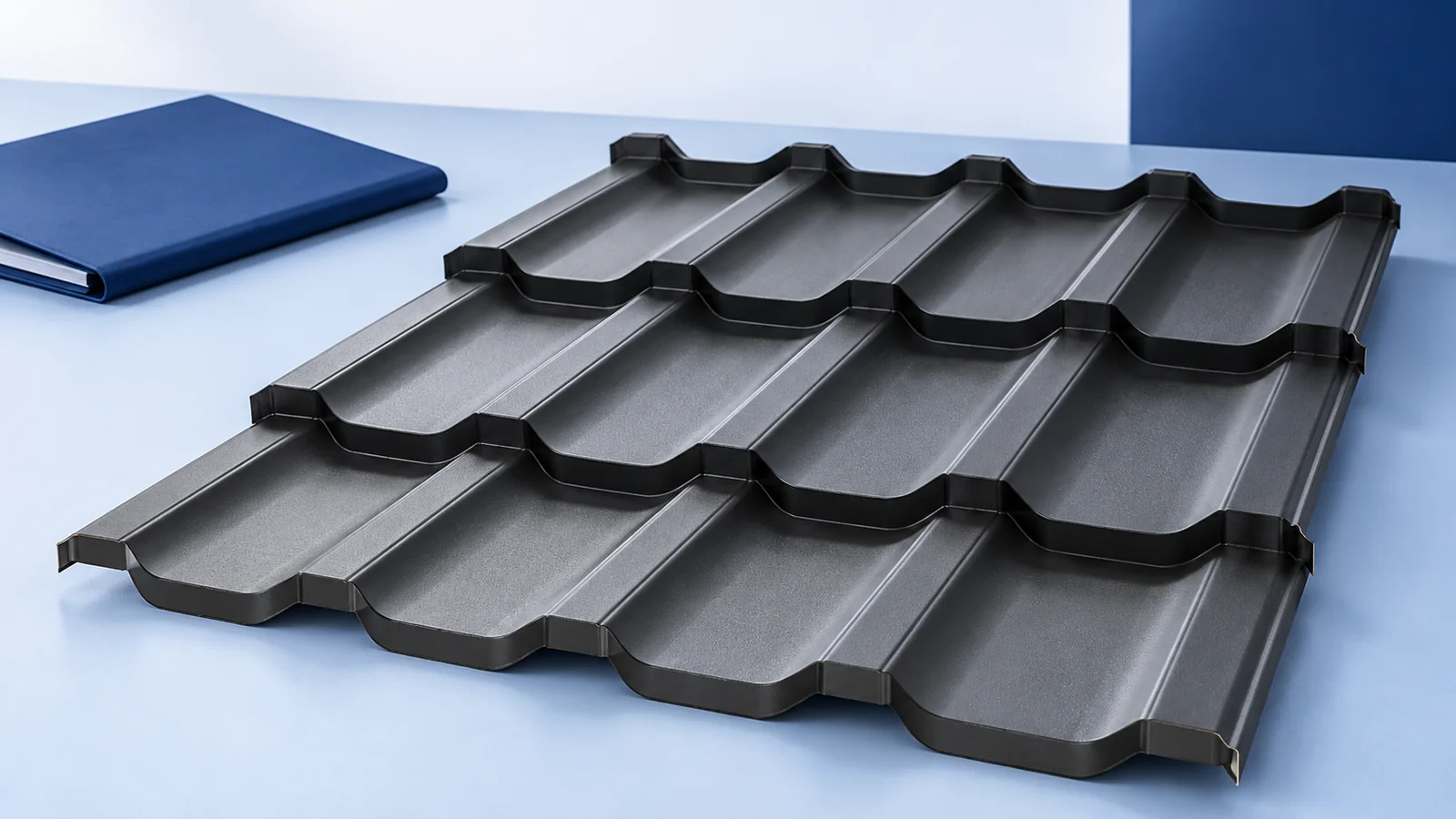
A single-module metal roofing sheet covers one course of the tile pattern down the slope. It can still be several tile widths across. The short format makes sheets easier to carry and set out around dormers, hips and valleys. Whether it saves money depends on how the modules fit the actual roof. Ask for a layout showing effective cover, cuts and the number of end laps. It will also help the roofer estimate fixing time. On a simple rectangular slope, a longer sheet may give better value, even when the price of one small module looks attractive.
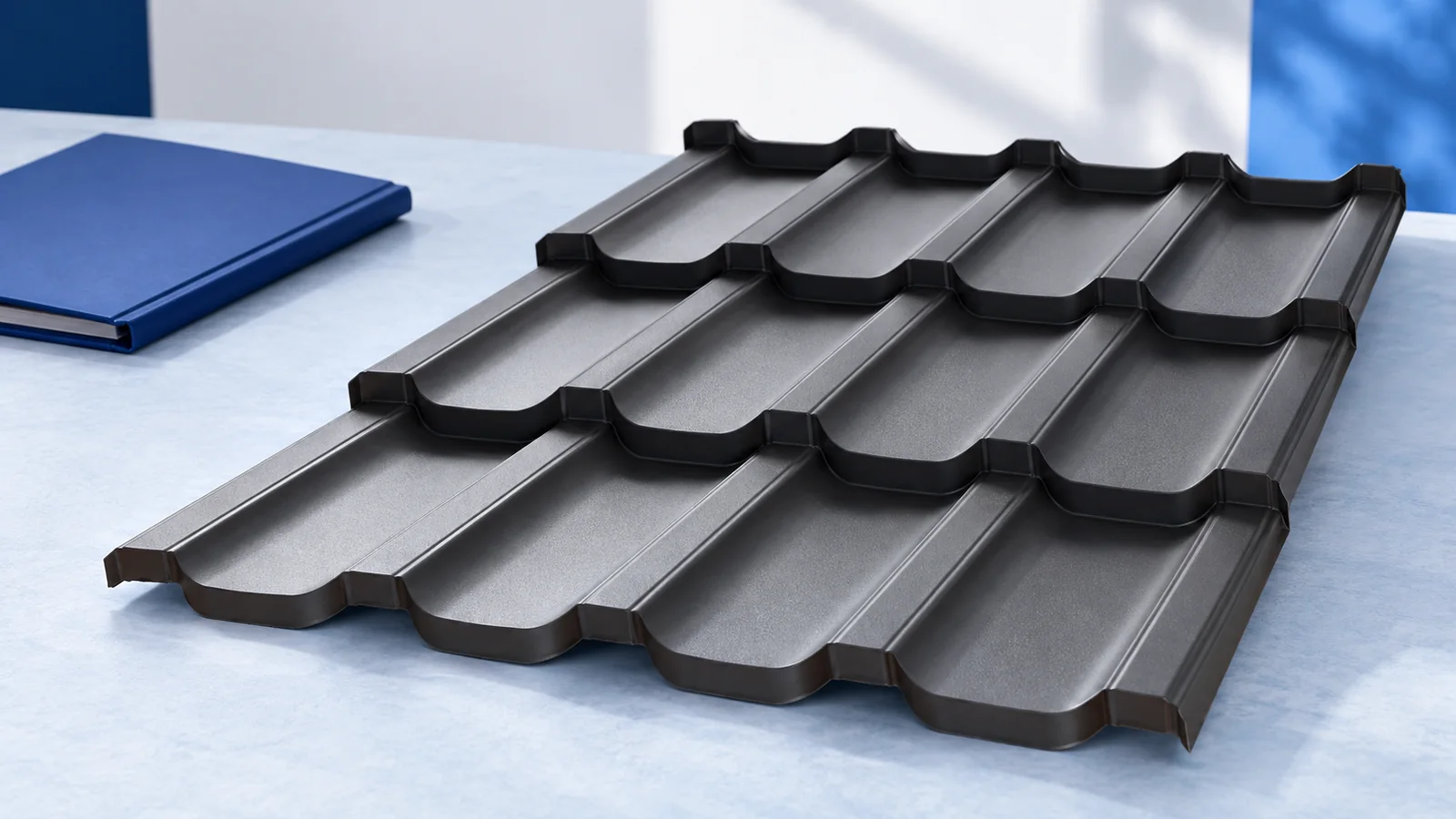
What does one module mean?
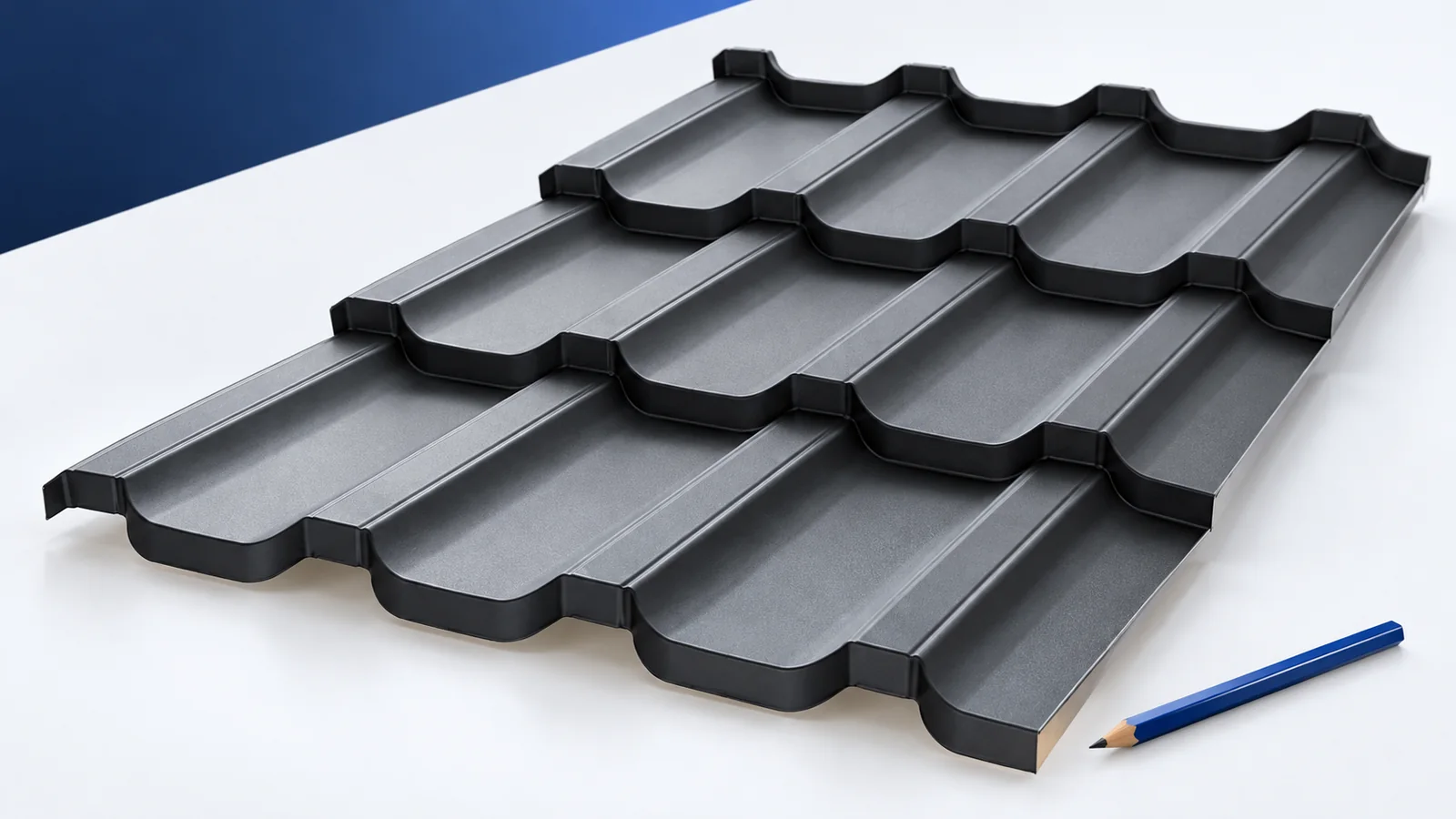
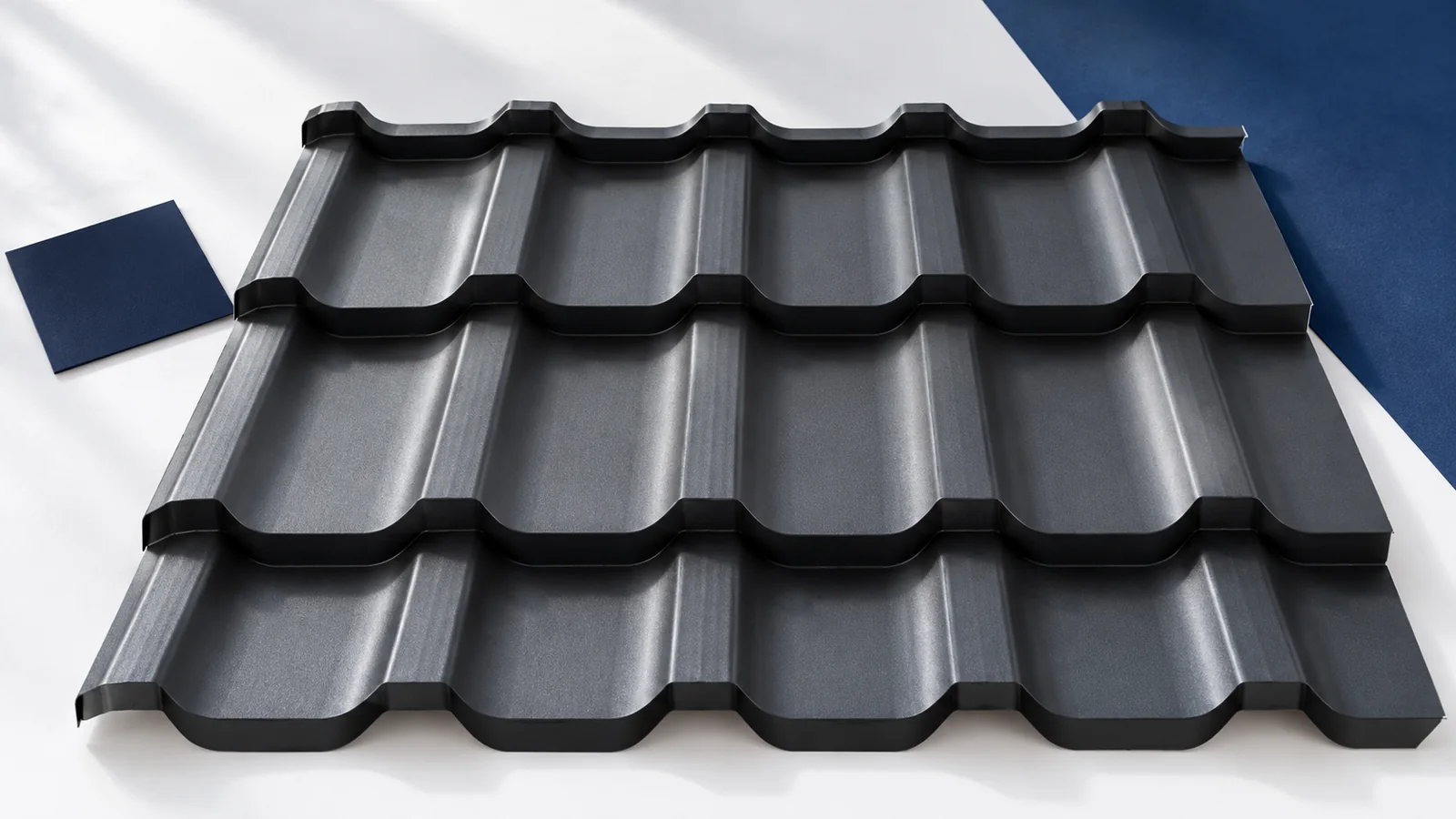
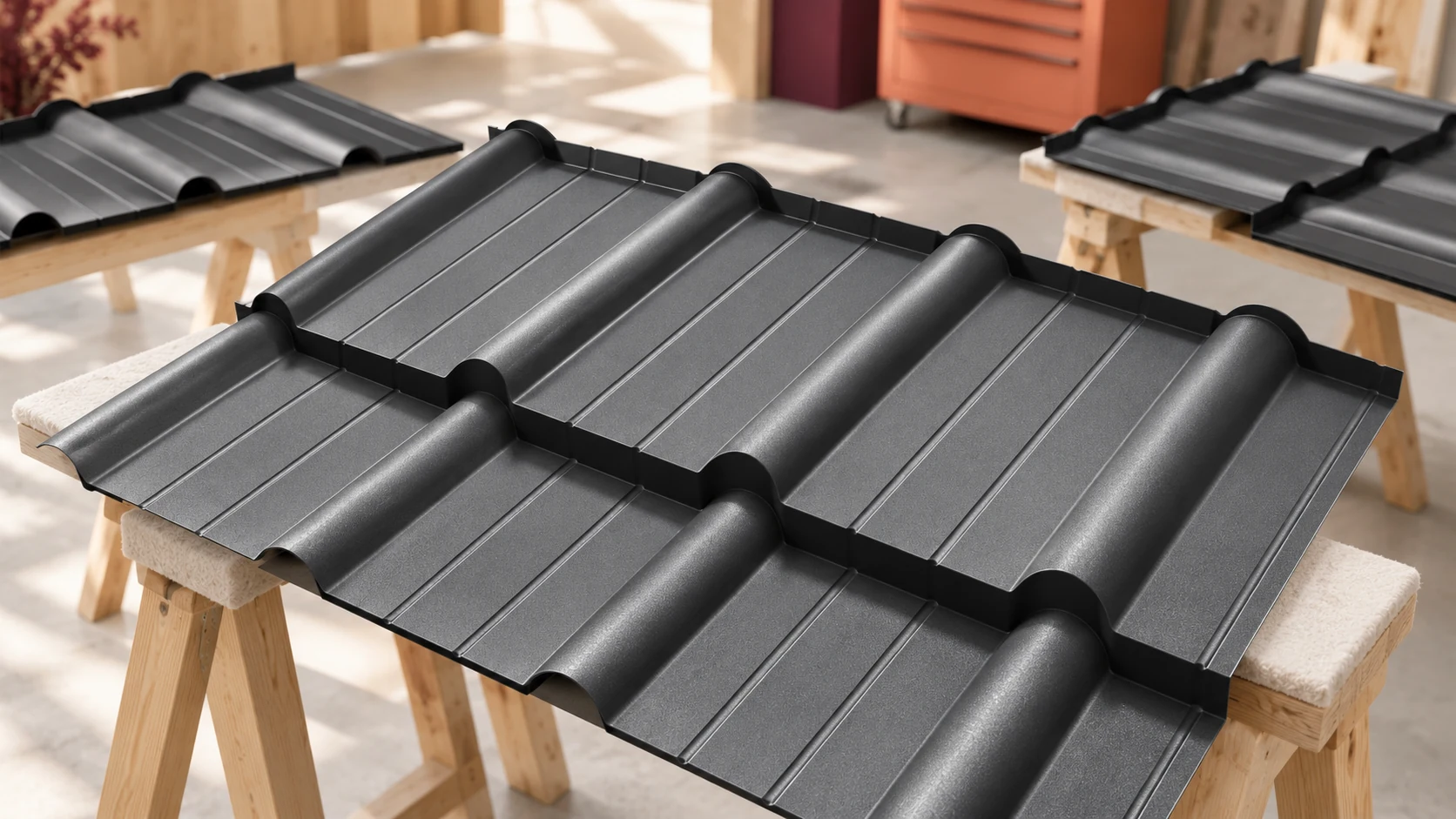
A module is one repeat of the pressed tile pattern measured down the slope. A single-module sheet contains one such course and can span several waves across the roof. Module length and wave spacing describe different dimensions. The shape of the units and their overlaps vary between manufacturers.
Use the effective dimensions in the quantity calculation. The next sheet overlaps part of the first, so its overall area is larger than the area it covers. Calculate the number of units needed for the actual roof slopes before comparing prices per unit.
How does the small format help on site?
Small units are easier to carry, stack and lift into position. Their shorter unsupported lengths reduce the tendency to bend during manual handling. Edges can still be deformed and coatings scratched, so support the sheets and protect their surfaces during transport and storage.
Convenient handling can be particularly valuable where site access is restricted. Plan lifting and movement on the roof for the actual height and wind conditions. Even a lightweight sheet needs a safe route and a prepared working area on the slope.
When can modules reduce offcuts?
Short units give the installer more layout options around dormers, hips and valleys. In some cases that means less waste than with long sheets cut to order. The saving depends on the shape of each slope and the particular profile. A percentage figure needs to be supported by a cutting plan.
A piece cut from one side of the roof may not fit on the other. The lap direction, shape of the cut edge and symmetry of the profile all matter. Before ordering, ask for an itemised layout with the unit count and estimated waste for each option.
Is it easier to replace a damaged section?
A short sheet can make a local replacement easier. How much of the roof needs loosening depends on access, the fixing system and the way adjacent sheets overlap. Some joints require neighbouring units to be released first. Follow the replacement sequence for the specific product.
Keep the profile reference and delivery paperwork. A few spare sheets from the original batch can be useful. Years later, a new sheet may differ in shade from the weathered roof. A similar wave shape or the same outside dimensions do not establish that the joints are compatible.
Which installation requirements still apply?
The roof still needs a suitable pitch, an even supporting surface and batten spacing matched to the module. Alignment at the eaves sets the course of the rows above. Short sheets introduce more end laps, and each one needs checking as work progresses.
Use the specified fasteners and fixing positions, with the correct pressure on the sealing washer. Remove swarf as work progresses and treat coating damage as the manufacturer advises. Chimney and valley details need the same drainage planning as they would with larger sheets.
Do single-module sheets always cost less?
Compare the price per square metre of finished cover. Include offcuts, flashings and installation time. Smaller units can simplify delivery and lifting while adding fixing operations. The balance depends on the roof shape and the way the work is organised.
Cut-to-length sheets may be competitive on a simple slope, while modules can be easier to organise on a complex roof. Compare complete quotations. Check that the steel thickness and coating are comparable so that a difference in material specification is not mistaken for a saving due to format.
When is this format a good choice?
Consider single-module sheets on a roof with many junctions, on a site with difficult access or where the crew needs to handle small units. Include the format in the cutting-plan comparison. Check the installer’s experience, the availability of matching accessories and how the repeated pattern looks across a full slope.
Examine a sample and its technical drawing before placing the order. Check the storage instructions, warranty terms and maintenance requirements. The practical benefit of a short module comes from fitting the work to the roof and site, supported by suitable materials and a carefully prepared substrate.

Free quote
What to include in your enquiry
Tell us how you plan to use the material, the dimensions and the quantity you need. Include the thickness, grade or variant name, along with the delivery town or your preferred collection branch. For a specific product, add its name or a link to the product page. We will reply to the email address you provide to discuss availability and the terms of your order.
Read next
Metal roof tiles need supports set out for their profile. Bitumen shingles need a smooth, sufficiently rigid continuous deck. On a renovation,…
The choice between one-course and two-course metal roofing sheets starts with a scale drawing of the roof. Mark the valleys, hips and…
A roof with several intersecting slopes can follow the wings of a house and shape the rooms beneath. Before choosing the covering,…
The first course of tile-effect roofing sets the alignment of every sheet above it. Before laying it, check the eaves line, diagonals,…
Sheet format affects how a roof is delivered and installed. A long sheet can cover an uninterrupted strip of slope, whereas small…
Roof battens support the covering and give its fixings a secure hold. For tile-effect steel sheets, the position of each batten must…
Metal roof tiles suit a new roof when the permitted pitch, supporting layers and installation method match the design. Before comparing prices,…
Choose between matt and gloss by comparing two named coating systems on the same roof profile. The surface finish affects reflections, while…