






Cut-to-length or modular metal roof tiles: how does sheet size affect the finished roof?
Roof coverings
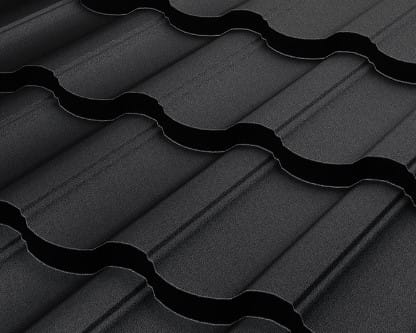
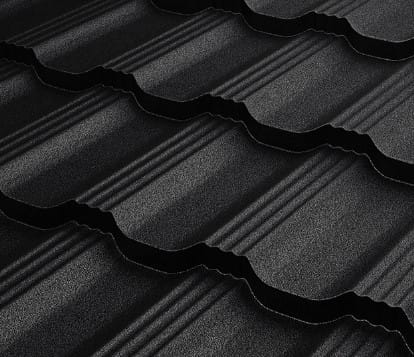
On a tiled metal roof, the eye follows the ribs and the steps between courses. A sheet that runs from eaves to ridge reduces the number of end laps on a simple slope. Smaller modules are easier to handle around dormers and changes of direction. Either can give an uninterrupted pattern when the edges fit and the courses line up. Compare the profiles at the same scale, then look at a finished roof of similar pitch from street level. Before choosing a finish, check how the roofer will lay out the sheets, form the junctions and lift the longest pieces into place.
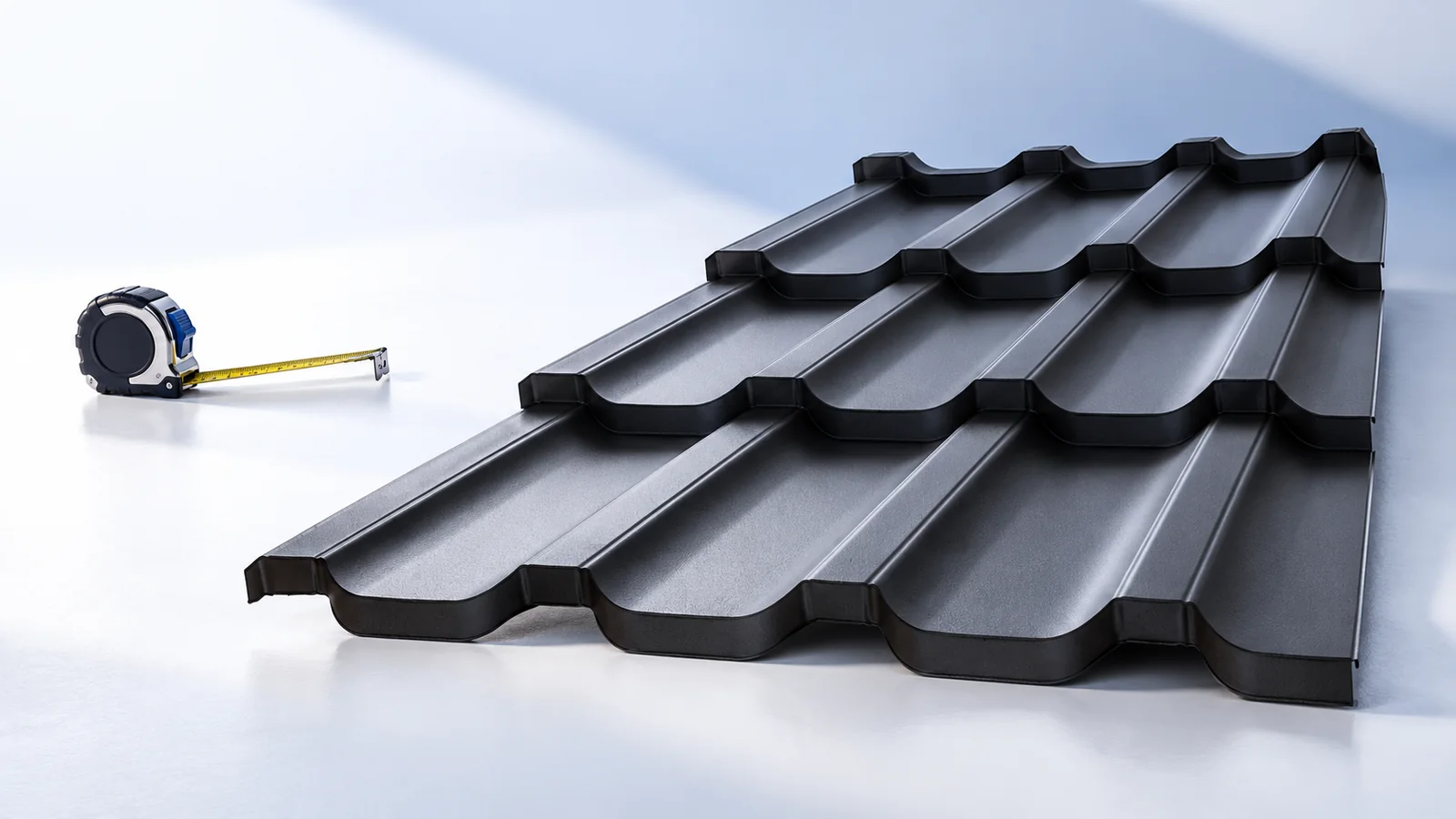
What stands out on a finished roof?
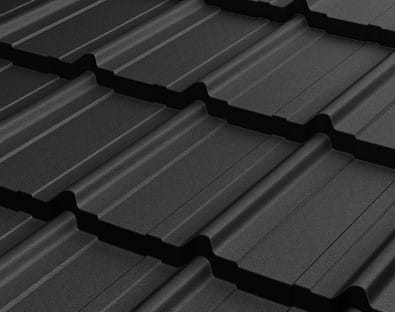
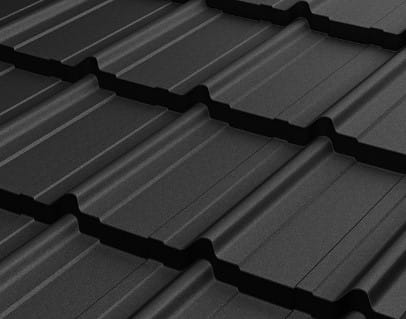
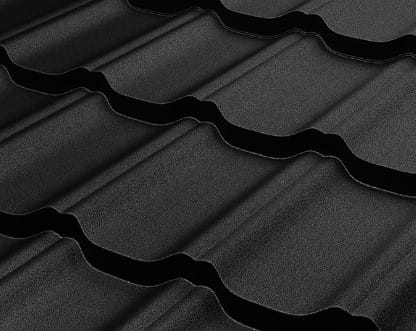
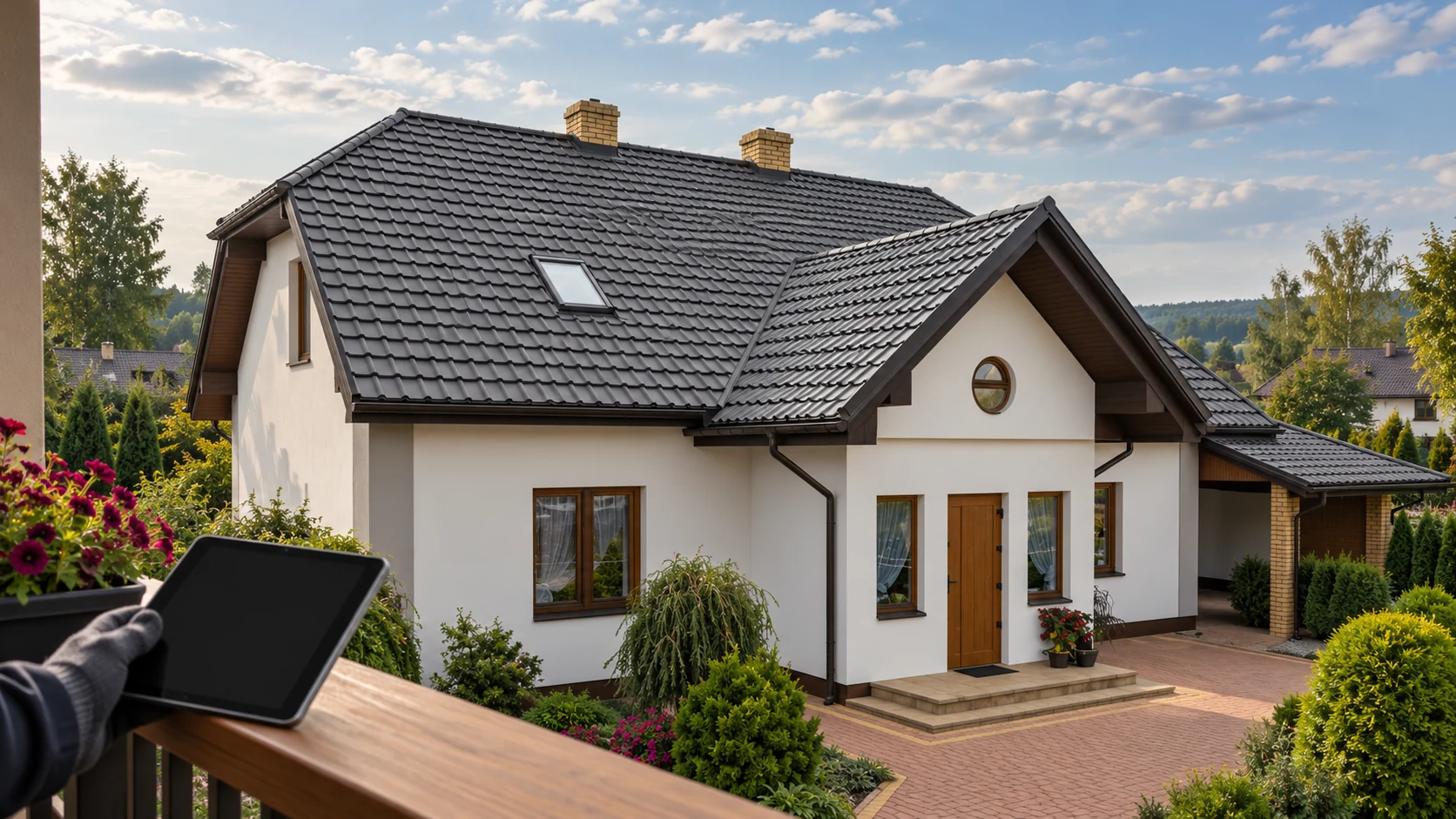
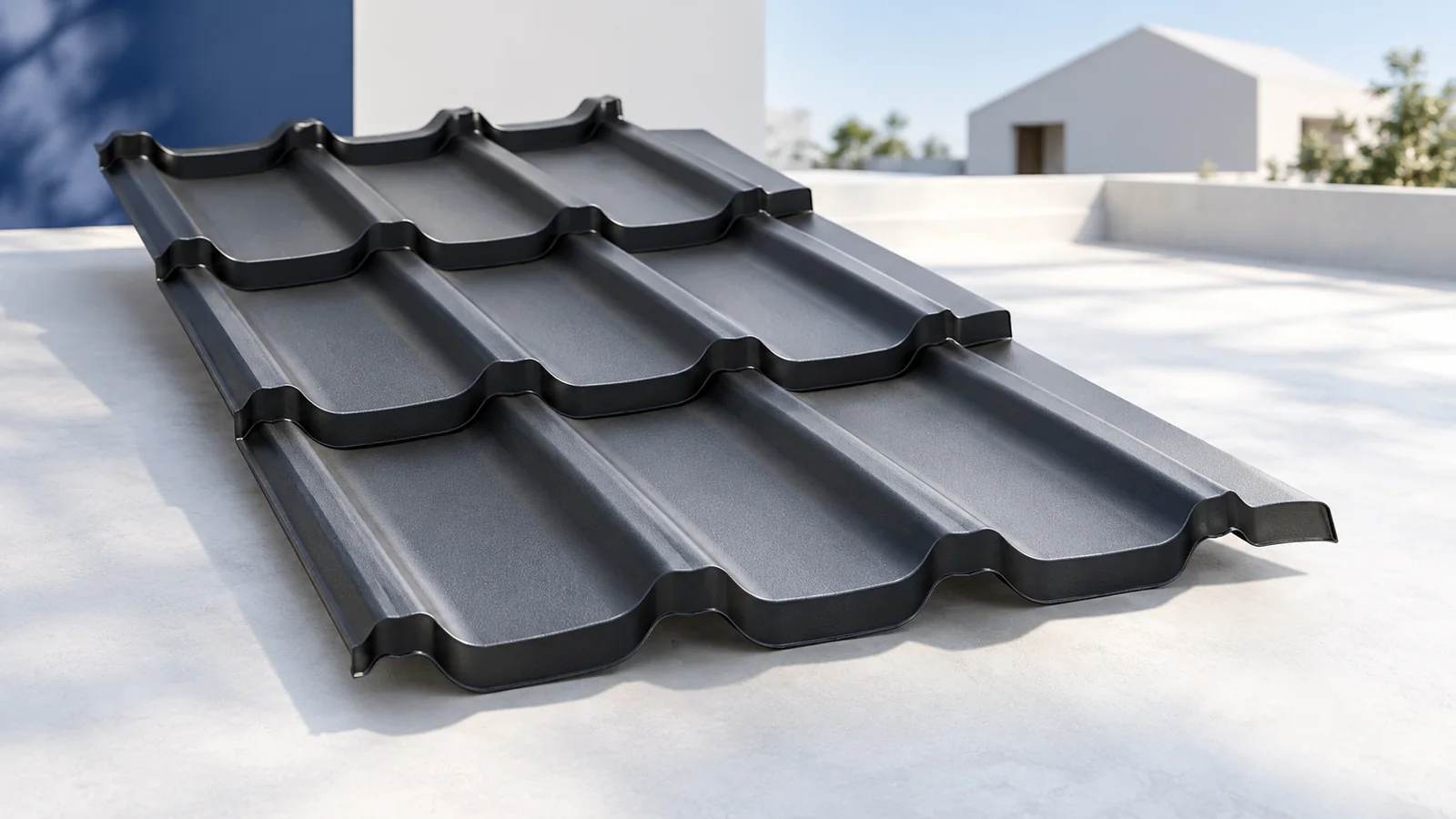
From a distance, the repeating shape of the profile dominates the roof. Deep waves cast stronger shadows, while shallower waves tend to look quieter. Pitch and viewing angle change the impression. A profile you like on a small sample may look quite different across an entire roof seen from the street.
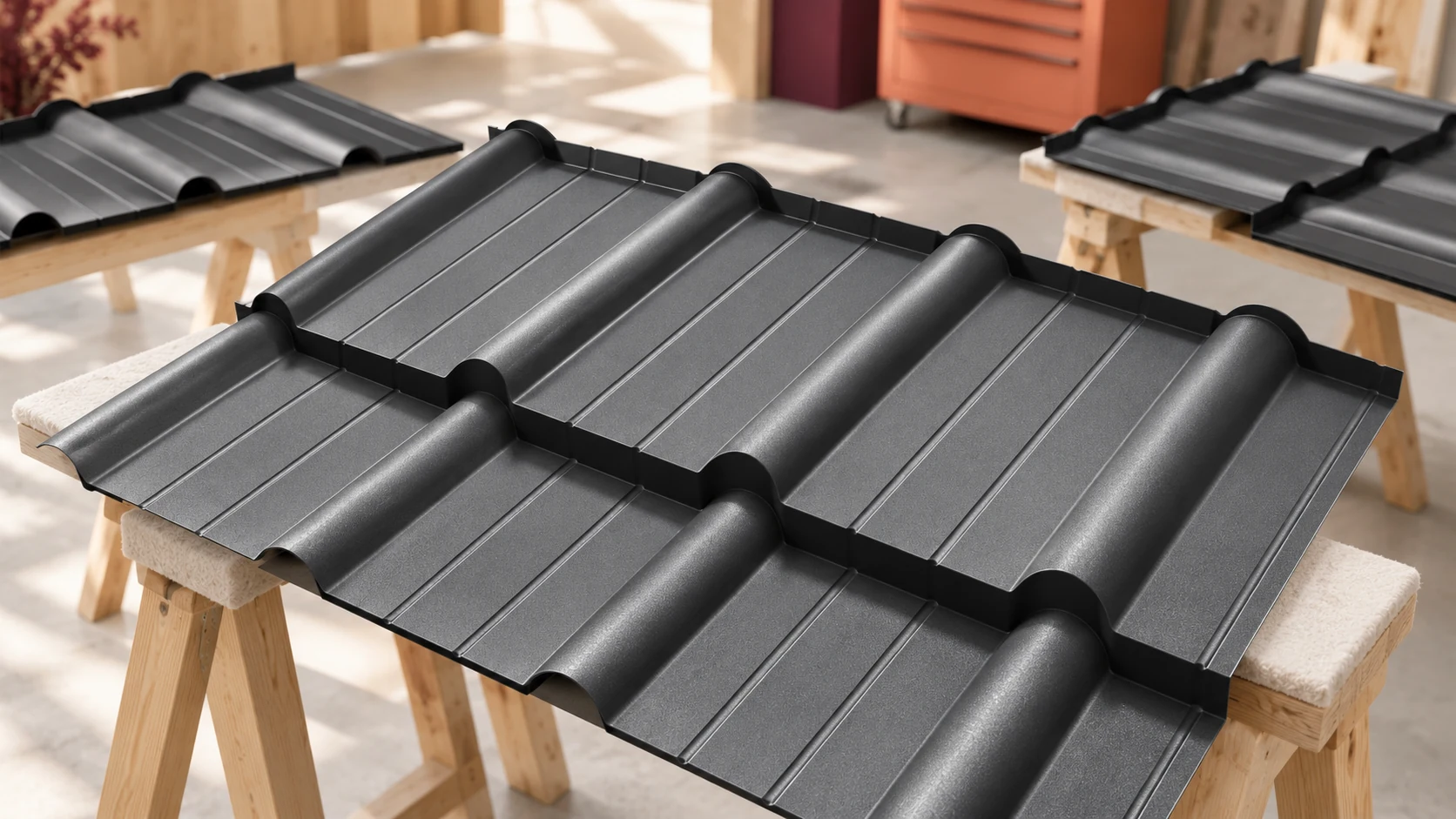
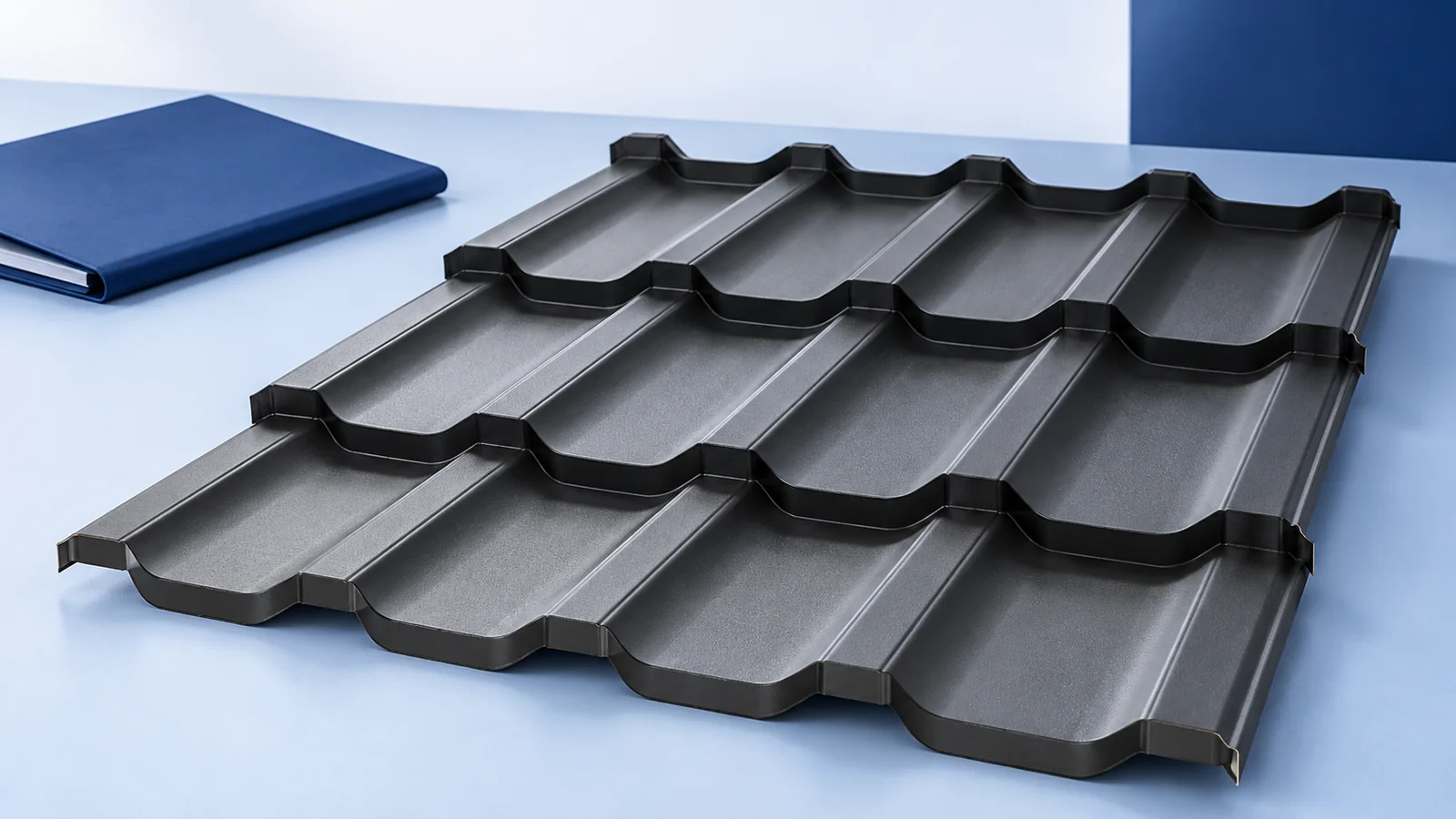
The sheet layout should follow the tile pattern. Well-fitted laps can make the courses look continuous. Even small modules need not form a visible grid. The shape of the edges and the accuracy of the installation determine how clearly you can see the joints.
How do you read a profile drawing?
Look for the course length, the distance between ribs and the height of each step. Each measures a different feature. The length of a course is measured up the slope, whereas sheet width is measured across it. The end view shows the waves and the side view shows the steps. Drawings give a better sense of proportion than an oblique photograph.
On one two-module product, each course is 350 mm long and the ribs are spaced 228 mm apart. Other profiles have different proportions. Ask for drawings to the same scale. A close-up photograph can make a shallow step look much deeper than its dimensions suggest.
What can cut-to-length sheets do?
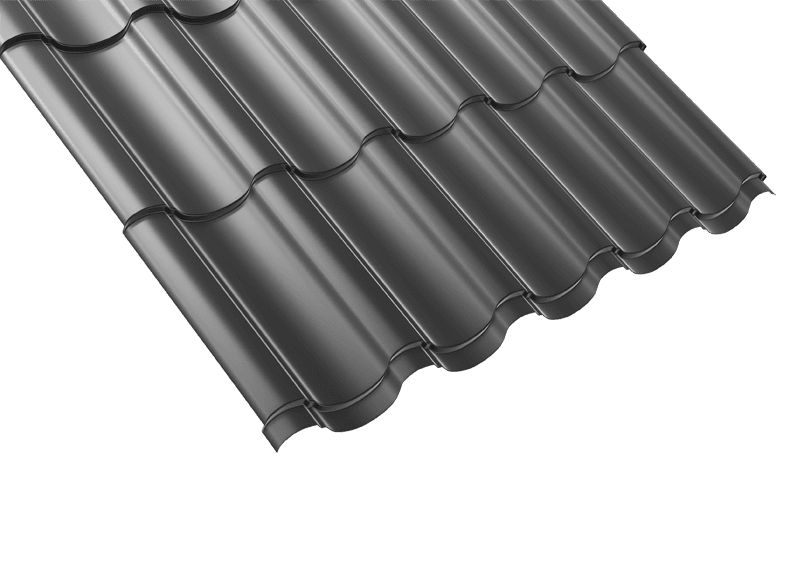
On a straight roof slope, sheets can be cut to suit its length within the product’s permitted limits. This reduces end laps. The format suits regular roof shapes that have been measured accurately. With an even supporting surface and careful laying, the pattern can run continuously from eaves to ridge.
Plan how to transport and lift long sheets. If they are poorly supported, the profile can deform. On a complex roof, cuts and offcuts also affect the order quantity. Long sheets therefore give neither an automatic saving nor a uniformly better appearance.
Where do modular sheets work well?
A repeatable, manageable module helps with laying out sheets around dormers and changes of slope. It can also simplify delivery to areas that are difficult to reach. Align each course carefully. A small error carried from row to row can gradually distort the pattern even when each sheet is true.
Check the lap detail and the availability of matching flashings. All components must fit together. A similar-looking module from another supplier may have a different joint. Keep the full profile designation on the order so that replacement sheets and accessories can be identified later.
How should you compare colour and texture?
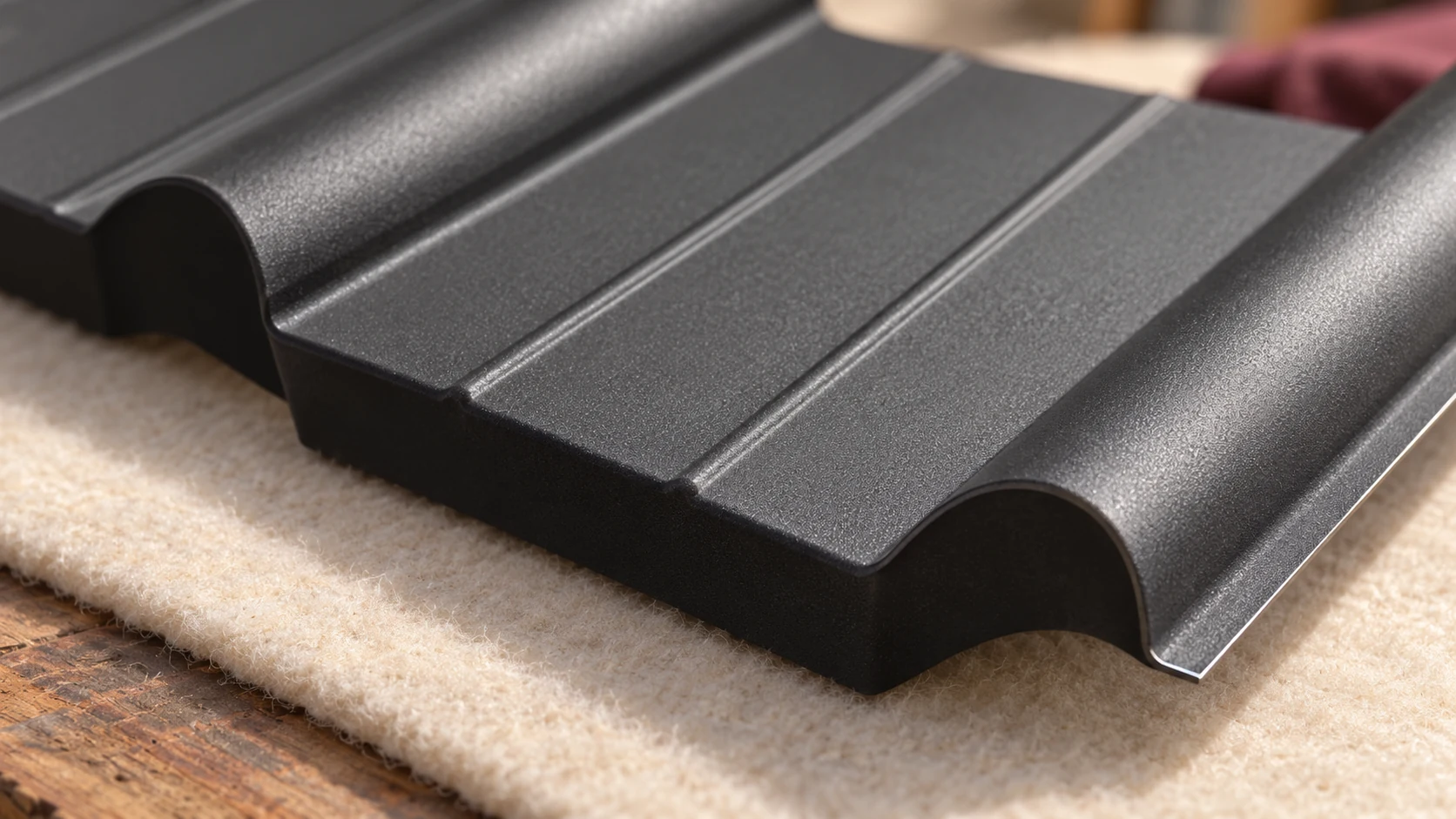
View a sample in daylight next to the façade material. A matt surface scatters light differently from a gloss finish. The same colour code can look different on each. Include the flashings, gutters and window frames in the comparison. Their colours can complement one another without being identical.
Screen settings and lighting influence every photograph. A small shade difference may be much more noticeable across a large roof. Agree on one production batch for the order, particularly for pieces that will lie directly alongside one another.
Which technical details affect the choice?
The profile must suit the roof pitch and structure. Respect the minimum pitch even if the design drawing suggests a flatter roof. Compare steel thickness, coating and warranty conditions. The structure still needs adequate load-bearing capacity and a correctly designed build-up beneath the decorative finish.
Price materials and installation separately. Profiles may require different batten spacing or flashings. Ask the roofer how the awkward junctions on your slope will be formed. A suitable tile profile can be laid to its intended geometry without forcing the sheets or improvising alterations on site.
How do you make the final choice?
Compare the two options on a drawing of the whole house. Set the technical data and complete quotations side by side. Visit completed roofs with a similar pitch to judge the size of the waves, the shadows and the effect of the colour. A detail photograph in a catalogue omits the proportions of the building.
Choose a pattern that still reads well at a distance. Carefully detailed flashings and gutters complete the roofline. Both cut-to-length and modular sheets can produce an even surface. Base the choice on proportions, roof geometry and the roofer’s ability to fit the sheets accurately.

Free quote
What to include in your enquiry
Tell us how you plan to use the material, the dimensions and the quantity you need. Include the thickness, grade or variant name, along with the delivery town or your preferred collection branch. For a specific product, add its name or a link to the product page. We will reply to the email address you provide to discuss availability and the terms of your order.
Read next
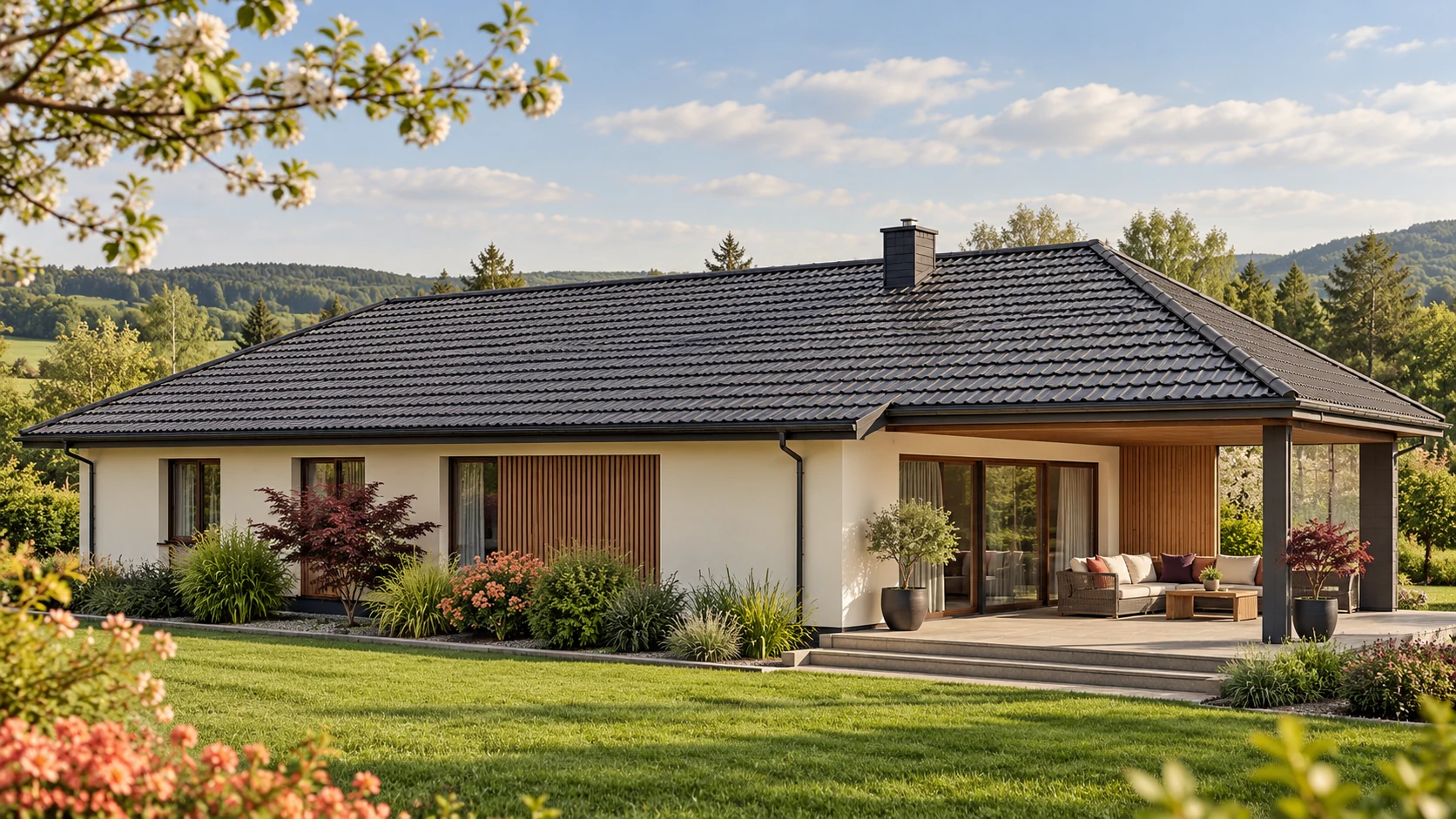
Both profiles can work on a house. Start with the roof section, slope layout, pitch and supporting structure before choosing the appearance.…
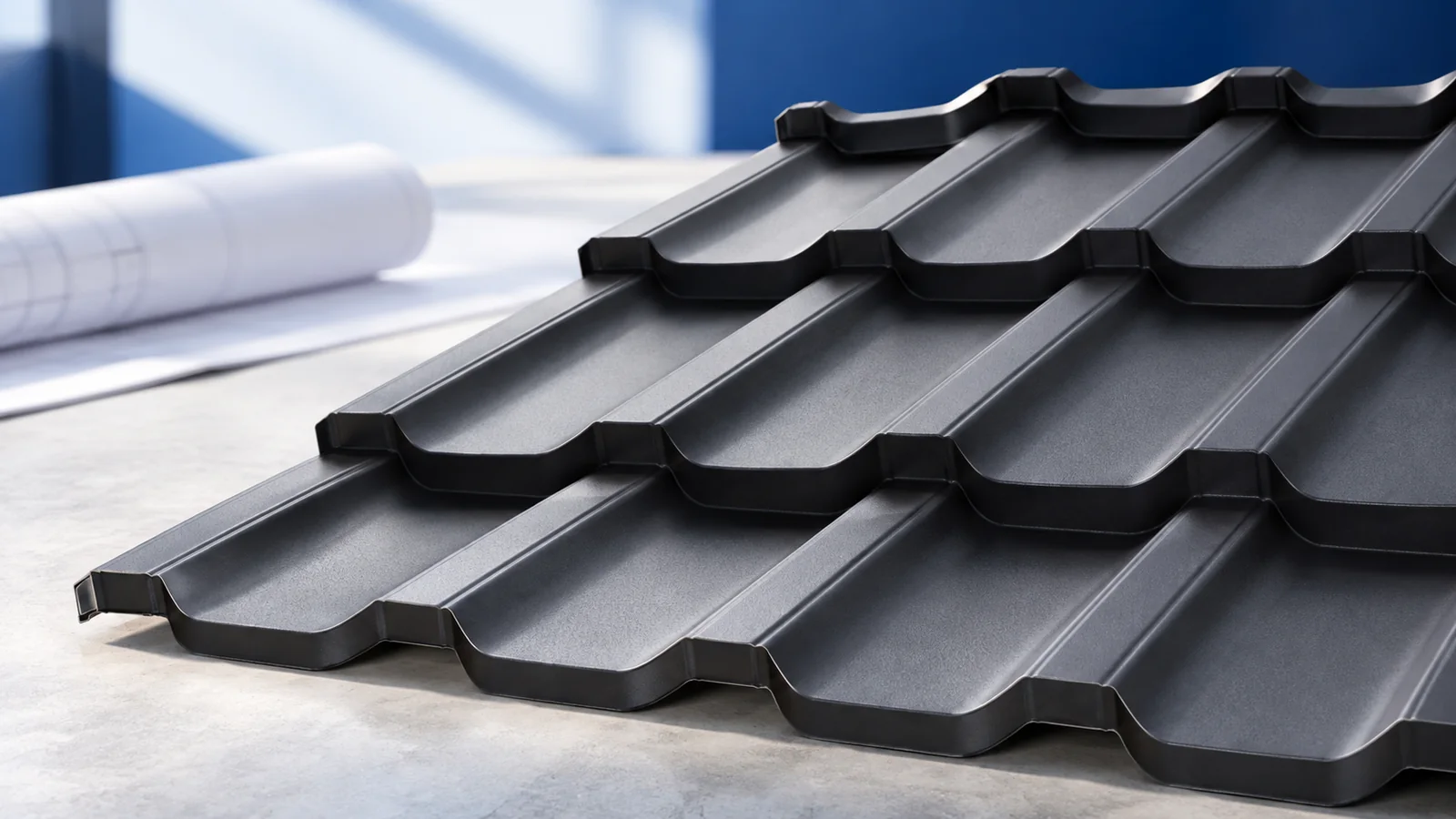
The frame, pitch and shape of a house roof determine which coverings you can consider. Cut-to-length metal tile sheets suit straightforward runs.…
Order cut-to-length tile-profile sheets from a schedule of roof slopes, not a single area quoted over the phone. You need strip lengths,…
Colour is only one feature of a tile-profile roofing sheet. Under the finish is a steel core with protective layers, each serving…
To select gutters for a metal roof, mark the area draining to each outlet on a roof plan. A valley may concentrate…
Sheet format affects how a roof is delivered and installed. A long sheet can cover an uninterrupted strip of slope, whereas small…
To compare tile-effect roofing sheets, start with the steel thickness, the metallic protection beneath the paint and the finish on the exposed…
Choose between matt and gloss by comparing two named coating systems on the same roof profile. The surface finish affects reflections, while…
