






Why consider profiled steel sheet for wall cladding?
Façades and fencing
Profiled steel can finish an entire wall or pick out a smaller area such as a gable or garage. Its light weight makes it worth considering for refurbishment, provided the existing wall is sound and the fixings can carry the loads. Large sheets give a regular pattern with relatively few joints. To decide whether that works on your building, draw the sheet divisions around the windows, plinth and roof edge. Compare the installed wall, including rails, insulation and flashings, and check how it will drain, dry and be maintained before choosing the colour.
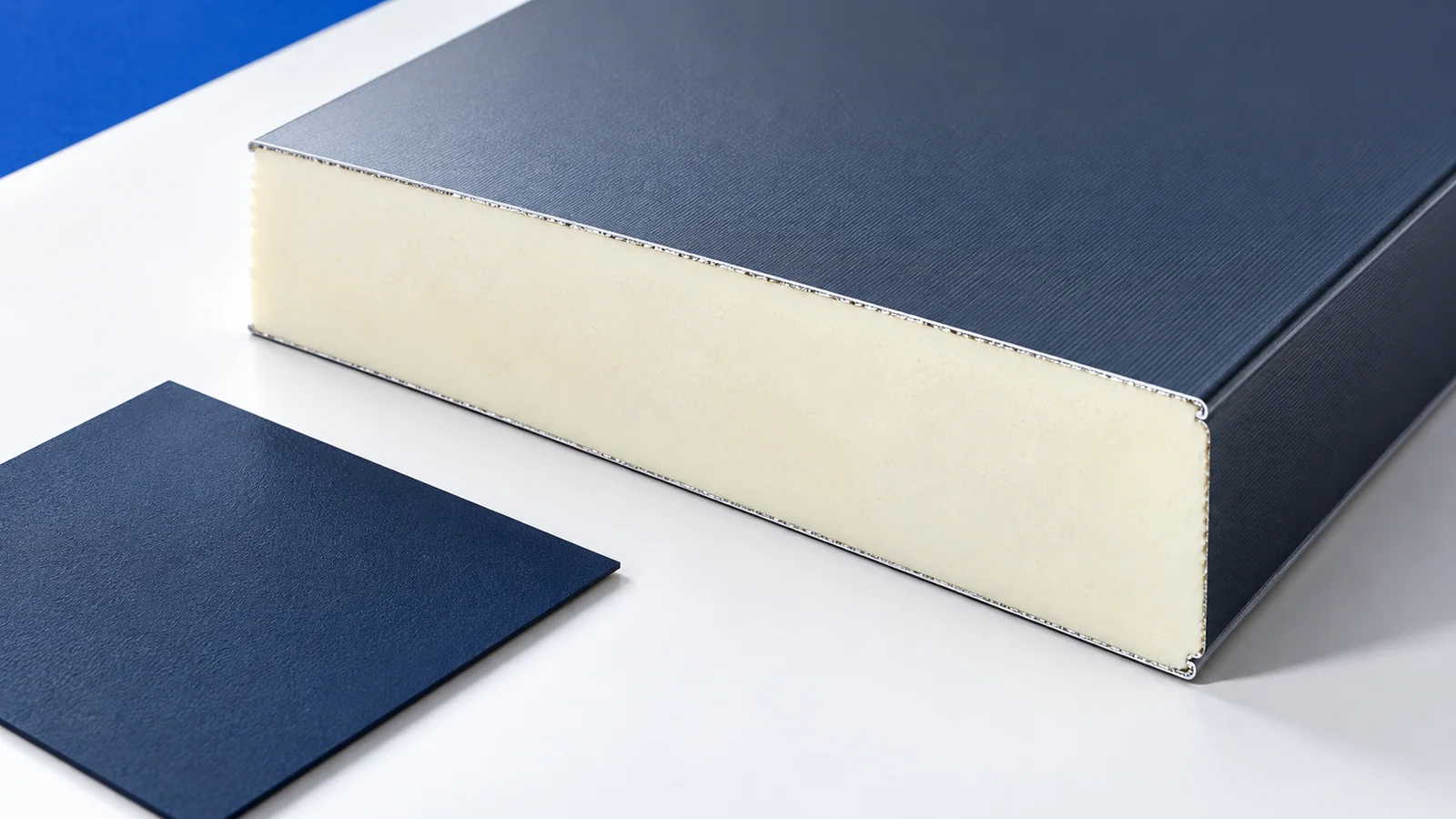
What does metal cladding do?
The outer sheet protects the wall layers behind it and defines the visible surface. It can cover the whole elevation or just a gable or garage. It is one component of the wall: a thin metal skin does not supply the required thermal insulation or take the place of the building’s loadbearing structure.
In a ventilated façade, the cavity behind the sheet and its air inlets and outlets must work together. Other wall systems have their own details. Do not simply screw sheets to whatever battens are available. The drawings should show how rain drains, how moisture escapes and how the cladding meets adjacent materials.
Does low weight help when refurbishing a wall?
Profiled steel is relatively light compared with many thick cladding materials, which can be useful on an existing building. Include the weight of the support system and other new layers in the assessment. Select anchors for the actual substrate; an older wall may need investigation before they can be specified.
Inspect the old render and masonry before covering them. Trace and remedy active damp instead of concealing it behind the new façade. Lightweight cladding can transform the appearance but will not restore the strength of damaged masonry or failing connections.
How does the profile shape the appearance of a building?
Repeating ribs establish a rhythm across the wall. Vertical ribs emphasise height, while horizontal ones draw the eye along its length. T18 gives a finer pattern; T35 casts deeper shadows and makes the divisions more prominent. Judge samples against the windows and wall width, rather than from a product photograph alone.
Sheet metal can complement render and simply divided window frames. A small clad area may be enough to link the appearance of house, garage and fence. Across a large elevation, the joints and rows of fixings become much more conspicuous. Plan their lines before choosing where each sheet starts.
Can sheet cladding speed up installation?
Large sheets cover a substantial area with comparatively few pieces once the supporting rails are ready. There will still be cutting and detail work: window surrounds, corners, the plinth and the top of the wall each need a planned detail and the correct installation sequence.
Accurate measurements and delivery planning set the pace. Long sheets must be moved without bending or damaging their finish; smaller formats may be easier on a site with limited access. Allow time for rails, insulation and inspection of concealed junctions before cladding closes them off.
How do you select a material for the site conditions?
Check steel core thickness, metallic coating and outer finish. A quiet residential street, an industrial site and a salt-exposed location present different conditions. Read the intended use and the warranty terms for the actual product. Two finishes of the same colour need not give the same protection.
Confirm which face of the profile will be visible and which surfaces are coated. A roof version may differ in edge detail or in the side intended to face out. Consider impact exposure near ground level too: weather resistance does not make thin steel immune to dents.
What makes the finished façade easier to maintain?
A regular surface is easy to inspect for streaks, scratches and damage around the fasteners. Use a cleaning method compatible with the coating. Avoid abrasive tools and do not direct a strong jet of water underneath the laps. Pay particular attention to areas where dirt remains for long periods.
Depending on the overlap sequence, it may be possible to change one damaged sheet instead of recladding the whole wall. Allow access to fixings at the design stage. A new sheet may not match the weathered colour exactly, so retain the full product designation and elevation layout for future repairs.
When is sheet metal a good choice?
Metal cladding makes sense where its pattern suits the architecture and the wall provides a suitable fixing substrate. Compare quotations for the complete façade, including supports, insulation and flashings. A low sheet price says little about the final cost, particularly on a wall with many openings.
Before deciding, obtain a sample and an elevation showing the sheet layout. Check the drip detail above windows, the plinth termination and the roof junction. Those details determine how water leaves the wall and how cleanly the edges line up. A straightforward trapezoidal profile can give a durable, coherent result without elaborate shapes.

Free quote
What to include in your enquiry
Tell us how you plan to use the material, the dimensions and the quantity you need. Include the thickness, grade or variant name, along with the delivery town or your preferred collection branch. For a specific product, add its name or a link to the product page. We will reply to the email address you provide to discuss availability and the terms of your order.
Read next
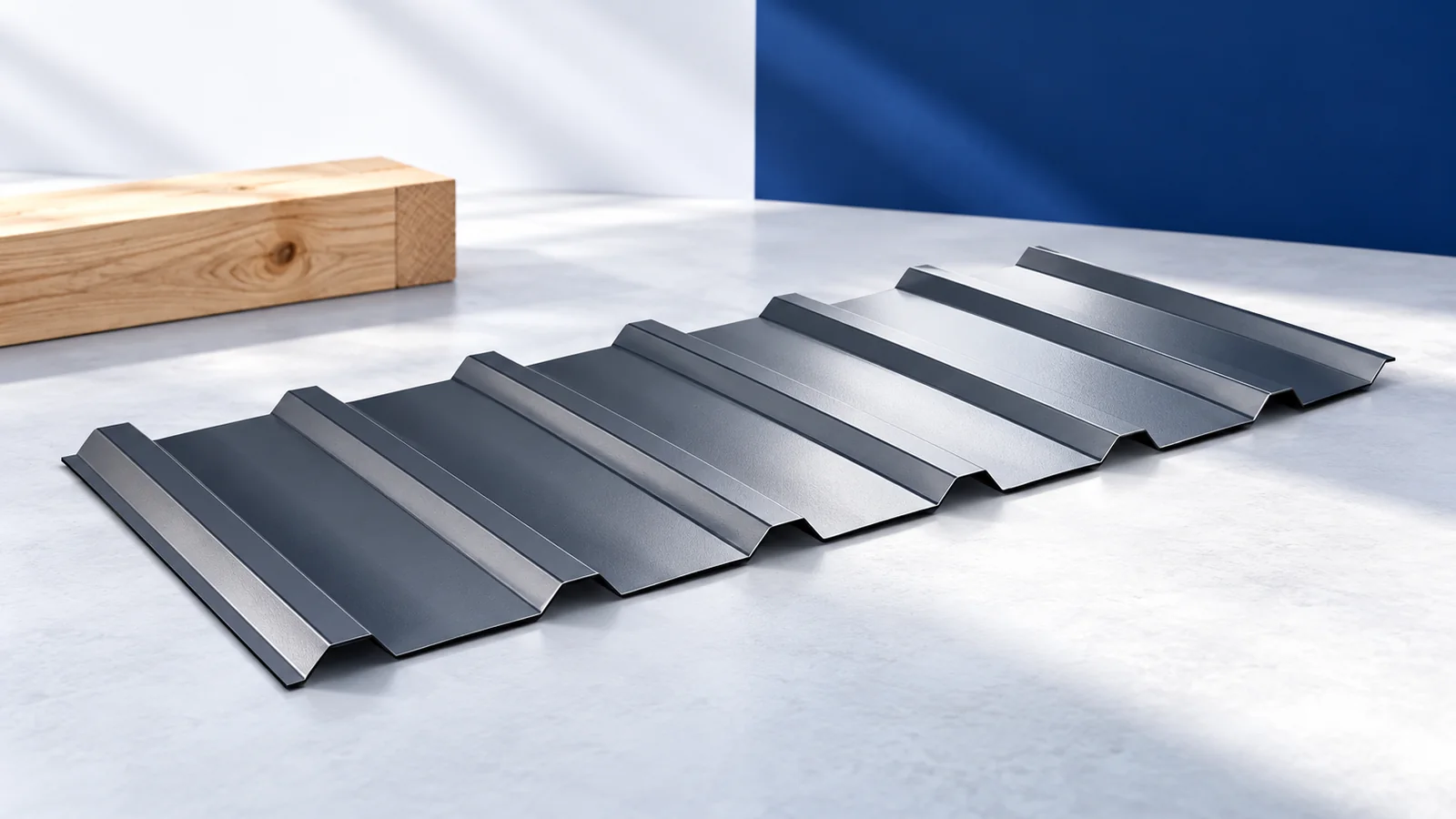
A T18 profile gives a wall a finer pattern; the deeper ribs of T35 cast stronger shadows. View a sample outdoors beside…
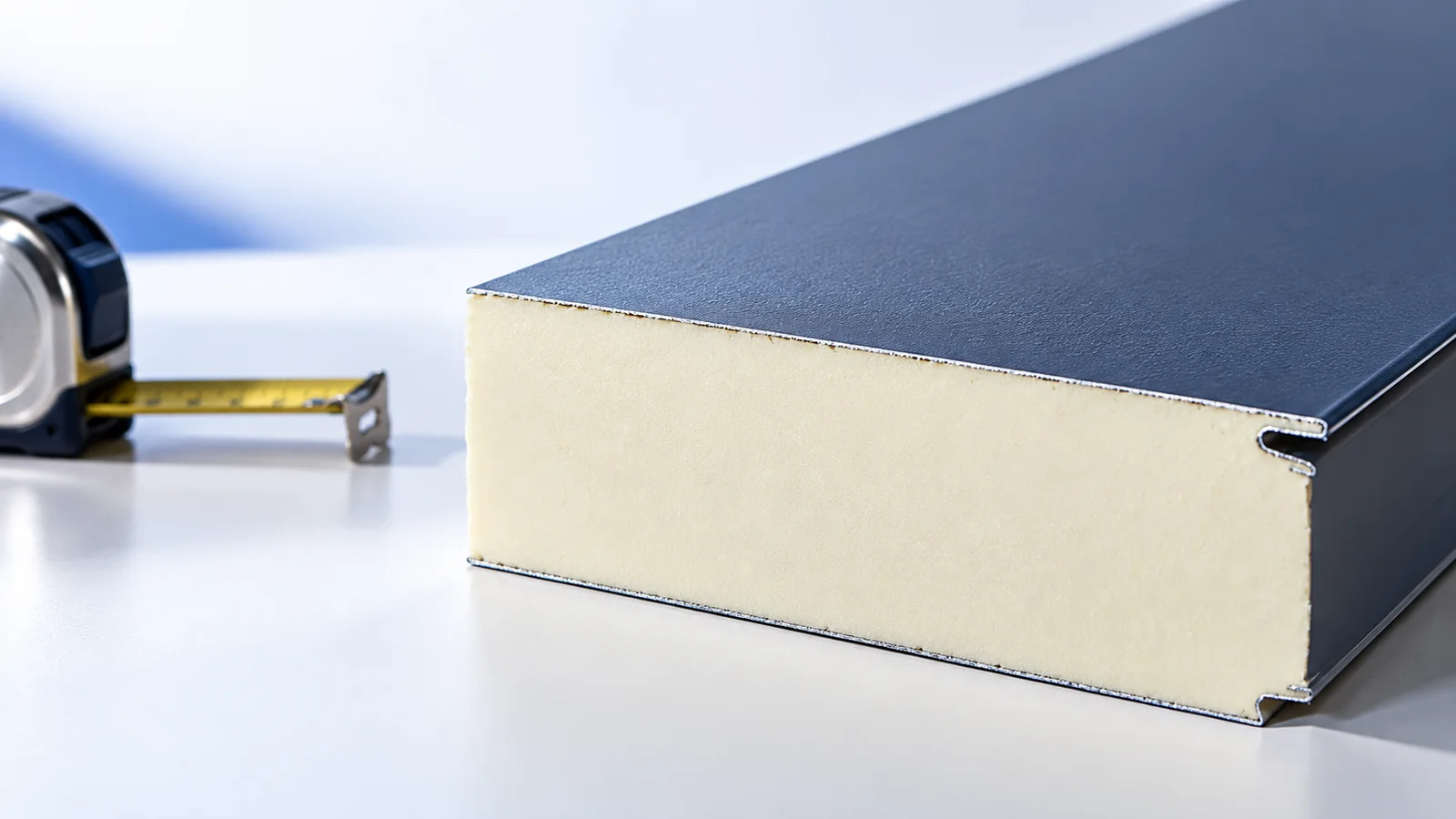
Steel cladding offers a light covering for a wall, dry installation, a choice of rib patterns, a factory finish and the option…

There is no single service life in years for a mineral wool panel wall. A sheltered warehouse, a vehicle wash and a…
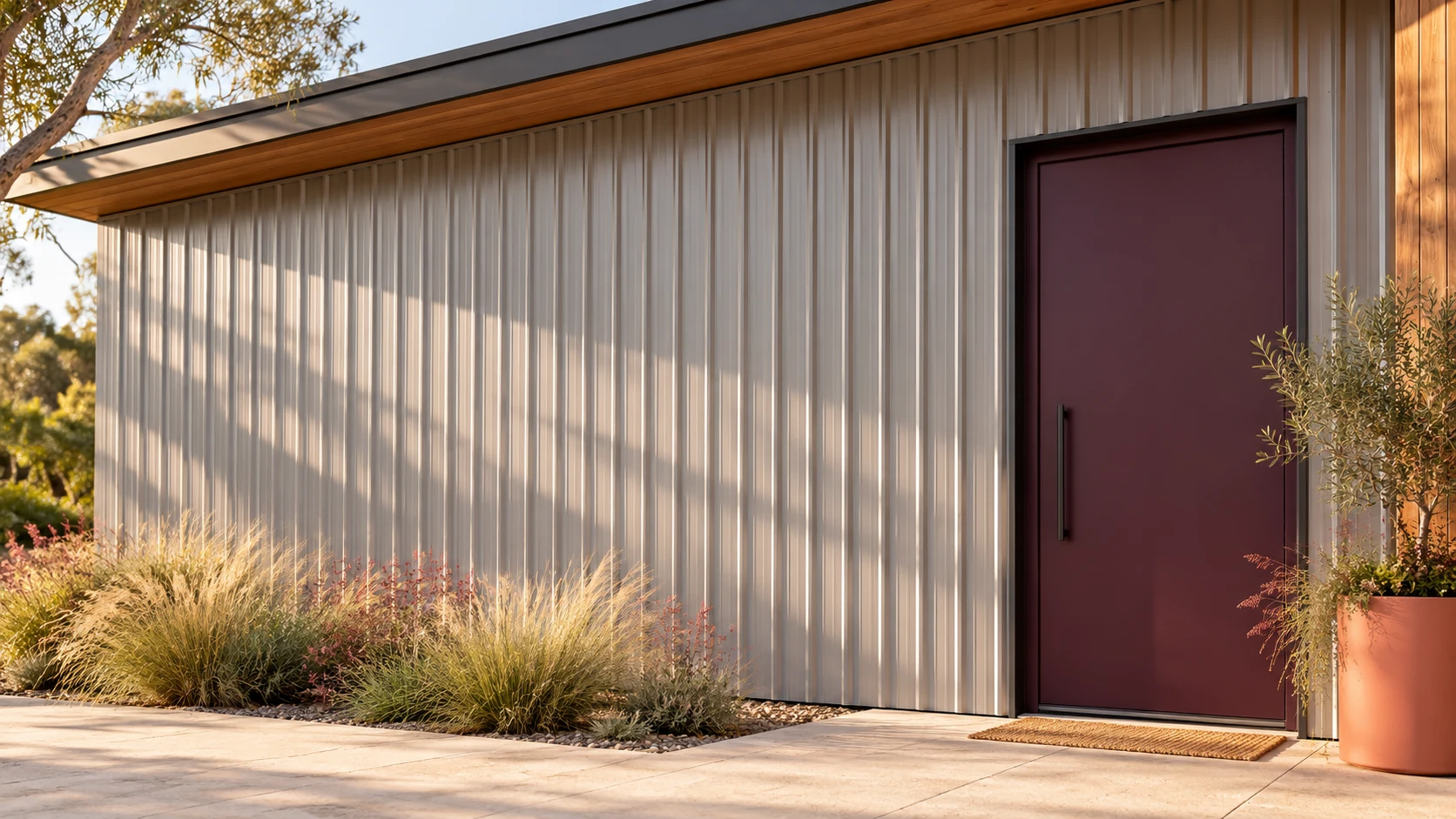
The shallow ribs of T8 sheet give façades, gates and fences a fine, understated pattern. Their function differs from that of a…
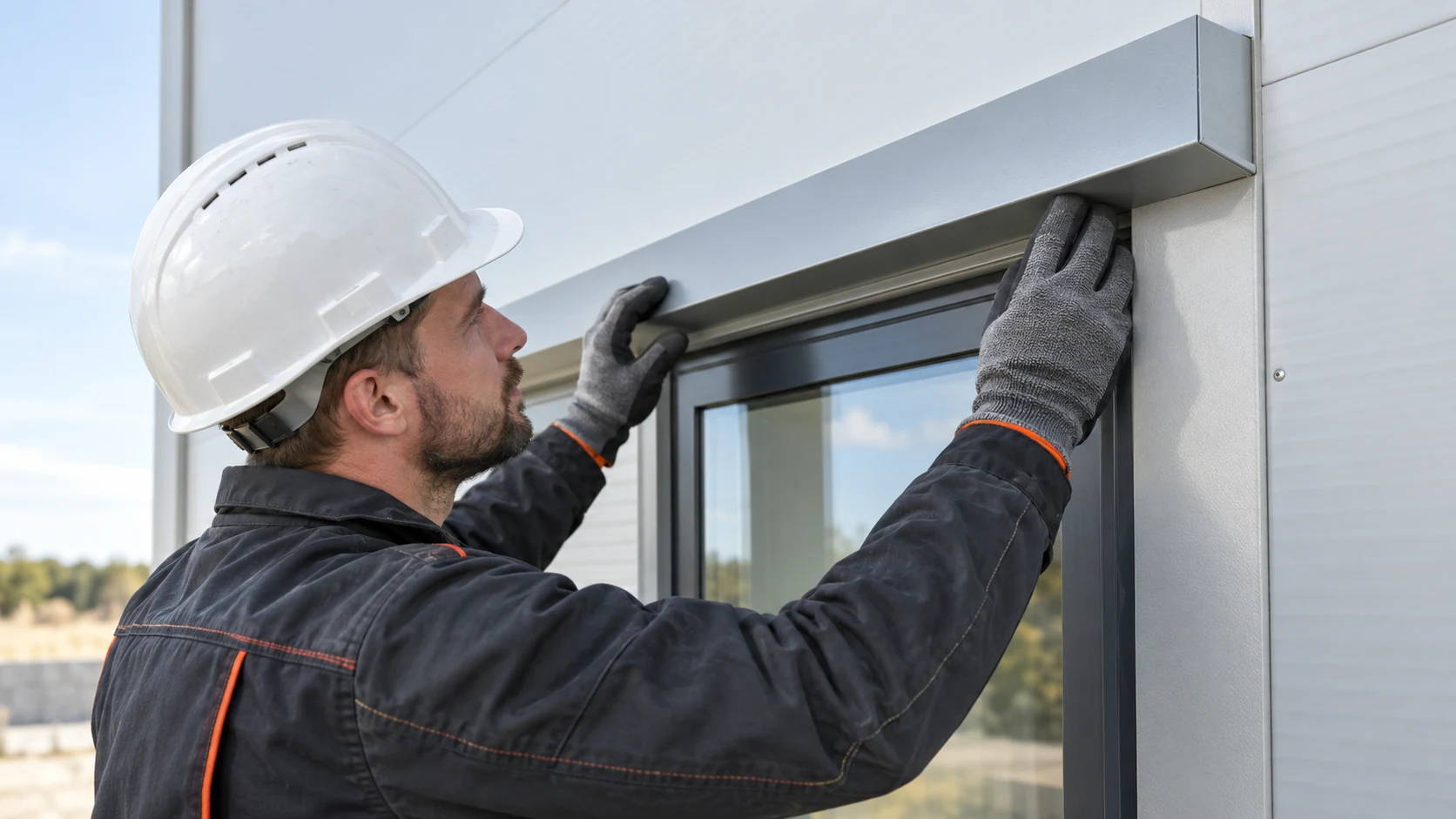
Inspect sandwich panel work in stages while each junction is still accessible. Start with the frame, then inspect the first panel and…
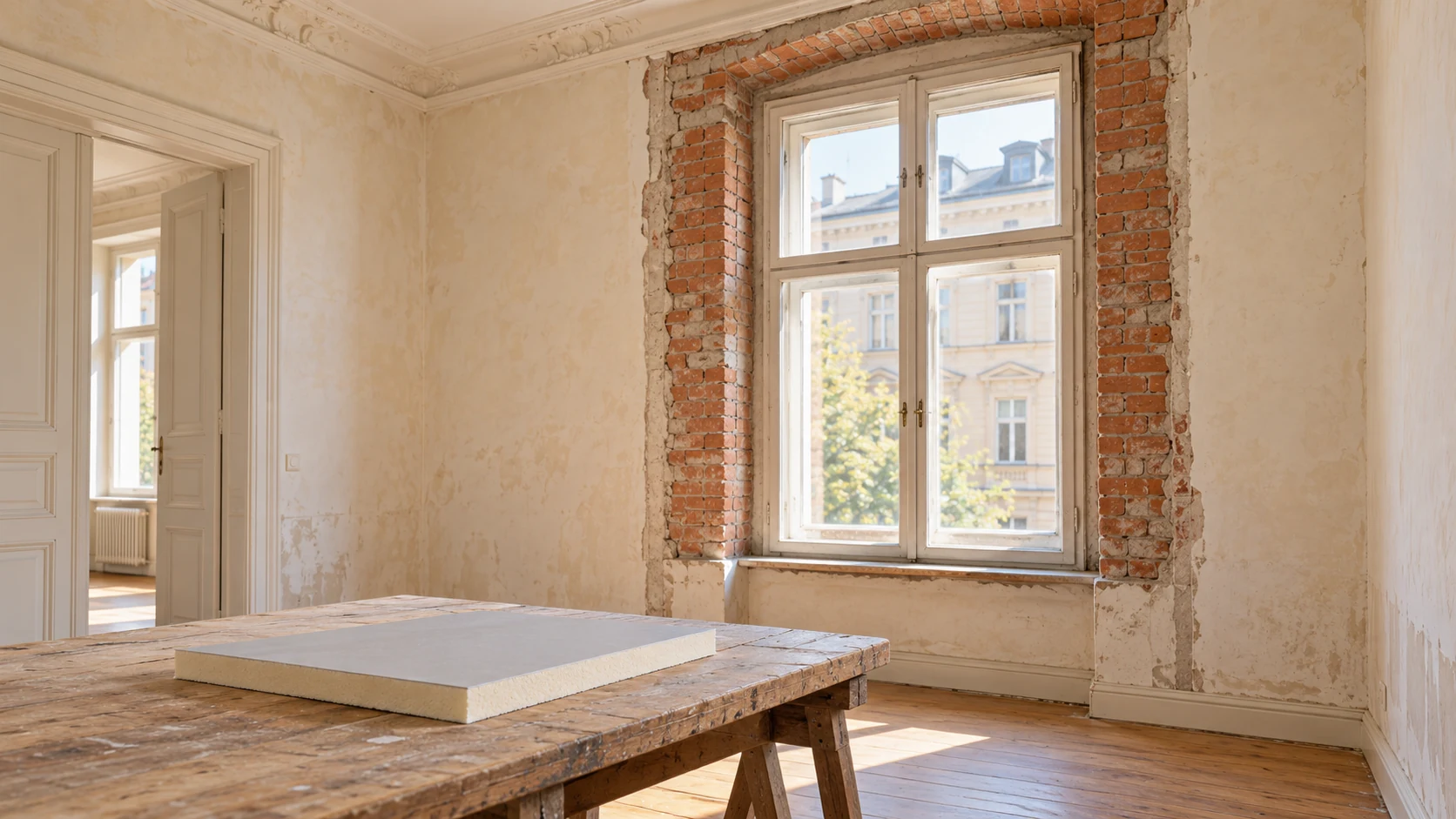
When a historic façade must be preserved, internal insulation may be an option. First establish how the walls and floors are built.…
