






What to check on your roof before the first frost
Repair and maintenance
Start the autumn roof inspection from the ground and the loft. Look for overflow marks beneath gutters, displaced flashings and damp patches near chimneys or service openings. Compare photographs from the same position and record when each change appeared. A stain visible after driving rain calls for different checks from droplets found on cold, dry mornings. Arrange safe access for a roofing contractor wherever a closer inspection is necessary. Record the location, likely cause and follow-up date for each defect while it is still visible before snow.
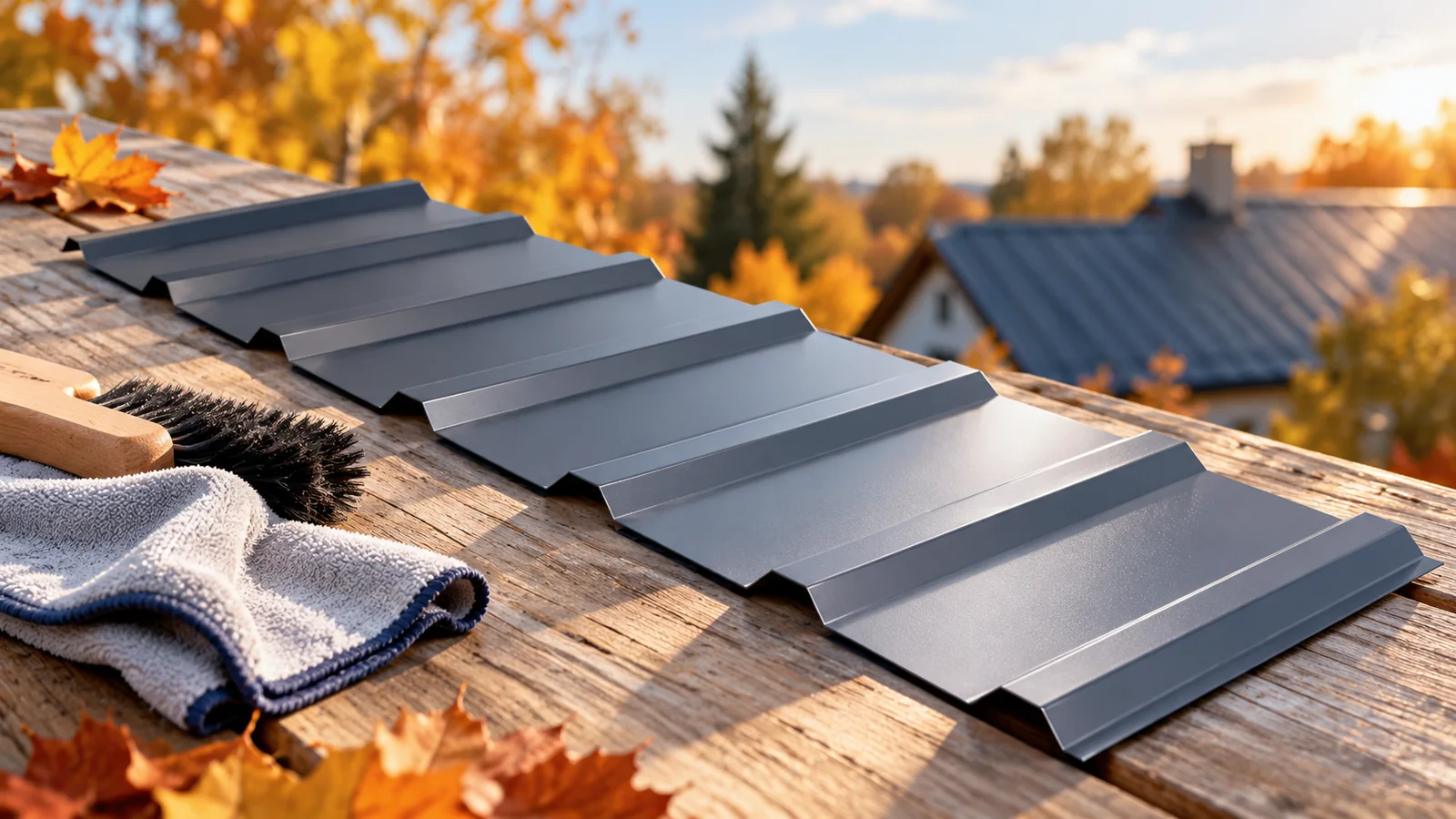
What has changed since the last inspection?
Photograph marks and distorted flashings from the same position as last year, where this can be done safely. Note storms, hail and recent roof work. A new installation may have introduced a penetration or damaged a surface hidden from the ground.
A brown mark may come from a loose steel shaving or dirt. Identify the source before selecting a repair. Schedule work on confirmed defects while the weather still meets the repair product’s application requirements.
Does water drain beyond the downpipe?
Trace drainage from the gutter outlet through bends and debris traps to the discharge point. Have leaves and sediment removed where they obstruct this path. Water marks on the wall can pinpoint an overflow that is difficult to see when everything is dry.
Check brackets and joints for looseness or cracking. When repairing a gutter joint, preserve the movement allowance built into the system. For a concealed gutter, use the inspection access and check behind the fascia for signs of persistent leakage.
Which roofing details need a closer look?
Inspect the flashings at chimneys, walls and windows, and the water path through each valley. Look for lifted edges, open joints, corrosion and deformation. At details designed to use seals, check their condition together with the shape and fall of the flashing.
Inspect areas where antennas, flues or solar panels were serviced. Tools and footwear can mark coated steel. On tile-effect or trapezoidal sheets, have suspect screws and sealing washers examined individually. Excessive tightening can deform a washer that was still sealing correctly.
What can you learn from the loft?
Look for damp insulation, marks on timber and stains beside chimneys or services. Record whether they follow rain or also appear in cold, dry conditions. This timing can help a roofer distinguish water entry through the covering from condensation inside the build-up.
Check that added insulation or stored items at the eaves have left the ventilation paths clear. Examine accessible parts of the internal airtight layer. Trace the moisture source and allow wet materials to dry before closing them behind new lining.
How should maintenance access and snow guards be checked?
Have roof walkways, steps, snow guards and their fixings checked for looseness and corrosion. A roof step can only serve as a personal fall protection anchor if it is designed and approved for that purpose. Identify a safe maintenance route before winter service is needed.
On sandwich panel roofs, mark rooflights and openings on an up-to-date plan. Snow can conceal fragile sections. Check that the snow retention system and its connections can transmit the design loads into the supports before adding or replacing any components.
How should findings and repairs be recorded?
For each finding, enter the location, a photograph, the required action and a date. Distinguish routine maintenance from repairs and unresolved defects. Ask the contractor to identify the materials used so the next inspection can establish whether a problem has returned.
After repairs, check that swarf and offcuts have been cleared. From a safe position, observe the drainage after rain. Update the inspection record with completed work and the issues that still need attention before frost or snow makes access more difficult.

Free quote
What to include in your enquiry
Tell us how you plan to use the material, the dimensions and the quantity you need. Include the thickness, grade or variant name, along with the delivery town or your preferred collection branch. For a specific product, add its name or a link to the product page. We will reply to the email address you provide to discuss availability and the terms of your order.



Read next

Mark the area draining to each outlet on the roof plan before choosing the gutter shape. Use the supplier’s sizing tables to…
Before the first prolonged frost, have known leaks and loose flashings repaired and trace the drainage route from gutter to discharge point.…
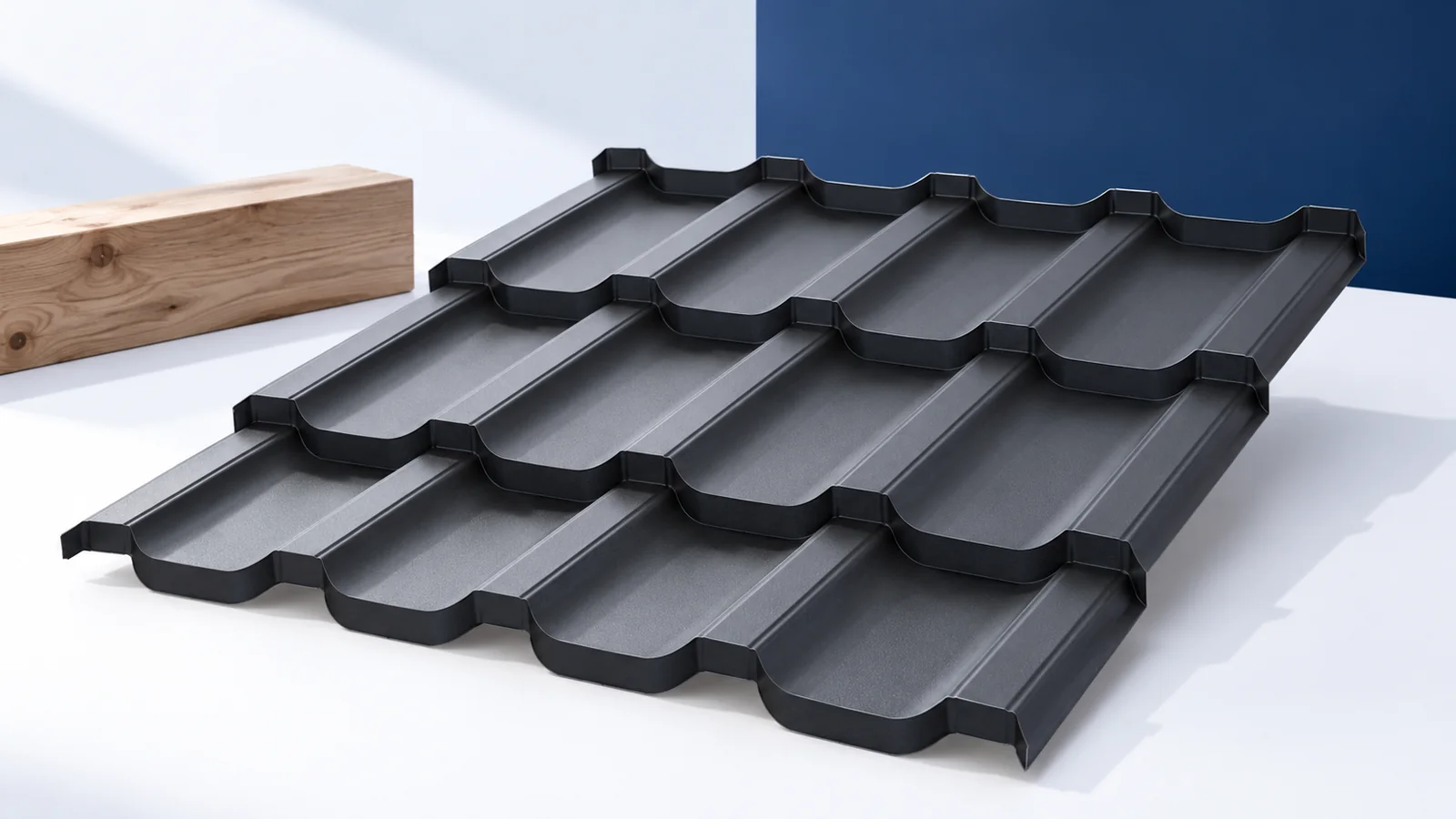
Take a sample of the profiled roof sheet outside and view it at the planned pitch beside the façade finish, window frame…
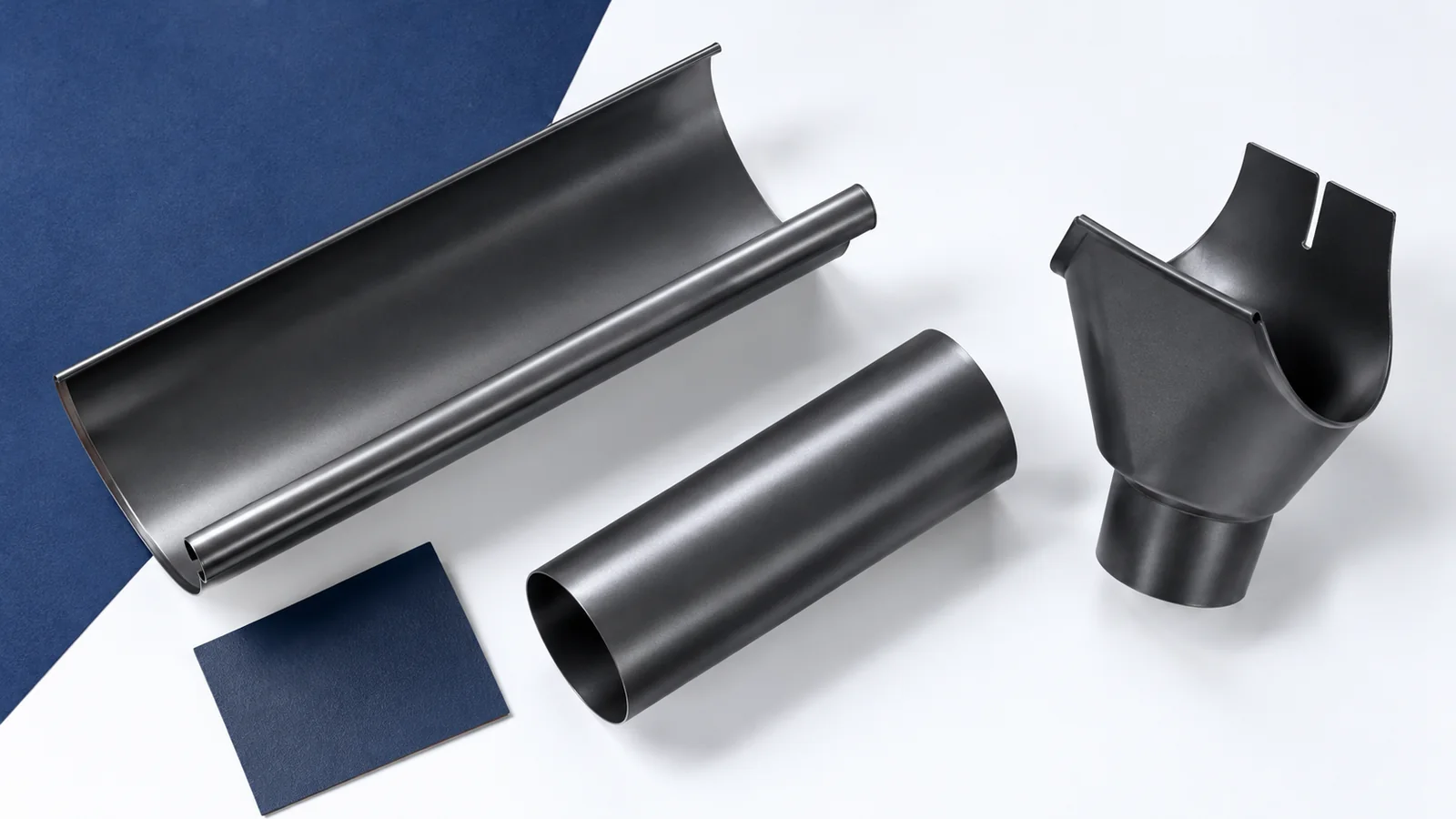
Place the downpipe gully where the downpipe meets the drainage line, and set its cover to the finished ground level. Check more…

Square gutters emphasise the straight edge of a metal roof. Their outline tells you little about how much rainwater they can carry.…
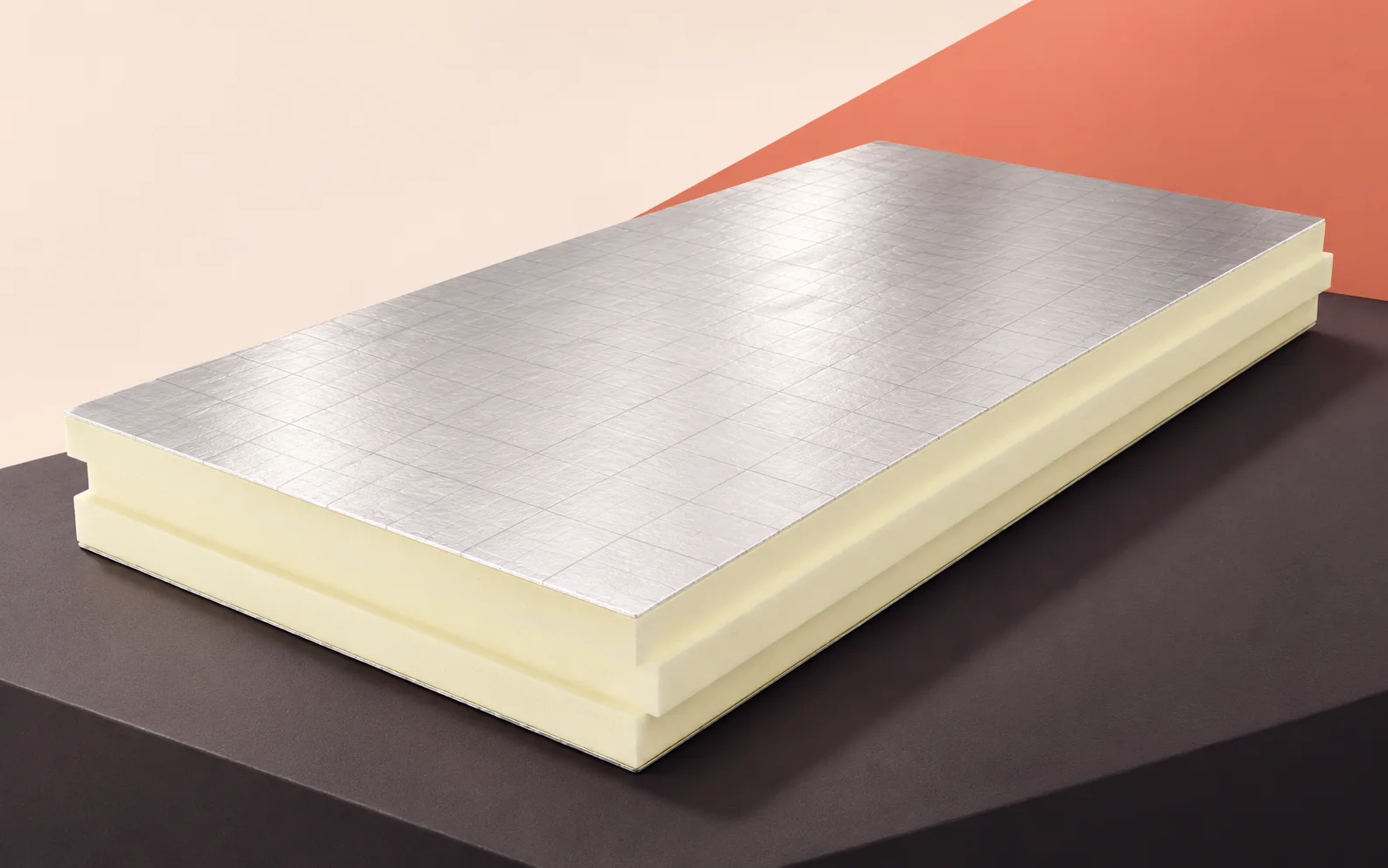
On a flat industrial roof, design the insulation, waterproofing, outlets and rooftop plant together. PIR boards can reduce the thickness and weight…

To select gutters for a metal roof, mark the area draining to each outlet on a roof plan. A valley may concentrate…
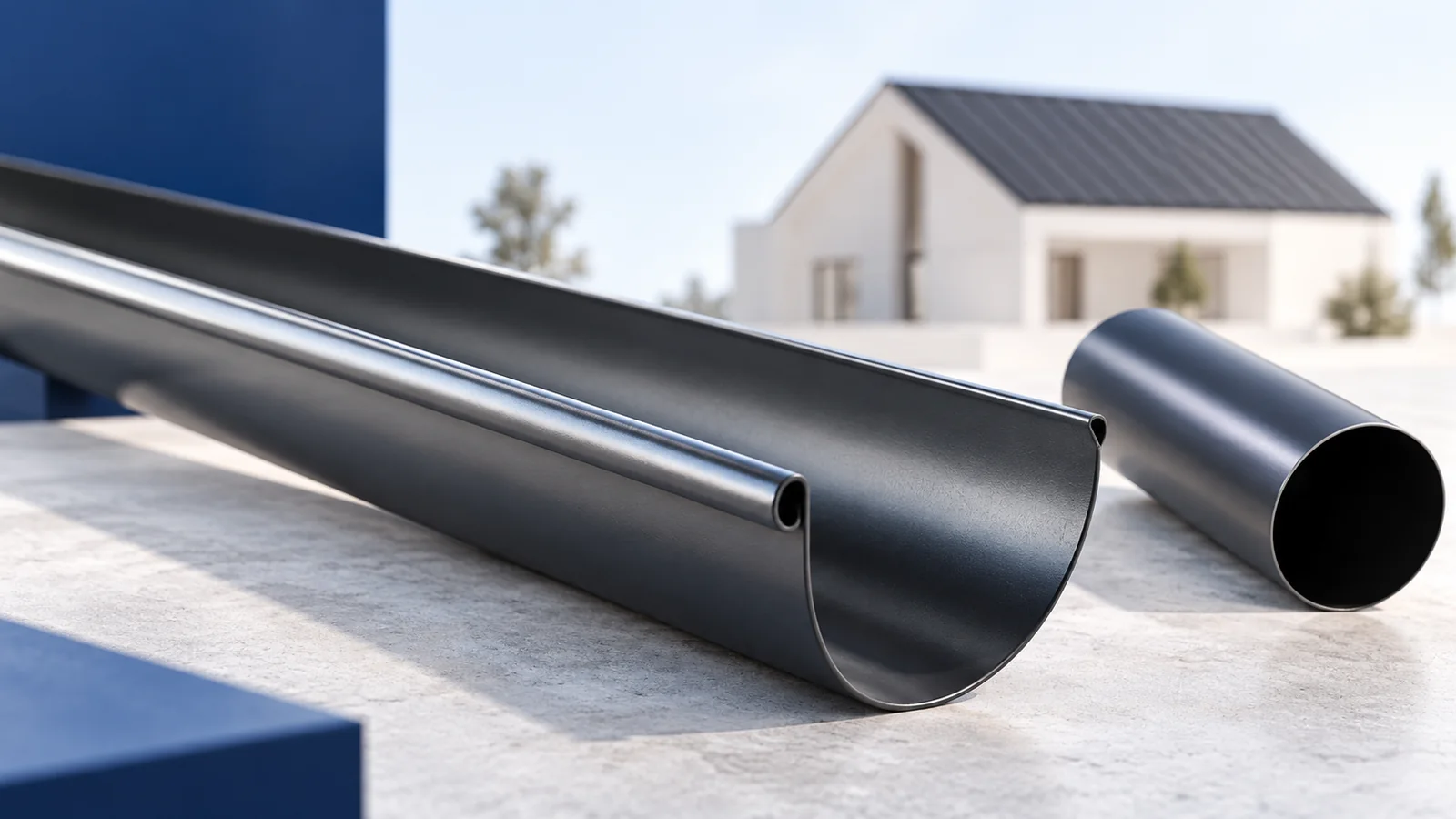
A complete roof price covers the load-bearing structure, the layers beneath the covering, the covering itself and the details that keep water…
