






Cleaning gutters before winter: when is vacuuming enough?
Repair and maintenance
A gutter vacuum can remove loose leaves from the eaves. To check that the drainage is ready for winter, follow the water past the outlet and downpipe to its final discharge point. A bend full of wet leaves or a blocked gully can still cause overflow after the gutter looks clean. Inspect brackets, seals and any standing water. Watch the system from a safe position during rain and record where overflow starts. If a section needs hands-on work at height, arrange suitable access and keep the weight of ladders and equipment off the gutter.
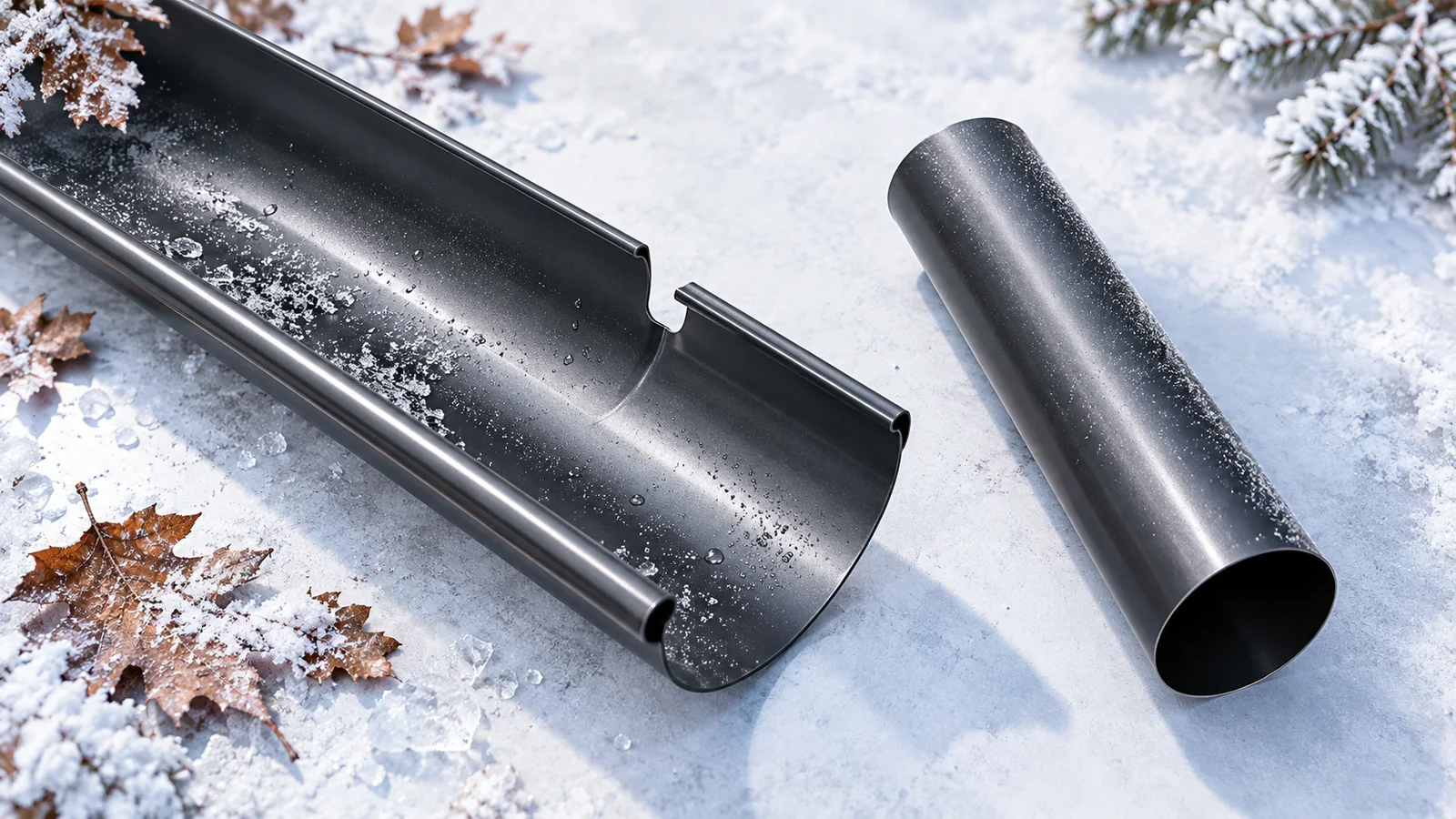
Which signs indicate a drainage problem?
Overflow, streaks on the wall and seedlings in the gutter indicate a need for inspection. Sediment can accumulate before any of these signs appear. Check particularly below roof valleys and near trees, where leaves, twigs and debris concentrate after wind and rain.
After rain, observe from a safe position where water ponds or spills over. A blockage, poor alignment and a damaged joint can cause similar marks. If clean gutters repeatedly overflow, have their geometry and drainage capacity checked.
Which deposits can a gutter vacuum remove?
A purpose-made gutter vacuum can pick up loose material and reduce the need for access at the eaves. Results depend on reach, gutter shape and the deposit. Wet, compacted sediment may need another removal method compatible with the product.
After vacuuming, check seals, brackets and the downpipe. Debris can remain beneath the outlet or in a trap at ground level. Confirm that water flows through. Avoid hard tools that could scratch a coated gutter or damage plastic components.
Where else can water be held up?
Examine outlets, bends, downpipe joints and gullies. Small fragments can lodge at changes of direction. Check where the downpipe discharges: if the receiving drain is blocked or full, the water can back up even through a clear pipe.
For a rainwater tank or soakaway, follow the maintenance instructions for that installation too. Collect leaves where they can still be reached. Flushing them further along an unknown pipe run can create a more difficult blockage underground.
How do you check flow and joints safely?
Select an access method appropriate to the height and surrounding ground. The gutter must not carry a ladder load. Where safe access or fall protection is difficult to arrange, use a suitably equipped contractor. Keep clear of the drop rather than leaning out of an upper window.
Check flow under conditions suitable for the system. Watch outlets, joints and the discharge point, and look for remaining pools. Identify the cause of a leak before repairing it. Clamping or sealing a joint indiscriminately can prevent the thermal movement allowed for in its design.
How much maintenance do leaf guards need?
Screens can keep out larger leaves, but fine deposits pass through and debris can collect on the screen. Check the fixing method, capacity to admit water and ease of removal for cleaning. A poorly fitting guard can restrict maintenance access.
Near trees, inspect after leaf fall and strong winds. Set the interval to suit the amount of debris, taking the manufacturer’s maintenance instructions into account. A heavily exposed gutter may need attention between scheduled inspections.
How should damage be dealt with before frost?
Record loose brackets, cracks, distorted sections and corrosion. Look for evidence of snow sliding from the roof onto the gutter. Repeated damage calls for a review of the eaves and the designed snow retention measures as well as the damaged connection.
Photograph completed repairs and confirm the drainage path is clear. In winter, observe unusual icing or overflow from a safe distance. Leave ice removal at height to a properly equipped crew. The useful outcome of autumn cleaning is a clear water path and a record of any defects still needing repair.

Free quote
What to include in your enquiry
Tell us how you plan to use the material, the dimensions and the quantity you need. Include the thickness, grade or variant name, along with the delivery town or your preferred collection branch. For a specific product, add its name or a link to the product page. We will reply to the email address you provide to discuss availability and the terms of your order.

Read next

Mark the area draining to each outlet on the roof plan before choosing the gutter shape. Use the supplier’s sizing tables to…
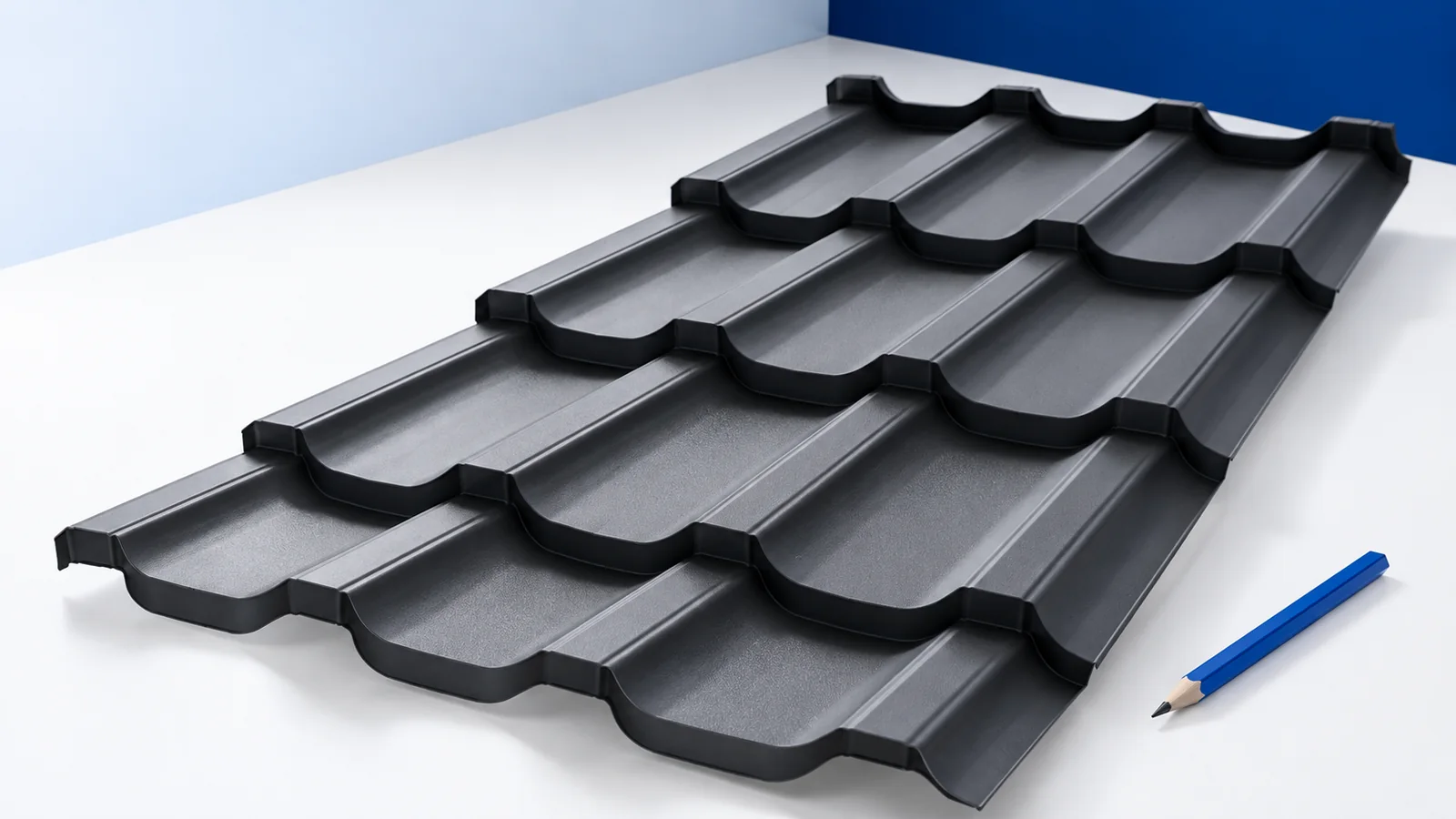
On a roof without an eaves overhang, the lower edge of the slope sits close to the face of the wall. This…
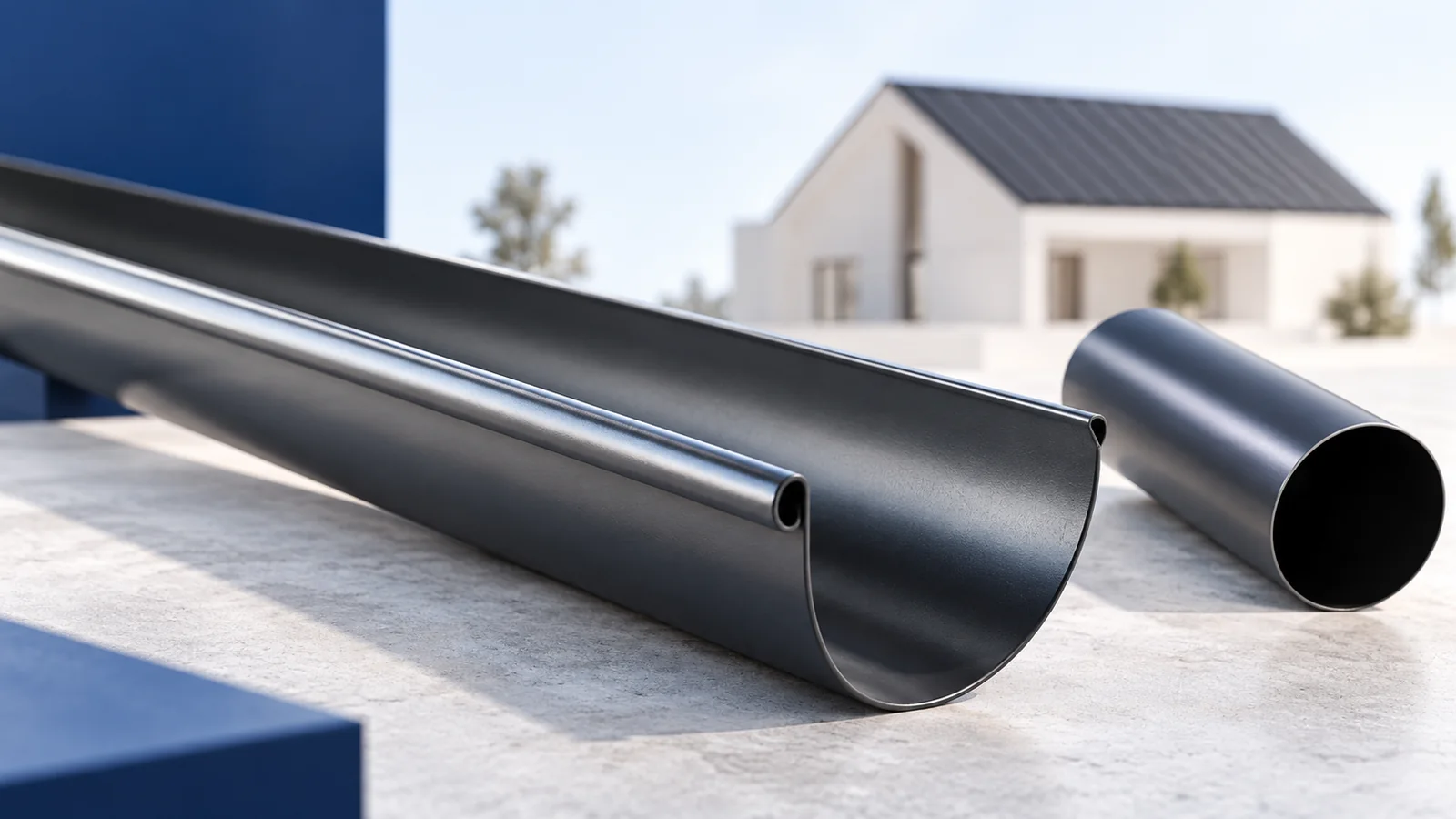
A complete roof price covers the load-bearing structure, the layers beneath the covering, the covering itself and the details that keep water…
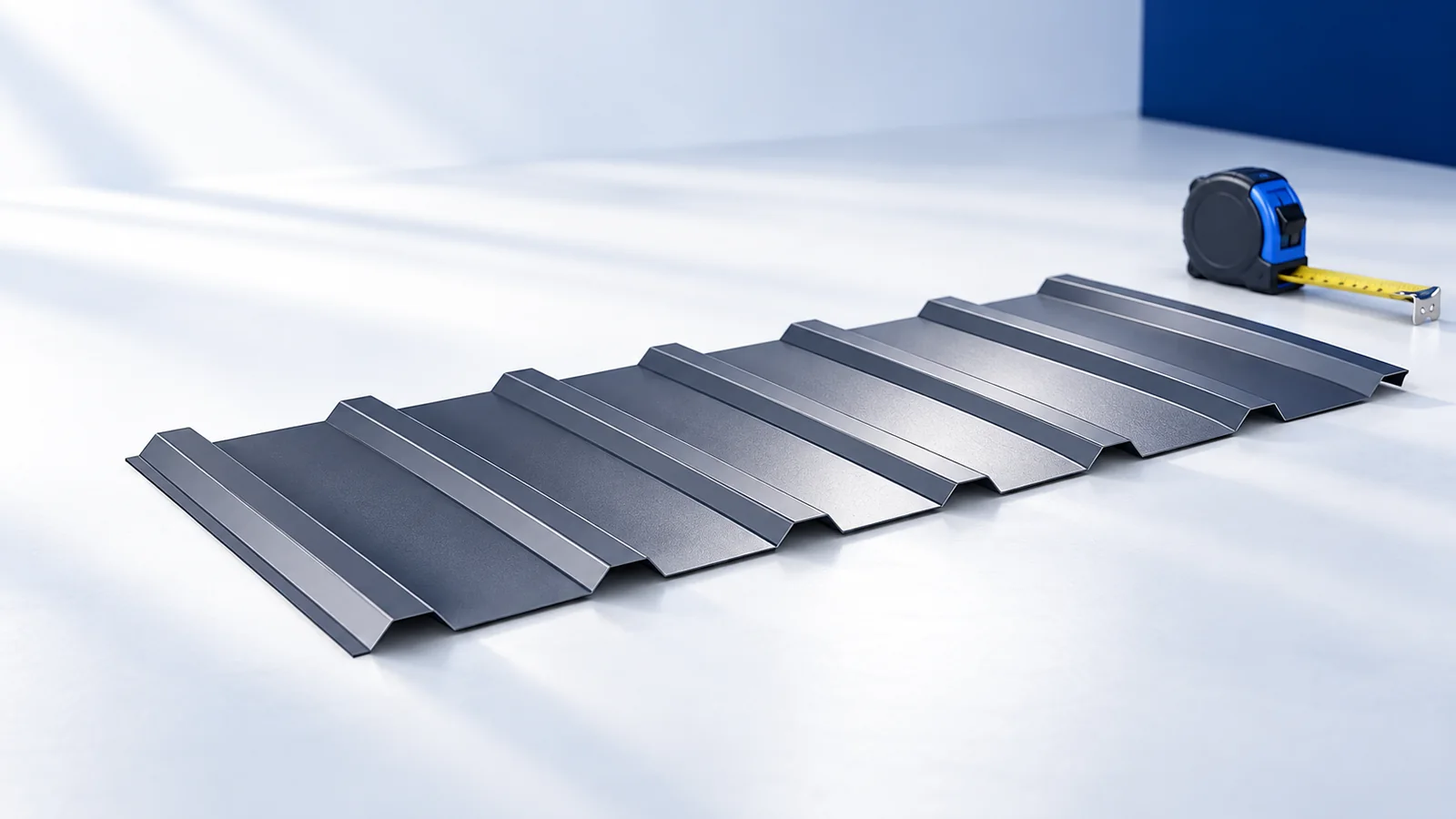
Compare roof shapes using a section through the loft and a drainage plan. A gable roof has two principal slopes, a mono-pitch…
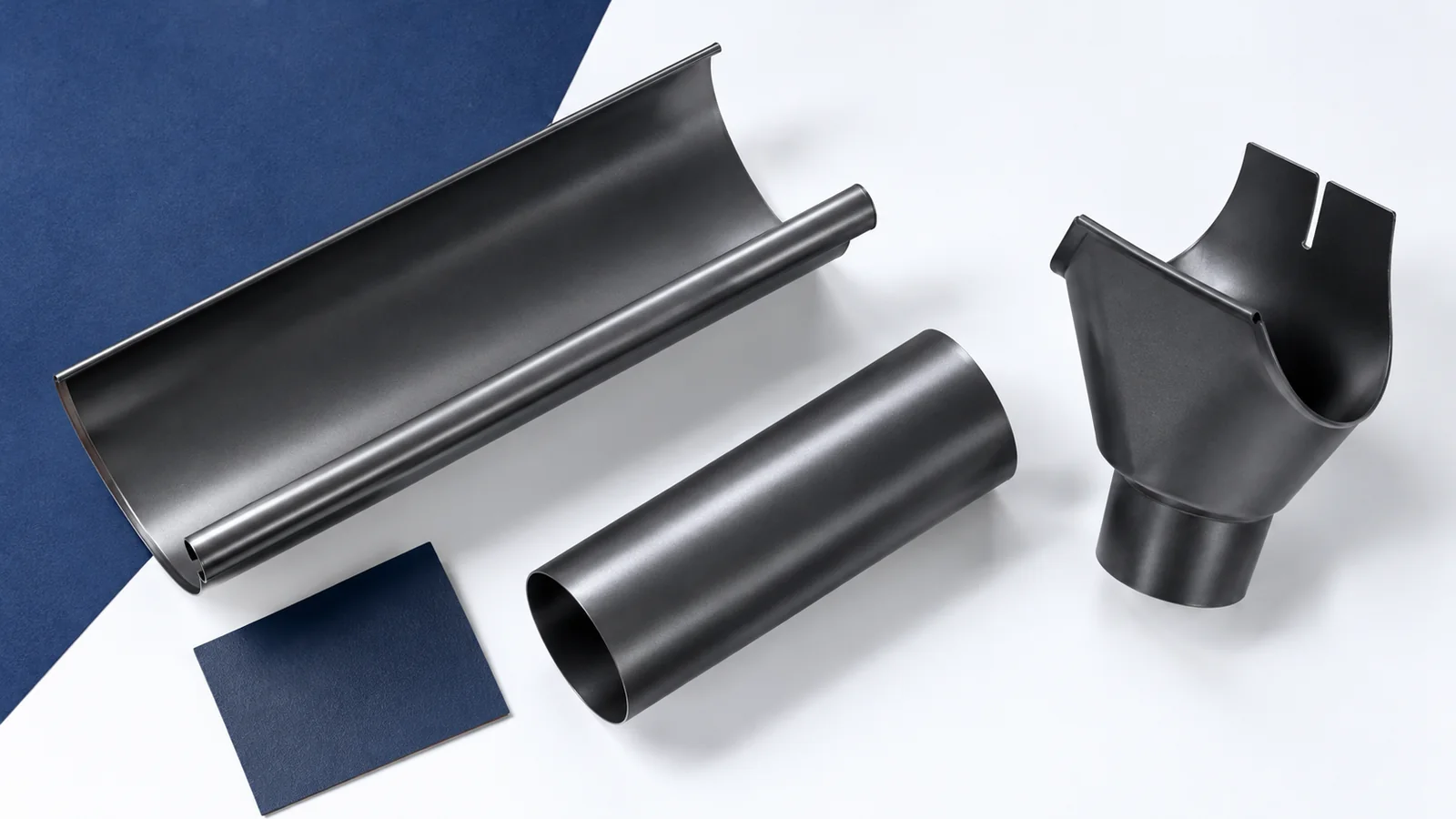
Place the downpipe gully where the downpipe meets the drainage line, and set its cover to the finished ground level. Check more…

Start the autumn roof inspection from the ground and the loft. Look for overflow marks beneath gutters, displaced flashings and damp patches…

An eaves apron guides runoff from the lower edge of the roof into the gutter. Check it in section, showing the roof…
A concealed gutter can give a metal roof a straight eaves line if the detail leaves room for the gutter, the downpipe,…
