






Designing a fence for maintenance: access to individual metal pickets
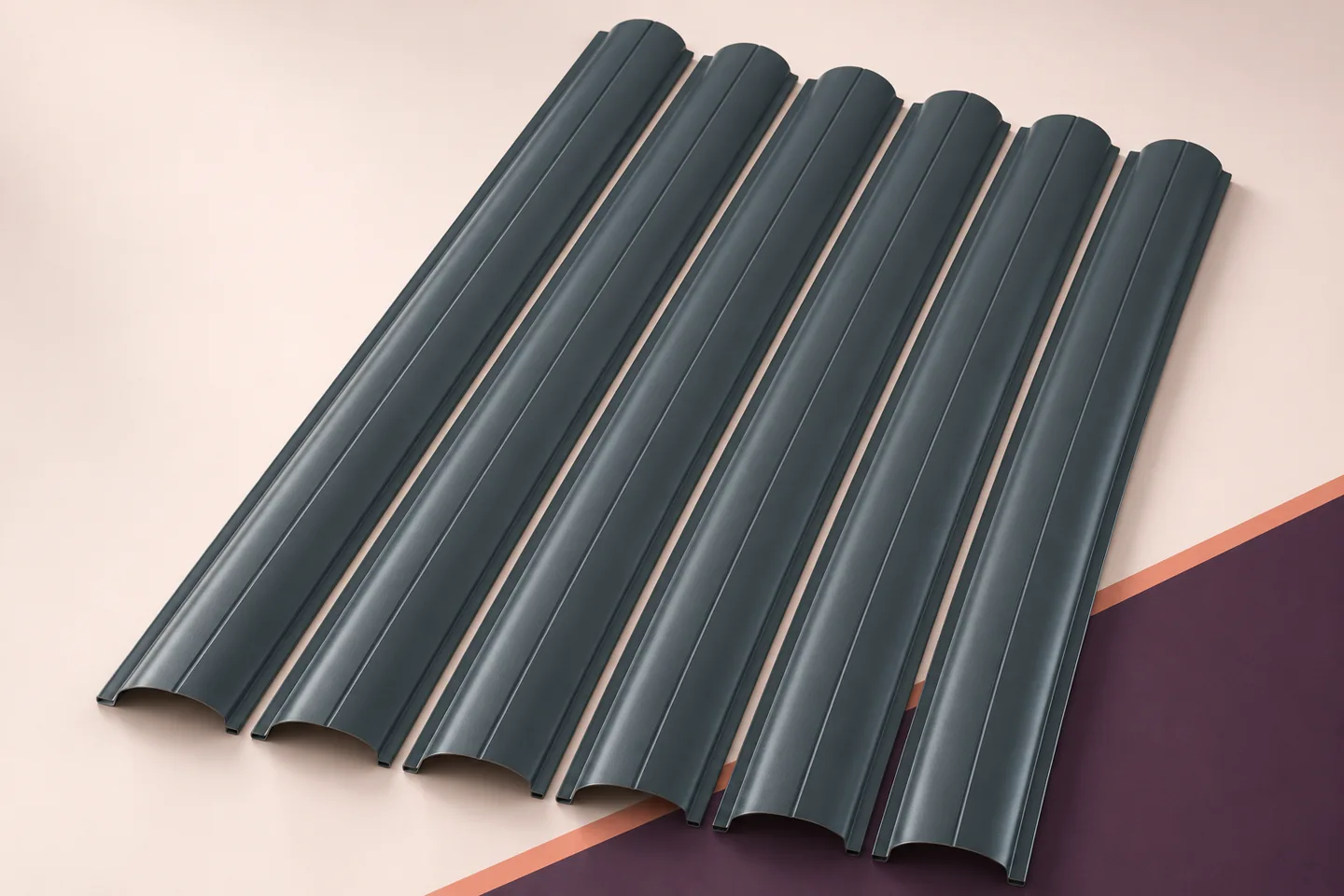
Metal pickets and fencing
A business needs to be able to return a damaged fence to service promptly. Plan access to individual pickets when choosing the layout and fixings so that replacing one does not require taking apart a whole run. Sheet metal pickets are separate components, but the connections and working space determine whether each one can be removed. Both faces of a fence are usually accessible during construction. Once the site is in use, outdoor racks, planting or stored materials may block the route. Mark the access space needed for maintenance on the final site plan while there is still time to protect it.
In this article
Check what will remain accessible after construction
Leave room to inspect the coating, clean the folds and bring a tool up to the fixings. Even a simple fixing system can be difficult to service where pickets sit in a narrow gap. Assess access across the whole assembly, including the space around each screw.
Choose fixings with future removal in mind
First select a fixing that is technically suitable. Then check how it can be removed. Some arrangements require neighbouring pickets to be disturbed before one can be taken out. Check the approach to the fastener head and the reverse side, including any parts covering them.
For systems with covers or edge profiles, establish the order of removal before a picket in the middle of a long run needs replacing. A brief maintenance instruction listing the sequence and tools helps the crew carry out the work without scratching the surrounding coating.
Try the operation on an actual section before fitting all the infill. Check whether the tool fits at the intended joint and whether the next profile obstructs its movement. Allow for gloved hands and for supporting the loose picket safely. A visible screw can still be inaccessible if the tool cannot engage it at the proper angle.
Keep the details needed to order a replacement
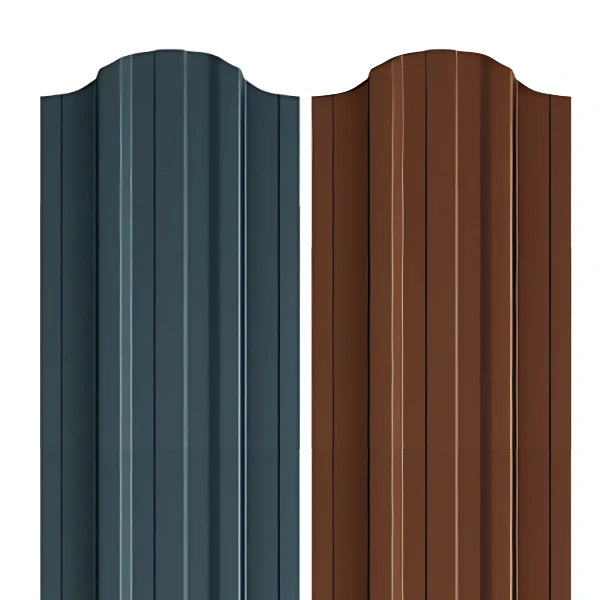
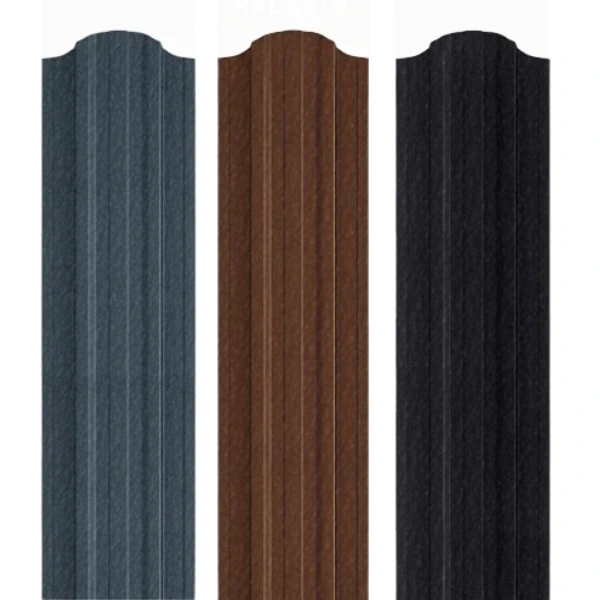
Record the profile, length, width, end detail and coating. A colour reference or a front-view photo can leave important details unresolved. Two similar pickets can differ in the depth of their pressed ribs and in the fixing position. An unsuitable replacement changes both the spacing pattern and the joint.
Link these details to the section numbers. A large site may have several fence heights or decorative finishes. A clear schedule lets staff order the correct part without surveying the entire boundary again, including staff who were not involved in construction.
Set aside a small, clearly labelled stock of spares
A few pickets from the original batch can speed up a repair and help match the shade. Base the quantity on the size of the project and the range of dimensions used. Spare short pickets may be of little use if the damage is in a tall bay.
Store the spares where they are protected from moisture and abrasion, and keep their labels legible. After several years, unmarked sheet metal pickets can be difficult to assign to the right section. The stock is useful only if its condition and identity are preserved.

Find the cause before replacing a picket
If a picket is deformed at a fixing, inspect the support and fastener as well. Replacing the strip alone can allow the fault to recur. After an impact, inspect adjacent pickets, rails and posts. The damage visible from the front may show only part of the impact area.
Avoid improvised straightening of metal pickets under load. Choose the repair method according to the condition of the fence and the system documentation. If the appropriate procedure is unclear, have the installer or supplier assess the damage so the repair restores proper function.
Decide between a local touch-up and replacement
A small chip in the coating may need local protection as specified in the instructions. A deep deformation of the profile calls for an assessment of its shape as well as the finish. Covering major damage with paint may hide it while leaving the underlying defect in place.
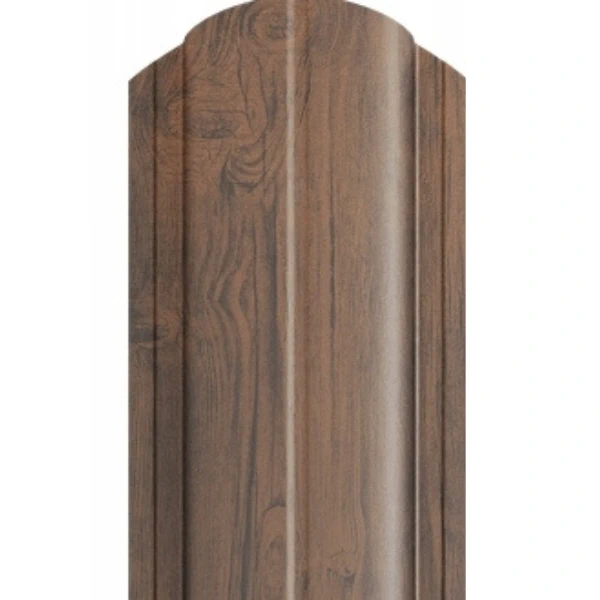
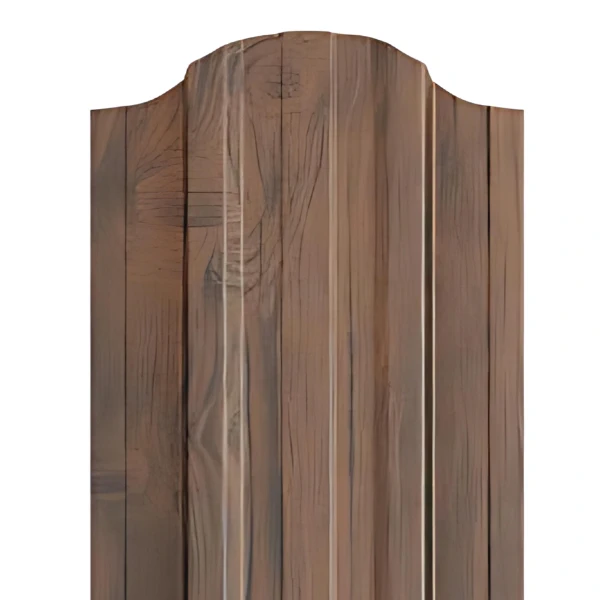
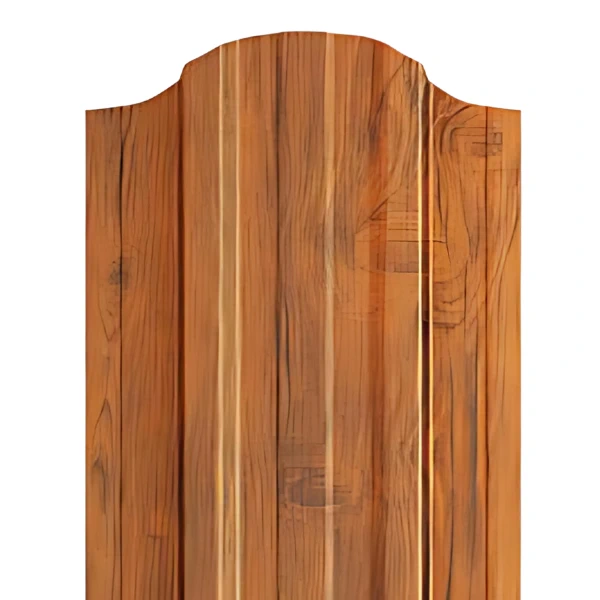
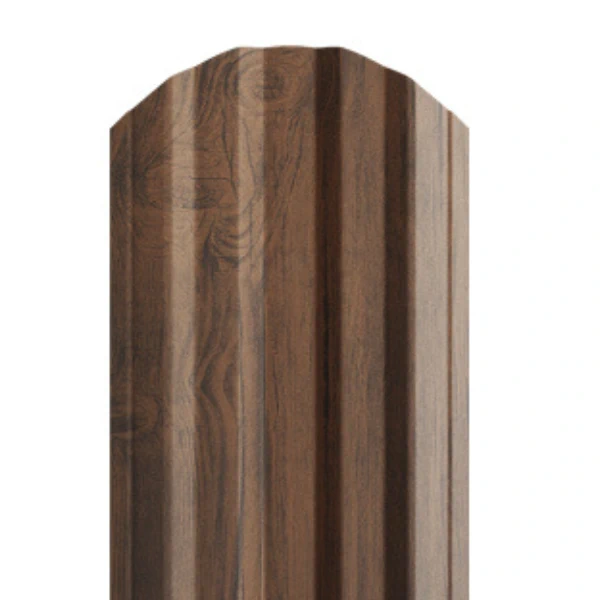
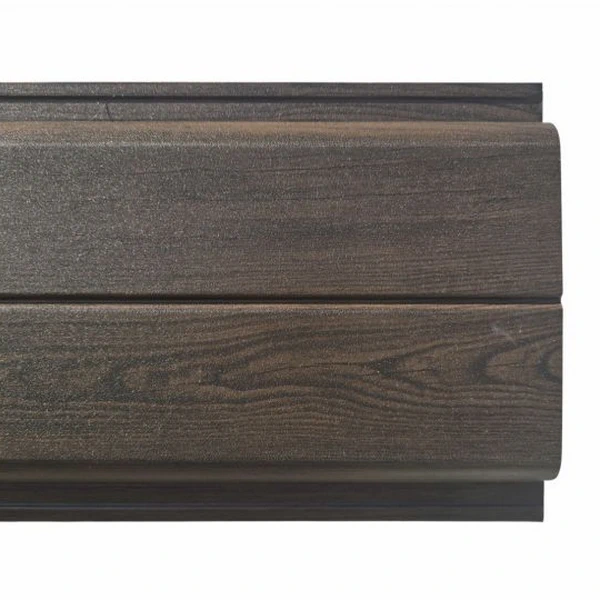
On wood-effect finishes, a touch-up may leave a break in the factory-applied pattern. The repaired spot may also reflect light differently. Consider both appearance and technical performance when choosing a repair. Keeping matching material in stock gives you another practical option.
Give staff a simple way to report damage
Ask whoever spots damage to identify the location and take a clear photo. A bay number pinpoints the spot without a lengthy description. Note whether there was an impact, unusual movement or just a change to the surface. This information helps determine what needs inspection.
After a repair, record the date, the parts replaced and the materials used. A consistent list linked to the site plan is enough. It supports future inspections and helps identify faults that keep recurring at the same point.
Design maintenance access from the outset
Sheet metal pickets can be practical at sites maintained by several teams when those teams have access, an identifiable specification and a suitable repair method. A well-planned fence can be inspected, cleaned and dismantled to the extent a repair requires. Over its service life, that matters just as much as a neat appearance from the road.

Free quote
What to include in your enquiry
Tell us how you plan to use the material, the dimensions and the quantity you need. Include the thickness, grade or variant name, along with the delivery town or your preferred collection branch. For a specific product, add its name or a link to the product page. We will reply to the email address you provide to discuss availability and the terms of your order.
Read next

In an industrial building clad with sandwich panels, XPS can insulate the floor, foundation walls and plinth where the selected grade suits…
A roofing schedule starts with the supports and ends with a roof that sheds rain. Between those points, a housebuilder needs dates…

When insulating a wall between a heated room and a cooler stairwell, the side chosen for Eurothane G matters. On the room…
A lasting finish on a metal roof depends on the condition of the sheet and the coating beneath it. Identify the existing…
A quotation is useful when the price can be traced to a particular panel and quantity. Different cores, facings and fasteners can…
If a building in Poland differs from its approved plans, establish which works caused the discrepancy and when they were completed. A…

Large boards give fewer joints, but waste depends on the layout. Small boards are easier to carry up narrow stairs and fit…
An office and an adjoining plant room can have the same finished floor level even though the floor beneath a heavy cabinet…
