






Inspecting metal picket fences on business premises: what to check and record
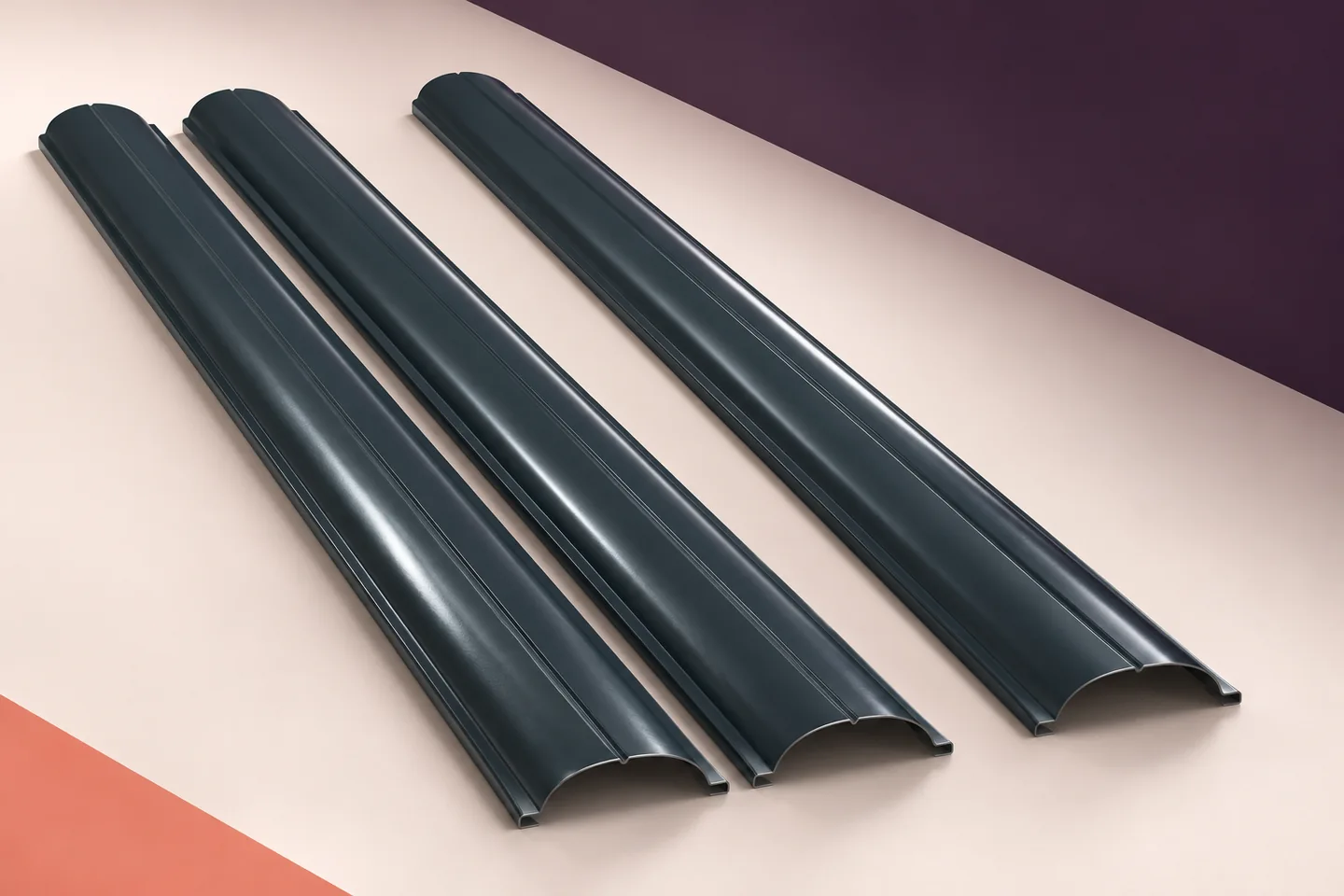
Metal pickets and fencing
A fence belongs on the site maintenance schedule alongside the buildings. Regular inspections help staff spot loose connections, coating damage and places where dirt collects. Metal pickets need care suited to their material and exposure. Repainting the entire fence every year is not a general requirement. Build the inspection plan around the installation and maintenance instructions for the pickets you bought. These should set out the recommended tasks and permitted cleaning methods. Check the finish before applying a cleaning routine used elsewhere on the premises. The coating on the pickets may differ from the finish on the façade, gates or flashings.
In this article
Use the product instructions to define the inspection
Some manufacturers call for an inspection after installation followed by regular checks in subsequent years. Base the intervals on the material supplied and its actual exposure. Mechanical damage or an unusual deposit calls for a separate assessment when it occurs, even if the next routine inspection is some way off.
Divide the fence into identifiable sections
Number the bays or mark named zones on a simple site plan so staff can report faults precisely. On a large site, “behind the warehouse” may leave several runs to search. Use the same references in photo captions, inspection notes and repair records.
Choose just enough detail to locate a defect. In many cases, a bay reference is sufficient and individual pickets need no number. Where runs differ in height or coating, mark the differences so the person inspecting them knows which product is fitted.
Flag areas that warrant a closer look, such as the entrance, the roadside boundary or a regular storage area. Include the rest of the fence in the inspection too. At the next round, check whether the plan still reflects how the site is used. An extension or a change to yard operations may have moved a source of damage to another section.
Inspect the finish and the structure separately
Check the coating for dirt, scratches, missing patches and unusual changes in appearance. Inspect connections and supports for movement, distortion and visible damage. A bay with an intact paint finish can still have a loose support.
A small spot on a sheet-metal picket may come from a metal filing on the surface, whereas even a fine scratch beside a fixing may need attention. Identify what caused the mark and which material is affected before acting. Indiscriminate sanding or tightening every fixing hard can cause further damage.
Look at the less visible parts
Inspect the back of each run, the lower ends and the points where pickets meet the rails, especially where rain seldom reaches. On a double-row fence, look between the rows as well. Check for trapped plant debris and metal particles.
Look for changes around the fence. Raised ground levels, a new storage area or a repositioned sprinkler may expose a run to conditions it did not face when installed. Update the maintenance plan to reflect how the premises are used now.

Clean the pickets as specified for their coating
Start with the cleaning method in the product instructions. If they specify water only, use water alone. Other coating systems may permit particular cleaning agents. Avoid abrasive tools or products that could damage the decorative surface.
Products used for other maintenance work on site may be unsuitable for the pickets. Keep a short set of care instructions where all maintenance staff can find it. That way, whoever takes over the work knows which method to use on the factory finish.
Agree how to respond to damage
A paint chip, a dented profile and a loose post each require a different response. Decide who will assess the repair and when a contractor should be called in. After an impact, inspect the adjacent parts of the structure too. Replacing the visibly damaged picket may address only part of the problem.
Use a touch-up product suited to the coating. A repaired area may look different from the factory finish. Limit the work to the area that needs it and record the product used. More extensive damage may require a different repair based on the condition of the component.
Keep a brief maintenance record
Record the date, location, defect and action taken. One overview photograph and one close-up are usually clearer than a series of similar shots. When replacing a picket, note the profile, length and finish of the new part for future comparison.
The record can reveal a fault recurring at the same spot. Repeated damage may point to contact with machinery, salt collecting there or a fixing defect. Investigating that pattern gives the team a chance to deal with the cause.
Assign responsibility and keep the fence accessible
Put someone in charge of the inspections and specify where to record the results. Keep the plan proportionate to the fence length and the way the site operates. Sheet-metal pickets with a factory finish are straightforward to maintain when staff can reach them, find the right instructions and act on damage promptly.

Free quote
What to include in your enquiry
Tell us how you plan to use the material, the dimensions and the quantity you need. Include the thickness, grade or variant name, along with the delivery town or your preferred collection branch. For a specific product, add its name or a link to the product page. We will reply to the email address you provide to discuss availability and the terms of your order.








Read next

On a long fence, a small error in spacing, picket length or delivery labels can recur in every bay. Divide the perimeter…
Start by measuring the clear opening between the finished posts beside the gate. Measure the width of a finished picket and draw…

A business frontage should make it clear where visitors can enter on foot, where vehicles turn in and which areas are open…

When a business installs its perimeter fence in phases, the dates, contractors and readiness of the supporting frame can change between deliveries.…
A fence and a sandwich panel façade can share a colour scheme while performing different jobs. The panels form the building envelope.…
Two quotations for the same length of fencing can cover very different work. One supplier may price only the pickets, while another…

Start by marking the gate, driveway and individual fence bays on a plan. At the driveway, check the view of the street…

On an open industrial site, a fence may have little shelter from the wind. The gaps between its pickets then become a…
