






Photovoltaics on a corrugated industrial roof. Load paths and maintenance access
Fibre-cement roofing
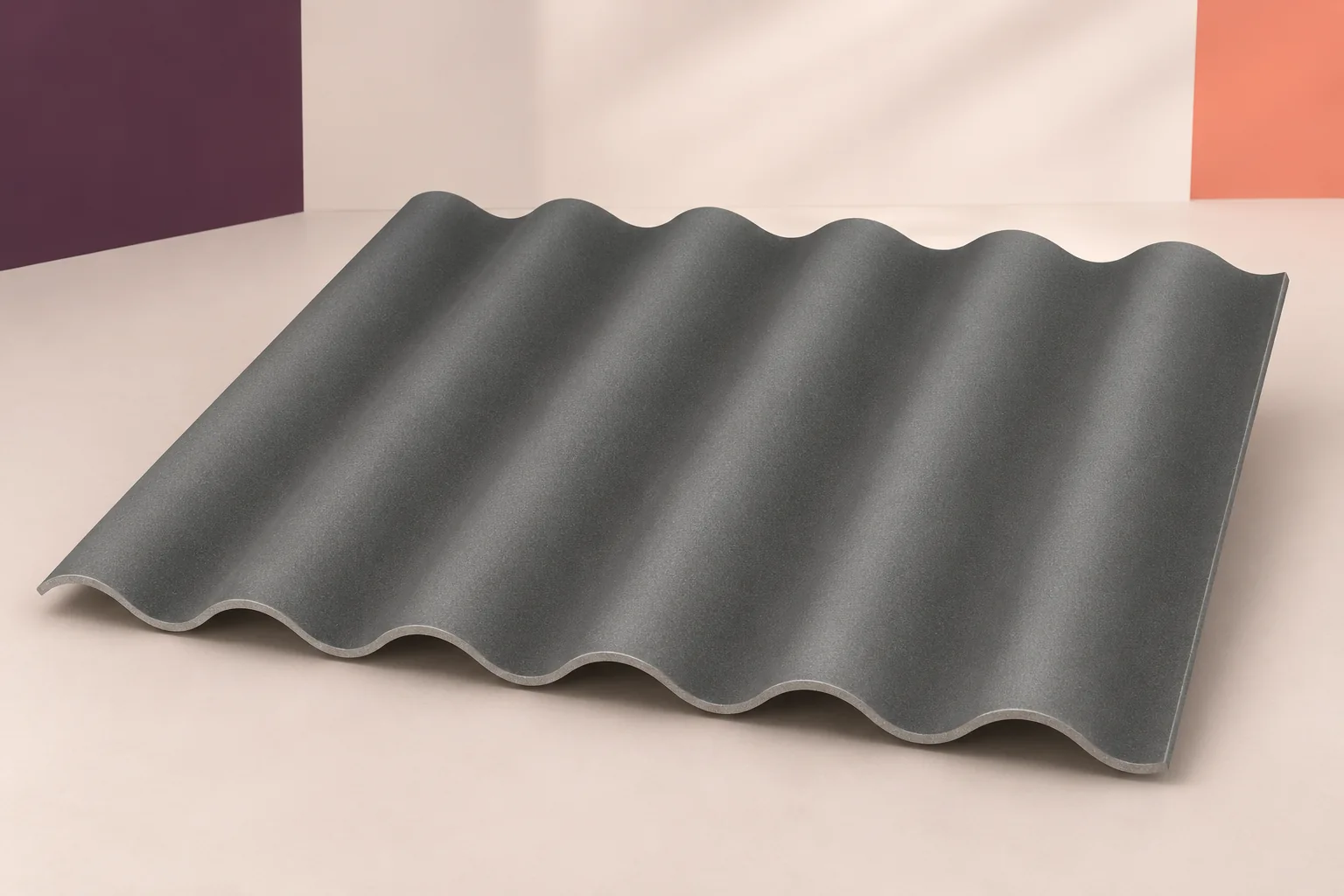
Installing photovoltaics changes the loads on an industrial roof. Before choosing a mounting system, have the sheets, purlins, fixings and primary structure assessed together. The brackets need a defined load path into the structure. Unintended bearing pressure can damage fibre-cement sheets. Check the corrugation profile and actual support positions against the original delivery documents where available. Examine cracks and damaged fixing holes while they are still accessible. Arrange any necessary roofing repairs before fitting the modules. The layout must also let rainwater drain freely and leave safe access for maintenance throughout the life of the array.
In this guide
Assess the existing roof first
Access may be much harder once the modules are in place. Establish what an older roof covering is made of if its composition is uncertain. Instructions for modern asbestos-free sheets cannot establish whether it is safe to drill into an unidentified roof during the survey.
If the project includes replacing the covering, an integrated solar roof is another option. Solar roofing manufacturers and brands include GAF Energy, Terrán, ML System, Electrotile, Wienerberger Wevolt, MDM NT (MyRoof), SunRoof, Tesla, SolRoof and LUMA Solar.
Trace the loads into the structure
The mounting structure must carry the array’s weight and transmit wind and snow loads to the building structure through the specified connections. Asbestos-free fibre-cement sheets cannot serve as the sole support for a module frame. Avoid unintended pressure on the sheets or a support bearing on a sheet between purlins. Have the designer check the fasteners, purlins, primary structure and connections against the actual conditions, particularly on older buildings where the drawings may be out of date. A roof’s ability to carry past snow loads does not establish spare capacity for the array.
Match the fixing detail to the profile
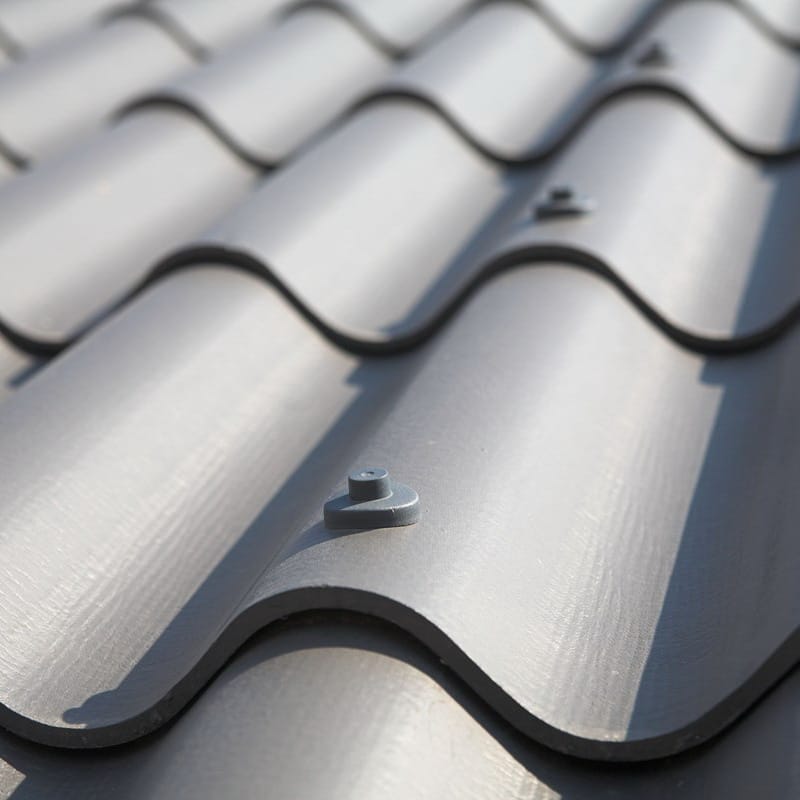
At each fixing, check the corrugation geometry, support position and seal. Details for sheet metal or another board profile cannot simply be transferred to fibre cement. The hole must suit the fixing and allow the movement specified for the joint. Take clearances and spacing from the selected system’s documentation. Excessive compression can damage the sheet, while insufficient compression can let water past the seal. Specify the fixing and sealing set before work starts. Substituting a washer or fastener can affect the performance of the entire penetration.
Keep drainage and ventilation paths clear
Lay out the array so that water can run off and accumulated leaves and dirt can be removed. Eaves and ridge details must remain functional, including ventilation openings at the ridge or elsewhere. Leave critical joints in the fibre-cement covering accessible for inspection. Consider where debris will collect beneath frames and how maintenance staff will reach it. Once the array covers areas previously visible from a distance, the roof inspection plan may need more specific access and inspection points.
Plan maintenance access with the array
Provide a safe route to the equipment and its connections for both routine inspections and roof repairs. Do not expect technicians to walk directly on the sheets. Fibre cement is sensitive to concentrated loads, and reinforcing strips cannot replace walkways and fall protection. Work out how to replace a damaged sheet beneath the array. If several modules would have to come off, establish the cost and sequence of work before approving the final layout.
Coordinate cables, equipment and roofing work
Route and secure cables and equipment according to the electrical design. Loose cables in the troughs can damage the roof surface or interfere with runoff. Assess electrical and fire safety for the complete installation. The sheet’s reaction-to-fire class describes only the product. Coordinate the roofing and photovoltaic contractors, then inspect areas that carried loads during installation. Later trades can damage a roof that was sound when the roofers handed it over.
Keep drawings and an inspection schedule
Give the owner drawings showing fixings, supports, penetrations and access routes. Mark the fibre-cement sheets under the panels and record the profile designation. Agree who is responsible for seals and how leaks will be investigated. Include the connections, corrosion of metal parts and clear drainage routes in routine inspections alongside the modules. High winds or other exceptional events may warrant a wider inspection. A coherent set of records helps locate a fault in the equipment, bracket or roof covering before parts are replaced.
Before ordering the array, confirm the roof’s condition, the load path and the fixing detail. Allow for safe maintenance and future repairs to the roof covering in the same design.

Free quote
What to include in your enquiry
Tell us how you plan to use the material, the dimensions and the quantity you need. Include the thickness, grade or variant name, along with the delivery town or your preferred collection branch. For a specific product, add its name or a link to the product page. We will reply to the email address you provide to discuss availability and the terms of your order.
Read next
Corrugated fibre-cement sheets and insulated sandwich panels can both roof an industrial building. They provide different parts of the roof assembly. Fibre…
Fibre-cement sheets do not rust like steel. An industrial roof still contains metal fixings, flashings and structural members whose durability may govern…
An unheated warehouse needs a roof that protects its stock from rain and stands up to the weather. Corrugated fibre cement can…
Wind forces vary across a large roof. The corners, edges, height of the building and openings in its walls all influence the…
An extension changes the shape of an industrial roof, the way it drains and the loads it may experience. Survey the existing…
Daylight can improve working conditions in an industrial building if it reaches the right places. Lay out the rooflights in relation to…
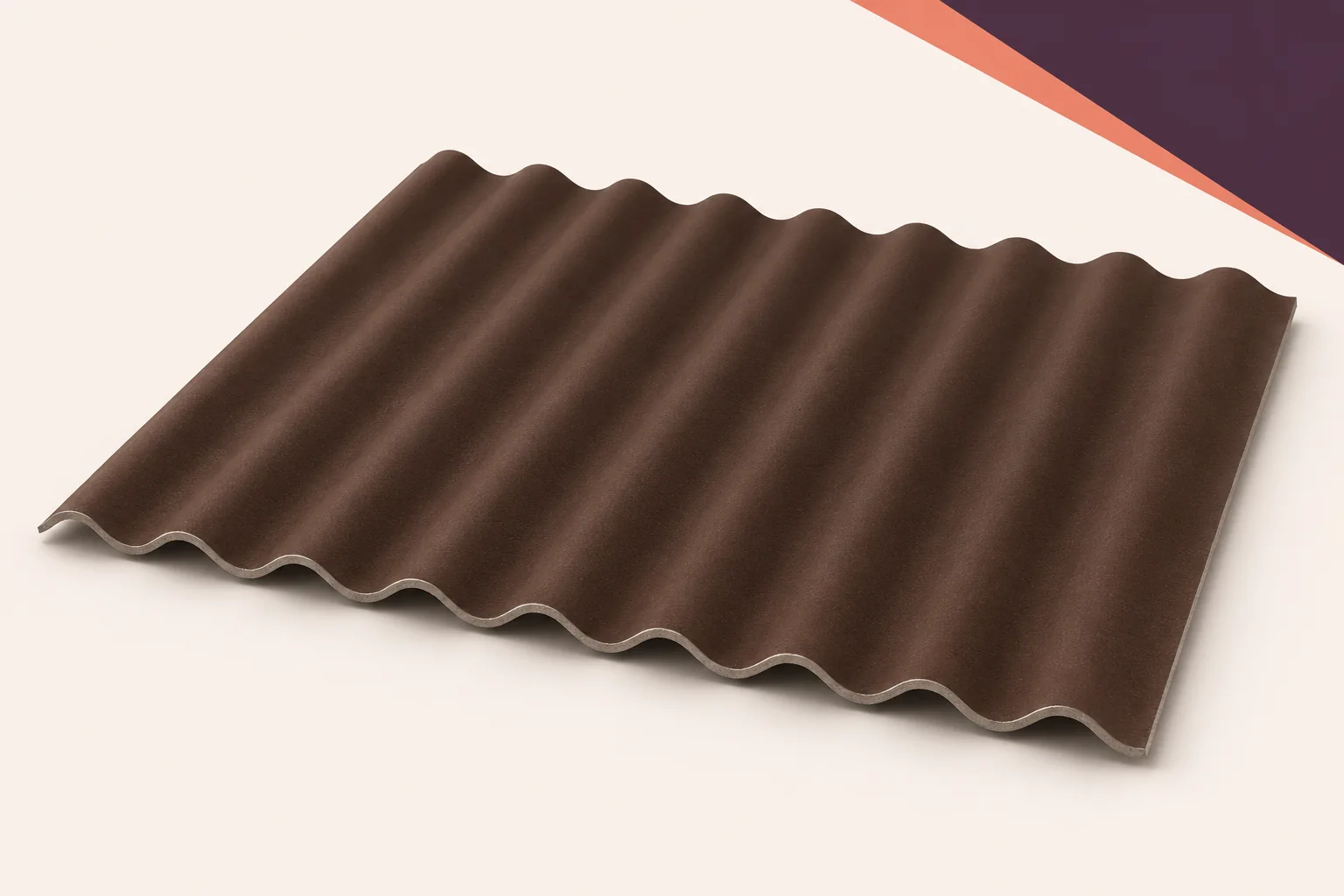
Where a corrugated fibre-cement roof meets a sandwich-panel wall, the joint has to shed water, maintain any required insulation and accommodate movement.…
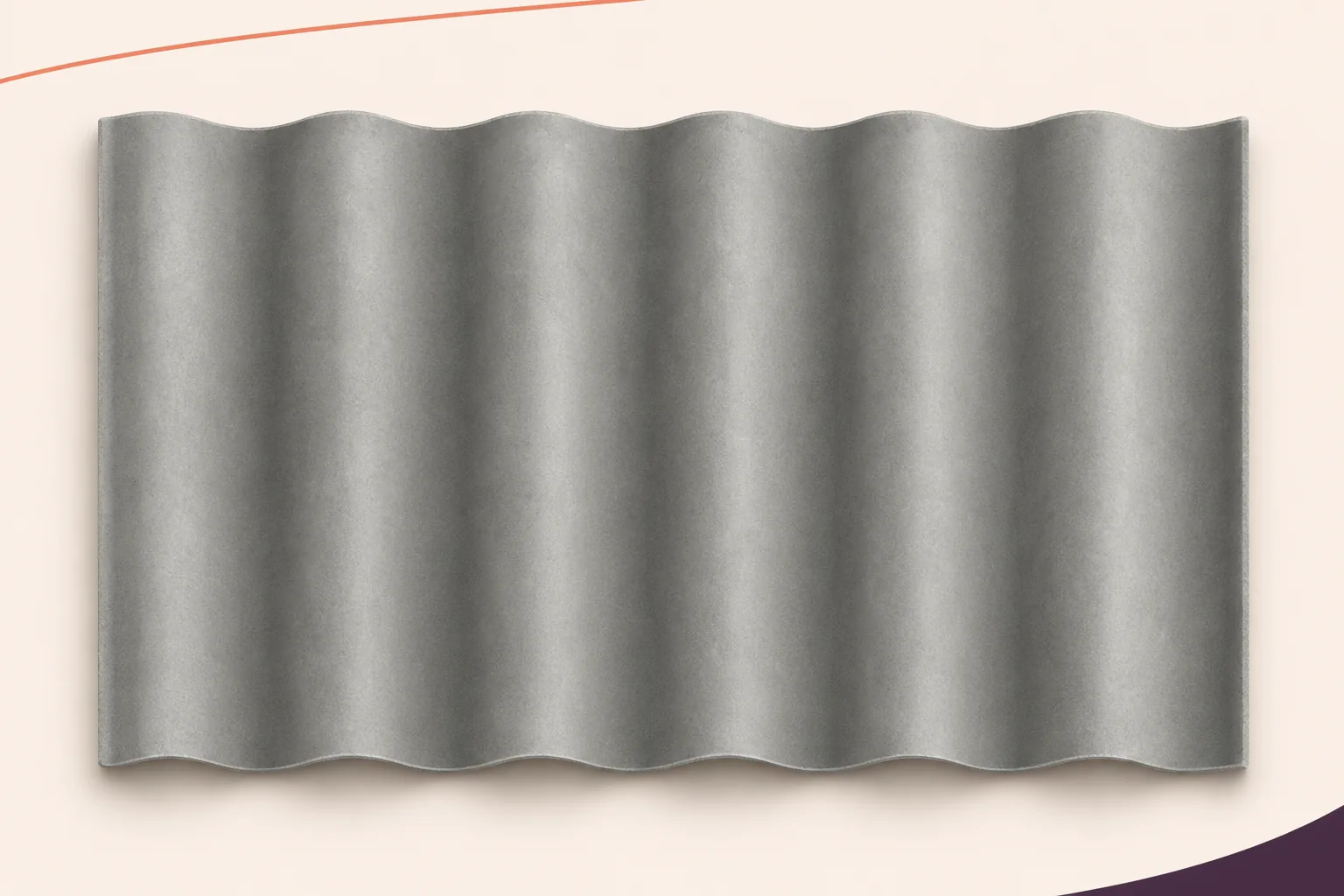
A roof over a materials store should keep rain off the goods and leave deliveries easy to handle. Corrugated fibre cement can…
