






When does a fibre-cement roof suit a materials store?
Fibre-cement roofing
A roof over a materials store should keep rain off the goods and leave deliveries easy to handle. Corrugated fibre cement can provide the covering for an enclosed building or an open-sided shelter. The choice depends on what is stored, how exposed the site is and how the structure carries the loads. Raw materials that tolerate brief wetting need different protection from packaging or dry mixes. Decide whether the store also needs walls or control of its indoor conditions. A durable covering still needs effective drainage, clearance for handling equipment and a way to manage moisture from the ground, incoming goods and outside air.
In this guide
Determine how much protection the goods need
Set limits for moisture exposure and specify how goods arrive and are packaged. Check the storage requirements issued by the goods manufacturer before deciding how many sides can stay open. Roofing alone cannot guarantee suitable conditions for every material.
Account for wind on open sides
Wind can act on both faces of an open shelter roof. Its location and degree of enclosure affect the loads. Design the fixings and supports to transfer these forces to the frame, paying particular attention to edges and corners. A screw pattern from a closed building may be unsuitable, even if more screws are added. Tell the designer about future side screens, since partial enclosure can change the loading assumptions.
Keep runoff away from working areas
Direct runoff away from unloading bays, pallets and vehicle routes. Water follows the corrugations, so roof slope and eaves layout matter. Keep the unsupported sheet overhang within the system limits. If the loading area needs a wider canopy, extend its supporting structure accordingly. Check gutter outlets and access for cleaning. Position or protect downpipes so that manoeuvring forklifts cannot strike them.
Leave clearance above stored goods
Set stack heights in relation to the frame, services and handling operations. Stocks must leave ventilation paths open and must not bear against the roofing. Long profiles and sheets can cause local impact damage if leaned against fibre cement during unloading. Mark handling zones so that lifted loads stay clear of the slope. Leave enough room to inspect the underside of the roof.
Assess dust and exposure to substances
Identify dust and deposits produced by the goods. Check that the sheets, coatings, fasteners and accessories suit those conditions. Fibre cement does not rust like steel, but steel fixings and purlins still need suitable protection. Check cleaning products and methods against the instructions for the surfaces and joints. If deposits retain water, find out why they build up before increasing the intensity or frequency of cleaning.
Plan repair access into the store layout
Replacing one sheet may require stock to be moved and lifting equipment brought in. Identify an access route and an area to close off. Provide safe access to gutters, ridge and penetrations without walking on the fibre cement. In a full store, restricted access can make a small repair costly. Keep the profile and fixing records. Store spare sheets correctly and confirm they still match the installed system.
Compare the cost of complete shelters
Include roofing, fittings, supports, drainage and site logistics. Calculate sheets from the cutting plan and effective cover. Large sheets may suit a regular roof slope while requiring particular transport arrangements. Ask whether installation can be phased to keep part of the store operating. Compare what each price buys in protection and continuity of handling for the actual flow of goods.
List the materials to be stored and draw the traffic and drainage routes. Use that information to choose the covering, decide which sides need closing and reserve access for future repairs.

Free quote
What to include in your enquiry
Tell us how you plan to use the material, the dimensions and the quantity you need. Include the thickness, grade or variant name, along with the delivery town or your preferred collection branch. For a specific product, add its name or a link to the product page. We will reply to the email address you provide to discuss availability and the terms of your order.
Read next
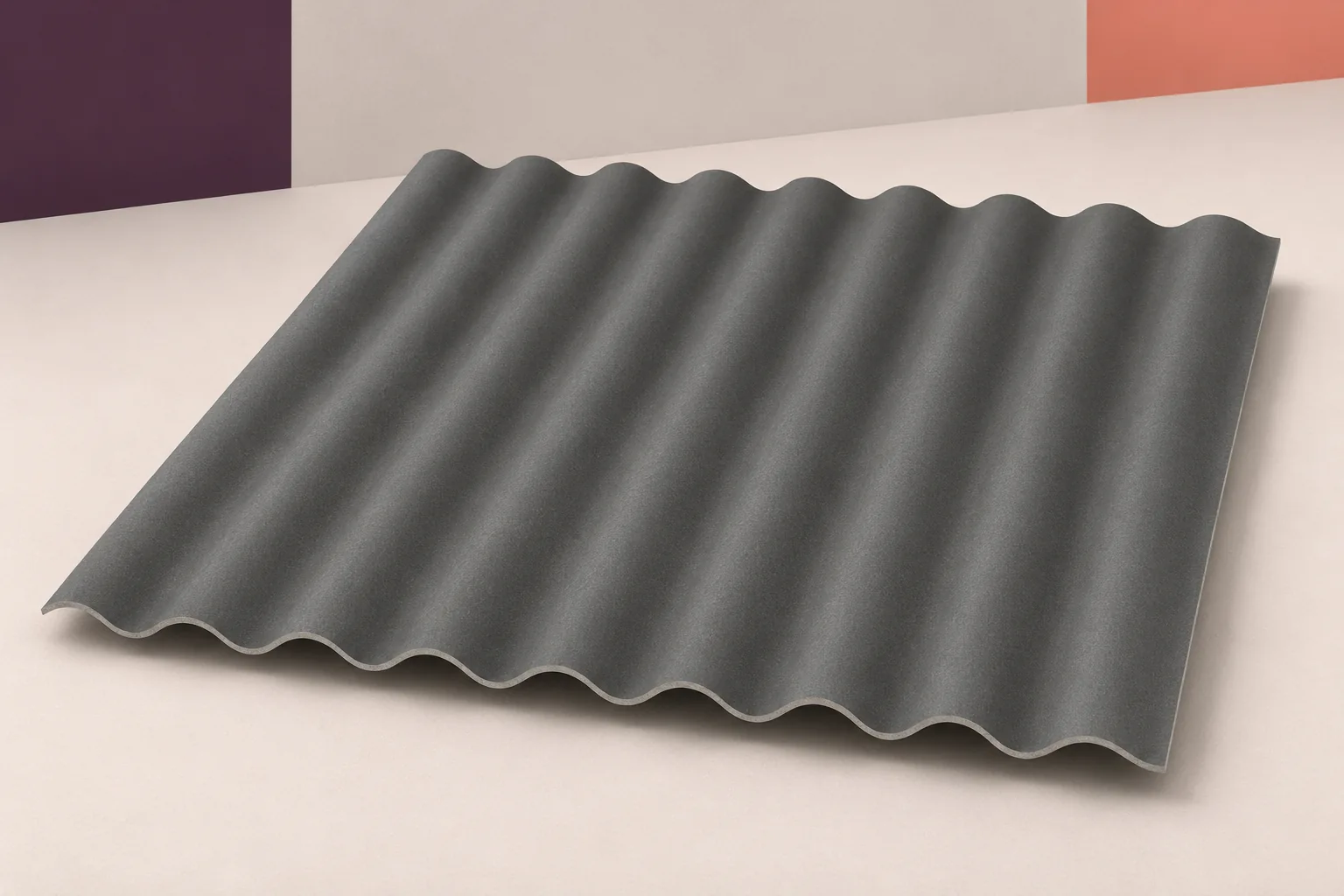
When steel purlins support corrugated fibre-cement roofing, design the sheets, fasteners and steelwork together. Check the design loads, distances between supports and…
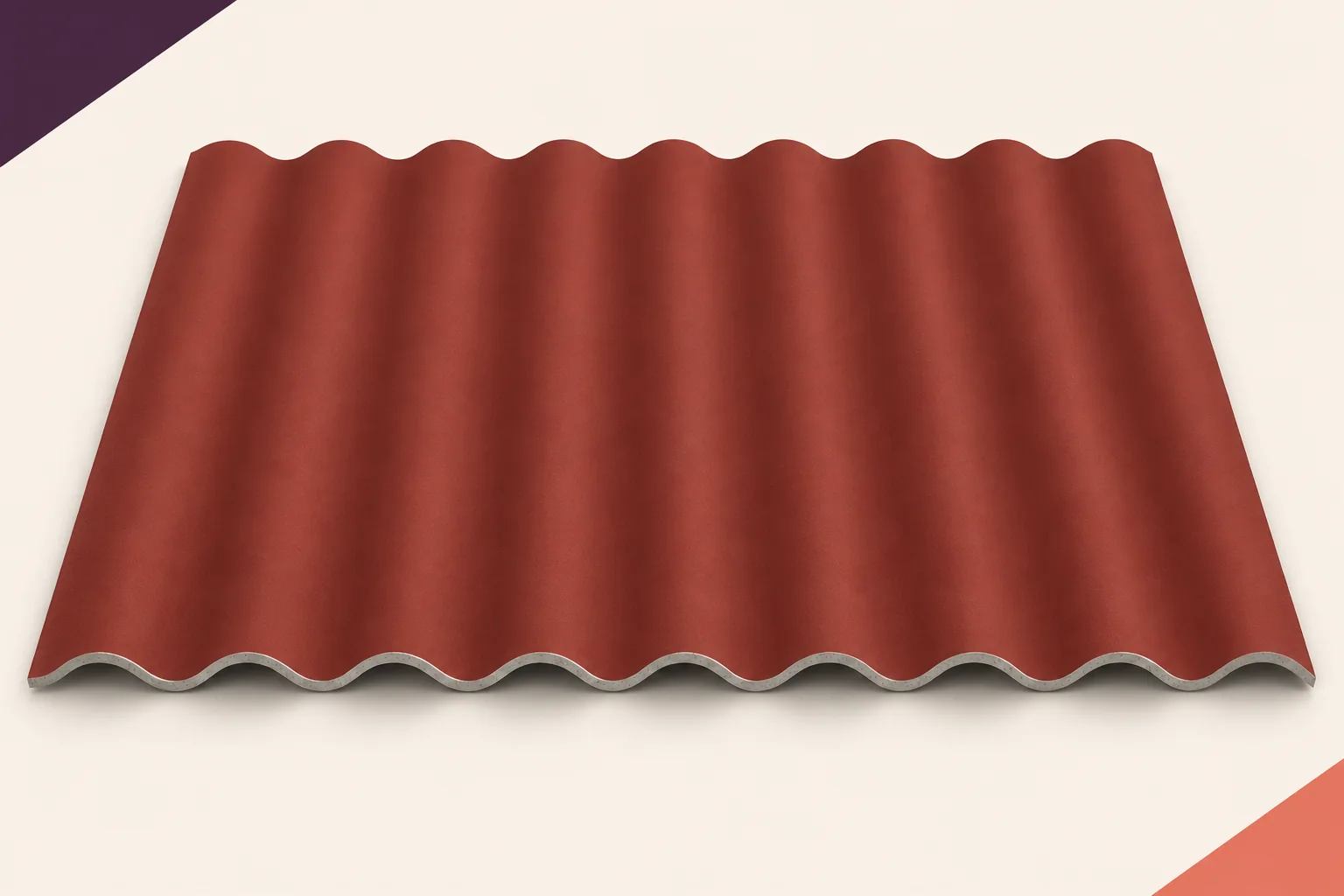
Fibre-cement sheets do not rust like steel. An industrial roof still contains metal fixings, flashings and structural members whose durability may govern…
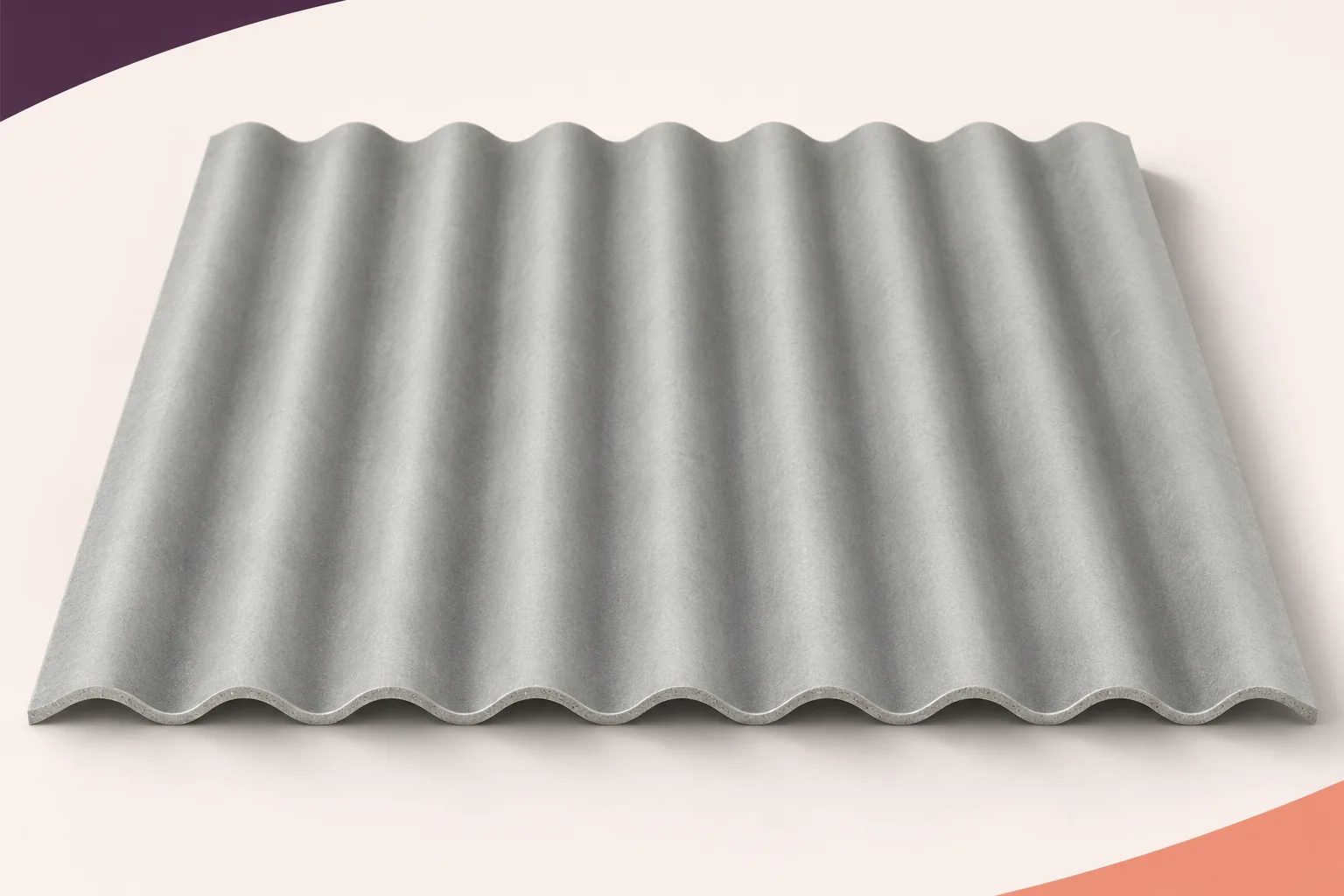
An extension changes the shape of an industrial roof, the way it drains and the loads it may experience. Survey the existing…
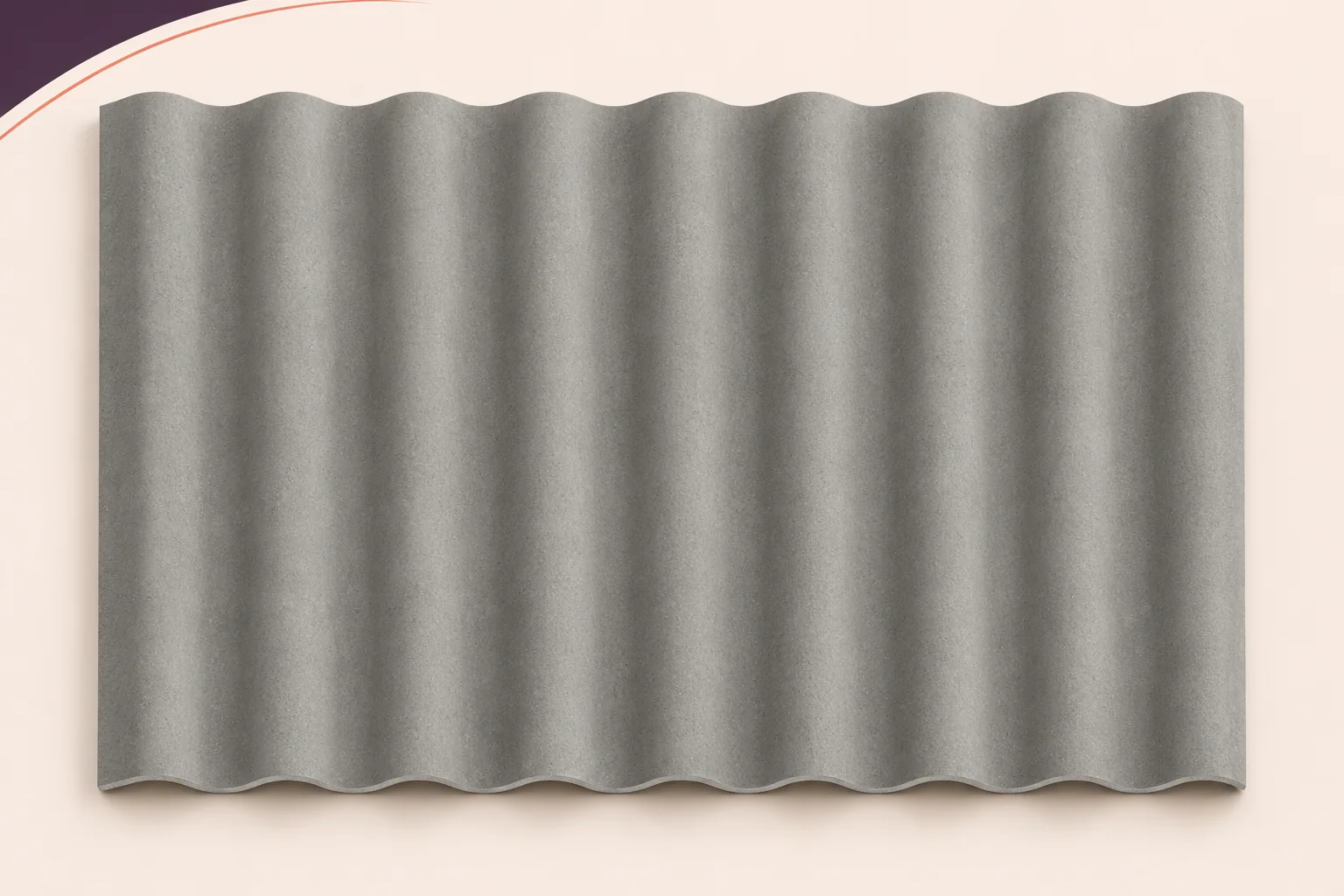
Corrugated fibre-cement sheets and insulated sandwich panels can both roof an industrial building. They provide different parts of the roof assembly. Fibre…
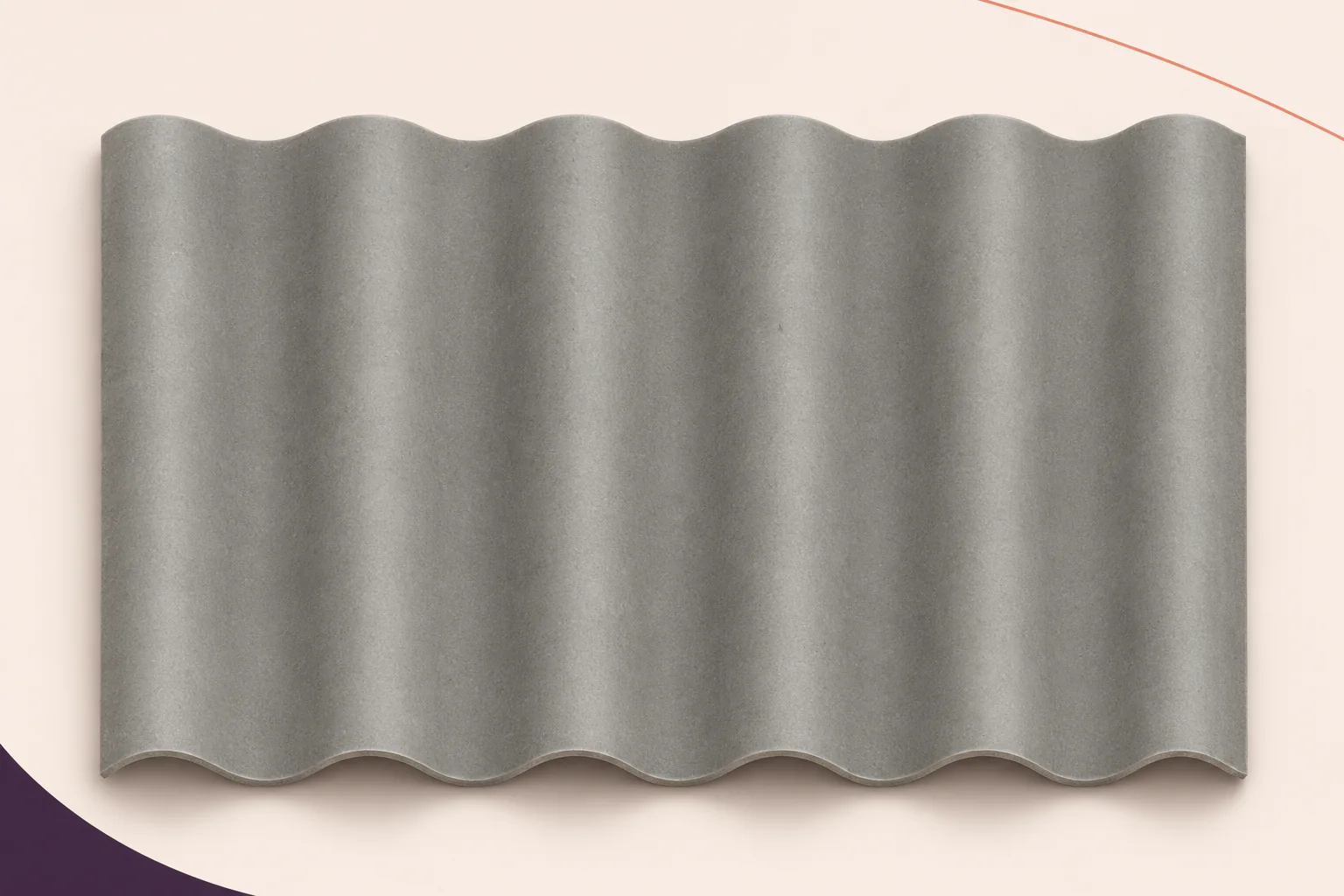
Every penetration interrupts the roof covering. Plan pipes, vents and brackets with the fibre-cement sheet layout before delivery. The services contractor needs…
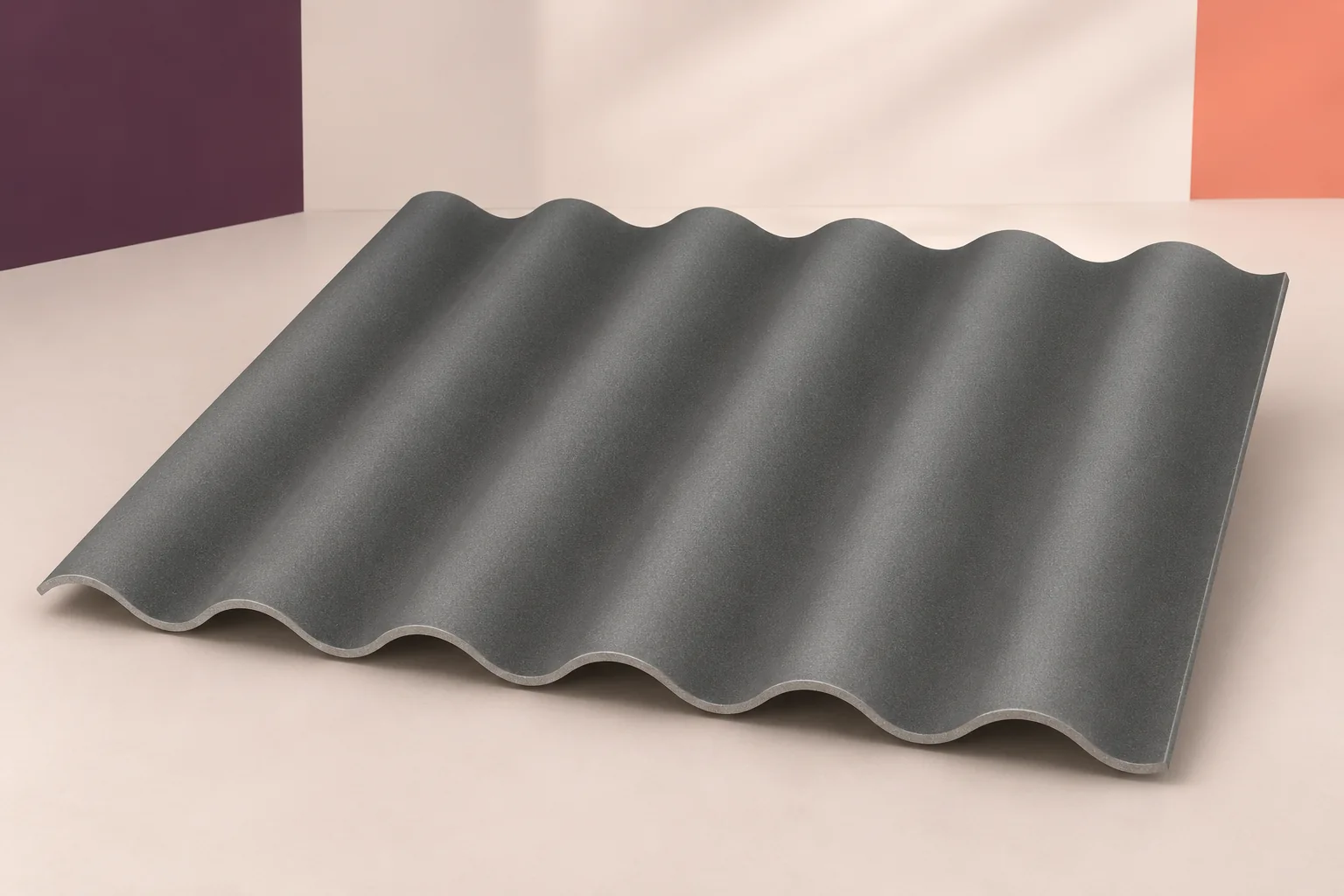
Installing photovoltaics changes the loads on an industrial roof. Before choosing a mounting system, have the sheets, purlins, fixings and primary structure…
A roof sheet’s reaction-to-fire classification describes a particular product. Assess the fire resistance of the roof assembly separately, taking account of the…
A roofing specification should enable the contractor to order the correct sheet and assess any proposed alternative. Describe the intended use, required…
