






Coordinating roofing and PV installation on a commercial building project
Roofing and energy
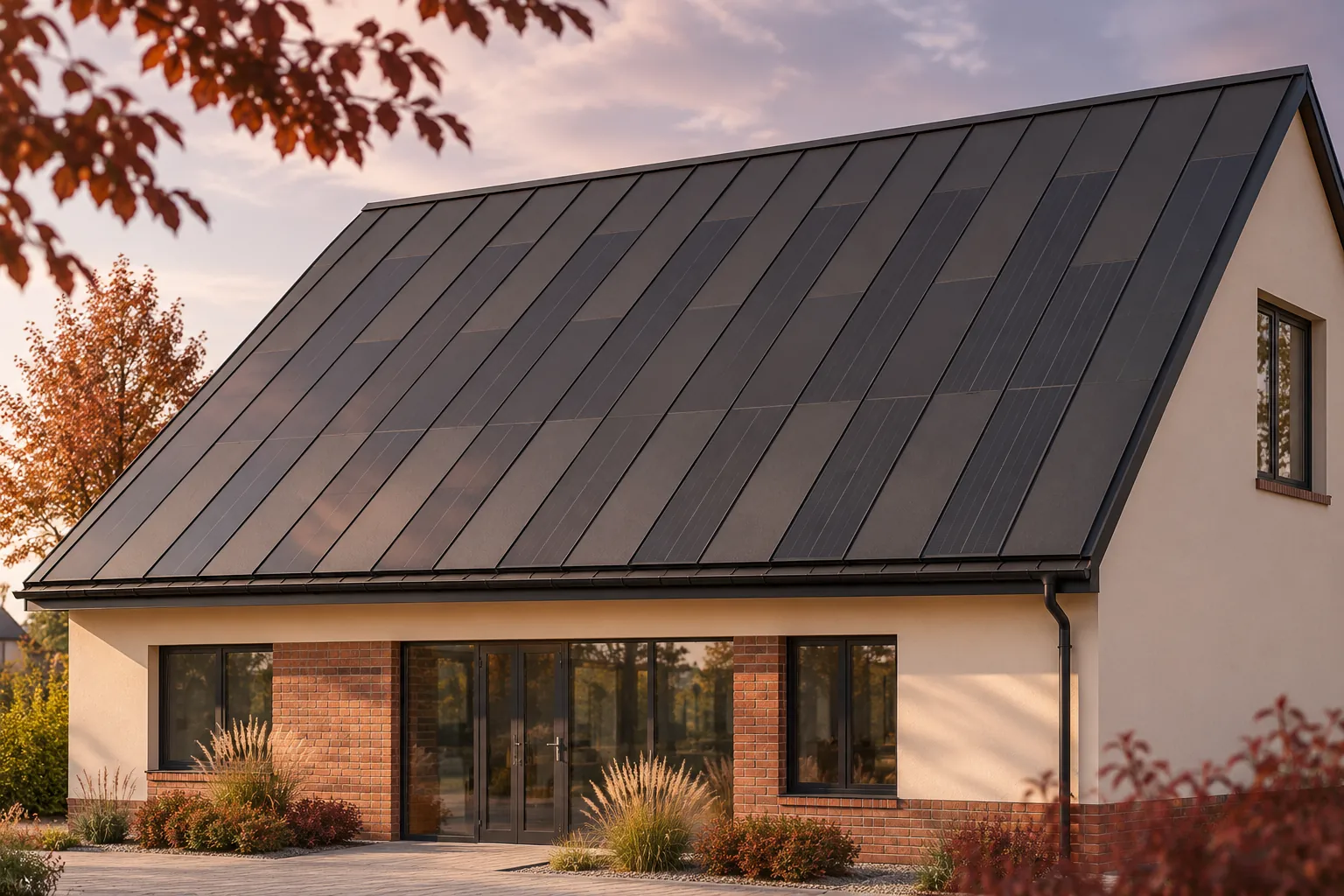
A building-integrated photovoltaic roof brings roofing and electrical work together on the same slope. A shared construction programme can reduce repeat visits when it covers deliveries, inspections and the work of both trades. It should identify what must be in place before each area is closed. The roof design needs to show active and passive fields and cable routes. The structural contractor needs the support requirements, while the electrician needs the positions of the roofing components. Agree these details before materials arrive so everyone works to the same layout. This coordination is necessary even when one company holds the contract.
In this guide
Which tasks need coordinating from the outset?
Agree the cable routes before the corresponding roof layers are closed. Otherwise a crew may have to reopen finished work simply to make room for the installation.
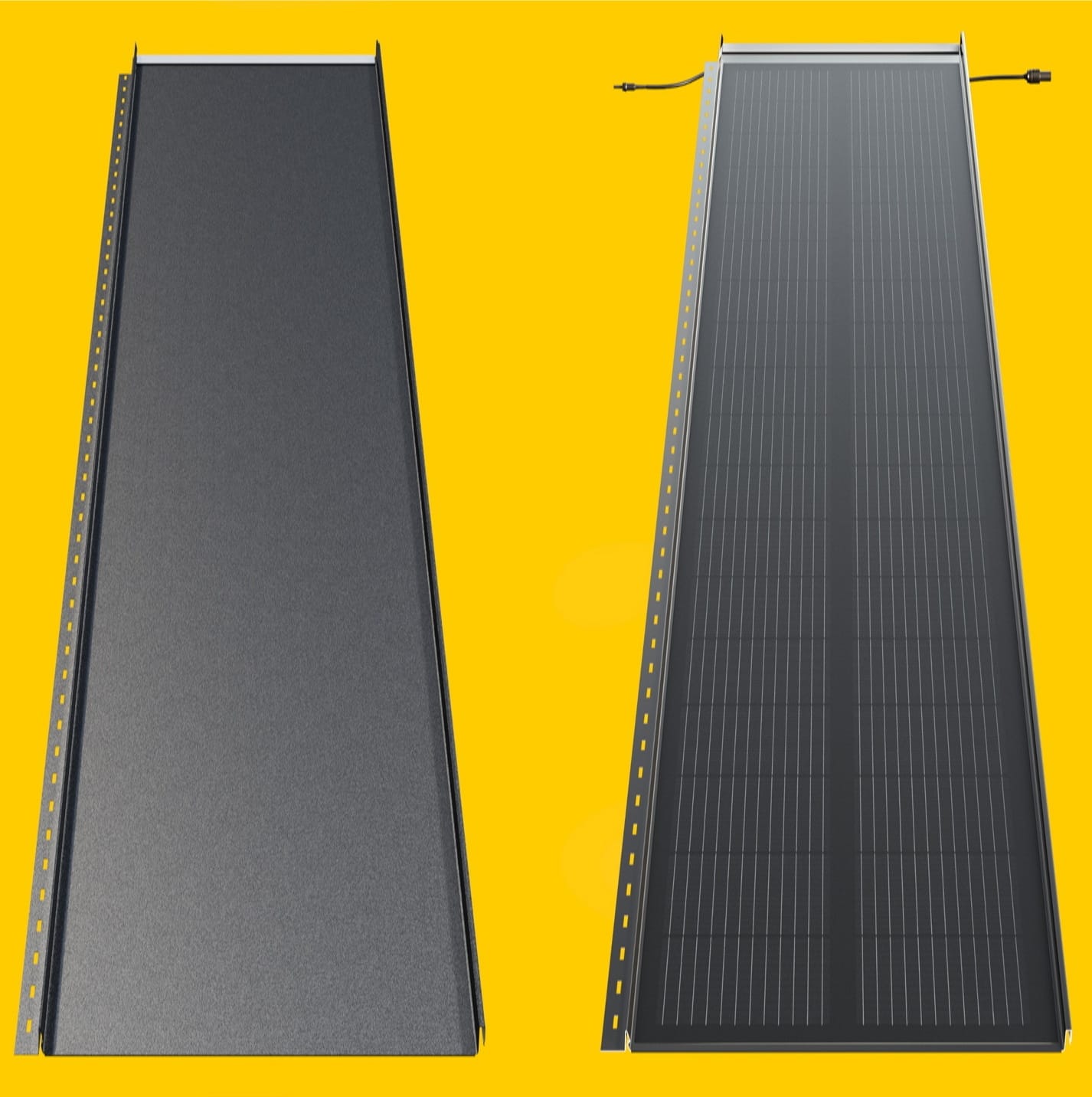
With integrated steel photovoltaic panels, the roofing and generating functions come together during installation. Plan the operations jointly and assign each task to a suitably qualified person. Responsibilities matter particularly for connections and inspections that will no longer be accessible once the covering is laid.
How does the programme affect access and equipment?
Several stages may share scaffolding, a lift and a storage area. Check the actual sequence before counting any savings from fewer visits or equipment moves. Other trades may need the same space or temporarily block access to the slope.
Coordinate material deliveries with other crews and available space. Time the arrival of active panels for when the substrate is ready. Components are harder to protect during long storage on a congested site. Schedule unloading, protection and inspection of the delivery as well as installation.
When should work be inspected between stages?
Schedule inspections of the layers beneath the covering, penetrations and required connections before they are concealed. Name the person authorised to release each area for the next trade. Allowing time for that decision prevents the next crew covering details that have yet to be checked.
Photographs and short inspection records document how the work was done. Each trade checks its own work, and the junctions also need a joint review. For example, a correctly connected cable can still obstruct a drainage path. Both trades can identify the conflict while the detail is accessible.
How should weather and design changes be allowed for?
An unfinished slope needs protection when weather interrupts roofing work. Set out how the crew will secure the open area during a stoppage. Allow time for weather, access and roof geometry, particularly if equipment has already been installed inside the building.
Moving a rooflight, flue or item of plant can change the panel layout. Agree how a change will be reviewed before it is made on site. Check its effects on ordered components, electrical work and dates. A small change by one trade can hold up the next if the delivered parts no longer fit.
What does appointing a single contractor achieve?
One contract can simplify communication and establish overall responsibility. It still needs a clear scope and named contacts because the contractor may use several crews. The client should know who confirms readiness for each stage and who answers technical questions during construction.
Plan electrical commissioning and document handover explicitly. The roof may already be weathertight while the electrical installation is still awaiting tests. Separate these dates so follow-on trades and the start of business operations can be planned against the appropriate milestone.
How can you assess the practical benefit of coordination?
Compare the number of work stages, return visits and tasks that require equipment to be brought back. Ask which costs the trades can share and which remain independent. The resulting benefit can be assessed from the programme for this building without assuming a fixed percentage reduction in construction time.
A common programme extends the joint design of a BIPV roof into construction. Realistic delivery dates and planned inspections help crews use the same access without closing areas prematurely. Keeping a record of concealed details also makes the finished roof easier to maintain.
Manufacturers and brands in photovoltaic roofing include Wienerberger Wevolt, SolRoof, Terrán, MDM NT (MyRoof), Electrotile, EDILIANS, SunRoof, Nelskamp, 3S Swiss Solar Solutions and ML System.

Free quote
What to include in your enquiry
Tell us how you plan to use the material, the dimensions and the quantity you need. Include the thickness, grade or variant name, along with the delivery town or your preferred collection branch. For a specific product, add its name or a link to the product page. We will reply to the email address you provide to discuss availability and the terms of your order.
Read next
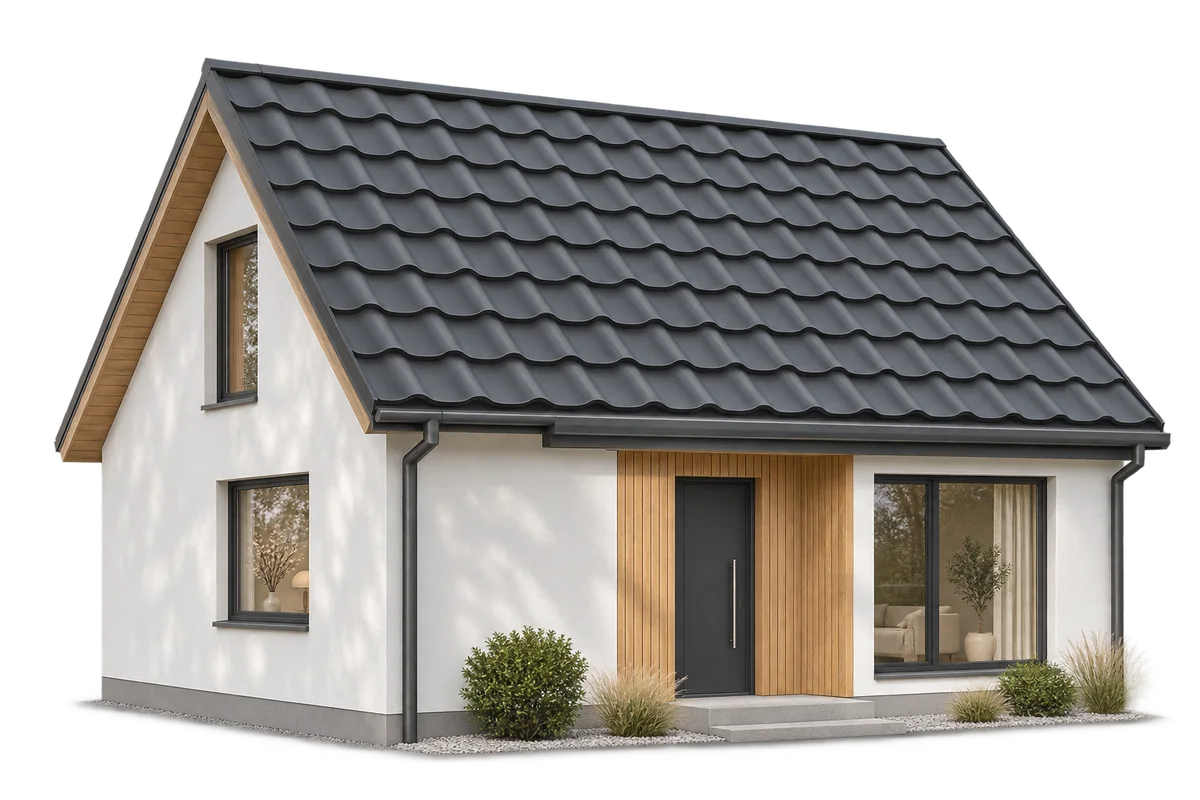
Metal roofing can suit both a traditional house and a simple contemporary building. The pattern of the profile, the proportions of each…
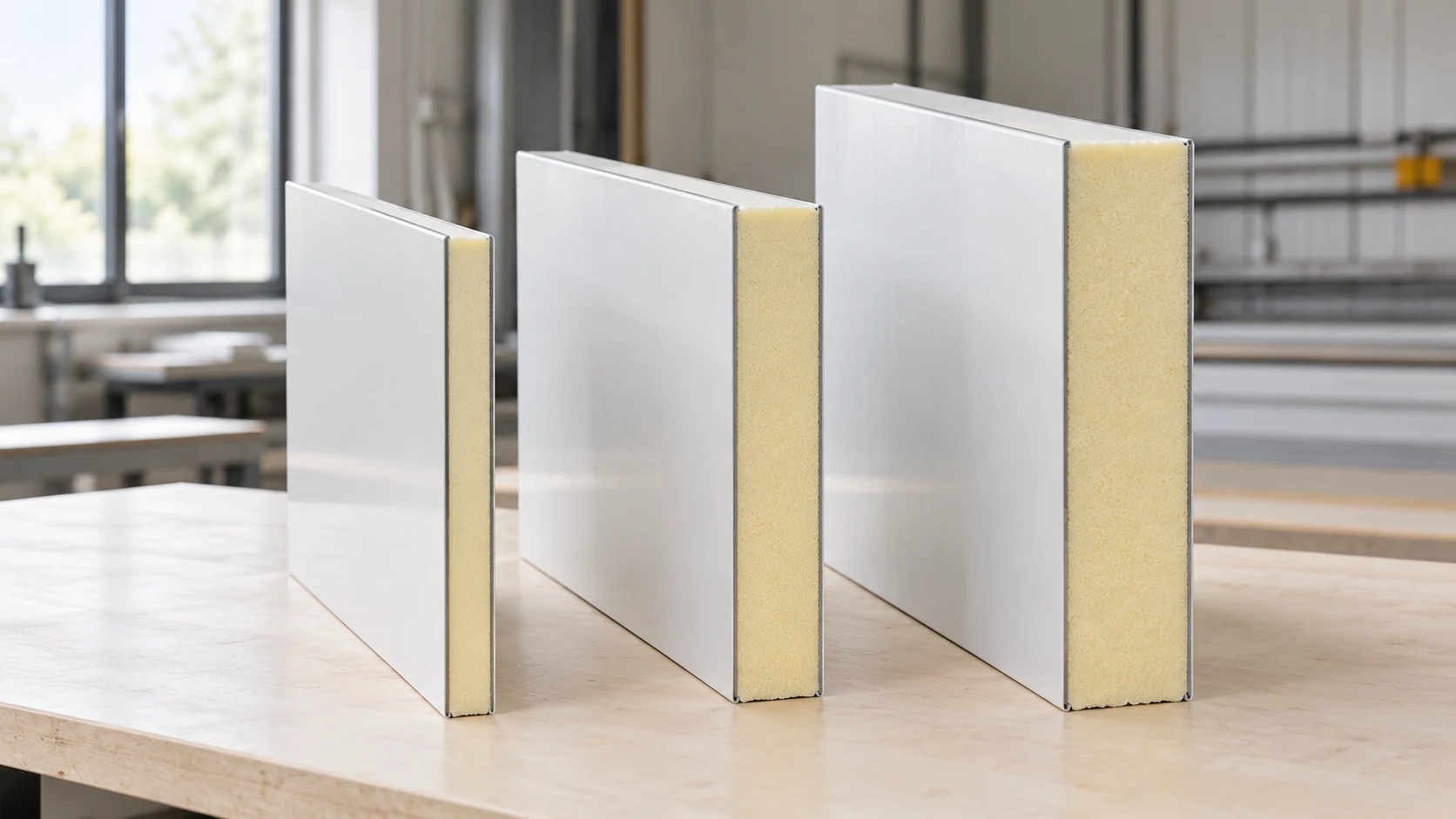
A quotation is useful when the price can be traced to a particular panel and quantity. Different cores, facings and fasteners can…
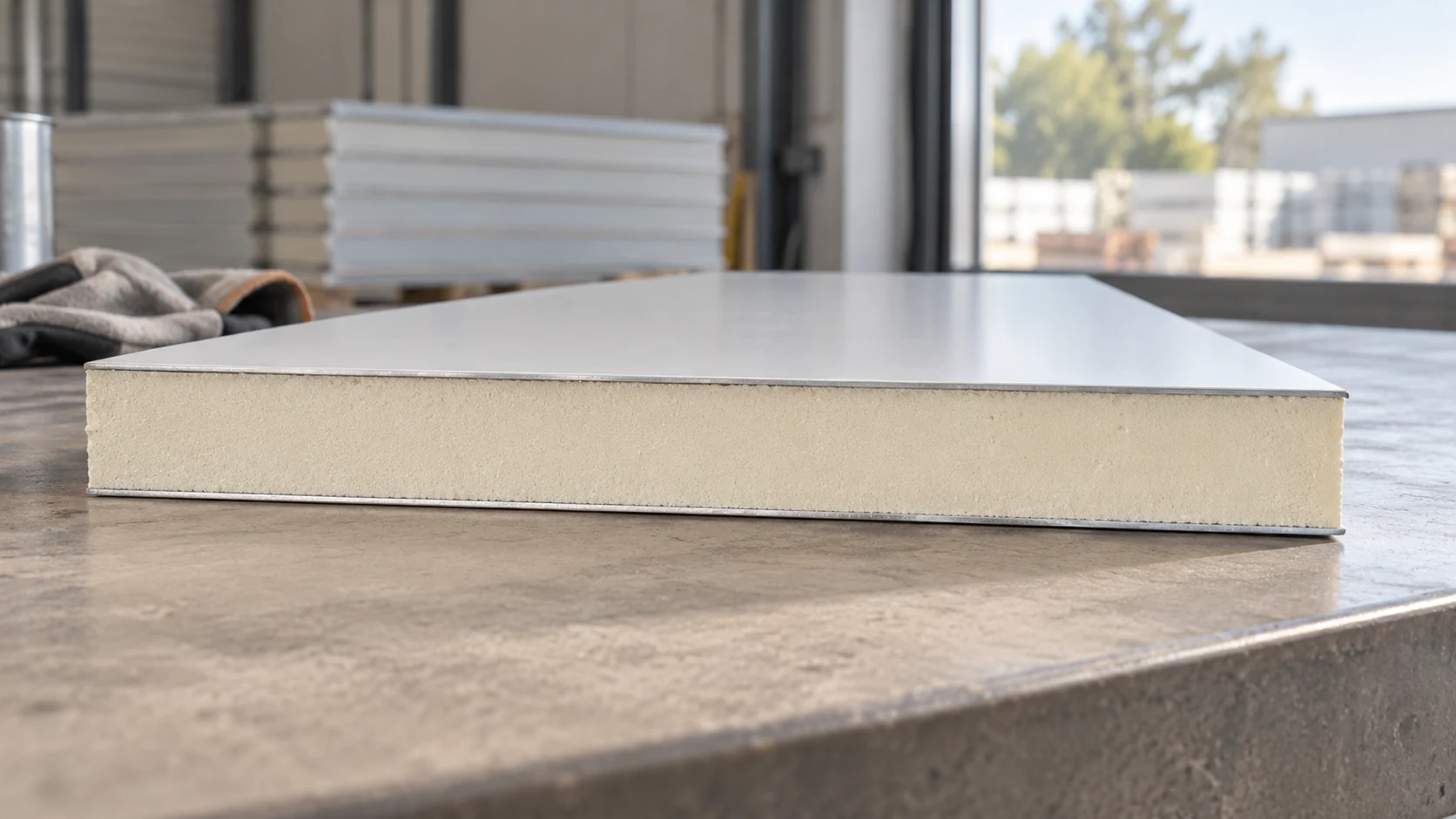
A price per square metre is only the starting point for a thin wall panel. Identify the core, facings and sales unit,…
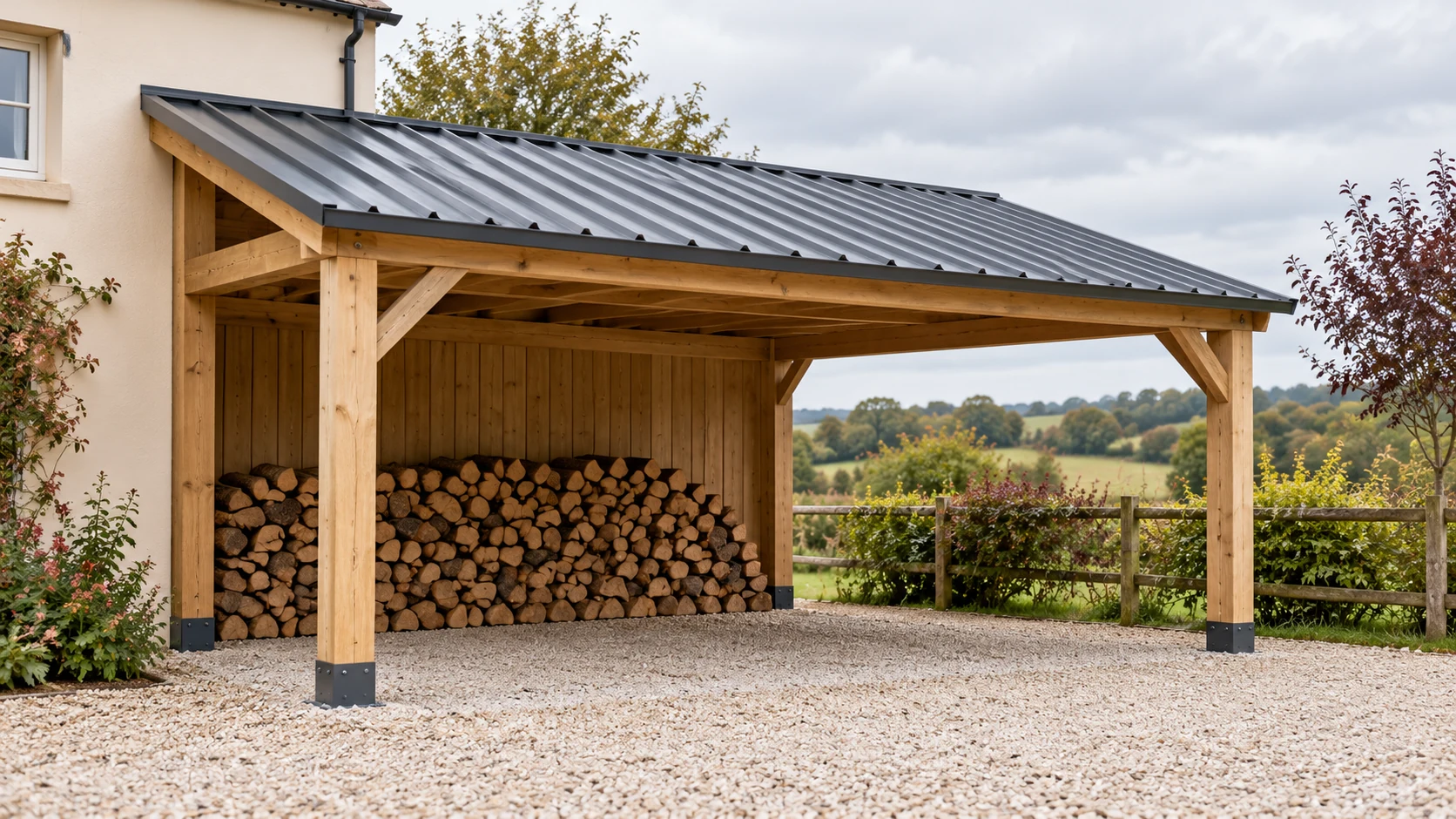
The cheapest sheet may not give you the lowest roof cost. Waste, supports, flashings and installation all affect the total. Define what…

On a large order, a small discrepancy in the board specification can affect an entire delivery. Specify the PIR facing, dimensions and…
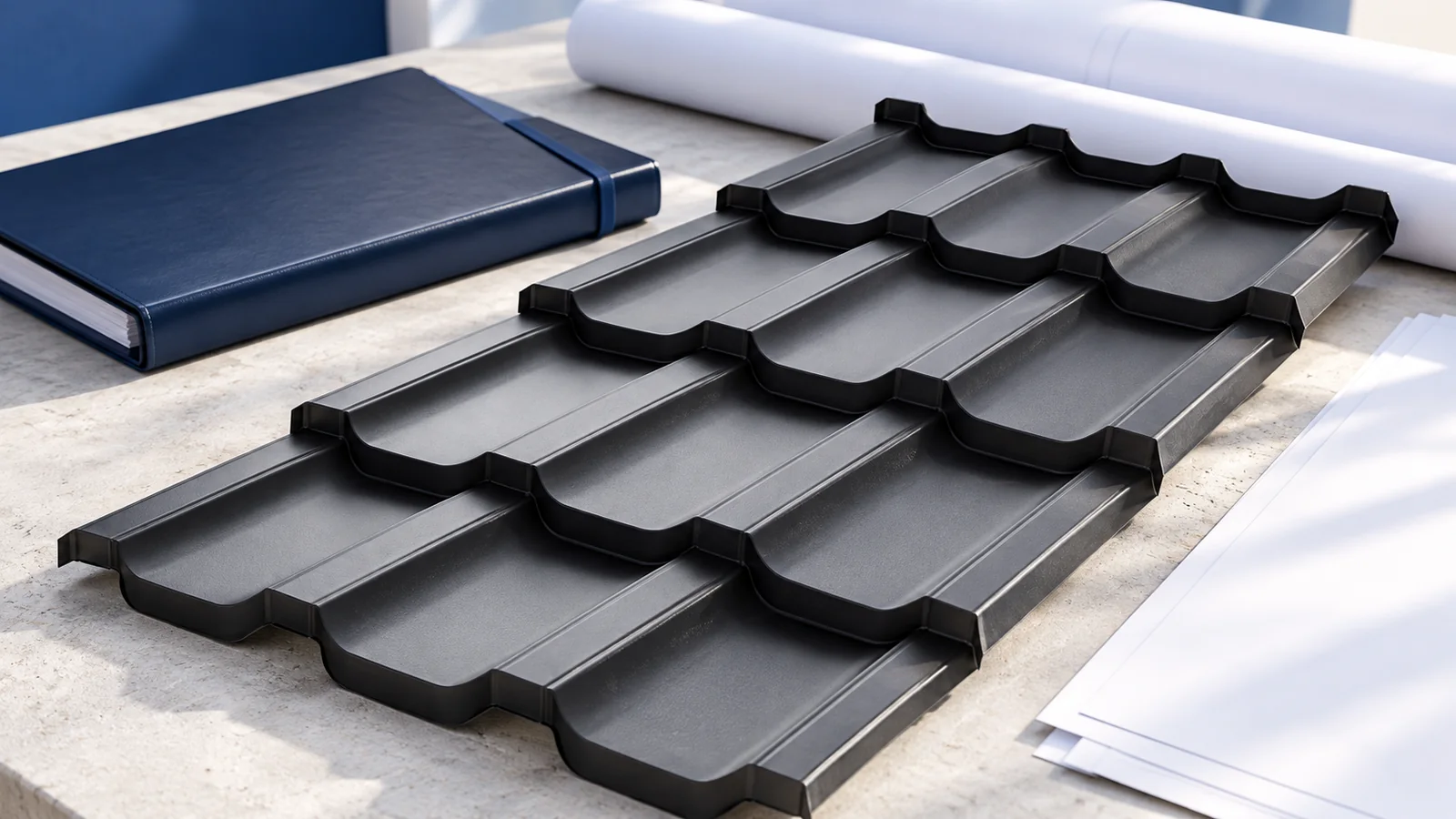
Start with the documents that establish what you may build on the plot. The designer then needs the intended use of the…
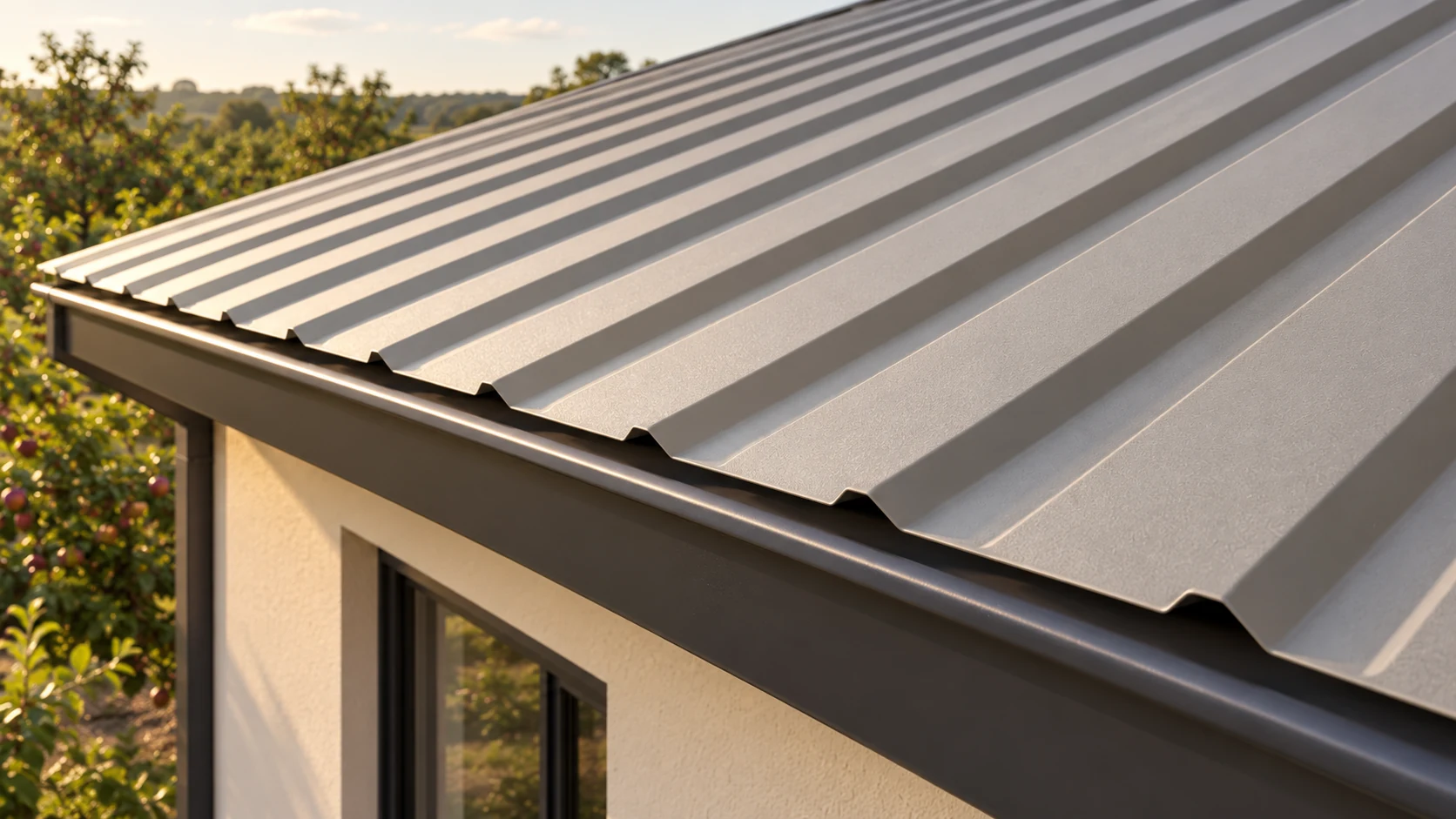
Start with the building and its supporting structure before comparing trapezoidal steel sheet prices. Choose the material, draw up a sheet layout,…
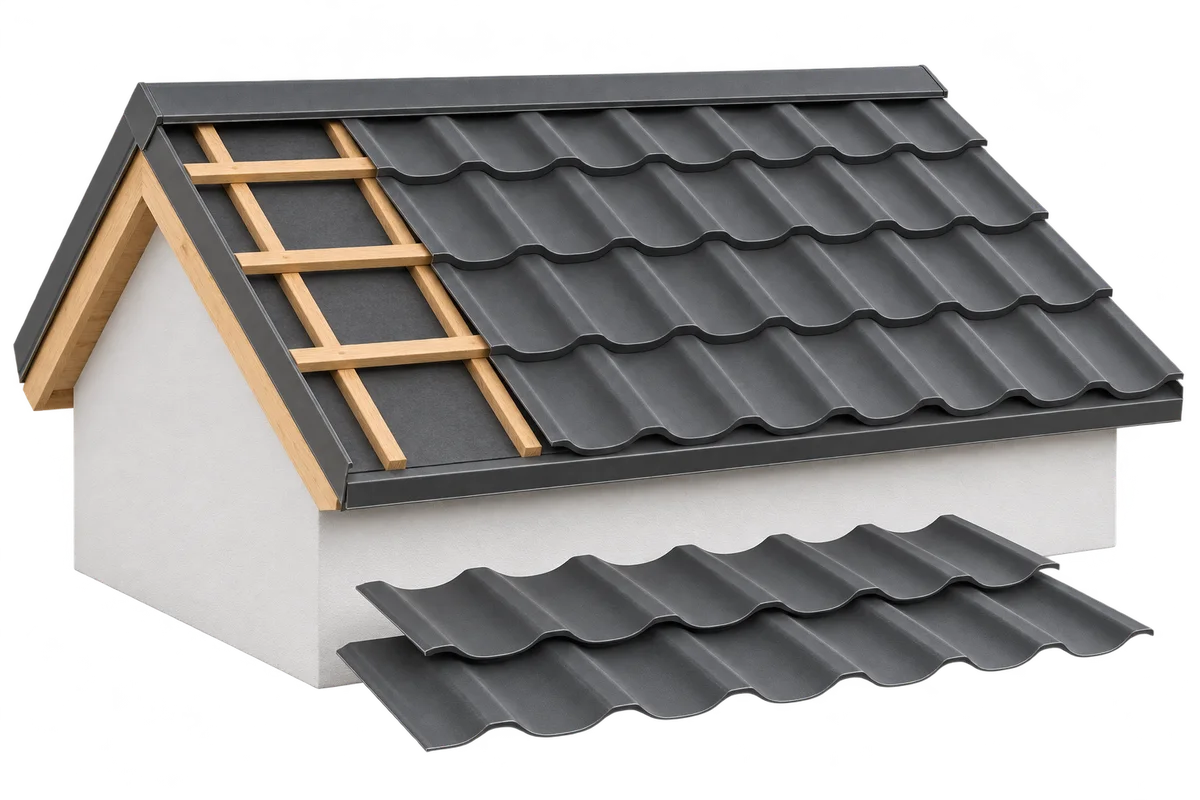
Roof construction starts with accurate measurements and a design that specifies the geometry, supports, loads and sequence of layers. Each stage prepares…
