






Buying PIR boards for a large project: specification, deliveries and batch checks
PIR insulation
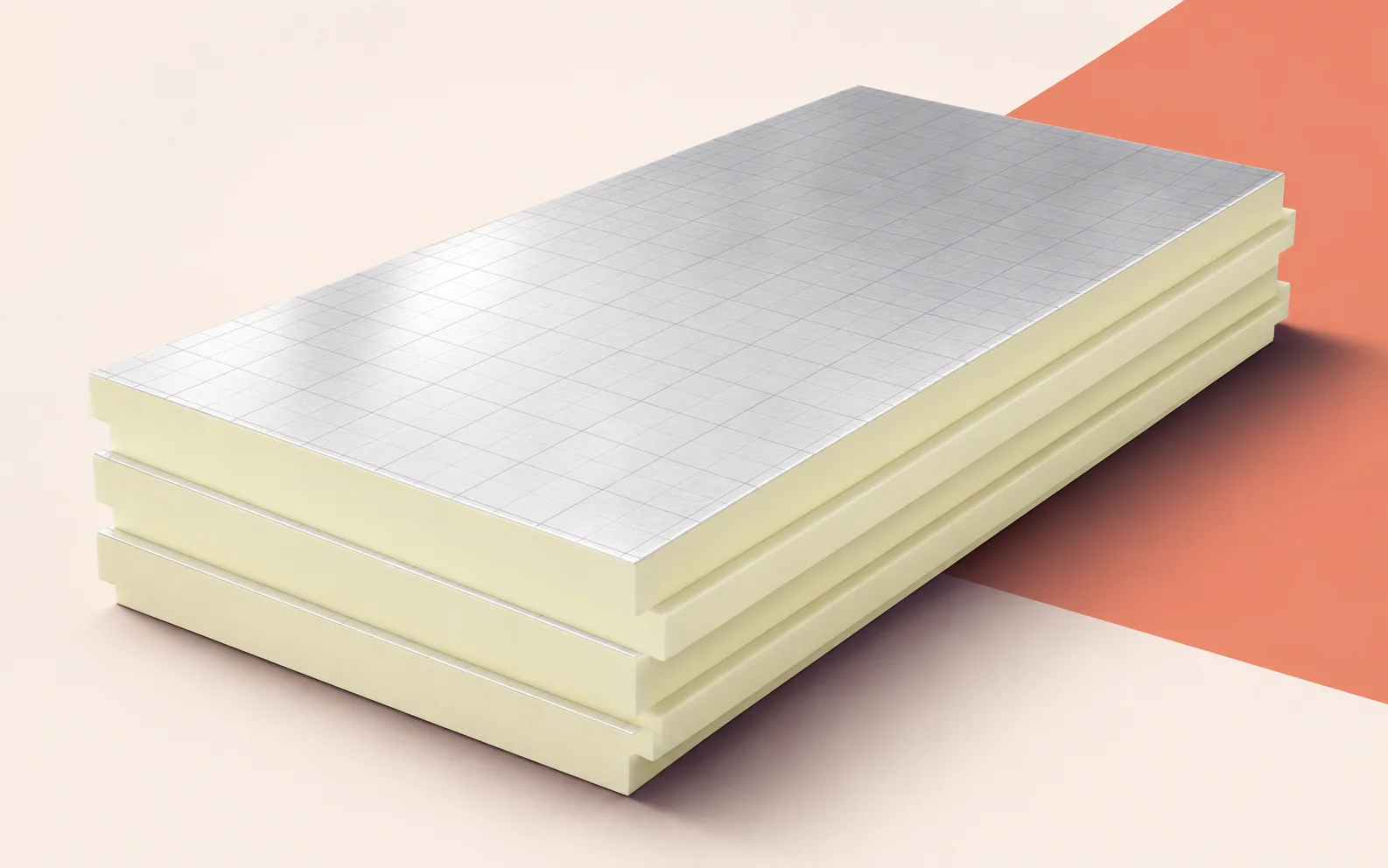
On a large order, a small discrepancy in the board specification can affect an entire delivery. Specify the PIR facing, dimensions and intended use, together with the accessories, delivery schedule and batch checks. Similar-looking boards can differ in facing, strength and suitability. Obtain the current technical data sheet, declaration of performance and installation instructions before purchasing. Retain the batch number with the delivery documents and record where the boards were installed. If a discrepancy emerges, these records identify the affected section and help the crew keep working in areas where the correct assembly has been installed.
In this article
Checking documents against the board supplied
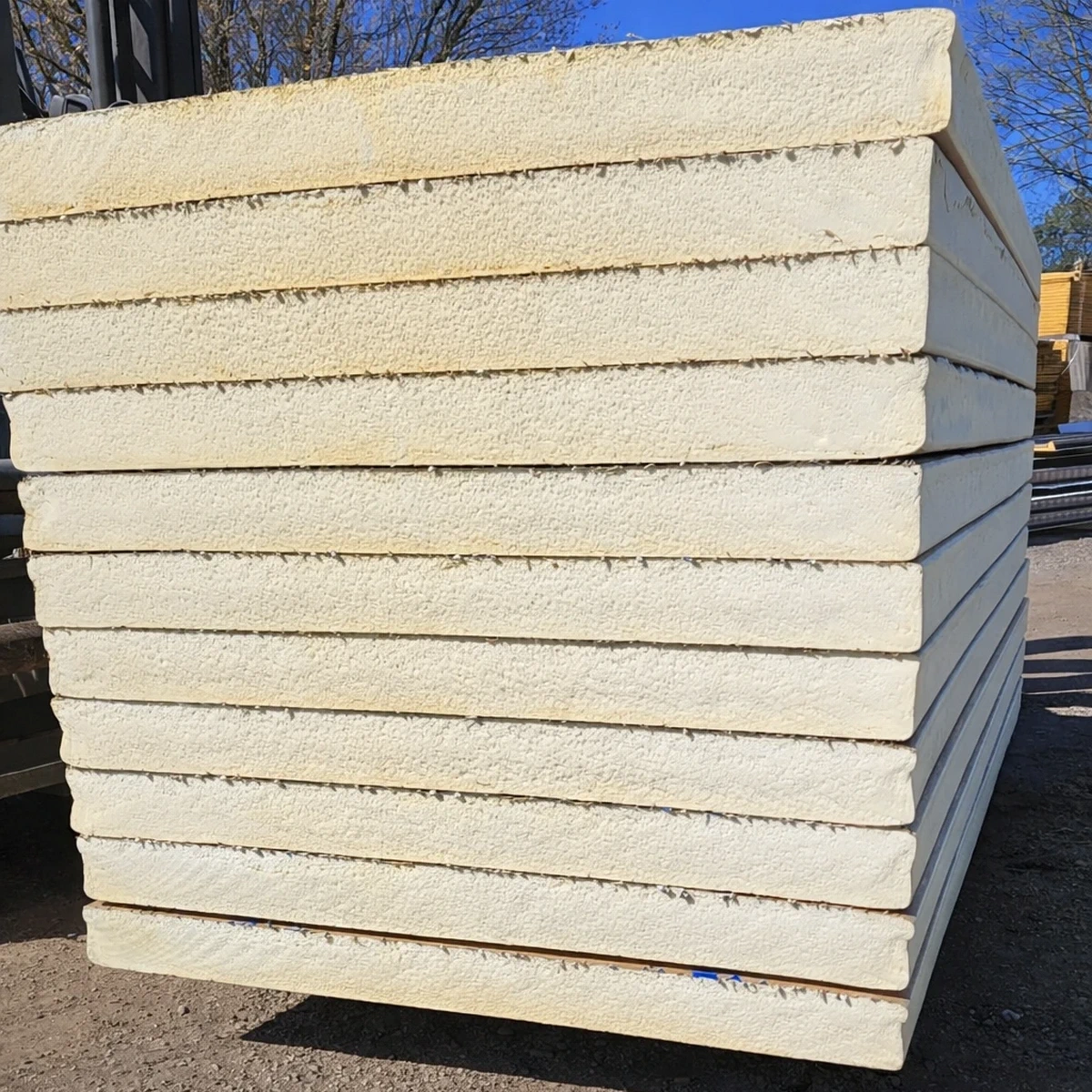
With multiple pallets, batch information is easily lost once the packs are opened. Keep the labels and assign them to installation areas. If a discrepancy is reported, you can identify its extent. Traceability supports quality control alongside inspection of the installed work.
Comparing the scope of quotations
In each quotation, identify the price of the main insulation layer separately from components for parapets, outlets and equipment bases. For every line, check that thickness and declared thermal conductivity deliver the required resistance and that the facing suits the specified adhesive.
An average square-metre price can hide omissions at edges or around equipment. Divide the enquiry by function and board type. Uniform boards, tapered pieces and junction components may each need a separate line. Comparing like-for-like items exposes missing components and shows whether a lower price covers the same work.
Board dimensions and delivery planning
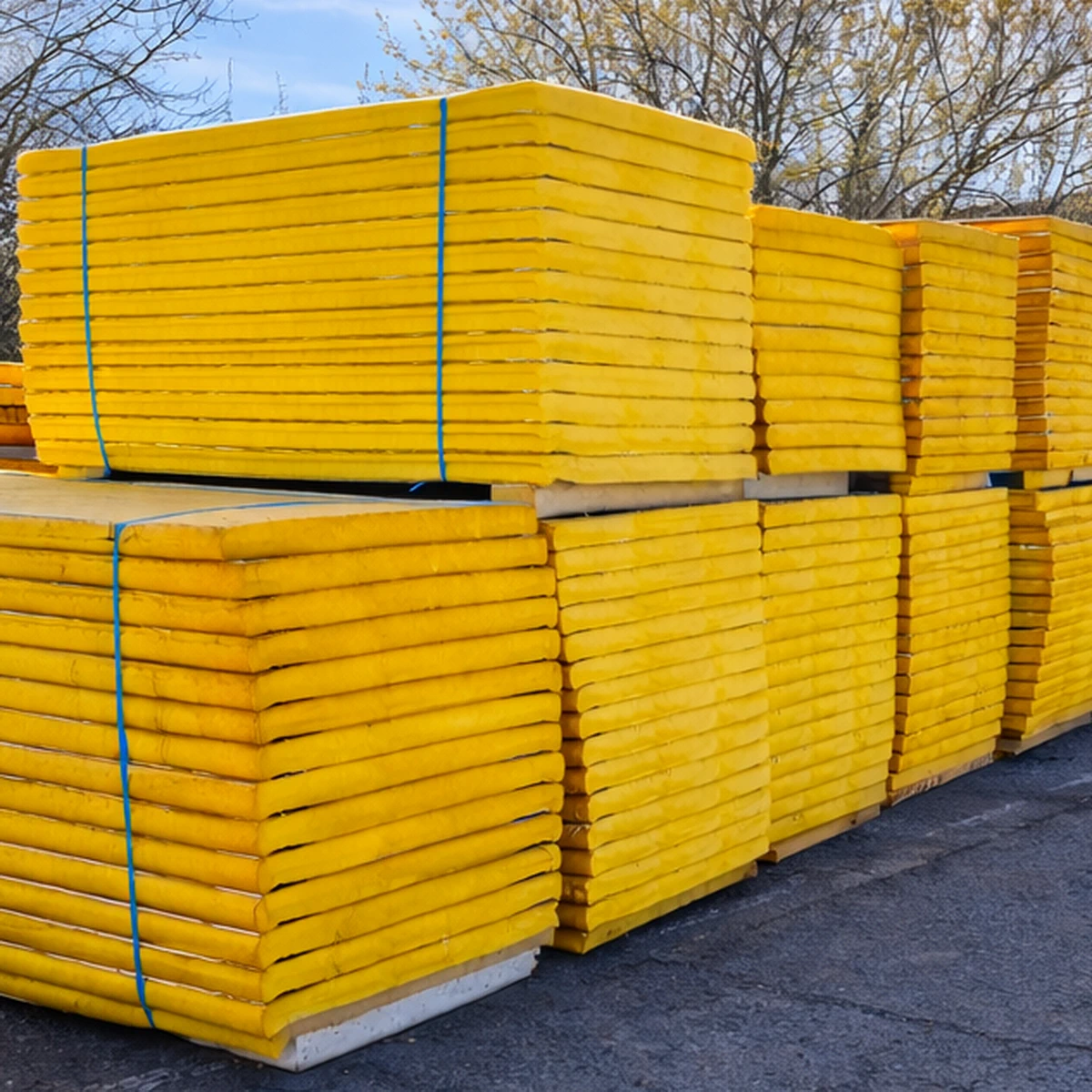
Before choosing a larger board, trace its route from pallet to installation point. A long board can be quick to lay on an open roof but impossible to turn in a narrow corridor. Divide the delivery into lots that match the sections ready for installation and the available storage.
Schedule deliveries to match the rate at which the crew can close each section. Allow for crane availability, storage areas and the sequence of trades. Early deliveries can block the work area, while late ones can prevent the envelope from being closed. Agree a lot size for each phase to keep boards in good condition and minimise exposure before protection is in place.
Cutting layouts and edge profiles
Mark both factory edges and cut edges on the cutting layout. An offcut from the first row can start the next only if its dimensions and remaining edge profile suit the joint detail. Check one bay before multiplying the board count by the number of repeats.
A trial bay reveals whether the board format fits the structural module and openings. Adjust the cutting plan before extending installation across the whole area. Check which offcuts retain the edges required for later joints. Planning a repeatable bay reduces waste without compromising joint quality.
Compatibility at material interfaces
For a bonded assembly, list the board reference, facing type, adhesive and substrate together in the order. If joint tape is purchased separately, check that it is intended for the same facing. Assign responsibility for checking compatibility between line items before dispatch.
Agree who will confirm the junction where board, adhesive, tape and structural element meet, especially if different suppliers are involved. Correct labelling of the individual components alone does not establish that they work together. Ask for confirmation for the actual assembly. This also gives you a basis for assessing substitutions if stock availability changes.
Installation costs and follow-up work
Compare the cost of complete deliveries for each phase with a delivery that needs a second trip for missing accessories. Include repeat unloading, temporary protection of the unfinished section and the crew time needed to return to the same work area.
Delivery terms and completeness have a direct cost on a large site. One missing accessory can prevent an entire section from being closed, leaving the crew to stop and restart. When comparing offers, check how discrepancies can be reported and the time allowed for resolution. This places the quoted price in the context of the actual programme.
Worked example of a board quantity check
For a 105 m² rectangular area, a nominal 1.20 × 0.60 m board covers 0.72 m² and a 2.40 × 1.20 m board covers 2.88 m². Divide the area by each figure and round up: the lower bounds are 146 and 37 boards respectively. Before ordering, check the effective cover area for the specified edge profile, draw the cuts and find the number of boards per pack. Only then convert the quotation into a deliverable number of packs.

Free quote
What to include in your enquiry
Tell us how you plan to use the material, the dimensions and the quantity you need. Include the thickness, grade or variant name, along with the delivery town or your preferred collection branch. For a specific product, add its name or a link to the product page. We will reply to the email address you provide to discuss availability and the terms of your order.
Read next
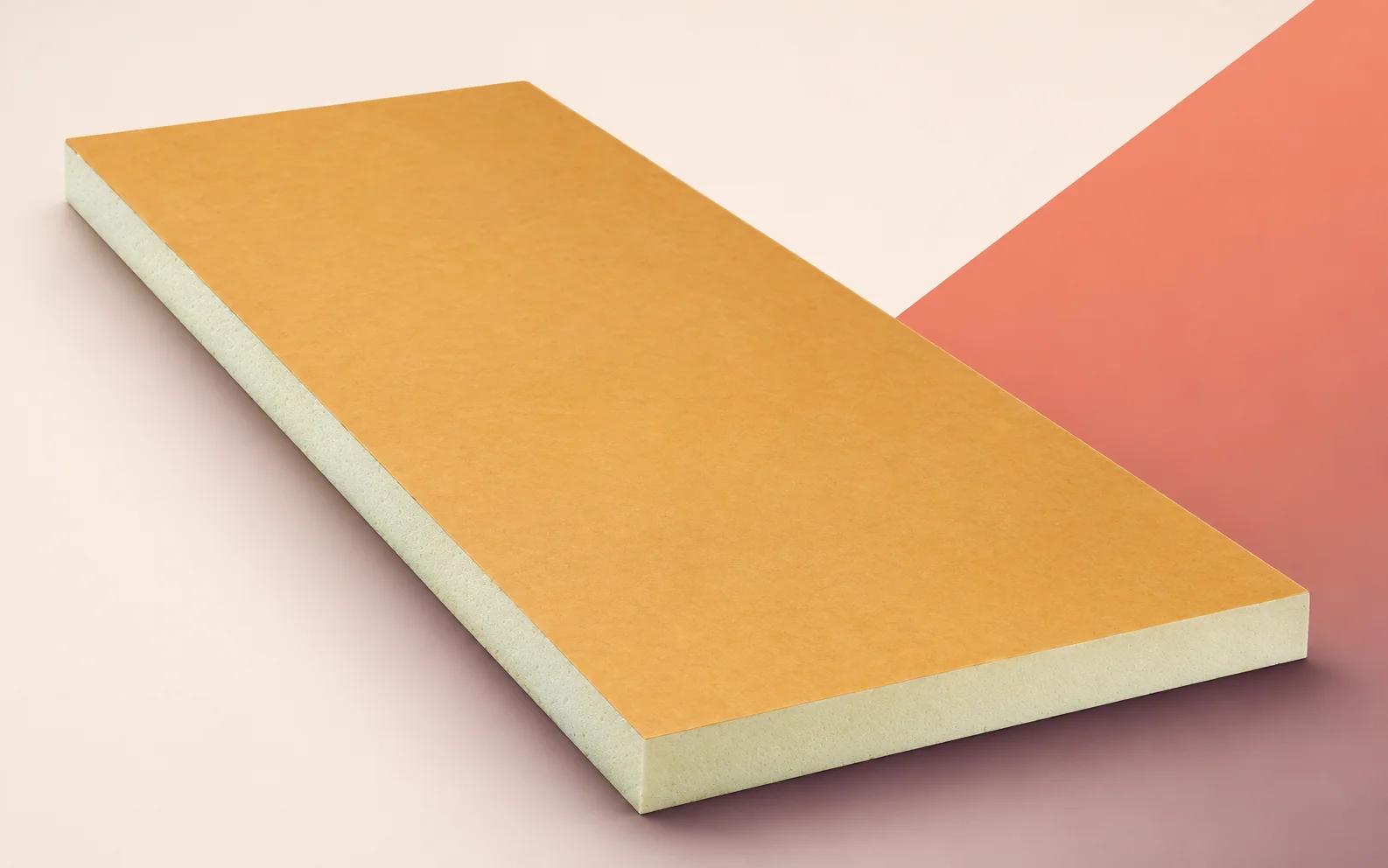
Divide the roof into the open field and the services strip before choosing an EFIGREEN ALU+ XL board size. Full boards fit…
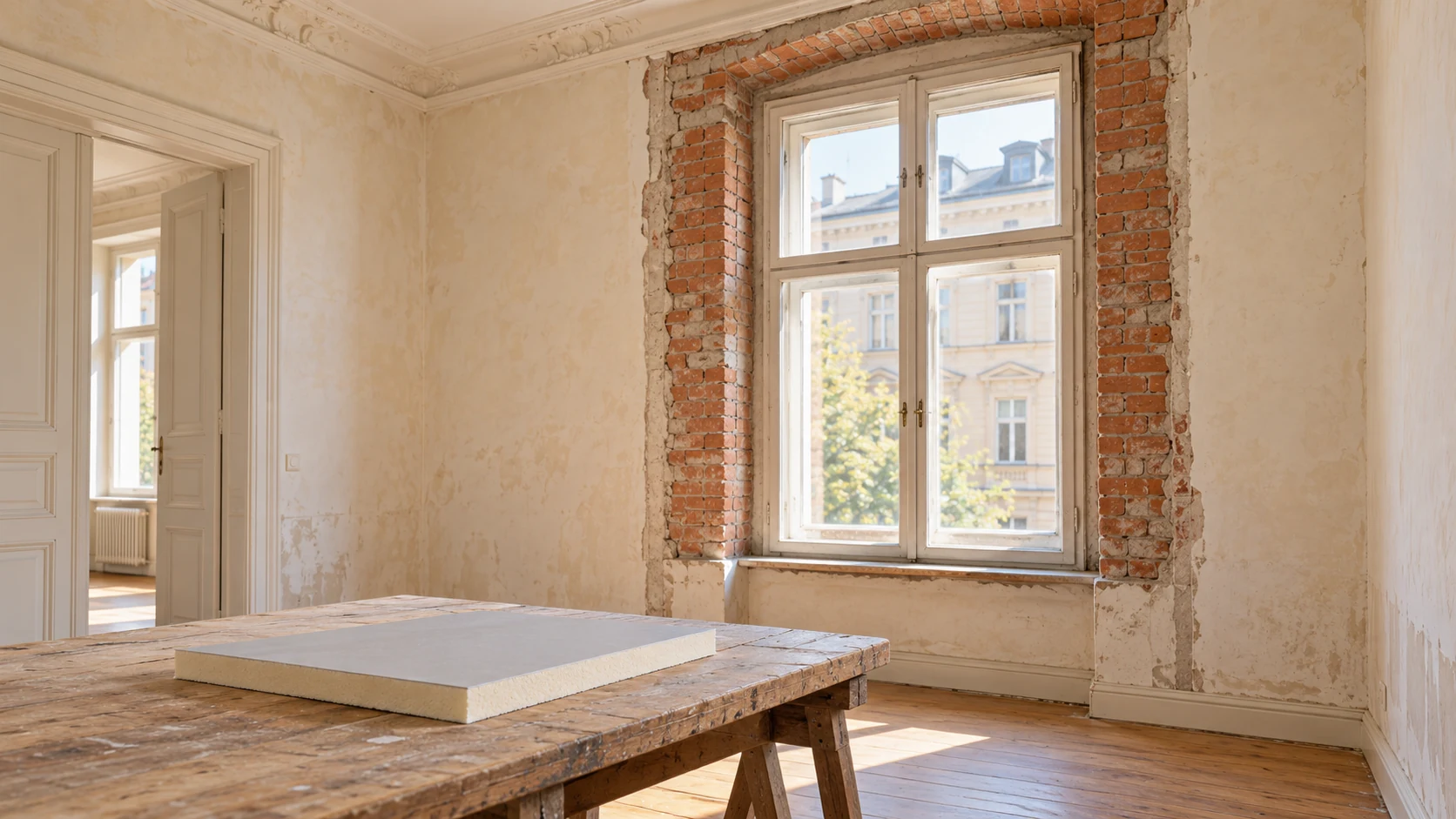
When a historic façade must be preserved, internal insulation may be an option. First establish how the walls and floors are built.…
When ordering Thermano Compact for reveals, recesses and narrow perimeter strips, start with the dimensions of each insert. Two areas of equal…
An unheated warehouse wall and the envelope of a continuously heated office face different conditions. In a workshop, the time doors stand…
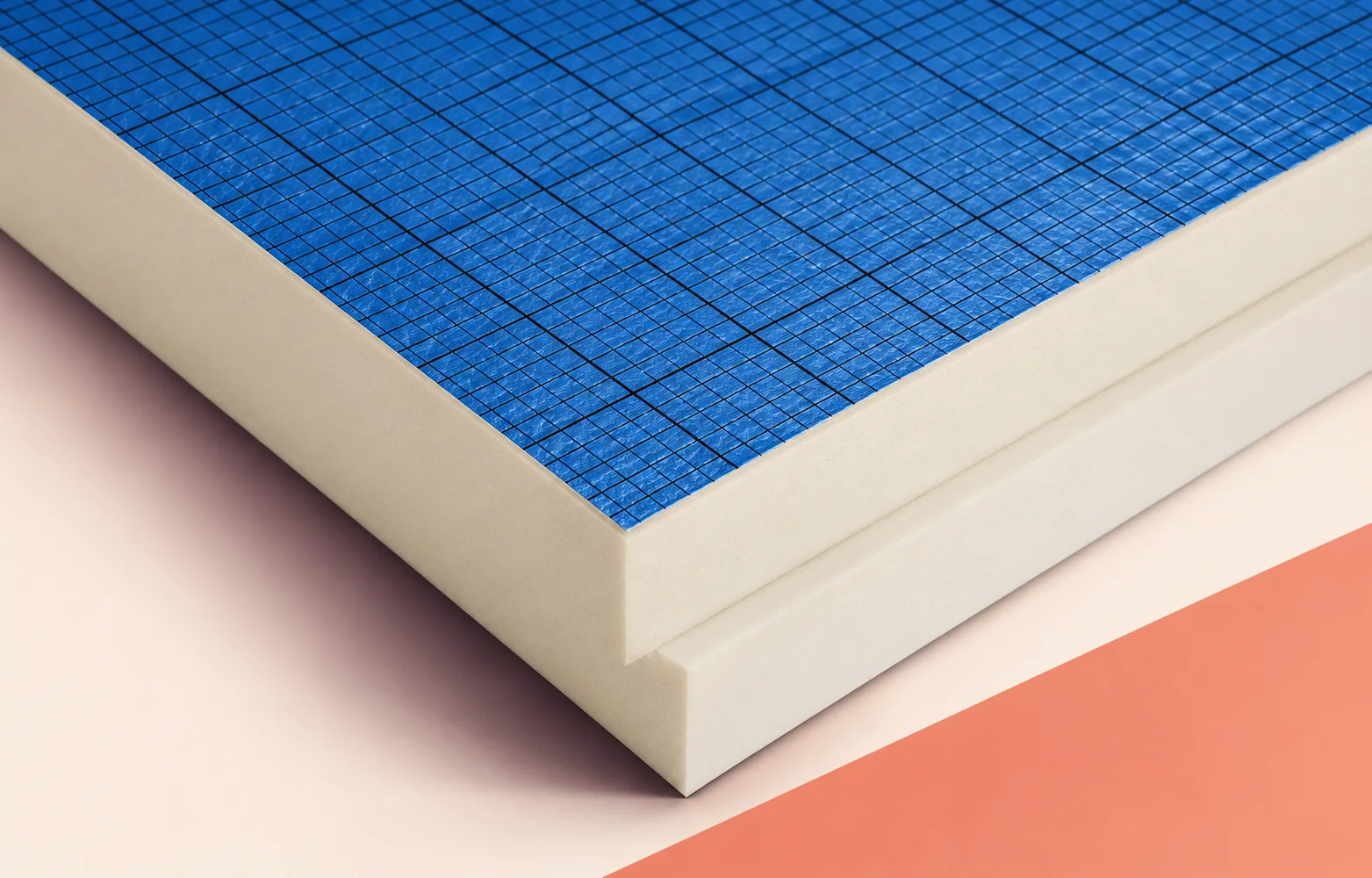
When specifying EFYOS BLUE A on an industrial roof, measure from the finished membrane to its termination at the parapet. Clearance can…
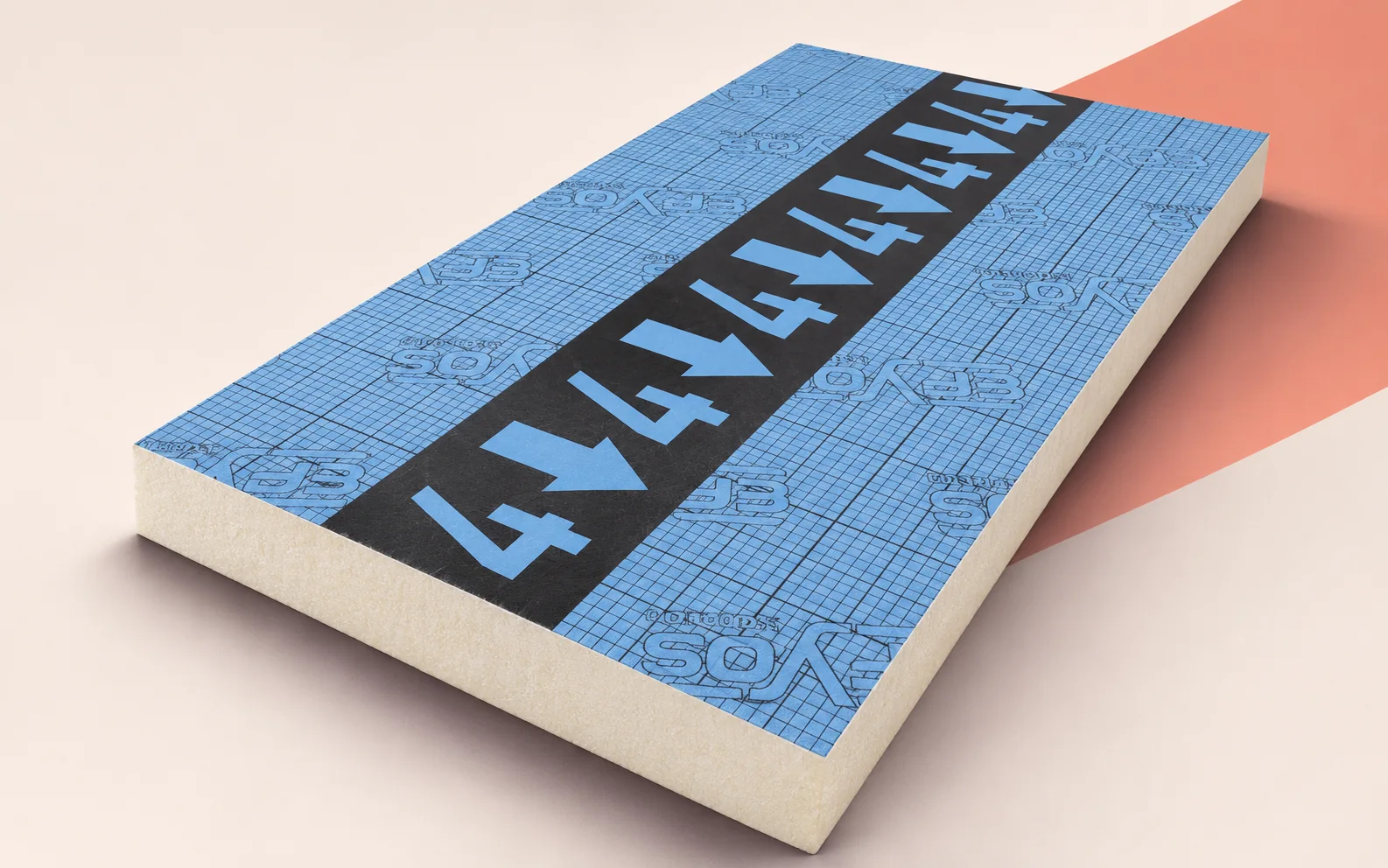
Order EFYOS BLUE SMART A boards from the falls plan. Start at one outlet. Mark its catchment boundary, outlet level, high points…
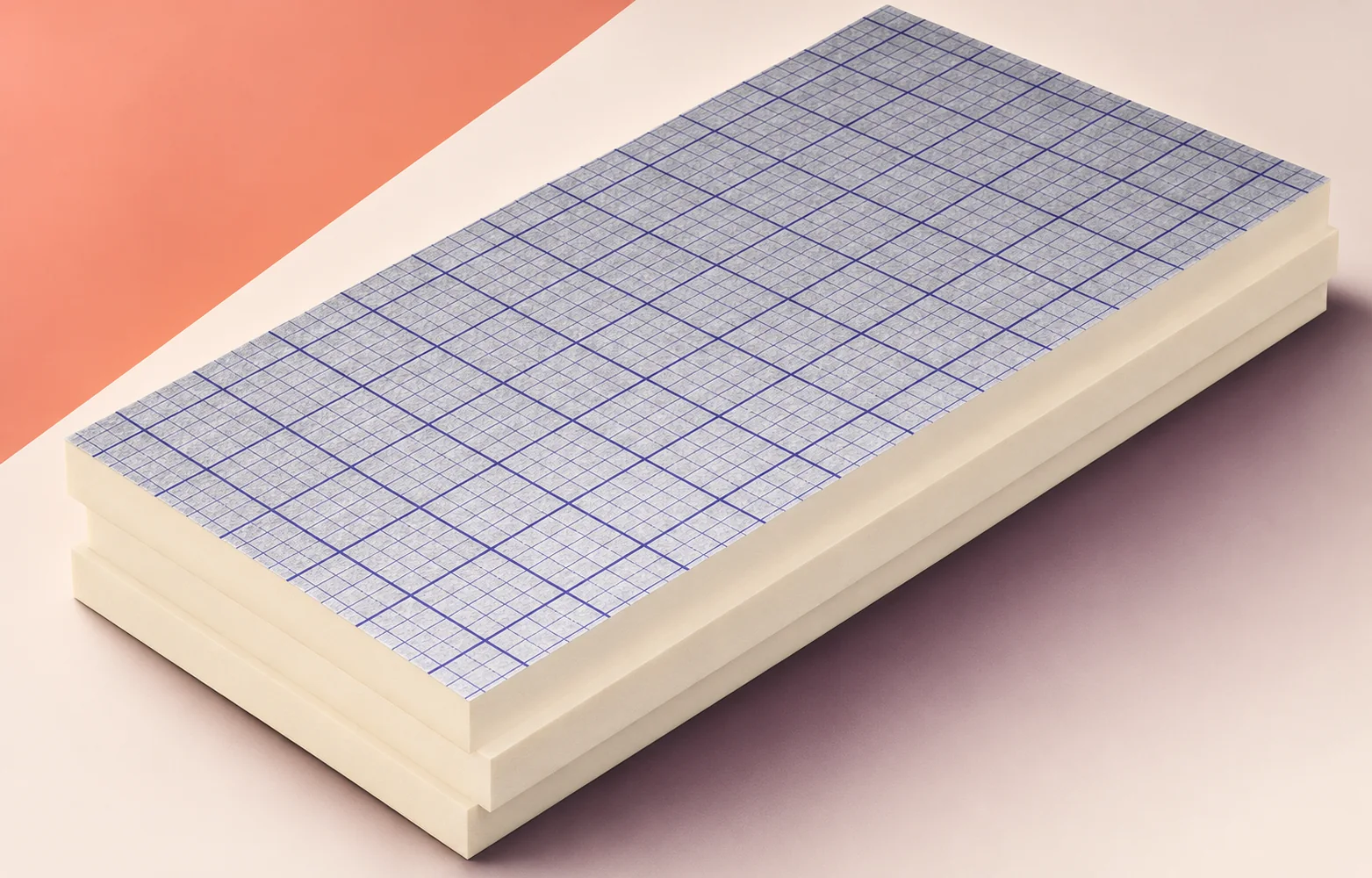
When swissporPIR Alu arrives for several industrial buildings, assign each pallet to a specific work area before lifting it to the roof.…
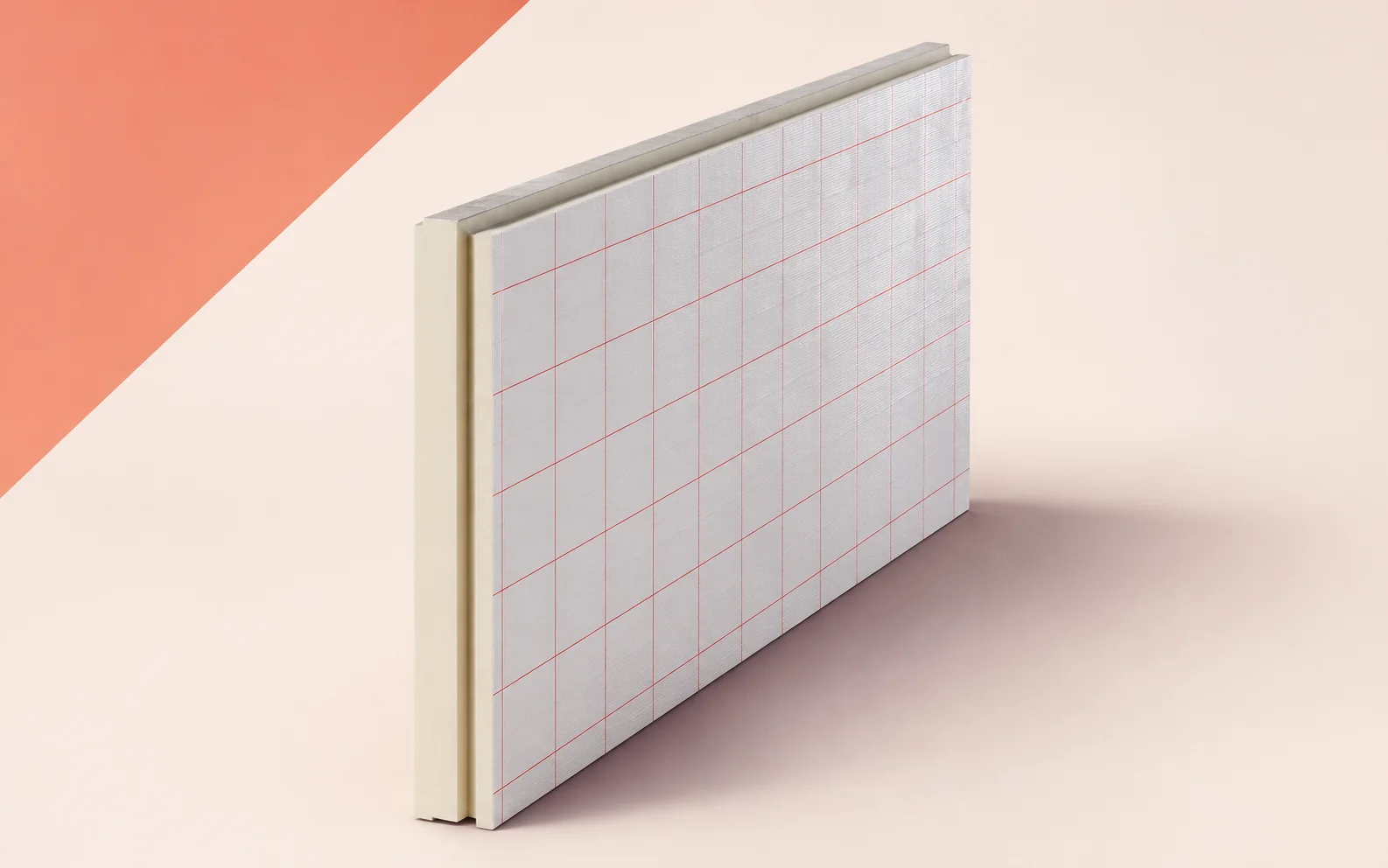
For IKO enertherm ALU TG, choose the laying direction before cutting the first row. The tongue on one factory edge must slide…
