Galvanised steel supports for sandwich panels: coatings, moisture and insulation continuity
Steel sections and structures
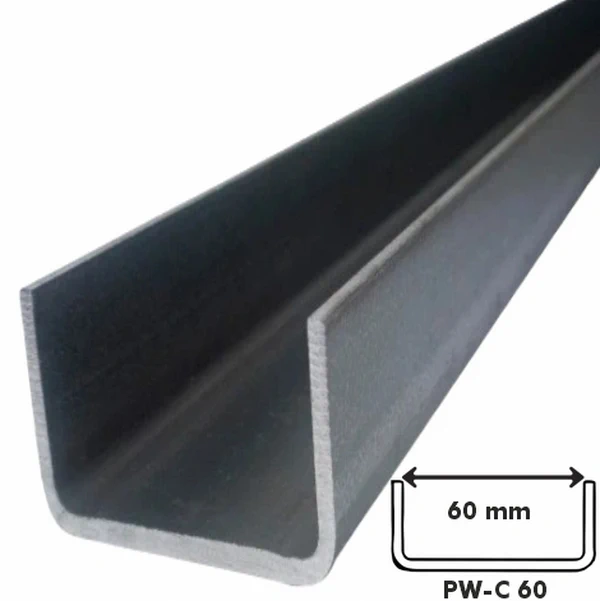
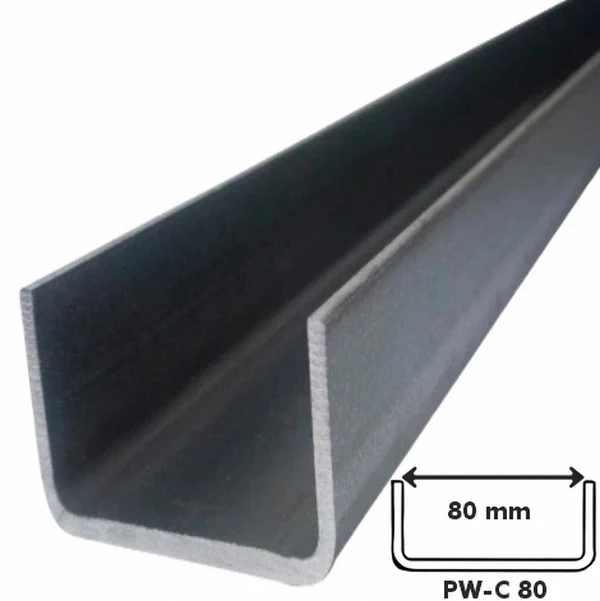
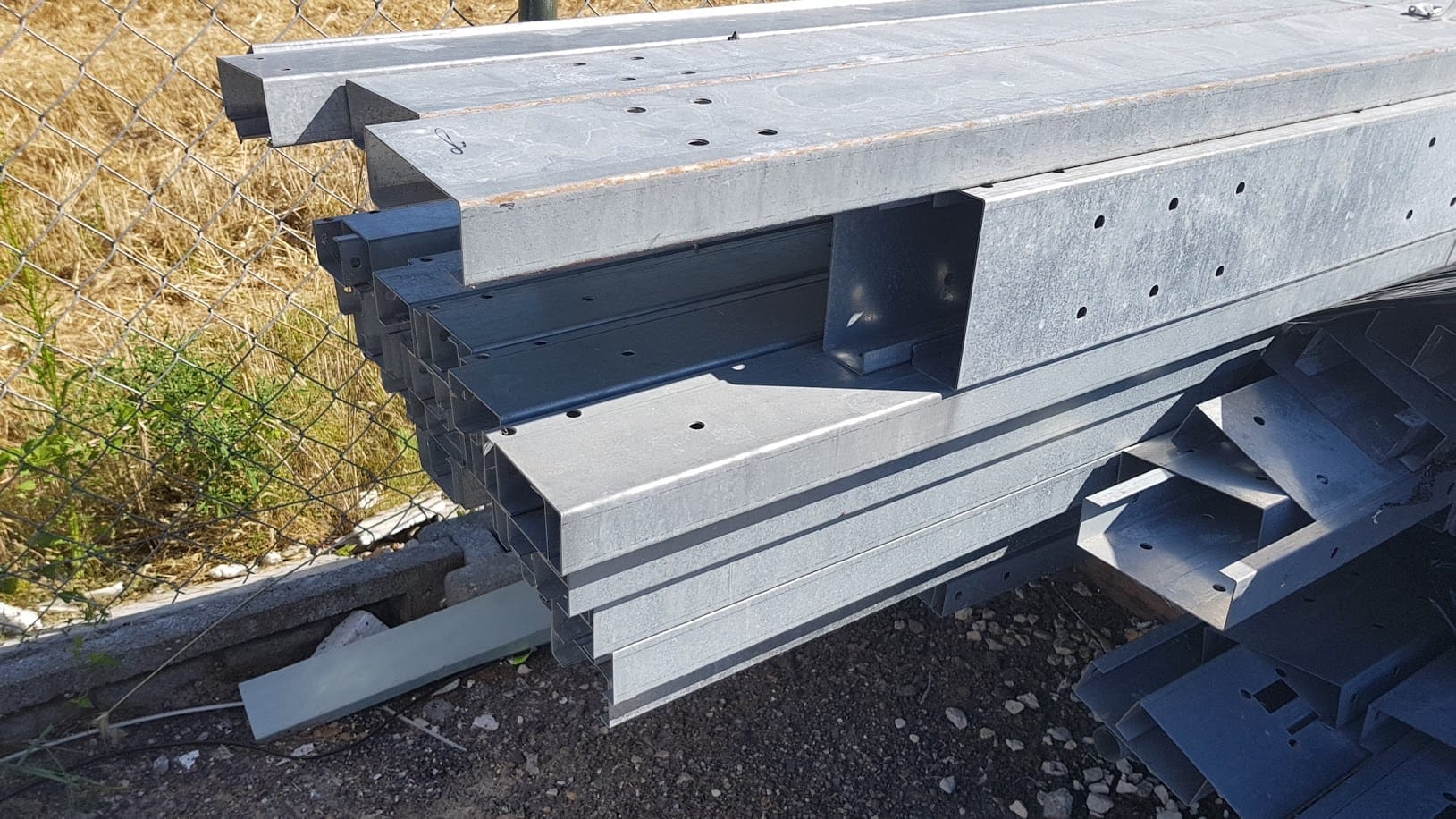
Steel rails behind sandwich panels are exposed to the conditions at their particular position in the building envelope. Specify corrosion protection, sealed joints and continuous insulation together. The zinc coating helps protect the steel, while seals control moisture entry and the insulation limits heat flow. An industrial building may be dry inside, intermittently humid or exposed to substances used in production. Outside, rain and pollutants add further exposure. A member beneath a leaking joint can experience much wetter conditions than the rest of the frame. Select its protective coating for that location and the intended use of the building.
In this article
Establish the exposure on both sides of the envelope
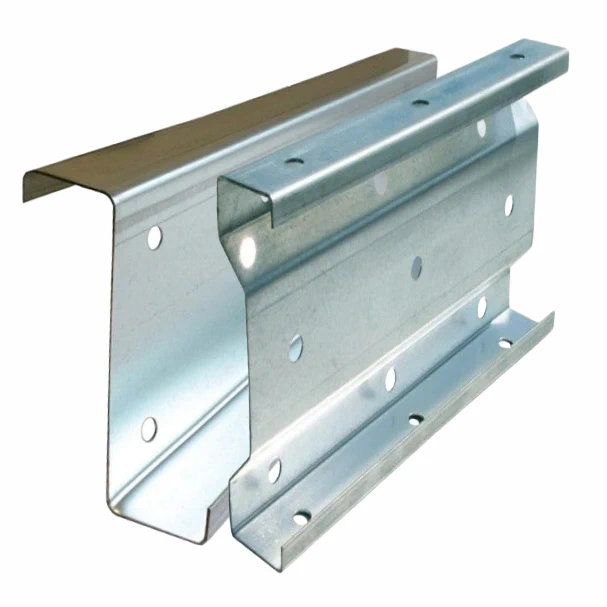
Consider how the building will be used. Washdown, stored substances and high humidity may all affect the specification for channels, Z sections, sigma sections and hat sections. Specify the particular protective system and the requirements established by assessing the environment. No single coating suits every application.
Identify the coating from its specification
Suppliers offer zinc coatings and other metallic protection systems, some of which contain aluminium and magnesium. Their designations identify different materials. A photograph cannot reliably distinguish them. Require clear material specifications for the sections, panels and fasteners.
Coating mass and steel substrate thickness are separate specifications. A thicker steel sheet does not in itself provide greater surface protection. When changing section suppliers, check both the structural specification and the protective finish, even where the section dimensions match.
Seal junctions to prevent local wetting
Panel joints, flashings around openings and plinth connections require suitable seals. Water that penetrates the envelope may remain hidden for a long time. Detail the layers in the correct order and provide a drainage route. If a joint leaks, correct the route of entry even where the rail has a protective coating.
Keep inspection points accessible. Cold-formed sections can have recesses and contact faces that become difficult to examine once clad. Design these areas to limit standing water. A well-detailed envelope helps maintain the conditions assumed when specifying the steelwork.
Maintain continuity of the insulation
A sandwich panel combines facings with an insulating core. The performance of the complete wall or roof also depends on its connections. Steel members and fasteners can conduct heat across the insulation. Trace these paths at corners, around openings and at interfaces with other building components. Core thickness alone cannot describe these junctions.
Zinc provides no thermal break. Where pads or other components reduce thermal bridging, ensure they are compatible with the structural connection. Introducing a soft layer beneath a support can alter bearing pressure, deformation and fastener behaviour. Check the thermal and mechanical requirements together.

Match the fastener to the material and exposure
Specify the screw, washer and any seal for the panel-to-rail connection. Match them to the substrate type and thickness, the panel properties and the exposure. Consider the service life of rail and fastener together because deterioration of either part can impair the entire connection.
Check the screw’s drilling range and connection properties as well as its length. This applies to thin hat sections and to deeper C and Z sections alike. If the section thickness changes, review the fastener as part of the approval process for the replacement material.
Protect surfaces from delivery onwards
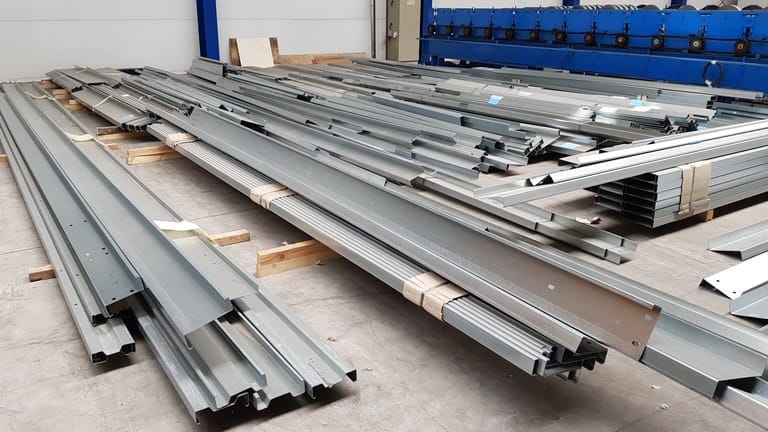
Follow the storage requirements for the bundled sections and panels. Avoid leaving moisture trapped between stacked steel surfaces. Condensation can occur even in dry weather. Inspect the delivery after unloading and follow the manufacturer’s storage instructions, including any limits on leaving transport wrapping in place.
Remove fabrication debris and assess coating damage before installing the cladding. Use a repair method suitable for the coating. If a member is distorted, assess its geometry separately. These checks are easier before the panels cover the connections. Later access may require removal of part of the wall or roof.
Check fire performance for the complete assembly
A zinc coating does not give a steel member a fire resistance rating. A panel classification also applies only within its documented scope. Check whether the specified supports and fasteners fall within the documentation for the assembly. Changing the supporting structure can affect compliance with the conditions of that design.
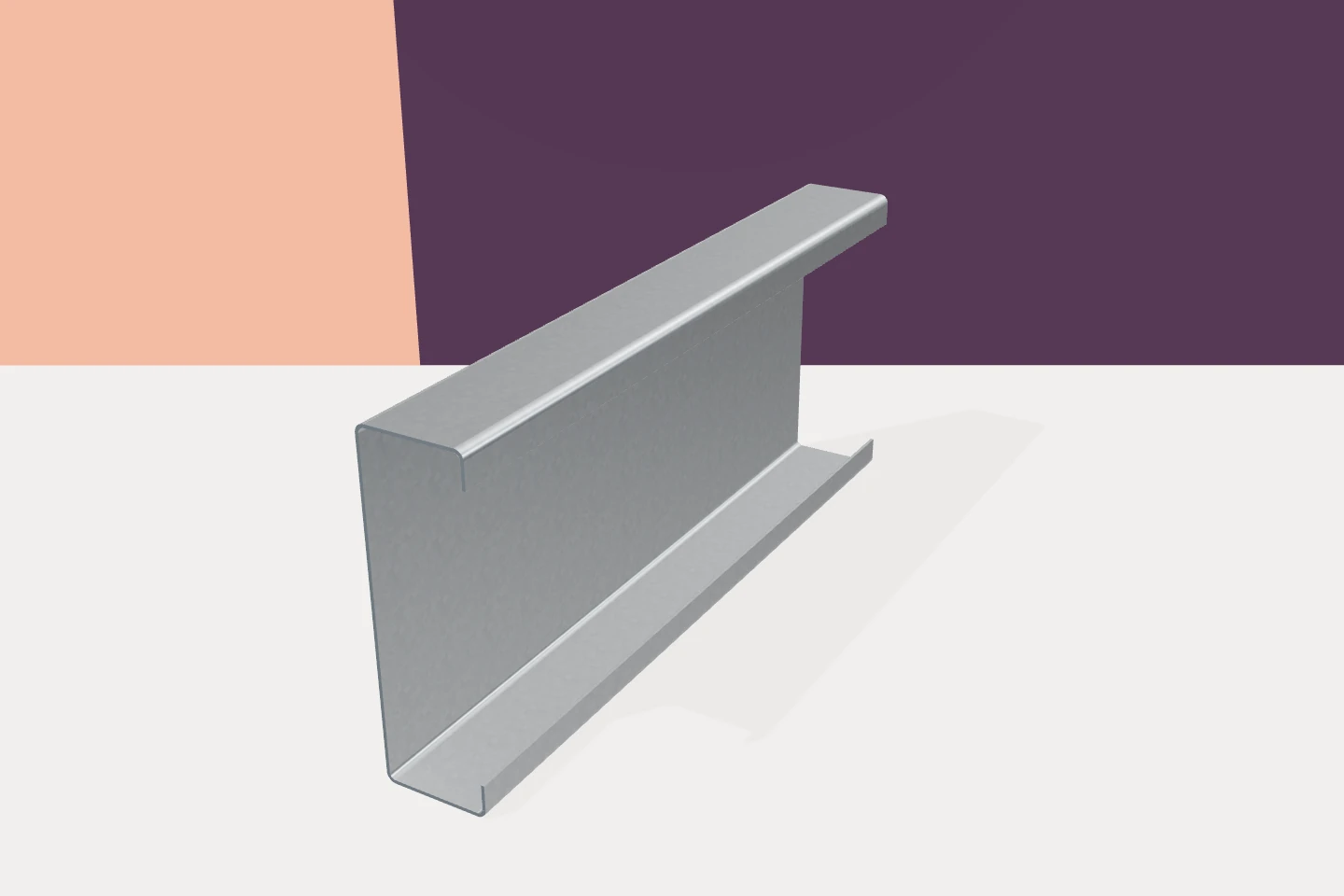
Galvanised Z, C, sigma and hat sections perform different functions. Describe them in a consistent specification that addresses durability, thermal insulation and fire requirements at each junction. This allows the panels and their supporting steelwork to be detailed for the building’s actual operating conditions.

Free quote
What to include in your enquiry
Tell us how you plan to use the material, the dimensions and the quantity you need. Include the thickness, grade or variant name, along with the delivery town or your preferred collection branch. For a specific product, add its name or a link to the product page. We will reply to the email address you provide to discuss availability and the terms of your order.
Read next
Behind a uniform façade, a 1990s house may have several different wall constructions. Some rooms may already have been altered, and drawings…
Plan the joints before ordering roof sandwich panels. Show the supports, laying direction, end laps, rooflights and penetrations on the layout drawing.…
To work out how many screws to buy, start with the fixing layout for the building. It shows the panel joints, supports…
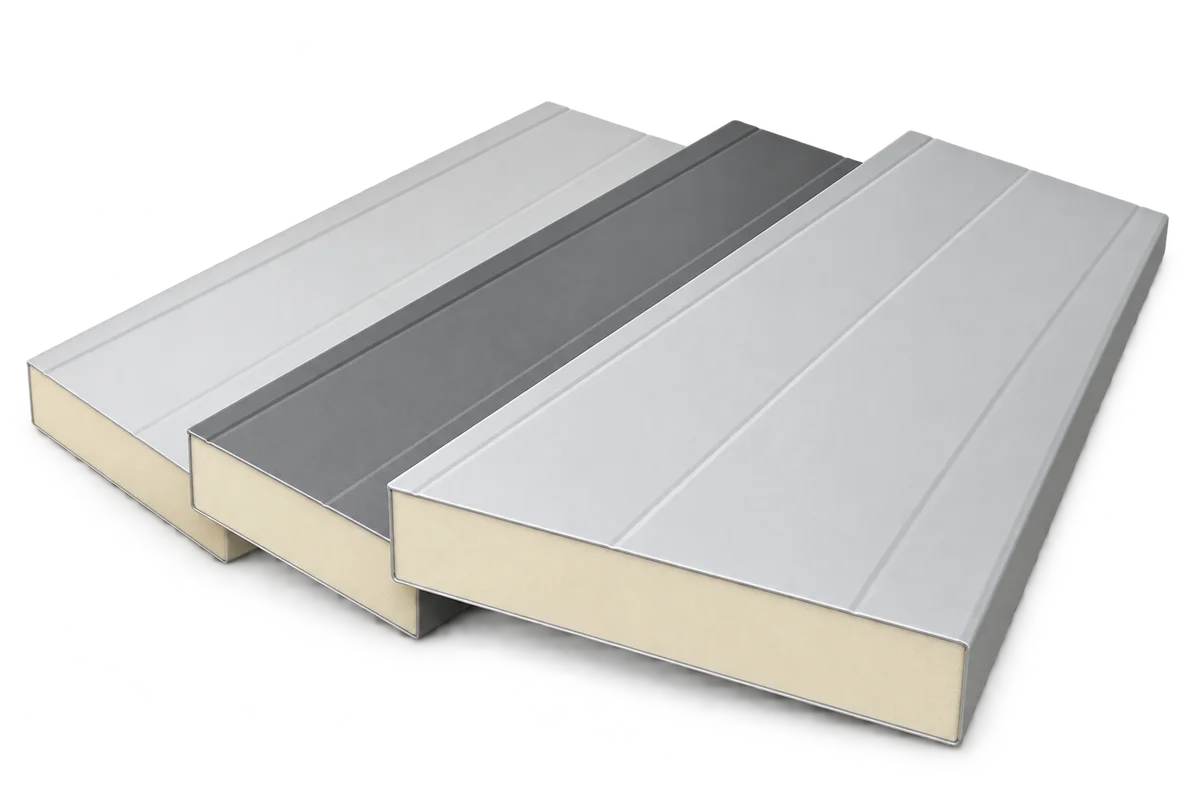
The end wall of a hall scheduled for a future extension has two different jobs over time. Today it keeps out the…
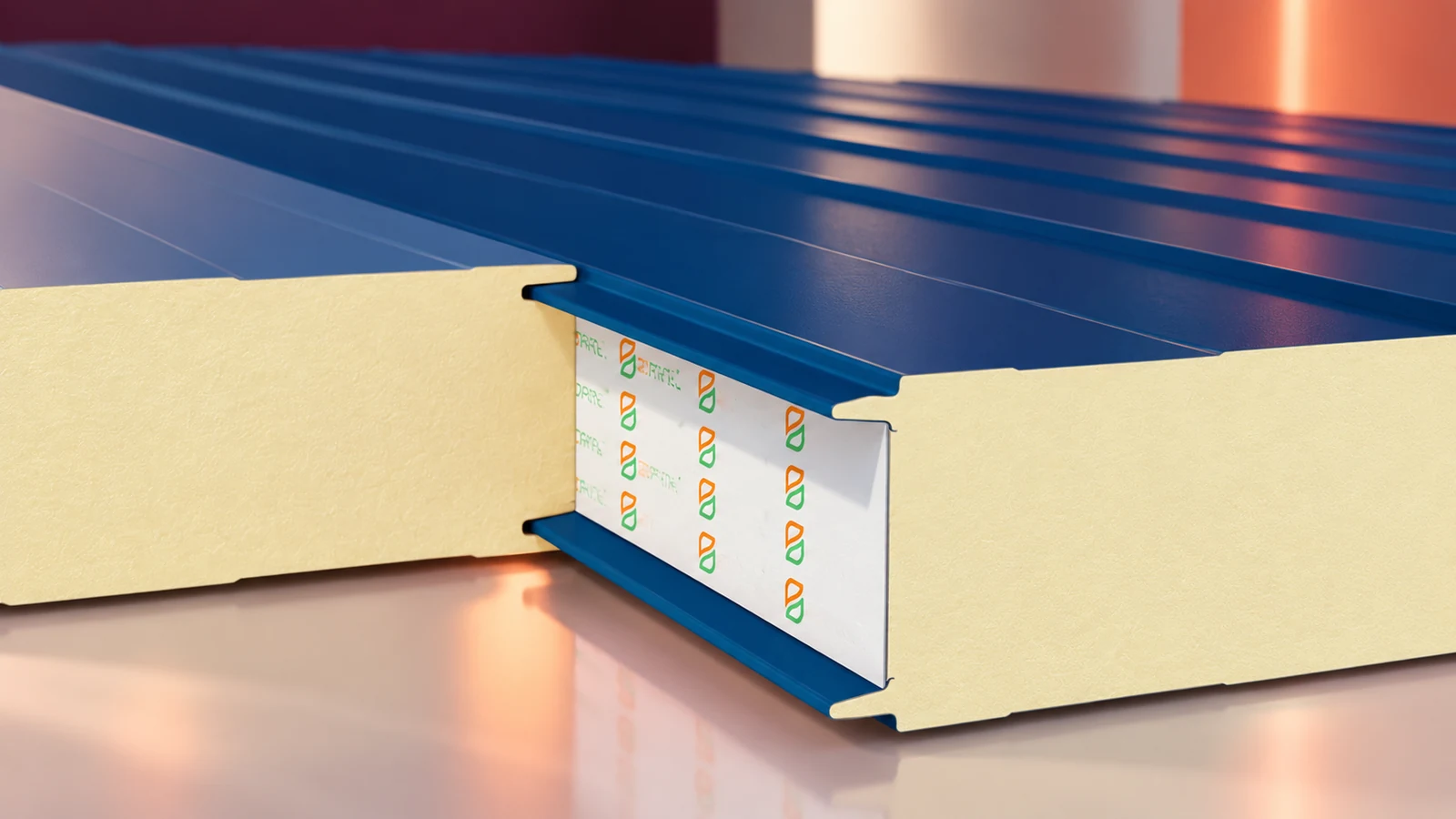
PIR sandwich panels are factory-bonded elements with an insulating core and metal facings. They are made for walls, roofs and specialist enclosures…
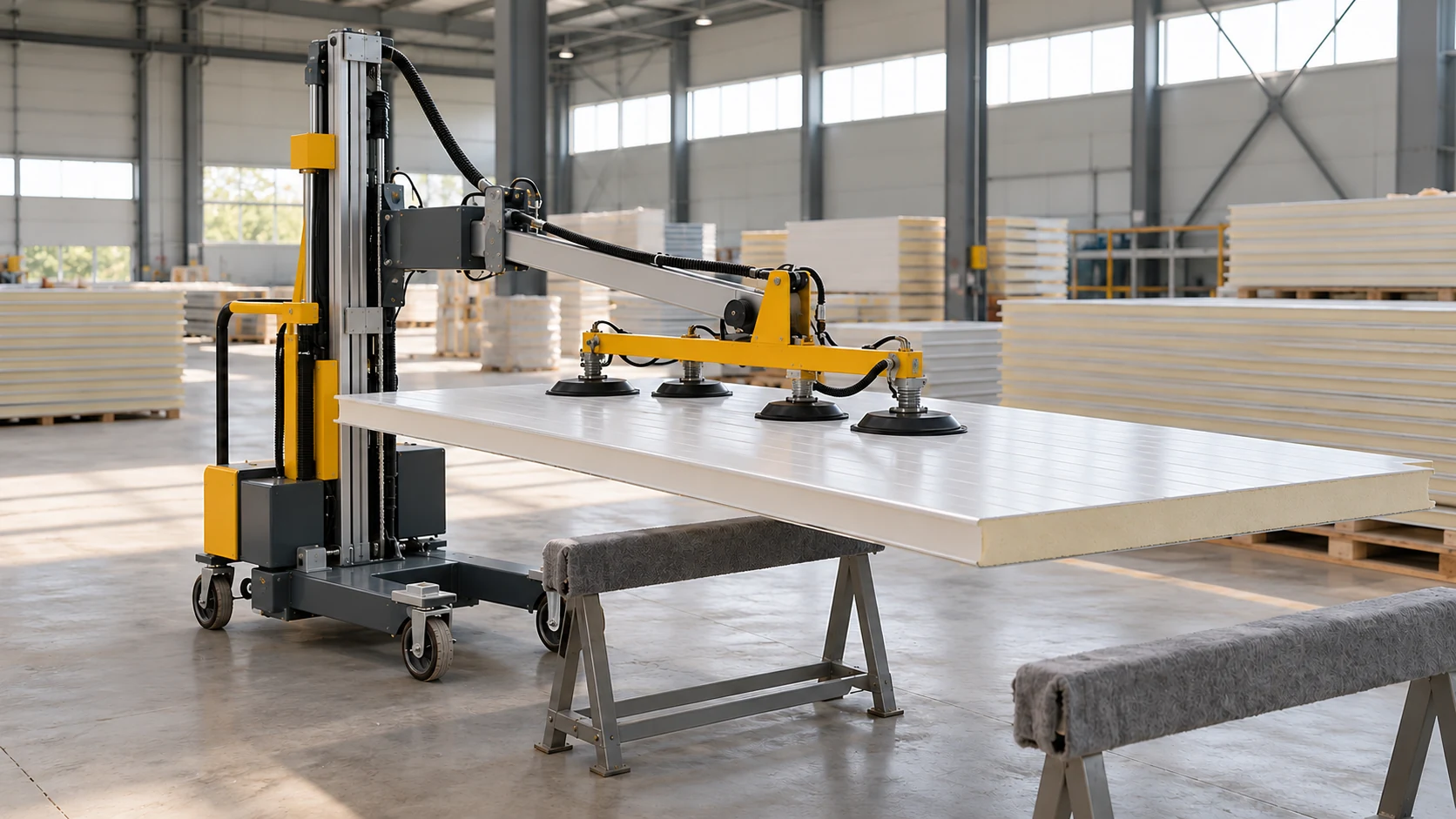
A rate per square metre may cover fixing the panels alone or much of the work on the building envelope. Before choosing…

A sandwich panel can form part of a house’s envelope. To choose one, establish how the house will carry loads and how…
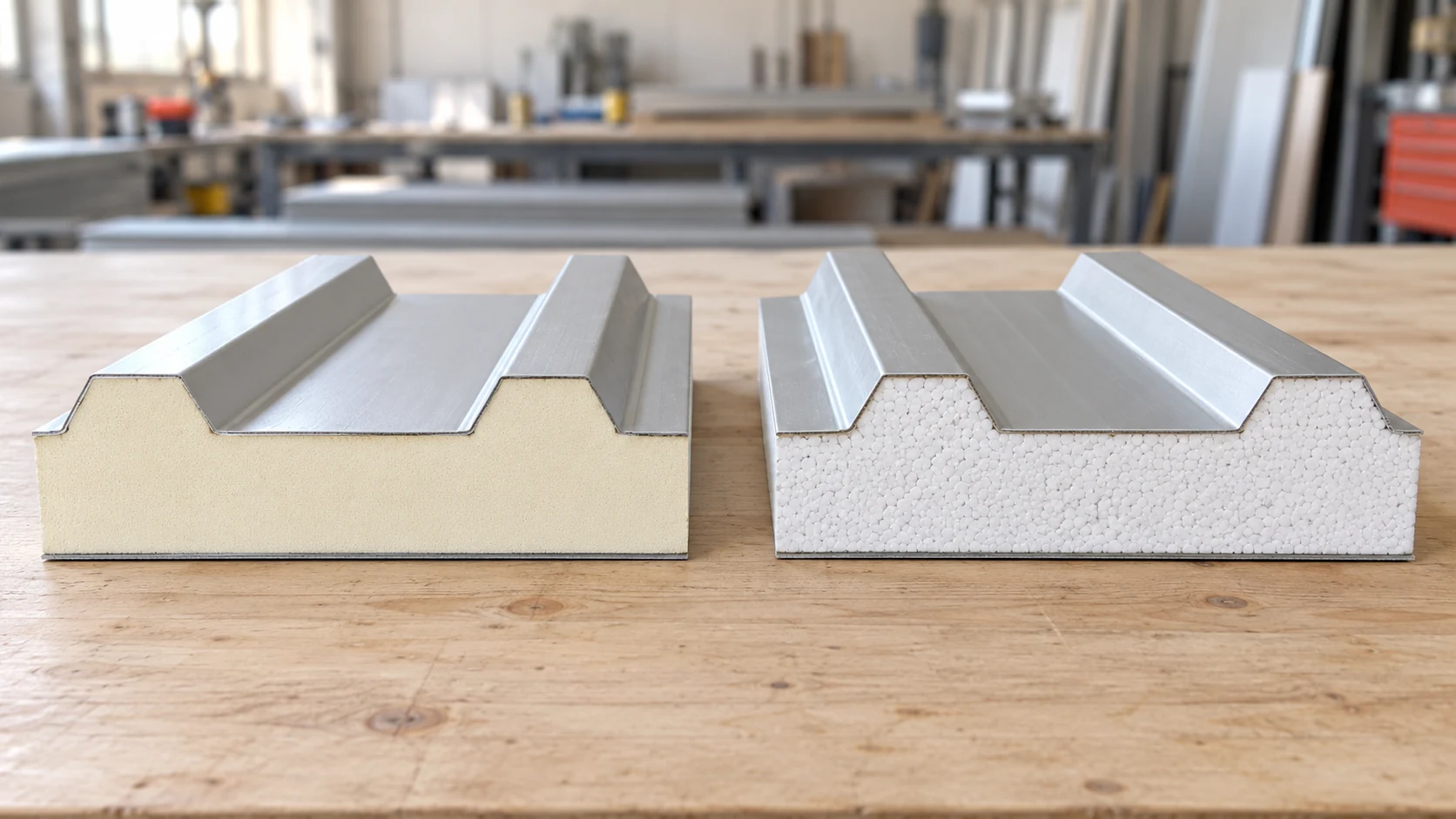
Compare PIR and EPS roof panels against the same design brief. Set the required U-value, loads, fire performance and exposure conditions, then…