Protecting a steel roof against corrosion
Roof coverings
Start a roof inspection at the valleys, cut edges, screws and sheltered flashings where debris or moisture can remain. A rust-coloured mark may come from loose swarf, a damaged coating or corrosion of the sheet itself. Find the source before choosing a repair. Check both the metallic coating and the organic finish when specifying new sheets, especially near the coast or an industrial site. During installation, approved cutting tools and prompt removal of swarf protect adjacent sheets as well as the cut edge.
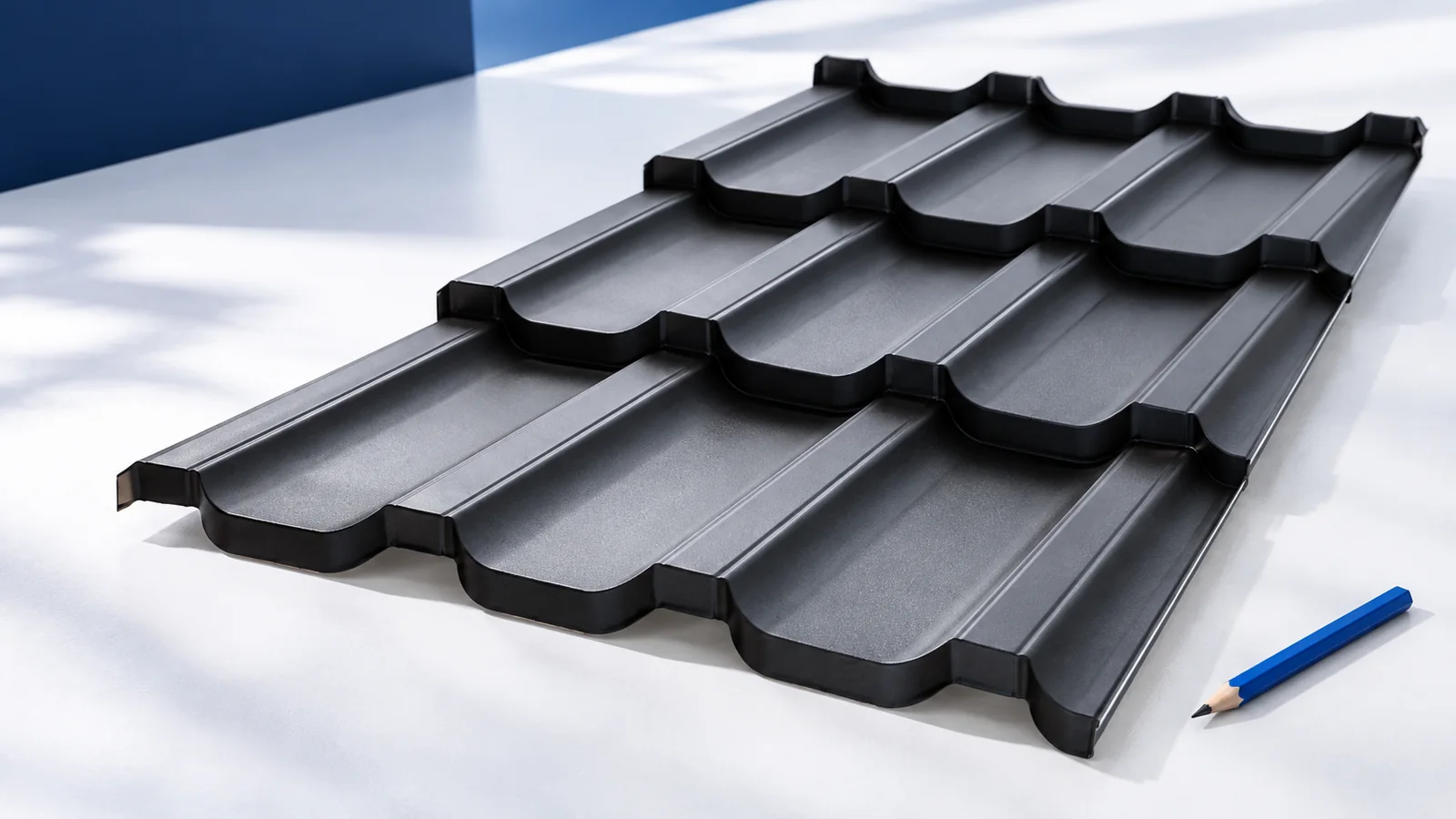
What protects the steel core?
The steel core provides mechanical strength. A metallic coating, for example zinc or a zinc alloy, protects the steel against corrosion. An organic coating adds a further barrier and gives the sheet its colour. The colour name alone does not identify the protective system.
Compare the full specification, including type and quantity of metallic coating, the organic coating system and permitted exposure. Two sheets with the same colour and steel thickness can have different protection. A small sample shows the appearance but leaves these distinctions hidden.
Where do early signs of damage appear?
Look for trapped dirt or persistent moisture in valleys, near chimneys, at laps and around flashings. Leaves can obstruct drainage. A water mark beneath a joint may indicate a faulty seal without implying deterioration across the whole roof.
Inspect cut edges and fasteners separately. A loose screw, cracked washer or damaged finish warrants investigation. Surface rust may come from swarf left on the sheet. Identify the source before treating the mark.
How can installers avoid coating damage?
Use the cutting tools allowed by the product instructions and avoid overheating the edges. An angle grinder can damage edge protection and scatter hot particles onto neighbouring sheets. Painting over the visible cut will not reverse heat damage elsewhere.
Clear swarf as work proceeds with a soft brush. Lift sheets without dragging them together or permanently bending them. Keep supports and workers’ footwear clean. Remove mortar, wet plaster and other construction deposits from the covering.
Does a metal roof need cleaning?
Rain washes some areas more effectively than others. Deposits may remain beneath overhangs, beside flashings and in recesses. Inspect these sheltered areas and use only cleaners appropriate for the specific finish. Aggressive chemicals can damage the surface.
Avoid stiff brushes and abrasives. Clean in a way that keeps water out of laps. Wet sheets are slippery. For hard-to-reach areas, use a team equipped to inspect and clean the roof safely.
When is a local repair enough?
A fine scratch needs different treatment from widespread flaking. A small defect may be repaired with a compatible material once the surface is cleaned and prepared as instructed. Touch-up paint should never conceal active rust, moisture or a defective joint.
Corrosion that spreads, develops on the underside or returns after repair needs further investigation. It may require sheet replacement or better ventilation of the roof layers. Before repainting a whole roof, assess adhesion of the old coating and compatibility of the proposed paint.
How does the environment affect sheet selection?
Exposure in a residential area differs from that beside a factory or near the sea. Consider salt, pollutants and how long surfaces stay wet. On agricultural buildings, assess the atmosphere on the inside of the roof as well.
Read application limits and warranty terms before purchase. A warranty period does not predict service life. Perforation and appearance may be covered on different terms. Check required inspection and cleaning routines and any exclusions for the site environment.
What belongs in a periodic inspection?
Inspect the finish, edges, fasteners, flashings and drainage. Photograph places to monitor so later inspections can show whether a mark is growing. After strong winds or work by other trades, check for impact damage, scraps and other debris.
Record inspection dates and repairs. These records help maintenance teams trace recurring problems and document how the covering has been cared for. Remove persistent sources of damp and address minor damage promptly. Even a suitable coating depends on properly detailed and maintained roofing.

Free quote
What to include in your enquiry
Tell us how you plan to use the material, the dimensions and the quantity you need. Include the thickness, grade or variant name, along with the delivery town or your preferred collection branch. For a specific product, add its name or a link to the product page. We will reply to the email address you provide to discuss availability and the terms of your order.
Read next
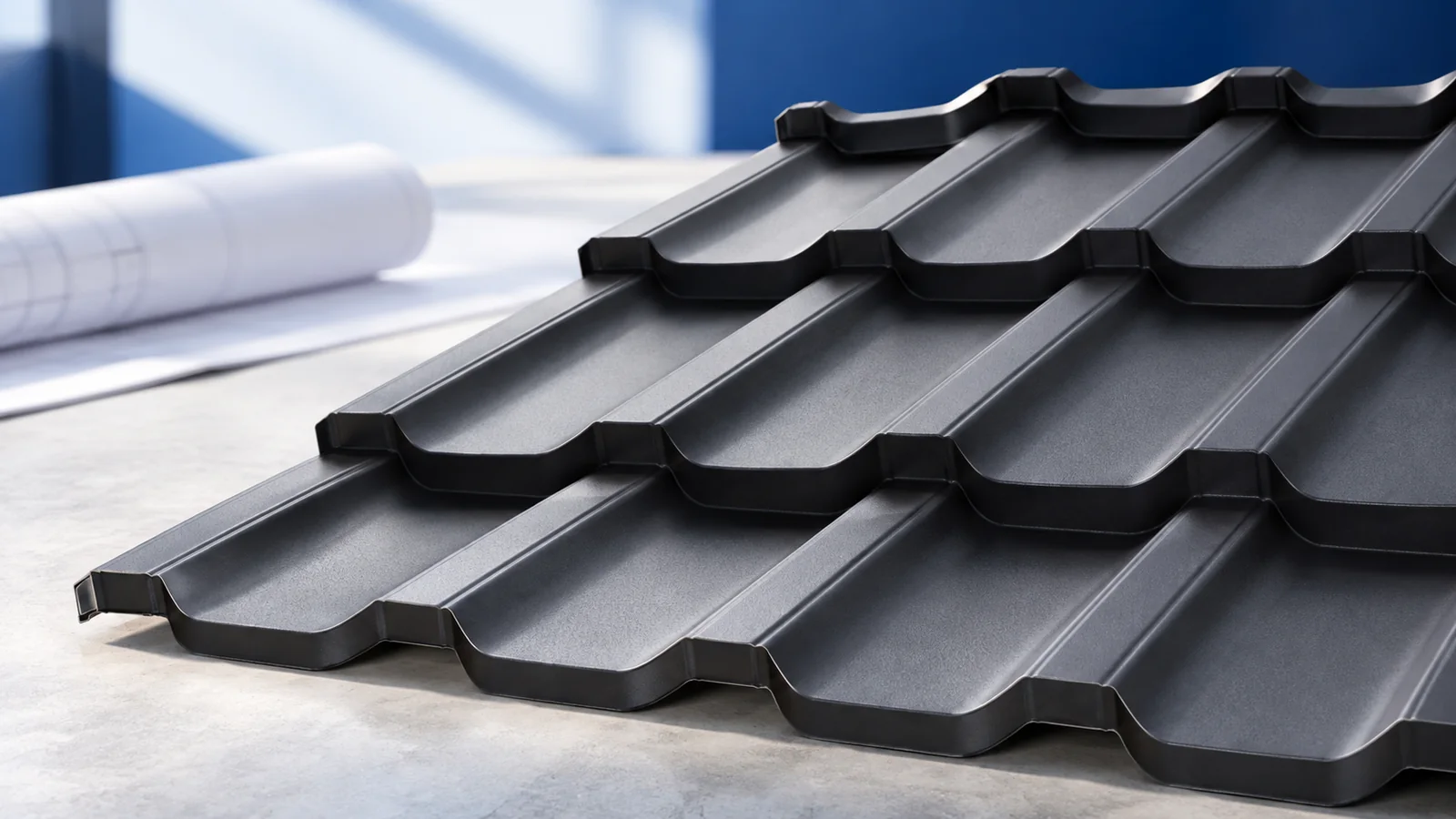
The frame, pitch and shape of a house roof determine which coverings you can consider. Cut-to-length metal tile sheets suit straightforward runs.…
Wind forces vary across a large roof. The corners, edges, height of the building and openings in its walls all influence the…
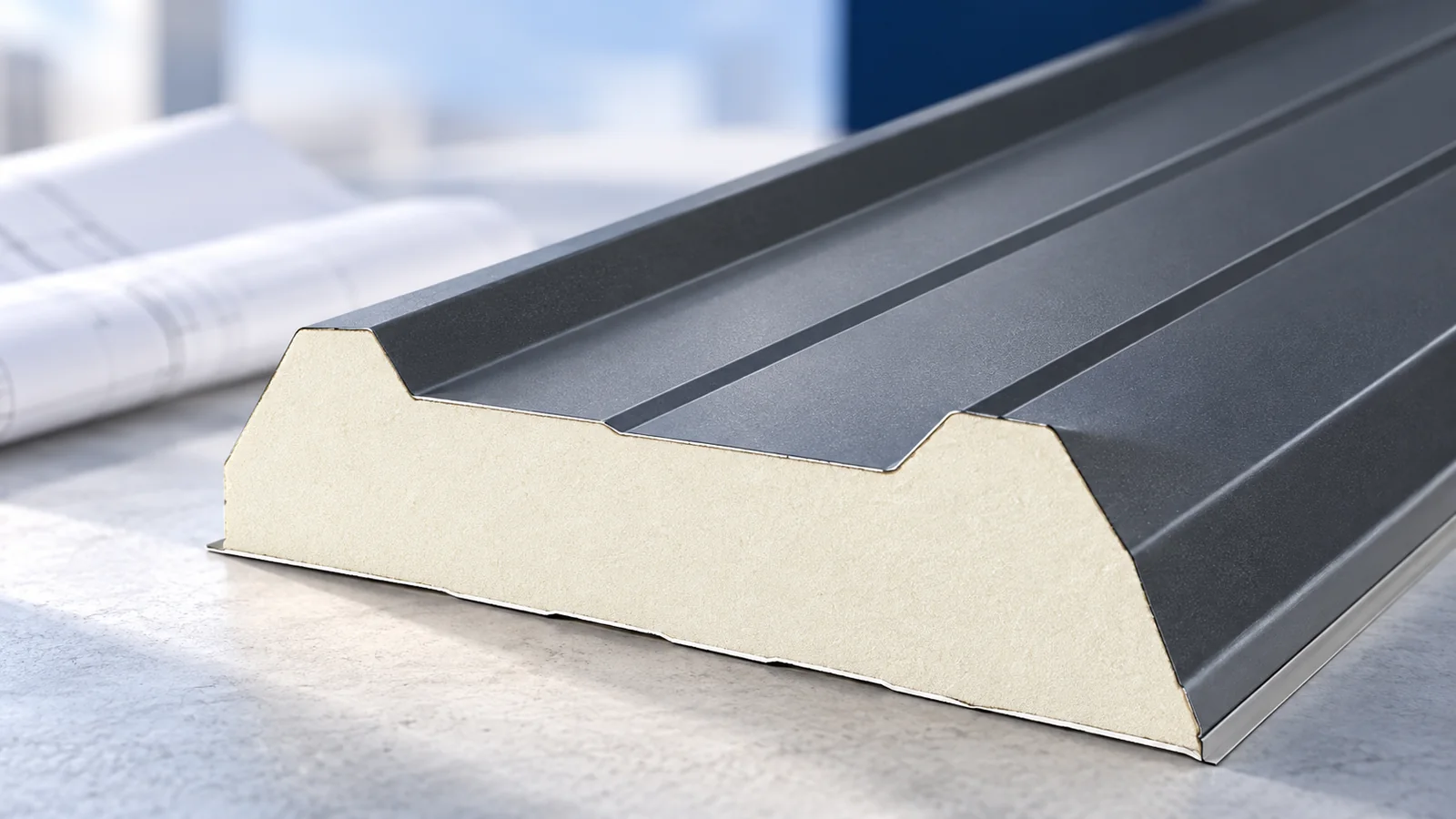
A sandwich roof panel combines the weathering sheet, insulation and inner face in one factory-bonded unit. It can close a heated garage,…
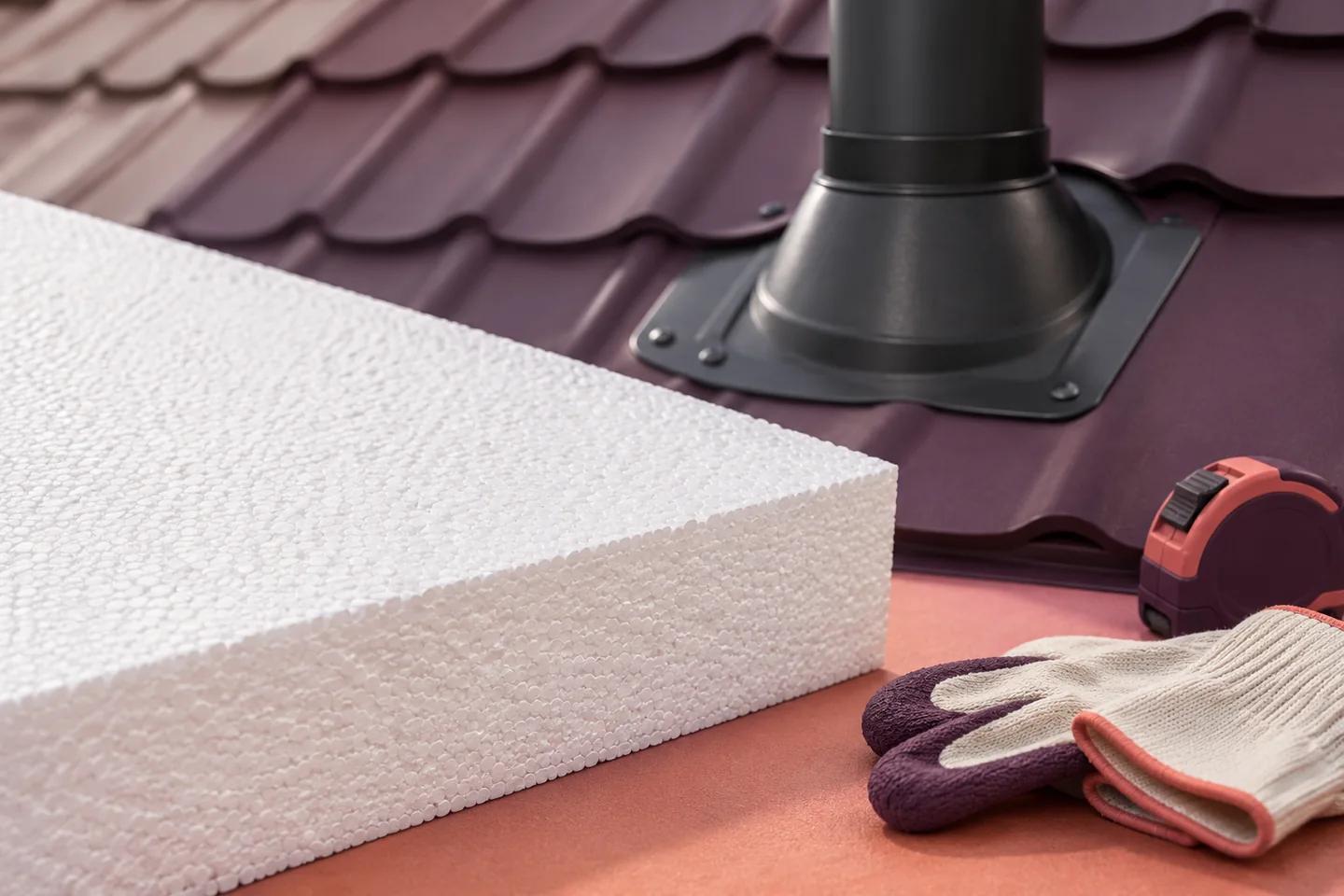
For each pipe, duct or cable crossing an EPS-insulated roof, draw a section showing the deck, air and vapour control layer, insulation…
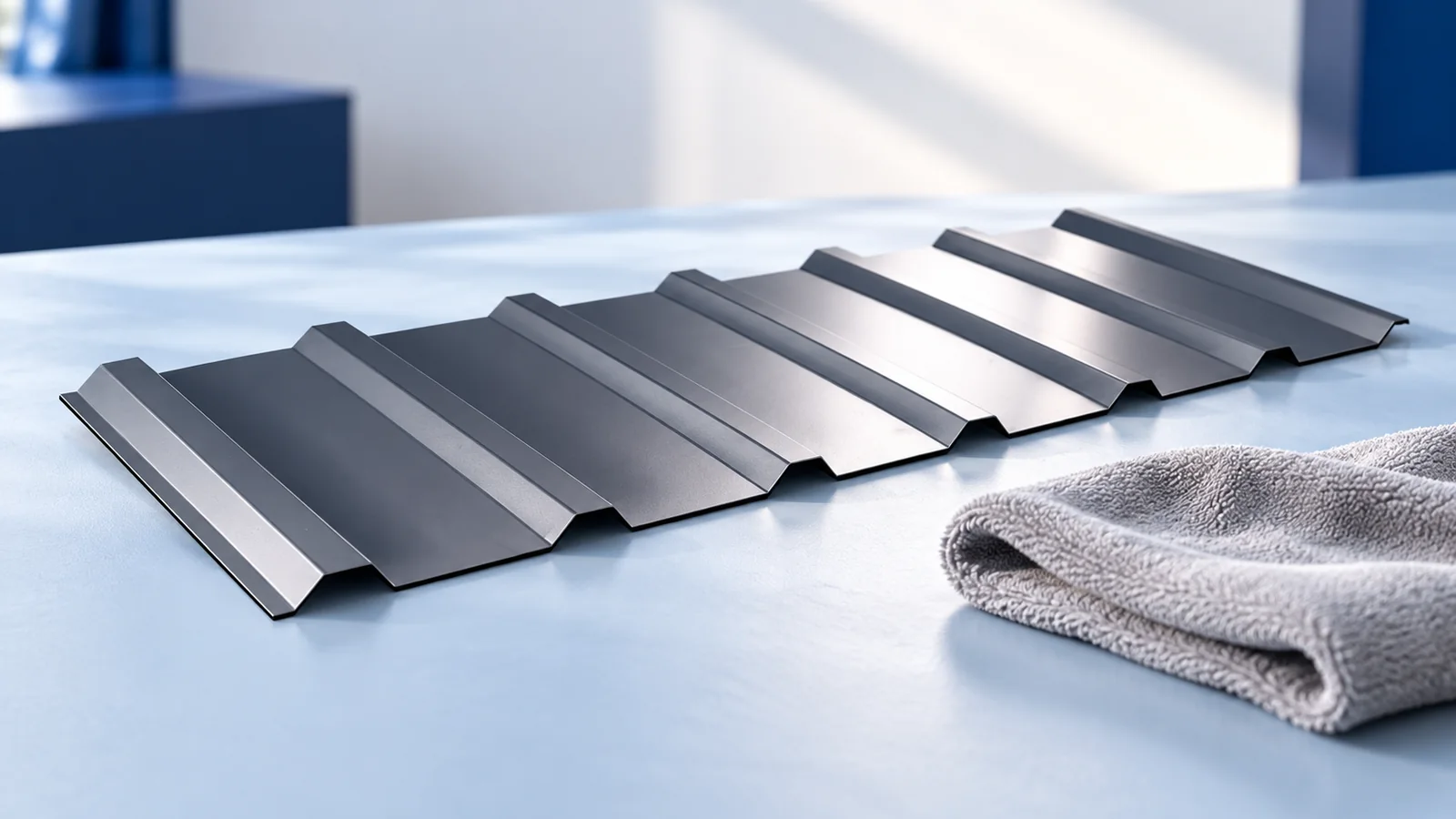
A useful roofing complaint identifies the sheet or junction affected, when the fault first appeared and how the weather changes what you…
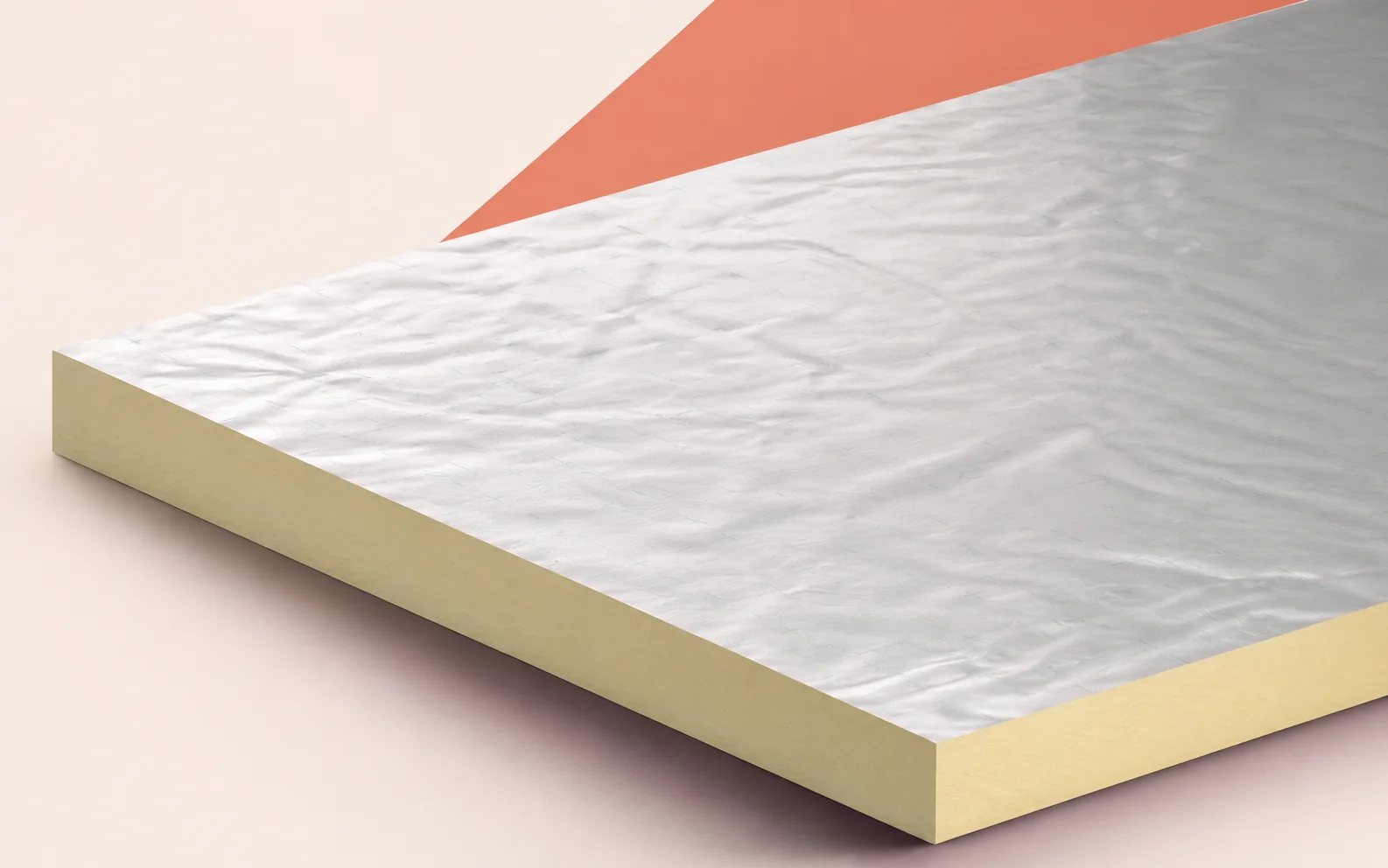
The roof outlet position is the starting point for laying out Kingspan Therma TT46 tapered insulation. On the warehouse roof plan, mark…
A workshop that draws power during the day may be able to use electricity from its own roof. Before choosing building-integrated photovoltaics…
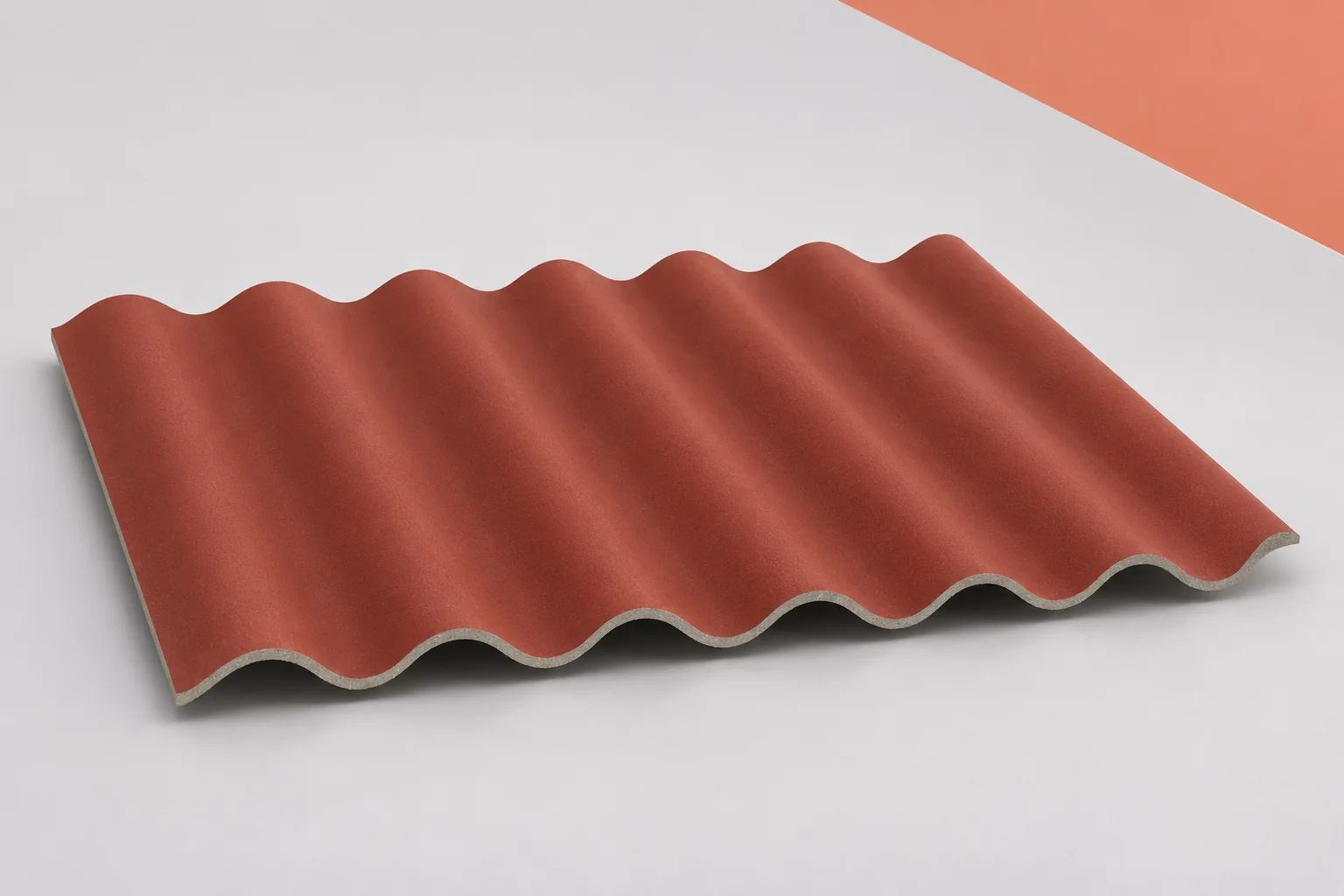
Fibre-cement sheets do not rust like steel. An industrial roof still contains metal fixings, flashings and structural members whose durability may govern…