






What data should you enter in a PIR thickness calculator?
PIR insulation
At a glance
A calculator can compare insulation thicknesses quickly if the inputs describe the actual construction. Common errors involve the wrong board, inconsistent units and missing layers. Make a short record of the assembly and check one result by hand. This helps expose an apparently favourable answer based on the wrong assumptions. First decide whether you are calculating a wall, roof or floor. The direction of heat flow and the conditions on the other side affect the model. A ground-bearing floor requires different assumptions from an external wall. A box for entering conductivity does not by itself make a calculator suitable.
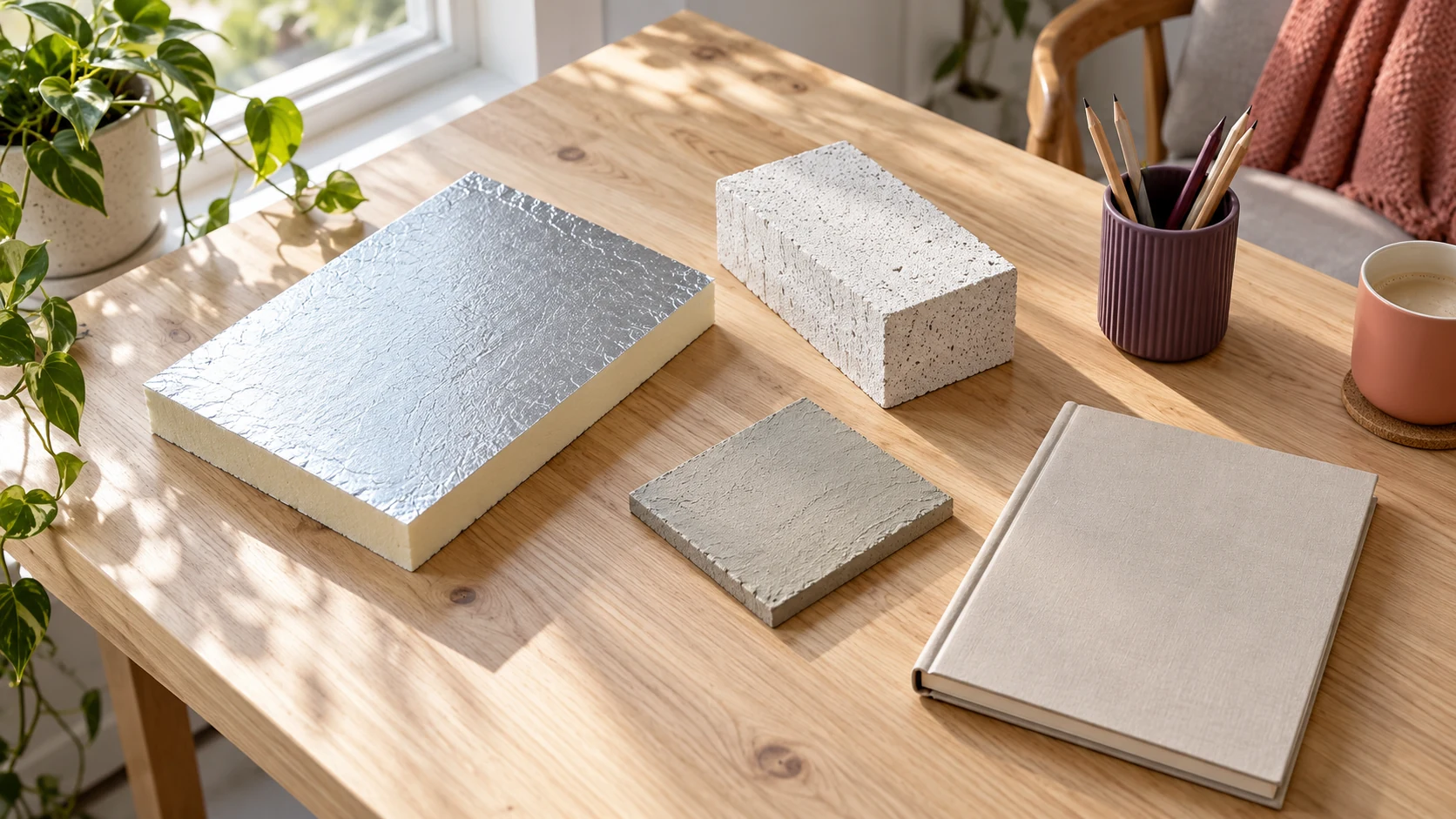
Select the right type of construction
Record whether insulation goes inside, outside or in an existing cavity. In a simple one-dimensional conduction calculation, changing layer order may leave the sum of resistances unchanged. It still matters for moisture. A calculator showing only U cannot establish whether the insulation is safely positioned.
List the actual layers
List materials from inside to outside with their thicknesses, including masonry, plaster, existing insulation and the proposed new layer. Do not enter an enclosed air gap if the cavity will be ventilated on site. A layer absent from the actual building cannot be counted to improve the result.
For a composite board, find out whether the material library includes the whole product or only the core. Otherwise plasterboard can be counted twice or left out altogether. Flag uncertain material properties and decide how to verify them. In an older building, better inputs often matter more than extra decimal places.
Enter the conductivity of the exact board
PIR does not have a single conductivity. Foil-faced boards and render carrier boards may differ, and values may depend on the thickness range. Read the data for the exact product and confirm the unit is W/(mK). Do not copy the lowest number from a general description of PIR.
Check the thickness field: enter 120 mm as 0.12 if metres are required, or 12 if the unit is centimetres. Review the input summary afterwards. A large thickness error can produce an impressively low U-value unrelated to the board you intend to buy.
Check one result by hand
For a simple check, suppose the rest of the wall, including surface resistances, has R = 0.95 m²K/W. At 120 mm and λ = 0.022 W/(mK), PIR adds about 5.45 m²K/W. Total resistance is about 6.40 m²K/W and U about 0.156 W/(m²K). This checks arithmetic under the stated assumptions.
In the same model, 100 mm gives about 0.182 and 140 mm about 0.137 W/(m²K). If software gives very different values, check units, surface resistances and additional corrections. Small differences may reflect a different method; understand them before using the result in a design.
List checks beyond the calculator
A calculation for the uninterrupted wall area does not cover all thermal bridges at windows, floors and corners. Fixings and non-uniform layers may need to be included too. Internal insulation requires a moisture assessment: a good U-value does not tell you whether old masonry can dry.
Check the facing’s intended use, fire requirements and fixing method separately. The calculator cannot confirm that an adhesive will hold a board on old plaster or select an entire façade system. Give the designer the outstanding checks with the calculations so they are resolved before installation.
Save the options for comparison
Label each option with masonry type, PIR thickness, facing and target. Save inputs and results. You can then check whether a supplier’s offer matches what was calculated. Update the comparison if conductivity or available thickness changes.
Add the cost of the complete assembly and its finished thickness. Space for services may matter in a small room and sill depth on a façade. The final choice must combine thermal performance with buildable junctions. Give the installer more than the thickness returned by the form.
Also save the starting condition without new insulation. It shows the scale of improvement and helps spot errors, for example if the result worsens after resistance increases. Use filenames that distinguish preliminary calculations from the option adopted for the design.
Questions and answers
Can I enter the core conductivity for a complete board?
It depends on the software model. Check whether it represents a homogeneous layer or the entire product. Facings must be neither omitted nor counted twice.
What if the result is very close to the U-value limit?
Check input accuracy, required corrections and the actual material variant. Compare the next available thickness and discuss the margin with the designer.

Free quote
What to include in your enquiry
Tell us how you plan to use the material, the dimensions and the quantity you need. Include the thickness, grade or variant name, along with the delivery town or your preferred collection branch. For a specific product, add its name or a link to the product page. We will reply to the email address you provide to discuss availability and the terms of your order.
Read next
The distance from the roof hatch to an air handling unit matters before the roofing is ordered. A technician needs to reach…
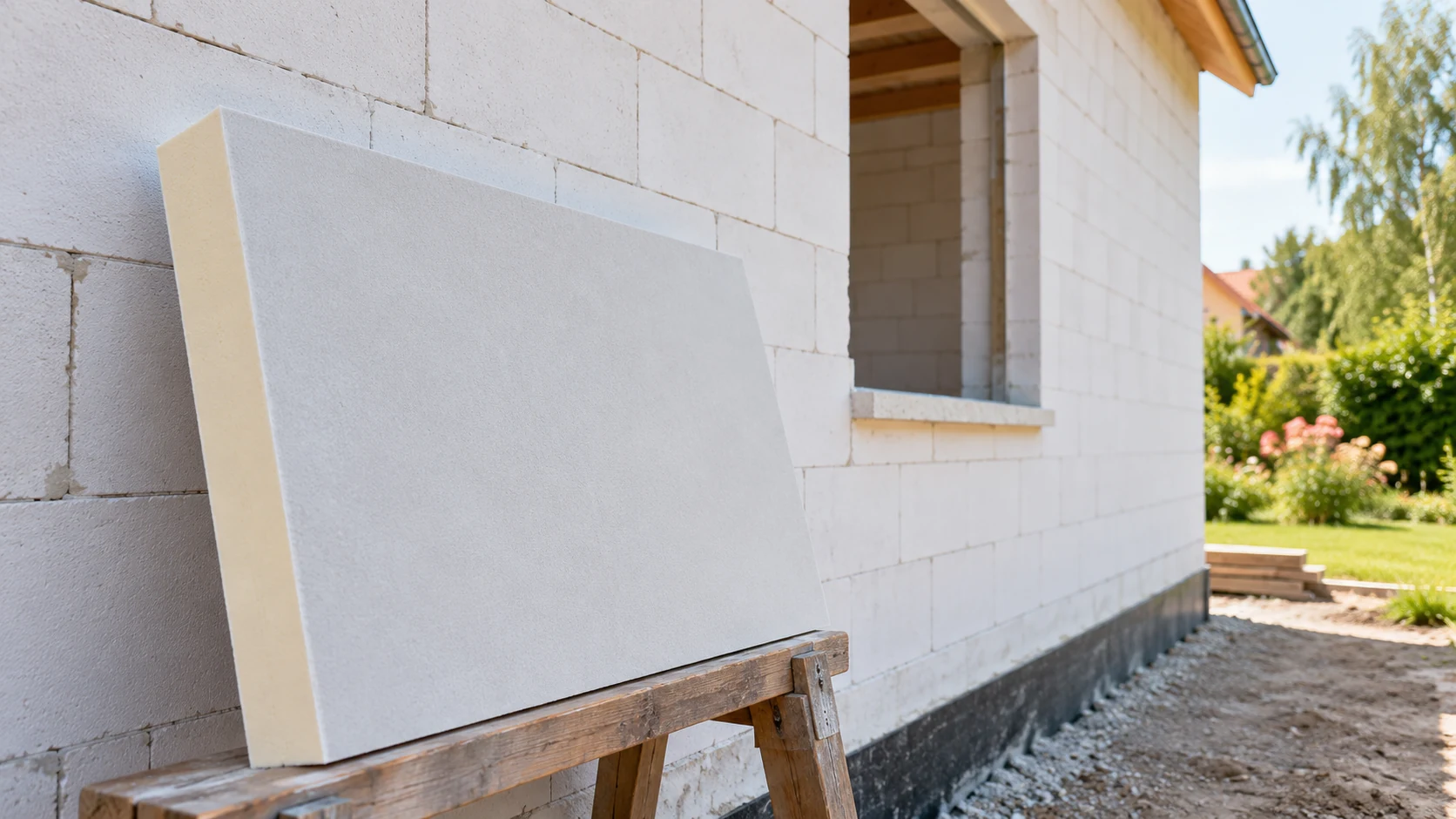
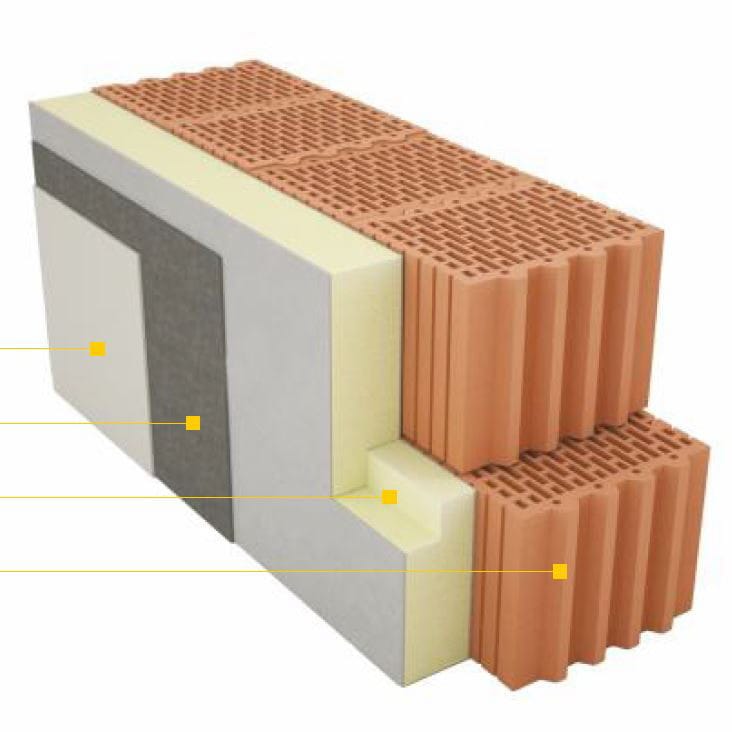
Aerated concrete masonry and PIR can make a well-insulated wall when the board, render system and fixings are selected together. Aluminium-faced PIR…
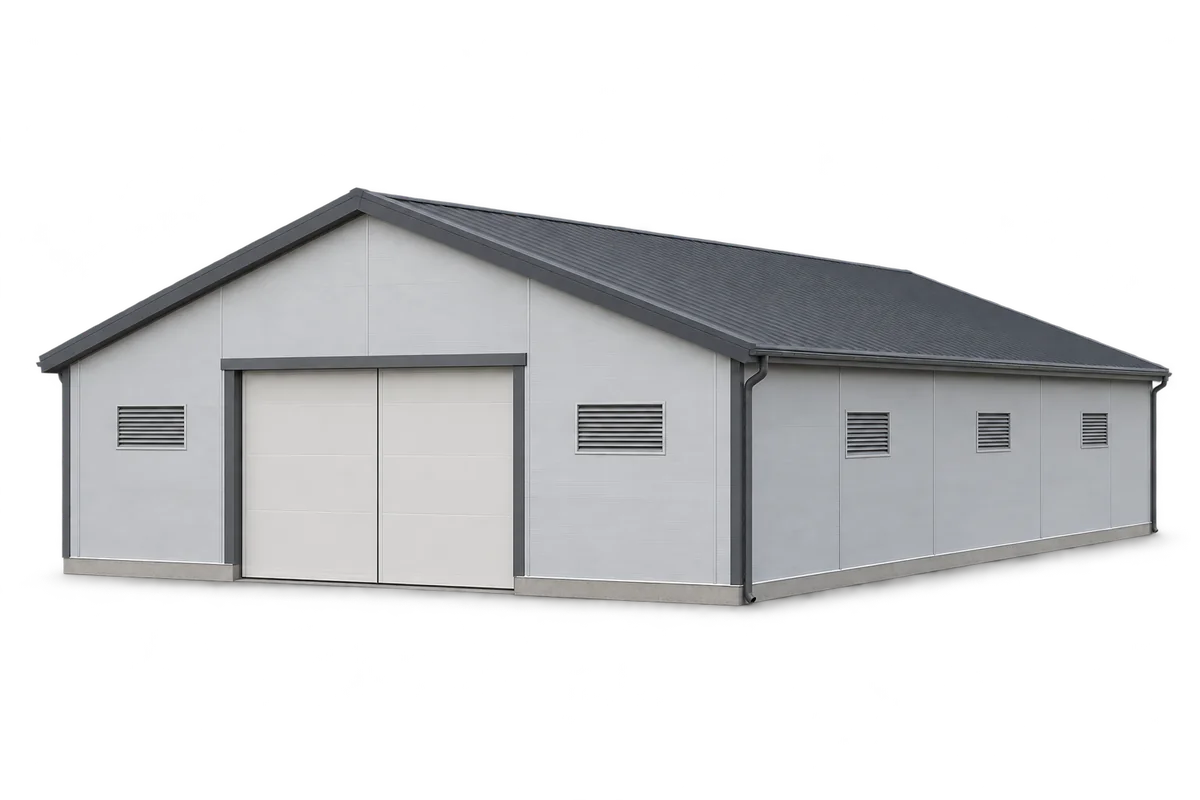
A well-designed pig house keeps conditions suitable for the animals, can be washed efficiently and is straightforward to operate. Insulated walls and…
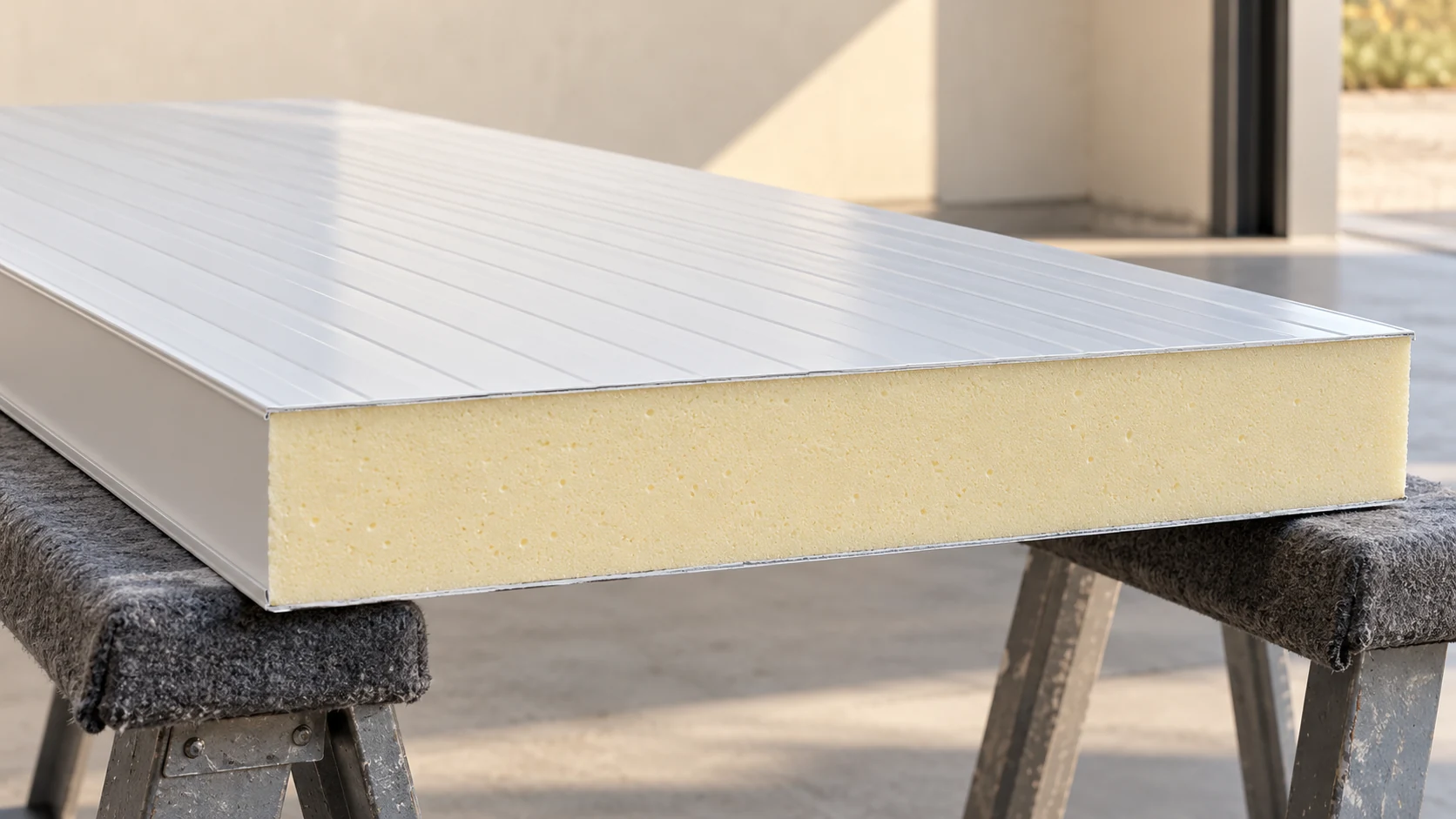
A short panel can suit a small room, but first check its length against the plinth and head details. White facings and…
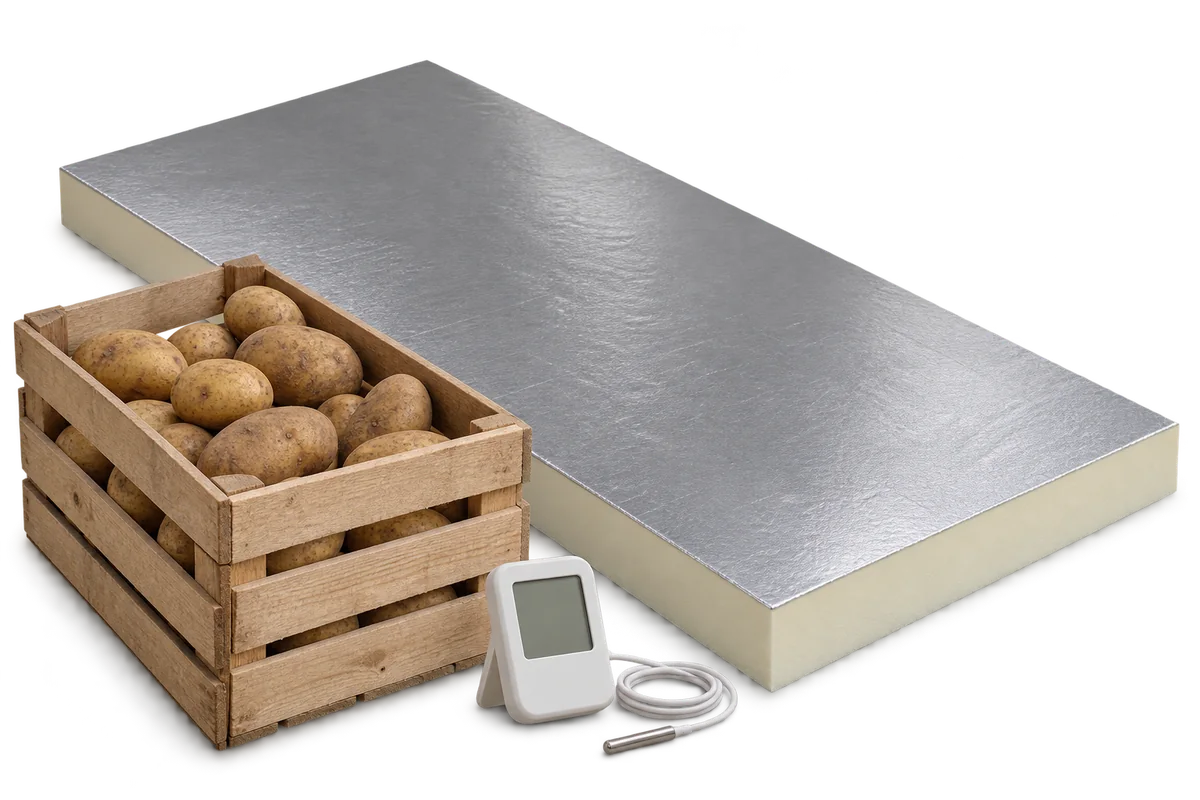
The withdrawal of a sprout suppressant formerly used in potato stores changed storage practices. Residues in older buildings need separate assessment even…
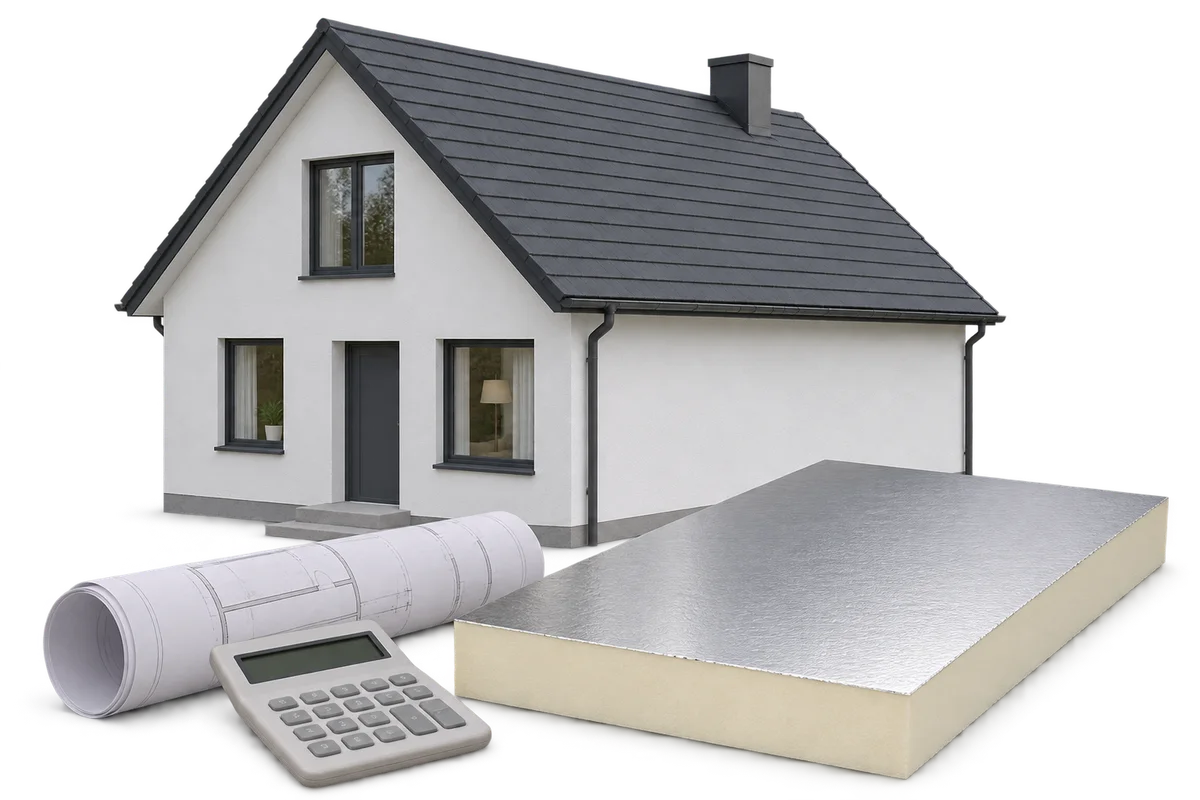
Assessing insulation costs need not stop at the installation invoice or a simple payback figure. Comparing solutions can also involve how the…
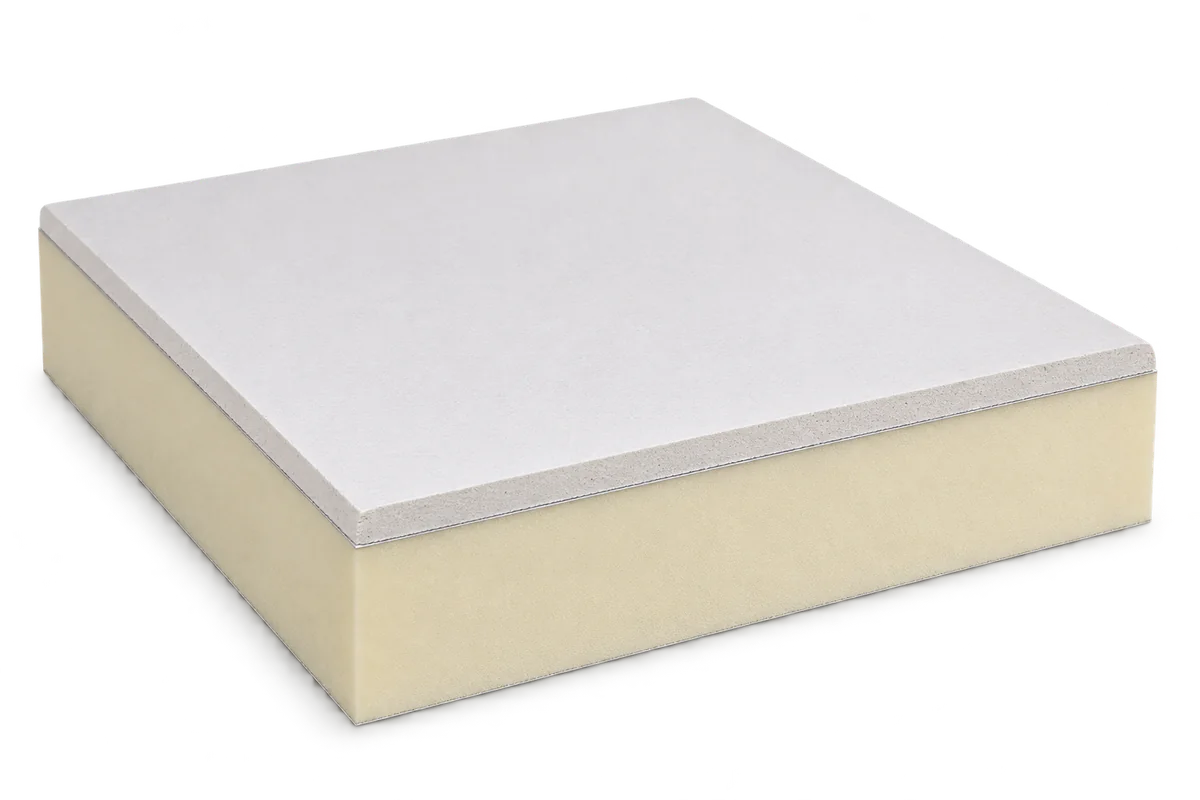
PIR insulated plasterboard combines thermal insulation with a surface ready for interior finishing. It can simplify refurbishment where space is tight and…
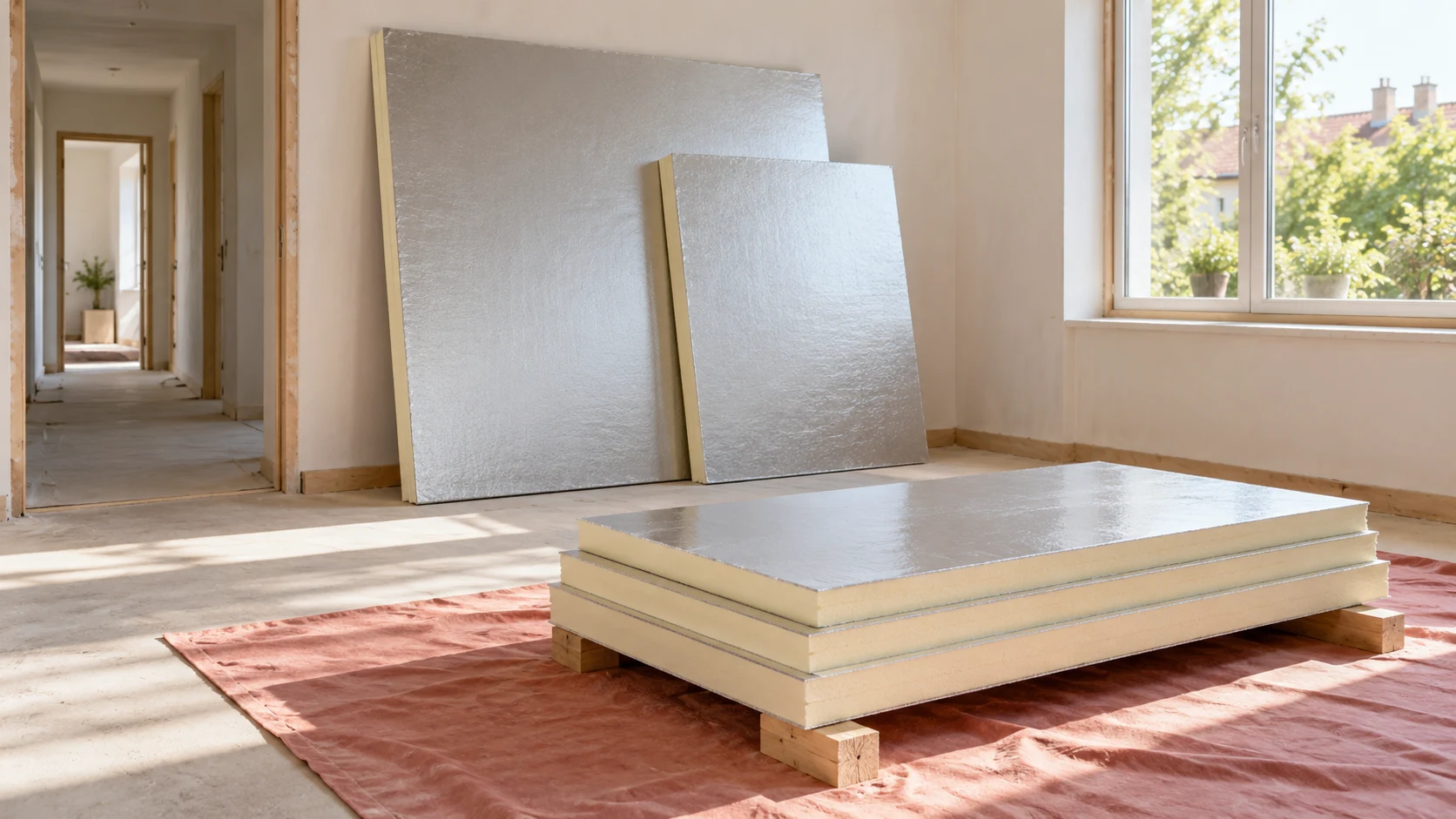
Large boards give fewer joints, but waste depends on the layout. Small boards are easier to carry up narrow stairs and fit…
