When is an inverted roof with XPS suitable for an industrial building?
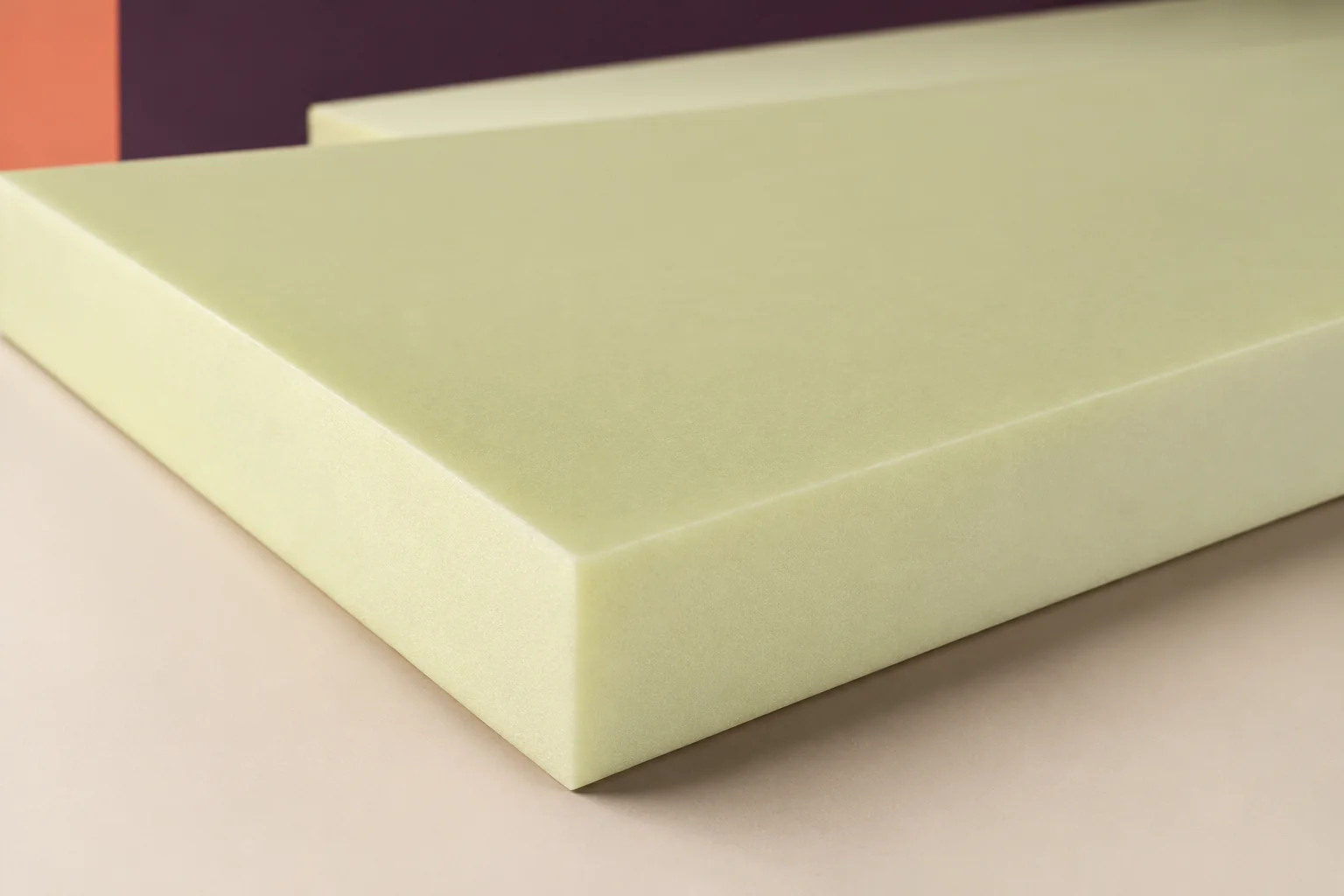
XPS insulation
On an inverted roof, XPS sits above the waterproofing. It shields the membrane from temperature swings and some mechanical damage, while the boards themselves are exposed to water. Before choosing this arrangement for an industrial building, check what the deck can carry, how rainwater reaches the outlets and how wind and water are prevented from displacing the boards. Include ballast, paving, maintenance routes and equipment bases in the loads. For an existing roof, also establish which layers can be retained and how the membrane will be reached for inspection.
In this guide
How the reversed layer order affects XPS
The protective effect depends on the entire assembly, including the treatment of perimeter edges and penetrations.
Water exposure is expected in this position during normal service. Select a grade with appropriate water absorption and freeze-thaw performance. Check the intended use in the product documentation, including any conditions attached to that use.
The structure must carry every layer
Ballast and accessible finishes add dead load. The XPS is light, but the layers above it can weigh considerably more. Check structural capacity and deflection, especially when converting an existing industrial roof.
XPS does not strengthen the roof panels or loadbearing deck. Trace the load path through to the supports and check that the required falls are maintained under load. Select the assembly before ordering the boards so the structure can support the roof’s intended use.
Drainage below the gravel surface
Water can reach the underside of the boards. Detail falls and outlet connections at the levels specified for the system. Permeable gravel at the surface says little about drainage lower down. Look for pockets of standing water at penetrations and edges.
Rainwater in the build-up affects heat transfer. Include rainfall conditions and the chosen drainage layers in the thermal assessment. A thickness used on a conventional warm roof may give a different result here. Effective drainage supports both durability and predictable thermal performance.
What ballast and separation layers do
Secure boards against displacement by wind and water. Depending on the system, ballast and other restraints keep them in place. Size the ballast for the roof, including the corner and edge zones where the exposure can differ from the central area.
Separation layers can protect adjacent materials and allow the intended moisture transport. Specify their type, laying direction and joints. A visually similar sheet can have different properties, with consequences for the moisture conditions around the XPS.
Pressure under walkways and plant
Mark service routes, equipment and other loaded areas. Under a support, assess bearing pressure, deformation and the element that spreads the load. For permanent loads, include creep. The CS rating alone cannot be used to design an equipment base.
Mechanical grades of XPS offer options for different locations. Distinguish the distributed weight of ballast from the concentrated load at a plant base. Plan maintenance and equipment transport routes before installation, including the loads that arise when heavy items are moved.
Confirm the properties of the proposed XPS grade
Ravago, Austrotherm and swisspor are among the manufacturers. Specify thickness, edge profile and the declared properties relevant to an inverted roof. The proposed boards should be suitable for the water exposure, temperatures and pressure expected in service.
Check compatibility with the waterproofing and whether a separation layer is required. XPS is combustible. Assess fire performance for the complete roof assembly, including the specified covering. Document the thermal and fire requirements against the same build-up.
Allow access for inspection and repair
On some inverted roofs, the materials above the waterproofing can be lifted for inspection. Access depends on the finish and arrangement. Inspect the lifted XPS and replace it if necessary. Check its condition before reuse even if the boards still hold their shape.
Maintain access to drainage and junctions throughout the roof’s life. Assess the structure, moisture conditions and maintenance needs together when deciding whether the protection offered to the waterproofing and the thermal performance suit this particular building.

Free quote
What to include in your enquiry
Tell us how you plan to use the material, the dimensions and the quantity you need. Include the thickness, grade or variant name, along with the delivery town or your preferred collection branch. For a specific product, add its name or a link to the product page. We will reply to the email address you provide to discuss availability and the terms of your order.
Read next
Compare XPS offers by the cost per square metre of the finished insulation layer in each part of the building. Check the…
Choosing XPS beneath a warehouse floor starts with two figures from the operating plan: the reaction at a loaded rack foot and…
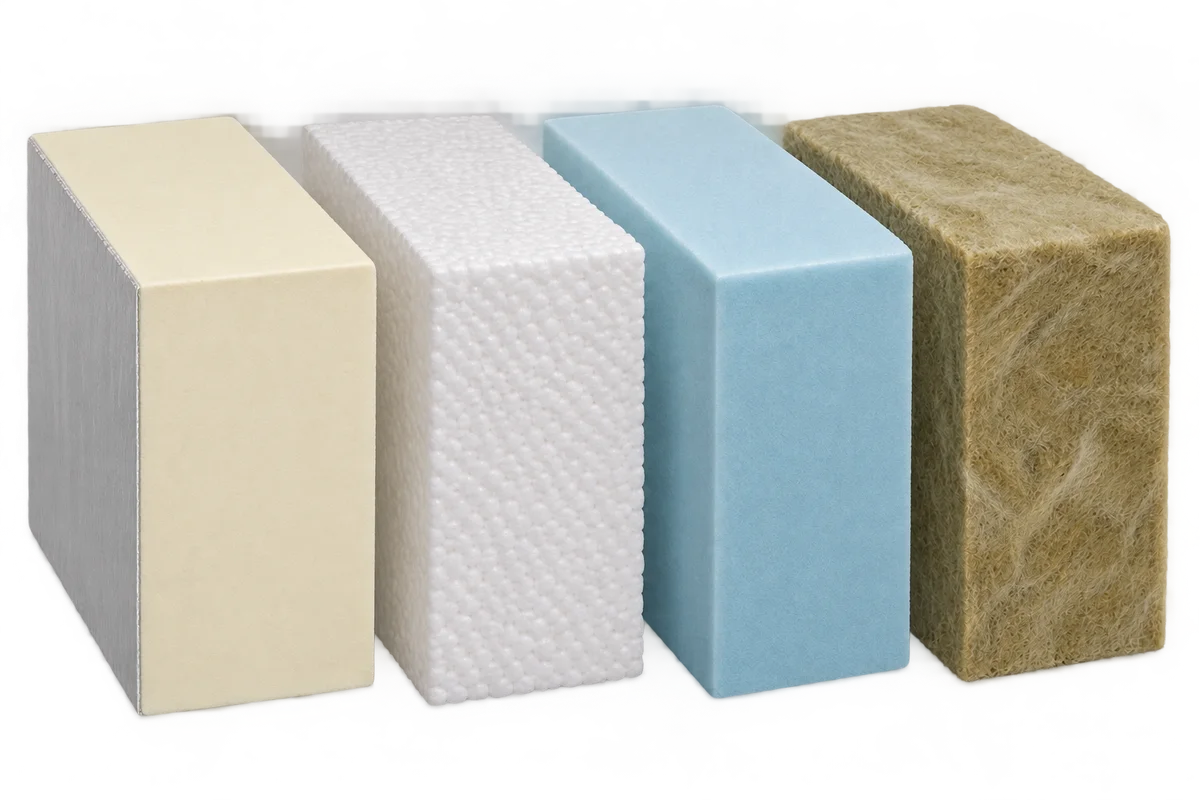
Different insulation materials can work together in one building element when each solves a specific problem. PIR can keep the build-up thin,…
In a chilled store, the floor limits heat flow and carries the loads from stored goods and transport equipment. A freezer also…

Mark the machine feet, rack uprights and transport routes on the workshop plan before choosing underfloor XPS. For each machine, record its…
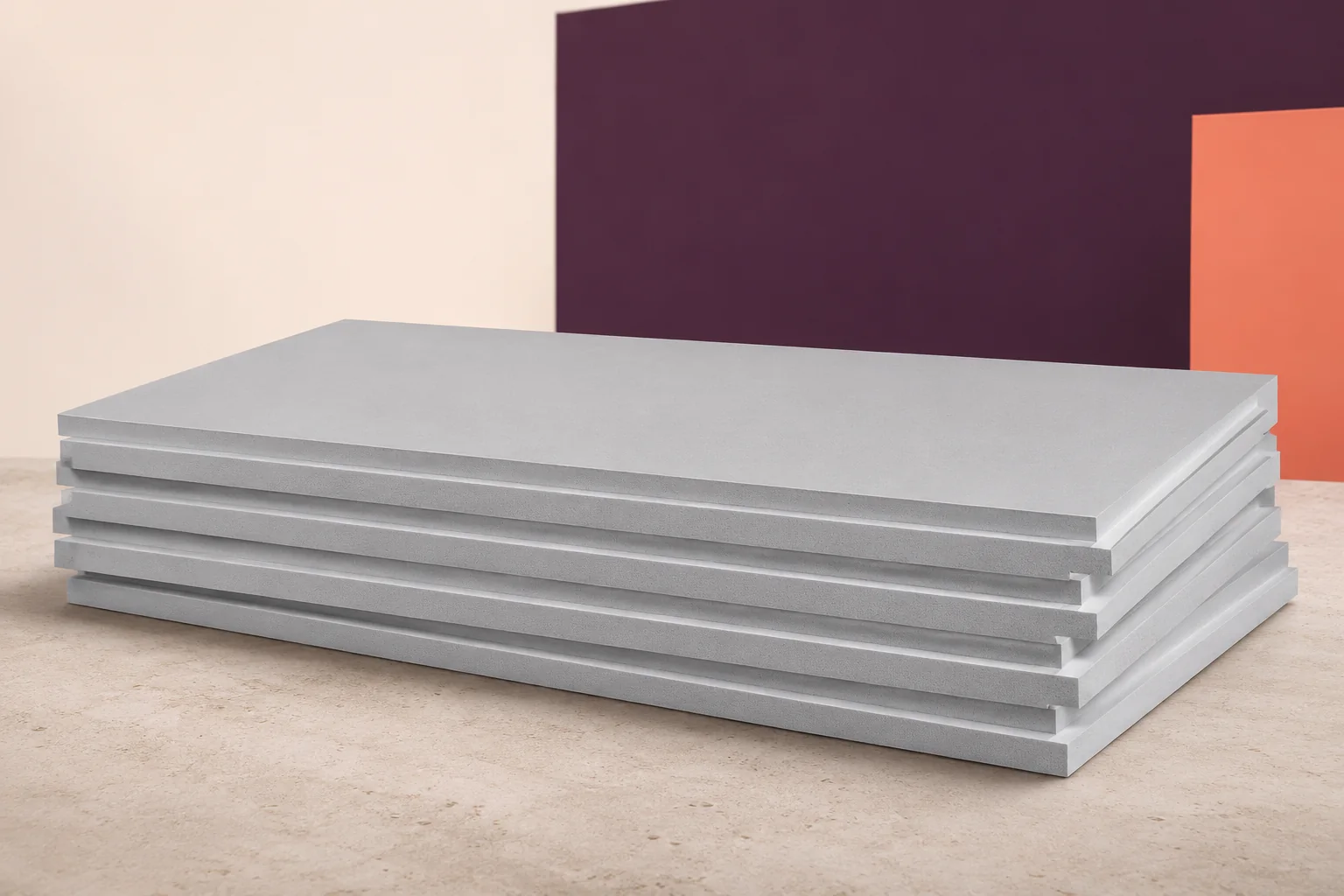
At a loading dock, draw the thermal boundary from the warehouse floor past the door and around the leveller pit. This shows…
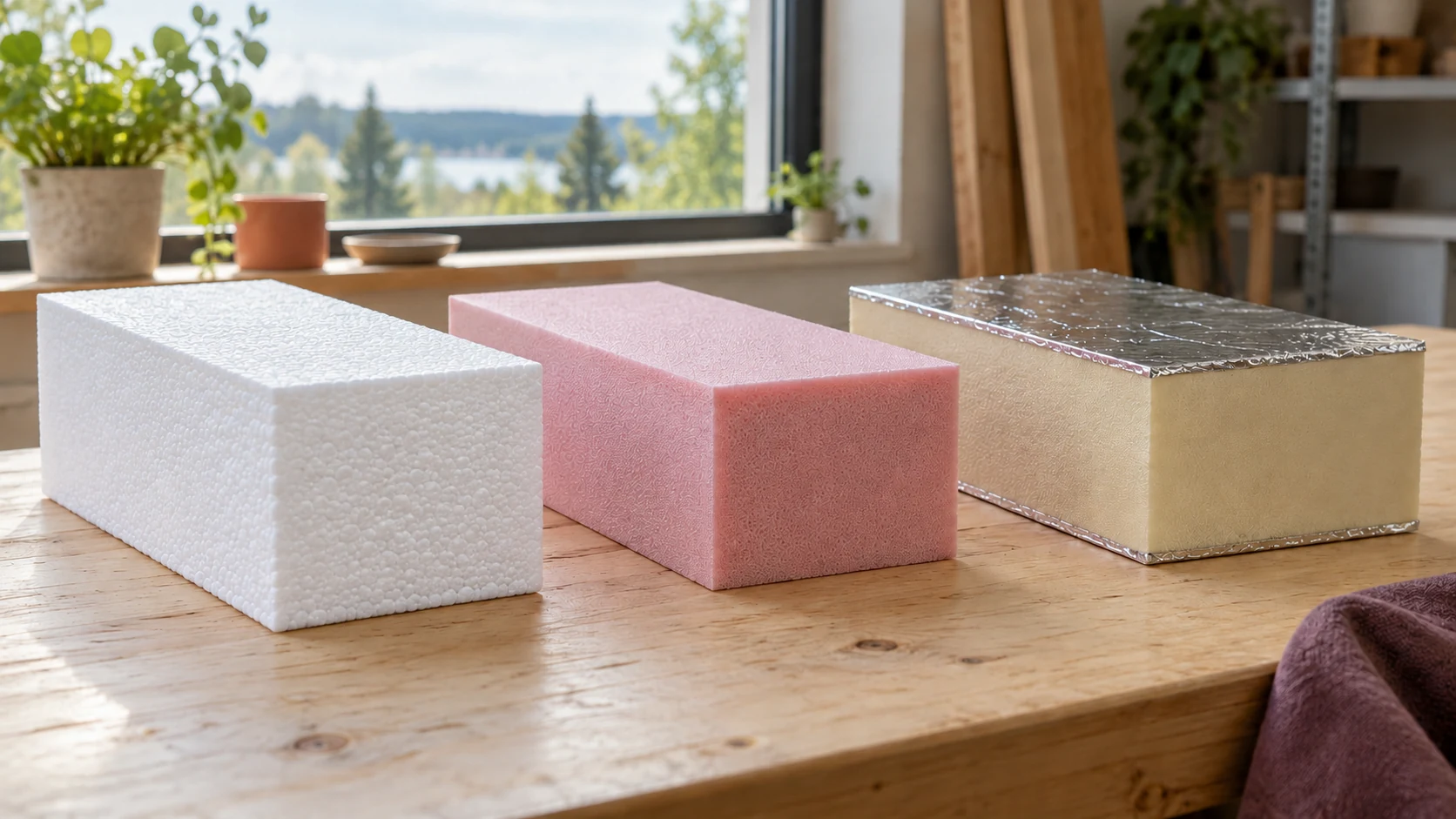
A single building may need several types of insulation. Compare EPS, XPS and PIR for a specific wall, floor or roof rather…
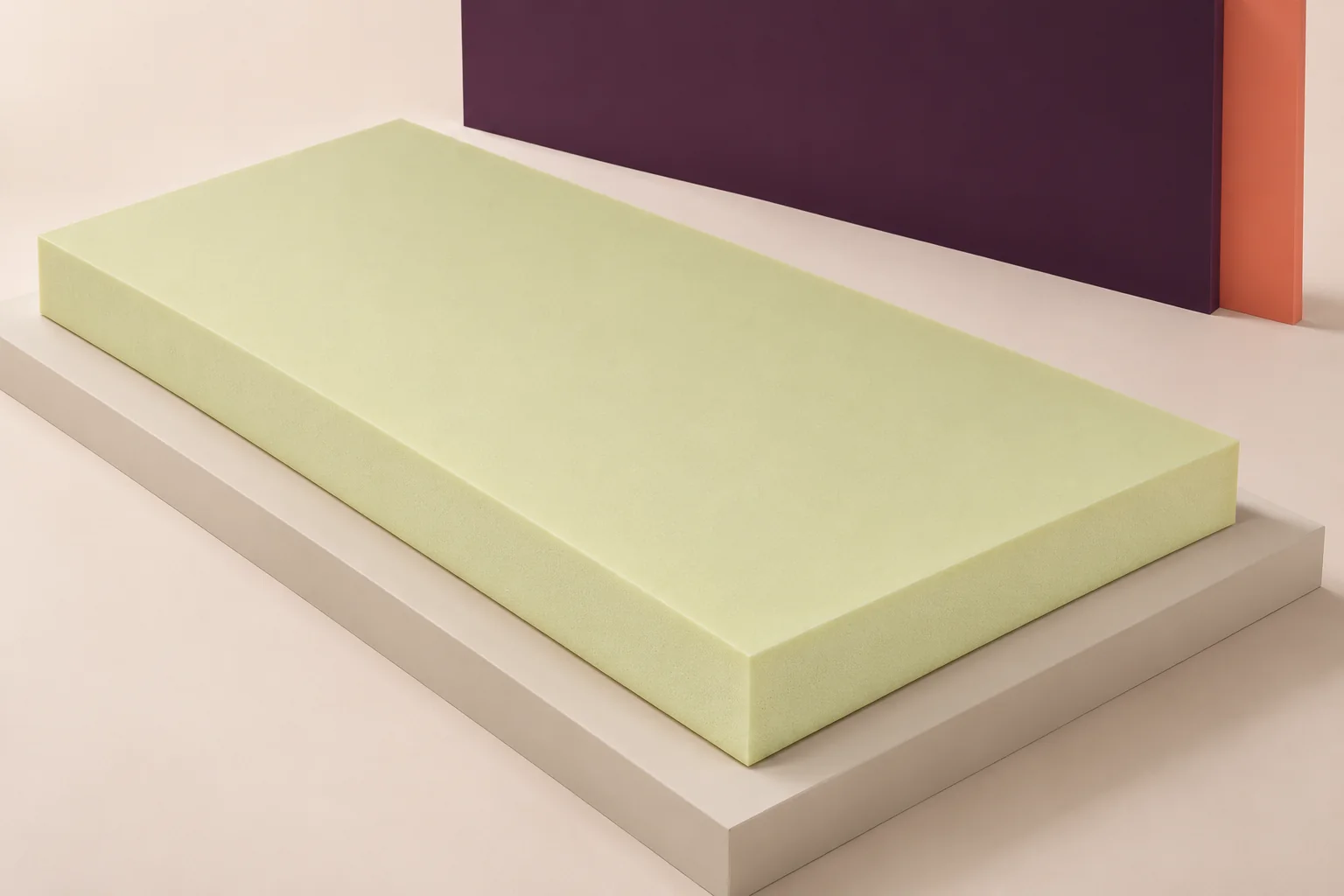
Specify XPS separately for each part of the project. Insulation beneath a loaded slab, against a basement wall, in a cold store…