XPS in cold-store floors: insulation, water vapour and frost protection
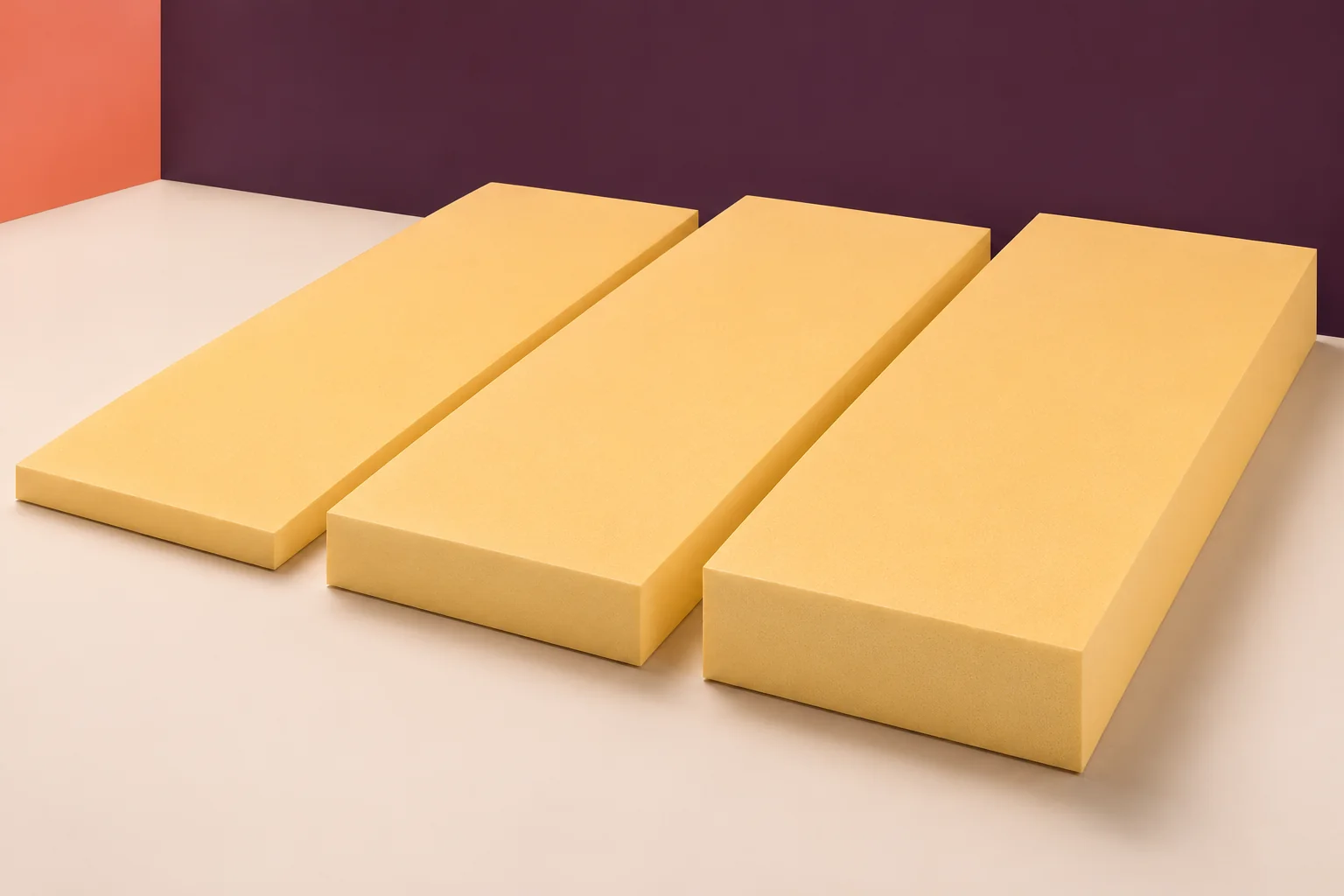
XPS insulation
In a chilled store, the floor limits heat flow and carries the loads from stored goods and transport equipment. A freezer also needs an assessment of how far the ground beneath it may cool. XPS thickness follows from the operating temperature and the thermal performance of the complete floor. Its mechanical grade depends on how the slab distributes wheel and rack loads over time. Record the temperature and humidity on each side, the operating cycle and the door opening schedule. These inputs determine where vapour control is needed and whether the ground requires separate frost protection.
In this guide
Chilled and frozen storage have different design conditions
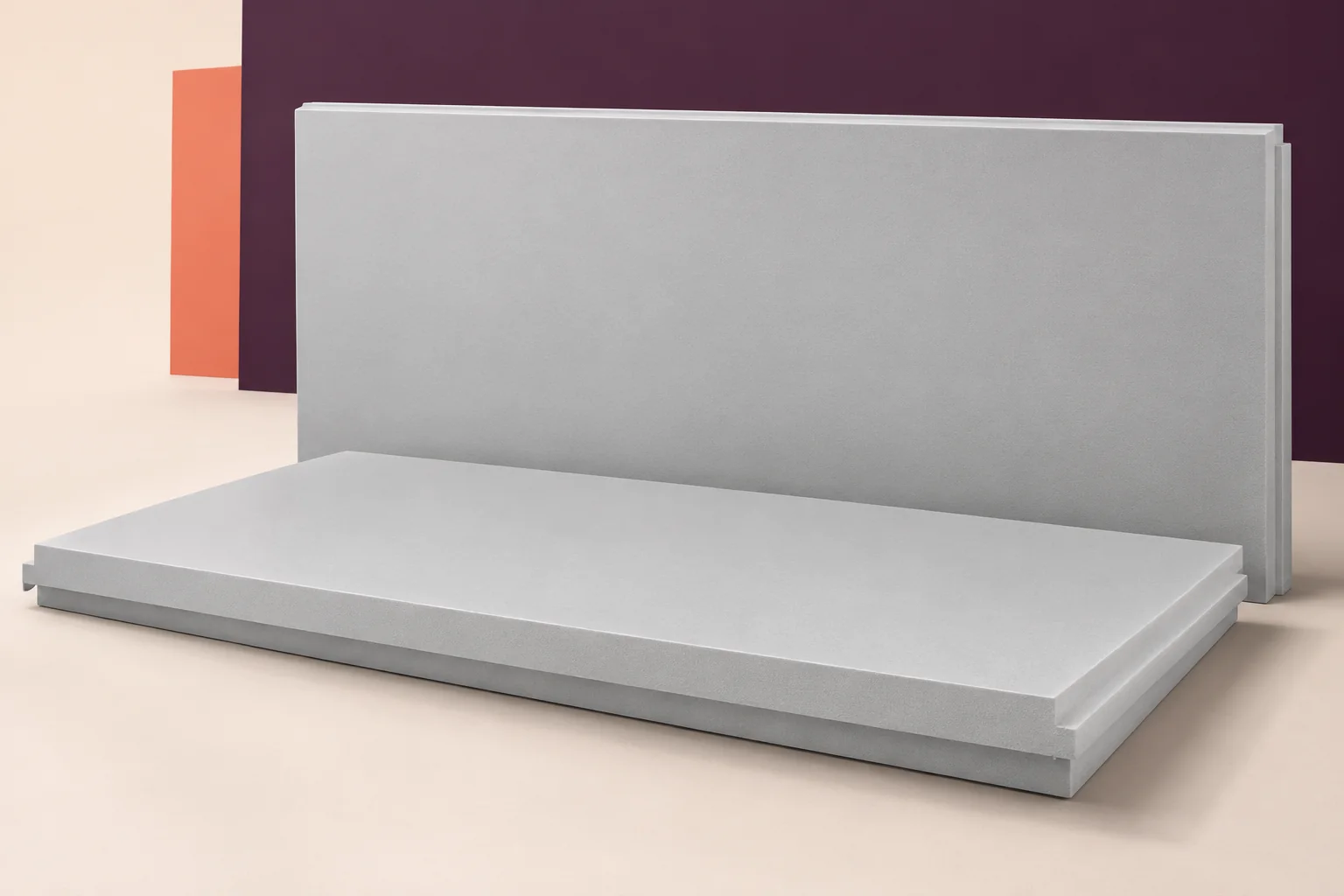
Extruded polystyrene boards come in a range of thicknesses. Select the thickness in relation to the rest of the envelope and the cost of refrigeration in operation. An underspecified floor can allow substantial heat gain even where the walls and ceiling are well insulated.
Where does the water vapour come from?
In a cold store the vapour drive can be the reverse of that in a heated room in winter. Diffusion runs from higher to lower partial vapour pressure, usually towards the cold room. Check the direction using temperature and humidity on both sides. Detail the vapour control layer and its sealed joints. Laying XPS alone does not produce a continuous vapour barrier.
Include the diffusion resistance of the boards in the calculation, together with joints, service penetrations and the wall connection. The build-up determines the position of the vapour barrier. A detail taken from a dwelling or additional XPS thickness cannot resolve a break in that layer.
Long-term loading beneath rack feet
The slab, racks, stock and vehicles all load the XPS. Design the load-spreading slab for the actual points of force application. Obtain creep data as well as compressive stress at ten per cent deformation to assess sustained loading.
Replacing floor insulation later can take a chamber out of service. At design stage, allow for any planned increase in stock, determine acceptable slab movements and check the tolerances specified for the handling equipment. Use those limits to select a grade that meets both thermal and mechanical requirements.
Protecting the ground beneath a freezer
Prolonged sub-zero operation can cool the soil beneath the floor to freezing point. Depending on site conditions, a designed frost-protection system such as heating below the insulation may be required. The presence of XPS reduces heat gain into the room but does not establish that the ground will remain frost-free.
Assess the insulation, structure and soil together. Record soil type, temperatures, operating duration and access for monitoring the protection system. A frost-protection heater controls conditions beneath the insulation while the storage chamber above continues to operate below zero.
Connecting floor insulation to the wall
Thermal insulation, seals and floor finishes meet at the perimeter. Detail the junction so that the XPS meets the adjacent insulation. Gaps increase local heat gain and can create unfavourable moisture conditions, particularly at columns, thresholds and door frames.
XPS can be cut closely around a penetration, but the penetration still needs its own seal. Provide protective layers suitable for the specified use and cleaning regime. The exposed board is unsuitable as a working surface or hygienic lining.
Product data for the specified cold room
Ravago, URSA and Austrotherm are among the suppliers of XPS. Check the proposed grade against temperature, load and moisture exposure. Declared performance after freeze-thaw cycling may also matter. A generic product description for cold stores is insufficient for procurement.
For a thick insulation layer, agree the number of board layers and joint pattern in advance. The available stock sizes alone should not determine the build-up. Record the selected configuration and how the insulation will be protected during concreting and assembly of the cold room.
Inspect concealed work before pulling down the temperature
Before covering the XPS, inspect its bearing, board joints and the continuity of water and vapour control layers. Photograph penetrations and perimeter junctions. Base the cooling start-up sequence on the installed materials and plant design. Concealed work must already have been inspected at that point.
Suitable XPS helps reduce continuous heat gain and gives the refrigeration system a predictable floor load. Coordinate the slab, vapour barrier, insulation and any ground protection before ordering boards or scheduling the first delivery of goods.

Free quote
What to include in your enquiry
Tell us how you plan to use the material, the dimensions and the quantity you need. Include the thickness, grade or variant name, along with the delivery town or your preferred collection branch. For a specific product, add its name or a link to the product page. We will reply to the email address you provide to discuss availability and the terms of your order.



Read next
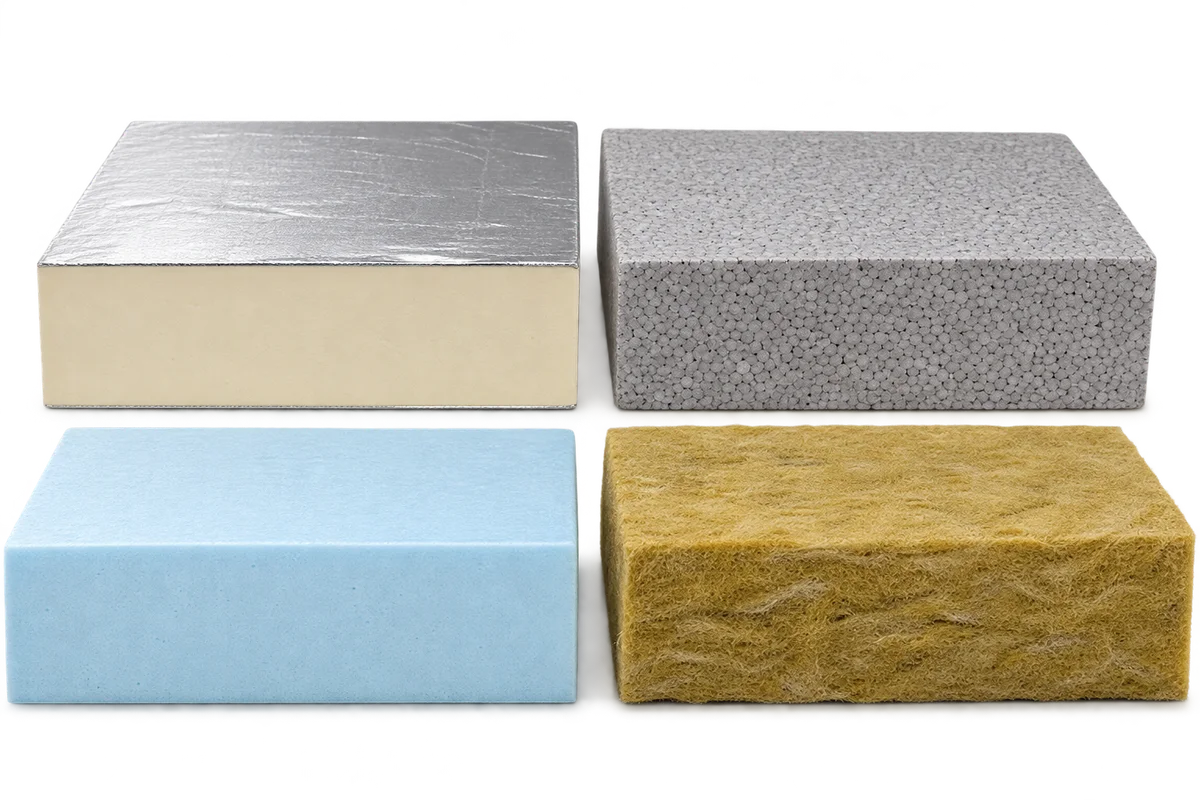
An environmental product declaration, or EPD, provides environmental impact data for the product it describes, but it is not a simple insulation…
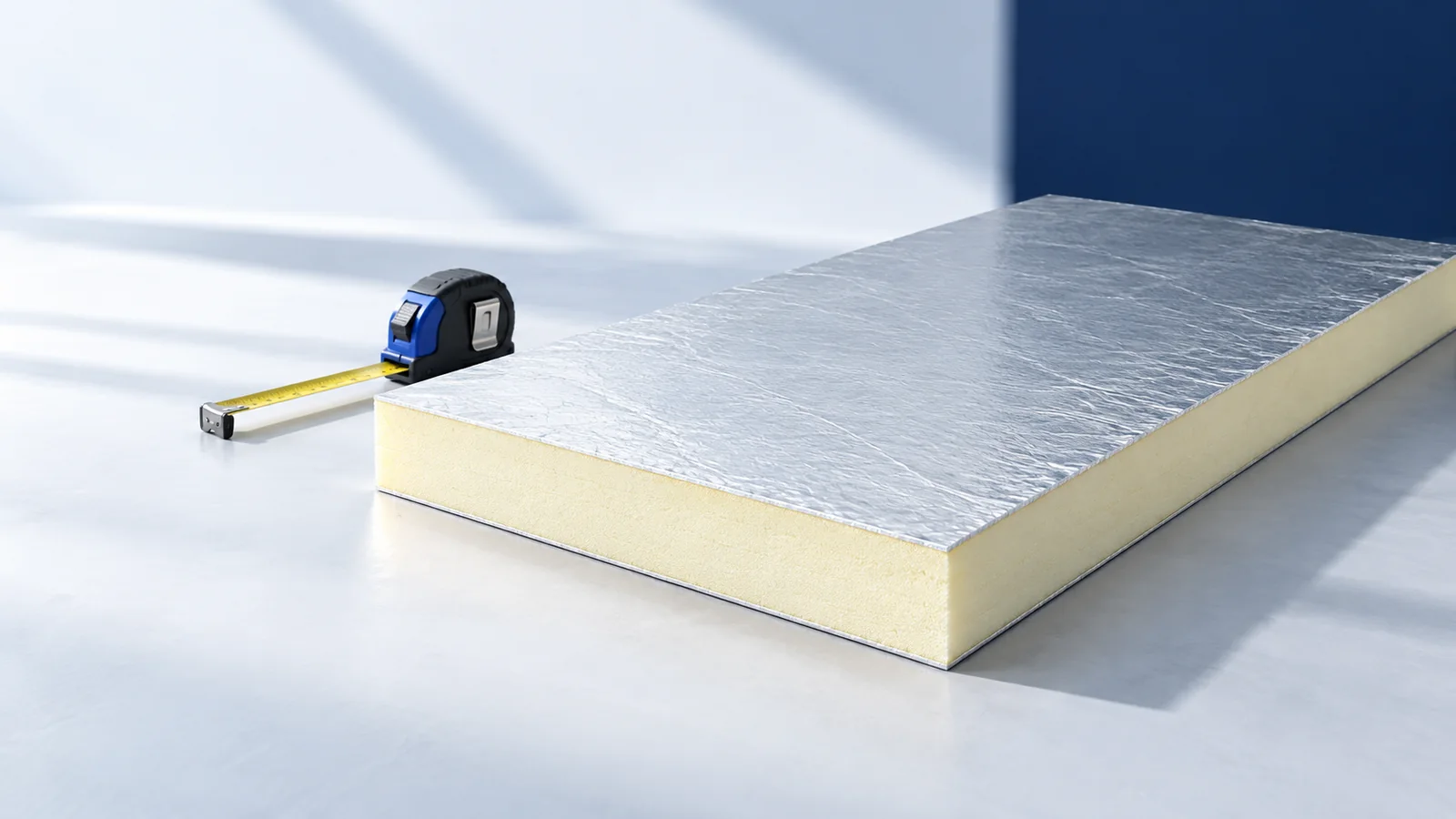
Measure the depth available at the eaves, roof windows and parapets, then compare insulation products at the thermal resistance your roof needs.…
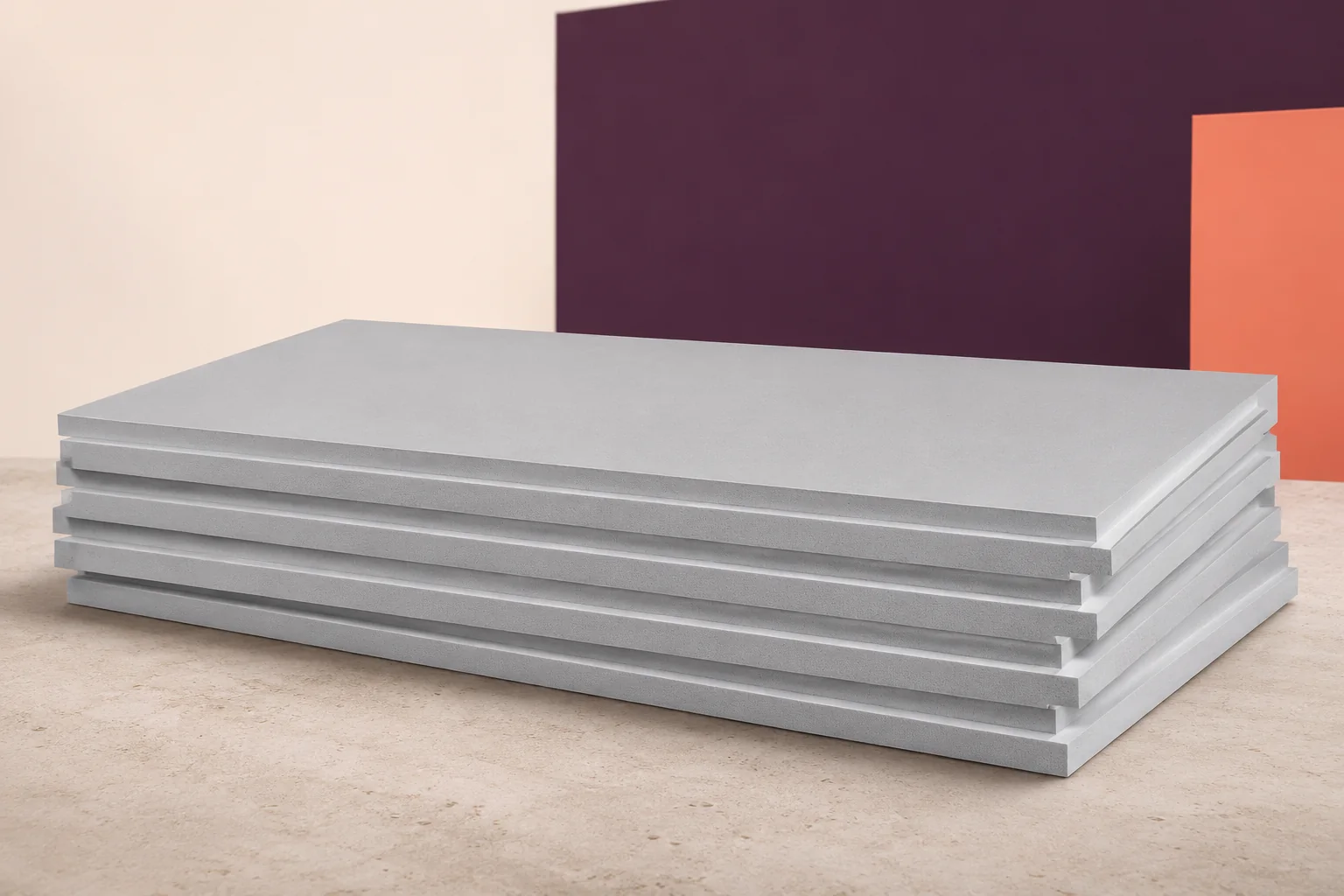
At a loading dock, draw the thermal boundary from the warehouse floor past the door and around the leveller pit. This shows…
A cold strip along the base of an industrial door can have several causes. Heat can pass through the door leaf, through…
Specify XPS separately for each part of the project. Insulation beneath a loaded slab, against a basement wall, in a cold store…
A damp basement should not be assessed in the same way as a heated upstairs room. In summer, warm air entering a…
In a food processing plant, the wash bay, production line, dry store and cold room place different demands on the floor. XPS…
Choosing XPS beneath a warehouse floor starts with two figures from the operating plan: the reaction at a loaded rack foot and…